Korea Monsoon Season Travel Tips: Best Indoor Activities 2026
Don't let the rain ruin your trip. Here is the ultimate guide to Korea's 2026 monsoon season, featuring 15+ indoor activities and essential survival tips.
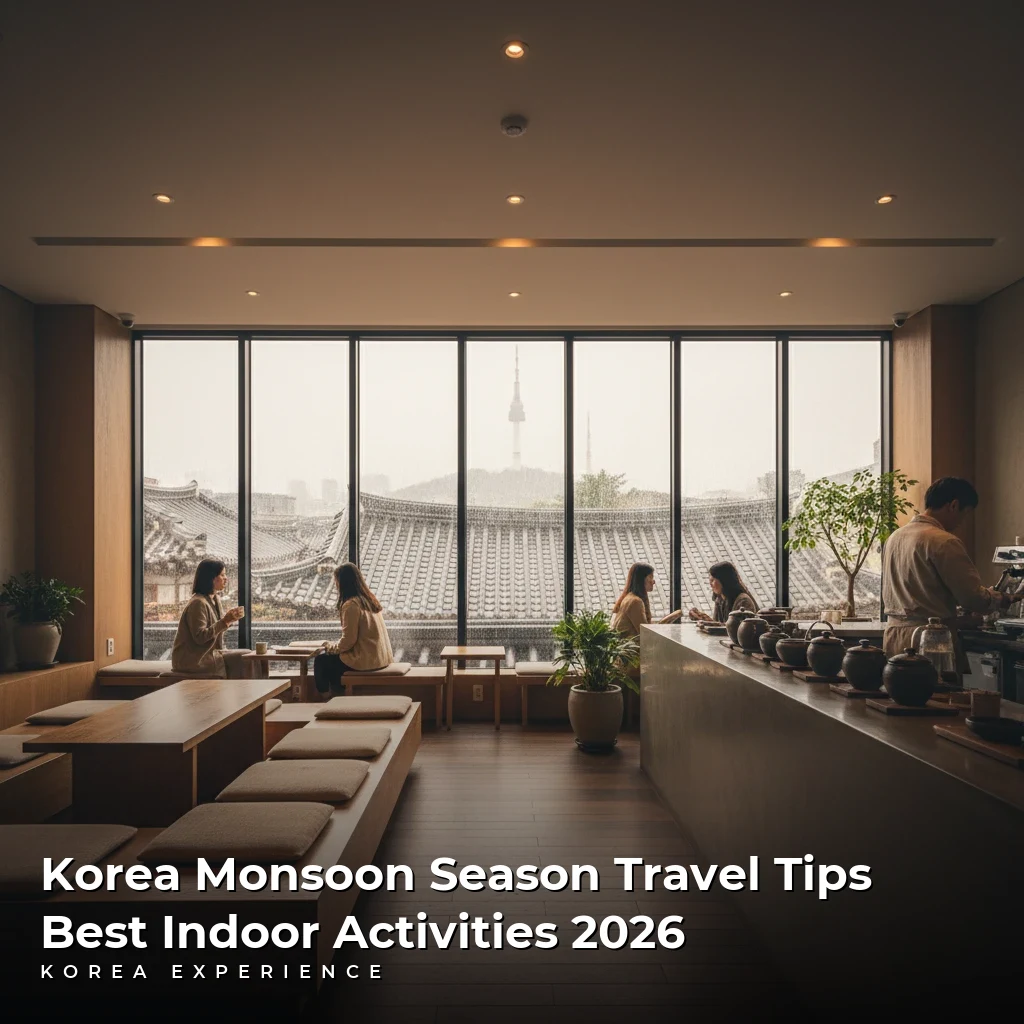
You are likely reading this because you are planning a trip to Korea in June or July and are terrified by the weather forecast showing endless rain icons, or perhaps you are already here and looking out your hotel window at a torrential downpour. Do not panic. While Korea’s monsoon season, known locally as Jangma, is intense, it does not have to ruin your vacation. In fact, seeing Korea in the rain offers a moody, atmospheric beauty and a valid excuse to explore the country's world-class indoor infrastructure.
The short answer: The Korean monsoon season typically runs from late June to late July, bringing 60-70% of the country's annual rainfall. However, it rarely rains 24/7; you will experience intense bursts followed by humid overcast periods, making travel perfectly manageable with the right gear and indoor itinerary.
Key Takeaways
- 1The 2026 Monsoon is predicted to peak between June 25 and July 20, with humidity averaging 80-90%.
- 2Avoid outdoor palaces on heavy rain days; opt for massive indoor complexes like COEX, The Hyundai Seoul, or Lotte World.
- 3Buy a sturdy umbrella locally (₩5,000-10,000) rather than packing a flimsy one; convenience store umbrellas in Korea are surprisingly high quality.
- 4Participate in the local culture of eating Pajeon (scallion pancakes) and drinking Makgeolli (rice wine) on rainy days.
Understanding Jangma: The Korean Monsoon
To survive the season, you must first understand what you are dealing with. Jangma (장마) is part of the East Asian Monsoon front. Unlike a typical afternoon shower in Europe or North America, Jangma rain can be relentless, heavy, and incredibly humid.
In 2026, meteorological data suggests the season will bring approximately 350mm to 400mm of rainfall to Seoul within a 30-day window. The temperature usually hovers between 24°C (75°F) and 29°C (84°F), but the "Real Feel" temperature is often much higher due to humidity levels consistently staying above 80%.
📋 Monsoon Season 2026 Snapshot
The rain isn't the only factor; the humidity is the real challenge for many travelers. Your clothes may feel sticky the moment you step outside. However, Korea is hyper-adapted to this climate. Every subway station, cafe, mall, and bus is aggressively air-conditioned. The contrast between the steamy outdoors and the freezing indoors is stark, so dressing strategically is key.
The Ultimate Monsoon Survival Kit
Preparation is the difference between a miserable wet slog and a comfortable adventure. Do not rely on standard travel advice for dry climates. Here is exactly what you need to navigate Seoul and Busan during the heavy rains.
Clothing and Footwear
Leave the heavy cottons and denim at home. When denim gets wet in 90% humidity, it does not dry. It stays heavy, damp, and uncomfortable for hours.
-
Footwear: This is the most critical element. The streets of Seoul, particularly in hilly areas like Itaewon or uneven pavement in Hongdae, can turn into shallow rivers.
- Rain Boots: In 2026, rain boots are a major fashion statement in Korea. You will see locals wearing knee-high Hunter boots or ankle-height Chelsea rain boots. If you have them, bring them.
- Waterproof Sandals: Teva, Chaco, or Crocs are excellent because they dry instantly. However, be careful on tiled subway floors; they can be slippery when wet.
- Avoid: Canvas sneakers (Converse/Vans) and suede. They will be ruined within 20 minutes of walking outside.
-
Fabrics: Pack synthetics, linen, or specialized sweat-wicking athletic wear (Uniqlo Airism or Nike Dri-Fit). These breathe better in the humidity and dry quickly if you get caught in a downpour.
Equipment to Buy Locally
Do not waste suitcase space on a heavy umbrella.
Buy Umbrellas at Convenience Stores
Korean convenience stores (CU, GS25, 7-Eleven) sell sturdy, clear plastic umbrellas for roughly ₩5,000 to ₩7,000 ($4-5 USD). These are better than compact travel umbrellas because the deep dome shape protects your head and shoulders from wind-blown rain. Plus, the clear plastic allows you to see traffic while walking—a crucial safety feature on busy Seoul streets.
Dehumidifying Items: If you are staying in an Airbnb or a guesthouse that might not have central climate control, buy "Moolmeokneun Hama" (물먹는 하마 - a hippo brand dehumidifier tub) from Daiso for ₩1,000. Put this in your closet or near your suitcase to keep your clothes from smelling musty.
Top Indoor Shopping Complexes: Cities Within a City
When the rain is horizontal, the best strategy is to go underground or indoors. Seoul has developed massive "lifestyle complexes" where you can literally spend 12 hours without seeing the sky. These aren't just malls; they are ecosystems containing aquariums, libraries, cinemas, and hundreds of restaurants.
1. The Hyundai Seoul (Yeouido)
Opened earlier in the decade and still the reigning champion of retail therapy in 2026, The Hyundai Seoul is the largest department store in the capital. The architecture is specifically designed to bring the outdoors in.
The 5th floor features the "Sounds Forest," a massive indoor garden with real trees and grass under a glass ceiling. You can hear the rain pattering on the glass roof while you sit on a bench surrounded by greenery, staying perfectly dry.
The Hyundai Seoul(더현대 서울)
2. COEX Mall (Gangnam)
COEX remains the classic rainy day destination. Located in the heart of Gangnam, it connects to the InterContinental Hotel, a casino, the City Air Terminal, and the famous Starfield Library. You can easily walk 15,000 steps here without ever stepping outside.
- Starfield Library: The towering bookshelves are iconic. It’s a perfect spot for photography.
- COEX Aquarium: A great option for families. Tickets are approximately ₩33,000 for adults.
- Recommendation: If you want a full guide on navigating this massive labyrinth, check out our Coex Mall complete shopping and dining guide.
3. Lotte World Mall & Tower (Jamsil)
This is home to the Seoul Sky observatory (5th tallest building in the world). While the view might be obscured by clouds, the mall below is spectacular. It features a massive aquarium, a concert hall, and a high-end luxury avenue. The Lotte World theme park next door has a huge indoor section ("Adventure"), making it the only theme park viable during a typhoon or heavy rain.
Cultural Immersion: Museums and Galleries
Rainy days are the best days for history and art. Seoul's museums are world-class, inexpensive (often free), and vast.
National Museum of Korea (Ichon)
You could spend three full days here and not see everything. The building itself is a modern architectural marvel. The main hall, "History Road," leads you through Korea's timeline from the Paleolithic age to the modern era.
- Admission: Free for the permanent exhibition.
- Special Exhibitions: Usually ₩10,000 - ₩18,000.
- Facilities: Great cafes and a food court overlooking the misty Yongsan Park.
Leeum Museum of Art (Hannam-dong)
Owned by the Samsung Foundation, Leeum offers a stunning mix of traditional Korean art (celadon, calligraphy) and contemporary global art (Rothko, Warhol, Damien Hirst). The contrast between the ancient ceramics and the modern architecture is striking.
📖 How to Book Leeum Museum Tickets
Step 1: Visit Website
Go to the official Leeum website 14 days in advance.
Step 2: Select Digital Guide
The digital guide (Galaxy phone rental) is essential as it auto-plays descriptions as you approach art.
Step 3: Rainy Day Tip
Arrive via taxi or bus; the walk from the subway is hilly and slippery in the rain.
Korean Wellness: Jjimjilbang Culture
There is arguably no better feeling than being inside a hot, dry sauna while a storm rages outside. Jjimjilbangs (Korean bathhouses) are 24-hour saunas that offer hot baths, kiln saunas, sleeping rooms, and entertainment.
For a luxury experience, try Cimer at Paradise City (near Incheon Airport) or Aquafield in Hanam/Goyang. These are upscale versions costing between ₩40,000 and ₩60,000 for a 6-hour pass. They feature infinity pools, media art saunas, and relaxation rooms with individual televisions.
For a more authentic, local experience, visit Sparex in Dongdaemun. It is located in the basement of a shopping mall, costs about ₩15,000, and offers a rustic charm.
💵 Jjimjilbang Options: Luxury vs. Local
Infinity pools, LED media rooms, upscale dining.
Authentic kilns, boiled eggs, sweet rice punch.
Tattoo Etiquette
While perceptions are changing in 2026, many traditional bathhouses still have strict rules about visible tattoos. Luxury spots like Cimer are generally more accepting or offer rash guards to cover up, but local spots may deny entry. Always check beforehand or bring skin-colored tape.
The Taste of Rain: Makgeolli and Pajeon
In Korea, weather dictates the menu. On rainy days, it is culturally mandatory to eat Jeon (savory pancakes) and drink Makgeolli (milky rice wine).
Why? Locals say the sound of the batter frying in the oil (chiji-jik) resembles the sound of rain hitting the ground. It’s a sensory match.
Where to go?
Head to the Jongno 5-ga area near Gwangjang Market or the "Pajeon Alley" near Hoegi Station (Kyung Hee University area). These places come alive when it rains. The humidity seems to amplify the smell of the frying oil and the fermented yeast of the rice wine.
Do not just order the standard 'Haemul Pajeon' (Seafood Pancake). Try 'Gamja-jeon' (Potato Pancake) on a rainy day. The starchiness creates a chewy texture that pairs perfectly with the effervescence of fresh Makgeolli. Also, ask for 'Al-bam Makgeolli' (Chestnut flavored) if you prefer something sweeter.
For more food ideas, see our guide on best Korean convenience store food must try items 2026, which includes great rainy-night snacks like instant spicy noodles.
Unique Indoor Workshops
If you want to do something productive while dodging the downpour, Seoul offers an incredible array of one-day classes.
- Perfume Making: Create a scent that reminds you of "Seoul Rain." You can mix your own fragrances in workshops in Bukchon or Hongdae. Read our full experience on custom perfume making in Seoul.
- Ring Making: Visit a ring-making cafe in Hongdae. For about ₩50,000, you can silversmith your own ring. It takes 2-3 hours—perfect for waiting out a storm.
- Personal Color Analysis: This trend is still huge in 2026. Spend 90 minutes finding out if you are a "Cool Summer" or "Warm Autumn." It’s entirely indoors and very popular.
Transport Tips: Moving Through the Rain
Getting around during Jangma requires strategy.
- Subway is King: The subway never stops for rain, never gets stuck in traffic, and is climate-controlled. The network of underground walkways (especially around Euljiro, Gangnam, and Yeouido) allows you to traverse kilometers underground.
- Taxi Wars: Getting a taxi during a downpour is nearly impossible. Demand skyrockets. If you must take a car, use KakaoT or Uber (called UT in Korea), but be prepared for "Blue" (Premium) surcharges or wait times of 20+ minutes.
- Bus Safety: Buses are convenient, but drivers can be aggressive. Wet roads make for jerky stops. Hold on tight to the handrails.
Transport During Monsoon
- ✓Subway is reliable and dry
- ✓Underground walkways connect major spots
- ✓Taxis offer door-to-door comfort (if you catch one)
- ✗Taxi availability drops to near zero
- ✗Bus rides can be slippery and jerky
- ✗Traffic jams increase travel time by 50%
Regional Escapes: Does it rain everywhere?
Korea is small, but weather patterns differ. If Seoul is drowning in rain, the southern coast might be different—though often, the front moves south to north.
Busan generally gets the monsoon slightly earlier than Seoul. However, Busan has excellent indoor options like Spa Land (the world's largest department store spa) and the Museum 1 media art center.
Jeju Island has a different climate. It is significantly more humid and prone to typhoons. If you are visiting Jeju in July, prioritize indoor activities like the Arte Museum (media art) or the Osulloc Tea Museum.
For timing your regional trips, consult our guide on the best time to visit Korea month by month weather.
A Rainy Day Itinerary Example
Here is a balanced itinerary for a heavy rain day in Seoul, keeping you dry and entertained.
Rainy Day in Gangnam: Culture & Commerce
The Dualism Concept: Experience the best of both worlds — premium luxury moments paired with authentic budget-friendly experiences in one route.
Starfield Library
Start the morning with photos and coffee at COEX.
Bongeunsa Temple
Right across from COEX. Temples are stunning in the rain.
COEX Aquarium
Walk through the ocean tunnel.
Makgeolli Dinner
Premium Makgeolli bar in Cheongdam.
Stay within the COEX/Samseong area to minimize outdoor walking.
Embracing the "Unchi" (운치)
There is a Korean word, Unchi (운치), which roughly translates to "elegance," "mood," or "atmosphere," specifically used for scenic views or weather. Sitting in a traditional Hanok cafe, watching the rain drip from the curved roof tiles into the courtyard, is the definition of Unchi.
Instead of fighting the rain, seek out these moments. Places like Onion Anguk or Tea Therapy in Bukchon Hanok Village are designed for this. The sound of rain on a tiled roof is a travel memory you won't get on a sunny day.
📊 Indoor Activity Growth
Frequently Asked Questions
❓ Monsoon Season FAQs
Have more questions?Contact us →
Conclusion
Traveling to Korea during the monsoon season of 2026 requires a shift in mindset. It is not about "surviving" the rain, but about experiencing a different side of the peninsula. It is the season of lush green mountains, dramatic grey skylines, savory pancakes, and deep relaxation in warm spas.
Pack your waterproof shoes, buy a clear umbrella at the first convenience store you see, and dive into the incredible indoor worlds Seoul has to offer. The rain will eventually stop, but the memories of a moody, atmospheric Seoul will last forever.
Planning your trip? Don't forget to check our guide to Korean BBQ for the best places to eat once the rain clears up.
About the Author
Korea Experience Team
Written by the Korea Experience editorial team - experts in Korean medical tourism, travel, and culture with years of research and firsthand experience.
Explore more in Travel & Tourism
From Seoul's neon-lit streets to Jeju's volcanic landscapes — discover the best of Korea with insider travel tips, itineraries, and seasonal guides.
Browse All Travel & Tourism ArticlesContinue Reading
Explore more articles you might find interesting
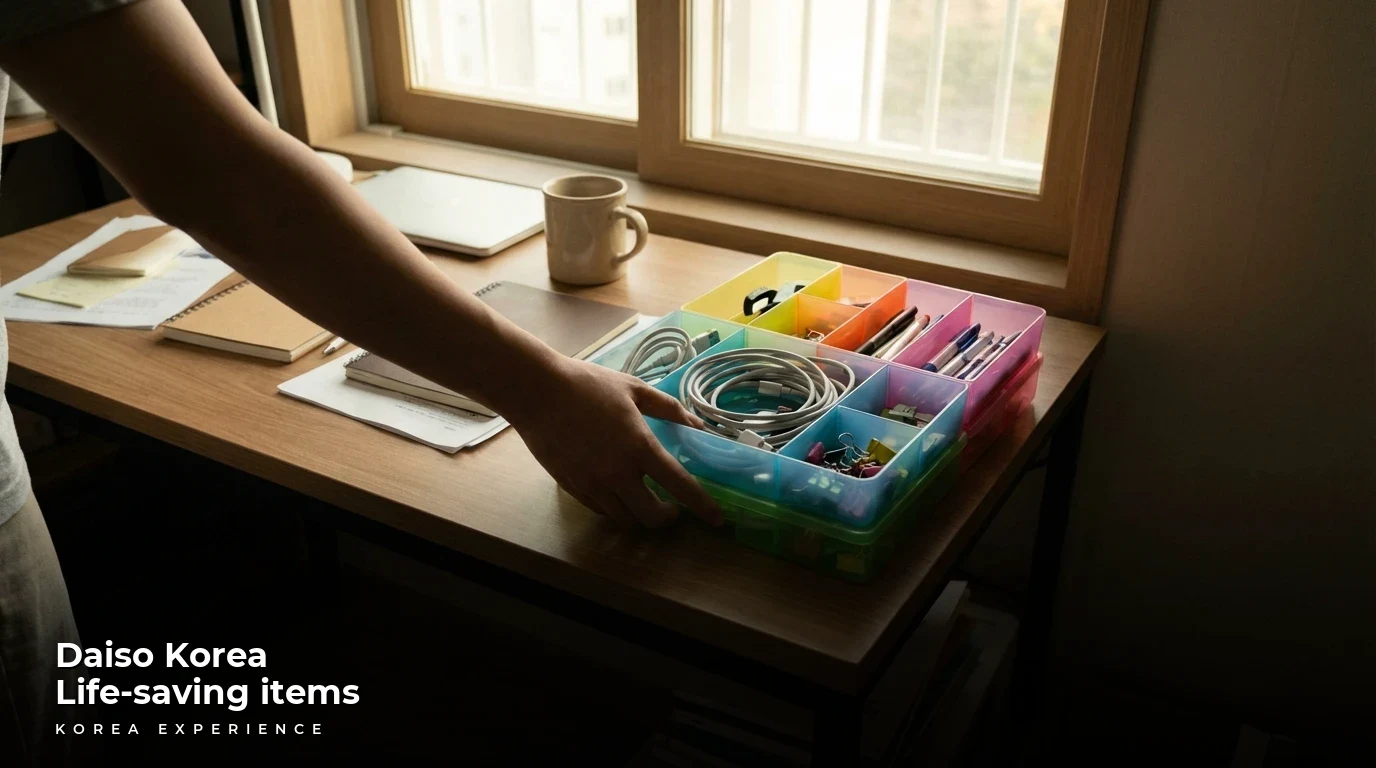
Discover the best 2026 Daiso Korea finds under 5,000 KRW. From viral VT Reedle Shots to travel adapters, here is your ultimate shopping guide.
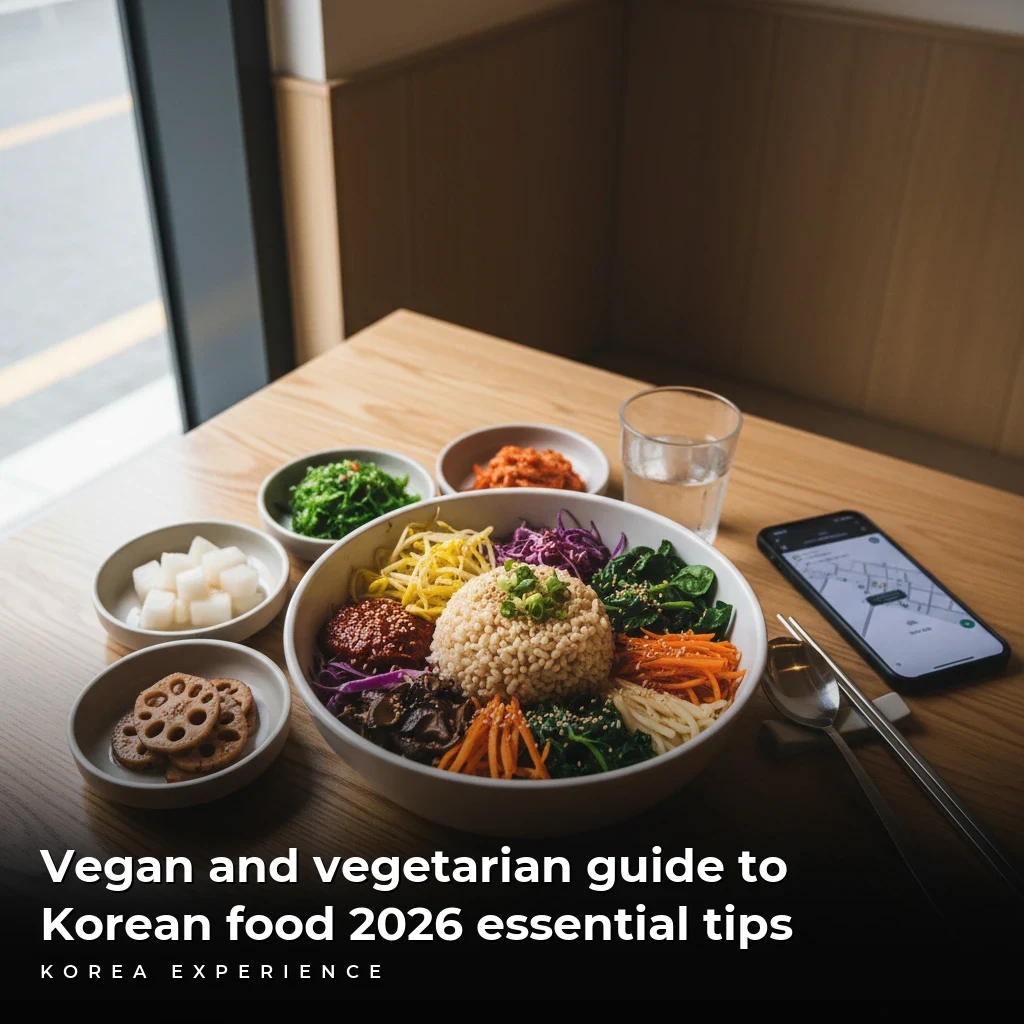
Discover the ultimate 2026 guide to vegan and vegetarian dining in Korea. Includes vocabulary, top restaurants, and survival tips for travelers.
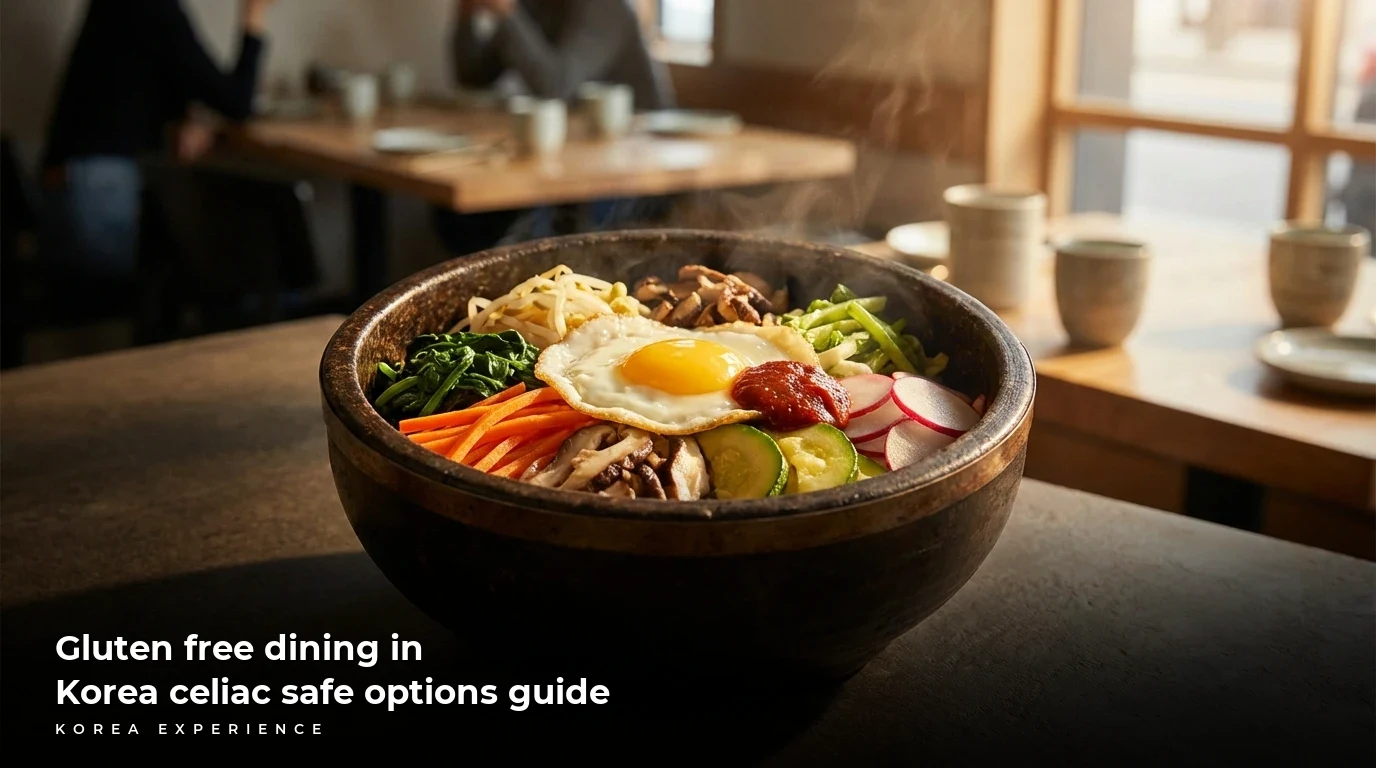
Discover the ultimate guide to gluten free dining in Korea with celiac safe options, restaurant recommendations, and essential travel tips for 2026.
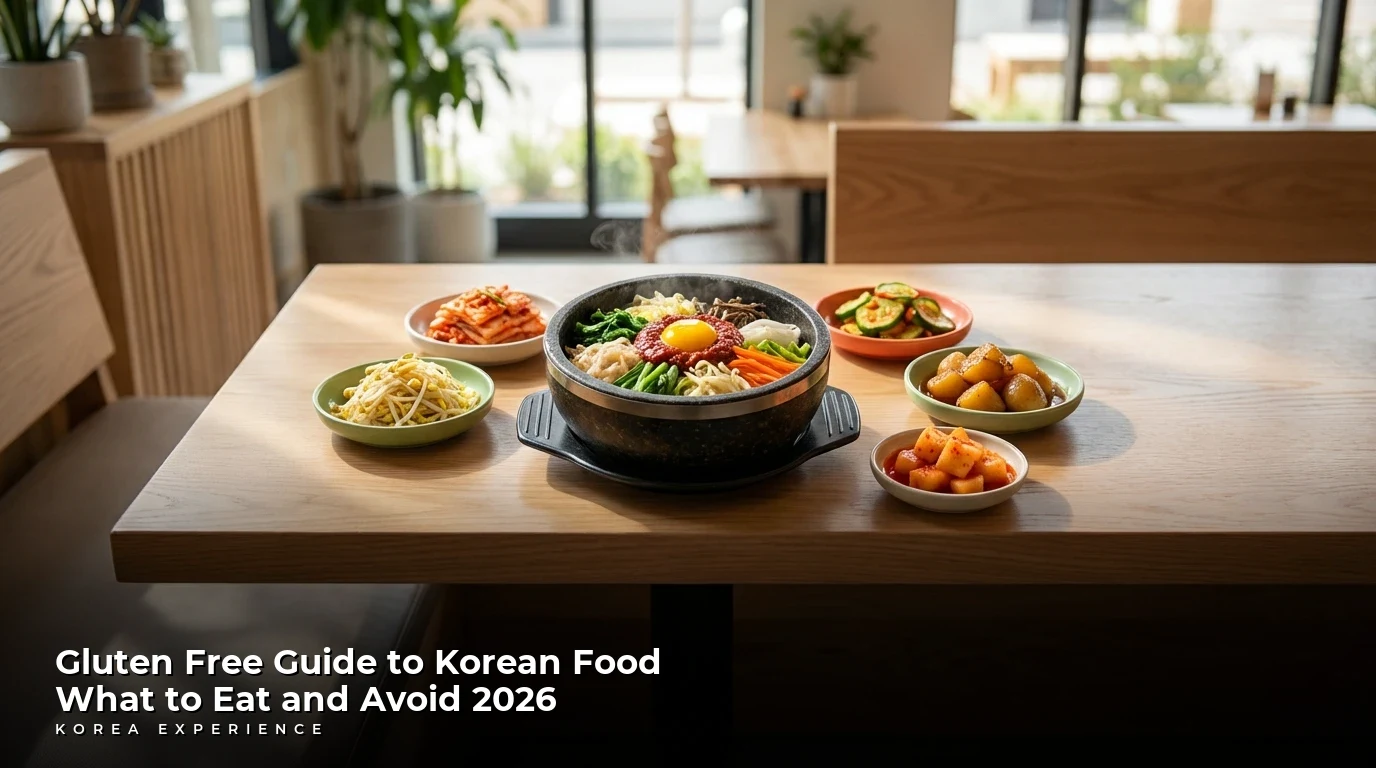
The ultimate 2026 guide for navigating South Korea with celiac disease. Discover safe dishes, restaurant recommendations, and essential travel tips.

Stretch your budget in 2026 as 1 USD hits 1,400 KRW. Save up to 10 percent on tax refunds and cut 3 percent in card fees with our ultimate travel money guide.
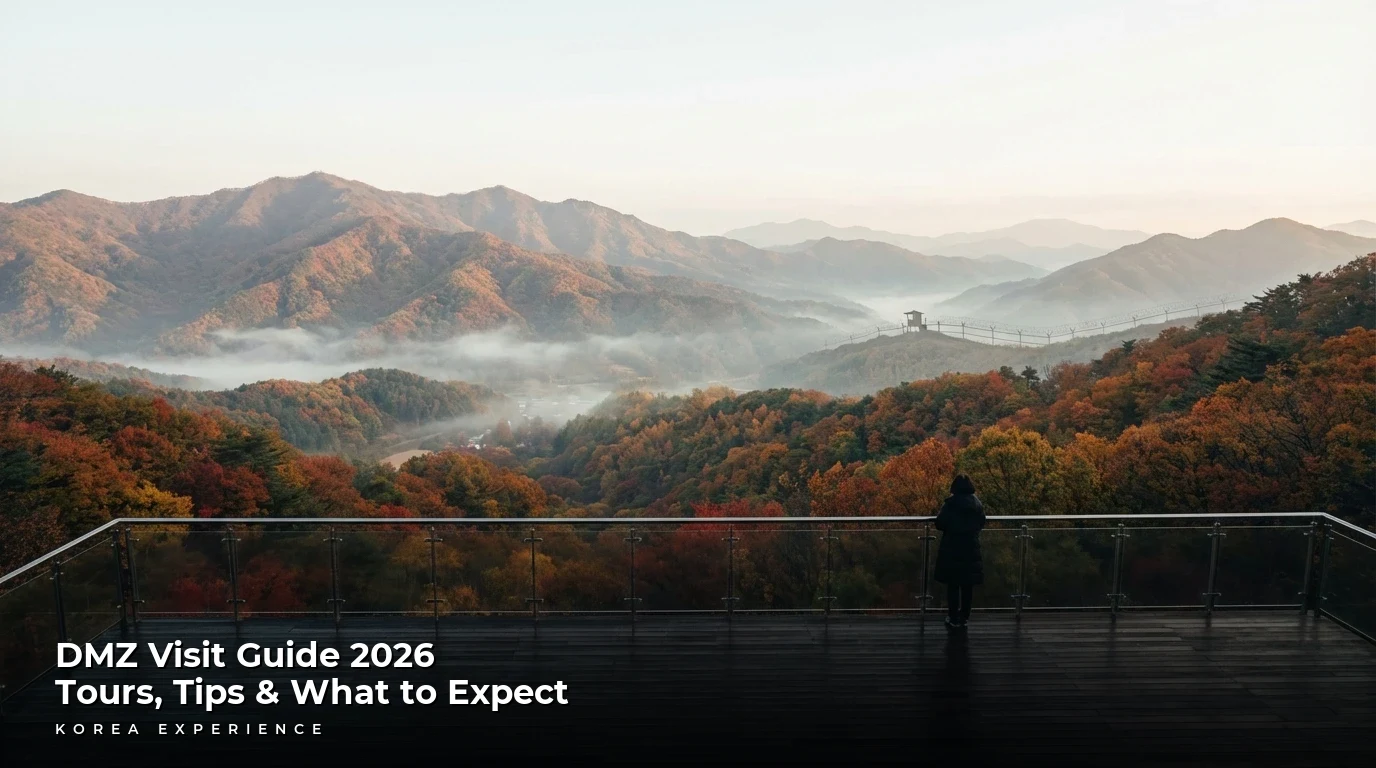
Planning a trip to the edge of North Korea this year? Here is everything you need to know about the current JSA closure, the brand-new 2026 transit rules.