Medical tourism for plus size patients in Korea
A complete guide to high-BMI surgery in Korea. Discover specialized clinics, safety protocols for BMI 30+, and realistic cost estimates for 2026.
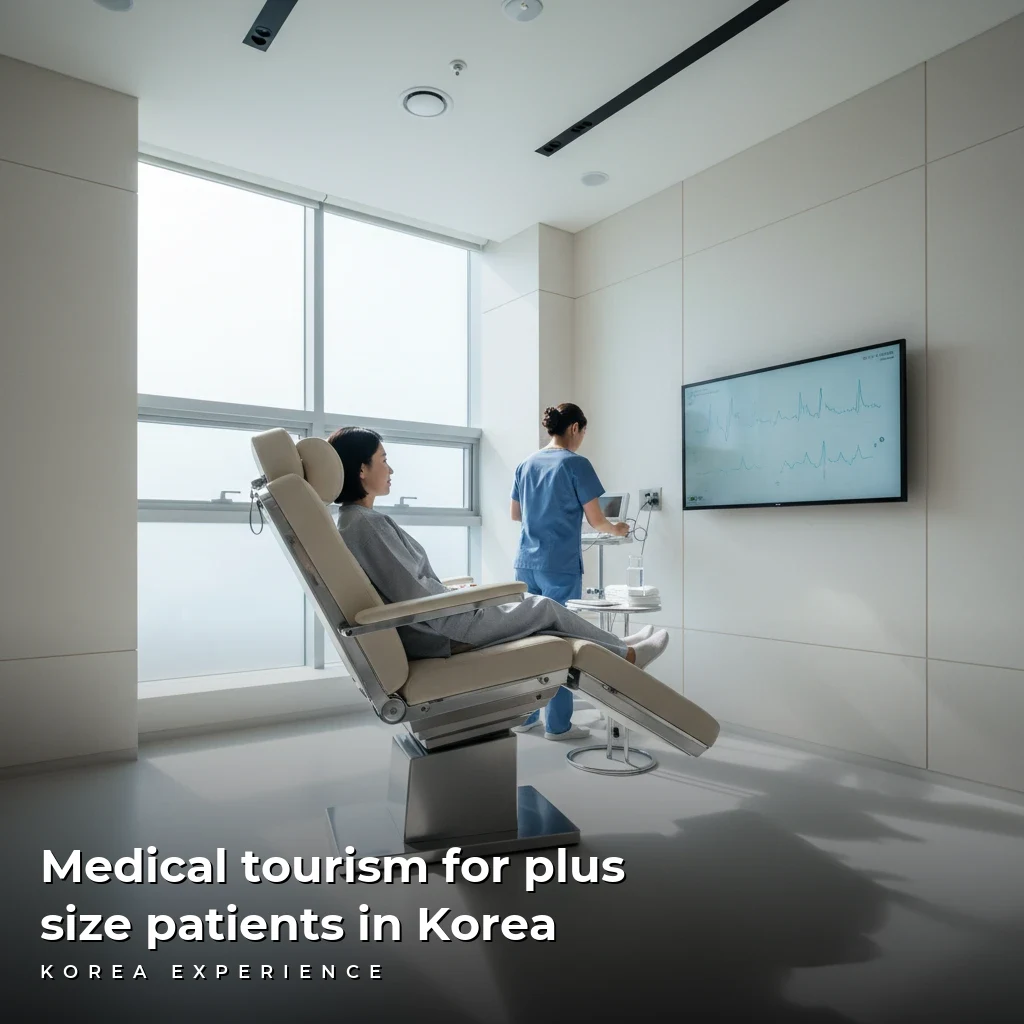
Finding a Korean medical clinic that specializes in plus-size patients (BMI 30+) requires navigating a landscape where standard beauty norms often dictate facility capabilities, but it is entirely possible and increasingly common in 2026. While many smaller neighborhood clinics in Gangnam may turn away patients with a BMI over 30 due to anesthesia risks or equipment limitations, specific university hospitals and Tier-1 specialized centers have dedicated "safe surgery" protocols, reinforced operating tables, and specialized anesthesiologists to handle higher BMIs safely. The key is knowing which facilities have the infrastructure—specifically High-Flow Oxygen systems and dantrolene stocks—to manage complex cases.
The short answer: Plus-size patients can absolutely undergo surgery in Korea, but must choose "Hospital-grade" specialized centers over small private clinics. Expect a "safety surcharge" of 20-30% for BMI over 35 due to additional anesthesia monitoring and staff requirements.
Key Takeaways
- 1Clinics strictly categorize high BMI (30+) and ultra-high BMI (40+) with different pricing tiers
- 2University-level hospitals are safer than boutique clinics for patients over 100kg
- 3Pre-op testing is more extensive, often requiring cardiac clearance 2 days prior
Medical Disclaimer
This article is for informational purposes only and does not constitute medical advice. Always consult with a qualified physician before traveling for surgery. If you have a BMI over 35 or underlying health conditions (sleep apnea, hypertension), you must disclose this during your initial online consultation.
The Reality of Plus-Size Medical Tourism in Korea
In 2026, South Korea remains the plastic surgery capital of the world, attracting over 500,000 medical tourists annually. However, the experience for a plus-size patient (defined medically in Korea as BMI ≥ 25, but practically for surgery as BMI ≥ 30) differs significantly from the standard journey.
Western patients often report feeling surprised by the directness of Korean medical staff regarding weight. In Korea, weight is treated as a clinical metric rather than a sensitive personal topic. A doctor might bluntly state, "You are too heavy for this specific laser," not to be rude, but because the penetration depth of standard devices (usually calibrated for 15-20mm of adipose tissue) may not be effective on deeper layers (40mm+).
Understanding the "Safety Cutoff"
Most boutique clinics in the Apgujeong and Sinsa districts operate with "local anesthesia with sedation." This is the industry standard for quick procedures. However, deep sedation on patients with a BMI over 35 carries a higher risk of airway obstruction (sleep apnea).
📊 Clinic Safety Thresholds 2026
For this reason, standard clinics often have a hard cutoff at 80kg or 90kg for women. Specialized clinics, however, utilize general anesthesia with intubation, which protects the airway, allowing them to operate safely on patients up to 140kg or more, provided the operating table weight limit (usually 200kg for heavy-duty tables) allows it.
Knowing where to go is the difference between a rejection at the consultation desk and a successful transformation. For a broader look at the top facilities generally, you can check our guide on best plastic surgery clinics for foreigners in Seoul, but keep reading here for specific high-BMI advice.
Pre-Consultation Essentials: The Numbers Game
Before you book a flight that takes 11-14 hours from North America or Europe, you must have your numbers ready. Korean consultations for international patients are data-driven.
1. Accurate BMI and Body Composition
Do not guess your weight. Specialized clinics require a current weight reading within 0.5kg accuracy. In 2026, many clinics ask for an InBody scan result (available at most local gyms) sent via WhatsApp or Line before you arrive. This helps them calculate the volume of fat to be removed or the anesthesia dosage required.
2. The "Safety Surcharge" Explained
If your BMI is over 30, you will likely see a line item on your invoice labeled "High BMI Surcharge" or "Special Anesthesia Fee." This typically ranges from ₩500,000 to ₩2,000,000 ($375 - $1,500 USD).
📋 Why the Extra Cost?
This fee covers the additional time required to position the patient safely, the increased volume of anesthesia drugs, and often, the need for a second anesthesiologist to be present for airway management. It is a sign of a responsible clinic, not price gouging.
3. Medical History Disclosure
You must disclose if you use a CPAP machine. Sleep apnea is the number one risk factor for medical tourists. If you use CPAP, you must bring it with you to Korea. Most recovery rooms in specialized clinics are equipped with outlets and space for your machine, but you must confirm this in advance.
📖 How to Book a Plus-Size Friendly Consultation
Step 1: Measure Accurately
Get height and weight confirmed. Calculate BMI. Take photos from front, side, and back in form-fitting clothing.
Step 2: Filter Clinics
Look for clinics with 'Hospital' in the name (e.g., University Hospital or specialized Hospital) rather than 'Clinic'. Hospitals have higher safety licensing.
Step 3: Send Specific Inquiry
State clearly: 'My BMI is X. Do you have experience with patients of my size? Do you have weight limits for your operating tables?'
Step 4: Video Consultation
Request a video call. Assess if the doctor seems comfortable discussing your size or if they are dismissive.
Top Korean Clinics for High-BMI Patients (2026 Profiles)
While we cannot endorse a single business, we can highlight the types of facilities and districts that have established protocols for plus-size patients. The Gangnam and Seocho districts are the hubs, located approximately 60km from Incheon International Airport (ICN).
The "Body Contouring" Specialized Hospitals
These are large-scale facilities, often 10-15 stories tall, dedicated entirely to liposuction and body shaping. They are distinct from general plastic surgery clinics because they have "Safety Anesthesia Centers."
Why they work for plus-size patients:
- Experience: They perform 5,000+ cases a year, many of which are high-volume liposuctions (5,000cc - 10,000cc removal).
- Equipment: They utilize 3D body scanners that accommodate larger frames and have wider MRI machines if diagnostics are needed.
- Recovery: They offer compression garments in sizes up to 4XL or custom-made options, whereas smaller clinics may strictly stock S, M, and L.
"For patients over 100kg, we use a different induction protocol. We also require a cardiac stress test 48 hours before surgery. Small clinics skip this, but for us, it is non-negotiable. If you cannot walk up two flights of stairs without gasping, we may delay surgery."
University Hospitals (International Care Centers)
Institutions like Asan Medical Center or Samsung Medical Center have International Healthcare Centers. These are ideal for bariatric surgery (weight loss surgery) or reconstructive surgery that requires a multi-disciplinary approach.
Why they work:
- Safety Net: They have full emergency departments and ICUs on-site.
- Global Standards: They are JCI (Joint Commission International) accredited, meaning their bed sizes, door widths, and weight capacities meet international (often US) standards.
- Language: They have dedicated coordinators for English, Arabic, and Russian speakers.
Global Safety Plastic Surgery Hospital(글로벌 안심 성형외과)
Procedures: Volume Limits and Expectations
One of the biggest misunderstandings in medical tourism is the concept of "Mega Lipo" or large-volume liposuction. In Korea, the law and safety guidelines are strict.
Liposuction Volume Limits
The Korean Society of Aesthetic Plastic Surgery generally advises against removing more than 5,000cc of fat in a single session due to the risk of hypovolemic shock (fluid loss).
- Standard Patient: 2,000cc - 3,000cc removal.
- Plus Size Patient: May require 5,000cc - 8,000cc.
To handle this safely, clinics will often split the surgery into two days (e.g., Upper Body on Tuesday, Lower Body on Thursday) or require a 2-3 day hospital stay for IV fluid management. You should be suspicious of any clinic promising to remove 10,000cc+ in a single outpatient session; this is highly dangerous.
Bariatric Surgery (Gastric Sleeve/Bypass)
Korea is becoming a powerhouse for minimally invasive robotic bariatric surgery. The da Vinci Xi robot systems are widely used in Seoul.
💵 Cost Comparison (2026 Estimates)
Out of pocket cost
Surgeon fee only
Includes 3-night hospital stay
Includes anesthesia & garment
Tummy Tucks (Abdominoplasty)
For post-weight loss patients, the 360-degree body lift is popular. However, Korean surgeons tend to be more conservative with scar placement. They prioritize a thin scar over massive skin removal. Discuss your expectations regarding the "snatched" look vs. the "natural" look.
For more on booking these appointments effectively, refer to our guide on booking medical consultations in Korea.
Safety Protocols: The Critical Difference
When traveling 5,000+ miles for surgery, safety is paramount. For plus-size patients, the risk of DVT (Deep Vein Thrombosis) during the long flight and subsequent surgery is the highest concern.
The "Thrombosis Prevention" Protocol
Top-tier clinics will mandate the following for BMI 30+ patients:
- Compression Stockings: Worn during surgery and for 2 weeks post-op.
- IPC Devices: Intermittent Pneumatic Compression devices used on legs during surgery to keep blood flowing.
- Early Ambulation: You will be forced to walk within 4-6 hours of waking up.
- Blood Thinners: Prophylactic anticoagulants may be administered if surgery exceeds 3 hours.
Flight Warning
Do not fly home immediately. The risk of blood clots is highest 3-7 days post-op. For major body contouring, you must stay in Korea for a minimum of 14 days. Flying too soon can be fatal.
Accommodation and Recovery Logistics
Seoul is a dense city, and space is at a premium. Hotel rooms can be smaller than Western standards, and beds are often firmer.
Finding Size-Inclusive Accommodation
When booking your recovery stay, avoid the "gosiwon" (tiny student rooms) or budget business hotels, which often have bathrooms where the shower is directly over the toilet (wet rooms) with very tight squeeze space.
Instead, look for "Serviced Residences" in Gangnam or Yeoksam. These are apartment-style hotels with kitchenettes.
- Door Widths: Standard Korean bathroom doors are 60-70cm. Wheelchair accessible rooms have 90cm doors. Even if you don't use a wheelchair, booking an "accessible" room ensures you have space to maneuver comfortably while sore and wearing bulky compression garments.
- Bed Height: Some traditional stays use "Yo" (floor mattresses). Avoid these. Ensure you have a western-style bed specifically listed as "Queen" or "King." A "Double" in Korea is often just 135cm wide.
For more details on navigating the city with mobility concerns, which applies to post-surgery recovery as well, check our article on accessible Seoul best routes for wheelchair and limited mobility.
Transportation Considerations
- Taxis: The standard orange or silver taxis are Hyundai Sonatas (mid-size sedans). If you have mobility issues post-surgery, opt for the "Kakao Taxi Venti" or "Uber Black" (often Kia Carnivals), which are spacious vans. The base fare is higher (approx. ₩7,000 vs ₩4,800), but the comfort is necessary.
- Subway: Seoul subway seats are notoriously narrow (43cm width). During rush hour (8-9 AM, 6-7 PM), you will be shoulder-to-shoulder. Plan your clinic visits for mid-day (11 AM - 2 PM) to avoid the crush.
Diet and Nutrition During Recovery
Korean food is generally healthy, but post-surgery sodium levels must be managed to reduce swelling.
The "Pumpkin Juice" Phenomenon
You will see "Pumpkin Juice" (Hobak-jeup) everywhere. It is the holy grail of Korean post-surgery recovery, believed to reduce swelling rapidly. It is sold in convenient pouches at every pharmacy and convenience store for about ₩1,500 ($1.10).
Recovery Food Options
| Food Item | Sodium Level | Availability | Benefit |
|---|---|---|---|
| Pumpkin Juice | Very Low | High (Pharmacies) | Anti-swelling |
| Bonjuk (Rice Porridge) | Medium | High (Chains) | Easy digestion |
| Kimchi Jjigae | Very High | Everywhere | Avoid (Inflammation) |
However, be careful with soups like Kimchi-jjigae or Galbi-tang. While delicious, a single serving can contain 2,000mg of sodium, which will cause your body to retain water and obscure your surgery results. Stick to grilled meats (unseasoned) and rice porridge.
For a deeper dive into what to eat, read about best Korean healing foods for surgery recovery.
The Emotional Aspect: Dealing with the "Gaze"
It is important to address the social aspect of being plus-size in Korea. Korea is a homogenous society with strict beauty standards. You may experience staring, especially from older generations. This is rarely malicious; it is often curiosity or concern.
Younger Koreans in Gangnam are very cosmopolitan and used to international tourists. However, clothing shopping can be frustrating. "Free Size" in Korea typically fits a US size 2-6. Do not expect to buy recovery clothes locally unless you go to Itaewon (the international district) or specific stores like "Romwe" or H&M. Bring your loose-fitting recovery clothes from home.
Plus-Size Medical Tourism in Korea
- ✓World-class surgical technology and robotic systems
- ✓Cost is 30-50% lower than US/UK/Australia
- ✓Comprehensive aftercare (deswelling lasers, hyperbaric oxygen)
- ✓Clean, modern facilities with English support
- ✗Strict BMI cutoffs at smaller clinics
- ✗Safety surcharges for high BMI
- ✗Long flight time increases DVT risk
- ✗Lack of plus-size clothing shopping options
Timeline: Your Journey to Surgery
Planning is everything. Here is a realistic timeline for a plus-size patient in 2026.
The 90-Day Plan
Research & Diet
Contact clinics. Start a low-inflammatory diet to lower BMI slightly (even 2 points helps safety).
Medical Clearance
Get blood work done at home. Send results to Korea. Book refundable flights.
Arrival
Arrive 3-4 days before surgery. Acclimate to time zone. In-person consultation.
Surgery Day
Fasting for 8 hours. Wear loose clothes. Bring your compression socks.
Recovery
Stay in Korea for 2 weeks. Daily walks. Follow-up appointments for stitch removal.
Final Thoughts
Medical tourism for plus-size patients in Korea is not only possible but can be a life-changing experience offering superior results at a fraction of Western prices. The key is to move past the generic marketing and find the facilities that view high-BMI surgery as a medical specialty rather than a nuisance.
By preparing accurate medical data, budgeting for the safety surcharge, and selecting a hospital-grade facility in Gangnam or Seocho, you ensure that your journey is safe, comfortable, and successful. Korea’s medical infrastructure in 2026 is more inclusive than ever, provided you know where to look.
To see what real results look like, browse through our collection of real patient reviews and before/afters.
❓ Frequently Asked Questions
Have more questions?Contact us →
Emergency Numbers in Korea:
- Medical Emergency: 119 (Available 24/7, interpretation available)
- Korea Disease Control & Prevention Agency: 1339 (Medical advice & hospital finder)
- Emergency Medical Information Center: 1339
About the Author
Korea Experience Team
Written by the Korea Experience editorial team - experts in Korean medical tourism, travel, and culture with years of research and firsthand experience.
⚠️ Medical Disclaimer
The information provided on this website is for general informational purposes only and does not constitute medical advice. Always consult with qualified healthcare professionals before making any medical decisions.
Explore more in Medical Tourism
World-class medical procedures at competitive prices. From plastic surgery and dermatology to dental care and health checkups — your complete guide to medical tourism in Korea.
Browse All Medical Tourism ArticlesContinue Reading
Explore more articles you might find interesting
Unlock your guide to rhinoplasty in Korea for 2026. Discover costs, top clinics, procedures, and essential tips for a successful medical tourism journey.
Explore 2026 male plastic surgery trends in Korea for jawline definition and gynecomastia. Discover top clinics, costs, and recovery insights for international patients interested in medical tourism.
A comprehensive guide to anesthesia types in Korean medical tourism, costs, safety protocols, and what to expect during surgery. Average read time 15 mins.
A complete guide to pediatric healthcare in Seoul for international families, covering top clinics, costs, and emergency protocols in 2026.
A complete breakdown of Korea medical tourism packages for 2026. Discover costs, inclusions from surgery to accommodation, and hidden fees.
A complete guide comparing the Big 5 university hospitals against Gangnam boutique clinics, covering safety, costs, and 2026 medical tourism trends.