Korean seafood guide from raw fish to grilled shellfish
A comprehensive guide to eating seafood in Korea, from Noryangjin market tips to grilling shellfish by the coast.
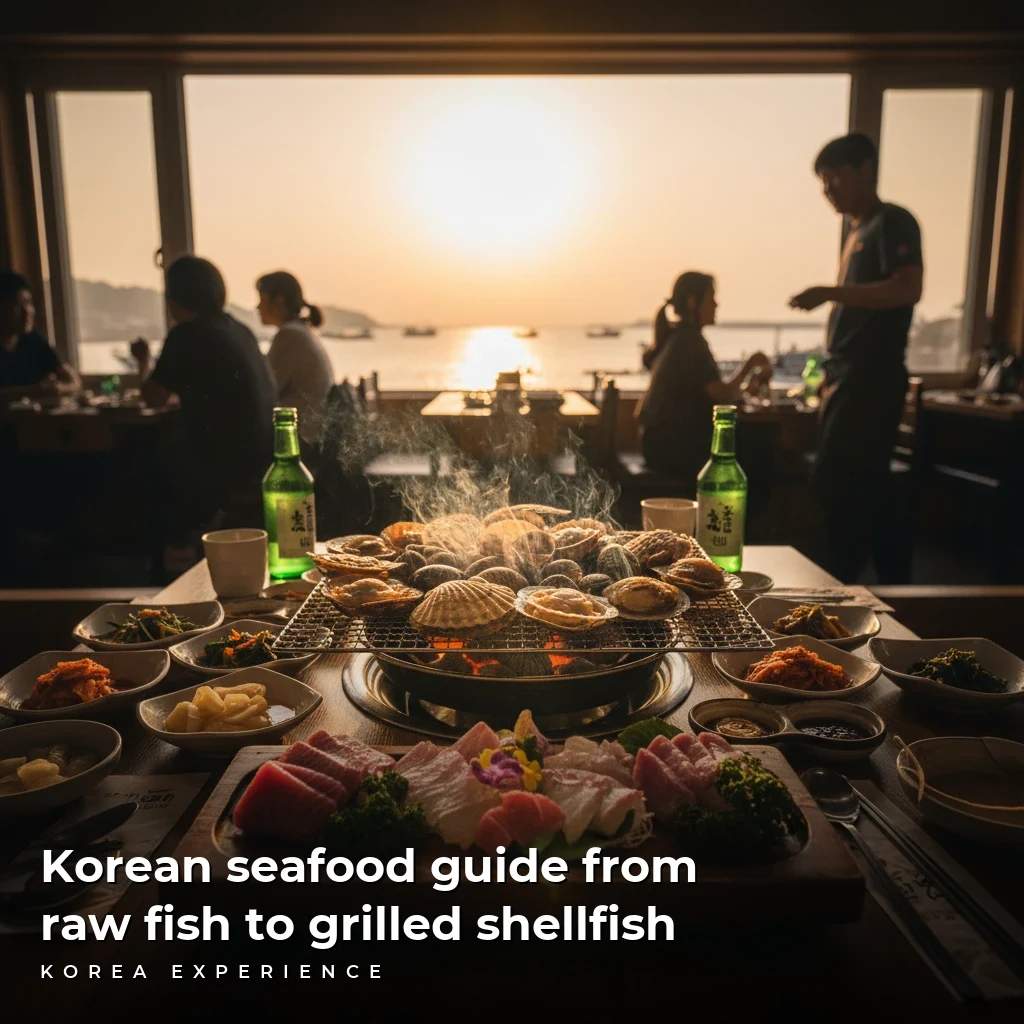
With over 2,413 kilometers of coastline surrounding the peninsula on three sides, South Korea boasts one of the most vibrant and diverse seafood cultures in the world. For international travelers, the sheer variety of marine delicacies—ranging from the freshest raw fish to sizzling grilled shellfish—can be both mesmerizing and overwhelming. Unlike Western seafood dining, which often emphasizes sauces and cooking techniques, Korean seafood culture prioritizes texture and absolute freshness, often serving catch that was swimming just minutes before it arrived at your table.
Whether you are navigating the bustling aisles of Seoul's Noryangjin Fish Market or sitting by the seaside in Busan, understanding how to order and eat Korean seafood will transform your culinary journey. This guide covers everything from the chewy texture of Korean-style sashimi to the communal joy of grilling clams over open fire.
For more details, check out our guide on Korean Seasonal Fish Guide 2026 Best Seafood by Season.
Key Takeaways
- 1Korean raw fish (Hwe) focuses on chewy textures and is eaten with spicy dips, unlike soft Japanese sashimi
- 2Average cost for a premium seafood dinner ranges from 40,000 to ₩80,000 ($30-60 USD) per person
- 3Most seafood markets charge a separate 'table setting fee' of 4,000-₩6,000 to eat your purchase on-site
The Art of Hwe: Korean Raw Fish
When most travelers think of raw fish, they picture Japanese sashimi. However, Korean Hwe offers a distinctly different experience. While Japanese sashimi is often aged to enhance softness and umami, Korean Hwe is prepared immediately after killing the fish to maintain a firm, chewy texture that locals prize above all else.
You might also enjoy our article about Busan seafood guide fresh fish markets and restaurants.
The experience is also defined by the condiments. Instead of just soy sauce and wasabi, Korean raw fish is frequently dipped in Chojang (a tangy, sweet, and spicy chili paste with vinegar) or Ssamjang (a savory mixture of soybean paste and chili paste).
Learn more in our comprehensive guide to Daegu Makchang guide the ultimate grilled intestines expe....
Popular Varieties and Costs
The most common fish found in Korean restaurants is Flatfish (Gwang-eo) and Rockfish (Ureok). These are beloved for their clean taste and affordable price point. A standard platter for two people typically costs between 35,000 and ₩50,000 ($25-37 USD), depending on the venue and side dishes included.
Learn more in our comprehensive guide to Korean seafood markets noryangjin and more.
📋 Hwe Dining Facts
For a premium experience, Red Seabream (Cham-dom) is a popular choice, often costing 30% to 40% more than flatfish. If you are visiting during the winter months (November to February), you must try Yellowtail (Bangeo). Large Yellowtail, weighing over 10kg, is considered a delicacy and can cost upwards of 80,000 to ₩100,000 ($60-75 USD) per plate due to its rich, fatty profile that rivals premium tuna belly.
Pro Tip: The Lettuce Wrap
Do not hesitate to wrap your raw fish! Take a leaf of lettuce or sesame leaf (perilla), place a slice of fish dipped in Ssamjang, add a slice of raw garlic and green chili, and eat it in one bite. This 'Ssam' culture is unique to Korea.
Jogae-gui: The Grilled Shellfish Experience
If raw fish isn't your preference, Jogae-gui (grilled shellfish) is a must-try culinary adventure. This style of dining is particularly popular in coastal areas near Incheon and Busan. Restaurants set up round tables with charcoal or gas grills in the center, and diners cook their own clams, scallops, and oysters.
The standard Jogae-gui set usually includes scallops, large clams, cockles, and sometimes abalone or shrimp. The highlight is often the giant pen shell (Kir-jogae), which is grilled in its shell with mozzarella cheese and spicy sauce.
Pricing and Locations
A typical medium-sized set for two to three people costs between 50,000 and ₩70,000 ($38-53 USD). Many restaurants in tourist areas like Oido (about 40 minutes from Seoul by subway line 4) offer "Unlimited Refill" options for approximately ₩35,000 ($26 USD) per person, though the premium scallops are usually limited in these deals.
📖 How to Eat Jogae-gui
Step 1: Place on Grill
Place the shellfish directly on the grate. Do not overcrowd the fire.
Step 2: Wait for Opening
Wait until the shell pops open naturally. This usually takes 3-5 minutes.
Step 3: Cut and Finish
Once open, cut the meat into bite-sized pieces. Let it boil in its own juices for another minute until firm.
Be careful with the liquid inside the shells—it's incredibly salty but flavorful. We call it 'ocean soup.' Pour a little bit of it into the foil container with cheese and sauce that restaurants provide to enhance the dipping sauce flavor.
Navigating Noryangjin Fish Market
No guide to Korean seafood is complete without mentioning the Noryangjin Fisheries Wholesale Market in Seoul. Located just south of the Han River, this massive complex handles over 50% of the metropolitan area's marine products. It is a dual-system market: you buy fresh seafood on the first floor and take it to the second or fifth floor to have it prepared in a restaurant.
The market covers 118,000 square meters and operates 24 hours a day, though the retail section for tourists is best visited between 10:00 AM and 8:00 PM.
The Cost Breakdown
It is crucial to understand the pricing structure to avoid surprises. You pay two separate bills: one to the fishmonger for the seafood, and one to the restaurant for preparation and table settings.
- Seafood Cost: Varies by weight and season (market price).
- Table Fee: Generally 4,000 to ₩6,000 per person.
- Preparation Fee: Roasting, steaming, or making spicy soup (Maeuntang) costs extra, usually 10,000 to ₩20,000 per dish.
Noryangjin Fisheries Wholesale Market(노량진수산시장)
💵 Noryangjin Market Estimates (Per Kg)
Price fluctuates heavily by season
Price per roughly 2-3 pieces
Sannakji: The Live Octopus Challenge
Perhaps the most infamous Korean seafood delicacy is Sannakji, or live octopus. Despite the name, the octopus is dead when served, but the nerve activity in the tentacles causes them to continue wriggling on the plate. It is usually served with sesame oil and salt.
The texture is incredibly chewy, and the suction cups can stick to the inside of your mouth. While it is a bucket-list item for many adventurous eaters, it requires caution. Roughly 6 to 10 incidents of choking are reported annually, usually involving intoxicated diners or large pieces.
Eating Sannakji (Live Octopus)
- ✓Unique cultural experience
- ✓Extremely fresh taste
- ✓Rich in taurine for energy
- ✗Choking hazard if not chewed well
- ✗Texture can be off-putting
- ✗Ethical concerns for some diners
Seasonal Specialties: When to Eat What
Korea's four distinct seasons dictate the seafood menu. Eating in season not only guarantees the best flavor but also the best prices. For example, blue crabs in spring are full of roe, while autumn crabs are prized for their plump meat.
Seafood Seasonal Calendar
Snow Crab & Webfoot Octopus
Best time for Snow Crab (Yeongdeok) and Jjukkumi (spicy stir-fry).
Eel & Mulhoe
Grilled Eel for stamina and Mulhoe (cold raw fish soup) to beat the heat.
Blue Crab & Gizzard Shad
The saying goes: 'The smell of grilling gizzard shad brings a runaway daughter home.'
Oysters & Yellowtail
Fatty Yellowtail and fresh oysters are safest and tastiest in cold weather.
In the heat of summer, temperatures in Korea can exceed 35°C (95°F). During this time, Mulhoe is a lifesaver. It is a cold soup made with raw fish, chili paste, vinegar, and ice, often topped with vegetables and noodles. A bowl typically costs 15,000 to ₩20,000 ($11-15 USD).
Regional Seafood Hubs Outside Seoul
While Seoul has great markets, the coastal cities offer an atmosphere that cannot be replicated.
Busan: Jagalchi Market
Located in Korea's second-largest city, Jagalchi is famous for its "Ajumma" (middle-aged women) vendors. It is adjacent to the port, ensuring minimal transit time for the catch. The KTX train from Seoul to Busan takes about 2.5 hours and costs roughly ₩59,800.
Sokcho: Squid and Red Crab
On the northeast coast, roughly 2 hours and 30 minutes from Seoul by bus, Sokcho is famous for Ojing-eo Sundae (Squid Sausage) and Red Snow Crab. The crab here is generally cheaper than in Seoul, often available for ₩30,000 per kg during peak season.
Jeju Island: Abalone and Hairtail
Jeju Island is famous for Galchi (Hairtail fish), often served grilled or in a spicy stew. A giant grilled Hairtail, which can reach 1 meter in length, is a visual spectacle and costs between 80,000 and ₩120,000 for a large whole fish.
📊 Seafood Consumption
How to Order Like a Local
Ordering seafood can be intimidating due to the language barrier and the "market price" system. Here is a strategy to ensure you get a fair deal.
First, always ask "Siga-yo?" (Is it market price?). Check the price per kilogram. A standard Salmon or Flatfish should not vary wildly from the 30,000-₩40,000 range per kg at a market.
Second, ask for "Service" (pronounced seo-bi-su). In Korean culture, vendors often throw in extra shellfish, sea squirts (Meongge), or a discount if you are buying a significant amount.
Market vs. Restaurant Dining
| Feature | Fish Market (e.g., Noryangjin) | Seafood Restaurant |
|---|---|---|
| Freshness | Extremely High (Live) | High |
| Price | Lower for fish, added fees | All-inclusive higher price |
| Atmosphere | Chaotic, energetic | Relaxed, serviced |
| Side Dishes | Basic | Extensive (Skidashi) |
Safety and Hygiene
South Korea has strict food safety standards, but consuming raw seafood always carries inherent risks. The risk of Vibrio vulnificus bacteria increases during the summer months (July-August) when sea temperatures rise. During this period, it is advisable to stick to cooked seafood or visit high-end establishments with rigorous temperature controls.
For those with shellfish allergies, be extremely cautious. Korean soup stocks (Yuksu) are very frequently made with anchovies, kelp, and shrimp, even in dishes that do not appear to be seafood-based. Always ask: "Sae-u deul-eo-gayo?" (Is there shrimp in this?).
Summer Safety
Avoid eating raw oysters or clams during the hot summer months (June to August) to prevent Norovirus and food poisoning. Stick to grilled or boiled options during this season.
Conclusion
From the adrenaline of eating live octopus to the comfort of a spicy fish stew (Maeuntang) bubbling away on a rainy day, Korean seafood cuisine is a journey of textures and intense flavors. It reflects the country's geography and the resilience of its people who have harvested the seas for millennia. Whether you spend ₩15,000 on a bowl of noodle soup with clams or ₩200,000 on a King Crab feast, the freshness remains the gold standard.
❓ Frequently Asked Questions
Have more questions?Contact us →
About the Author
Korea Experience Team
Written by the Korea Experience editorial team - experts in Korean medical tourism, travel, and culture with years of research and firsthand experience.
Explore more in Food & Dining
Korean BBQ, street food, Michelin restaurants, and regional specialties — your ultimate guide to eating well in Korea.
Browse All Food & Dining ArticlesContinue Reading
Explore more articles you might find interesting
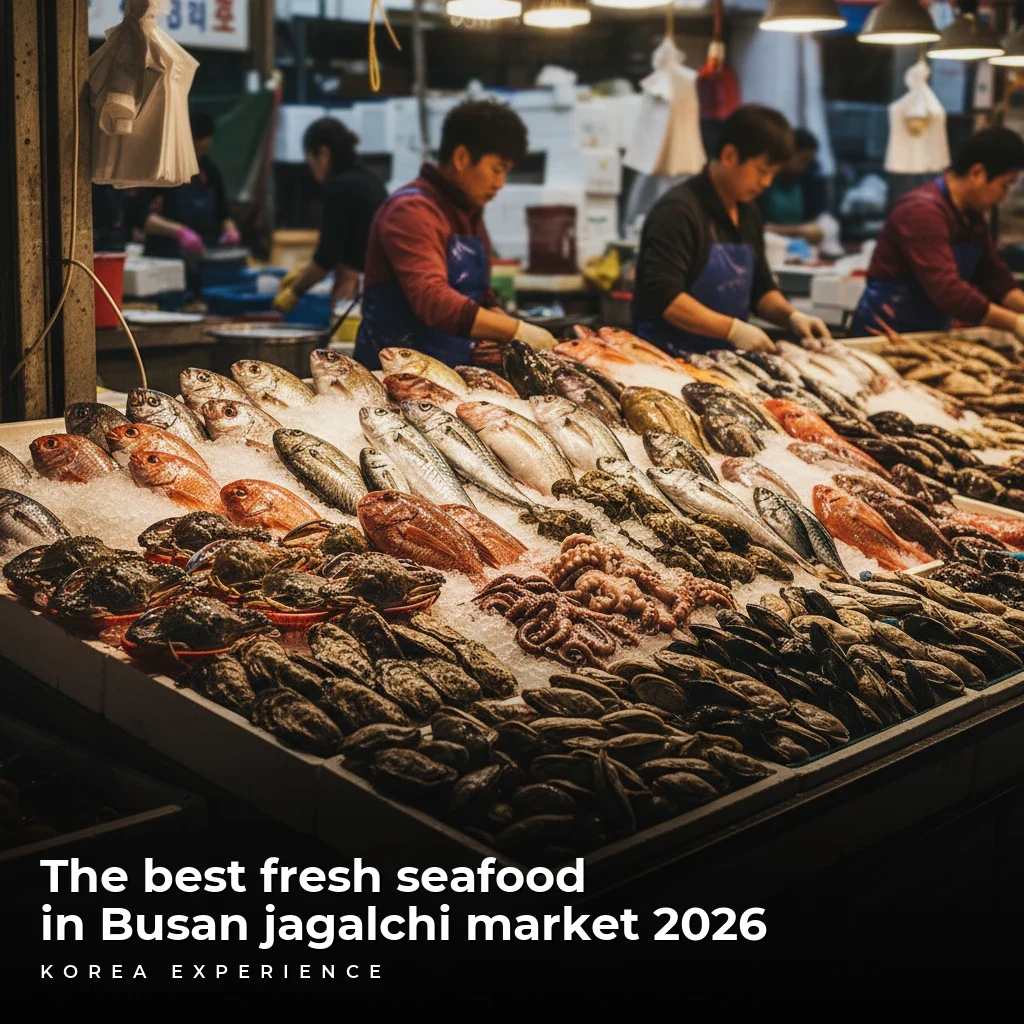
Discover the best fresh seafood in Busan Jagalchi Market 2026 with our expert guide on pricing, top stalls, and dining tips for travelers.
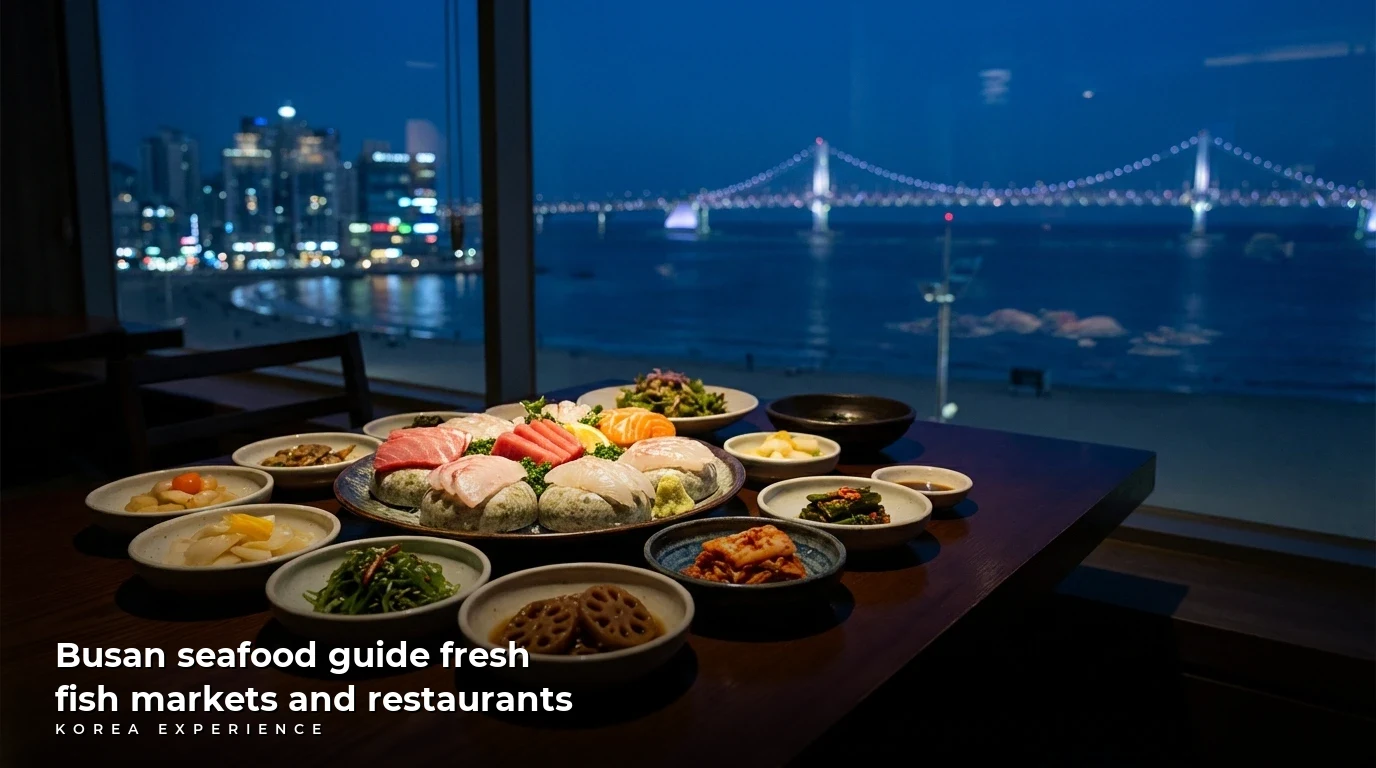
Explore the ultimate Busan seafood guide. Discover Jagalchi Market, Gwangalli raw fish centers, and top local restaurants for fresh catches.
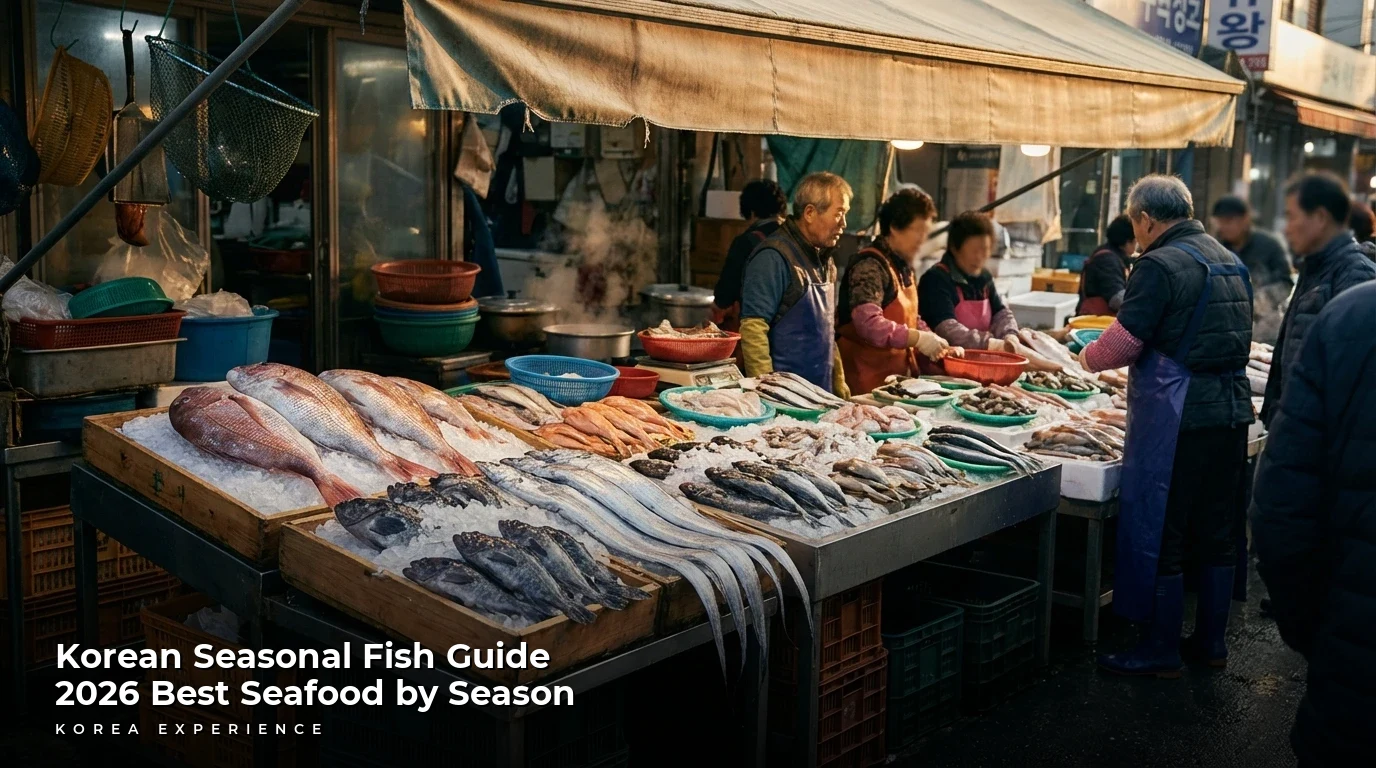
Discover the best Korean seasonal fish for 2026. A complete guide to eating fresh seafood in Spring, Summer, Fall, and Winter for travelers.
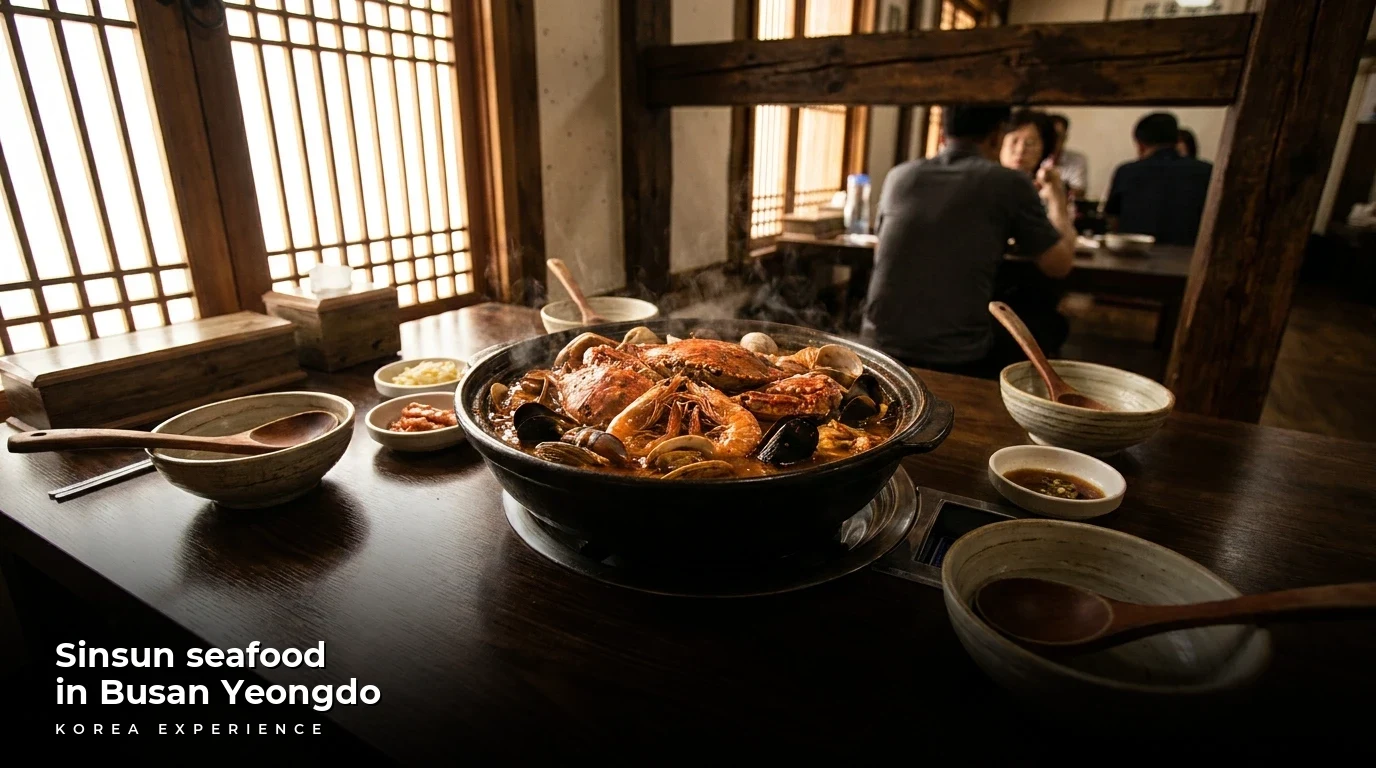
Discover the freshest seafood in Busan. From a $52 Haenyeo diver platter to a 10,000 KRW raw fish soup, explore the ultimate 2026 coastal dining guide.
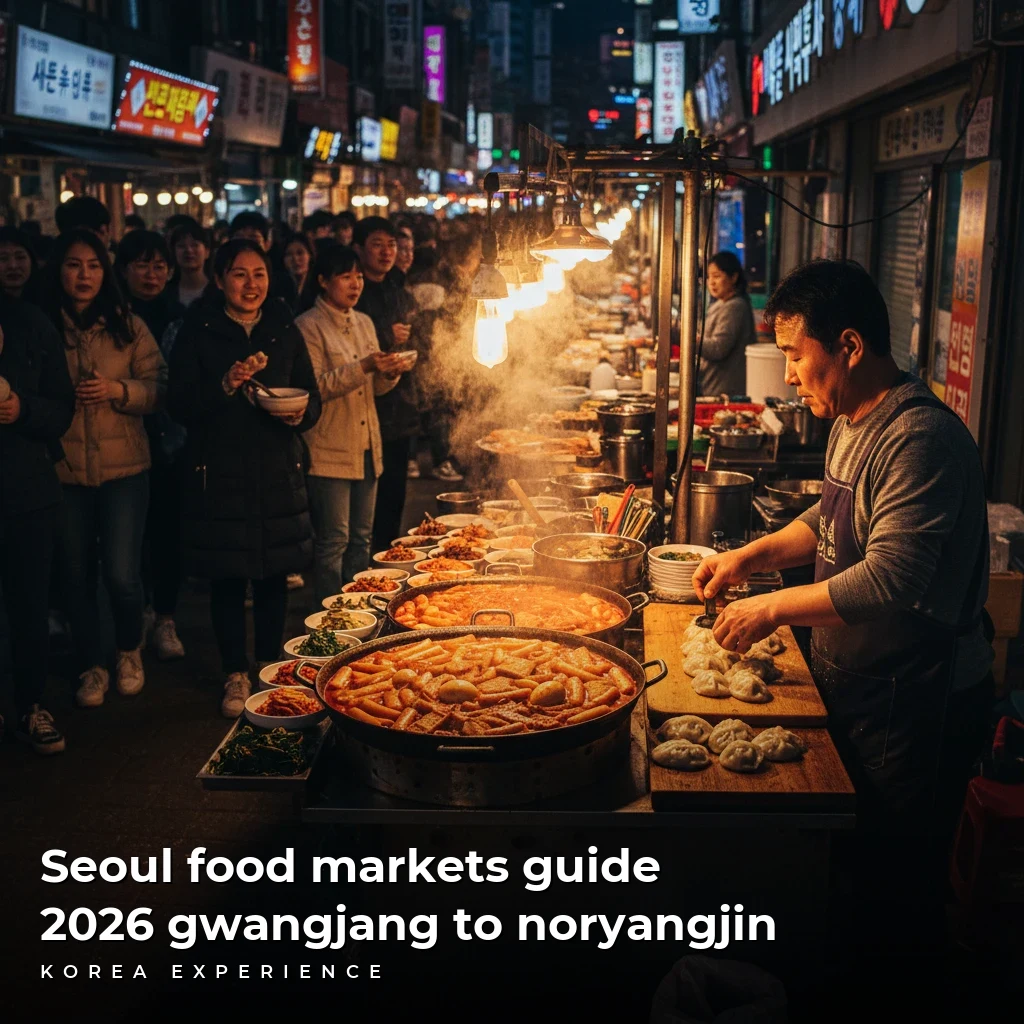
The ultimate 2026 guide to Seoul traditional markets. Discover prices, hidden stalls, and expert tips for Gwangjang, Noryangjin, and local favorites.
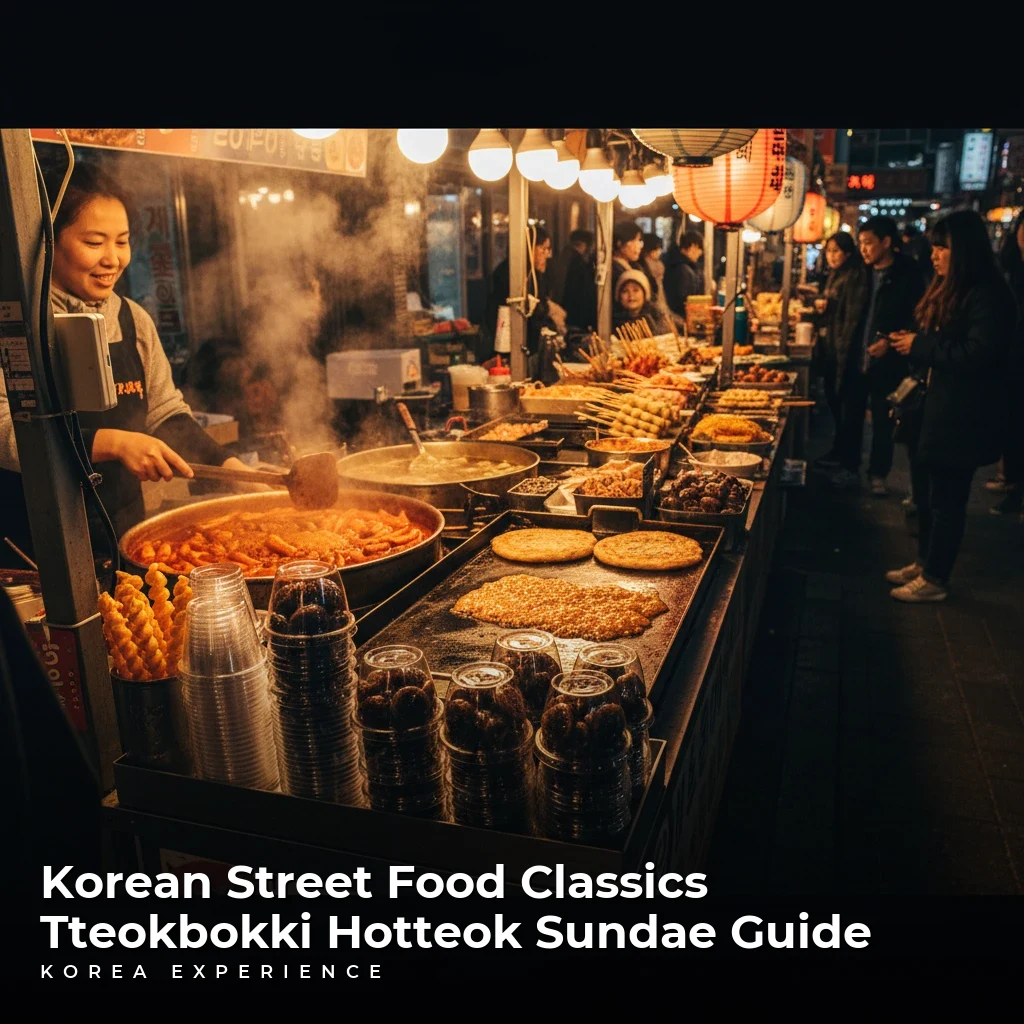
Discover the holy trinity of Korean street food. Essential guide to Tteokbokki, Hotteok, and Sundae including best spots, prices, and eating tips.