Ultimate Soju Guide Different Brands & Best Pairings 2026
Unlock the world of Soju: discover top brands, ideal food pairings, and cultural tips for an authentic Korean drinking experience in 2026.
The Ultimate Soju Guide: Different Brands and Best Food Pairings 2026
Welcome to Korea, a land brimming with vibrant culture, tantalizing cuisine, and, of course, its iconic national drink: Soju. For international travelers and expats, understanding Soju is not just about tasting an alcoholic beverage; it's about delving into a fundamental aspect of Korean social life and culinary tradition. In 2026, the world of Soju continues to evolve, offering a diverse range of brands and styles that cater to every palate.
You might be wondering, "What exactly is Soju?" or "Which Soju brand should I try first?" Perhaps you've heard whispers about Soju food pairings (known as anju) and want to master the art of matching your drink with the perfect dish. This comprehensive guide is designed to answer all your questions and more. We’ll explore everything from Soju's rich history and cultural significance to the top brands dominating the market, ideal food combinations, and insider tips on how to enjoy Soju like a local. By the end of this post, you'll be well-equipped to navigate Korea's drinking culture with confidence, savoring every sip and bite.
The Heart of Korea: Understanding Soju's History and Cultural Significance
Soju, often translated as "burned liquor" due to its distillation process, boasts a history stretching back over 700 years. Introduced to Korea during the Goryeo Dynasty around the 13th century by Mongol invaders who learned distillation techniques from the Persians, Soju quickly integrated itself into Korean society. Originally a refined beverage enjoyed by the upper classes, it was traditionally made from rice. However, during the Japanese occupation and later due to rice shortages in the 1960s, the government imposed a ban on distilling Soju from rice, leading to the development of diluted Soju made from alternative starches like sweet potatoes, wheat, or tapioca. This era gave birth to the clear, widely available green-bottled Soju we know today.
Soju's Role in Modern Korean Society
Beyond its historical roots, Soju holds an irreplaceable position in contemporary Korean culture. It's more than just an alcoholic drink; it's a social lubricant, a symbol of camaraderie, and an integral part of celebrations, commiserations, and everyday life. From corporate dinners (known as hoesik) where colleagues bond over shared bottles, to casual evenings with friends at a street food stall (a pocha), Soju is almost always present. It facilitates conversations, breaks down barriers, and allows people to unwind and connect on a deeper level.
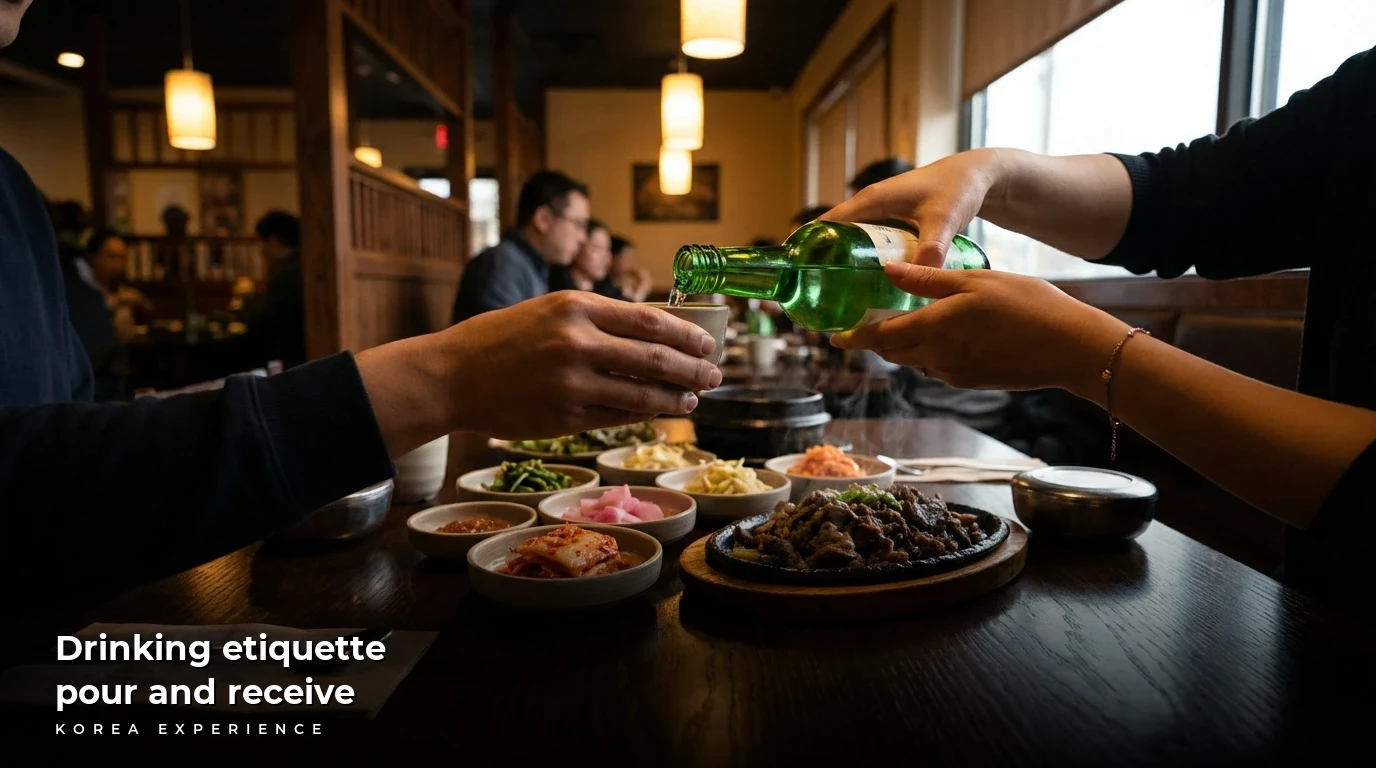
Understanding Soju's etiquette is also key. Pouring Soju for elders with two hands, receiving a drink with two hands, and turning away slightly when drinking in front of older individuals are common practices that demonstrate respect. These nuances are part of the charm and challenge of fully immersing oneself in Korean drinking culture, making the experience truly unique for international visitors.
Decoding Soju: Traditional vs. Modern Varieties
While the green bottle might be the most recognizable image of Soju, the market offers a surprising variety. Broadly, Soju can be categorized into two main types: traditional (distilled) Soju and modern (diluted) Soju.
Traditional Distilled Soju (Soju Wonjo)
Traditional Soju, often called Soju Wonjo, represents the older, more artisanal form of the drink. These premium Sojus are typically distilled from a single grain, most commonly rice, but sometimes barley or sweet potato, using traditional methods. They are purer, often boast higher alcohol by volume (ABV) ranging from 25% to 45%, and are celebrated for their complex flavors and smoother finish. Unlike their modern counterparts, traditional Sojus are not diluted with water and rarely contain artificial sweeteners. They offer a more refined tasting experience, often with subtle notes of grain, nuts, or even fruit, depending on the base ingredient and aging process.
Key Characteristics of Traditional Soju:
- Higher ABV: Typically 25-45%
- Purer Taste: More authentic grain flavor
- Premium Price: Generally more expensive
- Less Common: Found in specialty stores, traditional restaurants, or higher-end establishments.
- Examples: Andong Soju, Hwayo, Moonbaesool
Modern Diluted Soju (Cha Soju)
Modern Soju, or Cha Soju, is the ubiquitous, mass-produced clear liquor found in every convenience store, supermarket, and restaurant across Korea. This is the green-bottled Soju most international visitors first encounter. It's made by fermenting starches (like tapioca, sweet potatoes, or wheat), distilling them to a very high proof, and then diluting the resulting alcohol with water. Artificial sweeteners (like stevia or xylitol) and flavorings are often added to create a smoother, sweeter, and more palatable taste, which contributes to its immense popularity.
Key Characteristics of Modern Soju:
- Lower ABV: Typically 13-20% (most common around 16.9-17.5%)
- Sweeter Taste: Due to added sweeteners
- Affordable: Very budget-friendly
- Ubiquitous: Easily accessible everywhere
- Examples: Chamisul, Jinro, Chum Churum
Flavored Soju: A Modern Twist
In recent years, flavored Soju has exploded in popularity, especially among younger generations and those new to the drink. These varieties infuse the base diluted Soju with fruit essences like grape, peach, grapefruit, strawberry, or even yogurt. With lower alcohol content (typically 12-14%), flavored Soju offers a lighter, sweeter, and easier-to-drink alternative, perfect for casual gatherings or as a mixer in cocktails.
Comparison Table: Traditional vs. Modern Soju
| Feature | Traditional Distilled Soju | Modern Diluted Soju | Flavored Soju |
|---|---|---|---|
| ABV Range | 25-45% | 13-20% (most common 16.9-17.5%) | 12-14% |
| Base Ingredient | Rice, barley, sweet potato (single grain) | Tapioca, sweet potato, wheat, rice (mixed starches) | Modern diluted Soju base |
| Taste Profile | Complex, robust, pure grain notes, often drier | Clean, slightly sweet, often with a subtle alcoholic bite | Sweet, fruity, very easy to drink |
| Price Point | Premium, higher | Very affordable, budget-friendly | Affordable, similar to or slightly higher than standard modern |
| Availability | Specialty shops, high-end restaurants | Ubiquitous (convenience stores, supermarkets, all restaurants) | Widespread (convenience stores, bars, many restaurants) |
| Experience | Refined, contemplative, connoisseur's choice | Social, everyday, widely accepted | Casual, light, mixer-friendly, gateway drink |
Top Soju Brands to Try in 2026
The Korean Soju market is dominated by a few major players, each with its distinctive characteristics. Knowing these brands will help you navigate your choices, whether you're at a bustling pocha or a formal Korean BBQ restaurant.
1. Jinro Chamisul (참이슬)
The Undisputed King: Jinro Chamisul, produced by HiteJinro, is arguably the most popular Soju brand in the world. It consistently holds the largest market share in Korea and is recognized globally for its iconic green bottle. Chamisul is known for its clean, smooth taste, achieved through a bamboo charcoal filtration process.
- Variants: Fresh (참이슬 후레쉬 - 16.9% ABV, the most popular), Original (참이슬 오리지널 - 20.1% ABV, a stronger, more traditional taste), Zero (alcohol-free Soju-style drink), and various fruit flavors (Grapefruit, Plum, Strawberry, Green Grape).
- Why try it: It's the benchmark for modern Soju. If you want to understand the typical Korean drinking experience, Chamisul is your starting point. The "Fresh" version is particularly easy to drink.
- Typical Price (2026 estimate): 1,800 - 2,200 KRW at convenience stores; 4,000 - 6,000 KRW at restaurants.
2. Lotte Chum Churum (처음처럼)
The Soft and Smooth Contender: Chum Churum, meaning "Like the First Time," is manufactured by Lotte Chilsung Beverage and is Chamisul's biggest competitor. Its distinguishing feature is the use of alkaline water, which its makers claim contributes to a "softer and smoother" drinking experience.
- Variants: Original (16.5% ABV), Soft (16% ABV), Strong (20% ABV), and an extensive range of fruit flavors (Peach, Grape, Strawberry, Apple Mango, etc.).
- Why try it: Many Koreans prefer Chum Churum for its perceived smoothness. It's an excellent alternative if you find Chamisul slightly sharp. Its marketing often features popular celebrities, adding to its appeal.
- Typical Price (2026 estimate): 1,800 - 2,200 KRW at convenience stores; 4,000 - 6,000 KRW at restaurants.
3. Jinro Isul TokTok (이슬톡톡)
The Low-Alcohol, Sparkling Delight: While not a pure Soju, Jinro Isul TokTok deserves a mention as a popular low-alcohol (3% ABV) sparkling fruit wine that's often grouped with flavored Soju due to its branding and target demographic. It's light, bubbly, and comes in peach and grape flavors.
- Why try it: Perfect for those who prefer very low alcohol content, a sweet taste, and a refreshing fizz. It's a great entry point for beginners or for a lighter social drink.
- Typical Price (2026 estimate): 1,500 - 2,000 KRW at convenience stores; 3,000 - 5,000 KRW at restaurants/bars.
4. Hwayo (화요)
The Premium Traditional Choice: Hwayo is a shining example of modern traditional Soju. It's a distilled Soju made from 100% rice, aged in traditional Korean earthenware, creating a clean, pure, and incredibly smooth taste without any artificial additives. It comes in various ABVs, including 17%, 25%, 41%, and a premium 53% version.
- Why try it: If you want to experience the refined side of Soju that harkens back to its roots, Hwayo is an excellent choice. It's often enjoyed neat or on the rocks, much like a fine whiskey or gin. It's a fantastic gift for connoisseurs.
- Typical Price (2026 estimate): 15,000 - 70,000 KRW depending on ABV and bottle size, available at department stores, liquor shops, and upscale Korean restaurants.
5. Andong Soju (안동소주)
The Historically Rich Distilled Soju: Hailing from Andong, Gyeongsangbuk-do, Andong Soju is one of Korea's most historically significant distilled Sojus. Made from rice and fermented with traditional yeast (nuruk), it's distilled using traditional techniques passed down through generations. Its ABV typically ranges from 35% to 45%.
- Why try it: Offers a robust, complex flavor profile that reflects centuries of tradition. It's a powerful drink, best savored slowly. It also makes for an authentic cultural souvenir.
- Typical Price (2026 estimate): 10,000 - 50,000 KRW, available in specialty liquor stores, traditional markets in Andong, and some larger supermarkets.
Comparison Table: Popular Modern Soju Brands
| Brand | Producer | Signature Trait | ABV Range (common) | Popular Flavor Variants | Best for... |
|---|---|---|---|---|---|
| Chamisul Fresh | HiteJinro | Clean, crisp, bamboo charcoal filtered | 16.9% | Grapefruit, Plum, Strawberry | Everyday drinking, general Korean dining |
| Chumisul Original | HiteJinro | Stronger, classic Soju taste | 20.1% | N/A | Those who prefer a more potent, traditional feel |
| Chum Churum | Lotte Chilsung | Smooth, alkaline water base | 16.5% | Peach, Grape, Strawberry | Smooth drinkers, pairing with lighter anju |
| Good Day | Muhak | Mild, popular in Gyeongsang regions | 16.9% | Blueberry, Pomegranate | Regional experience, a subtle alternative |
| Jinro Is Back | HiteJinro | Retro branding, clean taste, low ABV | 16.9% | N/A | Nostalgia, easy-drinking, younger demographic |
The Art of the Perfect Soju Food Pairing (Anju)
In Korea, drinking Soju without anju (안주), or accompanying food, is almost unheard of. Anju isn't just a snack; it's an essential part of the drinking experience, designed to complement the Soju, balance its alcohol, and enhance the overall social occasion. The best food pairings elevate both the drink and the dish.
Classic Soju Anju Pairings
1. Samgyeopsal (Grilled Pork Belly)
- Why it works: The rich, fatty flavors of grilled pork belly are perfectly cut by the crisp, clean finish of Soju. The alcohol helps to cleanse the palate, making each bite as delicious as the first. The sizzling meat and shared experience embody Korean drinking culture.
- Soju Pairing: Chamisul Fresh or Chum Churum. The standard green-bottle Sojus are ideal here.
- Location Tip: Find fantastic Samgyeopsal at any dedicated Korean BBQ restaurant (e.g., Baekjeong in Hongdae or Maple Tree House in Itaewon, Seoul).
2. Kimchi Jjigae (Kimchi Stew)
- Why it works: The spicy, savory, and tangy flavors of Kimchi Jjigae create a harmonious contrast with Soju. The stew's warmth and bold taste provide a comforting base, while Soju helps to refresh the palate from the spice.
- Soju Pairing: Jinro Original or any slightly higher ABV Soju. A stronger Soju stands up well to the robust flavors of the stew.
- Location Tip: Almost any traditional Korean restaurant will serve excellent Kimchi Jjigae. Look for Hansik (Korean food) restaurants in areas like Insadong or Myeongdong.
3. Tteokbokki (Spicy Rice Cakes)
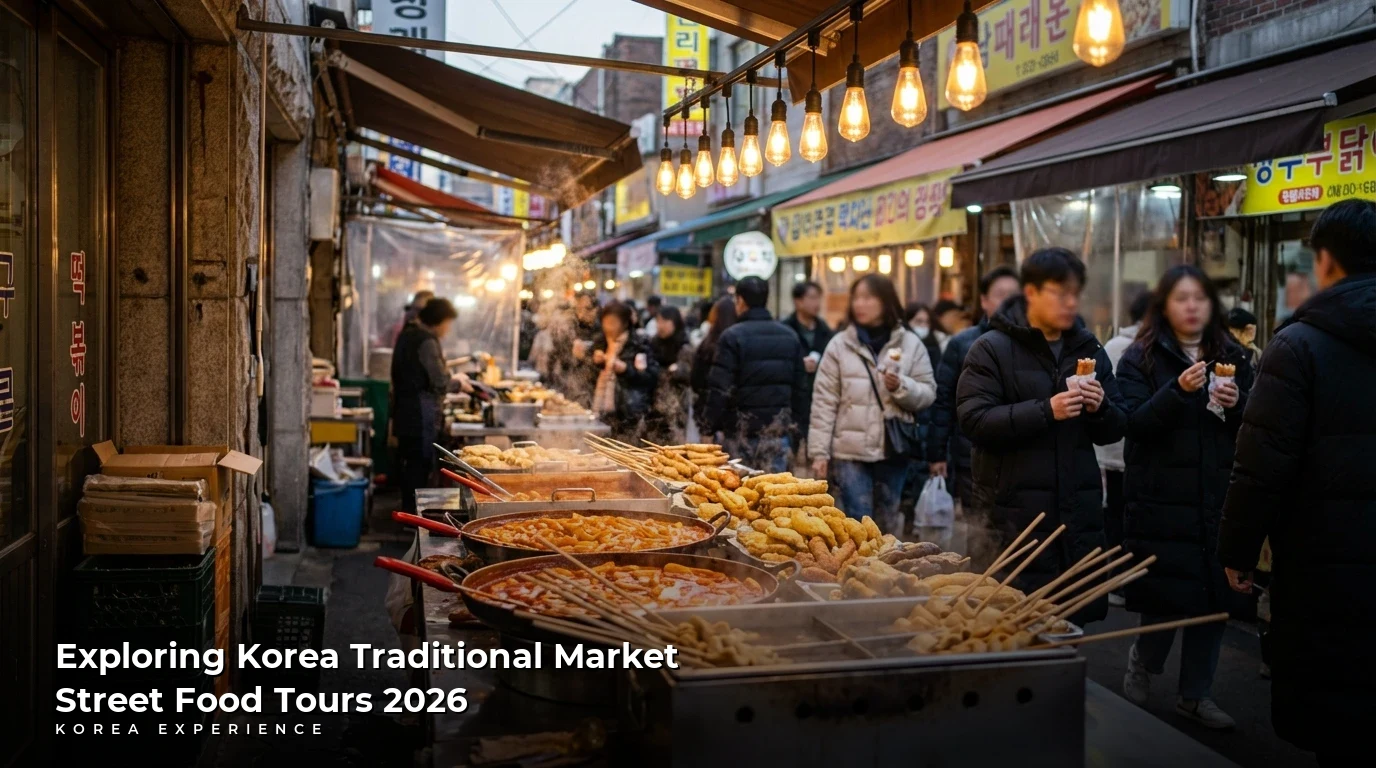
- Why it works: The sweet and fiery kick of Tteokbokki, especially from a street vendor, is a fantastic partner for Soju. The chewiness of the rice cakes and the vibrant sauce are complemented by the Soju's ability to refresh the palate between spicy bites.
- Soju Pairing: Flavored Soju (Grapefruit or Peach) or a lighter standard Soju.
- Location Tip: Street food stalls throughout Seoul, particularly in areas like Myeongdong, Hongdae, or Gwangjang Market.
4. Chimaek (Chicken and Beer) - with a Soju twist!
- Why it works: While chimaek traditionally refers to chicken and beer, many Koreans enjoy fried chicken with Soju, or even a Soju-beer mix (a Somaek). The crispy, greasy chicken is expertly balanced by Soju’s cleansing properties.
- Soju Pairing: Chamisul Fresh or Jinro Is Back.
- Location Tip: Countless fried chicken chains like Kyochon, BHC, or BBQ Chicken, found virtually everywhere.
5. Gukbap / Gomtang (Rice Soup / Beef Bone Soup)
- Why it works: On colder days or as a comforting meal, a hot bowl of Gukbap or Gomtang is surprisingly good with Soju. The rich, brothy soup provides a hearty foundation, while the Soju adds a refreshing element. It's especially popular as a late-night or hangover-prevention meal.
- Soju Pairing: Chamisul Fresh or Chum Churum.
- Location Tip: Specialized Gukbap or Gomtang restaurants are common, especially around major markets or near business districts.
6. Sashimi / Hoe (Raw Fish)
- Why it works: For a lighter, more refined pairing, fresh Korean sashimi (hoe) complements Soju beautifully. The delicate flavors of raw fish are enhanced by a clean, crisp Soju, particularly a traditional distilled variety.
- Soju Pairing: Hwayo (25% or 41%) or a high-quality traditional Soju.
- Location Tip: Noryangjin Fish Market in Seoul offers a vast selection of fresh seafood and restaurants where you can enjoy it immediately.
Comparison Table: Soju & Anju Pairing Guide
| Anju Dish | Description | Recommended Soju Type | Why it Pairs Well |
|---|---|---|---|
| Samgyeopsal | Grilled pork belly | Chamisul Fresh, Chum Churum | Cuts through richness, cleanses palate, classic combo |
| Kimchi Jjigae | Spicy fermented kimchi stew | Jinro Original | Balances spice, complements robust, savory flavors |
| Tteokbokki | Spicy stir-fried rice cakes | Flavored Soju (Grapefruit) | Refreshing against the sweet and spicy kick |
| Fried Chicken | Crispy Korean fried chicken | Chamisul Fresh, Jinro Is Back | Cuts grease, adds a refreshing contrast |
| Gukbap / Gomtang | Hearty rice or beef bone soup | Chum Churum | Comforting base, Soju refreshes between sips |
| Hoe (Sashimi) | Fresh raw fish | Hwayo (distilled Soju) | Enhances delicate flavors, clean and sophisticated |
| Bossam (Boiled Pork) | Tender steamed pork wraps with accompaniments | Chamisul Fresh, Good Day | Balances savory pork, refreshing after each bite |
How to Drink Soju Like a Local: Tips and Etiquette
Soju is meant to be enjoyed socially, and there are certain customs that enhance the experience and show respect.
The Pouring and Receiving Ritual
- Pouring: Always pour for others, especially elders or superiors, and never for yourself. Use two hands when pouring for someone older or of higher status. If pouring for friends, one hand is usually fine. Ensure the glass is never empty.
- Receiving: When someone pours for you, especially an elder, receive the glass with two hands as a sign of respect.
- Drinking: When drinking in front of an elder or superior, turn your head slightly away from them. This is a common gesture of respect.
Shots or Sips?
While Soju is often consumed in shots, it's not meant to be slammed down like a tequila shot. Take small, measured sips. The goal is to enjoy the flavor and the company, not to get drunk quickly (though that often happens unintentionally!).
The "Somaek" (Soju and Beer Bomb)
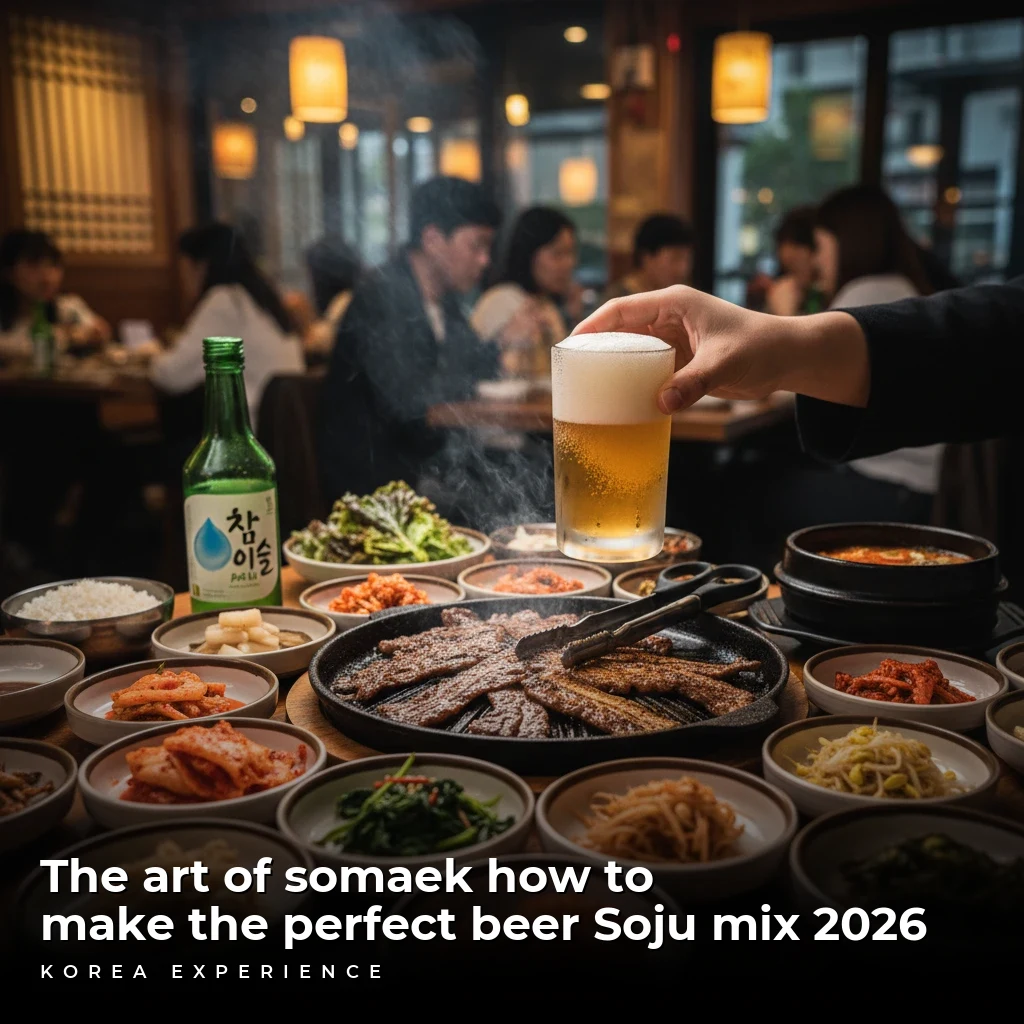
A popular way to consume Soju is by mixing it with beer, creating a "Soju bomb" or Somaek (소맥 - a portmanteau of Soju and Maekju, meaning beer). To make one, fill a small Soju glass with Soju and drop it into a larger glass of beer. Then, use chopsticks or a spoon to lightly tap the bottom of the beer glass, causing the Soju to mix and create a foamy head. It’s a fun, social ritual, and the combination is surprisingly smooth and refreshing for many.
Pace Yourself and Hydrate
Soju is deceptively smooth, but its alcohol content can quickly lead to intoxication. Drink water between Soju shots/sips. A popular Korean hangover cure, haejang-guk (hangover soup), is a testament to the fact that almost everyone overindulges occasionally.
Soju Cocktails and Mixers: Beyond the Bottle
While traditional Soju enjoyment is about pureness and pairing with anju, its neutral flavor profile makes it an excellent base for cocktails. This trend has gained significant traction, especially among younger Koreans and international drinkers.
Popular Soju Mixers
- Carbonated Drinks: Sprite, Chilsung Cider (Korean lemon-lime soda), Coke, or sparkling water are classic mixers. A "Soju Tonic" (Soju with tonic water and a lemon slice) is refreshing.
- Fruit Juices: Orange juice, grapefruit juice, or pineapple juice can transform Soju into a fruity, easy-to-drink cocktail.
- Energy Drinks: While not recommended for health, "Soju Bombs" made with energy drinks are popular in some party scenes.
- Yakult/Milkis: Mixing Soju with a probiotic drink like Yakult or a milky soda like Milkis results in a sweet, creamy, and deceptively palatable drink.
DIY Soju Cocktails (Easy Recipes for 2026)
1. The "Yogurt Soju"
- Ingredients: 1 part Soju (Chamisul Fresh recommended), 1 part plain yogurt drink (like Yakult or a Korean yogurt beverage), 1 part Sprite/Chilsung Cider.
- Method: Mix all ingredients in a glass with ice. Adjust ratios to taste. A surprisingly delicious and creamy cocktail.
2. The "Subak Soju" (Watermelon Soju)
- Ingredients: Half a small watermelon, 1 bottle of Soju (Chumisul Fresh or Chum Churum), a handful of ice.
- Method: Scoop out the watermelon flesh, blend until smooth. Strain if you prefer no pulp. Mix with Soju and ice in a blender. Serve in the hollowed watermelon rind for an impressive presentation.
3. Soju Lemonade
- Ingredients: 2 oz Soju, 4 oz Lemonade, ice, lemon wedge for garnish.
- Method: Combine Soju and lemonade in a glass with ice. Stir gently and garnish with a lemon wedge. Simple, tart, and refreshing.
These cocktails offer a versatile way to enjoy Soju, especially for those who find its raw taste too strong or prefer a sweeter, more varied drinking experience.
Where to Find Soju in Korea and Beyond
Accessing Soju in Korea is incredibly easy, but knowing the best places for specific types can enhance your experience.
In Korea (2026)
- Convenience Stores (CVS): GS25, CU, 7-Eleven, E-mart24 are everywhere. They offer the widest selection of modern Soju brands (Chamisul, Chum Churum, Good Day, Jinro Is Back), including all the popular fruit-flavored varieties, at the most affordable prices (around 1,800-2,200 KRW per bottle). They are open 24/7.
- Supermarkets: Homeplus, Lotte Mart, E-mart. These larger stores offer a broader range, often including some entry-level traditional Sojus and larger multi-packs. Prices are comparable to convenience stores.
- Restaurants & Bars: All Korean restaurants, from casual eateries to upscale dining, will serve Soju. Expect to pay a premium (4,000-6,000 KRW per bottle) due to markups, but it's essential for the anju pairing experience. Bars and Hofs (pub-like establishments) also carry a good selection.
- Specialty Liquor Stores: For premium or traditional distilled Sojus like Hwayo or Andong Soju, seek out dedicated liquor stores or the liquor sections of major department stores (e.g., Lotte Department Store, Shinsegae Department Store). These locations will have knowledgeable staff and a curated selection of higher-end spirits.
- Traditional Markets: Local markets, especially those in rural areas or specific regions, might have small vendors selling unique local Soju varieties. This is where you might discover hidden gems.
Beyond Korea
Soju's global popularity means it's increasingly available outside of Korea.
- Asian Supermarkets: Major cities worldwide with a significant Asian population will likely have specialty Korean or pan-Asian supermarkets that stock popular Soju brands.
- Online Retailers: Many online liquor stores now ship Soju, making it accessible even if you don't have a local Korean market.
- Korean Restaurants Abroad: Most Korean restaurants in international cities will offer popular Soju brands to complement their food.
FAQ: Your Soju Questions Answered
Here are five frequently asked questions about Soju:
1. What is the average alcohol content of Soju?
The average alcohol content of modern diluted Soju typically ranges from 16% to 17.5% ABV, with some variants going as low as 12-14% for flavored Soju and as high as 20% for original versions. Traditional distilled Soju can have a much higher ABV, often between 25% and 45%.
2. Is Soju usually drunk neat or mixed?
In Korea, standard green-bottle Soju is most commonly drunk neat, in small shot glasses, alongside anju. However, mixing it with beer to make Somaek or with soft drinks and juices to create cocktails is also very popular, especially among younger generations.
3. What's the difference between Soju and Sake?
While both are clear alcoholic beverages, Soju and Sake are distinct. Soju is a distilled spirit, typically made from rice, sweet potatoes, or other starches, with a higher alcohol content (16-45% ABV). Sake, on the other hand, is a brewed rice wine, similar to beer in its production process, with a lower ABV (typically 15-20%). They originate from different countries (Soju from Korea, Sake from Japan) and have different flavor profiles.
4. How much does a bottle of Soju cost in Korea?
At convenience stores, a standard 360ml green bottle of modern Soju typically costs between 1,800 KRW and 2,200 KRW. In restaurants, the price usually ranges from 4,000 KRW to 6,000 KRW due to markups. Premium traditional Sojus can cost significantly more, from 15,000 KRW to 70,000 KRW or more, depending on the brand and ABV.
5. What is the proper etiquette for drinking Soju in Korea?
Key etiquette rules include pouring for others and never for yourself, using two hands when pouring or receiving a drink from an elder, and turning your head away when drinking in front of an elder. It's also customary to toast and share drinks, fostering a communal atmosphere.
Conclusion: Embrace the Soju Experience in 2026
You are now armed with the knowledge to confidently explore the vibrant world of Soju. From understanding its historical roots and cultural significance to distinguishing between its various brands and mastering the art of the perfect food pairing, you're ready to dive in.
Whether you opt for the ubiquitous Chamisul Fresh with sizzling Samgyeopsal, savor a refined Hwayo with delicate Hoe, or experiment with a fruity Soju cocktail, remember that Soju is more than just a drink; it's a gateway to authentic Korean experiences and connections. In 2026, the diversity of Soju offers something for everyone, making it an indispensable part of your journey through Korea's culinary landscape. So, gather your friends, raise a glass, and immerse yourself in the warmth and camaraderie of Korean drinking culture. Geonbae! (Cheers!)
For more insights into Korean dining etiquette or to discover other traditional Korean beverages like Makgeolli (Korean rice wine), be sure to check out our other guides!
About the Author
Korea Experience Team
Written by the Korea Experience editorial team - experts in Korean medical tourism, travel, and culture with years of research and firsthand experience.
⚠️ Medical Disclaimer
The information provided on this website is for general informational purposes only and does not constitute medical advice. Always consult with qualified healthcare professionals before making any medical decisions.
Continue Reading
Explore more articles you might find interesting
Unlock Korea's seafood secrets. Discover the best seasonal fish to enjoy in spring, summer, fall, and winter 2026, where to find them, and how to savor their unique flavors.
Discover the perfect Korean bar snacks to pair with soju, makgeolli, and beer. Master the art of anju for an authentic experience.
Explore the delicious regional food differences between Jeolla-do and Gyeongsang-do. Discover unique flavors, must-try dishes, and dining tips for your 2026 Korean trip.