Mokpo Seafood Specialties Octopus & Skate Unveiled
Discover Mokpo's renowned seafood specialties, focusing on the unique flavors of octopus and fermented skate. Learn where to eat, what to try, and essential dining tips.
Mokpo: A Glimpse into Korea's Maritime Soul
Nestled on the southwestern tip of the Korean Peninsula, Mokpo is more than just a port city; it is a vibrant culinary haven, a treasure trove for seafood enthusiasts, and a window into Korea's rich maritime culture. For international travelers and expats eager to delve deeper into the authentic flavors of Korea, Mokpo offers an unparalleled gastronomic adventure, particularly with its iconic seafood specialties. While the country boasts incredible food from Seoul to Busan, Mokpo distinguishes itself with a unique coastal heritage that shapes its distinctive dishes.
Many travelers arrive in Korea with a mental checklist of must-try foods – kimchi, bulgogi, bibimbap. However, the true depth of Korean cuisine often lies in its regional specialties, and Mokpo stands out as a prime example. The challenge for newcomers is often knowing where to begin and how to navigate the local delicacies, especially when faced with dishes that might seem unusual to a Western palate. How do you find the most authentic eateries? What are the key dishes to sample? And how do you truly appreciate the bold, unforgettable flavors that define Mokpo's culinary landscape?
This comprehensive guide aims to demystify Mokpo's renowned seafood scene, focusing specifically on two of its most celebrated and distinctive offerings: the dynamic octopus, known locally as nakji, and the famously pungent, yet surprisingly captivating, fermented skate, or hong-eo. We will explore their cultural significance, unravel the best ways to experience them, provide practical tips for dining, and point you towards the most authentic locations. By the end of this article, you will not only be equipped to embark on your own Mokpo seafood adventure but also possess a deeper understanding and appreciation for the culinary artistry that makes these dishes so special. Prepare to embark on a journey that will tantalize your taste buds and challenge your culinary perceptions, leaving you with unforgettable memories of Mokpo's unique maritime soul.
Mokpo's Coastal Heritage and Culinary Identity
Mokpo's identity is inextricably linked to the sea. Historically, its strategic location made it a crucial port, facilitating trade and cultural exchange, and fostering a deep connection with the ocean's bounty. The city's fishing industry has flourished for centuries, resulting in a rich culinary tradition centered around fresh and diverse seafood. The Yellow Sea, bordering Mokpo, is teeming with marine life, influencing not only the types of fish and shellfish available but also the unique preparation methods developed over generations.
The city's strong maritime heritage is reflected in its bustling fish markets, traditional fishing villages, and, most importantly, its vibrant food culture. Locals pride themselves on the freshness and quality of their seafood, and a visit to Mokpo is incomplete without indulging in its oceanic treasures. The salty air, the sight of fishing boats returning with their daily catch, and the lively atmosphere of the markets all contribute to an authentic experience that goes beyond just eating; it's about immersing oneself in a way of life.
Why Mokpo is a Seafood Lover's Paradise
Mokpo's reputation as a seafood paradise stems from several key factors. Firstly, the sheer abundance and variety of fresh catches ensure a diverse menu throughout the year. Secondly, the traditional culinary techniques passed down through generations emphasize flavor preservation and enhancement, resulting in dishes that are both deeply satisfying and distinctly Korean. Lastly, the passion of the local chefs and vendors for their craft ensures that every dish served is a testament to the city's proud seafood heritage. From humble street food stalls to upscale restaurants, the commitment to quality and authenticity is palpable, making Mokpo an essential destination for any serious food traveler.
The Alluring Octopus of Mokpo: Nakji Delights
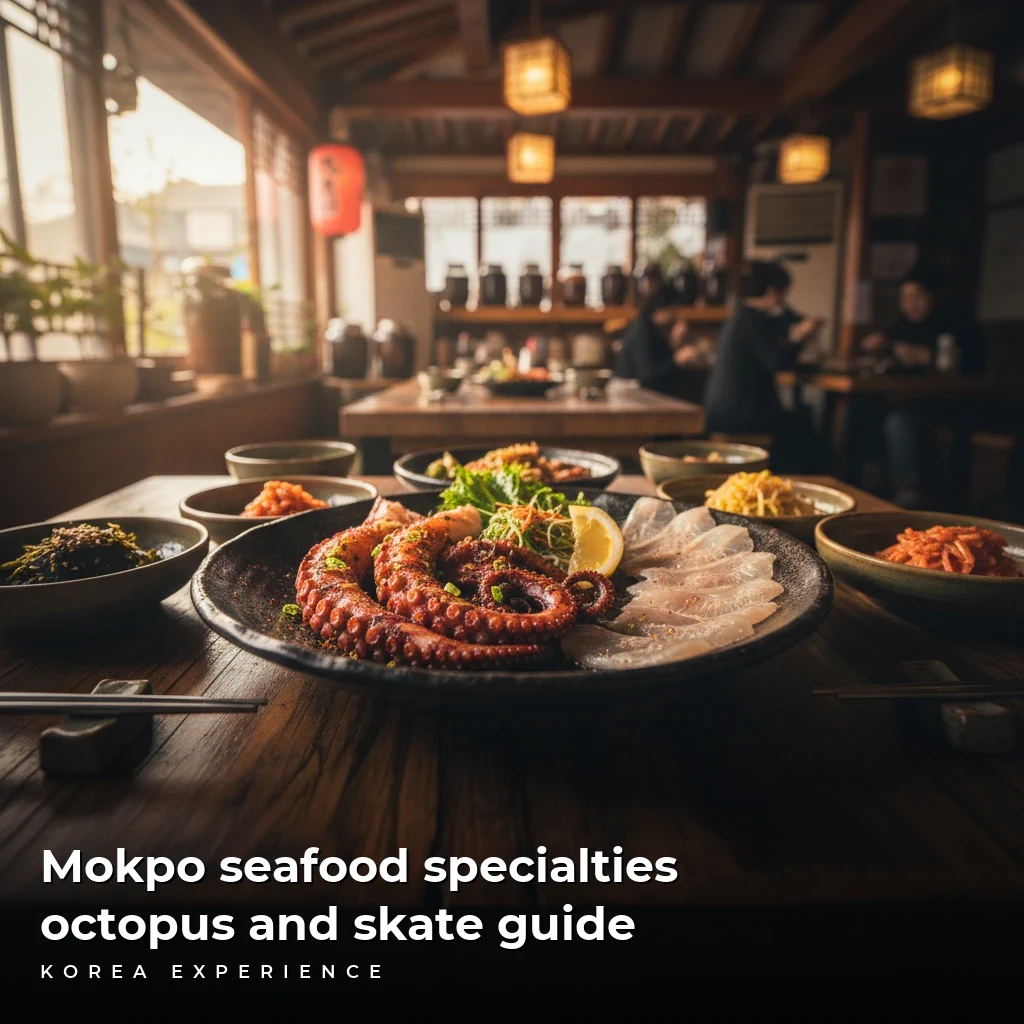
Mokpo is unequivocally the capital of Korean octopus. The region is famous for its particularly tender and flavorful octopus, often found in the nutrient-rich waters surrounding the archipelago. For many international visitors, the idea of eating octopus might conjure images of calamari rings or grilled tentacles. However, Mokpo’s nakji takes the experience to an entirely new level, offering a range of preparations from shockingly fresh to deeply savory and spicy.
Understanding Mokpo's Octopus: From Small to Giant
In Korea, the term nakji generally refers to a small, common octopus species. However, Mokpo is also known for larger varieties, including the long-arm octopus, which is highly prized for its firm yet tender texture. The quality of the octopus in Mokpo is attributed to the specific marine environment and the traditional harvesting methods that ensure the freshest possible catch. Locals often claim that Mokpo octopus simply tastes better due to these unique conditions, a claim many visitors would wholeheartedly agree with after their first bite.
Must-Try Octopus Dishes in Mokpo
Mokpo’s octopus dishes are diverse, catering to various palates and levels of adventurousness. Here are some of the essential experiences:
San-nakji (Live Octopus): The Ultimate Thrill
Perhaps the most famous and, for some, most daunting Mokpo octopus experience is san-nakji. This dish consists of live, chopped octopus tentacles, seasoned lightly with sesame oil and sesame seeds, served immediately. The tentacles continue to writhe on the plate due to residual nerve activity, and the suction cups can still cling to your tongue or throat.
- Experience: It's an unforgettable textural and sensory adventure. The initial apprehension gives way to a surprisingly fresh, clean taste and a chewy, slightly sticky texture.
- Safety Tip: It is crucial to chew the pieces thoroughly to prevent the suction cups from adhering to your throat, posing a choking hazard. This is a common precaution Koreans advise. Take small pieces and chew well.
- Flavor Profile: Mild, fresh, slightly briny with a hint of sesame. The appeal is primarily textural and the novelty.
Nakji Bokkeum (Spicy Stir-fried Octopus): A Flavor Explosion
For those who prefer their octopus cooked and bursting with flavor, nakji bokkeum is an absolute must-try. This dish features octopus stir-fried with a fiery gochujang-based sauce, vegetables (onions, cabbage, carrots), and often rice cakes.
- Experience: A delicious balance of spicy, savory, and slightly sweet. The octopus is tender yet retains a pleasant chewiness. It’s typically served on a sizzling platter.
- Pairing: Often enjoyed with a bowl of steamed rice to temper the spice, or with a refreshing bottle of soju or makgeolli.
- Spice Level: Can range from moderately spicy to intensely hot, so inquire about the spice level if you are sensitive to heat.
Nakji Yeonpo-tang (Clear Octopus Soup): Comfort in a Bowl
When looking for something milder and incredibly comforting, especially on a chilly day, nakji yeonpo-tang is the perfect choice. This clear, delicate soup features whole small octopuses simmered with vegetables like radish, green onions, and sometimes tofu, in a clean, refreshing broth.
- Experience: The octopuses are incredibly tender and melt-in-your-mouth. The broth is light yet deeply flavorful, highlighting the natural sweetness of the octopus.
- Health Benefits: Believed to be highly nutritious and invigorating, often recommended for boosting energy.
- Serving Style: The octopuses are typically cooked tableside, added to the boiling broth just before serving to ensure maximum freshness and tenderness.
Nakji Bibimbap: A Hearty Meal
A delicious variation of the classic Korean mixed rice dish, nakji bibimbap features seasoned octopus pieces mixed with rice, various vegetables, and often a fried egg, all tossed with gochujang.
- Experience: A wholesome and satisfying meal, combining the chewy texture of octopus with the diverse textures and flavors of fresh vegetables and spicy sauce.
- Versatility: Can be adjusted to your spice preference and is a great option for a hearty lunch or dinner.
Where to Savor Mokpo's Octopus: Recommended Eateries
Mokpo boasts numerous restaurants specializing in octopus. Here are a couple of examples that are highly regarded for their authentic nakji dishes:
- Haenam Hoegwan (해남회관): A well-known establishment famous for its nakji yeonpo-tang. It’s often busy, a testament to its popularity. Expect a traditional Korean dining atmosphere.
- Address (approximate): Located near Mokpo Station, search for "Haenam Hoegwan Mokpo" on navigation apps.
- Price Range: Yeonpo-tang typically costs around 30,000-50,000 KRW per person, depending on the size and quantity of octopus.
- Hwanggeum-oori Nakji (황금오리낙지): While its name suggests duck (oori), this restaurant is also highly praised for its excellent nakji bokkeum and san-nakji.
- Address (approximate): Often found in the main restaurant districts. A quick online search for "Hwanggeum-oori Nakji Mokpo" will yield precise directions.
- Price Range: Nakji bokkeum for two typically ranges from 40,000-60,000 KRW. San-nakji around 20,000-30,000 KRW for a small plate.
| Octopus Dish | Description | Flavor Profile | Experience Level | Typical Price (KRW) |
|---|---|---|---|---|
| San-nakji | Live, chopped octopus tentacles, lightly seasoned | Fresh, mild, slightly briny | Adventurous | 20,000-30,000 |
| Nakji Bokkeum | Stir-fried octopus with spicy gochujang sauce and vegetables | Spicy, savory, slightly sweet, robust | Moderate to Adventurous | 40,000-60,000 (for 2) |
| Nakji Yeonpo-tang | Clear, delicate soup with whole small octopuses and vegetables | Clean, refreshing, naturally sweet, comforting | Mild | 30,000-50,000 (per person) |
| Nakji Bibimbap | Mixed rice with seasoned octopus, vegetables, and gochujang | Savory, spicy, hearty, varied textures | Mild to Moderate | 10,000-15,000 |
Fermented Skate: Embracing the Bold Flavors of Hong-eo
If octopus offers a thrilling texture, Mokpo’s hong-eo (fermented skate) offers an unparalleled olfactory and gustatory challenge. This dish is not for the faint of heart, but for those who dare, it promises one of the most distinctive and authentically Korean culinary experiences imaginable. Hong-eo has a legendary reputation for its incredibly pungent, ammonia-like aroma, but beneath its formidable exterior lies a surprisingly complex and rewarding flavor profile.
The Enigmatic Hong-eo: A Culinary Journey
Skate, a cartilaginous fish related to sharks and rays, is unique because it lacks kidneys and excretes uric acid through its skin. While most fish are cleaned immediately to prevent spoilage, hong-eo is intentionally fermented. This process allows the uric acid to break down into ammonia, creating the characteristic pungent smell and flavor that defines the dish. It's an acquired taste, deeply cherished by connoisseurs, and a significant part of southwestern Korean cuisine, particularly in the Jeolla region where Mokpo is located.
The Fermentation Process: Art or Science?
The fermentation of hong-eo is a traditional art form. Fresh skate is typically placed in a cool, dark place for several days, or even weeks, depending on the desired level of pungency. During this time, the natural enzymes and bacteria in the fish, combined with the gradual breakdown of uric acid, transform its texture and flavor. The result is a tender, flaky fish with a firm chewiness and an intensely savory, almost cheese-like umami, underscored by that notorious ammonia kick. For locals, the stronger the smell, the better the hong-eo.
Iconic Skate Dishes and Pairings
Like octopus, hong-eo is prepared in several ways, each offering a different facet of its unique character.
Hong-eo Samhap (Skate, Pork, Kimchi Trio): The Quintessential Experience
The most famous way to eat hong-eo is as part of hong-eo samhap, which translates to "three harmonies" or "three combinations." This dish involves wrapping a piece of fermented skate, a slice of boiled pork belly (samgyeopsal), and a piece of aged kimchi in one bite.
- Experience: The combination is carefully crafted to balance the strong flavors. The richness of the pork belly, the sourness of the aged kimchi, and the intense pungency of the skate create a symphonic explosion of flavors and textures in your mouth. It's challenging but ultimately satisfying for many.
- Why it works: The pork's fat coats the palate, softening the skate's sharpness, while the kimchi provides a refreshing, tangy counterpoint.
- Serving: Typically served with various dipping sauces, including salted shrimp sauce (saeujeot) or gochujang.
Hong-eo Hoe (Sliced Fermented Skate): Pure and Potent
For the purist or the truly daring, hong-eo hoe offers the unadulterated experience of fermented skate. Thin slices of raw, fermented skate are served simply, often with a drizzle of sesame oil or a sprinkle of chili powder.
- Experience: This is the most direct encounter with hong-eo's unique aroma and flavor. The texture is firm and chewy, and the initial pungency is potent, followed by a savory, almost sweet aftertaste for those who can get past the smell.
- Serving: Best enjoyed slowly, in small bites, allowing your palate to adjust.
Hong-eo Muchim (Spicy Skate Salad): A Zesty Alternative
If samhap or hoe seem too daunting, hong-eo muchim offers a more approachable entry point. This dish features shredded fermented skate mixed with various vegetables (cucumber, radish, onion), seasoned with a spicy and tangy dressing made from gochujang, vinegar, garlic, and sesame oil.
- Experience: The strong flavors of the dressing and vegetables help to mellow the skate's pungency, making it more palatable for beginners. The skate adds a unique texture and background flavor without overwhelming the dish.
- Pairing: Excellent with rice or as a side dish with other Korean meals.
Navigating the Taste: Tips for First-Timers
- Start Small: Don't order a huge plate of hong-eo samhap if you're unsure. Many restaurants offer different portion sizes.
- Embrace the Trio: If trying hong-eo samhap, ensure you eat all three components together. The synergy is key to balancing the flavors.
- Breathe Through Your Mouth: Some find it helpful to breathe through their mouth rather than their nose when first tasting hong-eo to reduce the initial ammonia sensation.
- Don't Give Up: It’s an acquired taste. Some people need a few tries before they truly appreciate it.
- Hydrate: Have water or soju ready to cleanse your palate.
Top Spots for Authentic Hong-eo in Mokpo
Mokpo has several long-standing restaurants renowned for their expertly prepared hong-eo.
- Dalim Sikdang (다림식당): A highly respected establishment, known for its traditional hong-eo samhap and deep understanding of skate cuisine. It's a local favorite.
- Address (approximate): Look for it in the heart of Mokpo's downtown area. Search for "Dalim Sikdang Mokpo".
- Price Range: Hong-eo samhap for two typically costs around 50,000-80,000 KRW, depending on the skate's quality and portion size.
- Pyeonghwa Sikdang (평화식당): Another esteemed restaurant, offering a range of hong-eo dishes. Often praised for the quality of its fermentation.
- Address (approximate): Similar to Dalim, it will be in a prominent restaurant area. Use online maps for "Pyeonghwa Sikdang Mokpo".
- Price Range: Similar to Dalim Sikdang.
| Skate Dish | Description | Flavor Profile | Pungency Level | Typical Price (KRW) |
|---|---|---|---|---|
| Hong-eo Samhap | Fermented skate, boiled pork belly, aged kimchi in one bite | Complex, pungent, savory, tangy, fatty | High | 50,000-80,000 (for 2) |
| Hong-eo Hoe | Sliced raw fermented skate, simply seasoned | Intensely pungent, savory, firm, chewy | Very High | 30,000-50,000 |
| Hong-eo Muchim | Shredded skate with spicy-tangy vegetable salad | Spicy, tangy, savory, less pungent than others | Medium | 25,000-40,000 |
Beyond Octopus and Skate: Exploring Mokpo's Broader Seafood Scene
While nakji and hong-eo are undoubtedly the stars, Mokpo’s seafood repertoire extends far beyond these two iconic dishes. The city offers a vast array of fresh catches, from various types of fish to shellfish, providing a truly diverse culinary landscape for any seafood aficionado. Exploring these other offerings can provide a delightful counterpoint to the bold flavors of octopus and skate, showcasing the breadth of Mokpo's oceanic bounty.
Seasonal Catches and Local Delicacies
Depending on the season, you might encounter other local specialties. Spring brings a variety of white fish perfect for grilling or stewing. Summer offers fresh shellfish and a lighter selection of fish. Autumn is excellent for richer fish, often prepared as hearty stews. Winter offers robust options that warm the soul. Don't hesitate to ask local vendors or restaurant staff for their seasonal recommendations – this is often where you discover hidden gems.
Some popular non-octopus/skate options include:
- Galchi Jorim (Braised Beltfish): A savory and spicy stew featuring tender beltfish simmered with radish and various vegetables in a gochujang-based sauce.
- Agutang (Monkfish Soup): A hearty and often spicy soup made with monkfish, bean sprouts, and various vegetables, known for its collagen-rich texture.
- Jeonbok (Abalone): Often grilled, steamed, or added to soups, abalone is a prized delicacy in Mokpo, celebrated for its unique texture and delicate flavor.
- Various Grilled Fish (Saengseon Gui): Enjoy a freshly grilled mackerel (godeungeo) or yellow croaker (gulbi) seasoned simply to highlight its natural flavor.
These dishes offer a wonderful way to experience the broader flavors of Mokpo's seas, providing less challenging but equally delicious alternatives to the more adventurous nakji and hong-eo.
Mokpo's Bustling Fish Markets
To truly appreciate Mokpo's seafood, a visit to one of its vibrant fish markets is essential. These markets are not just places to buy seafood; they are cultural hubs, bustling with energy, sounds, and an incredible array of marine life. It's where you can witness the freshest catches and gain an understanding of the local fishing traditions.
- Mokpo Dongbu Market (목포 동부시장): While a general traditional market, it has a significant seafood section where you can find both fresh and dried fish, as well as various Korean side dishes. It’s a great place to observe local life and sample street food.
- Experience: Authentic, bustling, offering a mix of seafood, produce, and household goods. Good for experiencing local culture.
- Mokpo Marine Fishery Market (목포수산물유통센터): This is a larger, more dedicated seafood market where you can select your fresh fish, crab, or shellfish and often have it prepared immediately at an upstairs restaurant.
- Experience: Clean, organized, excellent for selecting extremely fresh seafood for immediate consumption. You can pick your live octopus or skate here.
| Market Name | Primary Focus | Atmosphere | Experience | Pricing (approx.) |
|---|---|---|---|---|
| Mokpo Dongbu Market | General traditional | Authentic, bustling | Local culture, fresh/dried seafood, street food | Varies |
| Mokpo Marine Fishery Market | Fresh seafood | Organized, vibrant | Pick-your-own seafood, immediate restaurant preparation | Mid-range to High |
Practical Tips for a Seamless Mokpo Seafood Adventure
Embarking on a culinary journey in a foreign city can be exhilarating, but a few practical tips can make your Mokpo seafood adventure even smoother and more enjoyable. From navigating the city to understanding dining etiquette, being prepared will enhance your experience.
Best Time to Visit
Mokpo enjoys distinct seasons, and each offers a slightly different experience.
- Spring (April-May): Pleasant weather for exploring, good for lighter fish dishes.
- Summer (June-August): Can be hot and humid, but ideal for enjoying refreshing seafood broths and cooling dishes. Tourist season can be busier.
- Autumn (September-November): Arguably the best time. Mild weather, beautiful foliage, and excellent for robust seafood. This is often recommended for first-time visitors.
- Winter (December-March): Can be cold, but perfect for hearty, warming stews and soups, including the nourishing nakji yeonpo-tang.
Transportation and Getting Around
- Getting to Mokpo:
- KTX (High-Speed Rail): The fastest and most convenient way from Seoul (approximately 2.5-3 hours). Mokpo Station is centrally located.
- Express Bus: A more budget-friendly option, express buses connect Mokpo to major cities across Korea.
- Getting Around Mokpo:
- Taxis: Readily available and reasonably priced for short distances. Many drivers understand basic English.
- City Buses: An extensive network, but navigating routes might require some Korean language skills or a reliable translation app.
- Walking: Many of Mokpo’s main attractions, including its seafood districts, are walkable, especially near the harbor and downtown areas.
- Mokpo Marine Cable Car: Not just an attraction, but also provides stunning views of the city and surrounding islands, connecting parts of the city.
Ordering and Dining Etiquette
- Pointing and Pictures: If language is a barrier, pointing to menu items or pictures is perfectly acceptable. Many restaurants catering to tourists will have English menus or picture menus.
- Group Dining: Korean meals are often shared. Ordering several dishes to share among your group is common practice.
- Side Dishes (Banchan): All main dishes come with a complimentary array of banchan. These are usually refillable, so don't hesitate to ask for more if you enjoy them.
- No Tipping: Tipping is not customary in Korea.
- Soju and Makgeolli: These traditional alcoholic beverages are popular accompaniments to seafood. Don't be shy about trying them.
- Chewing Thoroughly: Especially with san-nakji, chew thoroughly to avoid choking hazards.
Language Barrier Solutions
- Translation Apps: Google Translate or Papago are invaluable tools for communicating with restaurant staff. You can even use them to translate menus in real-time.
- Learn Key Phrases: A few simple Korean phrases like "juseyo" (please give me), "gamsahamnida" (thank you), and "eolmaeyo?" (how much is it?) can go a long way.
- Tourist Information Centers: Mokpo has a tourist information center near Mokpo Station where staff can assist with directions and recommendations.
Accommodations in Mokpo
Mokpo offers a range of accommodations, from budget-friendly guesthouses to mid-range hotels with sea views. Consider staying near Mokpo Station for easy access to transportation and many dining options, or near the Pyeonghwa Gwangjang (Peace Square) for vibrant evening activities and cafes.
Mokpo Food Festivals and Culinary Events
Mokpo, with its deep connection to the sea, often hosts various food and cultural festivals, particularly centered around its bountiful seafood. These events are fantastic opportunities for international visitors to immerse themselves in local traditions and sample a wide range of delicacies.
While specific festival dates can vary year to year, typically look out for:
- Mokpo Port Festival: Usually held in late summer or early autumn, this festival celebrates Mokpo's maritime heritage. It often features seafood tasting booths, cultural performances, fishing experiences, and hands-on activities. It’s a prime time to try various local seafood dishes, including those beyond octopus and skate, prepared by local vendors.
- Local Fishery Events: Smaller, more localized events might pop up throughout the year, especially during peak seasons for specific fish. These are usually advertised locally and can offer a more intimate experience of the community's culinary life.
Checking the official Mokpo City Hall website or the Korea Tourism Organization (KTO) website a few months before your visit is highly recommended for the most up-to-date information on any upcoming festivals or events. Attending one of these can significantly enhance your understanding and enjoyment of Mokpo's vibrant food culture.
Frequently Asked Questions (FAQ)
1. Is fermented skate (hong-eo) really that strong?
Yes, fermented skate is known for its incredibly pungent, ammonia-like aroma. It's often described as smelling similar to a strong cleaning agent. However, for those who appreciate it, the flavor is deeply savory, umami-rich, and complex, not just purely ammoniac. It's an acquired taste that often grows on people after a few tries.
2. Can I eat live octopus (san-nakji) safely?
Yes, san-nakji can be eaten safely, but it's crucial to exercise caution. The suction cups on the octopus tentacles can still stick to your throat, posing a choking hazard. The key is to cut the pieces small, chew them thoroughly, and take your time. If you're hesitant, you can always ask the restaurant to cut the pieces even smaller for you.
3. What's a good alternative if I don't like octopus or skate?
Mokpo offers a wide array of other delicious seafood. If octopus and skate are too adventurous, consider trying galchi jorim (braised beltfish), agutang (monkfish soup), various grilled fish (saengseon gui), or fresh abalone (jeonbok). Many restaurants will have other non-seafood options as well, but embracing some form of seafood is highly recommended in Mokpo.
4. How do I find authentic seafood restaurants in Mokpo?
Look for restaurants bustling with locals – this is always a good sign. Check online reviews (Kakao Maps and Naver Maps are more popular in Korea than Google Maps for local businesses, but Google Maps often has local reviews translated). Don't be afraid to ask your hotel staff or local taxi drivers for recommendations; they often know the best hidden gems. The areas around Mokpo Station and Pyeonghwa Gwangjang are good starting points for dining districts.
5. Are Mokpo seafood restaurants expensive?
The price of seafood in Mokpo can vary significantly depending on the dish and the type of seafood. Dishes like san-nakji or hong-eo samhap are considered specialties and can be moderately expensive (e.g., 20,000-80,000 KRW for a plate or meal for two, depending on portion and quality). Simpler dishes like nakji bibimbap or a bowl of fish stew will be more affordable (e.g., 10,000-15,000 KRW). Generally, the quality and freshness justify the prices, offering good value for a unique culinary experience.
Conclusion: Embrace the Mokpo Seafood Adventure
Mokpo, with its deep maritime roots, offers a culinary journey unlike any other in Korea. Its dedication to fresh, high-quality seafood, combined with centuries-old traditions, creates a dining experience that is both authentic and profoundly memorable. While the nakji (octopus) provides a thrilling textural and flavor spectrum, from the audacity of san-nakji to the comforting warmth of yeonpo-tang, the hong-eo (fermented skate) stands as a testament to culinary bravery, promising a powerful, complex flavor for the adventurous palate.
For international travelers and expats, exploring Mokpo's seafood specialties is more than just eating; it's an immersion into Korean culture, a challenge to preconceived notions of taste, and an opportunity to create truly unique memories. This guide has equipped you with the knowledge to navigate the vibrant markets, confidently order iconic dishes, and appreciate the nuanced flavors that define Mokpo.
So, when you plan your next trip to Korea, venture beyond the well-trodden paths of Seoul and Busan. Make your way to Mokpo, let the sea breeze guide you, and prepare your senses for an unforgettable adventure. Embrace the boldness of hong-eo, savor the fresh dynamism of nakji, and discover the vast array of other oceanic delights this coastal gem has to offer. Mokpo's seafood scene is waiting to surprise, delight, and perhaps even transform your culinary perspective. Your Mokpo seafood adventure begins now!
About the Author
Korea Experience Team
Written by the Korea Experience editorial team - experts in Korean medical tourism, travel, and culture with years of research and firsthand experience.
⚠️ Medical Disclaimer
The information provided on this website is for general informational purposes only and does not constitute medical advice. Always consult with qualified healthcare professionals before making any medical decisions.
Continue Reading
Explore more articles you might find interesting
Unlock Korea's best value lunch specials for 2026. Our guide to Jeomsim-teukseon helps you savor gourmet meals on a budget, making every bite and won count for travelers and expats.
Discover Seoul's top specialty coffee roasters in Seongsu and Yeonnam-dong. This 2026 guide helps international travelers find the finest brews and unique cafe experiences in Korea.
Explore the delicious world of Korean pancakes, from savory Pajeon to crispy Bindaetteok and spicy Kimchijeon. A must-read for foodies.