K-Culture

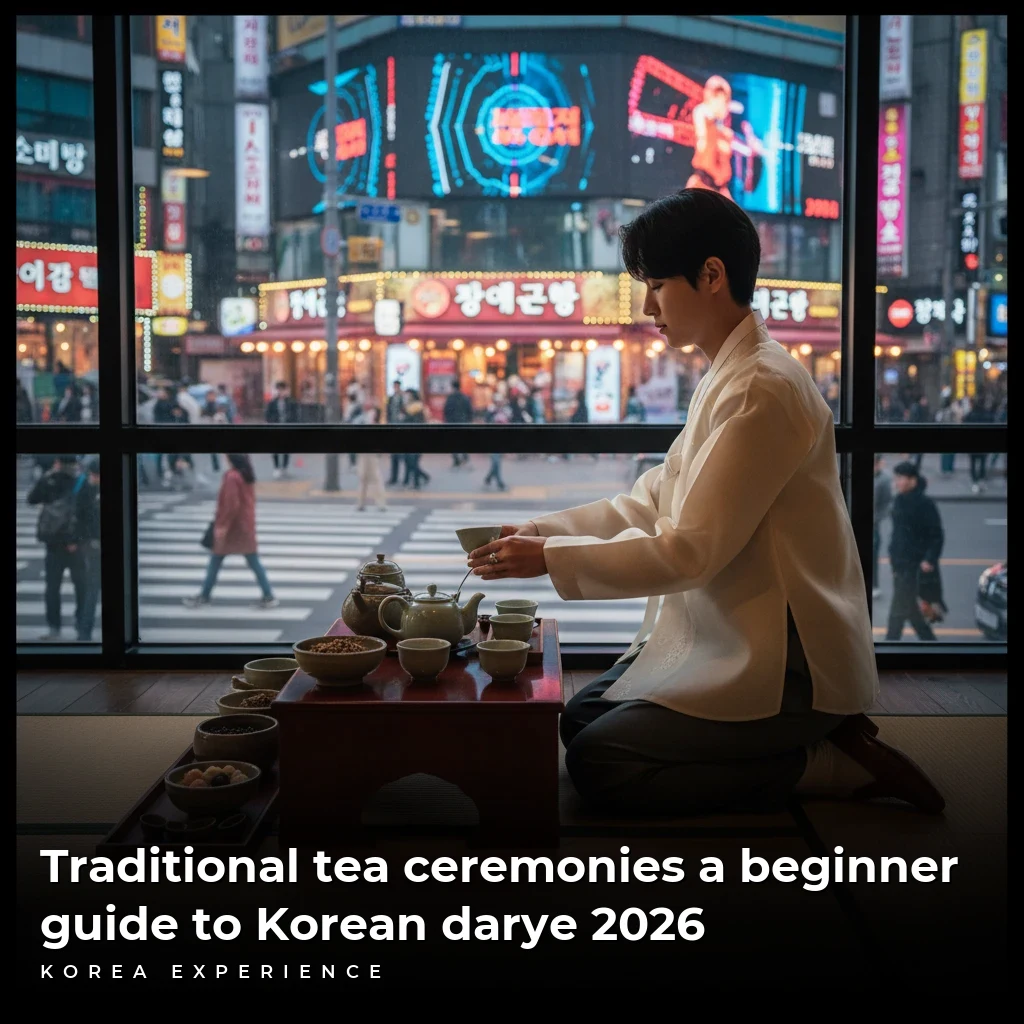
Traditional Tea Ceremonies A Beginner Guide to Korean Darye 2026

Unlock the tranquility of Korean Darye, its rich history, practical steps, and best places to experience this mindful tea ceremony on your 2026 trip.

In the bustling modern landscape of South Korea, where K-pop beats energize city streets and cutting-edge technology defines daily life, there exists a profound counterpoint: the serene art of Korean Darye, or traditional tea ceremony. For many international travelers and expats, the allure of Korea often begins with its vibrant contemporary culture. Yet, beneath this dynamic surface lies a deep well of ancient traditions, none more emblematic of mindfulness and hospitality than Darye.

Imagine a moment of quiet reflection, the gentle steam rising from a carefully crafted tea bowl, the subtle aroma filling the air, and the rhythmic movements of a tea master guiding you through a centuries-old ritual. This is the essence of Darye, an experience that transcends mere tea drinking, offering a pathway to inner peace and a deeper connection to Korean heritage. As you plan your immersive journey to Korea in 2026, understanding and experiencing Darye should undoubtedly be on your itinerary.

This comprehensive guide is designed for beginners, providing you with everything you need to appreciate and partake in a traditional Korean tea ceremony. You will learn about the historical and philosophical underpinnings of Darye, the essential tools and teas involved, a step-by-step breakdown of the ceremony itself, and crucially, where to find the most authentic experiences across Korea. We'll also equip you with practical tips, cultural etiquette, and insider knowledge to ensure your first encounter with Darye is both enriching and memorable. Prepare to slow down, savor the moment, and discover a truly unique facet of Korean culture.

Unveiling Darye The Essence of Korean Tea Culture

At its heart, Korean Darye is more than just making and drinking tea; it is a holistic practice encompassing philosophy, art, and etiquette. The term "Darye" literally translates to "tea ritual" or "tea etiquette," emphasizing the structured, respectful manner in which tea is prepared and served. It has been an integral part of Korean society for over a thousand years, reflecting the nation's spiritual values and refined aesthetic.

A Legacy of Mindfulness and Hospitality

The origins of Darye can be traced back to the Silla Dynasty (57 BCE - 935 CE), with tea playing a significant role in Buddhist rituals and court ceremonies. During the Goryeo Dynasty (918-1392), tea culture flourished, becoming central to both aristocratic and religious life. While its popularity waned slightly during the Joseon Dynasty (1392-1910) due to the rise of Confucianism and the suppression of Buddhism, the spirit of Darye persisted in homes and temples. In modern times, there has been a significant revival, with dedicated efforts to preserve and promote this beautiful tradition.

The core of Darye lies in its emphasis on mindfulness. Each movement, from warming the teaware to pouring the water, is performed with deliberate attention, encouraging participants to be fully present in the moment. This focus on the present fosters a sense of tranquility and inner calm, a much-needed respite from the fast pace of contemporary life. Beyond personal mindfulness, Darye is also a profound expression of hospitality, known as "Jeong" (a deep emotional connection and affection). Serving tea is an act of welcoming, respect, and building rapport, creating a harmonious atmosphere between host and guest.

Beyond the Brew The Philosophical Roots

Korean Darye is deeply intertwined with several philosophical tenets, primarily drawing from Buddhism, Taoism, and Confucianism. From Buddhism, it inherits the practice of meditation and the pursuit of enlightenment through simple, repetitive actions. Taoist influences manifest in the appreciation for nature, simplicity, and the harmonious flow of energy. Confucianism, on the other hand, contributes to the structured etiquette, respect for elders, and the importance of social harmony that are central to the ceremony.

The concept of "Yi-cheon-deuk-da" (meaning "getting good health and immortality from tea") reflects the ancient belief in tea's medicinal properties and its spiritual benefits. The aesthetic principle of "Hae-dong-cheong-cha" (clear, pure, and bright tea of the East) encapsulates the Korean preference for clean, subtle flavors and visual simplicity in tea presentation. These philosophies elevate Darye beyond a mere beverage service, transforming it into a meditative art form and a profound cultural experience.

Key Elements of Darye

To understand Darye, it helps to grasp its fundamental components:

  • The Tea: Primarily green tea (Nokcha), though other traditional Korean teas are also used.
  • The Teaware: Simple, natural, often ceramic or porcelain, chosen for its aesthetic and functional qualities.
  • The Environment: A calm, clean space, often a traditional Hanok (Korean house) or a serene temple setting.
  • The Etiquette: Specific gestures, postures, and sequence of actions performed with grace and respect.
  • The People: A host (Dain) who prepares and serves the tea, and guests (Jibin) who receive it, both engaging in a shared moment.

These elements combine to create an experience that is both visually appealing and spiritually uplifting, inviting participants to slow down, connect, and appreciate the simple beauty of the present.

The Art of Preparation Essential Tools and Teas for Darye

The beauty of Darye lies not only in its philosophy but also in the meticulous selection and arrangement of its tools and ingredients. Each item on the Darye table serves a purpose, contributing to the aesthetic harmony and the quality of the tea. Understanding these components is the first step towards appreciating the art form.

The Darye Table Setting A Symphony of Simplicity

A traditional Darye setting is characterized by its elegant simplicity and natural aesthetic. The teaware, often referred to as "Chadogeup" (tea tools), is typically made from ceramic, porcelain, or sometimes wood, reflecting Korea's rich tradition of craftsmanship.

Here are the essential pieces you'll encounter:

  • Teapot (Dajeon): A small, often rounded pot, usually with a handle, designed for brewing small quantities of tea.
  • Tea Bowls (Chawan or Jan): Individual bowls, typically handleless, designed to fit comfortably in both hands. Their size and shape are crucial for cooling the tea and appreciating its aroma.
  • Tea Tray (Chajeon): A small tray, often made of wood or ceramic, used to hold the teaware and catch any spills, emphasizing cleanliness and order.
  • Water Cooler (Sooku or Mulshikim-geureut): A vessel, often a small pitcher, used to cool the hot water to the optimal brewing temperature for green tea.
  • Tea Scoop (Chasi): A bamboo or wooden scoop used to measure tea leaves.
  • Tea Caddy (Daho): A container, often ceramic or lacquered, for storing tea leaves.
  • Tea Cloth (Chabo): A small cloth used for wiping spills or drying teaware, typically a natural, absorbent fabric.

The arrangement of these items on the table follows specific principles of balance and accessibility, allowing the host to move gracefully and efficiently throughout the ceremony.

Selecting Your Tea Korean Green Tea's Many Forms

While other herbal infusions are popular in Korea, the heart of traditional Darye is almost exclusively Nokcha (green tea). Korean green tea is celebrated for its delicate flavor, clear color, and various health benefits. Unlike some other Asian green teas, Korean green tea often has a sweeter, less astringent profile, with nutty or oceanic notes, depending on its origin and processing.

Korean green tea is classified primarily by the harvest time of its leaves:

  • Ujeon (First Plucking): Harvested in early spring before April 20th, these are the youngest, most tender leaves. Ujeon yields a very delicate, sweet, and mild tea, highly prized and expensive. It has a beautiful, light green liquor.
  • Sejak (Second Plucking): Harvested usually between April 20th and May 5th, the leaves are slightly larger. Sejak tea offers a balanced flavor, still delicate but with a bit more body and a pleasant aroma. It is often the preferred choice for regular Darye.
  • Jungjak (Third Plucking): Harvested mid-May, these leaves are larger and produce a more robust, slightly more bitter tea. It's still excellent but has a stronger flavor profile.
  • Daejak (Last Plucking): Harvested in late May to early June, these are the largest, mature leaves, yielding a stronger, sometimes more astringent tea, often used for everyday drinking or iced tea.

Most Darye ceremonies will feature Ujeon or Sejak due to their refined taste and aroma, which are perfect for mindful appreciation. Beyond green tea, you might also encounter Hwangcha (Korean semi-fermented tea, similar to Oolong but distinctly Korean) or various herbal teas like Ssanghwa-cha (a robust herbal tonic) or Omija-cha (five-flavor berry tea) in less formal settings.

Tea Type (Korean Name)Harvest TimeFlavor ProfileBest for
Ujeon (우전)Early Spring (before April 20th)Delicate, sweet, very mild, light green liquorSpecial occasions, purists
Sejak (세작)Late April - Early MayBalanced, slightly sweet, pleasant aroma, popularRegular Darye, everyday enjoyment
Jungjak (중작)Mid-MayRobust, slightly more body, stronger flavorEveryday drinking, those preferring bolder tastes
Hwangcha (황차)Varies (processed differently from green tea)Mellow, less astringent than green, earthy, floralExploring fermented tea, unique experience

Water The Unsung Hero

The quality and temperature of the water are paramount in Darye. Pure, clean, soft water is ideal, often sourced from natural springs. More critically, the water temperature must be precisely controlled for green tea. Boiling water can scald delicate green tea leaves, resulting in a bitter taste.

For optimal brewing:

  • Ujeon and Sejak: Water cooled to 60-70°C (140-158°F)
  • Jungjak and Daejak: Water cooled to 70-80°C (158-176°F)

The water cooler (Sooku) is used for this purpose, allowing the freshly boiled water to cool down gradually before it touches the tea leaves. This attention to detail ensures that the tea's subtle flavors and aromas are fully expressed.

Step-by-Step A Beginner's Guide to Performing Darye

Experiencing Darye is a journey into deliberate motion and sensory appreciation. While the full ceremony is often performed by a trained tea master, understanding the basic steps will enhance your participation as a guest and even allow you to practice a simplified version at home. Remember, the goal is mindfulness and respect, not flawless execution.

Cleansing and Warming The Ritual Begins

The ceremony typically begins with preparing the teaware, ensuring it is clean and at the correct temperature.

  1. Warm the Teapot and Bowls: Hot water is poured into the teapot, swirled, and then transferred to the individual tea bowls. This warms the ceramic, preventing the tea from cooling too quickly and enhancing its aroma. The water is then discarded (often into a waste bowl). This step is called "Yu-geup" (warming the vessel).
  2. Cool the Water: Freshly boiled water is poured into the Sooku (water cooler). This is a crucial step to bring the water to the ideal temperature for brewing green tea, typically 60-70°C (140-158°F). The tea master will judge the temperature by observing the steam or by timing.

Brewing the Perfect Cup The Three Pours

The actual brewing process is where the tea master's skill and grace truly shine. The "three pours" method is common, emphasizing gentle handling of the delicate tea leaves.

  1. First Pour (Ip-cha): Using the Chasi (tea scoop), a small amount of green tea leaves (typically 1-2 scoops per person, depending on the tea and desired strength) is carefully placed into the warmed teapot. The cooled water from the Sooku is then gently poured over the leaves. The teapot is immediately covered.
  2. Steeping: Green tea typically steeps for a short period, usually 30-60 seconds, depending on the tea type and personal preference. The tea master will observe the leaves and the color of the developing brew. Over-steeping can lead to bitterness.
  3. Second Pour (Cha-da): Once steeped, the tea is poured from the teapot into a small pouring pitcher (Suk-u or "justice cup"). This step ensures that all guests receive tea of consistent strength and flavor.
  4. Serving (Jip-cha): From the pouring pitcher, the tea is then carefully poured into each guest's individual tea bowl. The host typically serves the eldest or most honored guest first, then proceeds in order. The bowls are presented with the design facing the guest.

Serving and Savoring A Moment of Connection

Receiving and drinking the tea is an equally important part of the Darye experience, requiring mindful engagement from the guest.

  1. Receiving the Tea: When receiving your tea bowl, it is customary to use both hands as a sign of respect. Hold the bowl gently, appreciating its warmth and the beauty of its craftsmanship.
  2. Appreciating the Aroma: Before drinking, gently bring the bowl to your nose and inhale the fragrant steam. Notice the subtle aromas.
  3. Sipping Mindfully: Take small, delicate sips. Let the tea linger on your tongue, experiencing its flavor profile, body, and aftertaste. Resist the urge to gulp it down. The goal is to savor each drop.
  4. Repeat Brews: A good quality green tea can be steeped multiple times (often 3-5 times or more). Each subsequent brew may offer slightly different nuances in flavor and aroma. The host will repeat the brewing and serving process, maintaining the mindful pace.

The Etiquette of Drinking

Guests are expected to observe certain etiquette during Darye:

  • Silence and Serenity: Maintain a peaceful atmosphere. Loud talking or disruptive behavior is discouraged. Quiet conversation or contemplative silence is preferred.
  • Holding the Bowl: Hold the tea bowl with both hands to show respect and to feel the warmth of the tea.
  • Emptying the Bowl: It is customary to drink all the tea in your bowl. Do not leave a large amount of tea unfinished.
  • Expression of Gratitude: A simple bow or a polite "Gamsahamnida" (Thank you) is appropriate when receiving tea or at the end of the ceremony.
  • Pace: Follow the host's pace. Do not rush through your tea before others are ready.

By engaging with these steps and adhering to the etiquette, you transform a simple act of drinking tea into a deeply respectful and culturally immersive experience.

Where to Experience Authentic Darye in Korea 2026

Experiencing Korean Darye firsthand is a highlight for many visitors seeking a deeper cultural connection. As you plan your 2026 trip, you'll find various settings that offer authentic tea ceremonies, each with its unique atmosphere and focus.

Traditional Hanok Villages Bukchon, Jeonju

Hanok villages offer some of the most picturesque and accessible venues for Darye. These clusters of traditional Korean houses (Hanok) provide an immersive historical backdrop, allowing you to step back in time.

  • Bukchon Hanok Village, Seoul: Nestled between Gyeongbokgung and Changdeokgung Palaces, Bukchon is a living museum. Several traditional tea houses within the village offer Darye experiences. Look for establishments like "Cha Masineun Tteul" (Tea Drinking Garden) or "Gahoe Museum" which often host beginner-friendly sessions. These experiences typically include a full ceremony, explanation of the tea and tools, and sometimes traditional Korean snacks (Hangwa).
    • Price Estimate: 30,000 - 50,000 KRW per person, often with reservations required.
    • Contact: Best to check their official websites or search online for "Bukchon Hanok Village tea ceremony" for current booking information and updated prices.
  • Jeonju Hanok Village, Jeonju: Known as a culinary and cultural hub, Jeonju boasts a larger Hanok village with numerous opportunities. Many Hanok guesthouses and cultural centers here offer Darye programs. The atmosphere tends to be slightly more relaxed than Seoul, allowing for a deeper immersion into regional traditions.
    • Price Estimate: 25,000 - 45,000 KRW per person.
    • Contact: Inquire at the Jeonju Hanok Village Tourist Information Center upon arrival or search for specific tea houses like "Jeonju Hanok Tea Culture Center."

Buddhist Temples A Spiritual Retreat

For a more spiritual and serene Darye experience, consider visiting a Buddhist temple. Many temples across Korea offer "Templestay" programs, which often include a tea ceremony as part of the monastic routine.

  • Jogyesa Temple, Seoul: As the chief temple of the Jogye Order of Korean Buddhism, Jogyesa sometimes offers short tea ceremony experiences as part of its cultural programs, especially during festivals or special events. It's a convenient option for those staying in Seoul.
    • Price Estimate: Varies, often included in a broader cultural program or donation-based.
    • Contact: Check the Jogyesa Temple website or visit their information center for current offerings.
  • Heonam Tea Museum & Temple, Boseong: While not a temple in the traditional sense, this museum in Boseong (Korea's most famous tea-producing region) offers a deep dive into tea culture, often including Darye sessions in a serene, temple-like setting overlooking tea fields.
    • Price Estimate: 15,000 - 30,000 KRW (for ceremony, museum entrance separate).
    • Contact: Search "Heonam Tea Museum Boseong" for directions and booking details.
  • Various Templestay Locations: Many Templestay programs (e.g., at Magoksa Temple in Gongju or Golgulsa Temple in Gyeongju) incorporate Darye as a calming and meditative activity. This offers a more extended, profound experience.
    • Price Estimate: Templestay programs usually range from 50,000 - 150,000 KRW per person per night, including accommodation, meals, and various activities including Darye.
    • Contact: Visit the official Templestay website (eng.templestay.com) to find participating temples and book your retreat.

Dedicated Tea Houses and Cultural Centers

Beyond Hanok villages and temples, dedicated tea houses (Dajeong or Chatjip) and cultural centers specialize in Darye. These venues often have trained tea masters and a focus purely on the tea ceremony.

  • Insadong, Seoul: This vibrant cultural street is home to numerous traditional tea houses. While some are more casual, many offer structured Darye experiences. Look for signs advertising "tea ceremony" or "traditional tea." "Shin Old Tea House" or "Beautiful Tea Museum" are well-known spots.
    • Price Estimate: 20,000 - 40,000 KRW for a basic ceremony.
    • Contact: Walk-ins are often possible, but reservations are recommended for structured Darye programs.
  • National Folk Museum of Korea, Seoul: This museum occasionally hosts cultural experience programs, including Darye, especially during holidays or special exhibitions. It's a great way to combine learning about folk culture with a practical experience.
    • Price Estimate: Often free or low cost with museum admission.
    • Contact: Check the official museum website for their event calendar.
Location TypeAtmosphereFocusPrice Range (KRW, per person)Reservation
Hanok VillagesTraditional, scenic, culturalHeritage, architecture, gentle introduction25,000 - 50,000Recommended
Buddhist TemplesSerene, spiritual, meditativeMindfulness, monastic life, deeper immersion15,000 - 150,000 (Templestay)Essential
Dedicated Tea HousesFocused, expert-led, sometimes modernSpecific tea types, detailed instruction20,000 - 40,000Recommended
Cultural Centers/MuseumsEducational, structured, event-drivenBroader cultural context, often introductoryFree - 30,000Often

Always check the most current information online before your visit in 2026, as prices and programs can change.

Practical Tips for Your First Darye Experience

To make your first Korean Darye experience truly enjoyable and respectful, a little preparation goes a long way. These practical tips will help you navigate the cultural nuances and fully embrace the tranquility of the tea ceremony.

Dress Comfortably and Respectfully

While there's no strict dress code unless you're attending a very formal event or Templestay, it's wise to choose comfortable and modest attire. You might be sitting on the floor (either on cushions or a raised platform) for an extended period, so tight clothing can be restrictive. Avoid revealing outfits. Simple, clean clothes that allow for easy movement are ideal. Some venues, especially temples, might appreciate you covering your shoulders and knees.

Embrace the Silence

Darye is an opportunity for introspection and quiet appreciation. While light conversation may be permitted in some casual tea houses, in a formal ceremony, silence is golden. Observe the tea master's movements, focus on the aromas, and the taste of the tea. It's not about filling the air with chatter, but rather filling your mind with peace. If you have questions, save them for the end of the ceremony or ask politely in a soft voice during natural pauses.

Ask Questions (Politely)

Don't be afraid to ask questions! Tea masters and hosts are usually delighted to share their knowledge and passion for Darye. However, choose appropriate moments, such as before the ceremony begins, during a break, or after the final pour. Phrase your questions respectfully and keep them concise. For example, "What is the name of this tea?" or "What is the significance of this step?"

Photography Etiquette

Always ask for permission before taking photos or videos, especially during the ceremony. In many formal settings, photography during the actual brewing and serving might be discouraged to maintain the solemnity of the ritual. If permission is granted, be discreet, avoid flash photography, and ensure your actions do not disturb others. Focus on capturing the essence without becoming a distraction. Often, photos are allowed before or after the main ceremony.

Purchase Authentic Tea and Teaware

If your Darye experience inspires you, consider purchasing some authentic Korean green tea or teaware. This is an excellent way to support local artisans and bring a piece of Korean tea culture home with you. Many tea houses and cultural centers will have a small shop. Look for reputable brands and ask the tea master for recommendations. Boseong, for example, is famous for its green tea and offers a wide selection.

Arrive on Time (or Early)

Punctuality is a sign of respect. Arriving a few minutes early allows you to settle in, find your spot, and mentally prepare for the calming experience ahead. Rushing in late can disrupt the peaceful atmosphere and shows disrespect to the host and other participants.

By keeping these tips in mind, you're not just participating in a ceremony; you're engaging with a tradition in a thoughtful and appreciative manner, ensuring a truly enriching experience.

Darye vs. Other Asian Tea Ceremonies A Quick Comparison

While tea ceremonies are a cherished tradition across many Asian cultures, each nation has developed its unique style and philosophy. Understanding the distinct characteristics of Korean Darye in comparison to its Japanese and Chinese counterparts can deepen your appreciation for its specific nuances.

Korean Darye Its Unique Character

Korean Darye is distinguished by its emphasis on naturalness, simplicity, and the harmonious flow between host and guest. There's a strong focus on Jeong (deep affection and connection) and mindfulness, encouraging participants to be present in the moment and appreciate the subtle beauty of the tea.

  • Key Philosophy: Mindfulness, hospitality (Jeong), naturalness, simple beauty, quiet contemplation.
  • Aesthetics: Understated elegance, natural materials (often local ceramics), irregular shapes, appreciation for imperfection.
  • Pace: Gentle, rhythmic, unhurried, promoting a calm and meditative state.
  • Tea Type: Primarily Nokcha (Korean green tea), with its distinct sweet, nutty, or oceanic profiles.
  • Teaware: Often made of Korean celadon or stoneware, simple, functional, yet artistic.

Japanese Chado Ritual and Precision

The Japanese tea ceremony, known as Chado or Chanoyu, is perhaps the most globally recognized. It is renowned for its highly formalized structure, intricate etiquette, and deep philosophical roots, particularly Zen Buddhism.

  • Key Philosophy: Wabi-sabi (beauty in imperfection and transience), harmony, respect, purity, tranquility, strict adherence to form.
  • Aesthetics: Highly refined, minimalist, deliberate asymmetry, every detail meticulously planned.
  • Pace: Extremely slow, precise, and ritualistic, emphasizing control and concentration.
  • Tea Type: Primarily Matcha (powdered green tea), whisked to a frothy consistency.
  • Teaware: Often heirloom pieces, highly valued, specific types for specific purposes, often dark and rustic Raku ware for matcha.

Chinese Gongfu Cha Emphasis on Flavor

Gongfu Cha (meaning "making tea with skill" or "effort tea") is a Chinese tea ceremony focused intensely on extracting the optimal flavor and aroma from the tea leaves. While it has its own etiquette, it is generally less ritualized than Chado, prioritizing the sensory experience of the tea itself.

  • Key Philosophy: Maximizing flavor extraction, appreciating the tea's nuances, social interaction.
  • Aesthetics: Often vibrant and ornate teaware, practical functionality combined with beauty.
  • Pace: Relatively quicker, with rapid infusions and small, frequent servings to highlight changes in flavor.
  • Tea Type: A wide variety of Chinese teas, including Oolong, Puerh, white, and green teas.
  • Teaware: Small Yixing clay teapots (believed to enhance flavor), small aroma cups, and tasting cups, often intricate.
FeatureKorean DaryeJapanese ChadoChinese Gongfu Cha
Main FocusMindfulness, hospitality, natural simplicityRitual, spiritual transformation, Zen aestheticsMaximizing tea flavor, sensory appreciation
PaceGentle, harmonious, unhurriedHighly precise, formalized, very slowRelatively quicker, multiple rapid infusions
Primary TeaLoose leaf Korean Green Tea (Nokcha)Powdered Green Tea (Matcha)Oolong, Puerh, White, Green Tea (loose leaf)
Teaware StyleNatural, understated ceramics, often irregularHighly refined, specific, often heirloomSmall Yixing clay pots, specialized cups
EtiquetteRespectful, mindful, emphasis on JeongExtremely strict, detailed, formalizedFocused on tea, less rigid than Chado

While each ceremony offers a unique and profound experience, Korean Darye stands out for its accessible grace, emphasis on human connection, and understated beauty. It invites participants to find peace not through rigid adherence to form, but through the mindful appreciation of the tea and the shared moment.

Frequently Asked Questions about Korean Darye

Here are some common questions international visitors have about traditional Korean tea ceremonies.

What is Darye?

Darye (pronounced "dah-rye") is the traditional Korean tea ceremony. It's a mindful ritual of preparing and serving tea, primarily Korean green tea, with an emphasis on etiquette, respect, and fostering a harmonious connection between host and guest. It's a practice rooted in centuries of Korean history, philosophy, and aesthetic values.

Is Darye only for green tea?

While Korean green tea (Nokcha) is the star of most traditional Darye ceremonies due to its historical significance and delicate flavor, other traditional Korean herbal teas or Hwangcha (Korean semi-fermented tea) might be served in less formal settings or to cater to specific preferences. However, if you're seeking an authentic Darye experience, expect green tea.

Can I perform Darye at home?

Absolutely! Many people enjoy practicing a simplified version of Darye at home to cultivate mindfulness and appreciation. You can purchase Korean green tea and basic teaware online or from specialty shops in Korea. Focus on the principles of careful preparation, mindful pouring, and savoring each sip, rather than perfect adherence to every ritualistic detail.

What should I wear to a Darye ceremony?

For most Darye experiences, comfortable, clean, and respectful attire is recommended. You will likely be sitting on the floor or on cushions, so loose-fitting clothing is advisable. Avoid anything too revealing or overly casual. If you are attending a Templestay or a very formal ceremony, slightly more modest dress (e.g., covering shoulders and knees) would be appropriate.

Is Darye suitable for children?

Yes, Darye can be a wonderful and calming experience for older children who can sit quietly and follow instructions. It teaches patience, respect, and cultural appreciation. Some cultural centers or Hanok villages may even offer family-friendly Darye programs. For very young children, however, the extended period of sitting quietly might be challenging, so it's best to use your judgment based on your child's temperament.

Conclusion

As you look forward to your adventures in South Korea in 2026, remember that beyond the dazzling cityscapes and vibrant pop culture lies a world of profound tradition waiting to be explored. Korean Darye, the traditional tea ceremony, offers a unique opportunity to step away from the rush, embrace a moment of tranquility, and connect deeply with the soul of Korea.

Throughout this guide, we've unveiled the rich history and philosophical underpinnings of Darye, walked you through the intricate steps of the ceremony, and provided practical advice on where to find authentic experiences across the country. From the serene Hanok villages of Seoul and Jeonju to the contemplative quietude of Buddhist temples, and the specialized expertise of dedicated tea houses, there's a perfect Darye experience for every traveler seeking cultural immersion.

Don't just observe; participate. Allow yourself to be guided by the grace of the tea master, to savor the delicate flavors of Korean green tea, and to find your own moment of peace amidst the gentle rhythm of the ceremony. This mindful practice is not merely about drinking tea; it's about cultivating presence, showing respect, and fostering genuine connection – values that resonate universally.

Actionable Takeaways for Your 2026 Trip:

  • Plan Ahead: Research specific Darye programs in locations like Bukchon Hanok Village, Insadong, or Templestay programs, especially if traveling during peak season. Book in advance.
  • Embrace the Pace: Approach your Darye experience with an open mind and a willingness to slow down. The beauty is in the deliberate, unhurried movements.
  • Ask and Learn: Don't hesitate to politely ask your host questions to deepen your understanding of the ceremony and Korean tea culture.
  • Bring Home the Experience: Consider purchasing some high-quality Korean green tea or a piece of traditional teaware to continue your Darye practice at home.

Beyond Darye, Korea offers a wealth of traditional experiences. Consider exploring the intricate designs of a Hanbok (traditional Korean dress), participating in a meditative Temple Stay, or learning the art of Korean traditional cooking. Each offers a different lens through which to appreciate the richness of Korean heritage.

Embark on your journey into the tranquil world of Korean Darye in 2026. It's more than just a ceremony; it's an invitation to rediscover mindfulness, embrace hospitality, and forge an unforgettable connection with the heart of K-Culture.

About the Author

Korea Experience Team

Written by the Korea Experience editorial team - experts in Korean medical tourism, travel, and culture with years of research and firsthand experience.

⚠️ Medical Disclaimer

The information provided on this website is for general informational purposes only and does not constitute medical advice. Always consult with qualified healthcare professionals before making any medical decisions.

Continue Reading

Explore more articles you might find interesting