Vintage shopping in Dongmyo: The ultimate treasure hunter guide 2026
Explore Seoul's largest vintage market with our 2026 guide. Find luxury brands for ₩5,000, navigate 600+ stalls, and discover hidden boutiques.
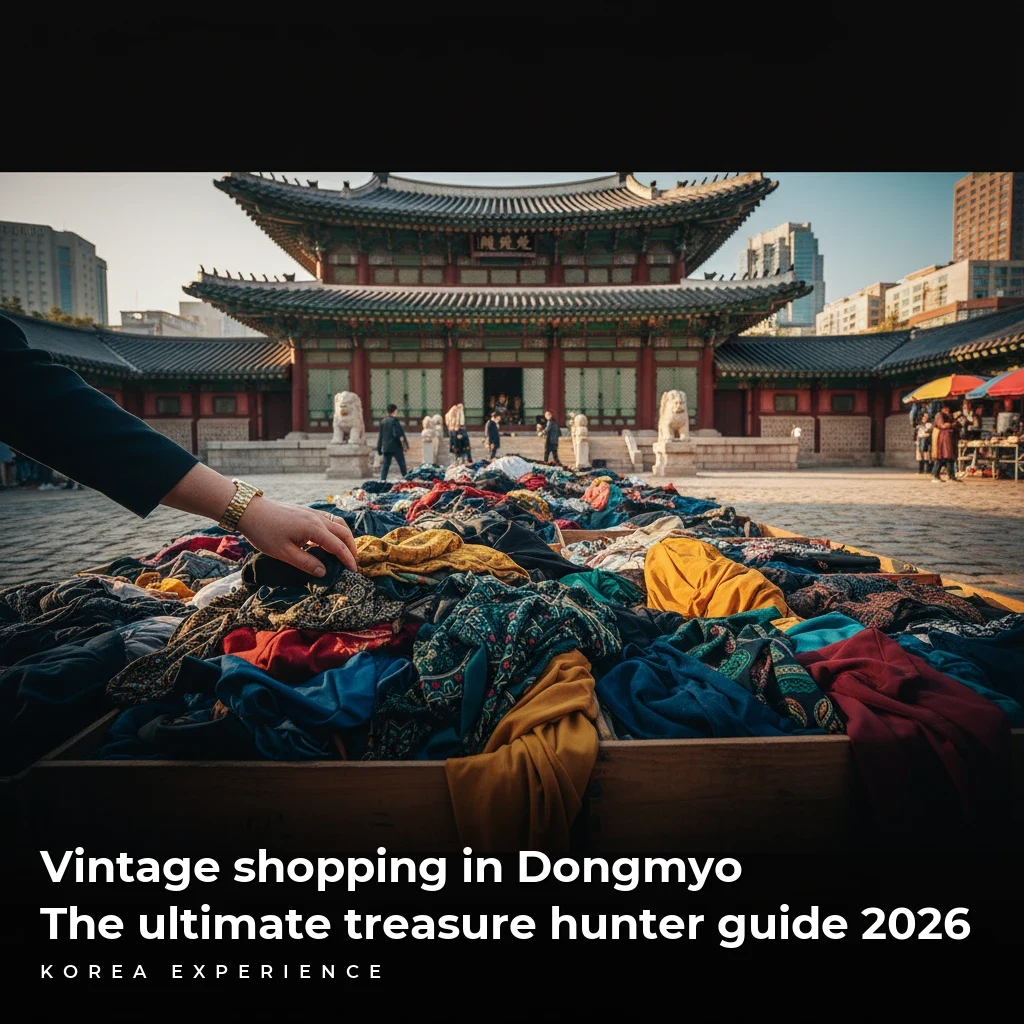
Dongmyo Flea Market is Seoul’s premier destination for vintage shopping, offering everything from ₩2,000 clothing piles to curated luxury boutiques within a chaotic, vibrant historical district. Located just outside Exit 3 of Dongmyo Station, this market sprawls across 30,000 square meters and operates daily, though weekends are the peak time for inventory volume. Visitors in 2026 can expect to find genuine heritage brands like Carhartt, Ralph Lauren, and Burberry mixed in with unbranded goods, with prices ranging from ₩1,000 for accessories to ₩150,000 for rare leather pieces.
The short answer: Dongmyo is the best spot in Korea for cheap vintage clothing and retro vibes, best visited on Saturdays or Sundays between 1:00 PM and 5:00 PM. Bring cash (₩10,000 bills), a dust mask, and plenty of patience.
Key Takeaways
- 1Best time to visit is Sunday at 2:00 PM for maximum stall density
- 2Bring at least ₩50,000 in cash; card payments are rare in street stalls
- 3Clothing piles offer the lowest prices (₩2,000-5,000) but require intense digging
- 4Curated vintage shops line the perimeter with higher prices but better quality
- 5There are no fitting rooms for street stalls; know your measurements
Why Dongmyo is the Center of Seoul's Vintage Scene
Once a gathering place primarily for the elderly to play Baduk (Go) and buy second-hand hiking gear, Dongmyo has undergone a radical transformation over the last decade. Following its feature on the hit show Infinite Challenge with G-Dragon, it became a pilgrimage site for fashion-forward youth (the "Hipjiro" crowd). In 2026, the demographic is a fascinating 50/50 split between seniors buying daily necessities and Gen Z fashion students hunting for Y2K aesthetics.
The market spans approximately 600 meters along the stone walls of the Dongmyo Shrine. Unlike the polished malls of Gangnam or the trendy boutiques of Seongsu, Dongmyo is raw and gritty. It is estimated that over 100,000 visitors pass through this area on a typical spring weekend. The allure lies in the "treasure hunt"—the possibility of pulling a pristine 1990s Yves Saint Laurent windbreaker out of a dusty pile for the price of a coffee.
📊 Dongmyo Market Stats 2026
Getting There and Timing Your Visit
Dongmyo is incredibly accessible, sitting at the intersection of Line 1 and Line 6. The sheer volume of goods changes depending on the time and day you visit.
Directions
Take the Seoul Metro to Dongmyo Station (Line 1 & 6). Take Exit 3. As soon as you surface, you will be in the thick of the market. There is no walking distance; the market literally spills into the subway exit.
Best Times to Visit
- Weekdays (Mon-Fri): Less crowded, about 60% of stalls are open. Good for curated shops but fewer street piles.
- Weekends (Sat-Sun): The full experience. Every inch of pavement is covered.
- Hours: Officially 10:00 AM to Sunset.
- Pro Strategy: Arrive at 10:00 AM if you want "first pick" of the new bales being opened. Arrive at 4:00 PM on a Sunday if you want to negotiate heavily, as vendors want to clear stock before packing up.
📋 Logistics
For those planning a longer trip, combining Dongmyo with other shopping districts is efficient. Check our guide on best areas to stay near shopping districts to position yourself strategically between Dongdaemun and Dongmyo.
The Two Worlds of Dongmyo: The Pile vs. The Boutique
In 2026, Dongmyo is distinctly divided into two shopping experiences. Understanding the difference is crucial for managing your budget and energy levels.
1. The "Ot-Top" (Clothing Piles)
This is the heart of Dongmyo. Vendors dump massive bales of imported used clothing directly onto the street.
- Price: ₩1,000 to ₩5,000 per piece.
- Experience: You must squat on the ground and dig. It is dusty and competitive. You will be elbow-to-elbow with fierce adjummas (older ladies) and fashion students.
- Quality: Hit or miss. You might find a stained t-shirt or a cashmere sweater.
- Hygiene: These clothes are unwashed. Wear gloves if you are sensitive to dust.
2. The Curated Vintage Shops
Lining the streets and hidden on second floors are established vintage boutiques.
- Price: ₩20,000 to ₩150,000+.
- Experience: Racks are organized by color or brand. Mirrors are available. The owners have already picked the best items, cleaned them, and ironed them.
- Quality: High. Expect authentic Polo Ralph Lauren, Carhartt, Levi's, and luxury brands like Burberry or Fendi.
💵 Shopping Style Comparison
Cleaned, branded, organized, fitting rooms available.
Unwashed, unorganized, high effort, massive reward potential.
Strategy: How to Survive the Dig
Shopping in Dongmyo is physically demanding. To maximize your success rate and minimize fatigue, follow this step-by-step treasure hunting method.
📖 The Dongmyo Digging Method
Step 1: Gear Up
Wear a mask (the dust is real), comfortable sneakers, and a crossbody bag. Keep your hands free.
Step 2: Scan the Crowd
Look for piles where young people are digging. They usually indicate brands or trendy silhouettes. Elderly-heavy piles usually contain hiking gear.
Step 3: The Fabric Test
Don't look, feel. Run your hands through the pile feeling for heavy denim, quality wool, or sturdy cotton. Pull out anything that feels expensive.
Step 4: The Sunlight Check
Once you find an item, hold it up directly to the sun. This reveals moth holes, armpit stains, and subtle discoloration that you miss in the shade.
Hygiene Warning
The clothes in the street piles come directly from bales. In 2026, despite improved regulations, they are dusty. Do not wear your best clothes to shop here; you will get dirty. Plan to shower and wash your purchases immediately upon returning to your accommodation.
Recommended Shops and Hidden Spots
While the street piles change daily, several brick-and-mortar shops within the Dongmyo area have established a reputation for excellence.
D.M. Vintage (and similar curated spots)
Located often on the second floors of the main street buildings, these shops specialize in American workwear and Japanese denim.
- Focus: Carhartt jackets, Dickies pants, Levi's 501s.
- Price: ₩35,000 - ₩80,000.
- Why go: If you want the "vintage look" without the "digging effort."
Vin Prime
A chain that has a presence near Dongmyo. They are more corporate and organized.
- Focus: General Japanese imports.
- Price: ₩15,000 - ₩50,000.
- Why go: Reliable quality control and credit cards are accepted here.
Gudaje (Representative Shop)(구제시장 메인)
If you enjoy the hunt for unique items, you might also like exploring independent bookstores. Check out our guide on independent bookstores in Korea for a quieter kind of browsing.
Budget Breakdown: What ₩100,000 Gets You
To give you a realistic idea of prices in 2026, here is what a budget of ₩100,000 (approx $75 USD) can buy you in Dongmyo compared to a standard mall.
At a Department Store:
- 1 Mid-range branded t-shirt OR 1 pair of on-sale jeans.
At Dongmyo (Street Piles):
- 2 Oversized Blazers (₩10,000 total)
- 3 Branded T-shirts (Nike/Adidas) (₩9,000 total)
- 1 Trench Coat (₩15,000)
- 2 Pairs of Trousers (₩6,000 total)
- Total Spent: ₩40,000. Remaining: ₩60,000 for food and more shopping.
At Dongmyo (Curated Shops):
- 1 Carhartt Detroit Jacket (₩60,000)
- 1 Ralph Lauren Button-up (₩25,000)
- Total Spent: ₩85,000.
Dongmyo Shopping Experience
- ✓Incredible value for money
- ✓Eco-friendly/Sustainable fashion
- ✓Unique 1-of-1 pieces
- ✓Vibrant local atmosphere
- ✗Can be extremely crowded
- ✗No fitting rooms on the street
- ✗Dusty and unhygienic
- ✗Cash only for most stalls
Food and Breaks: Survival Fuel
Shopping is exhausting. Dongmyo has a unique culinary landscape dominated by "cheap eats" catering to the older regulars, which makes for an incredibly affordable lunch.
The ₩1,000 Toast
Near the entrance of the market, look for the toast line. It’s sweet, salty, and buttery. While prices have risen slightly, you can still find street toast for under ₩2,000.
Dongmyo Meat Fritters (Gogi-twigim)
This is the signature snack of the area. Minced meat wrapped in batter and deep-fried.
- Cost: ₩5,000 for a serving (usually 2 large pieces).
- Location: Look for the stall with the longest line near the central intersection.
Jjajangmyeon for ₩4,000
While Jjajangmyeon usually costs ₩7,000-9,000 in Seoul, Dongmyo has "price-breaker" restaurants serving it for ₩3,500-4,500.
Lunch Break: Traditional vs. Hip
The Dualism Concept: Experience the best of both worlds — premium luxury moments paired with authentic budget-friendly experiences in one route.
Market Street Food
Meat Fritters (Gogi-twigim) + Makgeolli
Hidden Cafes
Renovated Hanok cafe serving Einspanner
Go budget for food to save money for clothes, then hit a cafe to rest your legs.
If you are a food lover, after your shopping trip, you might want to explore more dedicated food districts. Our guide to best Korean fried chicken places in Seoul offers great dinner options nearby.
Cleaning Your Finds: A Critical Step
You have secured the bag. Now, how do you make it wearable? Vintage clothes, especially from the piles, carry the scent of the warehouse and potential allergens.
- The Boiling Method (Cotton/Linen): Many Korean vintage pros boil their cotton finds. Put the clothes in a large pot with water and baking soda, bring to a boil, and let simmer for 10 minutes. This kills bacteria and removes deep-set smells. Do not do this for wool or silk.
- The Laundromat: If you are staying in an Airbnb or hotel without a washer, search for "Coin Wash" (Coin Laundry) on Naver Maps. A wash cycle usually costs ₩5,000.
- Dry Cleaning: For those leather jackets or wool coats, take them to a "Setakso" (Dry Cleaner). A coat usually costs ₩10,000-15,000 to dry clean in Seoul.
"Always check the pockets! I once found 10,000 won in an old windbreaker. But seriously, check pockets for tissues or trash before putting them in the washing machine. It can ruin your whole load."
Nearby Attractions to Complete the Day
Dongmyo is geographically central. You are within walking distance of several other key spots.
- Cheonggyecheon Stream: Just 200 meters south of the market. This is the perfect place to sit by the water and inspect your haul.
- Seoul Folk Flea Market (Sinseol-dong): A 10-minute walk east. This is more organized and indoors, selling antiques, typewriters, and traditional goods rather than just clothes.
- Dongdaemun Design Plaza (DDP): A 10-minute walk west. The contrast between the futuristic DDP and the gritty Dongmyo market is striking and makes for great photography.
For a full day plan, consider how Dongmyo fits into a larger schedule by reading our 24-hour Seoul itinerary.
Practical Tips for Internationals
- ATM Access: There are ATMs inside Dongmyo Station. Withdraw cash before you enter the market crowd.
- Restrooms: Use the restrooms inside the subway station. Finding a clean public toilet inside the market area is difficult.
- Language: Most street vendors are elderly and speak zero English.
- Useful phrase: "Eol-ma-ye-yo?" (How much is this?)
- Useful phrase: "Kka-kka-ju-se-yo" (Please give me a discount - use sparingly, only if buying multiple items).
Vintage Market Comparison
| Feature | Dongmyo | Gwangjang Market | Hongdae Vintage |
|---|---|---|---|
| Price | $ (Cheapest) | $$ (Mid) | $$$ (Expensive) |
| Style | Raw/Digging | Imported US/EU | Curated Streetwear |
| Crowd | Elderly + Hipsters | Tourists | Students |
FAQ: Dongmyo Vintage Market
❓ Frequently Asked Questions
Have more questions?Contact us →
Dongmyo in 2026 remains one of the last bastions of "old Seoul." It is loud, dusty, and chaotic, but for the fashion-conscious traveler, it offers a thrill that pristine department stores cannot match. Whether you walk away with a vintage leather jacket or just a stomach full of meat fritters, it is an experience essential to understanding the city's dynamic culture.
For more insights on living and thriving in Korea, check out our guide on best neighborhoods for expats in Seoul. Happy hunting!
About the Author
Korea Experience Team
Written by the Korea Experience editorial team - experts in Korean medical tourism, travel, and culture with years of research and firsthand experience.
Explore more in Travel & Tourism
From Seoul's neon-lit streets to Jeju's volcanic landscapes — discover the best of Korea with insider travel tips, itineraries, and seasonal guides.
Browse All Travel & Tourism ArticlesContinue Reading
Explore more articles you might find interesting
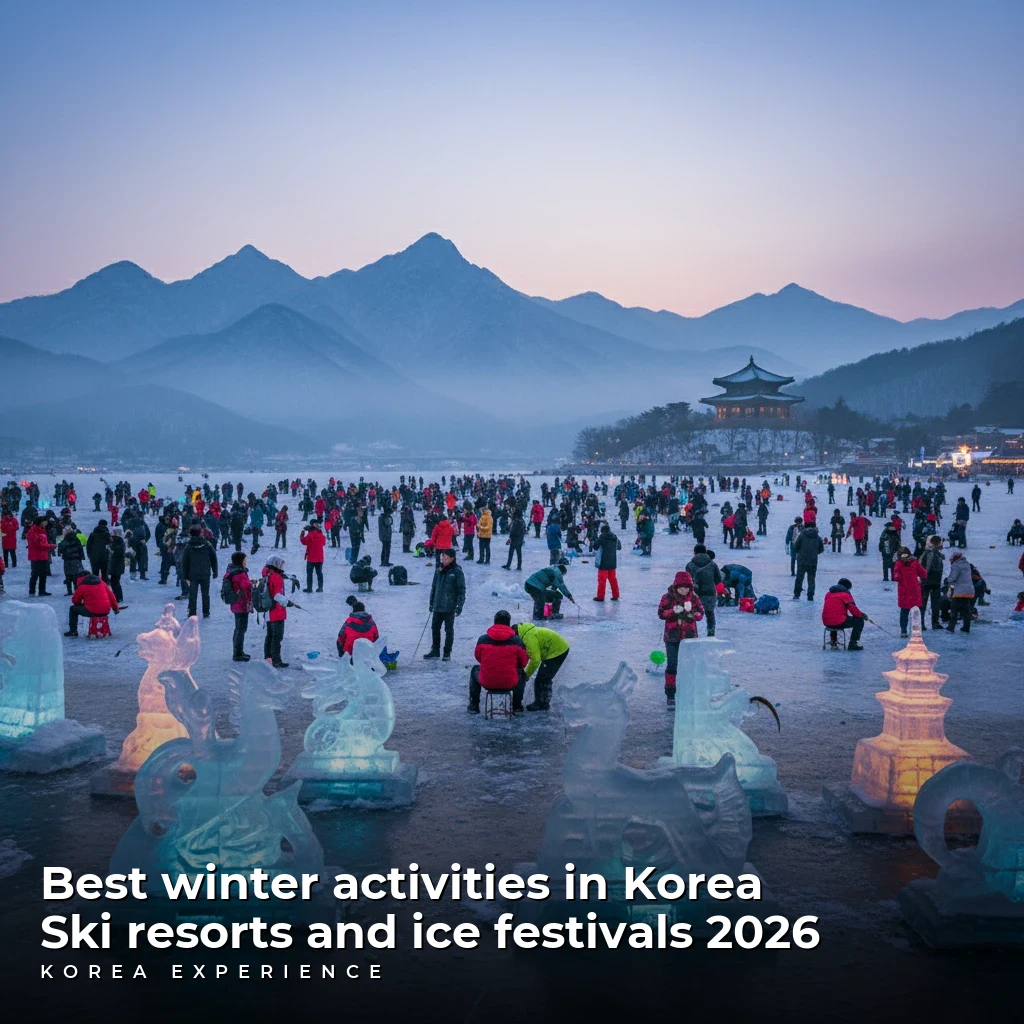
Discover top Korean ski resorts and ice festivals for 2026. From High1 to Hwacheon, find prices, transport tips, and gear rentals in our complete guide.
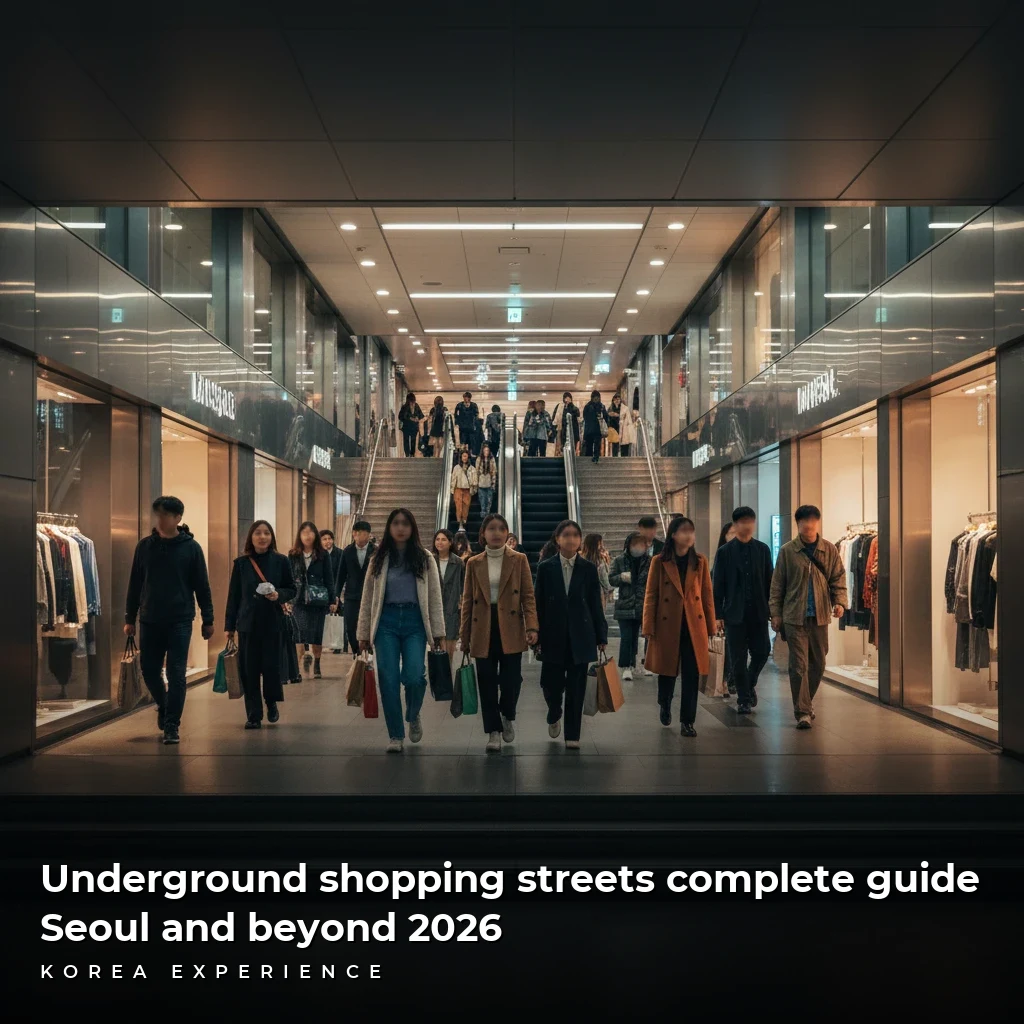
Discover Korea's best underground shopping streets. Save up to 70% on fashion in Goto Mall, Gangnam, and Busan with our 2026 guide to prices and locations.

Compare Korea's top ski resorts for 2026. Detailed price breakdown, travel times, and slope guides for Vivaldi Park, Yongpyong, and Alpensia.
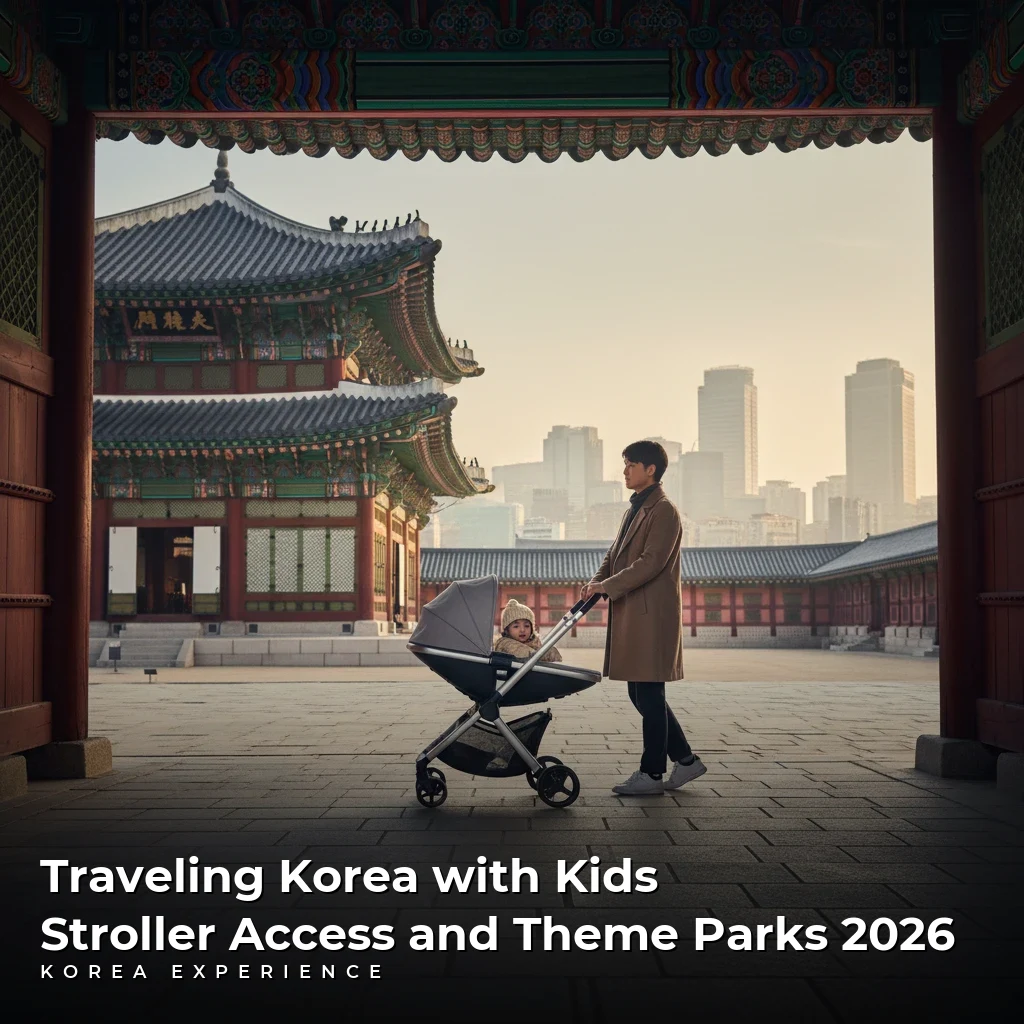
Complete 2026 guide to stroller access in Seoul, Lotte World tips, and Everland hacks. Learn why 95% of subway stations are accessible but buses are not.

Discover Korea's top winter sports spots for 2026. From Yongpyong slopes to Cheongsong ice walls, get prices, transport tips, and rental guides.
Experience authentic Hanji making in Jeonju 2026. Workshops range from ₩5,000 to ₩30,000 with hands-on drying and crafting sessions for travelers.