Traditional Hanji Making Workshops in Jeonju: 2026 Travel Guide
Experience authentic Hanji making in Jeonju 2026. Workshops range from ₩5,000 to ₩30,000 with hands-on drying and crafting sessions for travelers.
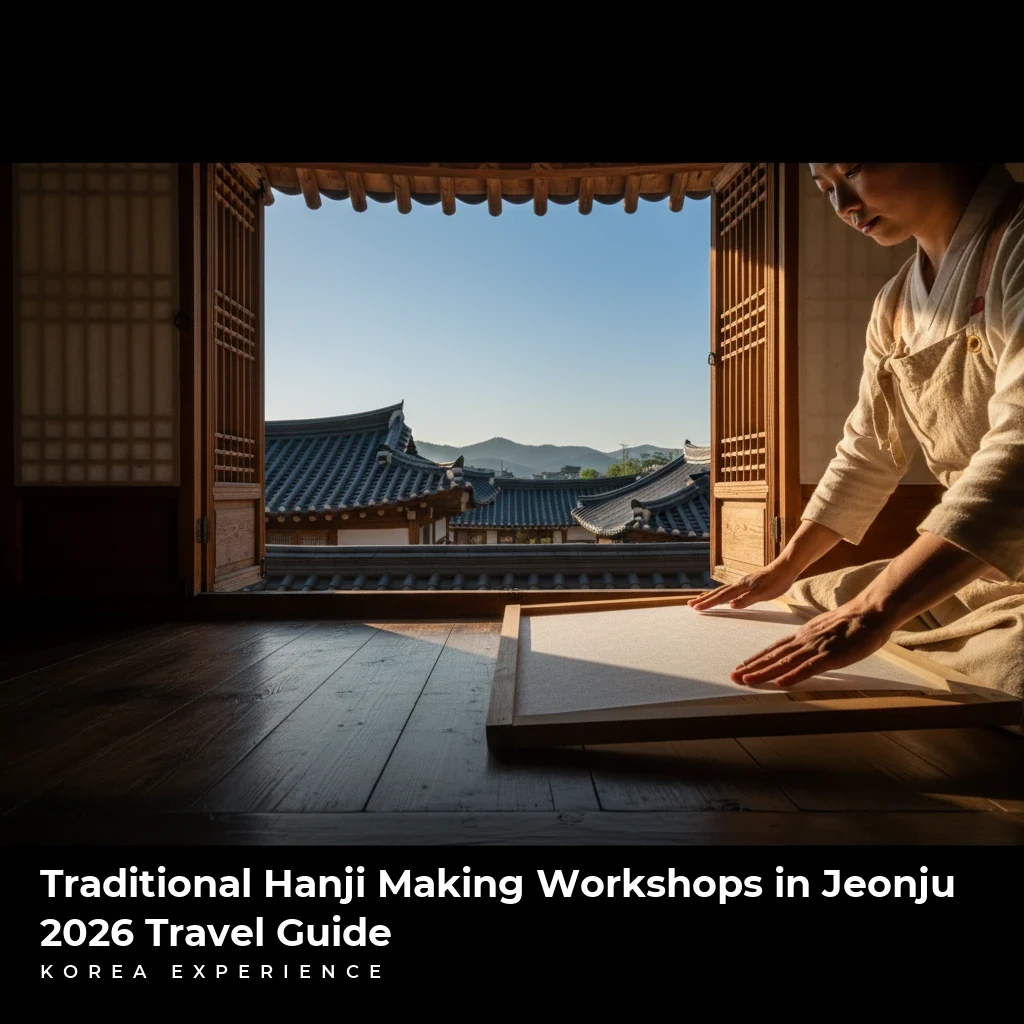
For travelers seeking the most authentic traditional paper Hanji making workshops in Jeonju in 2026, the premier destinations are the Jeonju Hanji Museum on the city's outskirts and the various artisan studios nestled within the Jeonju Hanok Village. While the museum offers a comprehensive industrial-to-traditional overview with free admission (charging only for the workshop), the Hanok Village provides intimate, craft-focused experiences where you can create lamps, fans, and plates using the paper you make.
The short answer: The Jeonju Hanji Museum offers the most educational sheet-making experience for approximately ₩5,000 per sheet, while the Jeonju Traditional Culture Training Institute in the Hanok Village provides immersive craft workshops ranging from ₩10,000 to ₩30,000 depending on the item created.
Key Takeaways
- 1Jeonju produces over 80% of Korea's highest quality traditional handmade paper
- 2Standard sheet-making experiences take 30-45 minutes and cost roughly ₩5,000
- 3Combined craft workshops (fans, lamps) last 1-2 hours and cost ₩15,000-₩30,000
Why Jeonju is the Capital of Hanji
Jeonju has been synonymous with high-quality paper production for over a millennium. The city's geographic location provides an abundance of clean, fresh water and high-quality mulberry trees (Dak), the two essential ingredients for creating Hanji. Historically, paper from Jeonju was so revered that it was the primary tribute paper sent to the Royal Court in Seoul and even to the Emperor of China.
In 2026, Jeonju continues to uphold this legacy, not just as a manufacturing hub but as a cultural guardian. The phrase "Paper lasts a thousand years, while silk lasts five hundred" is a common proverb here. While standard acidic paper yellows and crumbles after 50 to 100 years, properly made Hanji has a neutral pH and incredible durability, confirmed by the existence of documents from the Silla Kingdom (57 BC – 935 AD) that remain legible today.
For the modern traveler, participating in a workshop isn't just about making a souvenir; it is about physically connecting with a UNESCO-recognized intangible cultural heritage. The tactile sensation of the mulberry pulp suspended in water and the rhythmic motion of the bal (bamboo screen) offer a meditative break from the fast-paced digital world.
📋 Hanji Quick Stats
Top Locations for Hanji Workshops in 2026
When planning your trip to Jeonju, you essentially have two categories of venues: the dedicated museum facility and the boutique artisan shops in the tourist district.
1. Jeonju Hanji Museum (Jeonju Paper Museum)
Located in the industrial complex of Jeonju Paper, this museum is the definitive authority on the subject. It is slightly removed from the main tourist drag of the Hanok Village (about a 20-minute taxi ride costing approximately ₩12,000), but it is worth the detour for serious enthusiasts.
The museum guides you through the history of paper, from Egyptian papyrus to modern printing. The highlight, however, is the ground-floor workshop. Here, a master artisan oversees the vats of dissolved mulberry pulp.
Jeonju Hanji Museum(전주한지박물관)
The process here is strictly about making the paper sheet itself. You will learn the Oebal (single-screen) or Ssangbal (double-screen) technique. The cost is nominal—usually free or a small material fee of around ₩3,000 to ₩5,000 depending on if you want to add dried flowers or maple leaves into the press.
2. Jeonju Traditional Culture Training Institute
Located within the heart of the Jeonju Hanok Village, this institute offers a more formal, educational approach to Korean culture. Unlike the quick walk-in shops, the programs here are often structured.
In 2026, their "Hanji Experience" often includes a lecture on the philosophy of Korean craftsmanship followed by the hands-on activity. This is an excellent option for families or school groups. The cost is generally higher here, averaging ₩10,000 to ₩15,000, but the guidance is more detailed, often available in basic English or with translation apps.
Booking Advice
While walk-ins are sometimes accepted at the Training Institute, it is highly recommended to have your hotel concierge call ahead to reserve a slot, especially on weekends when domestic tourism peaks.
3. Artisan Studios in Hanok Village
Scattered throughout the Hanok Village are dozens of small workshops. These are less about the industrial history and more about the application of Hanji. If you want to make a fan (Buchae), a mood lamp, or a jewelry box, these are the spots.
Prices here vary significantly based on the object. A simple square coaster might cost ₩5,000, while an elaborate lamp structure could run up to ₩30,000 or ₩40,000.
If you are interested in how traditional settings enhance these experiences, you might enjoy reading about historic kdrama sets and folk villages, as the atmosphere in Jeonju mirrors these filming locations perfectly.
The Step-by-Step Hanji Making Process
Understanding the process before you arrive will deepen your appreciation of the workshop. Real Hanji making is labor-intensive, involving 99 touches by the maker and one touch by the user (hence the nickname "baekji" or "hundred papers"). In a tourist workshop, you are typically skipping the steaming, peeling, and boiling of the bark, jumping straight to the sheet formation.
📖 How to Make Hanji (Workshop Version)
Step 1: Dissolving the Pulp
The mulberry fibers are mixed with water and 'Dakpul' (sunset hibiscus slime), which acts as a dispersing agent to prevent fibers from clumping.
Step 2: Scooping (Muljil)
Using a bamboo screen (bal), you dip into the vat and rhythmically rock it side-to-side and front-to-back to interlock the fibers.
Step 3: Decoration (Optional)
Before the paper sets, you can place dried flowers or leaves onto the wet surface for aesthetic design.
Step 4: Couching
The wet sheet is carefully rolled off the bamboo screen onto a stack of wet papers or a felt board.
Step 5: Drying
In modern workshops, the wet sheet is vacuum-suctioned to remove water and then brushed onto a hot steel plate to dry instantly.
The addition of Dakpul (roots of the hibiscus) is the secret weapon. It makes the water viscous, slowing the drainage through the bamboo screen and allowing the artisan more time to shake and settle the fibers into a strong, cross-hatched pattern.
Cost Comparison: Sheet Making vs. Crafts
Travelers often ask if they should do the simple sheet making or a full craft class. This depends largely on your luggage space and interest level. A flat sheet of paper is easy to transport in a folder. A 3D lantern requires careful packing.
💵 Workshop Price Comparison 2026
Construct a frame and wrap with textured Hanji.
Create 1-2 sheets of plain or flower-pressed paper.
For those traveling on a strict budget, the sheet making at the Hanji Museum is the best value. However, the fan making (Hapjukseon) is a quintessential Jeonju experience, as the city is also famous for its bamboo crafts.
Planning Your Trip to Jeonju
Jeonju is located in the North Jeolla Province, approximately 200 kilometers south of Seoul. In 2026, the transportation infrastructure remains efficient and affordable.
Getting There
- KTX Train: The most popular method. Departs from Seoul Station or Yongsan Station to Jeonju Station.
- Time: ~1 hour 40 minutes.
- Cost: ~₩34,400 (Economy class one-way).
- Express Bus: Departs from Seoul Central City Terminal.
- Time: ~2 hours 40 minutes.
- Cost: ~₩13,800 to ₩22,000 depending on luxury level.
Once at Jeonju Station, the Hanok Village is about a 15-20 minute taxi ride (approx. ₩8,000) or a 30-minute bus ride.
For travelers looking to expand their itinerary beyond Jeonju, check out our guide to best day trips from Seoul to see how Jeonju fits into a broader travel plan.
Don't visit workshops on Monday! The Hanji Museum and many public facilities are closed. The best time for a workshop is weekday mornings (Tuesday-Thursday) around 10:00 AM before the tour buses arrive.
Exploring Hanji Beyond Workshops
Hanji is not just for writing. In Jeonju, you will see it used in flooring (jangpan), wallpaper, and even clothing. The breathability of the paper makes it excellent for Korean heating systems (Ondol) and humid summers.
Hanji Fashion
Near the Gyeonggijeon Shrine, you may find boutiques selling socks, ties, and scarves made from Hanji yarn. The yarn is created by twisting strips of Hanji and weaving it with silk or cotton. It is lightweight, anti-bacterial, and dries quickly. A pair of Hanji socks costs around ₩8,000 and makes for a unique gift.
Hanji Photography Printing
A growing trend in 2026 is printing smartphone photos onto Hanji. Several studios in the Hanok Village offer this service. The texture of the paper gives digital photos a painting-like, ethereal quality. Prints usually cost between ₩5,000 (postcard size) and ₩20,000 (A4 size).
1-Day Jeonju Itinerary: The Paper Route
To fully immerse yourself in the culture without getting burnt out, balance the history with food and leisure. Jeonju is, after all, a UNESCO City of Gastronomy.
The Jeonju Paper Route
The Dualism Concept: Experience the best of both worlds — premium luxury moments paired with authentic budget-friendly experiences in one route.
Jeonju Hanji Museum
Start the day learning the history and making your first sheet.
Lunch: Bibimbap
Jeonju is the birthplace of Bibimbap. Try the brass bowl version.
Hanok Village Crafts
Afternoon workshop making a Hanji fan or lamp.
Tea House Visit
Relax in a traditional tea house with Hanji doors and windows.
Start at the museum on the outskirts and work your way back to the Hanok Village for lunch and afternoon crafts.
While enjoying the food in Jeonju, you'll notice distinct regional differences compared to other parts of Korea. For a deeper dive into these culinary variances, read our comparison on Korean regional flavors: Jeolla-do vs Gyeongsang-do.
Practical Tips for International Travelers
Language Barriers
While Jeonju is a major tourist hub, English proficiency in small artisan workshops can be limited compared to Seoul. The Hanji Museum has English captions on exhibits. In smaller workshops, the process is visual—"watch and copy."
- Tip: Download Papago (Naver’s translation app) before you go. It is far superior to Google Translate for Korean.
Carrying Your Artwork
Hanji is durable but can wrinkle.
- For sheets: Bring a stiff folder or ask the shop to roll it in a tube.
- For fans: They usually come with a fabric pouch.
- For lamps: This is the hardest to carry. Ask if they offer flat-pack kits you can assemble back home, rather than building the full 3D structure on-site.
Payment Methods
Major credit cards are accepted at the Museum and larger centers like the Culture Training Institute. However, small grandmom-owned craft stalls may prefer cash or local bank transfers. Always carry about ₩50,000 in cash for small workshops and street food.
For a contrasting traditional experience that focuses more on architecture and clan history than industrial craft, consider a trip to Andong Hahoe Village, which pairs beautifully with a Jeonju visit for culture lovers.
Advanced Hanji: For the Artist
If you are an artist or calligrapher, standard tourist workshops might feel too basic. In this case, seek out the Jeonju Korean Traditional Wine Museum area or specific master artisans like Master Kim Hye-mi (name illustrative of local masters) who often run private sessions.
You can buy professional-grade Hanji in bulk here. Prices for professional calligraphy paper range from ₩2,000 to ₩20,000 per sheet depending on the thickness (hap) and the quality of the mulberry.
Hanji Quality Grades
| Grade | Uses | Price/Sheet | Texture |
|---|---|---|---|
| Practice (Machined) | Sketching | ₩500 | Smooth |
| Standard (Handmade) | Calligraphy | ₩3,000 | Textured |
| Master (Royal) | Restoration/Art | ₩15,000+ | Silky & Tough |
Best Time to Visit
Jeonju is beautiful year-round, but Hanji making involves water. In winter (December-February), your hands will get cold dipping into the vats, though the drying plates provide warmth.
- Spring (April-May): The Jeonju Hanji Culture Festival usually takes place in May. This is the absolute best time to visit. The streets are filled with paper lanterns, fashion shows featuring paper clothes, and massive discount markets for paper products.
- Autumn (October-November): The Hanok Village is surrounded by gingko trees turning bright yellow—a perfect backdrop for photography.
For more on seasonal travel, check out our guide to autumn colors and hiking spots.
Environmental Sustainability
One of the most appealing aspects of Hanji in 2026 is its sustainability profile. Unlike mass-produced paper which requires heavy bleaching and deforestation, Hanji harvesting does not kill the tree. The farmers prune the branches of the mulberry tree annually, which actually stimulates growth. The bleaching is traditionally done using sunlight and water (and sometimes ozone in modern processes), avoiding harsh chlorine.
By participating in these workshops, you are supporting a sustainable, eco-friendly industry that struggles to compete with cheap industrial paper.
Conclusion
Making Hanji in Jeonju is more than a crafty distraction; it is a rite of passage into the "slow life" culture that Jeonju promotes. Whether you are gently rocking a bamboo screen at the Hanji Museum or painting a fan in a 100-year-old Hanok, the experience connects you to a lineage of artisans who believed that paper contained a spirit.
In 2026, as the world becomes increasingly digital, the act of creating a tangible, durable sheet of paper that could theoretically outlive you by a millennium is a profound experience. It is affordable, accessible, and uniquely Korean.
❓ Frequently Asked Questions
Have more questions?Contact us →
About the Author
Korea Experience Team
Written by the Korea Experience editorial team - experts in Korean medical tourism, travel, and culture with years of research and firsthand experience.
Explore more in Travel & Tourism
From Seoul's neon-lit streets to Jeju's volcanic landscapes — discover the best of Korea with insider travel tips, itineraries, and seasonal guides.
Browse All Travel & Tourism ArticlesContinue Reading
Explore more articles you might find interesting

Discover 5 authentic Hanok villages beyond Bukchon. Explore Eunpyeong, Jeonju, and Andong with full price guides, travel times, and stay tips for 2026.
Discover the soul of Korea through sound. A complete guide to booking and experiencing traditional Gayageum and Janggu classes in Seoul.
Discover the best traditional Korean hanbok experience in Seoul with rental tips, pricing guides, and hidden photo spots for 2026 travelers.
Compare Taekwondo vs Taekkyeon in Korea for 2026. Discover costs, cultural differences, and where to train for an authentic martial arts experience.
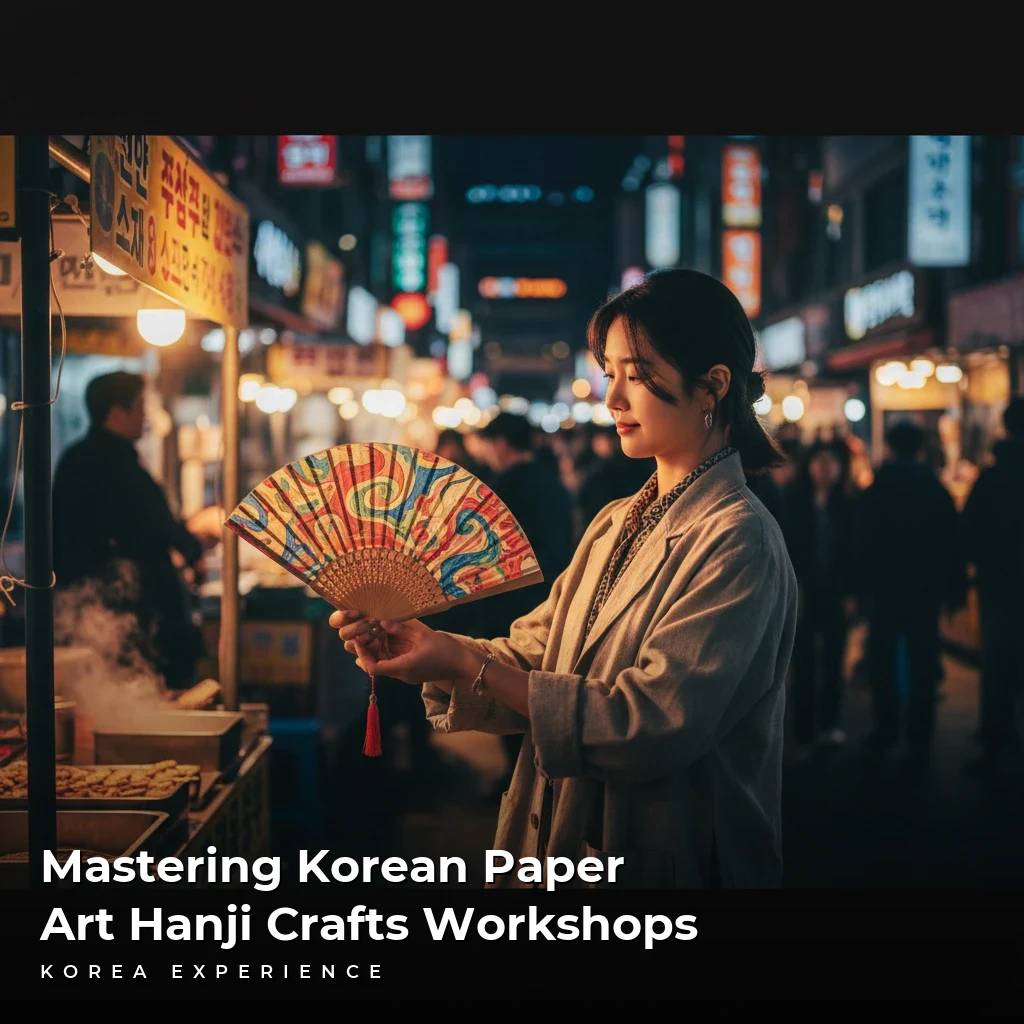
Discover the best Hanji paper craft workshops in Seoul and Jeonju. Learn pricing, locations, and expert tips for this 1000-year-old art form.
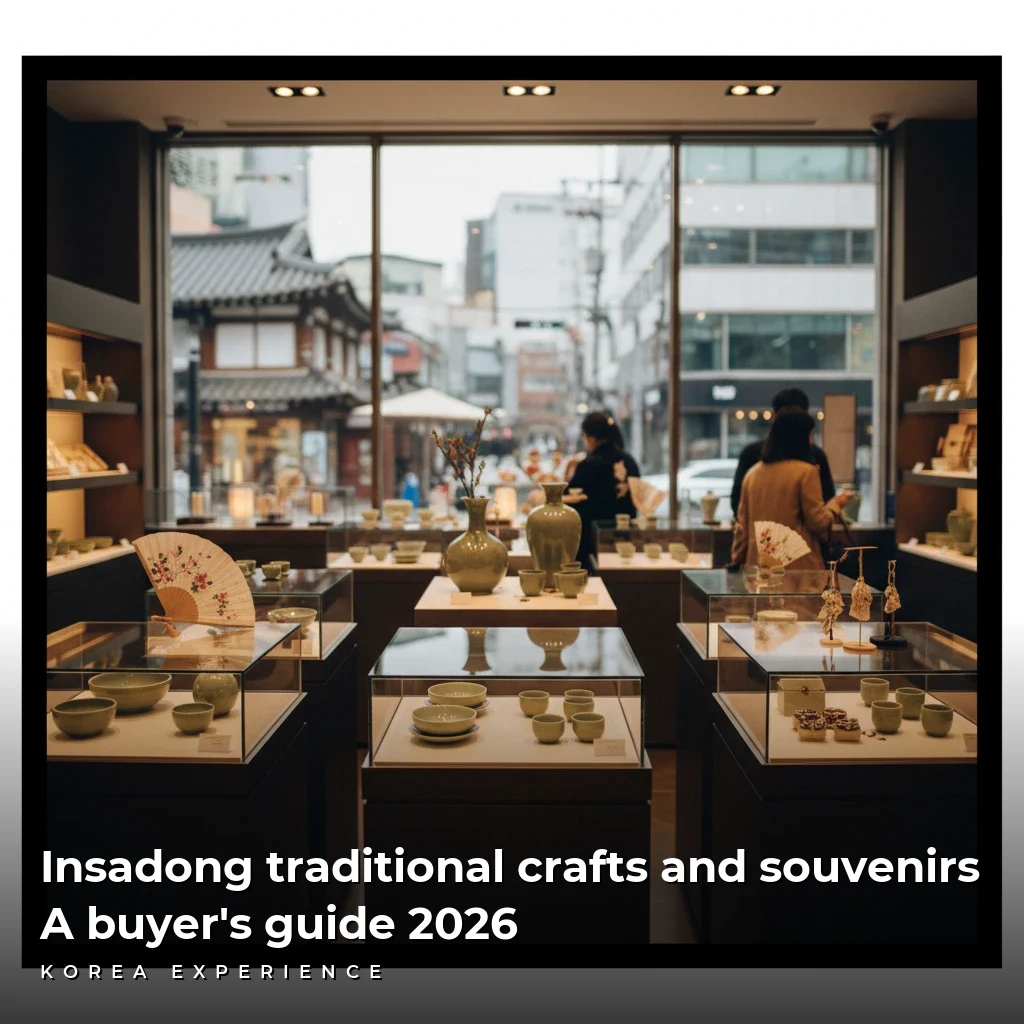
Discover the best Insadong traditional crafts and souvenirs in 2026. From authentic hanji paper to celadon ceramics, find prices and hidden shops here.