Bicycle Rental Systems in Korea: Seoul, Busan, and Jeju Guide 2026
Complete guide to Korea's bike rentals. Master Seoul's Ttareungi (₩1,000), ride Busan's coast, and cycle Jeju's 234km path with our 2026 expert tips.
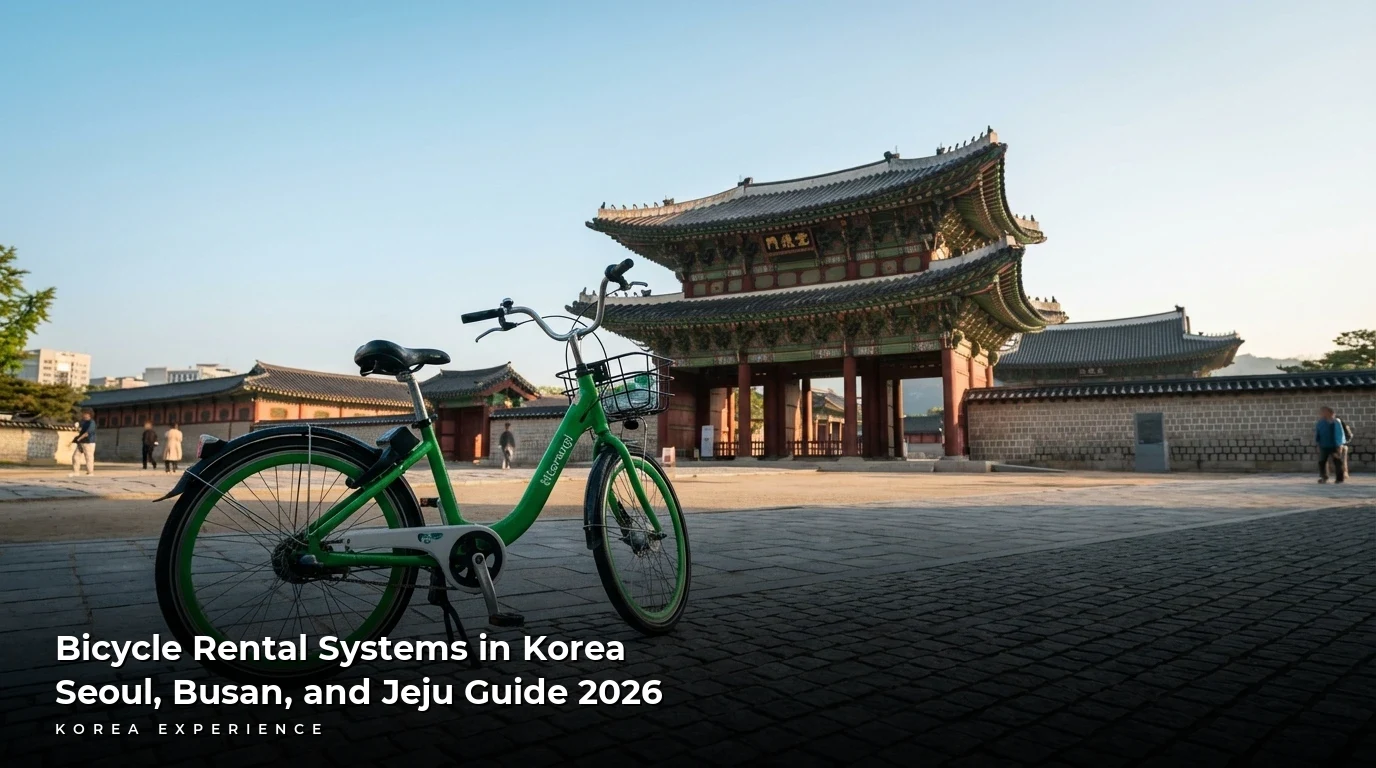
Cycling through South Korea offers an intimate perspective of the country that subways and taxis simply cannot match. Whether you are navigating the Han River parks in Seoul, cruising the coastline of Busan, or attempting the grand circle tour of Jeju Island, the infrastructure for cyclists is world-class. However, for international travelers in 2026, navigating the distinct rental systems of each major region can be confusing due to varying apps, payment methods, and local regulations.
The short answer: Seoul relies on the government-run "Ttareungi" (Seoul Bike) app which costs just ₩1,000 per hour; Busan utilizes a mix of private shops and dockless apps like Kakao T Bike; while Jeju Island requires professional private rentals for its 234km "Fantasy Bike Path."
This comprehensive guide will break down exactly how to access these systems, how to pay with foreign credit cards, and the specific routes that make rental efforts worthwhile.
Key Takeaways
- 1Seoul's Ttareungi costs ₩1,000 ($0.75) per hour and accepts foreign Visa/Mastercards via the app.
- 2Busan lacks a unified public system like Seoul; rely on Kakao T Bike (dockless electric) or private shops at Haeundae.
- 3Jeju's Fantasy Bike Path covers 234km; reserve high-end hybrids (₩30,000/day) 2 weeks in advance.
- 4Helmets are legally mandatory nationwide, though enforcement varies strictly by region.
Seoul: Mastering the "Ttareungi" (Seoul Bike) System
Seoul is undeniably the most bicycle-friendly metropolis in Korea, largely due to the massive success of the public bicycle rental system known as Ttareungi (Seoul Bike). As of 2026, there are over 45,000 bikes distributed across 2,700 rental stations, meaning you are rarely more than 300 meters away from a station in downtown areas.
Understanding the Hardware
The system primarily uses a QR-code-based lock. The bikes are sturdy, heavy utility bicycles featuring a basket, a bell, and three gears. They are designed for durability rather than speed. Recently, Seoul introduced the "Saessak" (Sprout) bikes, which are smaller, lighter versions painted with bright yellow accents, designed for teenagers or shorter adults, but the standard green-and-white models remain the workhorses of the fleet.
📋 Ttareungi (Seoul Bike) Facts
How to Rent a Seoul Bike (Foreigner Guide)
The biggest hurdle for travelers used to be the requirement of a Korean phone number. However, the app now supports a "Foreigner" or "Non-Member" mode that allows email registration and international credit card payment.
📖 How to Rent Ttareungi as a Tourist
Step 1: Download the App
Search for 'Seoul Public Bike' or 'Ttareungi' on App Store/Play Store. Ensure location services are on.
Step 2: Select Non-Member
On the launch screen, choose 'Foreigner' or 'Non-Member' purchase. You do not need to create a full account with ARC verification.
Step 3: Purchase a Voucher
Select your pass type (1 hour, 2 hours, or 24 hours). Enter your email address carefully; this is your login ID.
Step 4: Payment
Select 'Credit Card' (International). Input your card details. 3D Secure verification is usually required.
Step 5: Unlock and Ride
Tap 'Rent' in the app, scan the QR code located under the seat or on the handlebars. The lock will snap open.
The 1-Hour Rule
Buying a "24-hour pass" does NOT mean you can keep one bike for 24 continuous hours. It means you have access to the system for 24 hours. You must return the bike to any station within 60 minutes (or 120 minutes if you bought the premium voucher) to reset the timer. If you exceed the time, you are charged ₩200 every 5 minutes.
Best Seoul Cycling Routes
Once you have your bike, where should you go? The Han River (Hangang) is the obvious choice, but there are specific segments that offer better views and flatter terrain.
- Yeouido to Banpo (12km round trip): This is the quintessential Seoul route. Starting at Yeouido Hangang Park, you ride east toward Banpo Bridge. The path is flat, wide (separated from pedestrians), and passes the floating stages. At Banpo, you can witness the Rainbow Fountain show (April–October).
- Ttukseom to Seoul Forest (5km loop): A greener, more scenic route. Ttukseom offers great views of the Lotte World Tower across the river. You can cross the bridge into Seoul Forest, a massive eco-park where cycling is permitted on paved paths.
- Cheonggyecheon Stream (Warning): While famous, the downtown section of Cheonggyecheon is pedestrian only. You cannot ride a bike there. You must go further east, past Dongdaemun, where the stream widens and bike lanes appear, leading all the way to the Han River junction.
📊 Han River Accessibility
For those looking to explore beyond the river, consider combining a bike ride with a visit to nearby attractions. For suggestions on where to head after your ride, check out our guide on best day trips from Seoul.
Busan: Coastal Rides and the Dockless Revolution
Busan operates differently from Seoul. The geography is mountainous, and the flat areas are concentrated along the coastline. While there is a public system in some districts, it is nowhere near as unified or tourist-friendly as Seoul's Ttareungi. Instead, Busan relies heavily on private rentals in tourist zones and dockless electric bikes (Kakao T Bike, Elecle, Swing) for point-to-point transport.
Private Rentals vs. App-Based E-Bikes
In Busan, "Dualism" exists between leisure riding and transportation. If you want to ride along Haeundae Beach, you rent from a shop. If you need to get from a subway station to a cafe up a hill, you use an app.
Busan Rental Options
| Feature | Private Shop (Haeundae) | Kakao T Bike (App) |
|---|---|---|
| Bike Type | Hybrid/MTB/City | Electric Assist (Yellow) |
| Cost (1 hr) | 5,000 - ₩8,000 | ~₩6,000 (Time based) |
| Return Loc | Same Shop | Any designated zone |
| Best For | Leisure/Sightseeing | Transport/Hills |
The Haeundae to Gwangalli Route
This is arguably the most famous urban coastal ride in Korea. It spans roughly 7 to 10 kilometers depending on your starting point and weaves through the Marine City skyscrapers.
The Route Description: Start at the Oncheoncheon Stream or Suyeong River bike path near Centum City. Ride south towards the ocean. You will pass the shinsegae Centum City (world's largest department store) on your left. As you hit the coast at Marine City, the view opens up to the Gwangan Bridge (Diamond Bridge). Note: You cannot ride on the beach sand, and the wooden boardwalks are often pedestrian-only during weekends. Stick to the designated bike lanes on the road adjacent to the beach.
Busan Coastal Ride: Morning vs. Evening
The Dualism Concept: Experience the best of both worlds — premium luxury moments paired with authentic budget-friendly experiences in one route.
Morning Ride
Start at Suyeong River, quiet paths, coffee at Gwangalli.
Night Ride
Rent high-end E-bike, ride Marine City skyline, cocktail finish.
Choose evening for the spectacular LED lights of Gwangan Bridge.
Practical Tips for Busan Cycling
Busan drivers are notoriously more aggressive than those in Seoul. When riding on roads without separated bike lanes, exercise extreme caution. Buses often change lanes quickly. It is highly recommended to stick to the river paths (Suyeong River, Nakdong River) or the wide sidewalks in the Haeundae New Town area.
For a deeper dive into the city's geography and where to refuel after a ride, read our Busan travel guide.
Jeju Island: The Fantasy Bike Path Challenge
Jeju Island is the crown jewel of Korean cycling. The "Jeju Fantasy Bike Path" is a dedicated bicycle lane that circumnavigates the entire island, stretching approximately 234 kilometers. It is mostly flat, follows the coastline, and offers some of the most stunning ocean views in Asia.
Rental Infrastructure in Jeju
Unlike Seoul's ₩1,000 commuter bikes, Jeju cycling is a premium leisure activity. You do not want a heavy city bike for a multi-day trip. You need a lightweight hybrid, road bike, or a high-capacity electric bike.
Key Rental Shops:
- Jeju Hiking (Boxer): Located near the airport. Very famous among foreigners. They provide panniers, helmets, and repair kits.
- Yongduam Hiking: Another staple near the start of the trail.
- E-Bike Rentals: Shops like "E-vro" specialize in electric bikes, which are becoming the standard for the 234km loop, allowing cyclists of all fitness levels to complete the island circle in 3-4 days.
💵 Jeju Bike Rental Prices (Daily)
Carbon fork, lightweight
100km+ range per charge
The Certification System
Korea operates a "Grand Slam" cycling certification system. You purchase a "Bike Passport" (approx ₩4,500) at the Jeju Certification Center near the airport. As you ride the 234km loop, there are 10 red phone booth-style checkpoints. You stamp your passport at each one. Collecting all 10 gets you a shiny certification sticker and a medal (for a fee) proving you circled the island.
Suggested Itinerary (3 Days / 2 Nights)
Most cyclists ride counter-clockwise. This keeps the ocean on your immediate right side and generally works better with the prevailing winds.
- Day 1 (Airport to Seogwipo - West Coast): Approx 80km. Pass Hyeopjae Beach (stunning turquoise water) and Suwolbong Peak. This is the flattest section.
- Day 2 (Seogwipo to Seongsan - South Coast): Approx 70km. More rolling hills. Pass the Jungmun Tourist Complex. End near Seongsan Ilchulbong (Sunrise Peak).
- Day 3 (Seongsan to Airport - East Coast): Approx 80km. Famous for the coastal windmills and Gimnyeong Beach. The final push back to Jeju City can be busy with traffic.
"In 2026, many travelers underestimate the wind on the east coast near Gimnyeong. Even on an E-bike, the headwind can drain your battery 30% faster than expected. Always charge your bike during your lunch stop, even if you think you have enough power."
Navigation Apps: Leaving Google Maps Behind
One critical mistake international travelers make is relying on Google Maps for cycling in Korea. Due to local regulations regarding map data servers, Google Maps does not provide turn-by-turn cycling navigation and often lacks updated path data.
1. Naver Map
- Pros: Best English interface as of 2026. Very detailed "Bicycle" layer that shows dedicated paths vs. road sharing.
- Cons: Search function can sometimes be finicky with English spellings of minor locations.
2. KakaoMap
- Pros: Generally faster updates on new construction. Shows elevation profiles for your route (crucial for Busan and Jeju).
- Cons: English UI is slightly less intuitive than Naver's latest update.
Pro Tip: Download both. Use Naver to find the place, and Kakao to check the elevation profile if you are worried about hills. When searching for routes, always select the "Bicycle" icon (looks like a bike) to avoid highways where bikes are banned.
Safety, Etiquette, and Laws
Cycling in Korea comes with specific rules that are strictly enforced in 2026, largely due to the increase in accidents involving electric scooters and bikes.
The Helmet Law
Legally, wearing a helmet is mandatory for all cyclists in Korea.
- Seoul (Ttareungi): While legally required, enforcement on Ttareungi users is currently lenient, but police spot-checks are increasing. Most Ttareungi stations do not provide helmets for hygiene reasons. If you plan to ride a lot, bring a collapsible helmet or buy a cheap one at Daiso (₩5,000).
- Jeju: Rental shops will strictly require you to take a helmet. Police on the fantasy path do issue fines.
Alcohol Limits
Biking under the influence (DUI) is illegal. The blood alcohol limit is 0.03%. Police frequently conduct crackdowns at Hangang parks near convenience stores where people drink beer and then try to ride home. The fine starts at ₩30,000 but can affect your visa status if the violation is severe.
Bike Lanes vs. Sidewalks
In Korea, if there is no dedicated bike lane, cyclists are generally tolerated on the sidewalk if they ride slowly and yield to pedestrians. However, legally, bikes are vehicles and should be on the rightmost lane of the road. In reality, riding on the road in heavy Seoul traffic is dangerous for beginners. Stick to the parks and designated paths whenever possible.
Cycling in Korea
- ✓World-class river paths (Hangang)
- ✓Extremely affordable rentals (Seoul)
- ✓Safe, separate infrastructure in parks
- ✓Convenience stores everywhere for breaks
- ✗Helmet laws can be inconvenient
- ✗Google Maps navigation doesn't work
- ✗Busan terrain is difficult/hilly
- ✗Aggressive driving on shared roads
Budgeting for Your Trip
To help you plan, here is a realistic breakdown of costs associated with cycling in Korea. This assumes you are bringing your own cycling clothes but renting the hardware.
- Seoul Leisure: ₩5,000 (24h pass) + ₩10,000 (Food/Drinks) = ₩15,000 / day.
- Busan Day Trip: ₩20,000 (Private rental 3 hrs) + ₩15,000 (Cafe stops) = ₩35,000 / day.
- Jeju Tour: ₩50,000 (E-bike rental) + ₩40,000 (Accommodation) + ₩30,000 (Food) = ₩120,000 / day.
For a broader look at how costs differ between the two biggest cities, see our comparison on cost of living in Seoul vs Busan.
What to Wear and Pack
Korea has four distinct seasons. Cycling in August (30°C+, 90% humidity) is vastly different from cycling in November (10°C, crisp air).
- Spring (April-May) & Fall (Sept-Oct): The golden seasons. Light layers, windbreaker.
- Summer (July-August): Not recommended for long distances due to heatstroke risk. Night riding is popular.
- Winter (Dec-Feb): The paths are empty, but the wind chill on the Han River is brutal. You need thermal gloves and face masks.
Don't forget to stock up on energy. Korean convenience stores are a cyclist's best friend. Check our guide on best Korean convenience store food to know exactly which protein bars and drinks to grab during your pit stops.
Final Thoughts
Cycling in Korea is a study in contrasts. You have the hyper-efficient, government-subsidized system of Seoul that integrates seamlessly into daily life, and the rugged, adventurous spirit of the Jeju Fantasy Path. Whether you are spending ₩1,000 to ride from Hongdae to Yeouido, or investing three days to circle Jeju, the experience connects you to the geography of the peninsula in a way that a tour bus never could.
Remember to download Naver Map, set up your payment method before you leave your hotel Wi-Fi, and always check the air quality index (AQI) before a long ride.
❓ Frequently Asked Questions
Have more questions?Contact us →
Yeouido Hangang Park Rental Station(여의도 한강공원)
About the Author
Korea Experience Team
Written by the Korea Experience editorial team - experts in Korean medical tourism, travel, and culture with years of research and firsthand experience.
Explore more in Travel & Tourism
From Seoul's neon-lit streets to Jeju's volcanic landscapes — discover the best of Korea with insider travel tips, itineraries, and seasonal guides.
Browse All Travel & Tourism ArticlesContinue Reading
Explore more articles you might find interesting
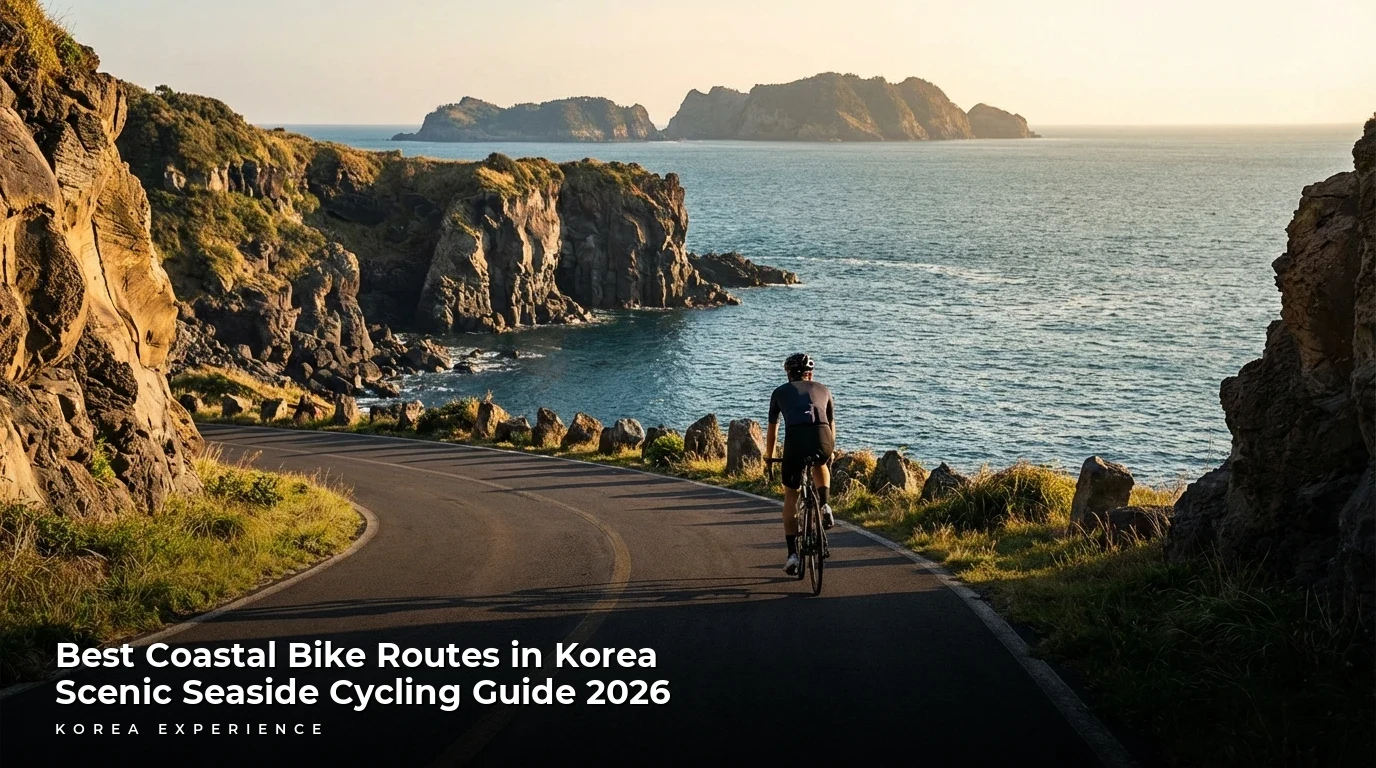
Discover Korea's top coastal cycling routes. From the 234km Jeju Fantasy Path to the East Coast trail, get maps, rental costs, and itinerary tips.

Discover Korea's best markets beyond Seoul. Explore Busan, Jeju, and Daegu with specific food prices, transport tips, and 2026 travel data.
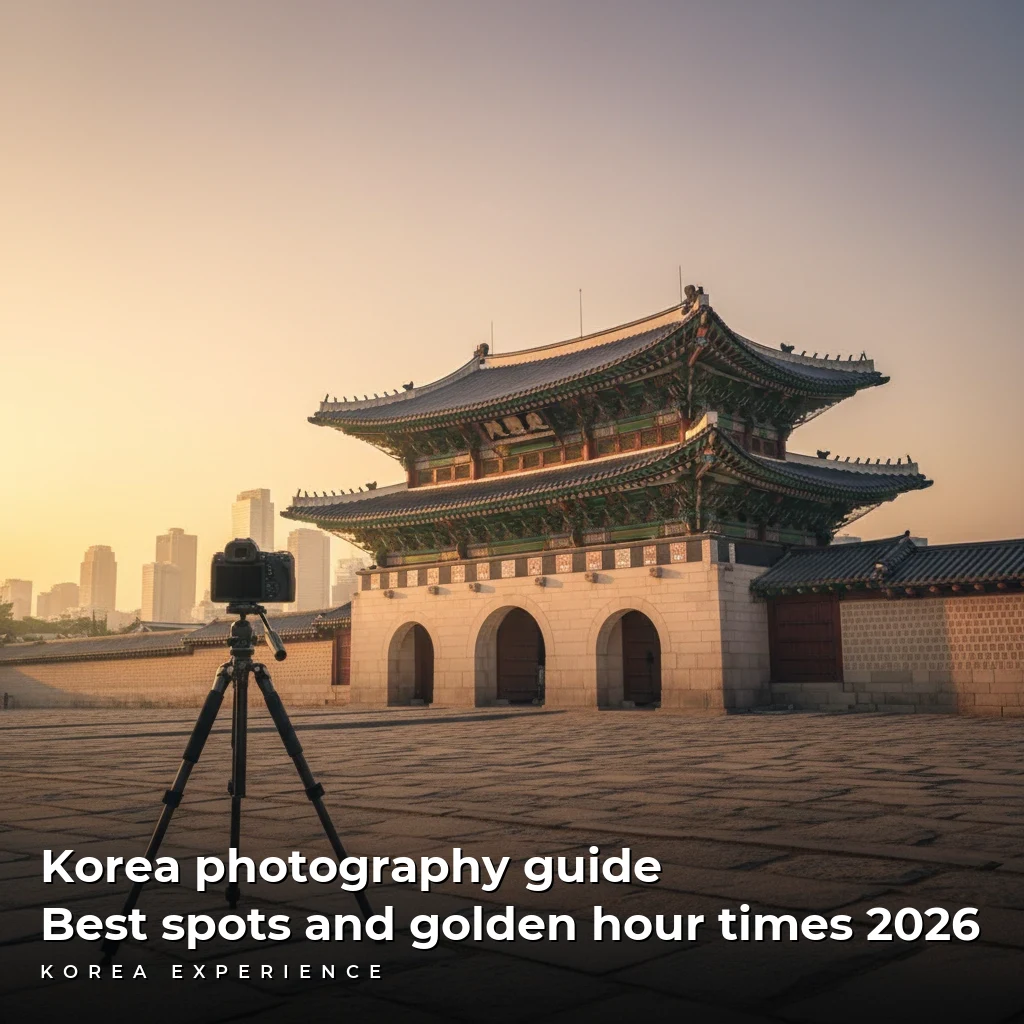
Discover the ultimate photography spots in Korea for 2026. From Seoul's neon nights to Jeju's sunrises, get precise golden hour times and expert gear tips.
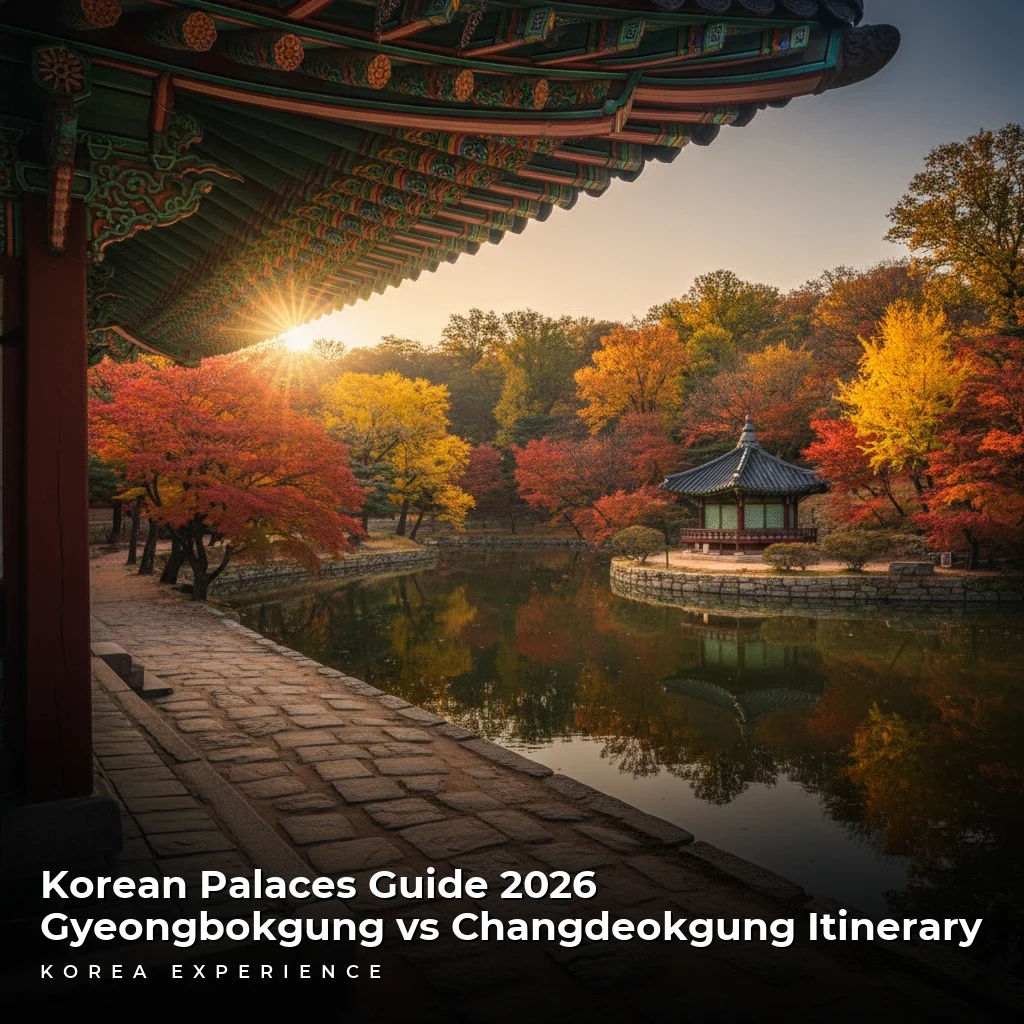
Master Seoul's royal history in 2026. Compare Gyeongbokgung (₩3,000) and Changdeokgung (₩3,000) with our complete walking guide and Secret Garden tips.
Master Seoul's top peaks in 2026. Complete guide to Bukhansan (836m), Gwanaksan, and Dobongsan with trail maps, transport costs under ₩2,000, and safety tips.
Discover the best traditional Korean hanbok experience in Seoul with rental tips, pricing guides, and hidden photo spots for 2026 travelers.