Korean seafood markets noryangjin and more 2026
The ultimate 2026 guide to Noryangjin and Korea's top seafood markets. Discover prices, dining etiquette, and hidden gems for the freshest sashimi.
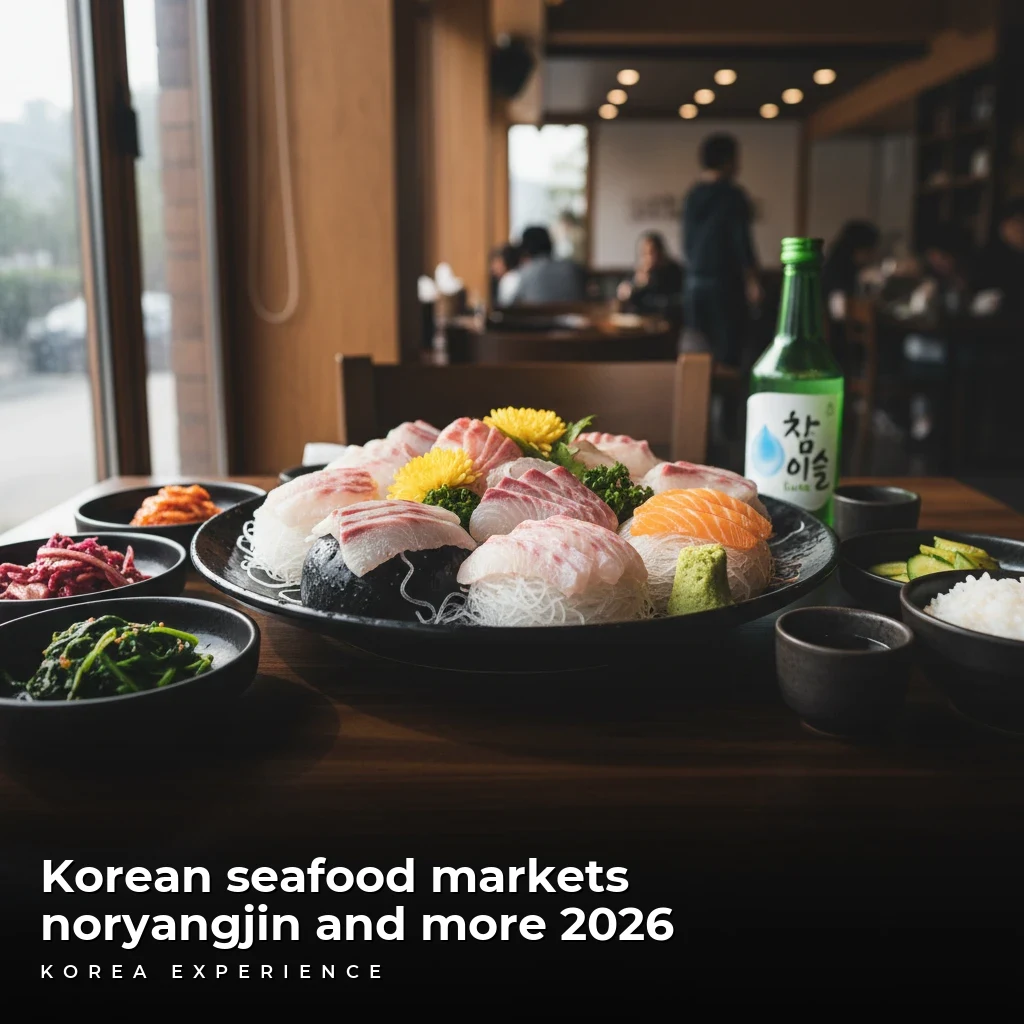
For seafood lovers, a trip to South Korea is incomplete without visiting its bustling fisheries markets. In 2026, these markets have evolved into sophisticated culinary hubs that blend traditional bargaining culture with modern convenience. While Noryangjin Fisheries Wholesale Market remains the crown jewel of Seoul's seafood scene, savvy travelers are increasingly exploring alternatives like Garak and Mapo for different vibes and value. This comprehensive guide covers everything from navigating the auction floor to avoiding "tourist prices," ensuring your gastronomic adventure is both authentic and reasonably priced.
You might also enjoy our article about Busan seafood guide fresh fish markets and restaurants.
You might also enjoy our article about Seoul food markets guide 2026 gwangjang to noryangjin.
For more details, check out our guide on Korean Seasonal Fish Guide 2026 Best Seafood by Season.
Related reading: Korean seafood guide from raw fish to grilled shellfish.
Key Takeaways
- 1Noryangjin remains the largest hub, but Garak Market offers better meat and seafood variety.
- 2Expect to pay 40,000-₩60,000 ($30-45 USD) per person for a full sashimi meal.
- 3Always check the daily market price on apps or displays before haggling to ensure fair rates.
Noryangjin Fisheries Wholesale Market: The Icon of Seoul
Noryangjin is not just a market; it is an institution. Established in 1927 and relocated to its current site in 1971, the market underwent a massive modernization project that concluded with the "New Market" building fully taking over. As of 2026, the facility spans over 66,000 square meters across eight floors (including basements), handling approximately 250 to 300 tons of marine products daily.
The market is split into two distinct rhythms: the wholesale auction that begins at 1:00 AM and the retail market that services the general public from 9:00 AM to 10:00 PM. For most travelers, the sweet spot for a visit is between 5:00 PM and 7:00 PM for dinner, or lunchtime on weekends.
Navigating the Floors
The structure of Noryangjin is designed for efficiency. The 1st floor is where the action happens—hundreds of tanks filled with swimming flatfish, rockfish, king crabs, and abalone. There are over 700 active retail stalls on this floor alone. The 2nd floor houses dried seafood shops and the "chogijip" (restaurants where you eat your purchase).
Pro Tip
Download the "In Eolma" (How Much) app before visiting. Even if you don't speak Korean, the visual price charts for King Crab and Lobster will give you a leverage point for 2026 market rates.
The Buying Process: A Step-by-Step Guide
For first-time visitors, the system can be intimidating. You buy the fish downstairs, and you eat it upstairs. Here is exactly how to handle the transaction to avoid confusion.
📖 How to Order and Eat at Noryangjin
Step 1: Select Your Seafood
Walk the 1st floor. Compare prices at 3-4 stalls. Do not commit immediately.
Step 2: Negotiate and Pay
Agree on a price. In 2026, most vendors accept credit cards, but cash can sometimes secure a 5-10% discount.
Step 3: Follow the Runner
The vendor will hand your fish to a 'runner' or guide you to an elevator. Follow them to the 2nd or 5th-floor restaurants.
Step 4: Choose Preparation
Tell the restaurant how you want it: Sashimi (Raw), Grilled, or Steamed. Order spicy soup (Maeuntang) for the finish.
Cost Analysis: What to Expect in 2026
Prices in Noryangjin fluctuate daily based on catch volume and season. However, inflation and supply chain adjustments in 2026 have stabilized prices into predictable ranges. The average traveler spends approximately ₩55,000 ($41 USD) per person for a premium meal including King Crab, or ₩35,000 ($26 USD) for a standard sashimi platter.
The table setting fee (sang-cha-rim) in the restaurants upstairs has increased slightly. You can expect to pay 5,000 to ₩6,000 per person for basic condiments (lettuce, garlic, sambjang, wasabi). If you bring your own wine or whiskey, corkage fees average 15,000 to ₩20,000 per bottle.
💵 2026 Seafood Price Comparison (Per Kg)
Price peaks in Dec-Feb. Best steamed.
The standard Korean sashimi fish. Chewy texture.
Noryangjin Fisheries Wholesale Market(Noryangjin Susansijang)
Garak Market: The Local's Alternative
While Noryangjin captures the tourist spotlight, Garak Market in Songpa-gu is where many Seoul locals actually shop. Opened in 1985 and modernized extensively through the 2020s, Garak is a massive complex covering 543,000 square meters—nearly eight times the land area of Noryangjin.
Garak is unique because it is not just for seafood; it is a comprehensive wholesale market for fruits, vegetables, and livestock. This makes it the superior choice for groups where not everyone eats seafood. You can buy premium Hanwoo beef in the meat section and cook it in the same restaurant zone (Garak Mall) as your sashimi.
Noryangjin vs. Garak: Which is for You?
Garak Market is generally cleaner and less crowded than Noryangjin. The "Garak Mall" section is a modern, department-store-style building that feels less chaotic. Prices at Garak tend to be 5% to 10% lower than Noryangjin for sashimi, though King Crab prices remain competitive across both.
Market Comparison: Noryangjin vs. Garak
| Feature | Noryangjin | Garak Market |
|---|---|---|
| Primary Focus | Seafood Only | Seafood, Meat, Produce |
| Tourist Crowd | High | Low |
| Accessibility | Central Seoul (Yeouido) | Southeast (Gangnam/Jamsil) |
| Modernity | Modernized 2016 | Garak Mall (Very Modern) |
Dining Secret
Garak Market's "Garak Mall" 3rd floor has an outdoor terrace area. In spring and autumn, eating sashimi with a view of the Lotte World Tower (only 3km away) is a spectacular experience unavailable at Noryangjin.
Garak Market (Garak Mall)(Garak Sijang)
Mapo Agricultural & Marine Products Market
For travelers staying in the Hongdae or Sinchon area, traveling to Noryangjin (25 mins) or Garak (50 mins) might feel like a trek. The Mapo Agricultural & Marine Products Market is the perfect "Goldilocks" option. Located just 15 minutes by bus from Hongdae, near the World Cup Stadium, this market is smaller but incredibly authentic.
The market houses about 50 seafood stalls, significantly fewer than the giants, but the quality is high and the "tourist tax" (overcharging foreigners) is virtually non-existent here. Prices for flatfish and rockfish are consistently 10-15% cheaper than Noryangjin.
A Perfect Day Trip Itinerary
Because of its location, a trip to the Mapo market pairs perfectly with a visit to World Cup Park or Haneul Park.
Mapo Market & Park Itinerary
Haneul Park
Hike or take the electric buggy up for sunset views over the Han River.
Mapo Market
Walk 10 mins from the park to the market. Buy Sashimi on the 1st floor.
Dining Hall
Head to the 2nd floor dining area. It is older/more rustic than Noryangjin but very lively.
Mapo Agricultural & Marine Products Market(Mapo Nongsu-san Mul Sijang)
Jagalchi Market: Busan's Coastal Pride
If your 2026 itinerary includes Busan, skipping Jagalchi Market is a cardinal sin. Located 2.5 hours from Seoul via KTX, Jagalchi is Korea's largest seafood market and arguably the most famous in East Asia. Unlike the Seoul markets which rely on transport trucks, Jagalchi sits directly on the harbor.
The "Jagalchi Ajumma" (middle-aged female vendors) are legendary for their tough negotiating skills and loud voices. The market is divided into the modern 7-story building and the sprawling outdoor street market. The outdoor section offers a raw, visceral experience where you can see eels being skinned and octopus wriggling in buckets on the pavement.
📋 Jagalchi Quick Facts
The signature experience here is not just sashimi, but Komjangeo (Hagfish) grilled over briquettes. A serving for two people costs roughly 40,000 to ₩50,000.
Seasonal Seafood Guide: What to Eat in 2026
Korea has four distinct seasons, and the seafood quality varies drastically by month. Eating seasonally ensures better taste and lower prices—sometimes by as much as 30%.
Spring (March - May)
- Blue Crab (Kkot-ge): The females are full of roe (eggs) during spring. Expect to pay ₩45,000/kg.
- Webfoot Octopus (Jjukkumi): Best enjoyed spicy stir-fried or shabu-shabu.
Summer (June - August)
- Sea Eels (Jang-eo): Consumed for stamina during the humid heat.
- Croaker (Min-eo): A premium white fish that is expensive but culturally significant in summer.
Autumn (September - November)
- Gizzard Shad (Jeon-eo): There is a Korean saying: "The smell of roasting autumn shad brings a runaway daughter-in-law back home."
- Prawns (Dae-ha): Jumbo prawns grilled on a bed of coarse salt.
Winter (December - February)
- Yellowtail (Bang-eo): The winter king. Fatty, rich, and comparable to premium Tuna belly. A medium plate costs 60,000-₩80,000.
- Oysters (Gul): Very cheap in Korea, often ₩10,000 for a large bag.
📊 2026 Consumption Trend
Etiquette, Scams, and Practical Tips
The modernization of markets has reduced scams, but "Mulchigi" (water weight scam) still happens. This is where a vendor quickly scoops the fish with excessive water or uses a heavy basket to inflate the weight.
"Watch the scale. If the basket looks heavy, ask them to weigh the basket separately first (Baguni mugae). Also, ensure they reset the scale to zero. In 2026, many reputable stalls use perforated baskets that drain water instantly. Look for those."
The Haggling Debate
Should you negotiate? In the wholesale markets, it is expected, but within limits.
Haggling Etiquette
- ✓Can save 5,000-₩10,000 on large orders
- ✓Often results in 'Service' (free shellfish)
- ✓Part of the cultural experience
- ✗Vendors may get annoyed if busy
- ✗Discounts are rare on fixed-price items (King Crab)
- ✗Requires confidence and some Korean
Dining Table Fees (Chogijip)
When you go upstairs to eat, remember the bill is split:
- Fish Cost: Paid downstairs to the vendor.
- Table Fee: 4,000 - ₩6,000 per person.
- Preparation Fee: If you want the crab steamed or fish grilled, there is an extra charge (usually 5,000 - ₩10,000 per kg).
- Maeuntang: The spicy fish stew made from the bones of your fish usually costs 10,000 - ₩15,000 per pot (not per person).
Budget Warning
Many tourists calculate the fish price but forget the upstairs fees. For a group of four eating King Crab, the "upstairs bill" (table fee + steaming + drinks + stew) can easily reach ₩80,000 ($60 USD) on top of the crab price.
The Future of Korean Seafood Markets
As we move through 2026, technology is reshaping these traditional spaces. Noryangjin has introduced unmanned kiosks for ordering packed sashimi to-go, reducing the language barrier for introverted travelers. Delivery apps like Coupang Eats and Baemin now deliver fresh sashimi from these markets directly to hotels within a 5km radius in under 40 minutes.
However, the visceral experience of walking the wet floors, dodging handcarts, and pointing at the fish you want to eat remains a quintessential Korean adventure that no app can replicate. Whether you choose the titan Noryangjin, the local Garak, or the coastal Jagalchi, you are participating in a culinary tradition that powers the nation's dining table.
❓ Frequently Asked Questions
Have more questions?Contact us →
About the Author
Korea Experience Team
Written by the Korea Experience editorial team - experts in Korean medical tourism, travel, and culture with years of research and firsthand experience.
Explore more in Food & Dining
Korean BBQ, street food, Michelin restaurants, and regional specialties — your ultimate guide to eating well in Korea.
Browse All Food & Dining ArticlesContinue Reading
Explore more articles you might find interesting
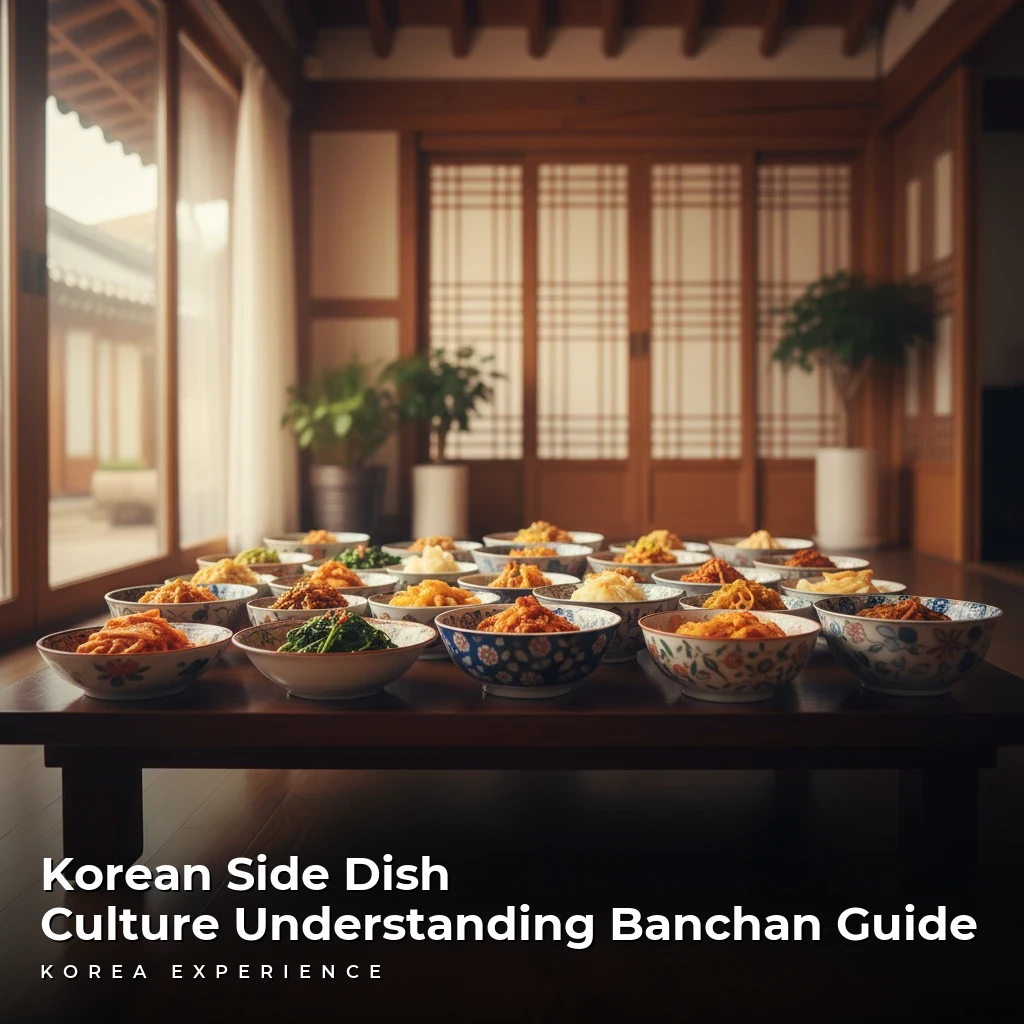
Master the intricate world of Korean side dishes with our comprehensive guide to banchan varieties, dining etiquette, and the best places to buy them in Seoul.
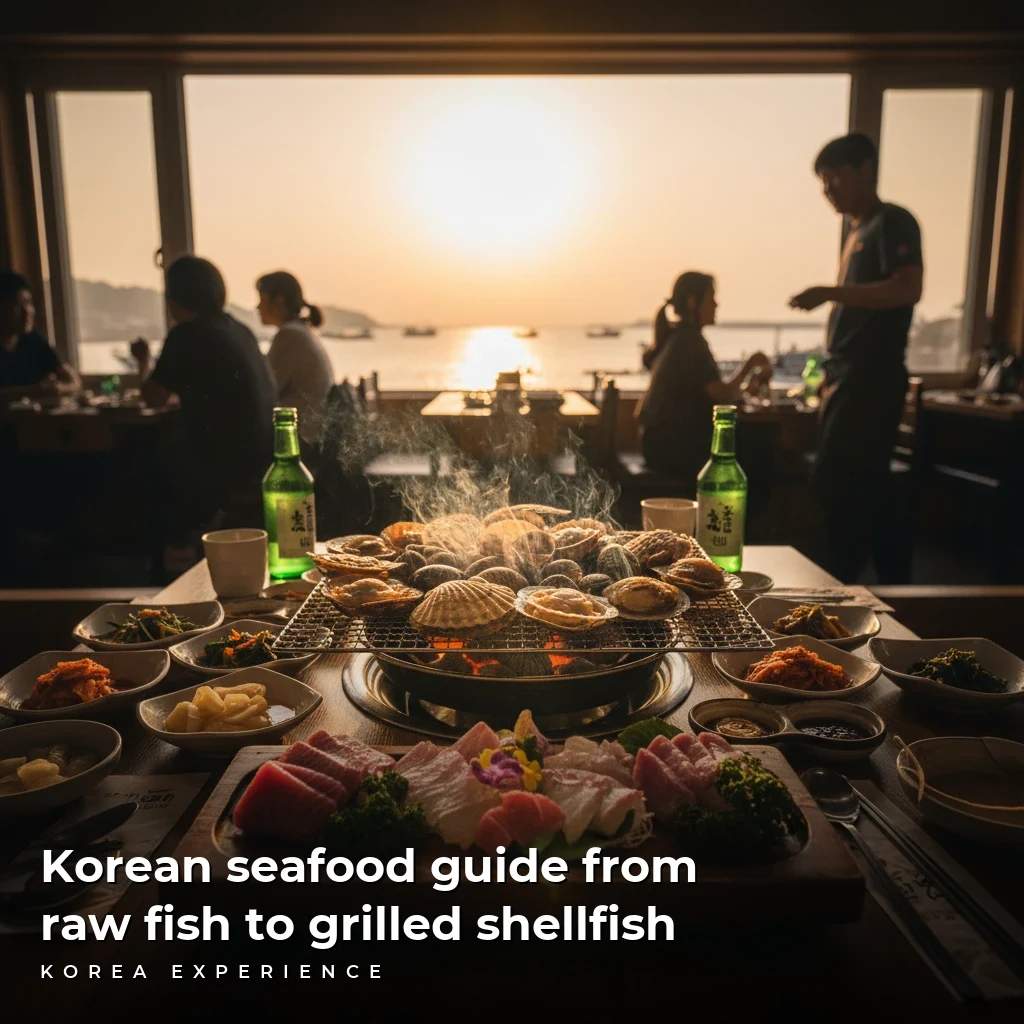
A comprehensive guide to eating seafood in Korea, from Noryangjin market tips to grilling shellfish by the coast.
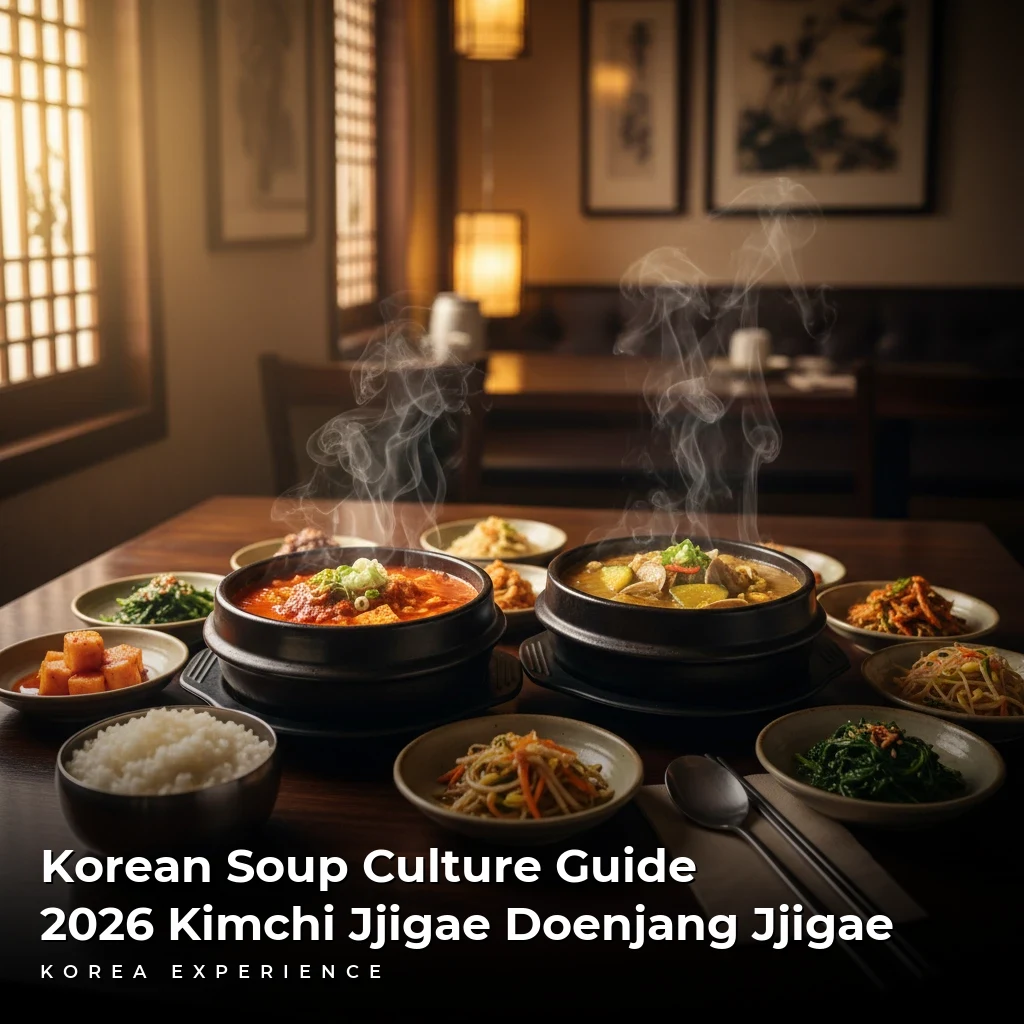
Discover the soul of Korean cuisine through its soups. A complete 2026 guide to Kimchi Jjigae, Doenjang Jjigae, and essential dining etiquette.
Discover the elegance of Korean Royal Court Cuisine. Our guide covers top Hanjeongshik restaurants, menus, and dining etiquette for 2026 travelers.
Discover the heart of Korean dining with our deep dive into Gamjatang, Galbitang, and Seolleongtang. Learn where to eat, how to order, and local etiquette.
Experience the culinary heritage of the Joseon Dynasty. Our 2026 guide covers top-tier Royal Court Cuisine restaurants, reservation tips, and menu essentials.