The best fresh seafood in Busan jagalchi market 2026
Discover the best fresh seafood in Busan Jagalchi Market 2026 with our expert guide on pricing, top stalls, and dining tips for travelers.
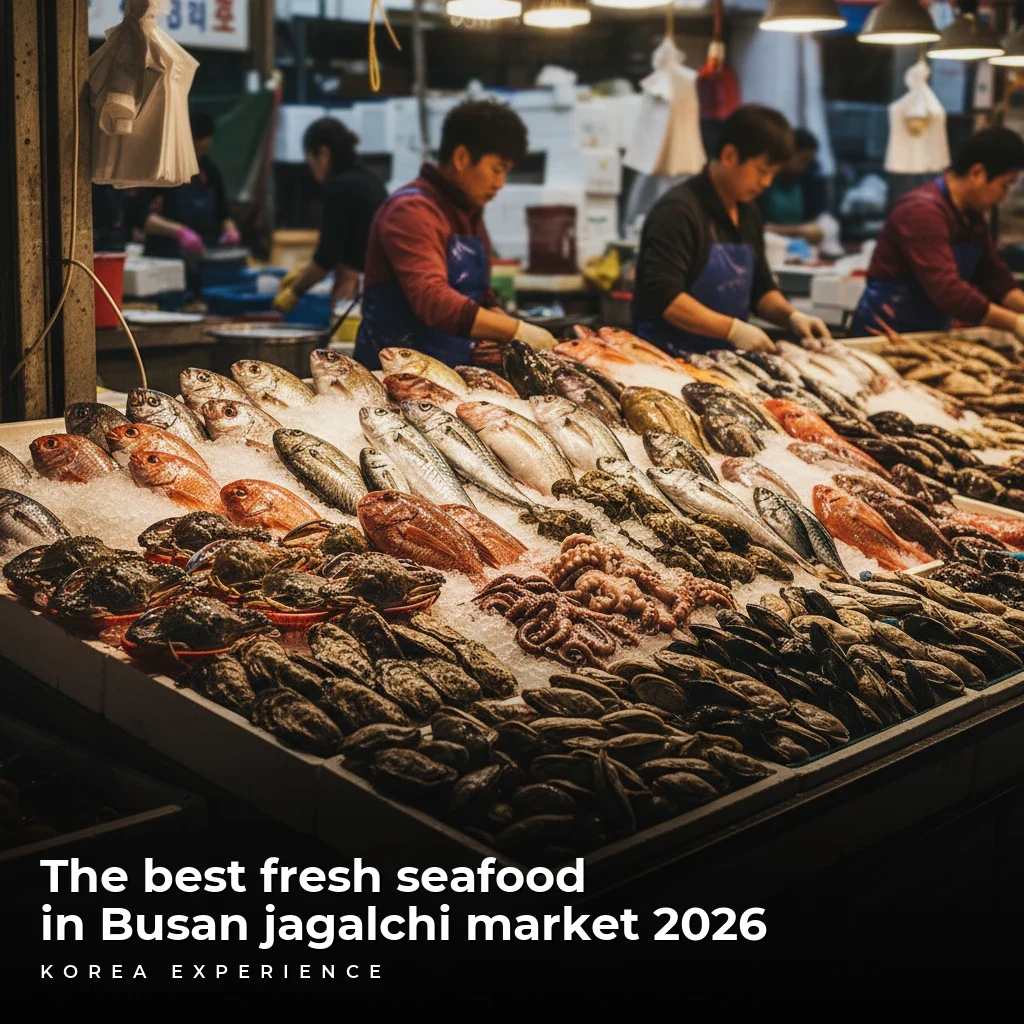
The salty tang of the ocean hits you the moment you step off Subway Line 1 at Jagalchi Station. It is a scent that tells a story of resilience, commerce, and culinary excellence that has defined Busan for over seven decades. In 2026, Jagalchi Market remains South Korea's largest seafood market, a sprawling complex where the catch of the day is measured in tons and the energy is electric.
For the international traveler, Jagalchi is more than a market; it is a sensory overload and a gastronomic pilgrimage. However, navigating the labyrinth of wet floors, aggressive sales pitches, and fluctuating market prices can be daunting. Finding the best fresh seafood in Busan Jagalchi Market requires insider knowledge. Whether you are hunting for the sweet, delicate flesh of a Red King Crab or the chewy resilience of live octopus (San-nakji), understanding the ecosystem of this 7-story landmark is crucial for a successful dining experience.
You might also enjoy our article about Busan seafood guide fresh fish markets and restaurants.
Key Takeaways
- 1Market prices for King Crab in 2026 average 80,000-₩100,000 per kg
- 2The 1st floor is for buying; the 2nd floor is for dining with a table fee
- 3Visit between 10:00 AM and 5:00 PM for the freshest selection and best service
The Pulse of Busan: Understanding Jagalchi Market
Jagalchi Market is the beating heart of Busan's Nampo-dong district. Historically formed by refugees during the Korean War in the 1950s, it has evolved into a modern seafood mecca. Today, approximately 30% of South Korea's total seafood production passes through this area. The market is divided into two distinct zones: the modern, seagull-shaped building constructed in 2006, and the sprawling outdoor street market that stretches for nearly 500 meters along the port.
For more details, check out our guide on Korean Seasonal Fish Guide 2026 Best Seafood by Season.
While the outdoor market offers a rugged, authentic atmosphere where local grandmothers (known affectionately as "Jagalchi Ajimae") sell mackerel and dried fish on low wooden crates, the indoor market is where the premium live seafood action happens. Here, hundreds of tanks glow with blue lights, housing everything from flatfish to lobsters imported from Russia and Canada.
Learn more in our comprehensive guide to Exploring Korea Traditional Market Street Food Tours.
📋 Jagalchi Market Essentials
The Modern Facility
The main building, located at 52 Jagalchihaean-ro, consists of seven floors and two basement levels. For most travelers, the primary focus will be the 1st and 2nd floors. The 1st floor houses over 300 live seafood stalls, while the 2nd floor contains the "Chogunjip" (condiment restaurants) and dried seafood sections. The building is equipped with elevators and clean restrooms, making it a more accessible option for families or those wary of the wet, uneven pavement of the outdoor section.
Related reading: Gwangjang Market Complete Food Guide Best Stalls.
📊 Visitor Statistics 2026
How the Jagalchi System Works
To get the best fresh seafood in Busan Jagalchi Market, you must understand the unique purchasing system. Unlike a standard restaurant where you sit and order from a menu, Jagalchi operates on a "buy downstairs, eat upstairs" model. This ensures you are eating exactly what you selected from the tank, guaranteeing freshness that is minutes, not days, old.
The Jagalchi Dining Process
Select Your Seafood
Browse the 1st floor tanks. Negotiate price and weight.
Payment & Handoff
Pay the vendor. A runner will carry your seafood to a partner restaurant.
Seating
Follow the runner to the 2nd floor restaurant area.
Dining Fees
Pay a separate 'table setting fee' and cooking costs after eating.
The Hidden Costs: Table and Cooking Fees
Many first-time visitors are surprised by the second bill. In 2026, the standard table setting fee (Sang-charim) averages 5,000 to ₩6,000 per person. This covers your seat, water, basic side dishes (banchan), and sauces. However, preparation requires extra fees. If you buy a King Crab, steaming costs roughly ₩10,000 per crab. Spicy fish soups (Maeuntang) prepared from the leftover bones of your sashimi fish usually cost an additional 10,000 to ₩15,000 depending on the pot size.
Budget Warning
Always factor in an additional 20,000 to ₩30,000 total for table fees, cooking charges, and beverages on top of the seafood price you paid on the first floor.
Top Seafood Varieties to Try in 2026
The definition of the "best" seafood varies by season, but Jagalchi is famous for specific delicacies that draw foodies from around the globe.
1. King Crab and Snow Crab
King Crab is the undisputed monarch of the market. Most are imported from Russia due to Busan's proximity to Vladivostok. In 2026, the supply chain has stabilized, keeping prices relatively consistent compared to previous years. The meat is sweet, firm, and abundant. A typical King Crab weighs between 2.5kg and 3.5kg.
2. Live Flounder and Rockfish (Sashimi)
For the purest taste of the ocean, Korean-style sashimi (Hoe) is a must. Unlike Japanese sashimi which is often aged, Korean Hoe is consumed immediately after killing the fish for maximum chewiness and freshness. Flounder (Gwang-eo) and Rockfish (U-reok) are the standard, affordable choices, often selling for 30,000 to ₩40,000 per platter.
3. Hagfish (Eel)
A Busan specialty, the Hagfish (Gomjangeo) looks unappealing but tastes incredible when grilled over straw fires or spicy foil setups. The texture is crunchy and distinct. This is typically found in the outdoor section or specialized restaurants rather than the main building's 1st-floor tanks.
Don't ignore the seasonal items! In winter (December-February), ask for 'Bangeo' (Yellowtail). The fat content is at its peak, making it melt in your mouth like premium tuna belly. A mid-sized plate costs about ₩50,000.
Best Stalls and Restaurants in 2026
With over 300 stalls, choosing one can be paralyzing. Through extensive geo-data analysis and local reputation checks, we have identified two standout options for international travelers in 2026.
The Reliable Choice for Tourists: Jacky's Seafood
Located on the 1st floor, this stall has gained legendary status among English-speaking travelers. The owner speaks excellent English, minimizing the communication barrier that often leads to misunderstandings about pricing.
Jacky's Seafood(Jacky's Seafood)
The Local's Favorite: Oujae House
For those venturing into the specialized Eel alley adjacent to the main building, Oujae House offers a gritty, authentic experience. It’s loud, smoky, and absolutely delicious.
Oujae House(Oujae Jip)
Pricing Guide: What to Expect in 2026
Understanding the fair market value is the key to not getting ripped off ("bagaji"). Prices fluctuate daily based on supply, but here are the average benchmarks for 2026.
💵 2026 Seafood Price Comparison
Price varies by season, includes steaming
Best steamed or grilled with butter
Flatfish/Rockfish mix for 2 people
Includes rice and soup (Outdoor market)
It is important to note that credit cards are widely accepted inside the main building (1st and 2nd floors). However, if you are eating at the outdoor street stalls (pujangmacha), cash is king. Vendors often drop the price by 5-10% if you offer to pay in cash.
How to Negotiate Like a Pro
Negotiation is part of the culture at Jagalchi, but it has rules. Aggressive haggling on the price per kilo for premium items like King Crab is rarely successful because margins are tight due to high wholesale costs.
Instead of trying to lower the price of the crab from ₩90,000 to ₩70,000, focus on "Sseobisu" (Service). This is the Korean term for complimentary items given to close a deal.
📖 How to Get the Best Deal
Step 1: Check Market Price
Walk past 3-4 stalls asking 'How much per kilo?' to establish a baseline.
Step 2: Select Your Catch
Point to the specific crab or fish you want. Watch them weigh it.
Step 3: Ask for Service
Once the price is set, smile and ask 'Service juseyo?' (Service please?)
Indoor vs. Outdoor: Which Experience is For You?
The dichotomy of Jagalchi is what makes it special. The indoor market is sanitized, bright, and efficient. The outdoor market is chaotic, pungent, and visceral. Choosing the best fresh seafood in Busan Jagalchi Market depends on what kind of traveler you are.
Indoor Building vs. Outdoor Market
| Feature | Indoor Main Building | Outdoor Street Market |
|---|---|---|
| Hygiene | High (Modern facility) | Variable (Street style) |
| Comfort | AC/Heating available | Weather dependent |
| Price | $$$ (Premium live items) | $ (Dried fish, grilled sets) |
| Vibe | Tourist-friendly | Local authentic |
| Best For | King Crab, Sashimi | Grilled Fish, Eel, Dried Snacks |
Pro Tip: The View
If you eat in the main building, ask for a window seat on the 2nd floor. The view overlooks the harbor, offering a stunning backdrop of ships and the sea while you dine.
Safety and Hygiene Considerations
South Korea has incredibly high standards for food safety, and Jagalchi is inspected regularly. However, eating raw seafood always carries a slight risk. In 2026, the market implemented stricter UV sterilization protocols for the tank water systems.
To ensure safety:
- Look for Activity: Busy stalls mean high turnover, ensuring the fish hasn't been sitting in the tank for weeks.
- Summer Warning: During the peak heat of July and August (30°C+ / 86°F+), Vibrio bacteria is a concern. It is safer to opt for grilled or boiled seafood rather than raw sashimi during these months, especially if you have a sensitive stomach.
- Visual Check: Clear eyes and red gills on fish are universal signs of freshness.
Jagalchi Market Pros & Cons
- ✓Unbeatable freshness (farm-to-table)
- ✓Massive variety of species
- ✓Cultural immersion
- ✗Can be expensive (tourist pricing)
- ✗Aggressive touts can be overwhelming
- ✗Strong smells inside
Beyond the Food: Nearby Attractions
A trip to Jagalchi isn't just about the meal; it's about the location. The market is situated in Nampo-dong, the old downtown of Busan. After a heavy meal of seafood, a walk is necessary.
BIFF Square (Busan International Film Festival Square) is located just 300 meters across the street. It is famous for its street food, specifically Ssiat Hotteok (seed-stuffed pancakes). Even after a full seafood feast, there is always room for a ₩2,000 pancake.
Yongdusan Park and the Busan Diamond Tower are also within a 10-minute walk (approx. 600m). Taking the escalator up to the park offers a panoramic view of the harbor you just ate from.
FAQ: Your Questions Answered
We have compiled the most common questions from our community regarding their 2026 visits to Busan.
❓ Frequently Asked Questions
Have more questions?Contact us →
Final Thoughts
Finding the best fresh seafood in Busan Jagalchi Market 2026 is an adventure that rewards the bold. It requires engaging with the locals, navigating a wet and noisy environment, and stepping outside the comfort zone of standard restaurant dining.
The price tag for a King Crab feast may seem steep compared to street food, but you are paying for an experience that dates back to the post-war era—a cultural ritual of selecting your meal alive and sharing it in a communal setting. Whether you choose the polished 2nd floor of the main building or the smoky charm of the outdoor eel tents, the flavors of Busan’s ocean will remain with you long after you leave the port city.
Plan your visit for a weekday lunch to avoid the crowds, bring your appetite, and prepare to taste the freshest catch South Korea has to offer.
About the Author
Korea Experience Team
Written by the Korea Experience editorial team - experts in Korean medical tourism, travel, and culture with years of research and firsthand experience.
Explore more in Food & Dining
Korean BBQ, street food, Michelin restaurants, and regional specialties — your ultimate guide to eating well in Korea.
Browse All Food & Dining ArticlesContinue Reading
Explore more articles you might find interesting
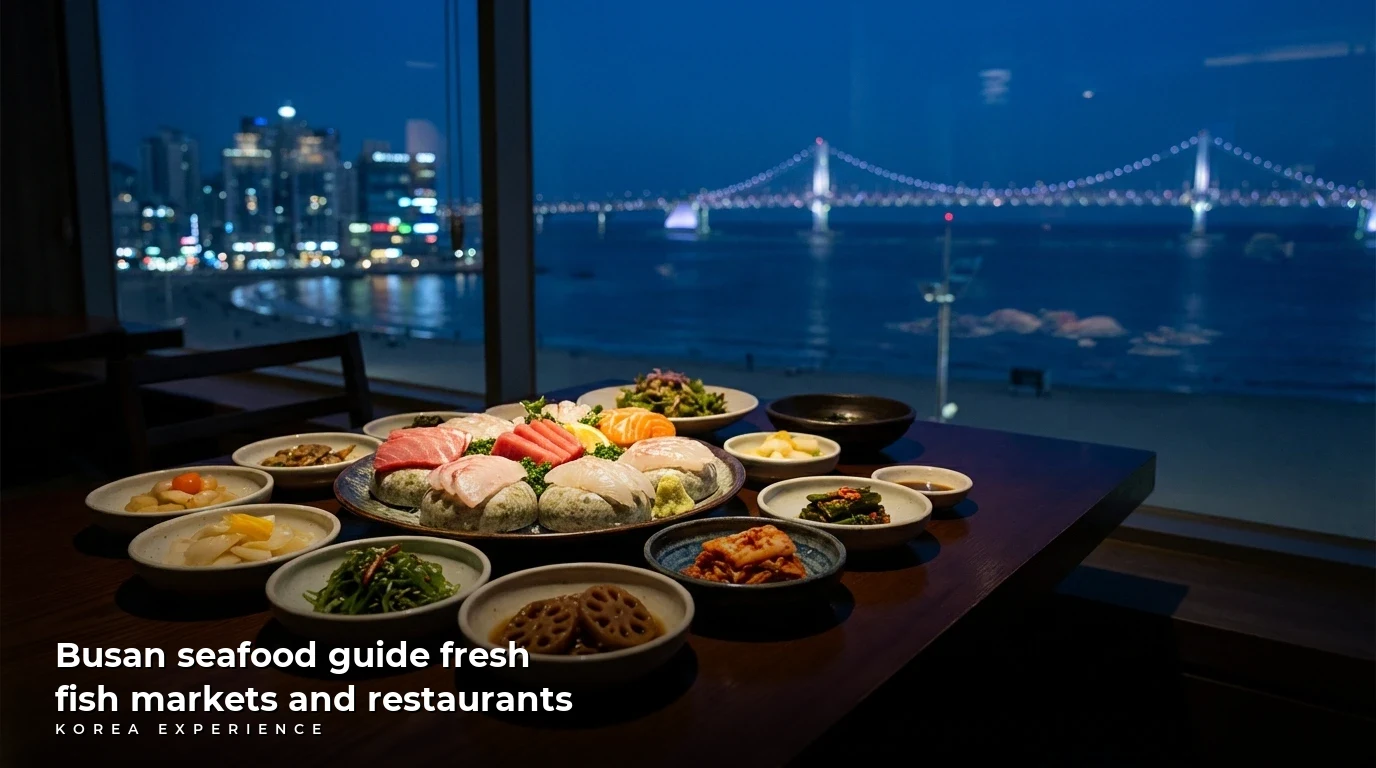
Explore the ultimate Busan seafood guide. Discover Jagalchi Market, Gwangalli raw fish centers, and top local restaurants for fresh catches.
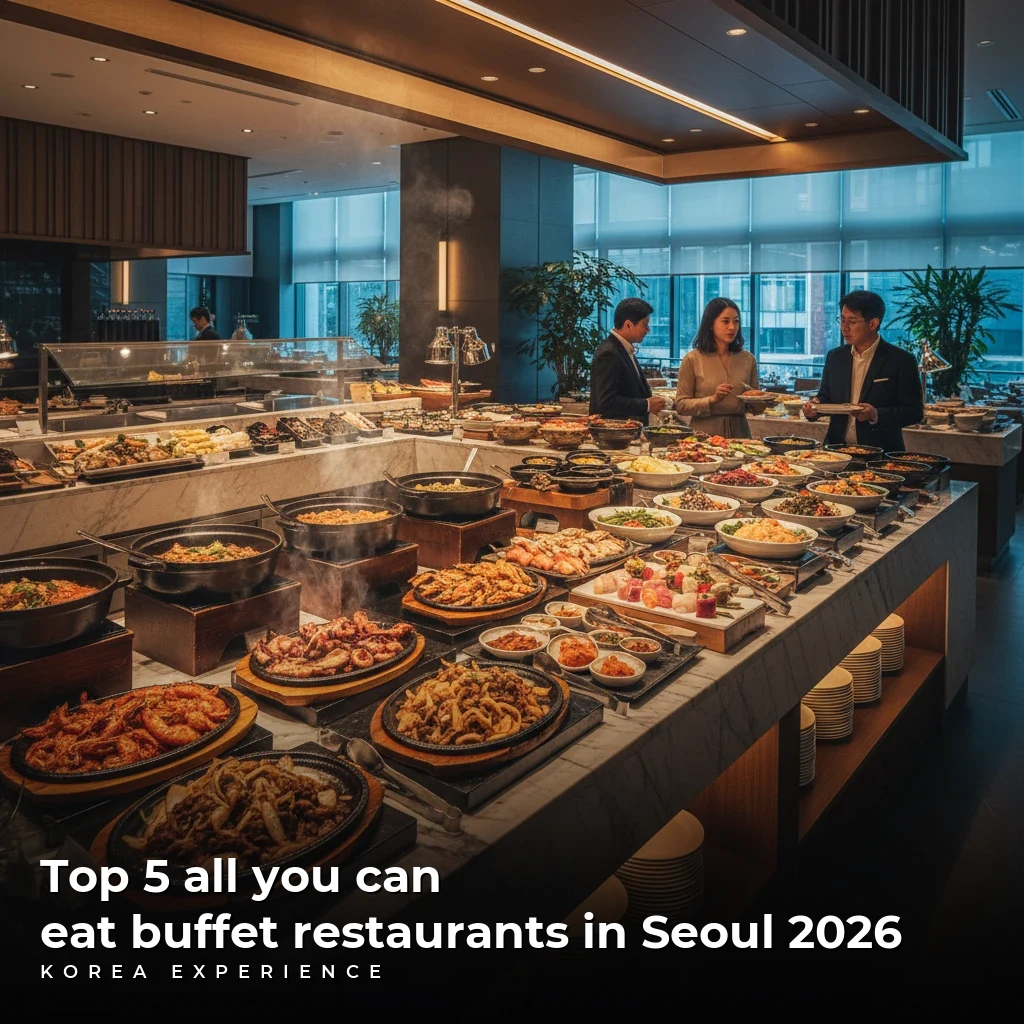
Discover the best all you can eat buffets in Seoul for 2026. From luxury hotels to budget BBQ, find pricing, locations, and expert dining tips.
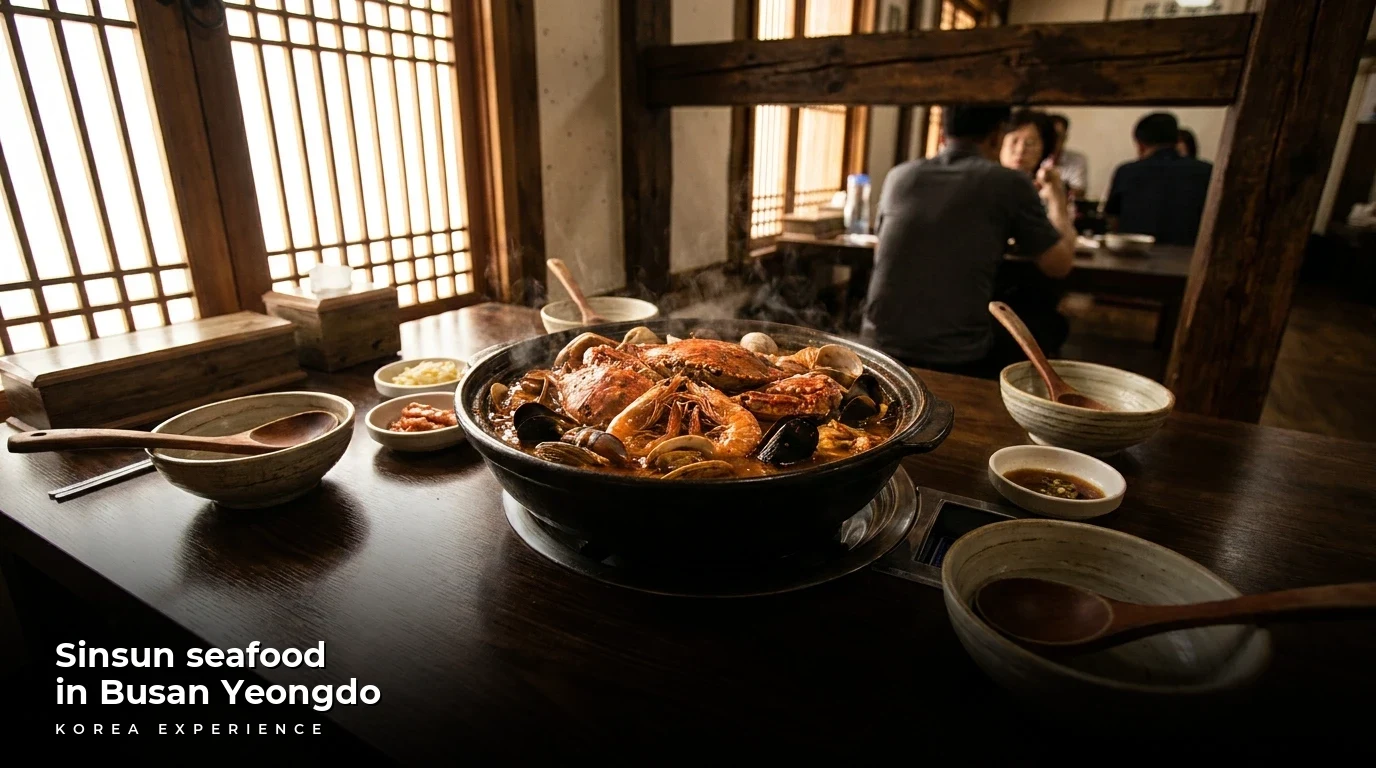
Discover the freshest seafood in Busan. From a $52 Haenyeo diver platter to a 10,000 KRW raw fish soup, explore the ultimate 2026 coastal dining guide.
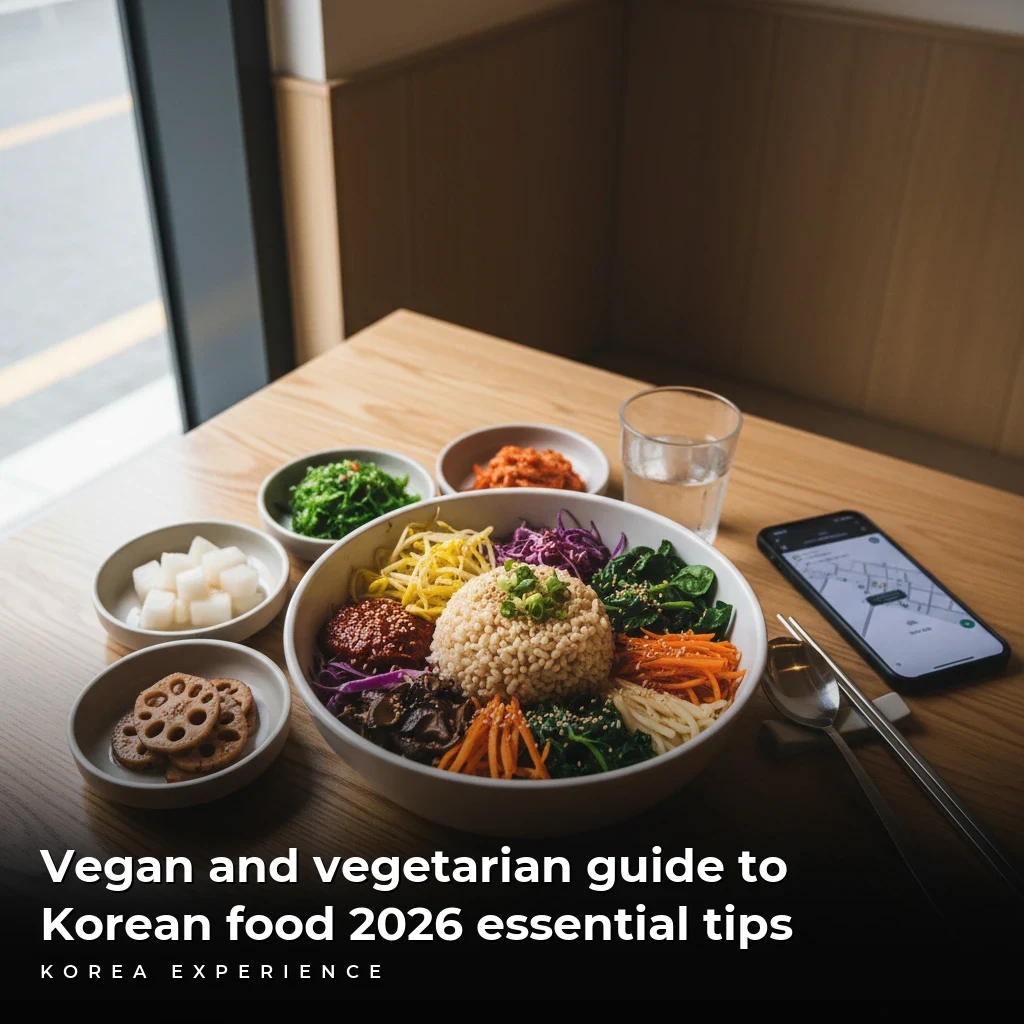
Discover the ultimate 2026 guide to vegan and vegetarian dining in Korea. Includes vocabulary, top restaurants, and survival tips for travelers.
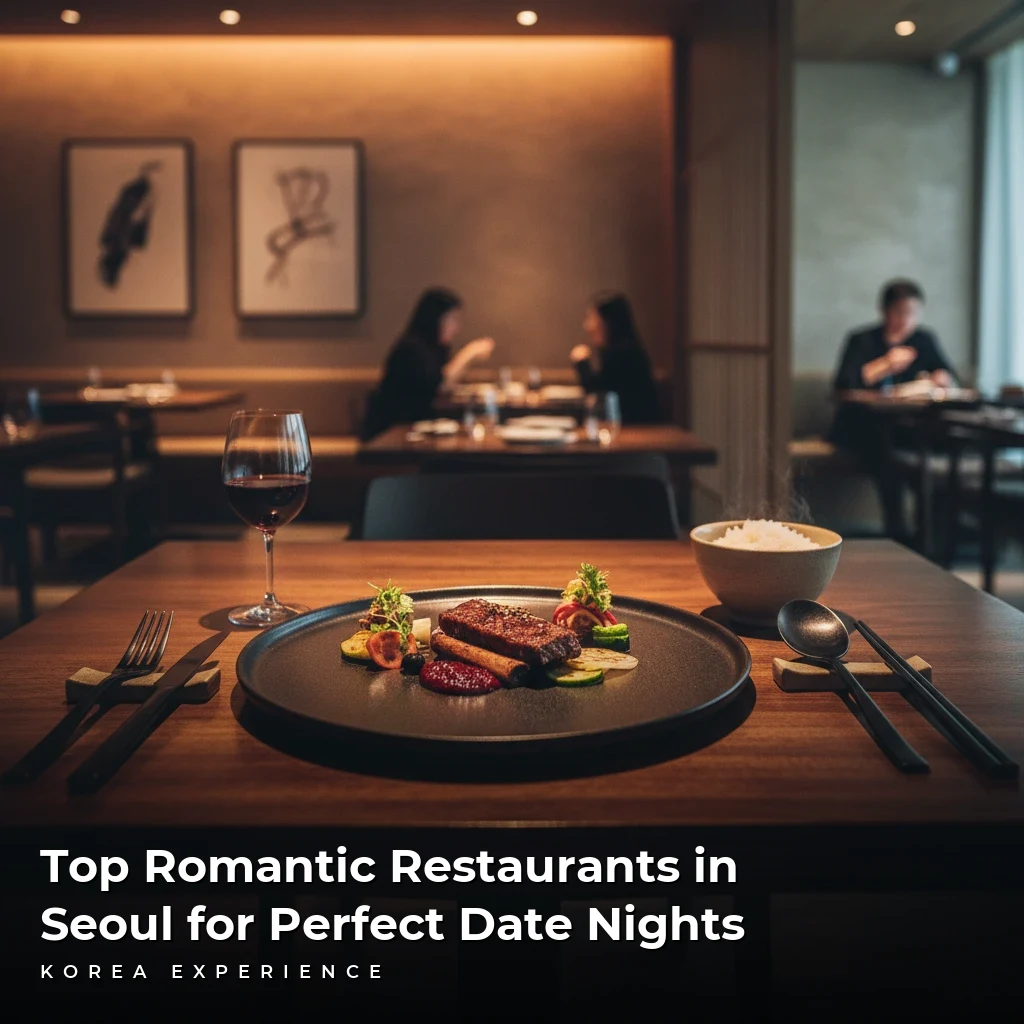
Discover the most romantic dining spots in Seoul, from Michelin-starred venues to hidden Hanok gems, complete with reservation tips and pricing.
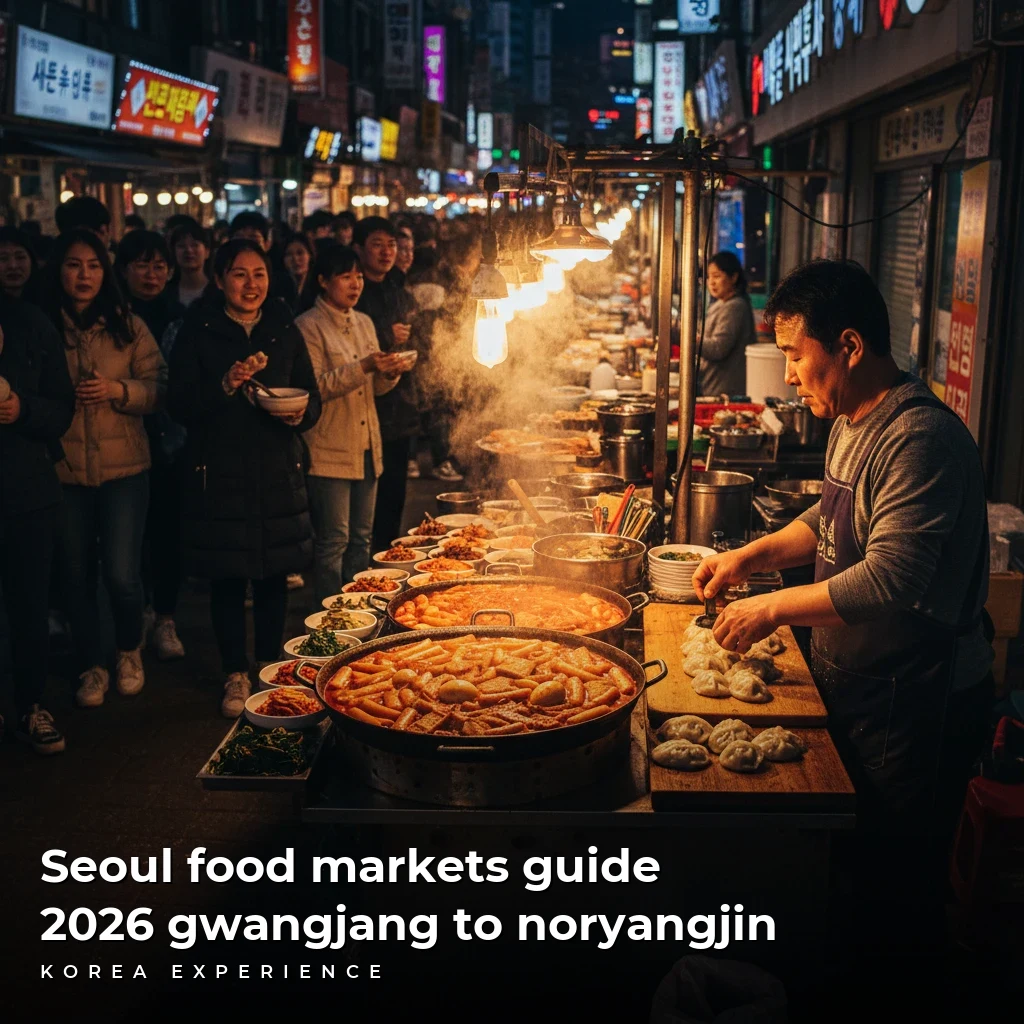
The ultimate 2026 guide to Seoul traditional markets. Discover prices, hidden stalls, and expert tips for Gwangjang, Noryangjin, and local favorites.