Medical Tourism

Accessible Healthcare in Korea: Disability-Friendly Facilities

Discover Korea's commitment to inclusive healthcare for international visitors with disabilities. Find accessible hospitals, services, and practical tips for a seamless medical journey.

Accessible Healthcare in Korea: Disability-Friendly Facilities

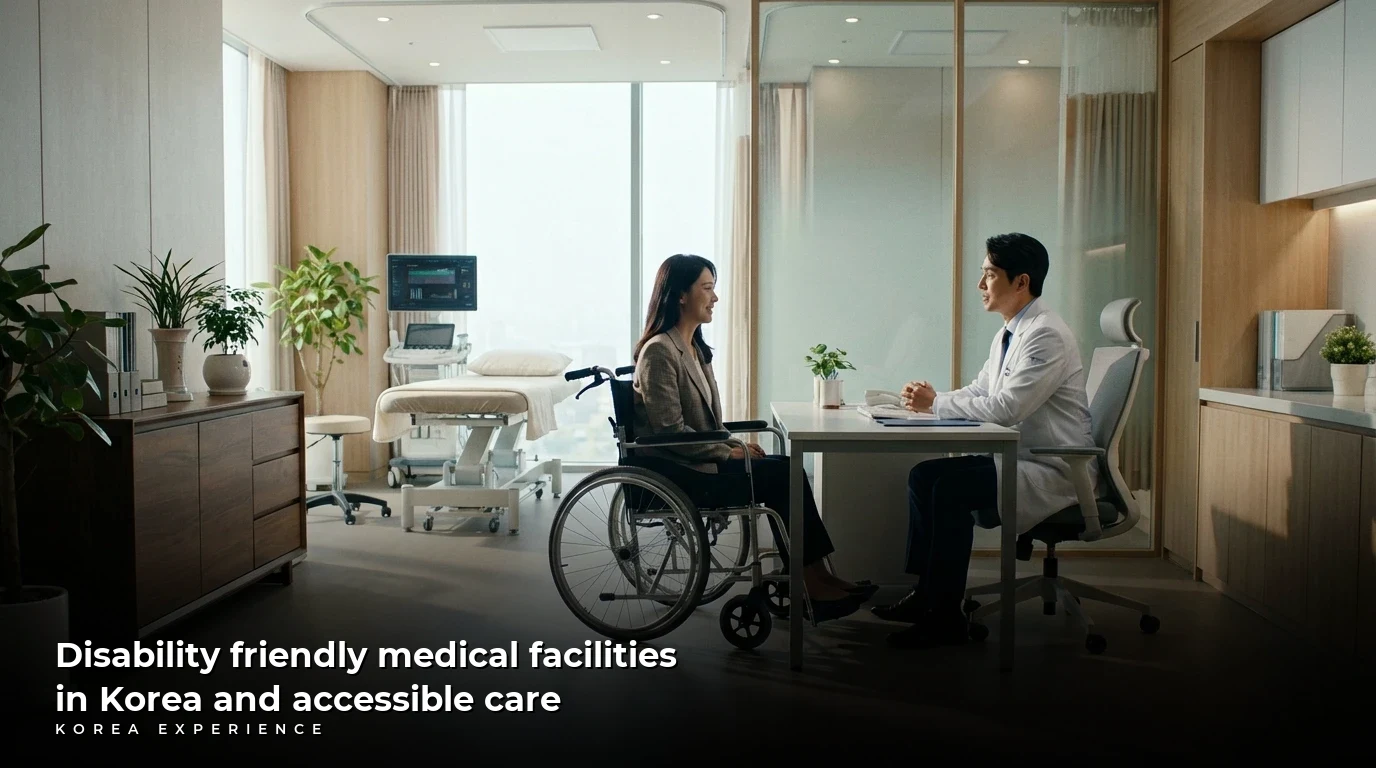
Korea has rapidly emerged as a global leader in medical tourism, drawing international patients with its advanced technology, highly skilled medical professionals, and innovative treatments. However, for travelers or expats living with disabilities, the thought of seeking medical care in a foreign country can bring unique concerns regarding accessibility and support. "Disability-Friendly Medical Facilities in Korea" are not just a luxury but a growing standard, reflecting the nation's evolving commitment to inclusive services. This comprehensive guide aims to shed light on Korea's efforts to provide accessible healthcare, offering invaluable information for international visitors who require specialized accommodations.

In this post, we will delve into the legal frameworks promoting accessibility, highlight leading medical institutions that cater to diverse needs, and explore the range of support services available. From navigating pre-arrival planning to understanding on-site facilities and post-treatment care, you will gain practical insights and actionable tips to ensure a smooth and stress-free medical journey in Korea. Our goal is to empower you with the knowledge needed to confidently access high-quality, inclusive medical care throughout your stay.

Understanding Korea's Commitment to Accessible Healthcare

Korea's journey toward inclusive design and accessibility in public spaces, including healthcare facilities, has seen significant progress over the past two decades. What began as a nascent movement has evolved into a strategic national priority, driven by both legal mandates and a societal shift towards greater awareness and inclusivity.

The foundation of Korea's accessibility efforts lies in its robust legal framework. The most pivotal legislation is the "Act on the Guarantee of Promotion of Convenience for Persons with Disabilities, the Elderly, Pregnant Women, etc." (often referred to as the "Convenience Promotion Act"). Enacted to ensure that individuals with disabilities, the elderly, and pregnant women can use and access facilities and public transportation without inconvenience, this act mandates specific standards for building design, renovation, and operational aspects.

For medical facilities, this act translates into requirements for:

  • Physical Accessibility: Mandating ramps, elevators of specific dimensions, accessible restrooms with grab bars and wider stalls, automatic doors, and clear pathways free of obstacles.
  • Information Accessibility: Requirements for accessible signage, braille, audio guides, and accessible websites.
  • Service Accessibility: Provisions for staff training on disability awareness and assistance, and in some cases, dedicated service counters.

Beyond this, various guidelines and regulations from the Ministry of Health and Welfare further detail the implementation of these standards within healthcare settings, pushing for continuous improvement in universal design principles.

The Evolution of Accessibility in Medical Settings

Historically, many older medical facilities in Korea, like in many parts of the world, were not designed with comprehensive accessibility in mind. However, with the enforcement of the Convenience Promotion Act and a growing global emphasis on human rights and inclusivity, significant transformations have occurred.

Newer hospitals and those undergoing major renovations are now meticulously planned to incorporate universal design principles from the outset. This includes:

  • Enhanced Mobility: Wider corridors, barrier-free entrances, spacious examination rooms, and operating theaters that can accommodate specialized medical equipment for patients with various mobility aids.
  • Sensory Accessibility: Visual alarms for the hearing impaired, tactile paving for the visually impaired, and improved lighting.
  • Staff Training: Increasing emphasis on training medical and administrative staff to provide sensitive and effective assistance to patients with diverse disabilities. This includes understanding the specific needs related to mobility, communication, and cognitive impairments.

This ongoing evolution ensures that "Disability-Friendly Medical Facilities in Korea" are becoming the norm, not the exception, providing a more welcoming and effective environment for all patients, including international visitors.

Identifying Disability-Friendly Medical Facilities in Korea

Finding truly "Disability-Friendly Medical Facilities in Korea" requires knowing what to look for. While many hospitals are making strides, some stand out for their comprehensive approach to accessibility and international patient services.

Key Features of Accessible Hospitals

When evaluating a hospital's accessibility, consider these crucial features:

  • Barrier-Free Access: Ramps at all entrances, automatic sliding doors, and wide corridors.
  • Elevators: Sufficient number of spacious elevators that can accommodate wheelchairs and stretchers, with tactile buttons and audio announcements.
  • Accessible Restrooms: Clearly marked, spacious stalls with grab bars, low sinks, and easy-to-operate faucets.
  • Accessible Parking: Designated parking spaces close to accessible entrances.
  • Clear Signage: Large, clear signs with high contrast, often supplemented with braille and pictograms.
  • Wheelchair Availability: Hospitals should offer wheelchairs for temporary use by patients and visitors.
  • Service Animal Policy: Clear guidelines on allowing service animals within the premises.
  • Dedicated International Patient Centers: These centers often have staff trained in addressing the unique needs of international patients, including those with disabilities.

Specialized Centers for Rehabilitation and Chronic Conditions

Korea is renowned for its advanced rehabilitation medicine. Many general hospitals have dedicated rehabilitation centers, and there are specialized institutions focusing on particular conditions. These centers are inherently designed to be accessible, as their primary patient population requires specific accommodations.

  • Spinal Cord Injury Rehabilitation: Facilities equipped with specialized gyms, aquatic therapy pools, and assistive technology.
  • Stroke Rehabilitation: Comprehensive programs including physical therapy, occupational therapy, speech therapy, and cognitive rehabilitation.
  • Musculoskeletal Rehabilitation: Addressing chronic pain, post-surgical recovery, and degenerative conditions with a focus on restoring function and mobility.

These specialized centers often lead the way in incorporating accessible design and innovative therapeutic approaches, making them excellent choices for international patients seeking long-term or intensive rehabilitation.

Examples of Leading Accessible Hospitals

Several major university hospitals in Korea are at the forefront of providing "Disability-Friendly Medical Facilities in Korea" and cater extensively to international patients. They typically feature well-developed International Healthcare Centers (IHCs) to support foreign visitors.

1. Seoul National University Hospital (SNUH)

  • Location: Seoul
  • Accessibility Features: SNUH, as a flagship national hospital, has significantly invested in accessibility. Its main building and newer annexes feature wide, clear pathways, numerous accessible restrooms, and ample elevators. They also have designated accessible parking.
  • International Patient Services: Their International Healthcare Center provides comprehensive support, including appointment scheduling, interpretation services (English, Chinese, Japanese, Russian, Arabic, and more), medical record translation, and assistance with accommodation and transportation. Staff are generally well-versed in assisting patients with various needs.
  • Specialties: Renowned for nearly all specialties, including oncology, organ transplantation, cardiovascular diseases, and highly-regarded rehabilitation medicine.

2. Asan Medical Center (AMC)

  • Location: Seoul
  • Accessibility Features: As one of the largest medical centers in Korea, AMC boasts modern infrastructure with extensive accessibility features. This includes barrier-free access throughout its sprawling campus, numerous large elevators, and clearly marked accessible restrooms. They also provide wheelchairs for patient use.
  • International Patient Services: AMC's International Healthcare Center is highly praised for its efficiency and extensive language support (multilingual coordinators). They assist with the entire medical journey, from initial inquiry to post-treatment follow-up, and can help coordinate accessible transport and lodging.
  • Specialties: A global leader in complex surgeries, cancer treatment, and highly specialized care. Its rehabilitation department is also excellent.

3. Severance Hospital (Yonsei University Health System)

  • Location: Seoul
  • Accessibility Features: Severance Hospital, part of the Yonsei University Health System, is known for its modern facilities and patient-centric approach. Accessibility is a strong focus, with wide entranceways, automatic doors, accessible elevators in all patient towers, and numerous accessible restrooms. The hospital is generally easy to navigate with mobility aids.
  • International Patient Services: The Severance International Health Care Center offers robust services, including appointment scheduling, multi-language interpretation (English, Chinese, Japanese, Russian, Mongolian, Arabic, etc.), medical consultations, and assistance with administrative tasks. They are accustomed to handling the diverse needs of international patients.
  • Specialties: Strong in cancer care, cardiovascular diseases, brain and spinal cord disorders, and has a well-regarded rehabilitation hospital.

4. Samsung Medical Center (SMC)

  • Location: Seoul
  • Accessibility Features: SMC is a state-of-the-art facility designed with patient comfort and accessibility in mind. It features a spacious, barrier-free environment, numerous accessible facilities, and a digital wayfinding system that can assist with navigation.
  • International Patient Services: Their International Health Services team provides personalized care, including language support, administrative assistance, and coordination of medical appointments. They are dedicated to ensuring a comfortable experience for all international patients.
  • Specialties: Particularly strong in oncology, organ transplantation, and neurological disorders.

These hospitals not only meet but often exceed standard accessibility requirements, making them prime examples of "Disability-Friendly Medical Facilities in Korea." It is always advisable to contact their International Healthcare Centers directly to discuss specific needs and confirm current facilities before your visit.

Hospital NameKey Accessibility FeaturesInternational Services (IHC)Notable Specialties
Seoul National University Hospital (SNUH)Ramps, wide elevators, accessible restrooms, parking, clear signage, wheelchair availability.Multilingual coordinators, appointment scheduling, medical record translation, accommodation assistance.Oncology, organ transplantation, cardiovascular, rehabilitation.
Asan Medical Center (AMC)Barrier-free campus, spacious elevators, accessible restrooms, wheelchair rental, modern infrastructure.Highly efficient, extensive language support, full medical journey assistance.Complex surgeries, cancer treatment, specialized care.
Severance HospitalWide entrances, automatic doors, accessible elevators, well-marked restrooms.Robust multi-language interpretation, administrative support, appointment coordination.Cancer care, cardiovascular, brain/spinal disorders, rehabilitation.
Samsung Medical Center (SMC)State-of-the-art design, spacious, barrier-free environment, digital wayfinding.Personalized care, language support, administrative aid, appointment scheduling.Oncology, organ transplantation, neurological disorders.

Services and Support for International Patients with Disabilities

Beyond physical infrastructure, "Disability-Friendly Medical Facilities in Korea" distinguish themselves through comprehensive support services designed to ease the journey for international patients with disabilities.

International Medical Coordination Services

Most major hospitals in Korea operate dedicated International Healthcare Centers (IHCs) or International Departments. These centers are your primary point of contact and offer a suite of services:

  • Language Services: Providing professional medical interpreters (not just translators) who can facilitate accurate communication between patients, their companions, and medical staff. English, Chinese, Japanese, Russian, Arabic, and sometimes other languages are commonly available.
  • Appointment Booking: Assisting with scheduling consultations, diagnostic tests, and procedures.
  • Medical Record Translation: Helping translate existing medical records into Korean for local doctors and vice versa for follow-up care back home.
  • Visa Assistance: Providing necessary documentation for medical visa applications.
  • Pre-arrival Consultation: Offering tele-consultations to discuss medical needs and accessibility requirements before arrival.

Transportation and Accommodation Support

Navigating transportation and finding suitable accommodation are often major concerns. IHCs can frequently assist with:

  • Accessible Transportation: Arranging for accessible vans or specialized taxis equipped with ramps or lifts for airport transfers and hospital visits. Some hospitals have partnerships with transport providers.
  • Accessible Accommodation: Recommending or helping to book accessible hotels or serviced residences that meet specific needs, such as roll-in showers, wider doorways, and grab bars. Many international hotels in major cities are increasingly offering accessible rooms.

On-site Accessibility Features

Once at the hospital, various features contribute to a "Disability-Friendly Medical Facilities in Korea" experience:

  • Wheelchairs and Mobility Aids: Hospitals typically have wheelchairs available for temporary use at entrances and throughout the facility. Some may also offer crutches or walkers.
  • Accessible Patient Rooms: For inpatients, some rooms are designed with wider doors, accessible bathrooms, adjustable beds, and call buttons within reach. Inquire about these specifically when booking.
  • Guide Dog Access: While specific policies vary, major hospitals are increasingly accommodating legitimate service animals. It is crucial to inform the hospital in advance.
  • Trained Staff: Staff in IHCs and increasingly on general wards receive training in disability awareness and proper assistance techniques.

Rehabilitation and Therapy Programs

For patients seeking rehabilitation, Korean hospitals offer advanced programs:

  • Physical Therapy (PT): Focused on restoring mobility, strength, and function. Facilities include specialized gyms, hydrotherapy pools, and advanced robotic rehabilitation devices.
  • Occupational Therapy (OT): Aims to help patients regain independence in daily activities, such as dressing, bathing, and eating, using adaptive techniques and equipment.
  • Speech Therapy: Addresses communication disorders and swallowing difficulties.
  • Prosthetic and Orthotic Services: Access to high-quality custom prosthetics and orthotics, often with on-site fabrication and fitting.

These comprehensive services ensure that international patients with disabilities receive not only advanced medical treatment but also the necessary support to navigate their healthcare journey comfortably and effectively in Korea.

A successful medical trip to Korea, especially for individuals with disabilities, requires thorough planning and awareness. Here are practical tips and resources to help you.

Planning Your Trip: Pre-arrival Checklist

  • Medical Records: Prepare comprehensive medical records in English, including diagnoses, treatment history, current medications, and any specific care instructions. Have these translated and ready to share.
  • Visa and Travel Insurance: Confirm visa requirements for medical treatment. Secure travel insurance that specifically covers pre-existing conditions and any potential medical emergencies or complications related to your disability.
  • Medication: Bring an adequate supply of your prescribed medications with their original labels and doctor's prescriptions. Research any restrictions on bringing certain medications into Korea.
  • Assistive Devices: Bring any essential personal assistive devices (e.g., specific wheelchair cushions, communication aids). While some items may be available in Korea, having your familiar equipment is crucial.
  • Contact the Hospital IHC: Engage with the International Healthcare Center of your chosen hospital well in advance. Discuss all your accessibility needs, medical requirements, and logistical concerns. They can provide tailored advice and make necessary arrangements.
  • Accessible Accommodation: Book accessible accommodation in advance. Use reputable booking sites that allow filtering for accessibility features or work with your hospital's IHC for recommendations.

Communication and Language Barriers

While many medical professionals in major hospitals speak English, interpretation services are vital for critical medical discussions.

  • Professional Interpreters: Always opt for professional medical interpreters provided by the hospital. Avoid relying solely on family members or general translation apps for complex medical information.
  • Basic Korean Phrases: Learning a few basic Korean phrases for greetings, expressing needs, and asking for directions can enhance your experience, though not essential for medical interactions if an interpreter is present.
  • Visual Aids: Utilize visual aids, diagrams, or even simple drawings to explain symptoms or needs if language becomes a barrier.

Accessible Transportation Within Korea

Korea's public transportation network is increasingly accessible, especially in major cities.

  • Subway (Jihacheol): Major subway stations in Seoul, Busan, and other large cities have elevators, ramps, and accessible restrooms. Older stations may have fewer amenities, so planning your route using accessible navigation apps (like KakaoMap or Naver Map, which have accessibility overlays) is recommended. Wheelchair lifts are available at some stations, operated by staff upon request.
  • Buses (Bus): Newer low-floor buses are becoming more common in urban areas, equipped with ramps for wheelchair users. However, not all routes are served by these buses, and they can still be challenging during peak hours.
  • Korea Train eXpress (KTX): Korea's high-speed rail system offers dedicated accessible seating and restrooms. It's an excellent option for inter-city travel. Booking accessible seats in advance is highly recommended.
  • Accessible Taxis (Call Taxi): Specialized accessible taxis are available in major cities. These vans are equipped with lifts or ramps and securement points for wheelchairs. You usually need to book these in advance through a call center or app. Standard taxis are generally not accessible for rigid wheelchairs.
Transportation TypeAccessibility FeaturesTips for Use
Subway (Jihacheol)Elevators, ramps, accessible restrooms at major stations. Wheelchair lifts at some older stations.Use navigation apps with accessibility overlays. Allow extra time. Request staff assistance for lifts.
Buses (Bus)Low-floor buses with ramps on specific urban routes.Check route information for low-floor bus availability. Can be challenging during peak hours.
KTX (High-Speed Rail)Dedicated accessible seating, accessible restrooms.Book accessible seats well in advance, especially for popular routes.
Accessible TaxisVans with lifts/ramps, wheelchair securement.Book through call centers or dedicated apps in advance. Availability varies by city.

Accommodation Options

  • International Chain Hotels: Often have a higher likelihood of offering genuinely accessible rooms compliant with international standards.
  • Serviced Residences: May provide more space and kitchenette facilities, which can be beneficial for longer stays. Inquire specifically about accessible features.
  • Airbnb/Guesthouses: Require careful vetting. Always contact the host directly with detailed questions and request photos of specific features like bathrooms and entrances.

Emergency Preparedness

  • Emergency Contact Numbers: Know 119 for ambulance, fire, and rescue, and 1339 for medical consultation.
  • Medical Alert Information: Carry medical alert information (e.g., a medical alert bracelet or card) detailing your condition, medications, and emergency contacts in English and basic Korean.
  • Hospital Location: Familiarize yourself with the quickest route to your chosen hospital from your accommodation.

Cost and Insurance Considerations for Accessible Healthcare

Understanding the financial aspects of receiving medical care in Korea is crucial, especially when considering specialized services in "Disability-Friendly Medical Facilities in Korea."

Understanding Medical Costs

Korean medical costs are generally competitive compared to Western countries, particularly for advanced procedures. However, they are not inexpensive.

  • Consultation Fees: Initial consultations with specialists typically range from 50,000 to 150,000 Korean Won (approximately 40-120 USD), depending on the hospital's prestige and the specialist's expertise.
  • Diagnostic Tests: MRI scans can range from 300,000-700,000 KRW (250-600 USD), CT scans from 150,000-400,000 KRW (120-350 USD), and blood tests vary widely depending on the panel.
  • Rehabilitation Therapy: A single session of physical or occupational therapy can cost between 50,000-100,000 KRW (40-80 USD). Intensive programs will incur higher costs.
  • Procedures and Surgeries: Costs for surgeries vary dramatically based on complexity, required hospitalization, and post-operative care. For example, a minor outpatient procedure might be a few hundred dollars, while a major surgery could run into tens of thousands.

It is vital to request a detailed cost estimate from the hospital's International Healthcare Center for your specific treatment plan. Payment is typically expected upfront or after each service for international patients without local insurance. Most major hospitals accept international credit cards.

Service TypeEstimated Cost (KRW)Estimated Cost (USD) (approx.)Notes
Initial Specialist Consultation50,000 - 150,000 KRW40 - 120 USDVaries by hospital and specialist.
Follow-up Consultation30,000 - 80,000 KRW25 - 65 USDGenerally lower than initial consultations.
MRI Scan300,000 - 700,000 KRW250 - 600 USDPrice depends on the area scanned and contrast use.
CT Scan150,000 - 400,000 KRW120 - 350 USDVaries by area scanned.
X-ray (per area)20,000 - 50,000 KRW15 - 40 USDTypically lower cost.
Physical Therapy Session50,000 - 100,000 KRW40 - 80 USDPer session, may require multiple sessions.
Basic Blood Test Panel50,000 - 150,000 KRW40 - 120 USDPrice depends on the number and type of tests included.

Note: These are estimated costs and can vary significantly. Always confirm with the hospital directly.

Travel Insurance with Disability Coverage

Crucially, ensure your travel insurance explicitly covers medical treatment abroad, especially if you have pre-existing conditions or require specialized care related to your disability. Many standard travel insurance policies exclude pre-existing conditions or have limitations. Look for:

  • Comprehensive Medical Coverage: Including hospitalization, doctor's fees, diagnostic tests, and prescription medications.
  • Emergency Medical Evacuation: Crucial for international travelers in case of severe medical emergencies requiring transport to your home country.
  • Repatriation of Remains: While grim, it's an important consideration.
  • Coverage for Assistive Devices: Some policies may offer coverage for repair or replacement of lost or damaged wheelchairs, prosthetics, or other essential medical equipment.
  • Trip Interruption/Cancellation: Important if your medical condition or accessibility issues force changes to your travel plans.

It is highly recommended to speak directly with an insurance provider about your specific situation and disability to ensure adequate coverage.

Government Support Programs

While Korea has robust government support programs for its citizens and long-term residents with disabilities (e.g., national health insurance, welfare services), these generally do not extend to short-term international visitors or medical tourists. Therefore, relying on private travel insurance or personal funds is essential for covering medical expenses.

Technology and Innovation in Korean Accessible Healthcare

Korea's reputation as a technology powerhouse extends deeply into its healthcare sector, influencing how "Disability-Friendly Medical Facilities in Korea" operate and innovate. The integration of cutting-edge technology not only enhances medical treatments but also significantly improves accessibility and patient experience.

Smart Hospital Systems

Korean hospitals are at the forefront of implementing "smart" technologies designed to streamline operations and empower patients:

  • Digital Wayfinding: Large medical centers can be daunting to navigate. Many hospitals now offer digital kiosks, mobile apps, and interactive screens that provide real-time, step-by-step navigation instructions, often with accessible route options. Some systems even integrate with tactile paving for visually impaired patients.
  • Telepresence for Consultations: For follow-up appointments or initial screenings, telehealth services are becoming more prevalent. This allows patients with mobility challenges to consult with doctors from home or a remote location, reducing the need for physical travel.
  • Electronic Health Records (EHR) Systems: Korea has one of the most advanced EHR systems globally. This ensures that medical history, diagnoses, and treatment plans are readily accessible to medical teams, promoting seamless and coordinated care, which is particularly beneficial for patients with complex medical needs.
  • IoT (Internet of Things) for Patient Monitoring: Wearable devices and in-room sensors monitor vital signs, patient movement, and comfort levels, allowing medical staff to respond promptly to needs, enhancing safety and proactive care.

Assistive Technology and Devices

Korean medical technology companies are continually developing innovative assistive devices that benefit patients with disabilities:

  • Advanced Prosthetics and Orthotics: High-tech, custom-fitted prosthetics and orthotics that incorporate robotics and advanced materials for improved function and comfort.
  • Robotic Rehabilitation Systems: Robotics are increasingly used in physical therapy to assist patients in performing repetitive movements, aiding recovery from stroke, spinal cord injuries, and other neurological conditions. These systems can provide precise, consistent therapy not always possible with manual methods.
  • Communication Aids: From sophisticated eye-tracking devices for individuals with severe motor impairments to speech-generating devices, these technologies bridge communication gaps.
  • Smart Home Healthcare Integration: For long-term care or post-discharge monitoring, smart home technologies allow for remote monitoring of health, medication adherence, and safety, supporting independent living.

The commitment to accessibility in Korea's medical sector is not static. Future trends point towards:

  • AI-Powered Diagnostics and Personalized Medicine: AI can help analyze vast amounts of medical data to provide more accurate diagnoses and tailor treatment plans, potentially improving outcomes for patients with complex and rare disabilities.
  • Virtual Reality (VR) and Augmented Reality (AR) in Therapy: VR/AR are being explored for immersive rehabilitation therapies, pain management, and even pre-surgical planning, offering engaging and effective treatment modalities.
  • Enhanced Universal Design: A continued push towards making all medical facilities inherently accessible, integrating universal design principles from the very conceptual stage of construction and renovation, moving beyond mere compliance to truly intuitive and inclusive environments.

These technological advancements solidify Korea's position as a leader in providing "Disability-Friendly Medical Facilities in Korea," constantly pushing the boundaries of what is possible in patient care and accessibility.

Frequently Asked Questions (FAQ)

Q1: How do I find an accessible doctor or specialist in Korea?

A1: The best way is to contact the International Healthcare Center (IHC) of major hospitals (e.g., Seoul National University Hospital, Asan Medical Center, Severance Hospital). They specialize in assisting international patients and can guide you to specialists who are not only expert in their field but also work within facilities that meet accessibility standards. Be explicit about your specific accessibility needs when contacting them.

Q2: Are wheelchairs readily available in Korean hospitals?

A2: Yes, almost all major hospitals and even smaller clinics in Korea have wheelchairs available for temporary use by patients and visitors. You can usually find them near the main entrances or inquire at the information desk. They are generally provided free of charge for on-site use. For longer-term rental or more specialized wheelchairs, you would need to arrange this externally.

Q3: Can I bring my service animal to a hospital in Korea?

A3: Policies regarding service animals can vary between institutions. While Korean law generally recognizes service animals, it is crucial to inform the hospital's International Healthcare Center in advance about your service animal. Provide details about the animal's training and certification. Major hospitals are generally accommodating, but prior communication will ensure a smoother process and prevent any misunderstandings.

Q4: What kind of language support can I expect in "Disability-Friendly Medical Facilities in Korea"?

A4: Most major hospitals catering to international patients offer robust language support. Their International Healthcare Centers typically provide professional medical interpreters for various languages, including English, Chinese, Japanese, Russian, and Arabic. These interpreters facilitate communication between you, your family, and the medical team. It's best to confirm language availability when you first contact the hospital.

Q5: Is public transportation in Korea accessible for people with disabilities?

A5: Public transportation in Korea, especially in major cities like Seoul, has significantly improved in terms of accessibility. The subway system increasingly features elevators, ramps, and accessible restrooms at major stations. Low-floor buses are becoming more common on urban routes. The KTX high-speed train system offers accessible seating and restrooms. However, accessibility can still be inconsistent in older stations or on certain bus routes. Planning your routes in advance using accessibility-focused navigation apps and considering accessible taxis for direct routes is highly recommended.

Conclusion

Korea's dedication to evolving its healthcare landscape to be more inclusive and accessible is evident in the growing number of "Disability-Friendly Medical Facilities in Korea." From stringent legal frameworks promoting universal design to the integration of cutting-edge technology and comprehensive international patient services, the nation is making significant strides to ensure that all individuals, regardless of their physical abilities, can access high-quality medical care.

For international travelers and expats, understanding these advancements and utilizing available resources is key to a seamless medical journey. By planning ahead, leveraging the expertise of hospital International Healthcare Centers, and being aware of the accessible transportation and accommodation options, you can confidently navigate Korea's advanced healthcare system.

Korea's commitment to accessibility is not merely about compliance; it's about fostering an environment where every patient feels respected, supported, and empowered to receive the best possible care. Your medical journey in Korea can be one of comfort, confidence, and world-class treatment.


Medical Disclaimer

The information provided in this blog post is intended for general informational purposes only and does not constitute medical advice. It is not a substitute for professional medical advice, diagnosis, or treatment. Always seek the advice of your physician or other qualified health provider with any questions you may have regarding a medical condition. Never disregard professional medical advice or delay in seeking it because of something you have read in this article. Specific information regarding facilities, services, and costs can change, and it is imperative to verify all details directly with the medical institutions and service providers mentioned.

Emergency Contact Numbers

  • Ambulance, Fire, Rescue: 119
  • Medical Consultation & Information: 1339

About the Author

Korea Experience Team

Written by the Korea Experience editorial team - experts in Korean medical tourism, travel, and culture with years of research and firsthand experience.

⚠️ Medical Disclaimer

The information provided on this website is for general informational purposes only and does not constitute medical advice. Always consult with qualified healthcare professionals before making any medical decisions.

Continue Reading

Explore more articles you might find interesting