Hidden Gem Restaurants Locals Recommendations in Seoul
Discover authentic dining spots in Seoul with our guide to hidden gem restaurants locals recommendations, featuring prices and locations.
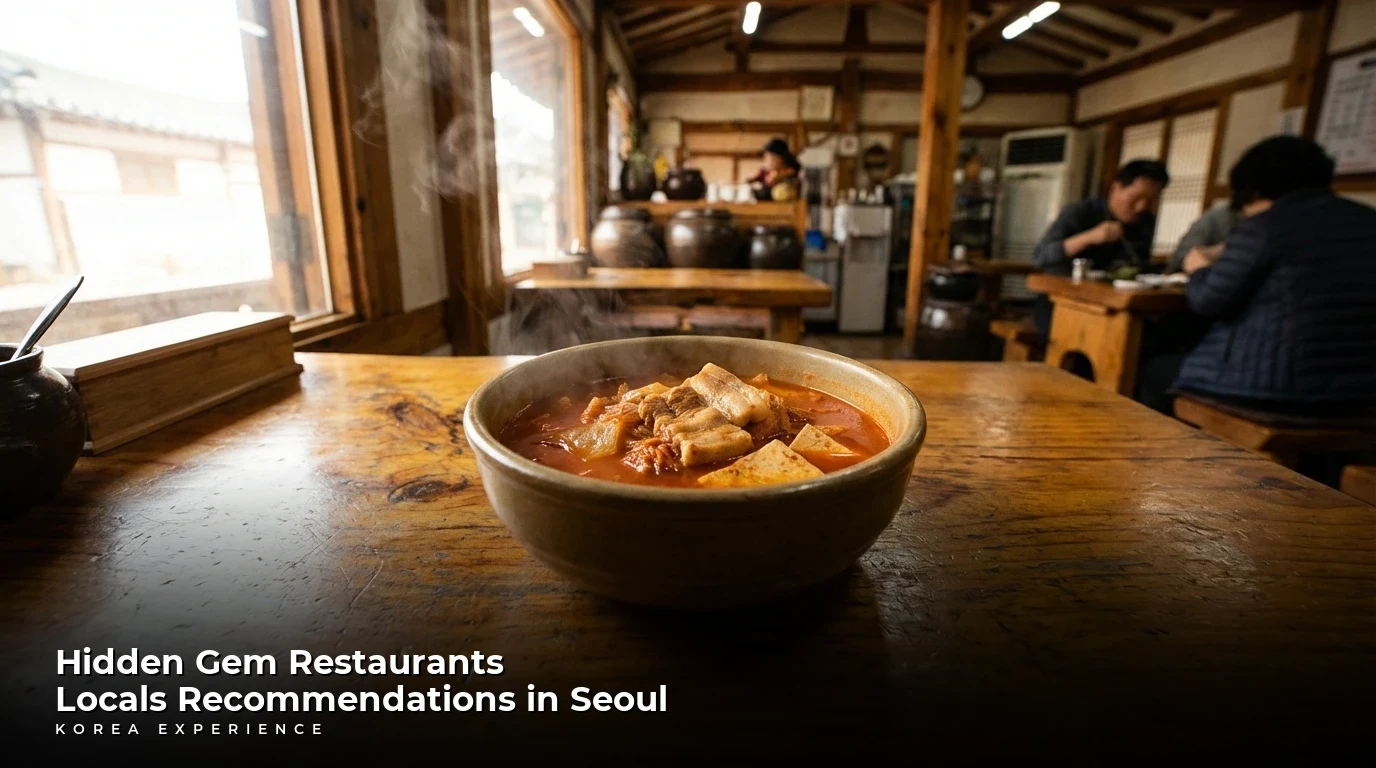
Finding the soul of Korean cuisine requires stepping off the main thoroughfares of Myeongdong and Gangnam. While famous guidebooks point you toward glossy establishments, the true culinary magic happens in the nondescript alleys, basement dwellings, and unmarked doorways where Seoulites actually dine. This guide explores hidden gem restaurants locals recommendations, curating a list that balances flavor, authenticity, and that thrill of discovery.
Key Takeaways
- 1Local 'Matjib' (tasty houses) often lack English signage; look for lines of office workers at 11:30 AM
- 2Average cost for authentic local stews is 10,000-₩15,000 ($7-11 USD)
- 3Most hidden gems observe a strict break time between 3:00 PM and 5:00 PM
The Anatomy of a Hidden Gem in Korea
To understand where to eat, you must first understand how Seoul is built. Unlike many Western cities where prime dining is street-facing, Seoul’s density means some of the best kitchens operate on the second floor, in basements, or deep within narrow alleyways known as "golmok."
Related reading: Exploring gisa sikdang the hidden gem driver restaurants.
Real estate data from 2025 indicates that commercial rents for first-floor locations in Seoul are approximately 35% to 50% higher than second-floor or basement units. Consequently, chefs who prioritize ingredients over foot traffic often choose these "hidden" locations. A restaurant that survives in a basement for more than 5 years relies entirely on word-of-mouth and repeat customers, making longevity a primary indicator of quality.
Related reading: Andong Jjimdak best restaurants in the hometown guide.
📋 Dining Logistics
When seeking hidden gem restaurants locals recommendations, look for specific visual cues. A faded sign, a limited menu (often just 1-3 items), and a clientele predominantly over the age of 40 are strong indicators of traditional authenticity. Conversely, for modern fusion gems, look for small plaques and heavy steel doors in residential areas like Hannam-dong or Yeonnam-dong.
Related reading: Best Korean BBQ Restaurants in Seoul 2026 Ultimate Guide.
Euljiro: The "Hip-jiro" Revolution
Euljiro was historically an industrial district filled with printing presses and lighting shops. Today, it is the epicenter of the "Newtro" (New + Retro) movement. The area is a labyrinth of rusty shutters and narrow passages, hiding some of the city's most exciting wine bars and dining halls.
Learn more in our comprehensive guide to Best Korean BBQ Restaurants Seoul Gangnam Edition.
Eunju-jeong: The Kimchi Jjigae Cathedral
Located deep within the Bangsan Market, Eunju-jeong is practically invisible unless you know exactly where to turn. It is famous for one thing: Kimchi Jjigae (Kimchi Stew). The restaurant has been operating for over 30 years and serves approximately 600 to 800 customers daily during the lunch rush alone.
The experience here is singular. At lunch, you order the Kimchi Jjigae set for roughly ₩12,000 ($9 USD). At dinner, the menu shifts to Samgyeopsal (Pork Belly), where the kimchi stew is served as a finish to the meal. The restaurant is located about 350 meters from Euljiro 4-ga Station, requiring a 6-minute walk through active market stalls.
Eunju-jeong(Eunju-jeong)
The distinguishing feature of Eunju-jeong is the generous inclusion of fresh pork chunks in the stew and the massive variety of fresh vegetable wraps provided self-serve. While standard restaurants might offer lettuce and perilla leaves, Eunju-jeong offers 5 to 7 different types of seasonal greens.
Don't be intimidated by the chaotic atmosphere. Just sit down, show how many fingers for how many people, and the food appears. At dinner, you must order pork belly to get the stew.
Se Seonok: Hidden Beef Delight
Another Euljiro classic is Se Seonok. Unlike the flashy BBQ joints in Gangnam, this spot focuses on Bulgogi in its most traditional form. The average price per person is around ₩18,000 ($13.50 USD), which is reasonable given the quality of the beef. The restaurant is tucked away in an alley that is less than 2 meters wide, making it a true hidden gem.
Mapo & Gongdeok: The Salaryman’s Sanctuary
Mapo-gu is famous for Hongdae's youth culture, but the Gongdeok and Mapo station areas are where the white-collar workers (salarymen) dine. These areas are dense with "Gogi-jip" (meat houses) and Jeon (pancake) alleys.
Guldari Sikdang: The 50-Year Legacy
If you want to taste what Koreans call "Gohyangeui Mat" (Taste of Hometown), Guldari Sikdang is essential. It is located near Gongdeok Station, roughly 200 meters from Exit 8. This establishment has maintained its reputation for over five decades.
The menu is shockingly simple: Kimchi Jjigae (Kimchi Stew) and Jeyuk Bokkeum (Stir-fried Spicy Pork). The pork stir-fry is known for its thick cuts, approximately 2-3cm cubes, unlike the thin shavings found elsewhere. A meal here costs roughly ₩13,000 ($10 USD). The service speed is lightning fast; food often arrives within 120 seconds of ordering because the kitchen is constantly braising the massive pots of stew.
💵 Mapo Lunch Pricing
Pasta + Coffee
Stew + Rice + Sides
The "Egg Roll" (Gyeran-mari) is a complimentary side dish here, a rarity in modern Seoul where such items usually cost an extra 5,000 to ₩8,000. The rough, metallic tables and the frantic energy of the lunch rush provide an unfiltered look at Korean working-class life.
Refill Etiquette
In these traditional 'Gisa Sikdang' (Drivers' Restaurants) or stew houses, rice and side dish refills are often free. Just bring your empty bowl to the kitchen counter or catch the server's eye and say "Bap jom deo juseyo" (More rice please).
Yeonnam-dong: The Artisanal Hideaways
Moving away from the grit of Euljiro, Yeonnam-dong offers hidden gems of a different variety: refined, aesthetic, and often international. This neighborhood, a 15-minute walk (1.2km) from Hongik University Station, utilizes converted residential houses.
Yakitori Mook: Michelin-Recognized Skewers
While not "hidden" in obscurity, it is physically hidden. Located on a quiet backstreet, Yakitori Mook requires a reservation roughly 2 to 3 weeks in advance. The chef uses native Korean chicken breeds, which are larger and chewier than standard broilers.
The "Omakase" course here costs roughly 35,000 to ₩45,000 ($26-34 USD), a steal compared to similar quality in Tokyo or New York. The restaurant seats fewer than 20 people, ensuring an intimate atmosphere. The walking distance from the main Yeonnam-dong park area is about 400 meters.
Yeonnam-dong Dining
- ✓Highly Instagrammable interiors
- ✓Fusion cuisines (Italian-Korean, Thai-Korean)
- ✓Quieter than Hongdae main street
- ✗Reservations often mandatory
- ✗Higher price point (₩30,000+ per person)
- ✗Many places closed on Mondays/Tuesdays
Gangnam: High-End Hidden Basements
Gangnam is synonymous with wealth, but locals know that the best value is found in the office blocks of Yeoksam and Seolleung, often underground.
Cheonggukjang and Barley Rice
In the basement of a nondescript office building near Gangnam Station (Exit 4, 300m walk), you will often find restaurants specializing in Cheonggukjang (Extra Strong Fermented Soybean Paste). One highly recommended spot by locals is simply named "Sigol Bapsang" (Country Table) or similar variations.
These spots serve a massive spread of vegetables, barley rice, and bubbling stew for roughly ₩11,000 ($8.50 USD). It is a health-conscious meal favored by office workers to offset heavy drinking dinners. The fermentation smell is potent—often detectable from the building lobby—but the flavor is deeply savory and umami-rich.
📊 Gangnam Lunch Stats
How to Find Your Own Gems: The Digital Method
You cannot rely on Google Maps in South Korea. Due to local regulations regarding map data export, Google Maps often lacks walking directions and updated business listings. To find hidden gem restaurants locals recommendations, you must use Naver Map or KakaoMap.
Navigation Apps in Korea
| Feature | Google Maps | Naver Map | KakaoMap |
|---|---|---|---|
| Walking Directions | ❌ | ✅ | ✅ |
| Restaurant Reviews | Tourist skewed | Local skewed | Local skewed |
| English Interface | ✅ | Partial | Partial |
📖 How to Find a 'Matjib' on Naver Map
Step 1: Search in Area
Open Naver Map and move to your desired location.
Step 2: Filter by Rating
Look for places with a rating of 4.3/5 or higher. Locals are harsh critics; anything above 4.5 is exceptional.
Step 3: Check Visitor Reviews
Look for the 'Receipt Reviews' count. A high number (500+) indicates popularity.
Step 4: Visual Scan
Scroll through photos. If the menu looks old and the interior looks dated, it's likely a hidden gem.
Important Cultural Context: The "Break Time"
A critical data point for travelers is the "Break Time." Unlike Western all-day dining, 90% of quality independent restaurants in Korea close between 3:00 PM and 5:00 PM (sometimes 2:30 PM to 5:30 PM) to prep for dinner.
If you arrive at 3:15 PM, you will likely be turned away, regardless of how many empty tables you see. Franchise restaurants and department store food courts are usually the only exceptions to this rule. Plan your day so that lunch happens between 12:00 PM and 1:30 PM to ensure you get a seat before the kitchen closes.
Beyond Seoul: Quick Mentions
While Seoul holds the highest density of restaurants, other cities offer unique hidden gems.
Busan: Look for "Dwaeji Gukbap" (Pork Soup) alleys behind the Seomyeon market. Prices average ₩9,000 ($7 USD). These spots operate 24 hours, often serving their best broth at 6:00 AM after boiling all night.
Jeju Island: Avoid the coastline tourist traps. Drive 5-10km inland to find "Gogi Guksu" (Meat Noodles) spots frequented by locals. Prices drop from ₩15,000 on the coast to ₩9,000 inland.
Solo Dining Alert
Some traditional BBQ or Stew restaurants have a "2-person minimum" order policy. If you are a solo traveler, look for signs saying "1-in-bun" (1 person portion) or be prepared to pay for two portions.
Navigating the Language Barrier
Many hidden gem restaurants locals recommendations do not have English menus. However, technology has bridged this gap. Papago (Naver's translation app) is indispensable.
Most walls in these restaurants feature a large, banner-style menu. Pointing at the first item on the list is a statistically safe bet—it is almost always the "Representative Menu" (Sig-ni-cheo) of the house.
The Local Dining Flow
Seat Yourself or Wait
If busy, write name on whiteboard. If empty, sit anywhere.
Yeogi-yo!
Press the call button or raise hand. Order quickly.
Banchan
Served immediately. Self-refill water is standard.
Pay at Exit
Never pay at the table. Take bill to the front counter.
Conclusion
Discovering hidden gem restaurants locals recommendations in Korea is an adventure that rewards curiosity. It requires venturing into basements, navigating narrow alleys, and occasionally gesturing your way through a meal. But the reward—a bubbling pot of stew that has been perfected over 40 years, served with genuine warmth—is worth far more than the ₩15,000 on the bill.
Remember the golden rules: follow the office workers at lunch, check the break times, and never judge a restaurant by its lack of English signage.
❓ Frequently Asked Questions
Have more questions?Contact us →
About the Author
Korea Experience Team
Written by the Korea Experience editorial team - experts in Korean medical tourism, travel, and culture with years of research and firsthand experience.
Explore more in Food & Dining
Korean BBQ, street food, Michelin restaurants, and regional specialties — your ultimate guide to eating well in Korea.
Browse All Food & Dining ArticlesContinue Reading
Explore more articles you might find interesting
Discover the most romantic dining spots in Seoul, from Michelin-starred venues to hidden Hanok gems, complete with reservation tips and pricing.
Discover the top celebrity owned cafes and restaurants in Seoul for 2026. From K-Pop idol cafes to actor owned dining, get verified locations and prices.
Discover the best all you can eat buffets in Seoul for 2026. From luxury hotels to budget BBQ, find pricing, locations, and expert dining tips.
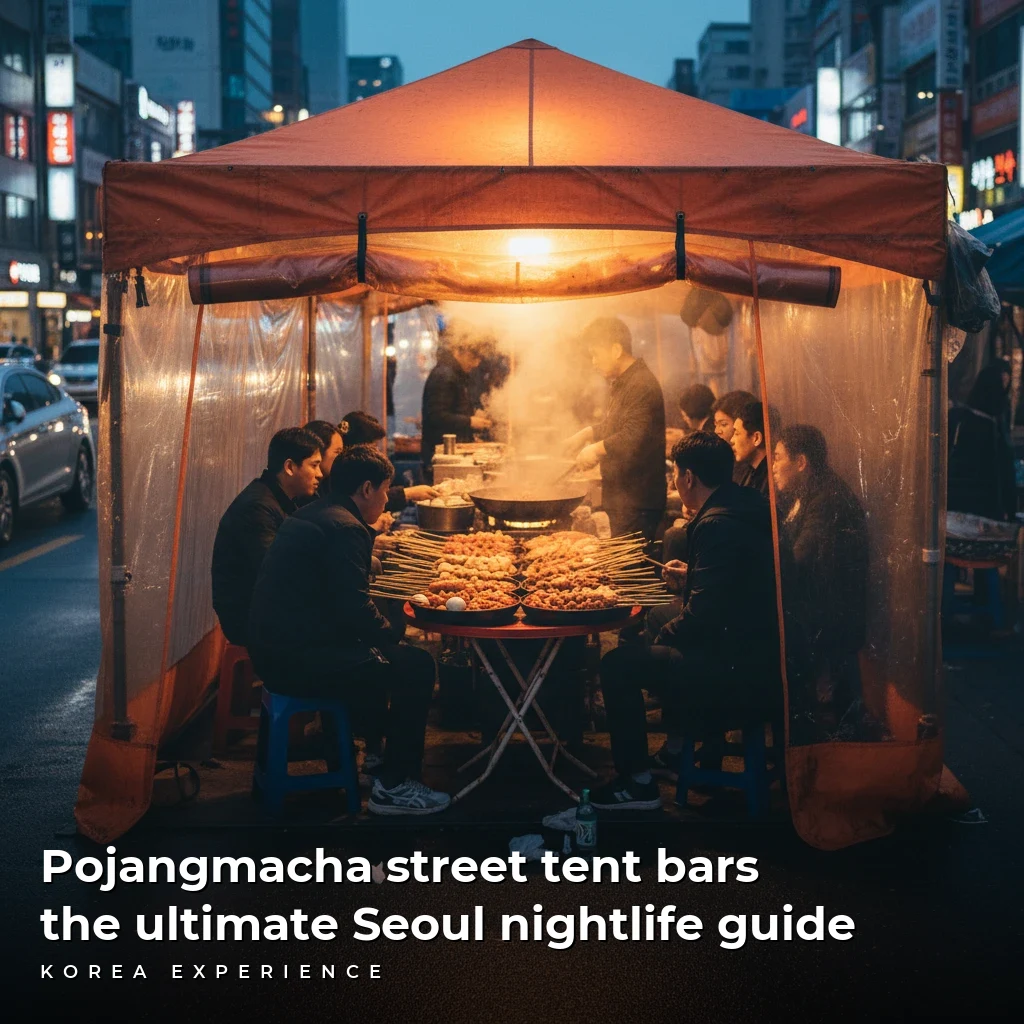
Discover the authentic charm of Korea's pojangmacha. A complete guide to tent bar locations, menu prices, etiquette, and tips for 2026.
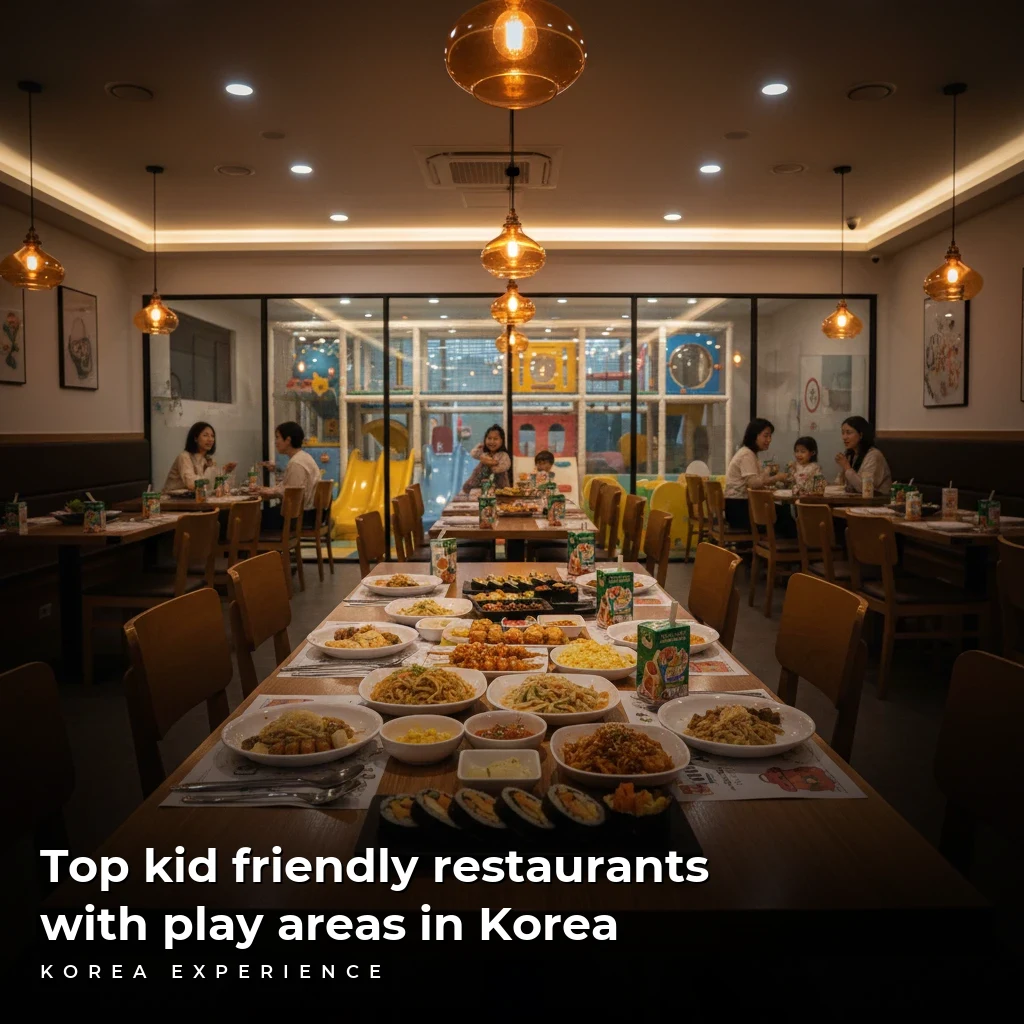
Discover the best family dining spots in Korea featuring large playrooms, safe menus, and verified facilities for stress-free meals with children.
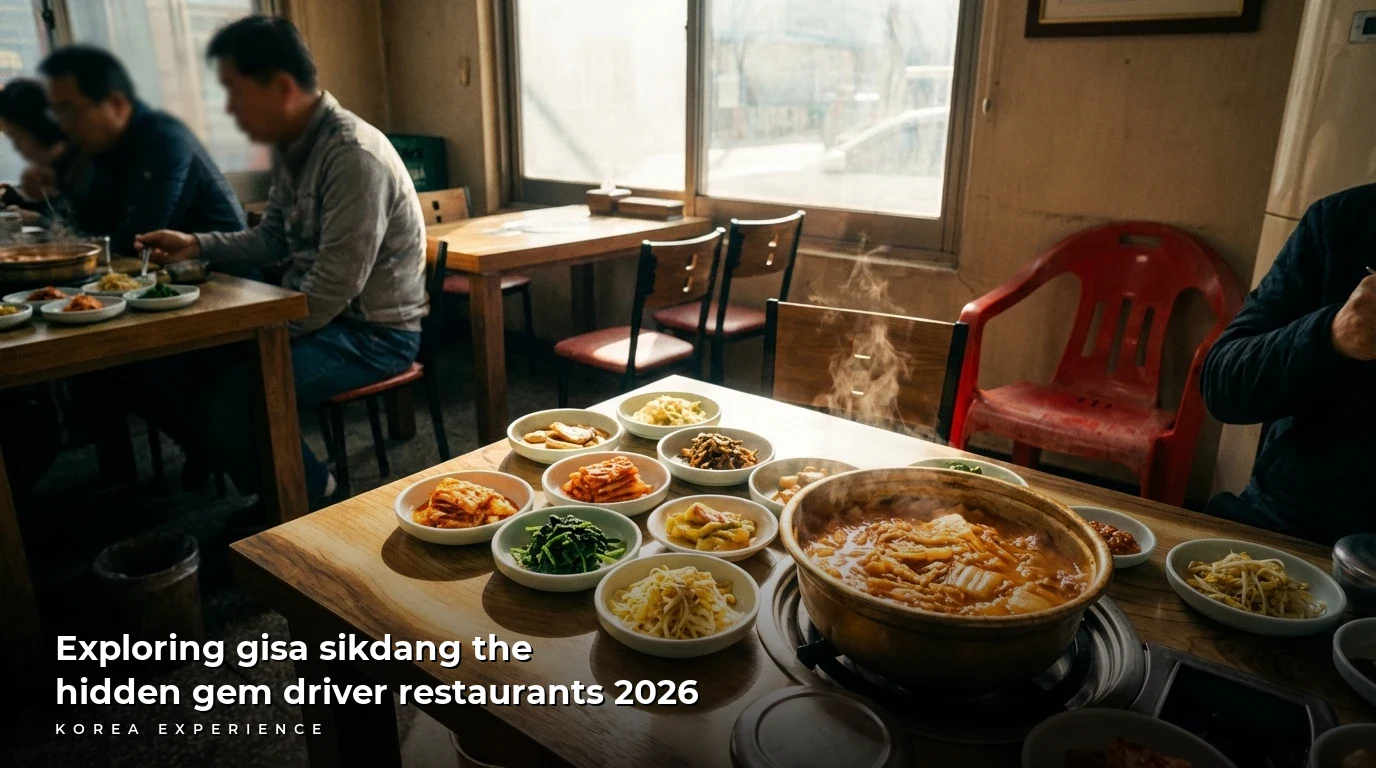
Discover the authentic world of Gisa Sikdang, the driver restaurants serving Seoul's best value meals. The ultimate guide for 2026 travelers.