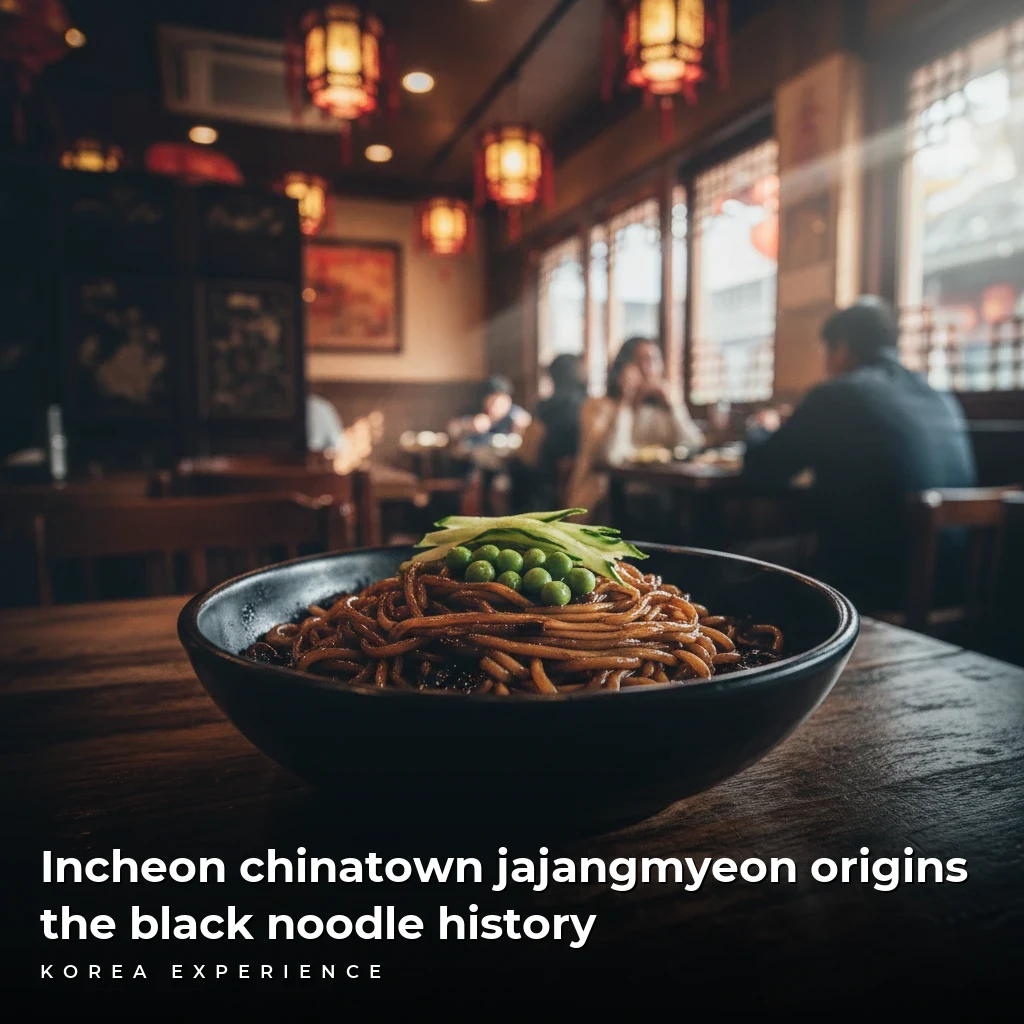
Incheon Chinatown Jajangmyeon Origins
Explore the rich history of Korea's beloved black bean noodles. Discover how Incheon Chinatown became the birthplace of Jajangmyeon, its evolution, and where to taste authentic flavors.
Jajangmyeon, the iconic Korean black bean noodle dish, holds a special place in the hearts and palates of Koreans and international food enthusiasts alike. Its glossy, savory black sauce coating a generous portion of chewy noodles is more than just a meal; it is a cultural cornerstone, a symbol of quick comfort, and often a celebratory dish. For many international travelers visiting Korea, Jajangmyeon is a must-try culinary experience, representing a unique fusion of flavors distinct from traditional Korean cuisine. Yet, despite its widespread popularity, few understand the fascinating journey this dish took from its humble beginnings to becoming a national favorite. The story of Jajangmyeon's origins is deeply intertwined with the history of Incheon Chinatown, the very first and largest Chinatown in Korea.
This comprehensive guide will take you on a culinary expedition through time, unraveling the intriguing narrative of Incheon Chinatown Jajangmyeon origins. We will delve into how this vibrant district became the melting pot for Chinese immigrants, the culinary adaptations that transformed a Chinese staple into a Korean icon, and the enduring legacy that continues to draw visitors today. By the end of this post, you will not only appreciate the complex flavors of Jajangmyeon but also understand the cultural significance it carries, armed with practical tips on where to find the most authentic bowls and immerse yourself in the rich heritage of Incheon Chinatown.
The Birthplace of Jajangmyeon: Incheon Chinatown's Early Days
The port city of Incheon, located just west of Seoul, played a pivotal role in Korea's opening to the world in the late 19th century. With the signing of the Japan-Korea Treaty of 1882, the port of Jemulpo (now Incheon) was opened to foreign trade, leading to the establishment of various foreign settlements. Among these was the Chinese settlement, officially designated in 1884. This marked the genesis of Incheon Chinatown, a vibrant community that would significantly shape the culinary landscape of Korea.
Early Chinese Immigration and Cultural Exchange
The initial wave of Chinese immigrants, primarily from Shandong Province in China, arrived in Incheon seeking new opportunities. They were merchants, laborers, and skilled workers, bringing with them their customs, traditions, and, crucially, their cuisine. These early settlers established businesses, built homes, and created a thriving community that mirrored their homeland, fostering a unique cultural enclave within Korea. The influx of Chinese residents naturally led to the establishment of Chinese restaurants catering to their tastes, laying the groundwork for the evolution of dishes like Jajangmyeon.
The Original Chinese Dish: Zhajiangmian
Before it became Jajangmyeon, the dish was known as Zhajiangmian (literally "fried sauce noodles") in Chinese. This Northern Chinese noodle dish traditionally features thick wheat noodles topped with a savory sauce made from stir-fried ground pork or beef and fermented soybean paste (tianmianjiang or huangjiang). It was a simple, hearty, and affordable meal, popular among laborers and immigrants in China. When Chinese immigrants brought this dish to Incheon, it was initially prepared in its traditional form, serving as a comfort food reminder of home. However, limited access to specific ingredients and the need to cater to a broader local palate would soon instigate a significant culinary transformation.
From Chinese Zhajiangmian to Korean Jajangmyeon: The Culinary Evolution
The journey from Zhajiangmian to Jajangmyeon is a compelling tale of adaptation and innovation, driven by both necessity and a genius for flavor. The Korean version, while retaining the essence of its Chinese predecessor, developed its distinct characteristics that made it uniquely appealing to Korean tastes.
Adaptation of Ingredients: The Birth of Chunjang
The most significant change occurred with the black bean sauce itself. The original Chinese Zhajiangmian used a savory, slightly salty fermented soybean paste. However, access to this specific Chinese paste was limited in Korea. Chinese chefs in Incheon began experimenting with locally available ingredients, leading to the development of chunjang (literally "spring sauce" or black bean paste). This new paste was made by caramelizing fermented black beans with flour, resulting in a darker, sweeter, and thicker sauce. This crucial alteration fundamentally changed the flavor profile, moving it away from the purely savory and toward a richer, slightly sweet, and intensely umami taste that resonated deeply with Korean palates.
Changes in Preparation and Presentation
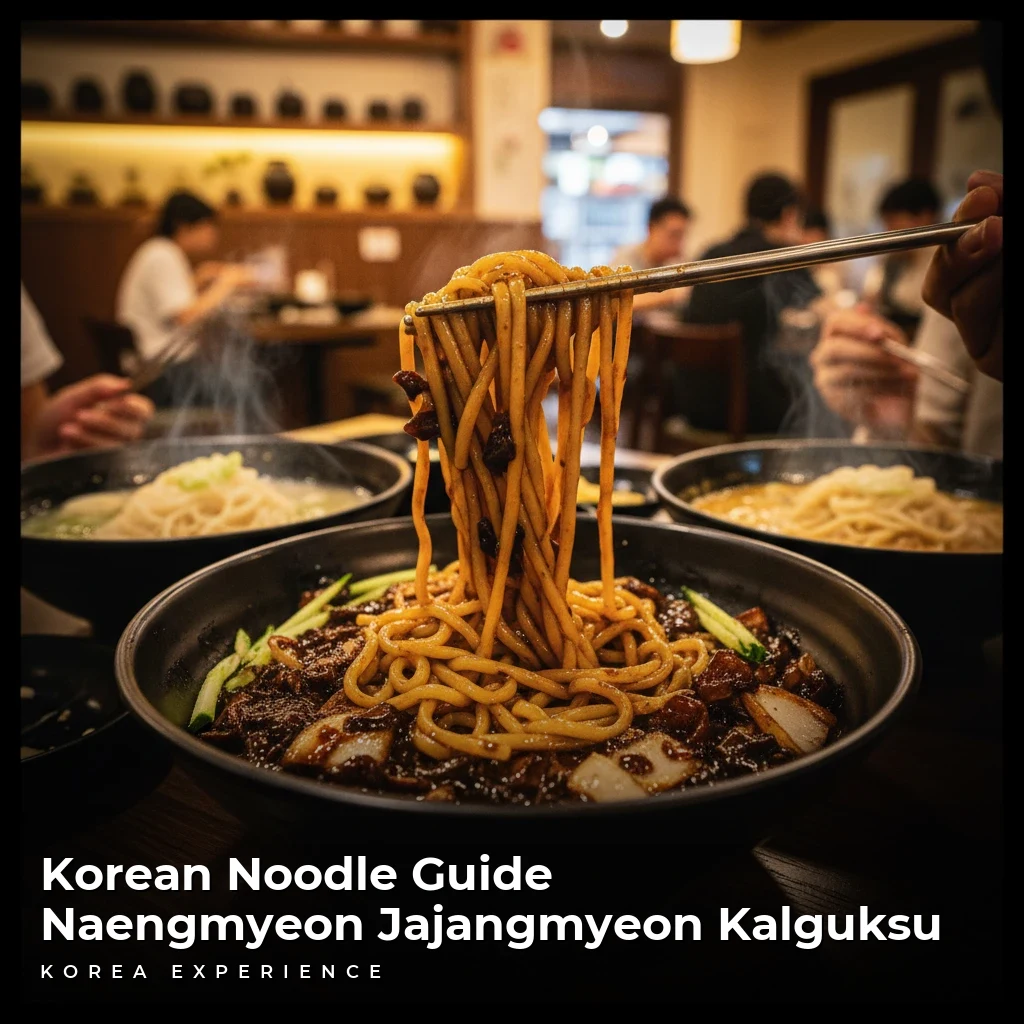
Beyond the sauce, the preparation and presentation of Jajangmyeon also evolved. While Zhajiangmian often involves mixing the sauce with the noodles and various raw or blanched vegetables (like cucumber, radish, or bean sprouts) at the table, Korean Jajangmyeon typically comes with the thick, glossy black sauce already generously coating the noodles. The inclusion of diced onions and sometimes potatoes, stir-fried until caramelized in the chunjang sauce, added further sweetness and texture. Pork, often diced, became a standard inclusion, contributing to the dish's hearty appeal.
The First Jajangmyeon Restaurant
Historical accounts point to Gonghwachun (공화춘) restaurant in Incheon Chinatown as the birthplace of the modern Jajangmyeon. Established in 1905 by a Chinese immigrant, this restaurant is credited with popularizing the dish with its unique Koreanized black bean sauce. The original Gonghwachun building, now preserved as a museum, stands as a testament to this culinary landmark. It was here that the sweeter, darker chunjang-based Jajangmyeon truly took root, solidifying its identity as a distinct Korean dish.
Here's a comparison of key differences between the original Chinese Zhajiangmian and Korean Jajangmyeon:
| Feature | Chinese Zhajiangmian | Korean Jajangmyeon |
|---|---|---|
| Main Sauce | Fermented soybean paste (tianmianjiang/huangjiang) | Chunjang (caramelized black bean paste) |
| Flavor Profile | Savory, salty, umami | Sweet, savory, umami, slightly richer |
| Color | Lighter brown, reddish-brown | Deep, glossy black |
| Consistency | Thinner, less oily | Thicker, glossy, often more oily |
| Ingredients | Ground pork/beef, various vegetables (cucumber, radish) | Diced pork, onions, sometimes potatoes, seafood (variants) |
| Serving Style | Sauce often served separately, mixed by diner | Sauce typically mixed with noodles, ready to eat |
Key Ingredients and Preparation: The Heart of Authentic Jajangmyeon
Understanding the core components and preparation methods is essential to appreciating the depth of flavor in authentic Jajangmyeon, especially when tasting it in its place of origin, Incheon Chinatown.
The Quintessential Chunjang
As discussed, chunjang is the soul of Jajangmyeon. This black bean paste undergoes a unique caramelization process, where it's stir-fried with oil, sugar, and sometimes other aromatics, intensifying its color and deepening its complex flavor profile. A good chunjang will have a balance of sweetness and umami, without being overly bitter or salty. The quality of chunjang directly impacts the final taste of the dish.
Noodles: The Perfect Vessel
Jajangmyeon noodles are typically thick, chewy, and made from wheat flour. Their robust texture is crucial, allowing them to withstand the heavy sauce without becoming mushy. The noodles must be perfectly cooked, offering a satisfying bite that complements the richness of the black bean sauce. Freshly made noodles, a hallmark of traditional Chinese-Korean restaurants, provide an unparalleled texture and flavor that machine-made varieties often lack.
The Art of the Sauce
The sauce preparation is an art. Diced pork, usually belly or shoulder, is stir-fried until crispy, releasing its fats and flavor. Onions, often in generous quantities, are then added and caramelized until translucent and sweet. This step is critical as it contributes significantly to the sauce's inherent sweetness. The prepared chunjang is then incorporated and simmered, often with a touch of broth, creating a thick, glossy, and intensely aromatic sauce. Some variations might include zucchini, cabbage, or potatoes, adding further texture and subtle flavor nuances.
The Cultural Impact and Popularity of Jajangmyeon in Korea
From its humble beginnings in Incheon Chinatown, Jajangmyeon rapidly transcended its immigrant roots to become one of Korea's most beloved and iconic dishes. Its journey to national fame is a testament to its deliciousness, affordability, and adaptability.
From Special Occasion to Everyday Comfort
Initially, Jajangmyeon was considered a luxury food, a special treat for children or a celebratory meal. Its relatively high price in post-war Korea made it a symbol of prosperity. However, as the Korean economy grew and ingredients became more accessible, Jajangmyeon's price dropped, making it widely affordable. It transformed into an everyday comfort food, a go-to for lunch, a quick dinner, or a late-night snack.
The Delivery Service Phenomenon
Jajangmyeon's popularity was further cemented by the ubiquitous Korean delivery service culture. Chinese-Korean restaurants were pioneers in the delivery business, utilizing motorcycles to swiftly bring hot bowls of noodles directly to homes and offices. This convenience made Jajangmyeon synonymous with speedy, satisfying meals, especially on rainy days or during move-in days. The unique "delivery-on-foot" culture often seen in Korean dramas, where the delivery person carries trays of dishes, is largely attributed to Jajangmyeon.
A Dish for All Ages
Jajangmyeon appeals to all generations. Children love its mild, sweet flavor, making it a favorite family meal. For adults, it evokes nostalgia, reminding them of childhood birthdays, school graduations, or family outings. It is often the first dish many foreigners try in Korea, thanks to its approachable flavors and widespread availability. This universal appeal highlights its deep integration into the fabric of Korean society.
Jajangmyeon and the Media
Jajangmyeon frequently appears in Korean dramas, films, and variety shows, further solidifying its cultural status. Scenes of characters eating Jajangmyeon often signify comfort, camaraderie, or even moments of despair. This constant portrayal in popular media ensures its continued relevance and introduces it to new audiences globally, sparking curiosity among international travelers to try this distinctive Korean dish.
Experiencing Jajangmyeon in Incheon Chinatown Today
Visiting Incheon Chinatown is not just about eating Jajangmyeon; it is about immersing yourself in the history and culture that birthed this iconic dish. The district offers a unique blend of historical charm and modern vibrancy, making it an essential stop for any food-loving traveler.
Historic Restaurants and Their Legacy
When in Incheon Chinatown, seeking out the oldest and most renowned Jajangmyeon establishments is a must. These restaurants often boast a century-long history, passed down through generations of Chinese-Korean families.
- Gonghwachun (공화춘): While the original building is now a museum, a new Gonghwachun restaurant operates nearby, claiming to uphold the original's legacy. It's often bustling with tourists eager to taste the "original" Jajangmyeon recipe. Expect a wait, especially on weekends. Prices for a standard bowl of Jajangmyeon typically range from 7,000 to 10,000 Korean Won (KRW).
- China Town (차이나타운): Another historic establishment, often cited for its authentic flavors and generous portions. It's a great alternative if Gonghwachun is too crowded, offering a similar traditional experience. Expect similar pricing.
- Manseongjang (만성장): Known for its rich, robust Jajangmyeon sauce and often praised by locals for its consistent quality.
When dining, don't just stick to the basic Jajangmyeon. Explore variations like Ganju Jajangmyeon (간짜장), which serves the sauce separately from the noodles, allowing you to mix it to your preference, often featuring more vegetables and a slightly drier texture. Or try Samseon Jajangmyeon (삼선짜장), which incorporates various seafood, adding a different dimension of flavor.
Beyond Jajangmyeon: Other Culinary Delights
While Jajangmyeon is the star, Incheon Chinatown's culinary scene extends far beyond. Many restaurants also excel in Jjambbong (짬뽕), a spicy seafood noodle soup, which offers a contrasting yet equally satisfying experience. Other popular Chinese-Korean dishes include Tangsujeuk (탕수육), sweet and sour pork, and various stir-fried dishes. Exploring these dishes alongside Jajangmyeon offers a fuller appreciation of the fusion cuisine.
| Restaurant Name | Signature Jajangmyeon | Vibe/Atmosphere | Average Price (KRW) | Notes |
|---|---|---|---|---|
| Gonghwachun (new) | Original/Traditional Jajangmyeon | Bustling, popular, tourist-focused | 8,000-12,000 | Long queues expected, try Ganju Jajangmyeon for a different experience |
| China Town | Authentic, hearty Jajangmyeon | Classic, less crowded than Gonghwachun | 7,000-11,000 | Often praised by locals, good for families |
| Manseongjang | Rich, robust-flavored Jajangmyeon | Traditional, focused on food quality | 7,500-11,500 | Known for consistent quality and deeply flavored sauce |
| Yeongyeong | Modern twists, various Jajangmyeon types | Upscale, spacious, good for groups | 9,000-15,000 | Offers a wider menu beyond just noodles, often with unique seasonal items |
Beyond the Original: Varieties and Modern Interpretations
While the traditional Incheon Chinatown Jajangmyeon offers a classic experience, the dish has evolved significantly, spawning numerous variations and modern interpretations across Korea.
Popular Jajangmyeon Variations
- Ganju Jajangmyeon (간짜장): As mentioned, this "dry" Jajangmyeon features a sauce served separately, typically without added water or broth, resulting in a thicker, more concentrated flavor. It often contains more visible chunks of meat and vegetables.
- Samseon Jajangmyeon (삼선짜장): "Samseon" means three fresh ingredients, traditionally referring to three types of seafood. This version is packed with various seafood like shrimp, squid, and mussels, adding a refreshing marine flavor to the rich black bean sauce.
- Jjajangbap (짜장밥): For those who prefer rice over noodles, Jjajangbap is the Jajangmyeon sauce served over a bowl of rice, often accompanied by a fried egg.
- Jja-Jja-Ramyeon (짜짜라면): A home-cooked or instant noodle version, where chunjang is fried with ingredients and added to ramen noodles. This is distinct from instant Jajangmyeon packets, which typically use a powdered sauce.
Fusion and Modern Takes
Chefs across Korea continue to innovate with Jajangmyeon, incorporating it into fusion dishes or creating contemporary versions that cater to evolving tastes.
- Cream Jajangmyeon: A surprising but popular fusion dish, where a creamy sauce, sometimes mixed with a hint of chunjang, offers a milder, richer profile reminiscent of cream pasta.
- Jajangmyeon with Cheese: Adding melted cheese, often mozzarella, on top of Jajangmyeon creates a gooey, savory experience that appeals to younger generations.
- Vegetarian Jajangmyeon: With growing demand for plant-based options, some restaurants offer vegetarian Jajangmyeon using mushroom-based broths and vegetable substitutes for meat, without compromising on the authentic chunjang flavor.
- Spicy Jajangmyeon: For those who crave heat, some eateries offer spicy Jajangmyeon, incorporating chili flakes or chili oil into the sauce, adding a fiery kick to the traditional sweetness.
| Jajangmyeon Type | Key Characteristics | Target Audience |
|---|---|---|
| Traditional Jajangmyeon | Sweet, savory black bean sauce, diced pork, onions | Classic lovers, first-timers |
| Ganju Jajangmyeon | Sauce served separately, drier, more concentrated flavor | Those who prefer a richer, less soupy experience |
| Samseon Jajangmyeon | Includes various seafood (shrimp, squid, mussels) | Seafood lovers, those seeking a lighter taste |
| Jjajangbap | Black bean sauce served over rice, often with fried egg | Rice enthusiasts, gluten-sensitive (if noodles avoided) |
| Cream Jajangmyeon | Creamy, milder sauce, fusion taste | Adventurous eaters, those who prefer less intense flavors |
Practical Tips for Visiting Incheon Chinatown
To make your visit to Incheon Chinatown and your Jajangmyeon experience truly memorable, here are some practical tips and insider knowledge.
Getting There
- Subway: The easiest way to reach Incheon Chinatown from Seoul is by subway. Take Line 1 to Incheon Station (the final stop). Chinatown's main gate is right across the street from the station. The journey takes approximately 1 hour from central Seoul.
- Bus: Several bus routes also connect Incheon Chinatown to various parts of Incheon and neighboring cities.
Best Time to Visit
- Weekdays: For a less crowded experience, visit during weekdays, especially outside of lunch and dinner rush hours.
- Spring and Autumn: The weather is most pleasant during these seasons (April-May and September-October), ideal for exploring the outdoor attractions.
- Cherry Blossom Season: If you visit in spring, you might catch the cherry blossoms, adding to the scenic beauty.
What Else to See and Do
Incheon Chinatown is more than just a food destination. Make sure to allocate time to explore its charming streets and cultural sites:
- Jajangmyeon Museum: Housed in the original Gonghwachun building, this museum offers a fascinating look into the history of Jajangmyeon, its evolution, and the lives of early Chinese immigrants. Entry fee is typically around 1,000 KRW.
- Samgukji Mural Street (三国志壁画街): A long, winding alley adorned with vibrant murals depicting scenes from the classic Chinese novel "Romance of the Three Kingdoms."
- Fairytale Village (동화마을): Located adjacent to Chinatown, this whimsical village is decorated with murals and sculptures inspired by popular fairytales, perfect for families and photo opportunities.
- Jayu Park (자유공원): Korea's first Western-style park, offering panoramic views of Incheon Port and the city. It's home to a statue of General Douglas MacArthur.
- China Street Market: Explore the various shops selling Chinese goods, snacks, and souvenirs. Try some Gonggalppang (공갈빵), a hollow Chinese bread.
Insider Food Tips
- Don't just stick to one restaurant: If you have time, try Jajangmyeon from a couple of different places to compare flavors and find your favorite.
- Order a combo: Many Chinese-Korean restaurants offer combo meals that include Jajangmyeon, Jjambbong, and Tangsujeuk, allowing you to sample multiple dishes.
- Eat with Kimchi: While not traditionally Chinese, Koreans often eat Jajangmyeon with kimchi or pickled radishes (danmuji) to cut through the richness. Most restaurants provide these as complimentary side dishes.
- Don't forget the Vinegar: A splash of vinegar can sometimes enhance the flavor of Jajangmyeon, balancing the sweetness.
Frequently Asked Questions about Incheon Chinatown Jajangmyeon
Q1: Is Jajangmyeon originally Korean or Chinese?
A1: Jajangmyeon originated from the Chinese dish Zhajiangmian. However, it was significantly adapted and developed in Incheon Chinatown by early Chinese immigrants to suit Korean tastes, particularly through the use of chunjang (caramelized black bean paste), making it a distinctly Koreanized Chinese dish.
Q2: What is the main difference between Jajangmyeon and Zhajiangmian?
A2: The primary difference lies in the sauce. Jajangmyeon uses chunjang, which is a sweeter, thicker, and glossier black bean paste made from caramelized black beans. Zhajiangmian typically uses a saltier, less sweet fermented soybean paste. Jajangmyeon also tends to be served with the sauce pre-mixed on the noodles, while Zhajiangmian often has the sauce served separately.
Q3: Can I find vegetarian Jajangmyeon in Incheon Chinatown?
A3: While traditional Jajangmyeon usually contains pork, some modern restaurants, especially those catering to a broader clientele, might offer vegetarian versions. It's best to check with individual restaurants or look for specialized vegetarian eateries. Be aware that traditional chunjang itself may not be vegetarian due to common processing methods.
Q4: What is the Jajangmyeon Museum?
A4: The Jajangmyeon Museum in Incheon Chinatown is dedicated to the history and evolution of the Jajangmyeon dish. It is housed in the original Gonghwachun building, one of the oldest Chinese restaurants in Korea, offering exhibits on Chinese immigration, the culinary development of Jajangmyeon, and its cultural impact.
Q5: What other dishes should I try in Incheon Chinatown besides Jajangmyeon?
A5: Besides Jajangmyeon, you should definitely try Jjambbong (spicy seafood noodle soup) and Tangsujeuk (sweet and sour pork). Many restaurants offer these, and they perfectly complement the flavors of Jajangmyeon. Don't forget to explore the various Chinese snacks and street food available throughout the district.
Conclusion: A Culinary Legacy in Every Bite
The story of Incheon Chinatown Jajangmyeon origins is a captivating narrative of cultural fusion, culinary adaptation, and the enduring power of food to connect people and history. From its humble beginnings as a comforting meal for Chinese immigrants, Jajangmyeon has evolved into a national dish, deeply woven into the fabric of Korean culture. Its journey from Zhajiangmian to the beloved black bean noodles we know today is a testament to the ingenuity and resilience of the community in Incheon Chinatown.
As an international traveler, a visit to Incheon Chinatown offers more than just a delicious meal; it's an opportunity to step back in time, explore a unique historical district, and taste a piece of living history. Whether you're savoring a traditional bowl at a century-old restaurant or exploring a modern variation, each bite of Jajangmyeon tells a story of cross-cultural exchange and culinary innovation.
We encourage you to embark on this gastronomic adventure to Incheon, explore the vibrant streets of its Chinatown, and experience the rich legacy of Jajangmyeon firsthand. It's a journey that promises not only delightful flavors but also a deeper understanding of Korea's diverse culinary heritage. For more insights into Korean food and travel, be sure to explore our other guides on topics such as "Seoul's Best Street Food Markets" or "Exploring Gyeongbokgung Palace and Traditional Korean Cuisine." Your next Korean culinary adventure awaits!
About the Author
Korea Experience Team
Written by the Korea Experience editorial team - experts in Korean medical tourism, travel, and culture with years of research and firsthand experience.
⚠️ Medical Disclaimer
The information provided on this website is for general informational purposes only and does not constitute medical advice. Always consult with qualified healthcare professionals before making any medical decisions.
Continue Reading
Explore more articles you might find interesting
Discover Seoul's top Michelin Star Korean restaurants in 2026, offering unparalleled gastronomic experiences for international foodies.
Explore the rich, diverse world of Korean fermented foods beyond the popular trio. Discover lesser-known culinary treasures, their history, health benefits, and where to find them.
Discover Seoul's unique vegan temple food classes in 2026, learning ancient culinary traditions and mindful eating from Buddhist monks. Plan your immersive journey.