Korean Noodle Guide Naengmyeon Jajangmyeon Kalguksu
Discover the ultimate Korean noodle guide covering Naengmyeon, Jajangmyeon, and Kalguksu. Learn where to eat, how to order, and local etiquette tips.
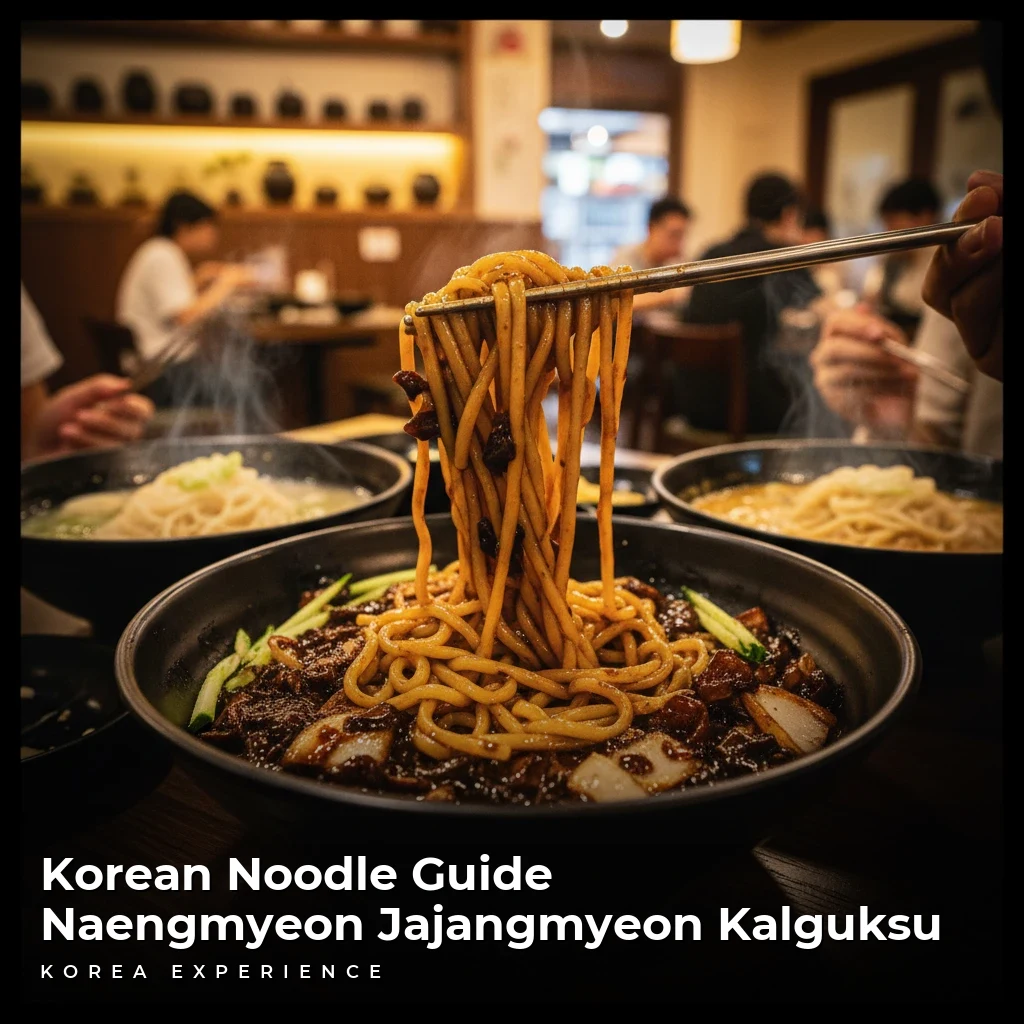
While Korean BBQ and Kimchi often steal the international spotlight, the true soul of Korean cuisine lies in its noodles. For travelers and expats, navigating the vast world of myeon (noodles) can be overwhelming. This comprehensive Korean Noodle Guide Naengmyeon Jajangmyeon Kalguksu breaks down the "Big Three" noodle dishes that define Korea's culinary landscape.
Whether you are looking for an icy reprieve from the humid summer heat, a comforting savory black bean dish, or a warming handmade knife-cut noodle soup, understanding these three pillars of Korean dining is essential. In Seoul alone, there are over 24,000 registered noodle specialty restaurants as of 2025, proving just how integral these dishes are to daily life.
Learn more in our comprehensive guide to Incheon chinatown jajangmyeon origins the black noodle hi....
Key Takeaways
- 1Naengmyeon is a summer staple served at near-freezing temperatures (0-4°C)
- 2Jajangmyeon is the most popular delivery food with 7 million bowls sold daily
- 3Kalguksu features handmade knife-cut noodles often costing under ₩10,000
The Icy Delicacy: Naengmyeon (Cold Buckwheat Noodles)
Naengmyeon is perhaps the most unique entry in our Korean Noodle Guide Naengmyeon Jajangmyeon Kalguksu. Originally a winter delicacy from North Korea, it has evolved into the South's favorite summer survival food. The defining characteristic of this dish is the temperature; the broth is served slushy, often containing actual ice chips, keeping the liquid between 0°C and 4°C.
You might also enjoy our article about Best Korean Ramyeon Guide Top Instant Noodle Brands.
Varieties: Mul-Naengmyeon vs. Bibim-Naengmyeon
There are two primary ways to enjoy these buckwheat noodles. Mul-naengmyeon (water noodles) comes in a tangy, icy broth usually made from beef brisket or dongchimi (radish water kimchi). Bibim-naengmyeon (mixed noodles) is served without broth, covered instead in a spicy red chili paste (gochujang).
Related reading: Korean summer noodles cold buckwheat naengmyeon vs spicy ....
The noodles themselves are distinctively chewy and long, traditionally symbolizing longevity. Because they are made with a high percentage of buckwheat starch (often ranging from 70% to 100% in premium establishments), they are elastic and difficult to bite through.
📋 Naengmyeon Facts
The Pyongyang vs. Hamhung Debate
True connoisseurs distinguish between regional styles. Pyongyang-style naengmyeon features thicker noodles made with high buckwheat content and a deceptively bland beef broth that reveals complex flavors upon the third or fourth taste. Conversely, Hamhung-style uses thinner noodles made from potato or sweet potato starch, making them rubbery and chewy, usually served spicy (Bibim style).
A standard serving of Naengmyeon contains approximately 450 to 550 calories, making it a lighter option compared to other Korean staples.
Regional Noodle Styles
| Feature | Pyongyang Style | Hamhung Style |
|---|---|---|
| Main Ingredient | Buckwheat | Potato/Sweet Potato Starch |
| Texture | Brittle, rough | Chewy, elastic |
| Standard Serving | Water Broth (Mul) | Spicy Sauce (Bibim) |
| Price Tier | Premium ($$$) | Standard ($$) |
The Scissor Rule
When your Naengmyeon arrives, the server will often ask if you want the noodles cut. If you are a beginner, say "Yes" (Ne). The long buckwheat strands can be surprisingly difficult to chew and swallow without cutting them once or twice crosswise.
How to Eat Naengmyeon Like a Local
- Taste the Broth First: Before adding condiments, sip the broth to appreciate the base flavor.
- Seasoning: Most tables provide vinegar (sikcho) and spicy mustard (gyeoja). A common ratio is two swirls of vinegar and one dollop of mustard.
- The Egg: You will find half a hard-boiled egg on top. Eat this first to coat your stomach, protecting it from the potential acidity of the spicy sauce or the shock of the cold broth.
The National Comfort Food: Jajangmyeon (Black Bean Noodles)
If Naengmyeon is the sophisticated summer treat, Jajangmyeon is the people's comfort food. While technically part of Korean-Chinese cuisine, it is thoroughly Koreanized. On any given day in Korea, statistics show that roughly 7 million bowls of Jajangmyeon are consumed, which is equivalent to 1 in every 7 Koreans eating it daily.
Origins and Ingredients
Originating from Incheon Chinatown in the early 20th century, Jajangmyeon consists of thick, hand-pulled or machine-made wheat noodles topped with a dense sauce made from chunjang (fried salty black soybean paste), diced pork, onions, and zucchini.
Jajangmyeon Through History
Invention
Created at Gonghwachun in Incheon Chinatown
Mass Appeal
Wheat aid from US lowers noodle prices post-war
Delivery King
Standard delivery time is under 30 minutes
The "Black Day" Phenomenon
Jajangmyeon has significant cultural weight. It is the designated food for "Black Day" (April 14th), an unofficial holiday where singles who did not receive gifts on Valentine's Day or White Day gather to eat black noodles and commiserate.
The average price of Jajangmyeon is highly accessible, usually ranging between ₩7,000 and ₩9,000 ($5-$7 USD), making it one of the most affordable full meals available in the country.
📖 How to Mix Jajangmyeon
Step 1: Assess the Sauce
The sauce is usually poured on top. It is thick and heavy.
Step 2: Two-Hand Method
Use a chopstick in each hand. Dive into the noodles and lift/separate repeatedly.
Step 3: The Gloss Check
Mix until every white noodle strand is coated in black sauce. It should look glossy.
Always order 'Tangsuyuk' (Sweet and Sour Pork) alongside your Jajangmyeon. Most restaurants offer a 'Set Menu' (Set A or B) that includes two bowls of noodles and a plate of pork for about ₩28,000. It is the classic combination.
The Warm Hug: Kalguksu (Knife-Cut Noodles)
Rounding out our Korean Noodle Guide Naengmyeon Jajangmyeon Kalguksu is the heartwarming Kalguksu. The name literally translates to "knife noodles" (kal = knife, guksu = noodles). Unlike the extruded noodles of Naengmyeon or Jajangmyeon, these are cut by hand from a flat dough, resulting in a rustic, uneven texture that grips broth perfectly.
The Broth and Styles
Kalguksu is defined by its broth, which is typically simmered for 6 to 12 hours. The most common varieties include:
- Dak-kalguksu: Chicken broth, popular in Ilsan.
- Haemul-kalguksu: Seafood broth with clams and shrimp, popular in coastal areas like Incheon and Busan.
- Sagol-kalguksu: Beef bone broth, famous in the Andong region.
A standard bowl is voluminous. Restaurants pride themselves on portion sizes, often serving 800g to 1kg of food (broth included) per bowl.
Kalguksu Dining
- ✓Incredibly filling portions
- ✓Usually includes unlimited Kimchi
- ✓Comforting in winter/rainy season
- ✗Can be very hot (temperature)
- ✗Waiting lines at famous spots exceed 45 mins
- ✗High sodium content
The Kimchi Connection
You cannot discuss Kalguksu without discussing Kimchi. Kalguksu restaurants are judged as much by their Geotjeori (fresh, unfermented kimchi) as they are by their noodles. This specific type of kimchi is made fresh daily with high amounts of garlic and chili powder to cut through the rich, starchy broth.
📊 Kalguksu Economics
Where to Eat: Top Recommendations
Finding the best spot is crucial for the Korean Noodle Guide Naengmyeon Jajangmyeon Kalguksu experience. Here are three legendary establishments representing the pinnacle of each noodle type.
Best for Naengmyeon: Woo Lae Oak
Located in the historic district of Jung-gu, this establishment has been serving Pyongyang-style noodles since 1946. It is a Michelin Bib Gourmand recipient.
Woo Lae Oak(Woo Lae Oak)
Best for Jajangmyeon: Gonghwachun
To taste history, you must travel to Incheon Chinatown. Gonghwachun is widely credited as the birthplace of Jajangmyeon. While the original building is now a museum, the operating restaurant continues the legacy.
Gonghwachun(Gonghwachun)
Best for Kalguksu: Myeongdong Kyoja
A legendary establishment in the heart of Seoul's shopping district. They have served the same menu since 1966 and hold a Michelin Bib Gourmand distinction. Their broth is thick, chicken-based, and garnished with wontons.
Myeongdong Kyoja(Myeongdong Kyoja)
Price Comparison and Budgeting
Travelers planning their food budget should note that noodle dishes are generally cheaper than BBQ or Set Meals (Hanjeongsik), but prices have risen by approximately 15% over the last two years due to inflation in flour costs.
💵 Noodle Price Guide (2025/2026)
Famous historic restaurants
Local delivery spots
Payment Tips
While major restaurants accept international credit cards (Visa/Mastercard), smaller neighborhood noodle shops often prefer local cards or cash. Always carry ₩20,000 in cash just in case.
Practical Tips for the International Traveler
When embarking on your Korean Noodle Guide Naengmyeon Jajangmyeon Kalguksu journey, keep these cultural nuances in mind to blend in with the locals.
The Sound of Enjoyment
In many Western cultures, slurping is rude. In Korea, slurping your noodles is not only acceptable but encouraged. It serves a practical purpose: it cools the noodles down as they enter your mouth (vital for hot Kalguksu) and aerates the food, enhancing the flavor profile.
Delivery Culture
If you are staying in an Airbnb or a hotel that allows delivery, ordering Jajangmyeon is a quintessential Korean experience. You can use apps like Baedal Minjok or Coupang Eats (which now offers English support). Delivery is incredibly fast, often arriving within 20 minutes of placing the order.
Dietary Restrictions
- Vegetarians: Be careful. Even if a dish looks vegetarian, broths are almost always animal-based. Jajangmyeon sauce usually contains pork fat. You must specifically search for temple cuisine restaurants or vegan-certified spots.
- Gluten-Free: Despite Naengmyeon being "buckwheat noodles," most contain wheat flour for elasticity. Pure 100% buckwheat noodles (Sun-myeon) are rare and usually clearly marked.
❓ Frequently Asked Questions
Have more questions?Contact us →
Conclusion
Exploring the "Big Three" of the Korean Noodle Guide Naengmyeon Jajangmyeon Kalguksu offers a delicious window into Korean history, geography, and daily life. From the icy, sophisticated bowls of the North (Naengmyeon) to the industrious, hearty plates of the port cities (Jajangmyeon) and the comforting, handmade warmth of the countryside (Kalguksu), there is a noodle dish for every season and every mood.
As you travel through Korea, don't just treat these meals as quick pit stops. Listen to the rhythmic chopping of the knife at a Kalguksu stall, watch the mesmerizing wok skills at a Chinese-Korean restaurant, and feel the refreshing chill of a brass Naengmyeon bowl on a humid August afternoon. These are the experiences that make a trip to Korea truly unforgettable.
About the Author
Korea Experience Team
Written by the Korea Experience editorial team - experts in Korean medical tourism, travel, and culture with years of research and firsthand experience.
Explore more in Food & Dining
Korean BBQ, street food, Michelin restaurants, and regional specialties — your ultimate guide to eating well in Korea.
Browse All Food & Dining ArticlesContinue Reading
Explore more articles you might find interesting
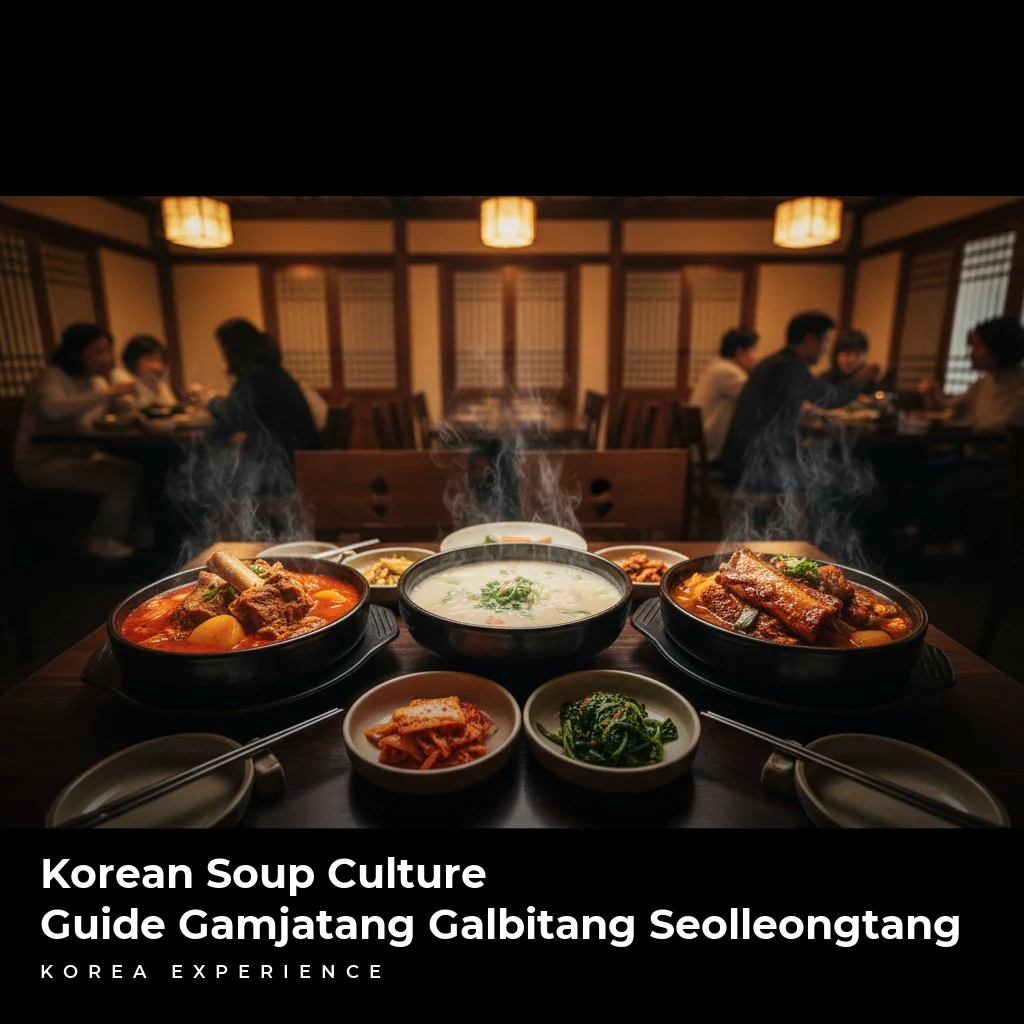
Discover the heart of Korean dining with our deep dive into Gamjatang, Galbitang, and Seolleongtang. Learn where to eat, how to order, and local etiquette.

Discover top makgeolli brewery tastings in Korea for 2026. Learn how to book premium 12 percent ABV craft flights from 30,000 KRW without a local phone number.
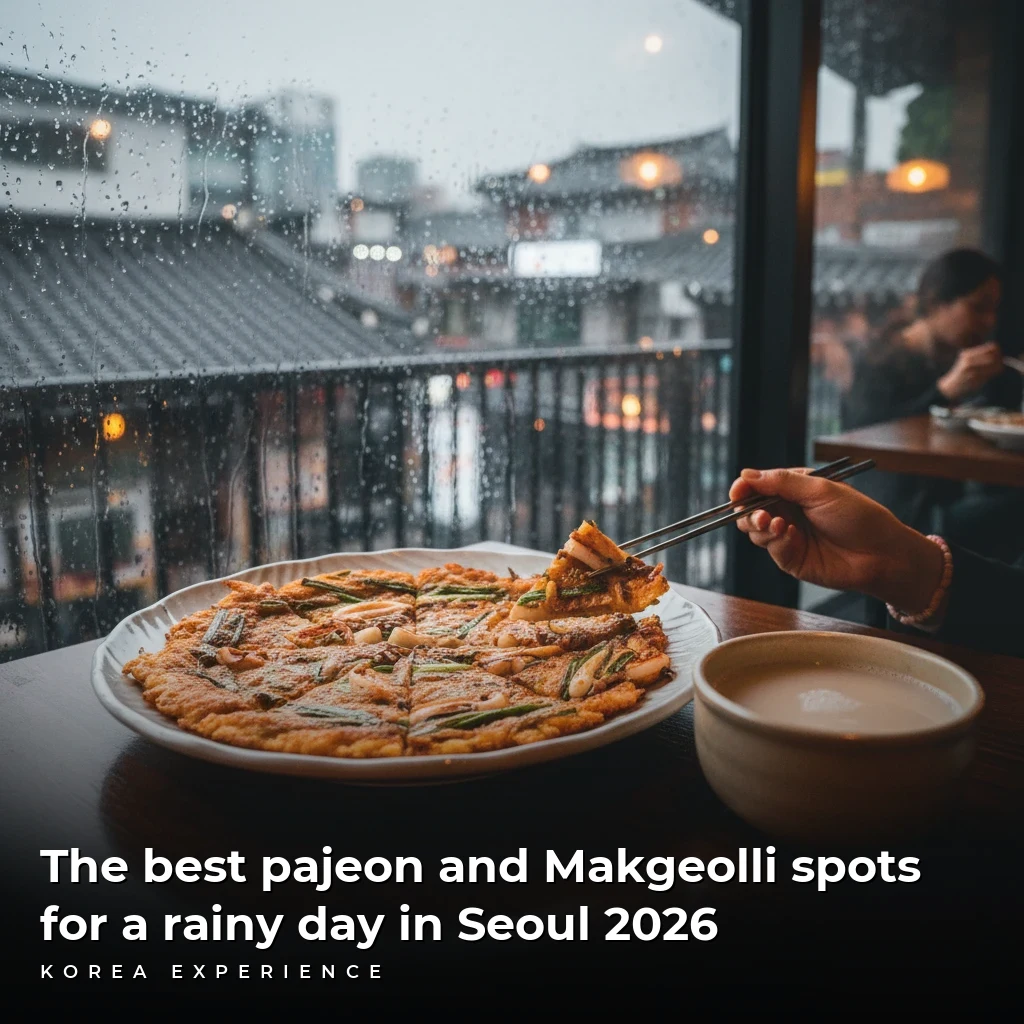
Discover the ultimate guide to savory pancakes and rice wine in Seoul. Top spots, craft brews, and local tips for a perfect rainy day experience.
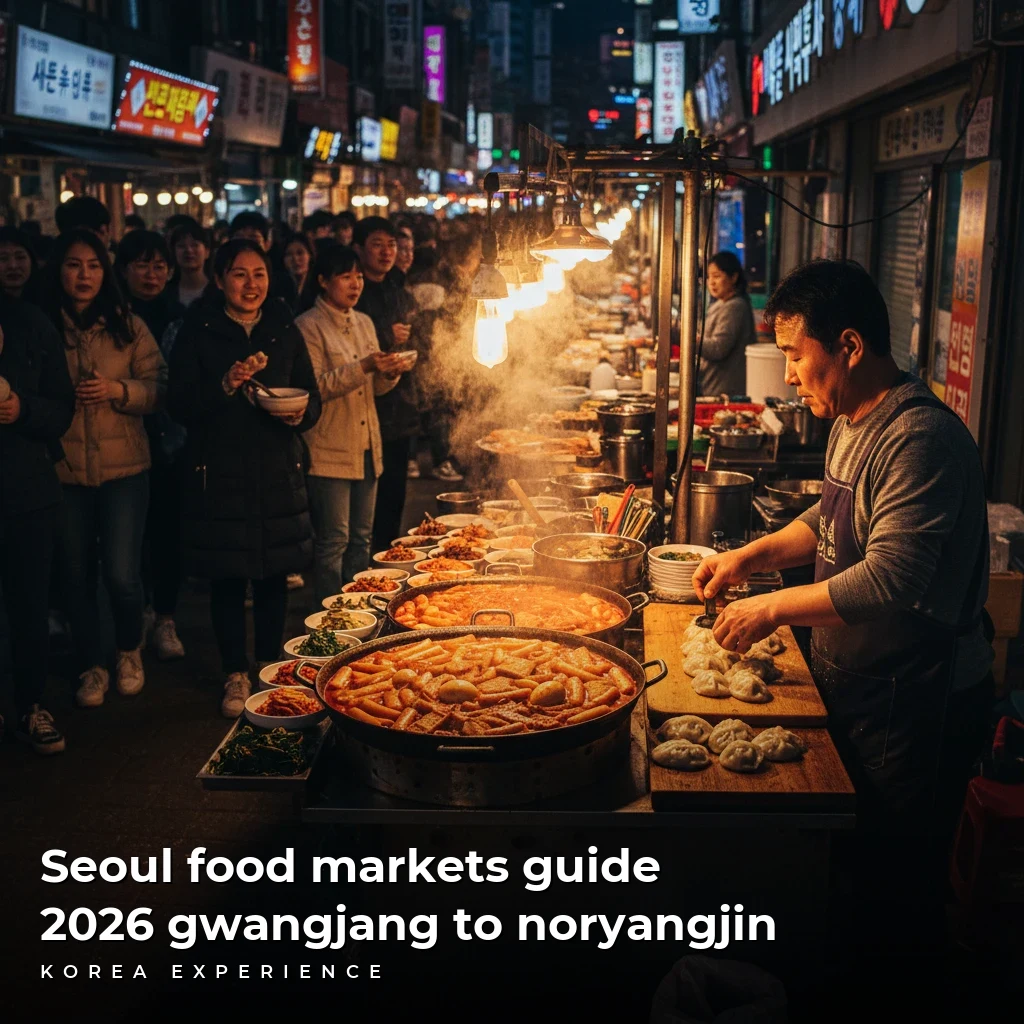
The ultimate 2026 guide to Seoul traditional markets. Discover prices, hidden stalls, and expert tips for Gwangjang, Noryangjin, and local favorites.
Discover the authentic charm of Korea's pojangmacha. A complete guide to tent bar locations, menu prices, etiquette, and tips for 2026.
Discover the ultimate guide to Mokpo seafood specialties octopus and skate. Learn where to eat, how to order, and the costs of these Korean delicacies.