Top kid friendly restaurants with play areas in Korea
Discover the best family dining spots in Korea featuring large playrooms, safe menus, and verified facilities for stress-free meals with children.
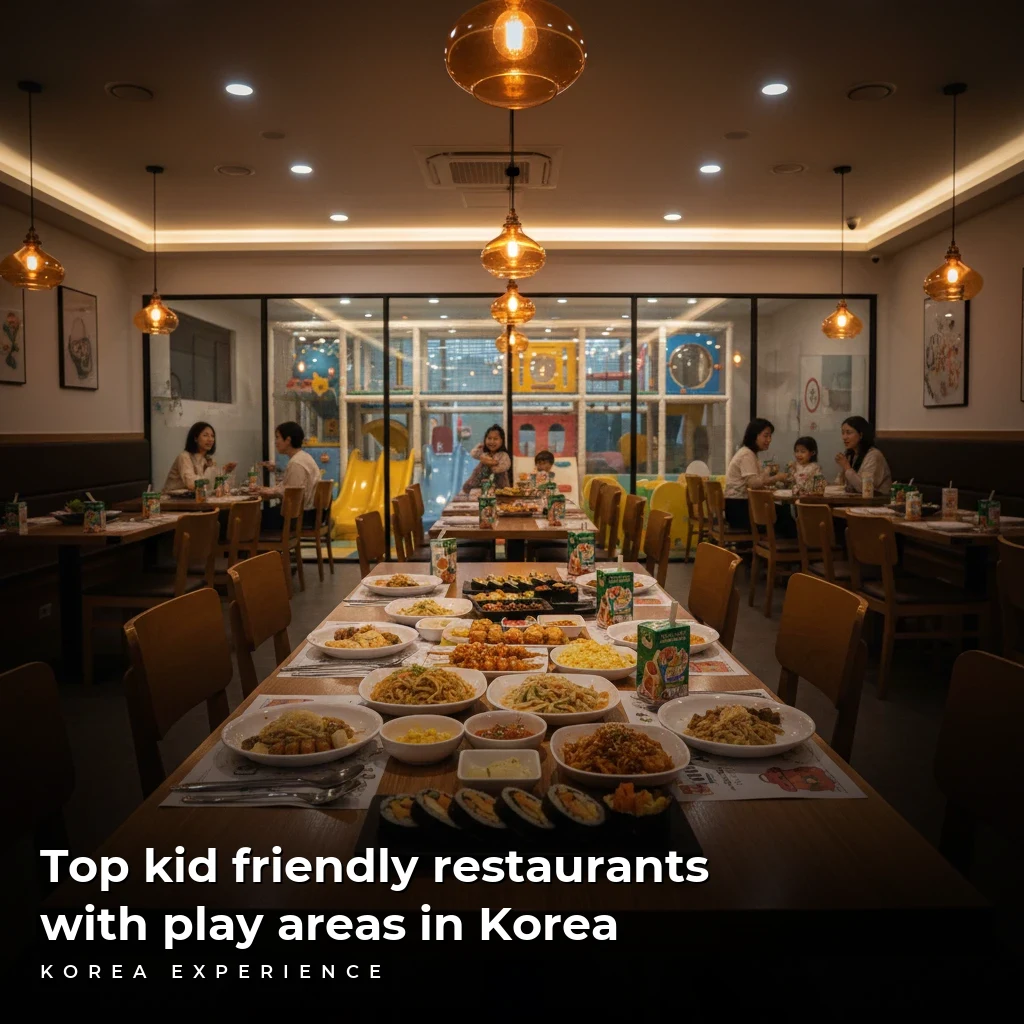
Traveling to Korea with children offers a unique set of joys and challenges, particularly when it comes to dining. While the country is renowned for its culinary scene, navigating meal times with energetic toddlers or bored elementary schoolers can be daunting. Fortunately, Korea has perfected the art of the "Yes Kids Zone," offering a plethora of kid-friendly restaurants with play areas that rival small theme parks.
Related reading: Andong Jjimdak best restaurants in the hometown guide.
In Seoul and its surrounding metropolitan areas, the concept of family dining has evolved beyond high chairs and crayons. Here, you will find restaurants integrating massive indoor jungle gyms, trampolines, and interactive media zones directly into the dining space. This allows parents to enjoy a hot meal—be it Korean BBQ, Italian pasta, or a traditional stew—while keeping an eye on their children through glass partitions or CCTV monitors.
Related reading: Best Korean BBQ Restaurants in Seoul 2026 Ultimate Guide.
Key Takeaways
- 1Korean family restaurants often feature 'Nori-bang' (playrooms) that rival paid indoor playgrounds in quality and size.
- 2Most play-centric restaurants charge a small admission fee (approx. 5,000-₩8,000) or require a minimum food order per adult.
- 3Leading family chains like Ibadom and VIPS offer the most consistent amenities for travelers.
Cultural Context
In Korea, you might hear the term "No-Kids Zone" referenced in media. While approximately 500 establishments across the country restrict children, there is a rapidly growing counter-movement of "Yes Kids Zones" and "Welcome Kids Zones" that actively cater to families with dedicated facilities.
Understanding the Korean Family Dining Landscape
Before diving into specific recommendations, it is crucial to understand the two main categories of kid-friendly dining in Korea. The distinction often determines the quality of the food versus the quality of the play.
- Kids Cafes: These are primarily indoor playgrounds that serve food. The focus is 70% play, 30% food. While the facilities are world-class, the food is often simple café fare (pizza, pilaf, tteokbokki).
- Restaurants with Playrooms (Nori-bang): These are legitimate restaurants (BBQ, Stew, Buffet) that happen to have a substantial play area attached. The focus is 70% food, 30% play.
For foodies who want an authentic Korean meal without sacrificing child entertainment, the second category is your target. In 2025, data showed a 15% increase in traditional Korean restaurants retrofitting spaces to include play zones to attract young families.
📋 Dining Standards
The Heavy Hitter: Ibadom Gamjatang
If you ask any Korean parent where to go for a stress-free meal involving soup and play structures, the answer is almost unanimously Ibadom Gamjatang. This franchise is legendary not for its Potato Pork Bone Soup (Gamjatang) alone, but for its massive "Kids Lands."
Ibadom locations are strategically designed. The restaurant floor is usually separated into "Family Zones" (near the playroom) and "Business Zones" (quiet areas). The play areas in their larger branches often exceed 100 square meters (approx. 1,000 sq ft), featuring trampolines, ball pits, and arcade games.
The Experience
The signature dish is a spicy pork bone stew, but for children who cannot handle spice, they offer a specific "Kids Menu" featuring Pork Cutlet (Donkatsu) or Ham and Egg Rice.
Ibadom Gamjatang (Samsan Branch)(Ibadom Gamjatang)
At Ibadom, always sit in the 'Family Section.' The tables here have monitors that cycle through CCTV feeds of the playroom interior. You can eat your hot soup while watching your kids on screen. It is a game-changer for safety.
Premium Buffet Chains: VIPS and Ashley Queens
For families with diverse palates or picky eaters, Korean buffet chains are a safe and high-quality option. Unlike standard buffets in the West, Korean premium buffets like VIPS and Ashley Queens maintain high culinary standards, offering everything from fresh sashimi and steak to DIY waffle stations.
VIPS (Premier)
VIPS focuses on a salad bar concept that includes smoked salmon, fried chicken, tacos, and unlimited beer/wine in some packages. Many VIPS locations in residential areas (like Mokdong, Jamsil, and Pangyo) feature dedicated playrooms.
Ashley Queens (Value)
Ashley Queens offers a wider variety of foods, including sushi, Chinese cuisine, and extensive dessert sections. While their play areas are generally smaller than VIPS, the price point is significantly more attractive.
💵 Buffet Comparison (Weekend Dinner)
Steak available, wine included
Wider variety, great dessert
Booking Strategy
These buffets are incredibly popular on weekends. Waiting times can exceed 60 minutes. Download the 'Naver Map' app or 'CatchTable' app to check wait times or make reservations in advance.
The Luxury Hybrid: Lilliput
Lilliput bridges the gap between a restaurant and a Kids Cafe. It markets itself as a "Premium Kids Cafe & Restaurant," but the food quality is high enough to be considered a dining destination. The interiors are often designed with Italian marble, gold accents, and pastel tones, making it Instagram-famous among trendy Korean mothers.
The menu features Gorgonzola pizza, truffle oil pasta, and rucola salads—far removed from the typical frozen nuggets found in standard play centers. The play staff (often referred to as "teachers") actively play with the children, giving parents a rare moment of peace.
Lilliput (Cheongdam Flagship)(Lilliput)
Cost Analysis for Lilliput
The pricing structure here is distinct. You pay an admission fee for the child (approx. ₩20,000 for 2 hours), and adults must order one meal or beverage (usually 15,000 - ₩25,000). While a family of three might spend around ₩70,000 ($52 USD), the service level justifies the cost for many travelers.
K-BBQ With Playrooms: The Holy Grail
Eating Korean BBQ with active children is often considered dangerous due to the hot charcoal grills (soot-bul) and sizzling plates. However, several BBQ chains have mitigated this risk by installing massive playrooms to distract children while the meat cooks.
Chon-Jang-Gol and Galbi-Kkot are two franchises often found in the Gyeonggi-do province (surrounding Seoul) that specialize in marinated beef ribs (Galbi) and feature extensive play facilities.
📖 How to Enjoy K-BBQ with Kids Safely
Step 1: Choose the Right Table
Request a table far from the main aisle but close to the playroom glass. Avoid high-traffic areas where hot coals are carried.
Step 2: Order Non-Spicy Meat
Start with 'Yang-nyeom Galbi' (Marinated Short Ribs). It is sweet and savory, perfect for children's palates.
Step 3: The Shift Change
One parent grills while the other supervises the playroom. Swap roles halfway through. Do not let children run near the table while the charcoal is active.
K-BBQ with Playrooms
- ✓Authentic food experience
- ✓Kids expend energy before sleeping
- ✓Large tables suitable for groups
- ✗Safety hazards with hot coals
- ✗Noise levels can be extreme
- ✗Smoke can cling to clothes
Mall Dining: The All-Weather Solution
When the Korean summer brings monsoon rains or the winter brings sub-zero temperatures, massive shopping malls become the center of family life. Malls like Starfield (Hanam/Coex/Goyang) and Lotte World Mall contain entire ecosystems of kid-friendly dining.
In Starfield Hanam, for example, the "Eato" food court area is adjacent to a dedicated toddler play space. Additionally, these malls house "Champion 1250" or "Sports Monster"—massive athletic playgrounds. A common strategy is to let the kids play in the supervised facility (approx. ₩25,000 for 2 hours) while parents dine at a nearby high-end restaurant, then reconvene for dessert.
📊 Starfield Hanam Stats
Practical Tips for Parents in Korea
Dining out in Korea has its own set of unspoken rules and technological hurdles. Being prepared can save you from frustration.
1. Tablet Ordering (T-Oder)
By 2026, it is estimated that over 85% of casual dining restaurants in Seoul use table-side tablets for ordering. The good news is that 95% of these tablets have an "English" or "Global" language button in the top right corner. You can browse pictures, select options (remove spicy sauce), and even request water or extra napkins without speaking a word of Korean.
2. The "Self-Bar" Culture
Most family restaurants operate partially on a self-service basis. While the main dish is served, side dishes (kimchi, radishes, salads), water, and utensils are often located at a "Self-Bar." Look for the sign "SELF" (written in English).
Amenity Comparison
| Feature | Ibadom (Stew) | Lilliput (Hybrid) | VIPS (Buffet) |
|---|---|---|---|
| English Menu | ❌ | ✅ | ✅ |
| Play Staff | ❌ | ✅ | ❌ |
| High Chairs | ✅ | ✅ | ✅ |
| Stroller Access | Limited | Excellent | Good |
3. Shoes and Hygiene
Hygiene is paramount in Korean play areas.
- Socks are mandatory. Adults must wear socks to enter any playroom. If you are wearing sandals, you may be asked to buy socks at the counter (usually ₩2,000).
- Sanitization. Many premium places have a hand-washing station inside the dining area or at the entrance of the playroom.
Typical Family Dinner Timeline
Early Arrival
Arrive before the 6pm rush to secure a playroom-adjacent table.
Kids Play / Adults Order
Send kids to the playroom immediately. Adults order food and drinks.
Main Meal
Call kids back when hot food arrives. Use the provided kids' cutlery.
Payment
Pay at the front counter. Note: Bill is rarely brought to the table.
Regional Spotlight: Beyond Seoul
While Seoul has the highest concentration of these venues, other cities are often even more family-friendly due to more available space.
Bundang & Pangyo
Known as the "Silicon Valley of Korea," this area is populated by young, affluent families. The Pangyo Avenue France and La Street complexes are lined with spacious, stroller-friendly restaurants featuring European-style plazas where kids can run safely.
Busan
In the coastal city of Busan, the P.ARK complex on Yeongdo Island offers massive café spaces with tiered seating where children can roam while parents enjoy ocean views. It is less of a jungle gym environment and more of a cultural space, but highly tolerant of active children.
Noise Etiquette
Even in "Yes Kids Zones," excessive screaming or running between tables (outside the playroom) is frowned upon. If your child is having a meltdown, it is customary to briefly take them outside or to the lobby until they calm down.
Conclusion
Korea is evolving into one of the most convenient destinations for family travel, provided you know where to look. The integration of high-quality dining with safe, extensive play facilities means you no longer have to choose between a good meal and a happy child. Whether you are grilling Galbi while watching your kids on a CCTV monitor or enjoying a latte while a play-teacher supervises the ball pit, Korea’s restaurant scene has you covered.
❓ Frequently Asked Questions
Have more questions?Contact us →
About the Author
Korea Experience Team
Written by the Korea Experience editorial team - experts in Korean medical tourism, travel, and culture with years of research and firsthand experience.
Explore more in Food & Dining
Korean BBQ, street food, Michelin restaurants, and regional specialties — your ultimate guide to eating well in Korea.
Browse All Food & Dining ArticlesContinue Reading
Explore more articles you might find interesting
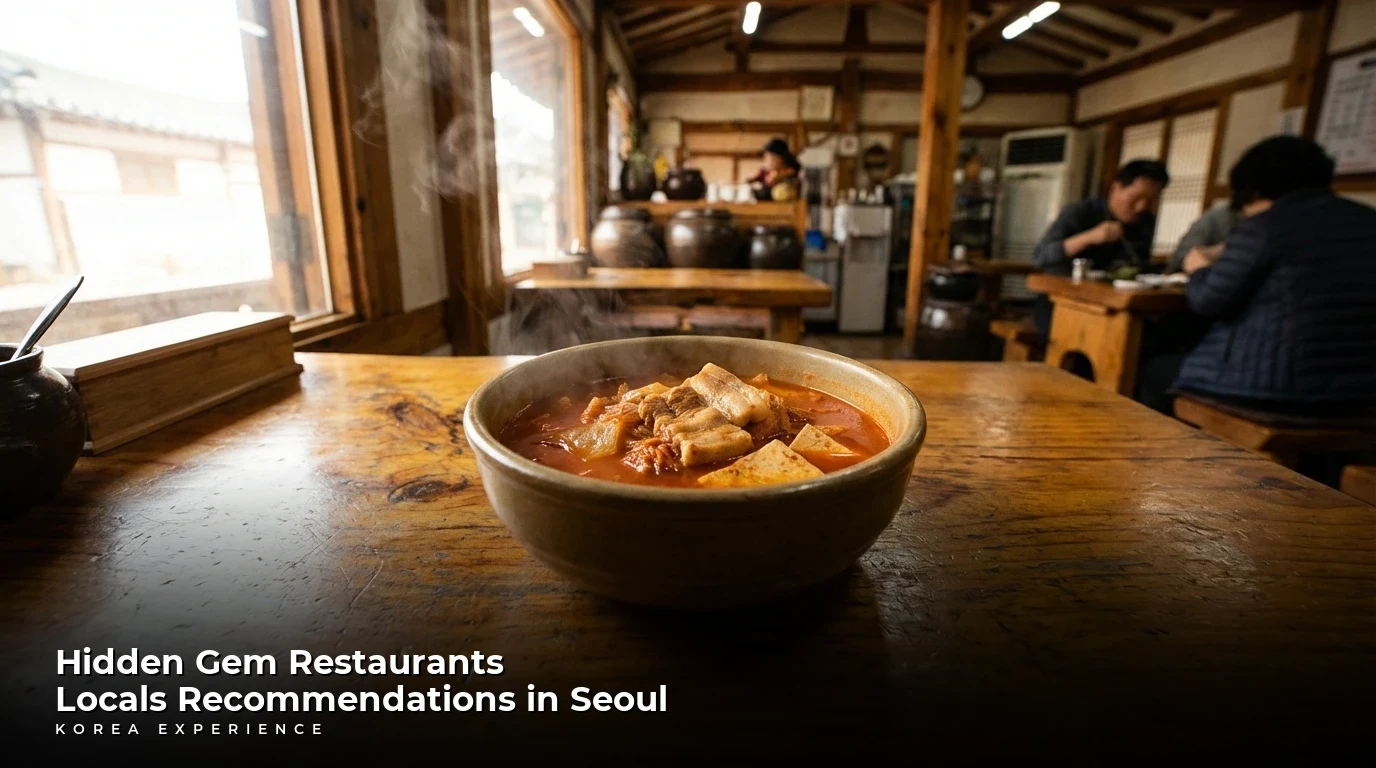
Discover authentic dining spots in Seoul with our guide to hidden gem restaurants locals recommendations, featuring prices and locations.
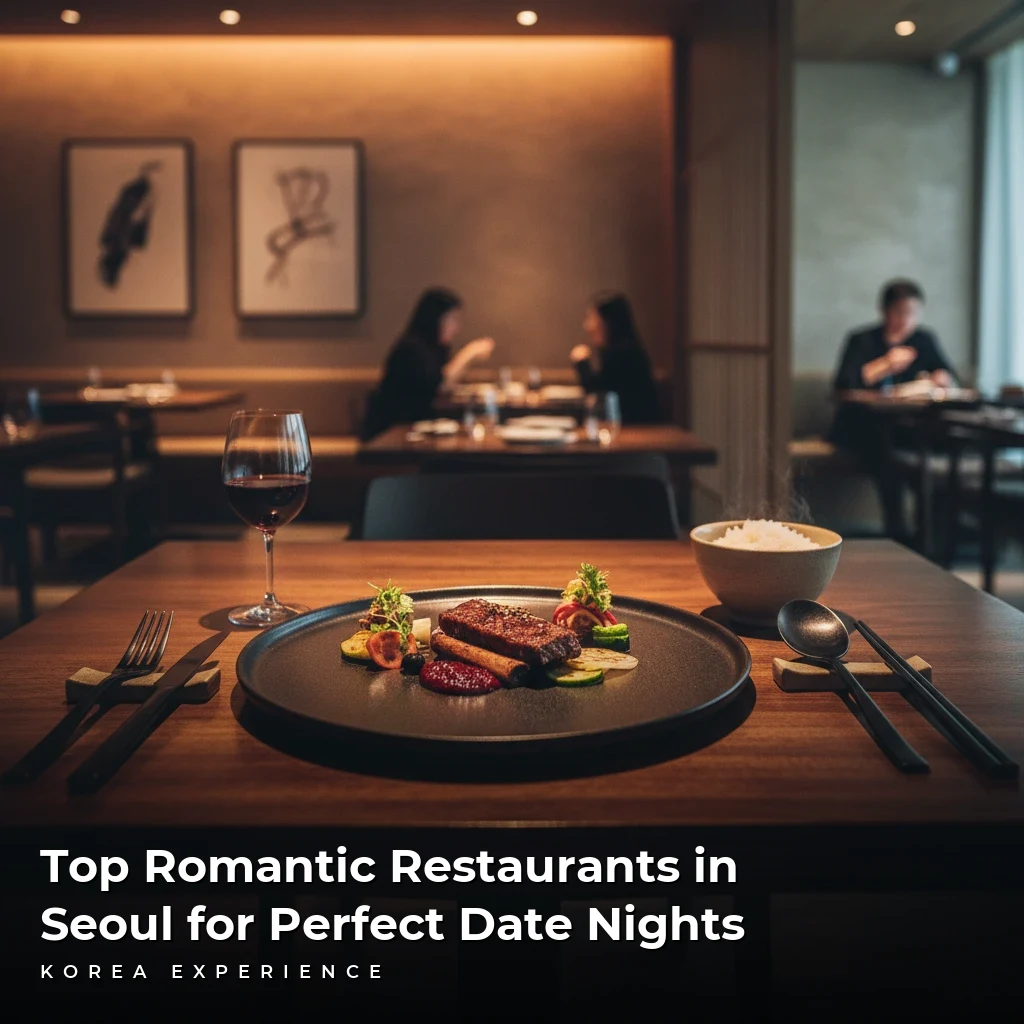
Discover the most romantic dining spots in Seoul, from Michelin-starred venues to hidden Hanok gems, complete with reservation tips and pricing.
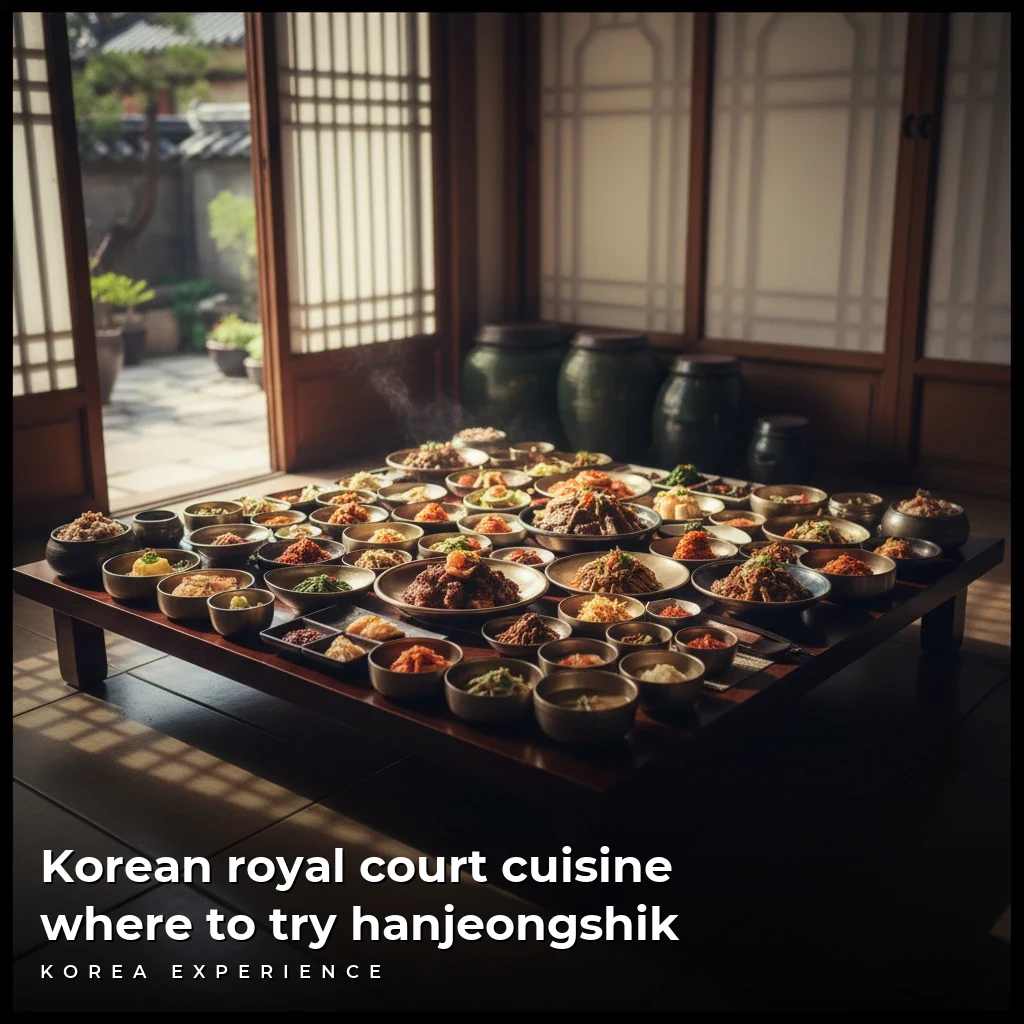
Discover the elegance of Korean Royal Court Cuisine. Our guide covers top Hanjeongshik restaurants, menus, and dining etiquette for 2026 travelers.
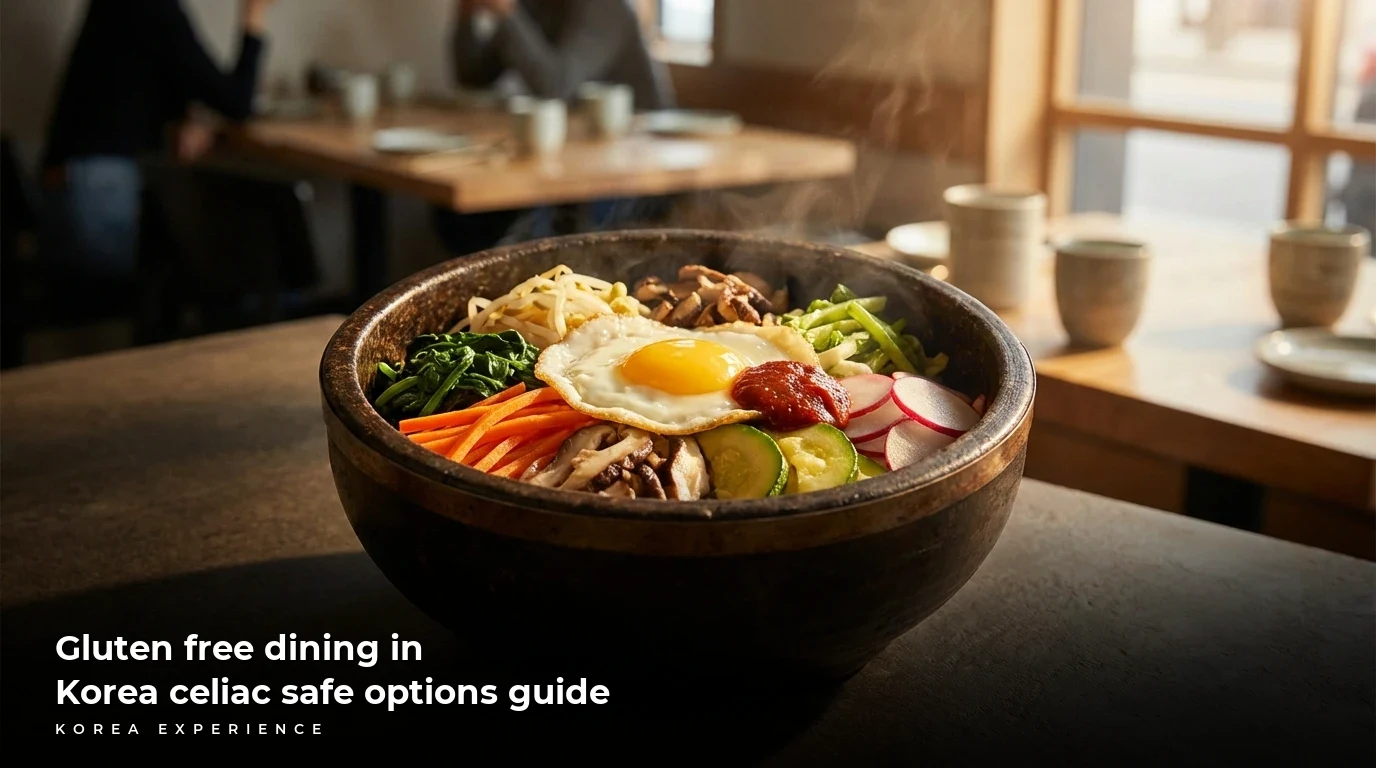
Discover the ultimate guide to gluten free dining in Korea with celiac safe options, restaurant recommendations, and essential travel tips for 2026.
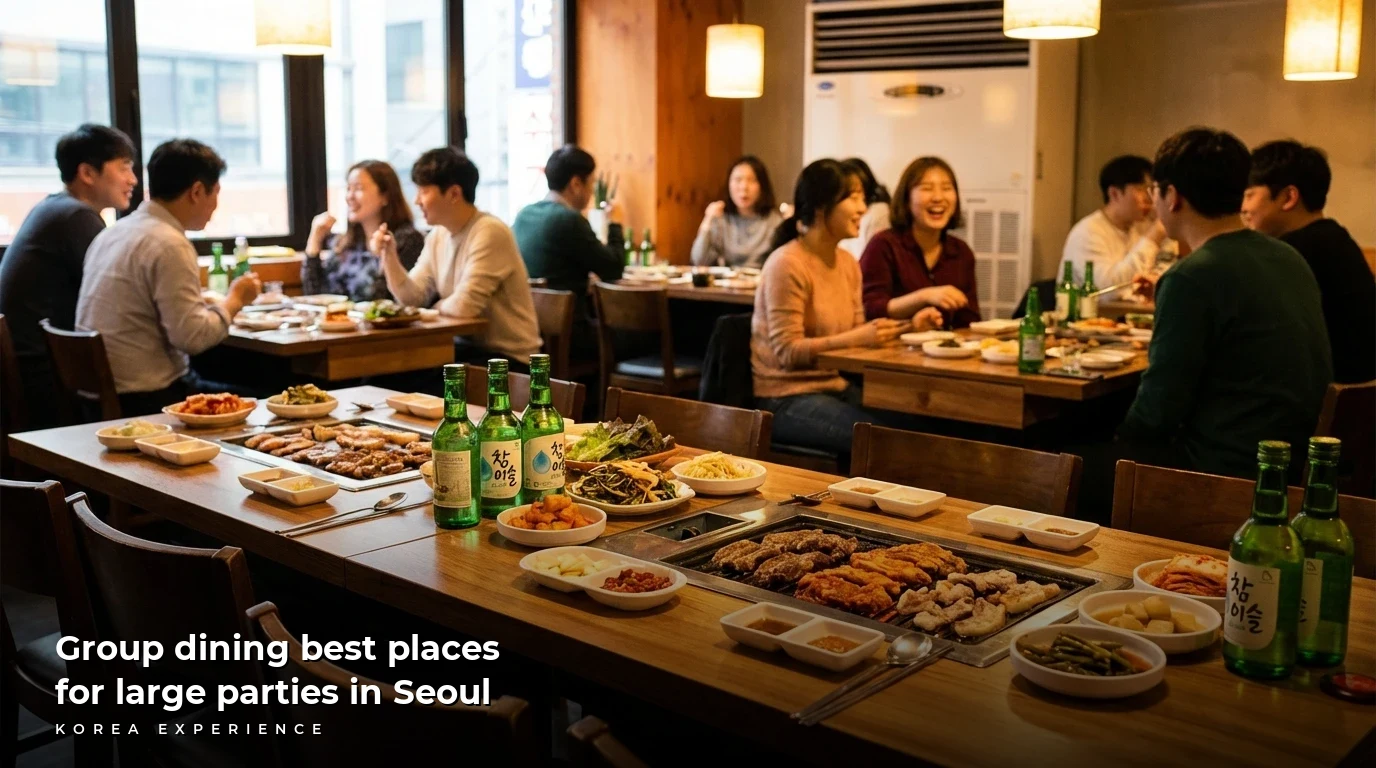
Discover the top restaurants for large group dining in Seoul. From K-BBQ to private Hanjeongsik, find venues catering to 8+ people.
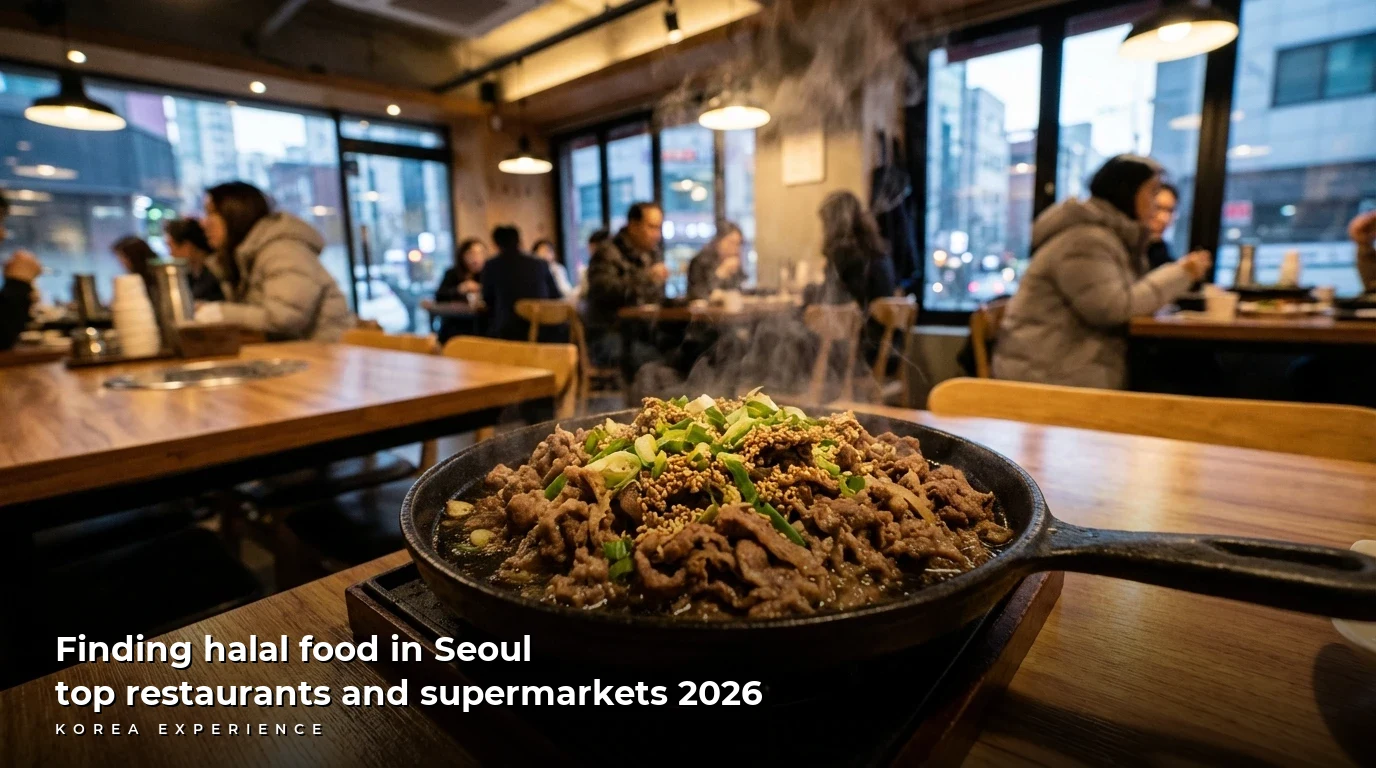
The ultimate guide to Halal dining in Seoul for 2026. Discover top certified restaurants, Muslim-friendly eateries, and supermarkets.