Jeonju Bibimbap Trail Authentic Restaurants Guide
Discover the best Jeonju Bibimbap restaurants with our expert guide. Explore historic eateries, authentic flavors, and essential travel tips.
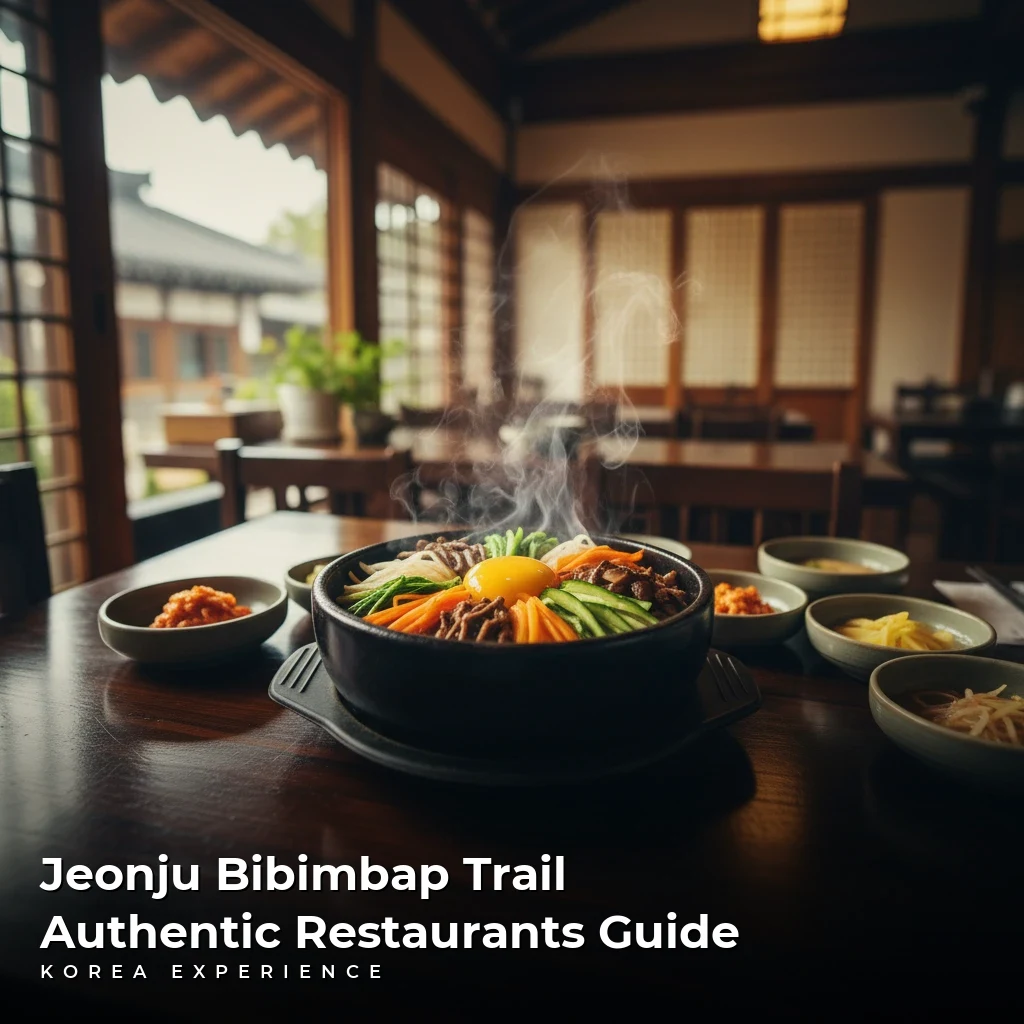
Jeonju, designated a UNESCO City of Gastronomy in 2012, is widely considered the culinary capital of South Korea. While the city offers a diverse array of delicacies, one dish stands above the rest as the undisputed icon of the region: Jeonju Bibimbap. Unlike the standard mixed rice dishes found elsewhere, the authentic Jeonju version is a sophisticated culinary masterpiece involving over 30 distinct ingredients and a painstaking preparation process that dates back hundreds of years.
For international travelers, navigating the hundreds of restaurants in the Jeonju Hanok Village can be overwhelming. Many places cater specifically to tourists with diluted flavors, while the true gems—often run by designated Food Masters—offer an experience that transcends a simple meal. This guide takes you through the "Jeonju Bibimbap Trail," highlighting the most authentic establishments where history, culture, and flavor converge.
Related reading: Andong Jjimdak best restaurants in the hometown guide.
Key Takeaways
- 1Jeonju Bibimbap rice is cooked in beef broth, not water, for deeper flavor
- 2Average price for authentic Bibimbap ranges from 13,000 to ₩17,000
- 3The most famous restaurants are located within or near the Hanok Village
Understanding the Jeonju Difference
Before diving into the specific restaurants, it is crucial to understand what justifies the price point and reputation of this regional specialty. While a standard bibimbap in Seoul might cost ₩8,000 (approx. $6.00 USD), a bowl in Jeonju averages ₩15,000 (approx. $11.25 USD). The difference lies entirely in the complexity of preparation.
Related reading: Best Korean BBQ Restaurants in Seoul 2026 Ultimate Guide.
Authentic Jeonju Bibimbap is distinct because the rice is not steamed in plain water. Instead, it is cooked in a rich beef brisket broth, often infused with bean sprouts for texture. Furthermore, the dish is traditionally served in a heavy brass bowl (yugi) rather than a hot stone pot (dolsot), although many modern restaurants offer both. The brass bowl is pre-heated to keep the food warm without cooking the ingredients further, preserving the fresh texture of the delicate vegetables.
Learn more in our comprehensive guide to Best Korean BBQ Restaurants Seoul Gangnam Edition.
📋 Dish Profile: Jeonju Bibimbap
Another key differentiator is the topping. The crown jewel of a true Jeonju bowl is Yukhoe (seasoned raw beef tartare), though cooked beef options are always available. You will also find Hwangpo Mook, a yellow mung bean jelly stained with gardenia seeds, which is a rare ingredient essential to the authentic recipe.
You might also enjoy our article about Busan seafood guide fresh fish markets and restaurants.
The Brass Bowl Tradition
Jeonju Bibimbap is traditionally served in 'Yugi' (brassware). Unlike the stone pot which sizzles and crisps the rice, the brass bowl is heated gently to maintain the temperature at exactly 65°C—the optimal temperature for tasting the intricate blend of sesame oil and gochujang.
The "Big Three": Historic Pillars of Jeonju Dining
When locals discuss the definitive Bibimbap experience, the conversation almost always revolves around three historic establishments. These restaurants have weathered decades of change, maintaining recipes that have been passed down through generations. Collectively, they serve over 2,000 bowls a day during peak seasons.
1. Gajok Hoegwan: The Master's Touch
Gajok Hoegwan is arguably the most prestigious name in the industry, primarily due to its owner, Kim Nyion-im. She was designated as Korea's Food Master No. 39, a government-recognized title given only to those who preserve traditional food heritage.
The restaurant is located just on the edge of the Hanok Village, approximately a 7-minute walk from the Pungnammun Gate. Upon entering, you are greeted by walls adorned with awards and certifications. The defining characteristic of the bibimbap here is the gochujang (red chili paste). It is not store-bought; it is fermented in-house for years, resulting in a deep, savory flavor profile that lacks the harsh sugary bite of commercial pastes.
Gajok Hoegwan(가족회관)
The meal here feels like a royal banquet. Before your main bowl arrives, the table is flooded with 12 to 15 side dishes (banchan). This usually includes candied lotus root, acorn jelly, and their signature fluffy steamed egg. The price for the standard Jeonju Bibimbap is currently ₩15,000, while the Yukhoe (Raw Beef) version is ₩18,000.
At Gajok Hoegwan, do not ignore the clear soup served alongside the bibimbap. It is usually bean sprout soup (Kongnamul Guk), and its clean, mild flavor is designed to cleanse your palate between bites of the rich, spicy rice.
2. Hankook Jib: The Original
Established in 1952, Hankook Jib holds the title of the oldest restaurant selling Jeonju Bibimbap in Korea. It is listed in the Michelin Guide and has hosted several South Korean presidents and international dignitaries. Located centrally within the city, about 400 meters from the Gyeonggijeon Shrine, it offers a garden-like atmosphere that feels serene despite the bustle of the city.
Hankook Jib is famous for its strict adherence to tradition. They make their own soy sauce and gochujang, fermenting them in earthenware jars located in the restaurant's courtyard—a rare sight in modern Korea. Their version of the dish is noted for being less sweet and more earthy than competitors.
Hankook Jib(한국집)
The presentation at Hankook Jib is visually stunning, with ingredients arranged to represent the five distinct colors of traditional Korean cosmology (Obangsaek): white, black, green, red, and yellow. This color balance is not just aesthetic; it represents nutritional balance. The average wait time here on weekends is roughly 30 to 45 minutes, so arriving before 11:30 AM is highly recommended.
3. Seongmidang: The Pre-Mixed Specialty
Seongmidang offers a unique twist that separates it from Gajok Hoegwan and Hankook Jib. While most places serve white rice topped with ingredients that you mix yourself, Seongmidang serves rice that has already been pre-mixed with beef broth, sesame oil, and a small amount of gochujang.
This technique ensures that every single grain of rice is coated with flavor before the fresh toppings are even added. It is a favorite among politicians and celebrities because it guarantees a consistent flavor in every bite. Located in the Wansan-gu district, it has been operating for over 50 years.
📊 Customer Volume
The texture here is slightly moister due to the pre-mixing process. If you prefer dry, fluffy rice, this might not be your favorite, but for those who love deep, savory richness, Seongmidang is unrivaled. The price point is similar, hovering around ₩16,000 for the classic brass bowl option.
Modern Contenders and Hanok Village Gems
While the "Big Three" command respect for their history, several other establishments offer incredible quality, often with better accessibility for those staying deep inside the Hanok Village.
Gogung: The Cultural Ambassador
Gogung is perhaps the most tourist-friendly of the high-end options. It is a large establishment capable of hosting tour buses, but don't let the scale fool you—the quality is excellent. Gogung actually operates a Bibimbap Museum on the second floor, allowing diners to learn about the dish's history before eating.
They are famous for their Dolsot (Hot Stone Pot) Bibimbap, which they execute perfectly. If you enjoy the crispy scorched rice at the bottom (nurungji), Gogung is the best place to visit. It is located about 1.2 kilometers from the main Hanok Village, usually requiring a short taxi ride costing about ₩5,000.
Serving Styles Comparison
| Feature | Brass Bowl (Yugi) | Stone Pot (Dolsot) |
|---|---|---|
| Temperature | Warm (65°C) | Sizzling (100°C+) |
| Rice Texture | Soft & Moist | Crispy Bottom |
| Ingredients | Fresh/Raw focus | Cooked by residual heat |
| Authenticity | Traditional Royal | Modern Popular |
Jongno Hoegwan: The Viewpoint Choice
If ambiance is your priority, Jongno Hoegwan offers a distinct advantage: a view of the Gyeonggijeon Shrine. Located directly across from the shrine's stone wall, the restaurant features floor-to-ceiling windows. The food is solid, fresh, and slightly cheaper than the historic giants, often costing around ₩13,000. It is a favorite for lunch due to the sunlight streaming in and the view of the traditional Hanok roofs.
Cost Analysis and Menu Breakdown
Travelers often wonder why they should pay double the price of a standard Seoul lunch. The value proposition in Jeonju comes from the banchan (side dishes) and the labor-intensive ingredients.
💵 Menu Price Comparison (2026 Estimates)
Raw beef tartare topping, richer flavor
Solo Traveler Warning
Some smaller restaurants in the Hanok Village require a minimum order of 2 servings for set menus (Jeongsik). However, all the major bibimbap specialist restaurants listed in this guide allow single-serving orders for solo travelers.
How to Eat Like a Local: The Chopstick Method
There is a specific etiquette and technique to mixing Jeonju Bibimbap to ensure the best texture. Many tourists instinctively use a spoon to mash the ingredients together, but this crushes the rice grains and bruises the delicate vegetables.
📖 How to Mix Bibimbap Correctly
Step 1: Inspect the Bowl
Admire the color arrangement. This is part of the experience.
Step 2: Add Sesame Oil
Most restaurants provide high-quality sesame oil on the table. Add a teaspoon if desired.
Step 3: Use Chopsticks Only
Hold your chopsticks in one hand and the bowl edge with the other. Use a lifting and tossing motion to mix.
Step 4: Switch to Spoon
Only pick up the spoon once the mixing is complete to eat the rice.
Using chopsticks ensures the rice remains fluffy and the vegetables keep their crunch. This method creates a lighter, airier mouthfeel compared to the dense paste created by spoon-mashing.
Practical Logistics for Your Visit
Jeonju is located approximately 194 kilometers south of Seoul. It is an accessible day trip, but an overnight stay is recommended to truly enjoy the food scene.
Getting There
The most efficient way to reach Jeonju is via the KTX (Korea Train Express).
- Departs: Yongsan Station (Seoul)
- Arrives: Jeonju Station
- Duration: 1 hour 40 minutes (average)
- Cost: Approximately ₩34,600 (Economy Seat) one way.
From Jeonju Station, the Hanok Village is about 15-20 minutes by taxi, costing roughly 8,000 to ₩10,000.
Recommended Foodie Itinerary
Early Lunch
Head to Hankook Jib before the noon rush.
Hanok Stroll
Walk off the calories at Gyeonggijeon Shrine.
Cafe Break
Try Bibimbap Waffles or traditional tea.
Dinner Alternative
Try Makgeolli Alley instead of a second rice meal.
Best Time to Visit
Spring (April-May) and Autumn (September-October) offer the most comfortable weather for walking the "Bibimbap Trail." The Jeonju Bibimbap Festival usually takes place in October, featuring massive mixing performances where hundreds of servings are prepared in a giant vat.
Pros and Cons of the Jeonju Experience
Is it worth the trip? For food enthusiasts, absolutely. However, managing expectations is key.
The Jeonju Dining Experience
- ✓Unmatched ingredient freshness and variety
- ✓Historical atmosphere adds to the flavor
- ✓Healthy, balanced meal option
- ✓English menus are common in major spots
- ✗Significantly more expensive than average Korean meals
- ✗Wait times can exceed 1 hour on weekends
- ✗Taste might be too subtle for those expecting spicy heat
- ✗Crowded dining halls can be noisy
Final Thoughts
The Jeonju Bibimbap Trail is not just about sustenance; it is a pilgrimage into the heart of Korean culinary philosophy. Whether you choose the Master's touch at Gajok Hoegwan, the history of Hankook Jib, or the rich pre-mixed flavors of Seongmidang, you are participating in a tradition that values harmony, color, and health.
When you take that first bite, remember that you are tasting the result of centuries of refinement. The beef broth-soaked rice, the gardenia-stained jelly, and the perfectly fermented gochujang create a symphony of flavors that simply cannot be replicated outside this city.
❓ Frequently Asked Questions
Have more questions?Contact us →
About the Author
Korea Experience Team
Written by the Korea Experience editorial team - experts in Korean medical tourism, travel, and culture with years of research and firsthand experience.
Explore more in Food & Dining
Korean BBQ, street food, Michelin restaurants, and regional specialties — your ultimate guide to eating well in Korea.
Browse All Food & Dining ArticlesContinue Reading
Explore more articles you might find interesting

Discover 5 authentic Hanok villages beyond Bukchon. Explore Eunpyeong, Jeonju, and Andong with full price guides, travel times, and stay tips for 2026.
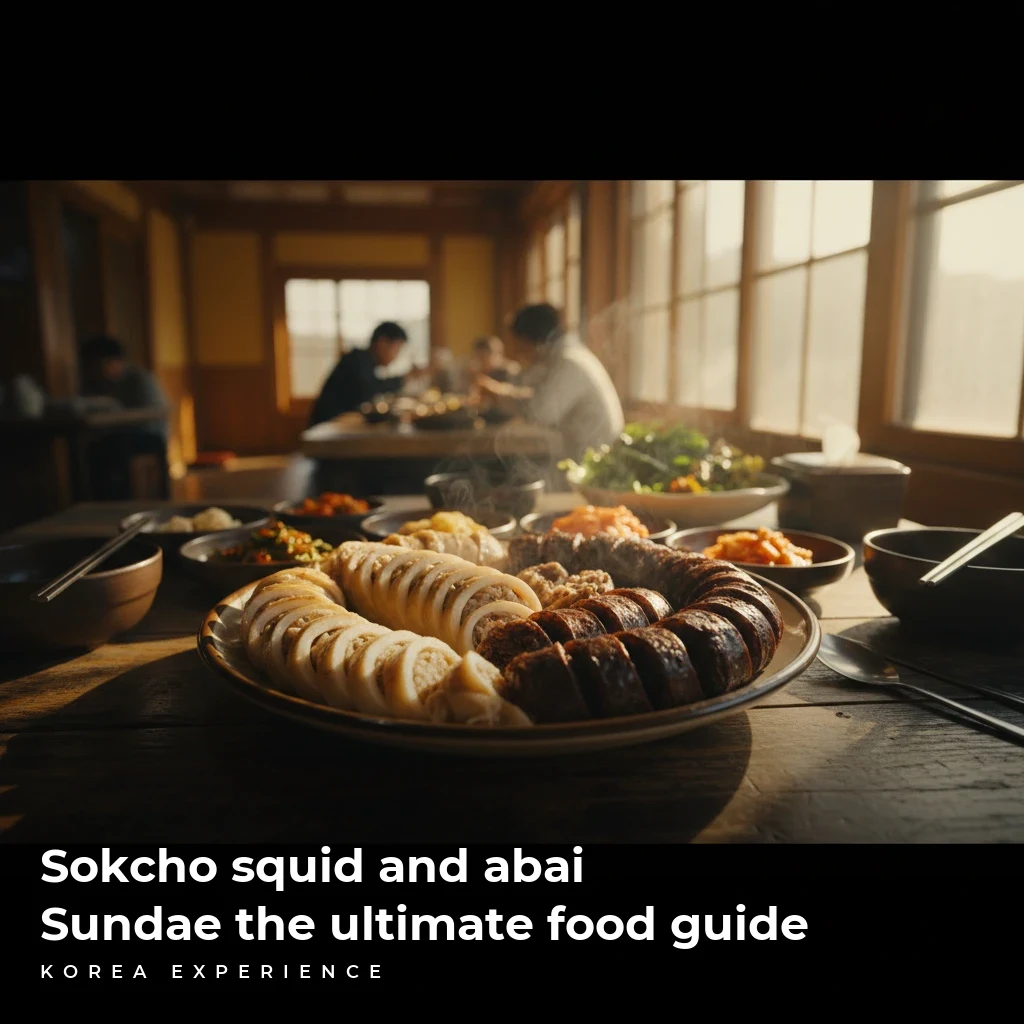
Discover the authentic taste of Sokcho with our guide to Squid Sundae and Abai Sundae. Explore history, best restaurants, and travel tips.
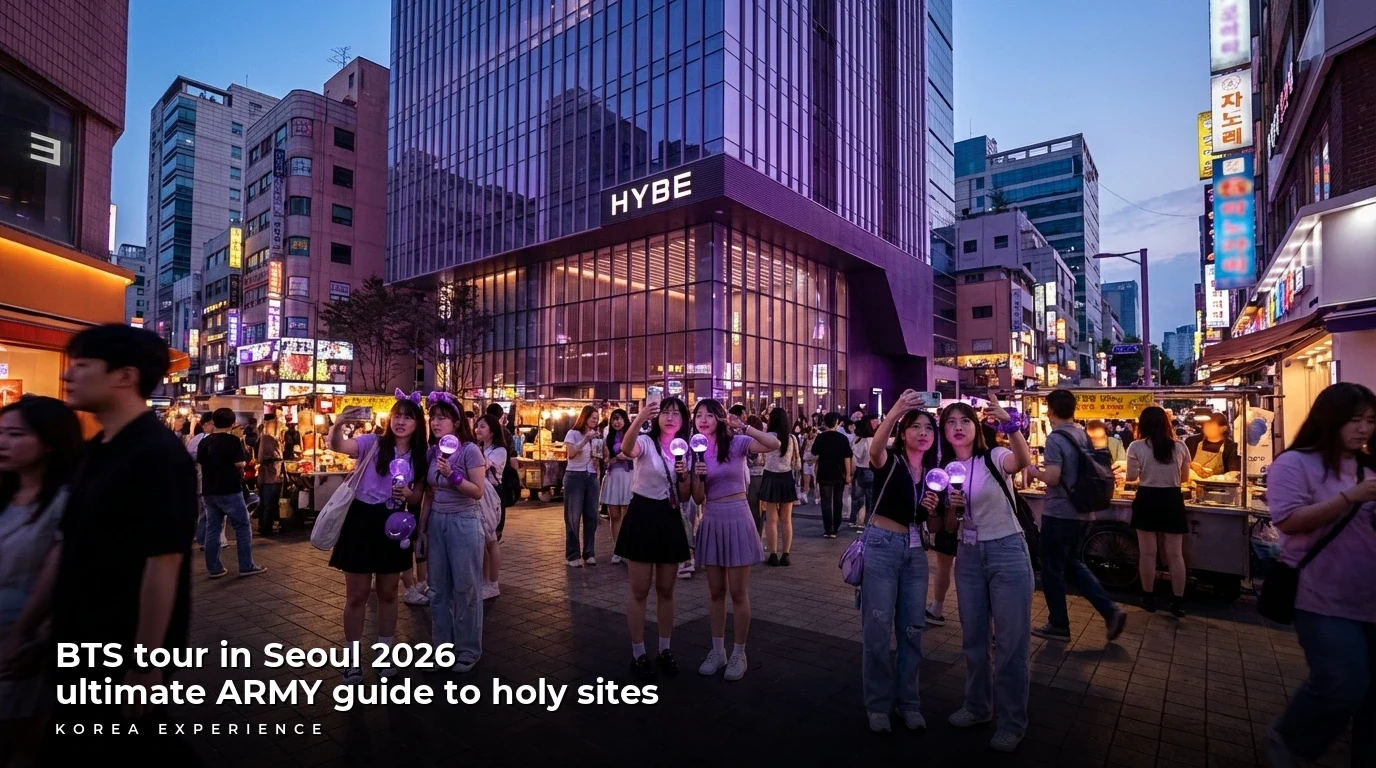
Discover the ultimate 2026 BTS tour in Seoul. Explore 15+ must-visit locations, from HYBE HQ to rookie-era eateries, with costs and travel tips.
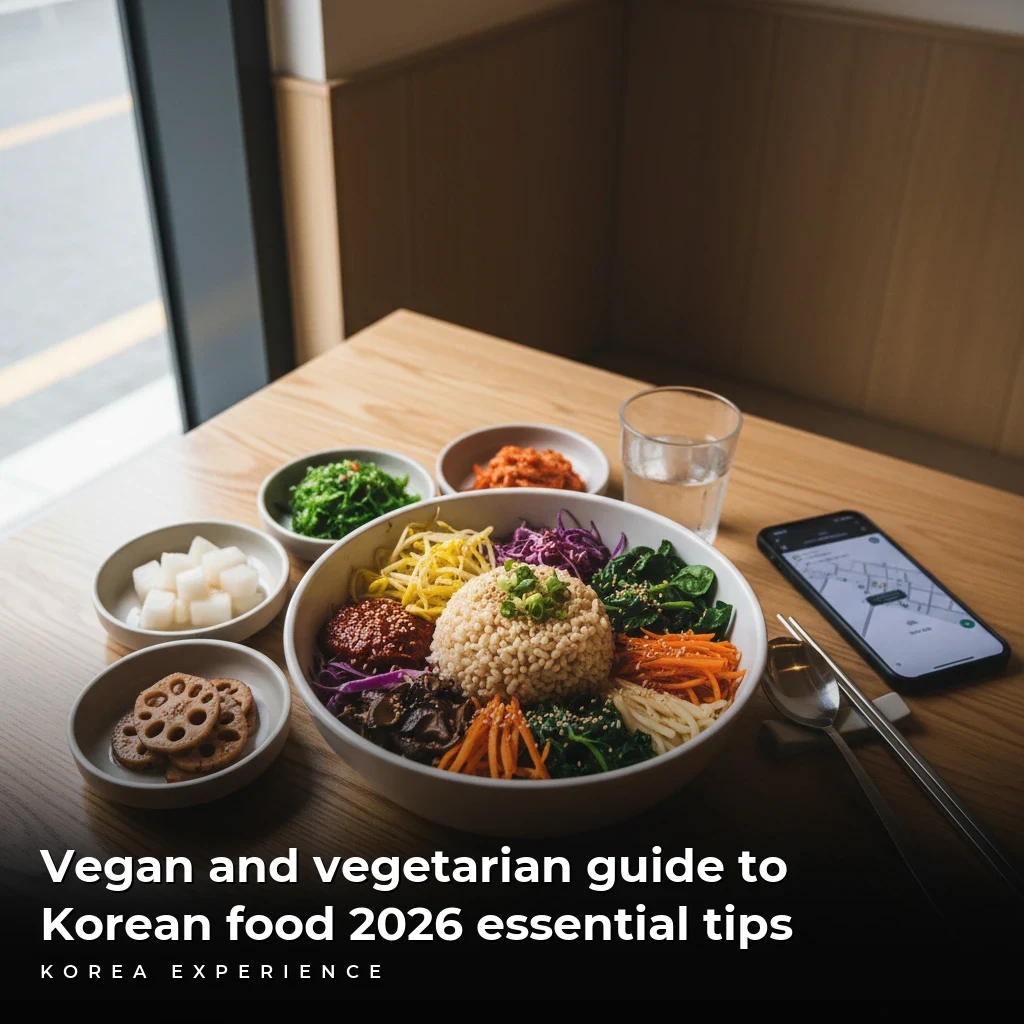
Discover the ultimate 2026 guide to vegan and vegetarian dining in Korea. Includes vocabulary, top restaurants, and survival tips for travelers.
Discover the best all you can eat buffets in Seoul for 2026. From luxury hotels to budget BBQ, find pricing, locations, and expert dining tips.
Master the art of hosting a Korean BBQ at home in 2026 with our guide to essential meat cuts, authentic dipping sauces, and expert grilling tips.