Jeju black pork where to eat on the island
A complete guide to finding the best Heuk-dwaeji BBQ on Jeju Island. We review top restaurants, pricing, and authentic dining tips for 2026.
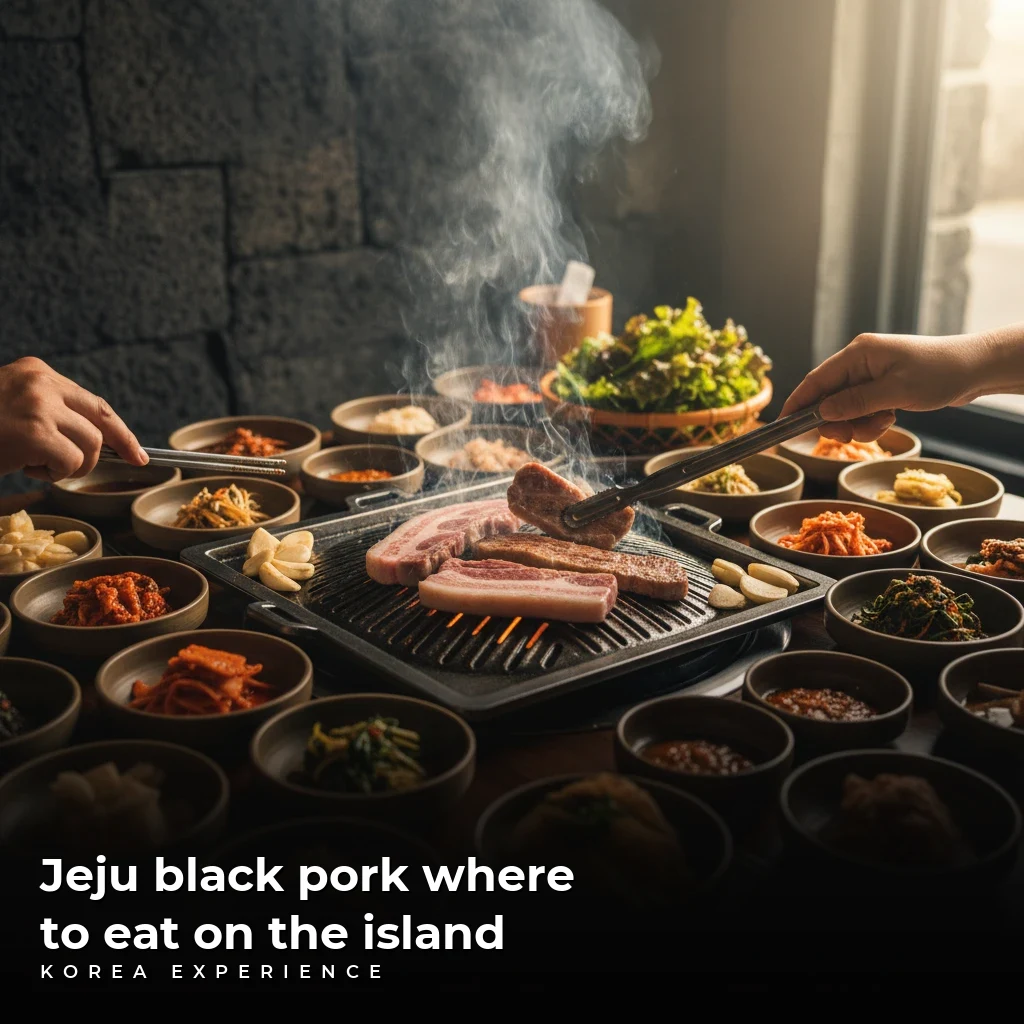
Jeju Island, often termed the "Hawaii of Korea," is famous for its stunning volcanic landscapes, but for culinary travelers, it is synonymous with one thing: Jeju Black Pork (Heuk-dwaeji). Unlike standard pork found on the mainland, the native black pig of Jeju offers a distinct gastronomic experience characterized by a chewier texture, deeper flavor profile, and fat that renders into a savory, steak-like richness.
Navigating the island's 6,000+ restaurants to find the authentic "black pork street" experience or a hidden local gem can be overwhelming. Whether you are staying in Jeju City near the airport or relaxing in the southern resort area of Jungmun, this guide provides the definitive roadmap to the island's most celebrated dish.
For more details, check out our guide on Korean Seasonal Fish Guide 2026 Best Seafood by Season.
Key Takeaways
- 1Jeju Black Pork is distinct from regular pork due to its firmer texture and superior fat rendering.
- 2Expect to pay between 60,000 and ₩70,000 (approx. $45-55 USD) for a standard 600g serving for two people.
- 3The most famous spots like Donsadon require wait times of 40-90 minutes during peak dinner hours (18:00-20:00).
Understanding Jeju Black Pork (Heuk-dwaeji)
Before diving into where to eat, it is crucial to understand what you are eating. The Jeju Black Pig is a breed indigenous to the island, historically smaller with black hair and a constitution suited to the island's harsh, windy climate. Today, these pigs make up only about 1.2% of the total pork production in South Korea, making it a premium commodity.
For more details, check out our guide on Gluten Free Guide to Korean Food What to Eat and Avoid.
The meat is prized for its high marbling and elasticity. Unlike standard white pork, the fat of the black pig does not feel greasy; instead, it has a firm, almost steak-like consistency when grilled. Scientific analysis shows that Jeju Black Pork contains higher levels of unsaturated fatty acids, specifically Linoleic acid, compared to standard breeds.
Learn more in our comprehensive guide to Incheon chinatown jajangmyeon origins the black noodle hi....
📋 Black Pork vs. Regular Pork
The Cut: Ogyeopsal vs. Samgyeopsal
While the mainland is famous for Samgyeopsal (three-layered pork belly), Jeju is famous for Ogyeopsal (five-layered pork belly). The skin is left on the black pork cuts, adding two distinct layers: the skin itself and the subcutaneous fat beneath it. This results in a chewy, gelatinous texture that crisps up perfectly over a coal fire reaching temperatures of 250°C to 300°C.
You might also enjoy our article about Korean breakfast culture what locals eat in the morning.
Identification Check
Authentic Jeju Black Pork restaurants often leave a few black hair roots visible on the skin of the raw meat. While this might surprise first-time visitors, it is the traditional "seal of authenticity" to prove you are not being served regular white pork.
Top Tier Recommendations: The "Big Three"
If you only have time for one black pork meal, these three institutions are the gold standard. They are located primarily in Jeju City and the western Aewol district, accessible within 20 to 40 minutes by taxi from Jeju International Airport.
1. Donsadon (The Legend)
Donsadon is widely credited with popularizing the "geun-gogi" style, where meat is sold by the geun (a traditional weight unit of 600g) rather than by serving size. It is a favorite of K-pop stars (including G-Dragon) and features walls covered in celebrity signatures.
Donsadon (Main Branch)(Donsadon Bonjeom)
The meat here is cut into massive, fist-sized chunks roughly 5 to 6 centimeters thick. The servers are masters of heat control, using yeontan (coal briquettes) to sear the juices inside before cutting the meat into bite-sized cubes. A 600g set typically costs around ₩66,000 ($50 USD).
2. Sukseongdo (The Modern Innovator)
While Donsadon represents tradition, Sukseongdo represents the modern evolution of Jeju BBQ. They specialize in dry-aged and wet-aged black pork, specifically the "960-hour aged bone-in sirloin."
Sukseongdo has the longest wait times on the island. You must use the 'CatchTable' app to register for the waiting list remotely. Registration opens at 11:00 AM, and the limited cuts (only 80 servings per day) usually sell out by 13:00.
The aging process breaks down the enzymes, resulting in a flavor that hints of blue cheese and nuts. Located in the Nohyeong-dong district, it is about 4 kilometers from the city center.
3. Chilwondon (The Authentic Standard)
Chilwondon offers a balance between the tourist-heavy Donsadon and the trendy Sukseongdo. With multiple branches across the island (including Jungmun and Jeju City), it is more accessible. They are famous for their Meljeot (anchovy dipping sauce) which is boiled down with garlic and chili peppers for 5 to 10 minutes over the briquettes before eating.
📊 Customer Satisfaction
Regional Guide: Where to Eat Based on Your Hotel
Jeju is a large island—driving from the north (Jeju City) to the south (Seogwipo) takes approximately 60 minutes via highway 1135 or 1131. Choosing a restaurant near your accommodation is vital to save travel time.
North: Jeju City & Black Pork Street
Located in Geonip-dong, "Black Pork Street" is a designated tourist strip containing over 15 specialty restaurants in a row.
- Best for: Travelers without cars and late-night diners.
- Accessibility: 10 minutes from the airport and Dongmun Market.
- Recommendation: Hwaro Hyang offers a solid experience where they use volcanic stones for grilling.
South: Seogwipo & Jungmun Resort Complex
The southern coast is home to luxury resorts like The Shilla and Lotte Hotel. Prices here are generally 10% to 15% higher than in Jeju City due to the premium location.
- Best for: Families and luxury travelers.
- Distance: 40 kilometers south of the airport.
- Recommendation: Keun Don Ga. This spot in Jungmun offers a spectacular ocean view while you eat. They process about 500kg of meat daily during the peak summer season.
West: Aewol & Hyeopjae
Famous for hipster cafes and sunset views.
- Best for: Couples and sunset chasers.
- Distance: 25 kilometers west of Jeju City.
- Recommendation: Byuldonbyul. This restaurant features an open garden setting. Dining outdoors here during the golden hour (around 19:00 in summer) creates an unbeatable atmosphere.
How to Eat Like a Local: The Ritual
Eating Jeju Black Pork is a procedural experience. It is not just about grilling meat; it is about the combination of flavors.
📖 The Authentic Jeju BBQ Ritual
Step 1: The Meljeot Boil
Place the metal cup of Meljeot (anchovy sauce) directly on the coals. Add sliced garlic and a splash of Soju to reduce the fishiness.
Step 2: The Sear
Wait for the staff to sear the thick block of meat. Do not flip it yourself; the thickness requires expert timing.
Step 3: The Dip
Dip the first piece of cooked Ogyeopsal into the boiling Meljeot. Do not add kimchi or lettuce yet—taste the meat and sauce pure.
Step 4: The Ssam (Wrap)
Take a lettuce leaf, add a piece of meat, grilled garlic, scallion salad (pajeori), and a dab of ssamjang paste. Fold and eat in one bite.
The Crucial Side Dish: Kimchi Jjigae
In Jeju, the meal is not finished until you order Kimchi Jjigae (Kimchi Stew). Because the restaurants trim so much meat, the leftover premium pork chunks go into the stew. A pot usually costs 7,000 to ₩9,000 ($5-7 USD) and is incredibly rich. Locals often pour their bowl of rice directly into the stew pot on the grill to make "Ssul-bap" (porridge rice), cooking it for an additional 2 to 3 minutes.
Price Breakdown and Budgeting
Travelers often find Black Pork expensive compared to Seoul prices. This is due to the scarcity of the breed and the logistics of island distribution.
💵 Cost Comparison (Per Person)
Certified Heuk-dwaeji, 300g serving.
Common pork, available everywhere.
Typical Bill for Two People
- Meat (600g set): ₩66,000
- Kimchi Stew: ₩8,000
- Rice (2 bowls): ₩2,000
- Soju/Beer (2 bottles): ₩10,000
- Total: ₩86,000 (approx. $65 USD)
Weight Warnings
Most premium restaurants operate on a "Geun" system, meaning the minimum order is 600g (one geun), regardless of whether you are dining alone or as a couple. 600g is roughly 1.3 pounds of meat. Solo travelers should look for restaurants offering "1-person sets" or visit during lunch hours (11:00-14:00) for lunch specials.
Comparison: Gas vs. Charcoal vs. Straw Fire
The heat source dictates the flavor almost as much as the meat itself.
Grill Types Explained
| Type | Flavor Profile | Cooking Speed | Health Factor |
|---|---|---|---|
| Yeontan (Coal Briquette) | Smoky, nostalgic, intense | Very High Heat (Fast) | High smoke exposure |
| Charcoal (Soot) | Woody aroma, clean sear | Steady, controlled | Standard BBQ |
| Straw Fire (Jip-bul) | Earthy, intense hay aroma | Flash seared instantly | Unique to specific shops |
Expert Recommendation: For your first experience, seek out a Yeontan (Coal Briquette) restaurant like Donsadon. The high heat (often exceeding 600°C at the core) creates a Maillard reaction on the thick pork that gas grills simply cannot replicate.
Practical Tips for International Travelers
1. Transportation and Drinking
Jeju has strict drunk driving laws. The legal limit is 0.03% BAC. Since most famous BBQ spots are not within walking distance of major hotels, rely on KakaoTaxi. A taxi from the Jungmun resort area to downtown Seogwipo costs approximately ₩15,000 ($11 USD) and takes about 20 minutes.
2. Clothing Care
Ventilation in these restaurants is powerful, but the smell of pork fat and smoke is potent.
- Tip: Look for large plastic bags provided under the chair cushions. Seal your jacket and bag inside them before the fire is lit.
- Data: The smoke odor can linger on fabrics for 24 to 48 hours if not protected.
3. Reservations
Most legendary spots do not take phone reservations for dinner. They use on-site kiosks or apps like CatchTable.
- Strategy: Go at 16:30 for an early dinner to walk right in, or go after 20:30 for the second seating. The prime time of 18:00 to 19:30 usually carries a 60+ minute wait.
Is It Worth the Hype?
Jeju Black Pork Verdict
- ✓Unmatched texture and chewiness
- ✓Cultural experience unique to Jeju
- ✓Staff handles all grilling duties
- ✗Significantly more expensive than regular pork
- ✗Long wait times at famous spots
- ✗Mandatory large serving sizes (600g+)
For food enthusiasts, the price premium is justified by the distinct flavor profile and the cultural experience of the Meljeot dipping sauce. It is not merely a meal; it is the culinary identity of the island.
Ideal Dinner Plan
Arrival
Arrive at restaurant to beat the 6pm rush.
Order
Order the 'Black Pork 600g Set' immediately.
Exit
Finish dining before the main crowds arrive.
Cafe
Head to a nearby ocean-view cafe for dessert.
Frequently Asked Questions
❓ Common Questions About Jeju Black Pork
Have more questions?Contact us →
About the Author
Korea Experience Team
Written by the Korea Experience editorial team - experts in Korean medical tourism, travel, and culture with years of research and firsthand experience.
Explore more in Food & Dining
Korean BBQ, street food, Michelin restaurants, and regional specialties — your ultimate guide to eating well in Korea.
Browse All Food & Dining ArticlesContinue Reading
Explore more articles you might find interesting
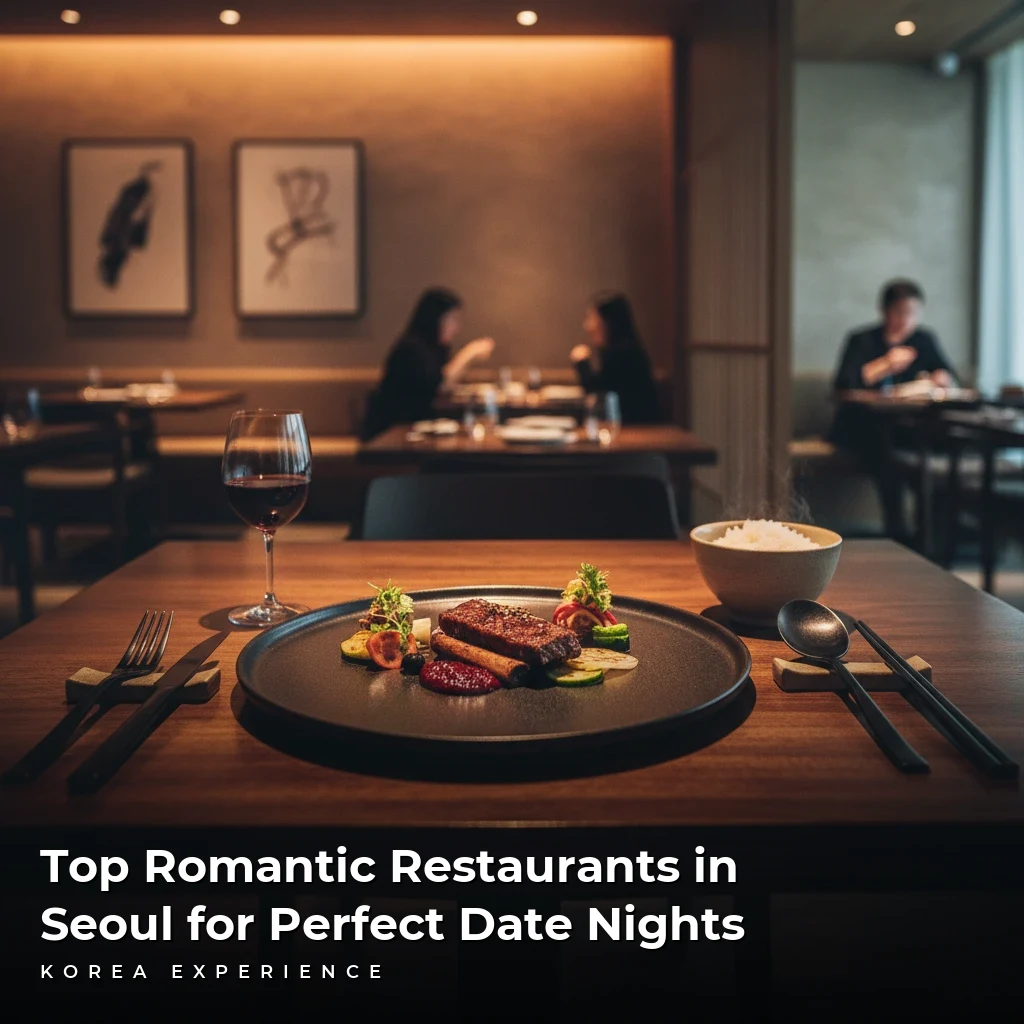
Discover the most romantic dining spots in Seoul, from Michelin-starred venues to hidden Hanok gems, complete with reservation tips and pricing.
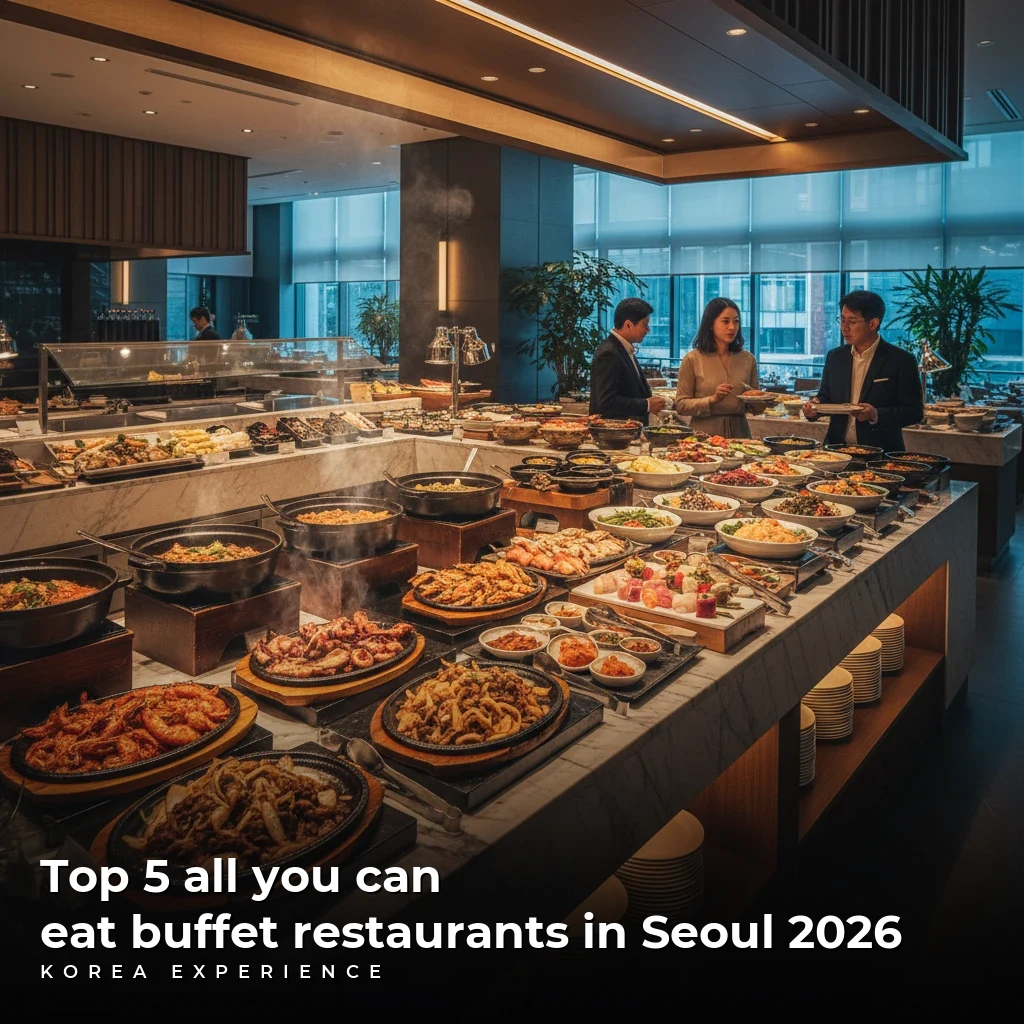
Discover the best all you can eat buffets in Seoul for 2026. From luxury hotels to budget BBQ, find pricing, locations, and expert dining tips.
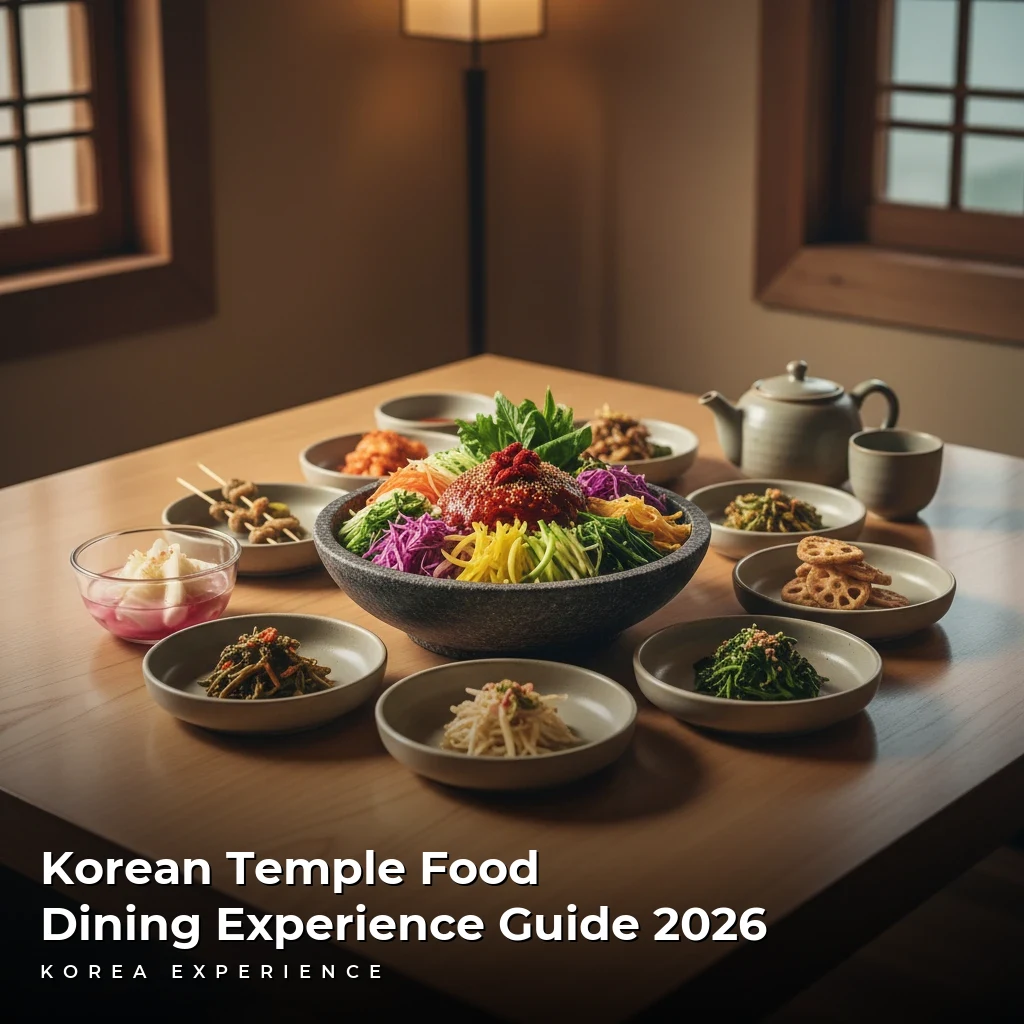
A complete guide to experiencing authentic Korean temple food in 2026, from Michelin-starred restaurants in Seoul to remote temple stays.
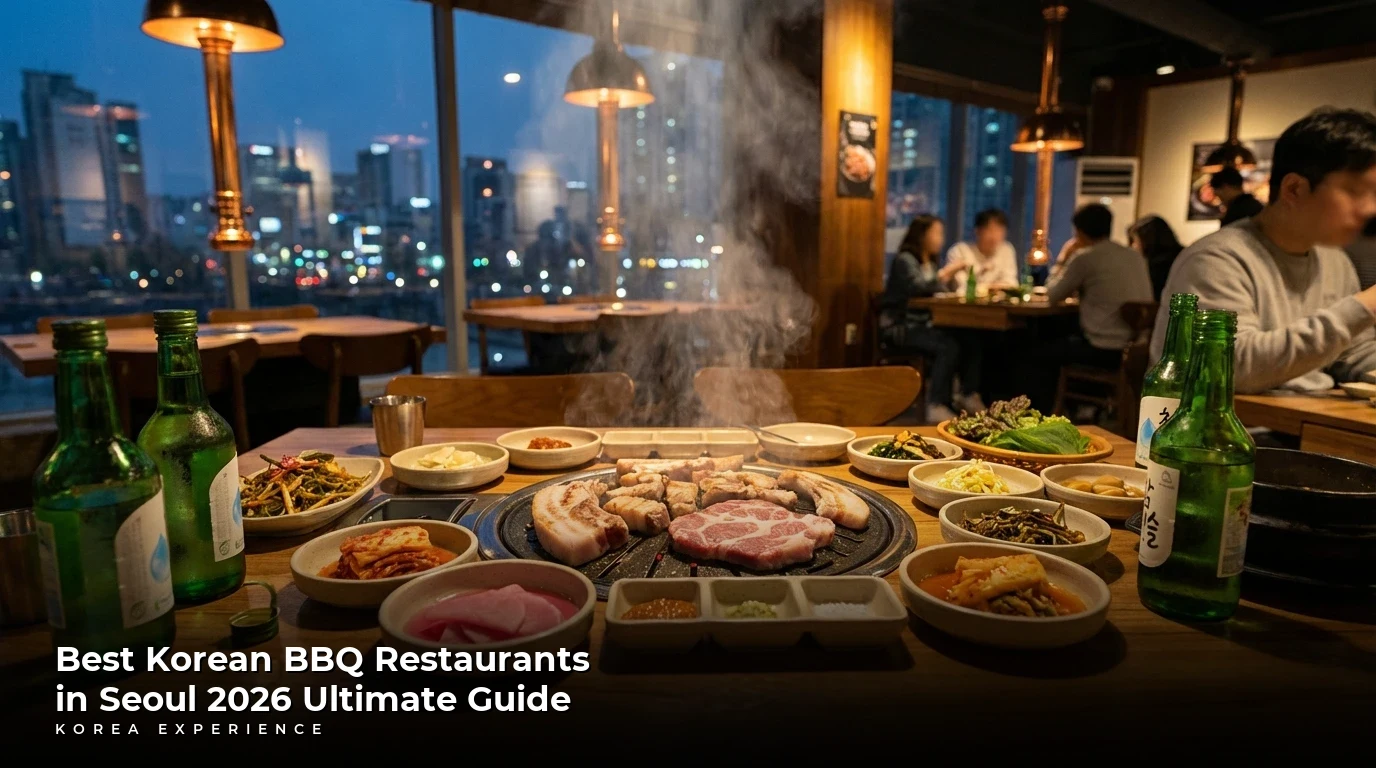
Discover the top Korean BBQ spots in Seoul for 2026. From premium Hanwoo beef to authentic Jeju pork, explore the best grills in Gangnam and Hongdae.
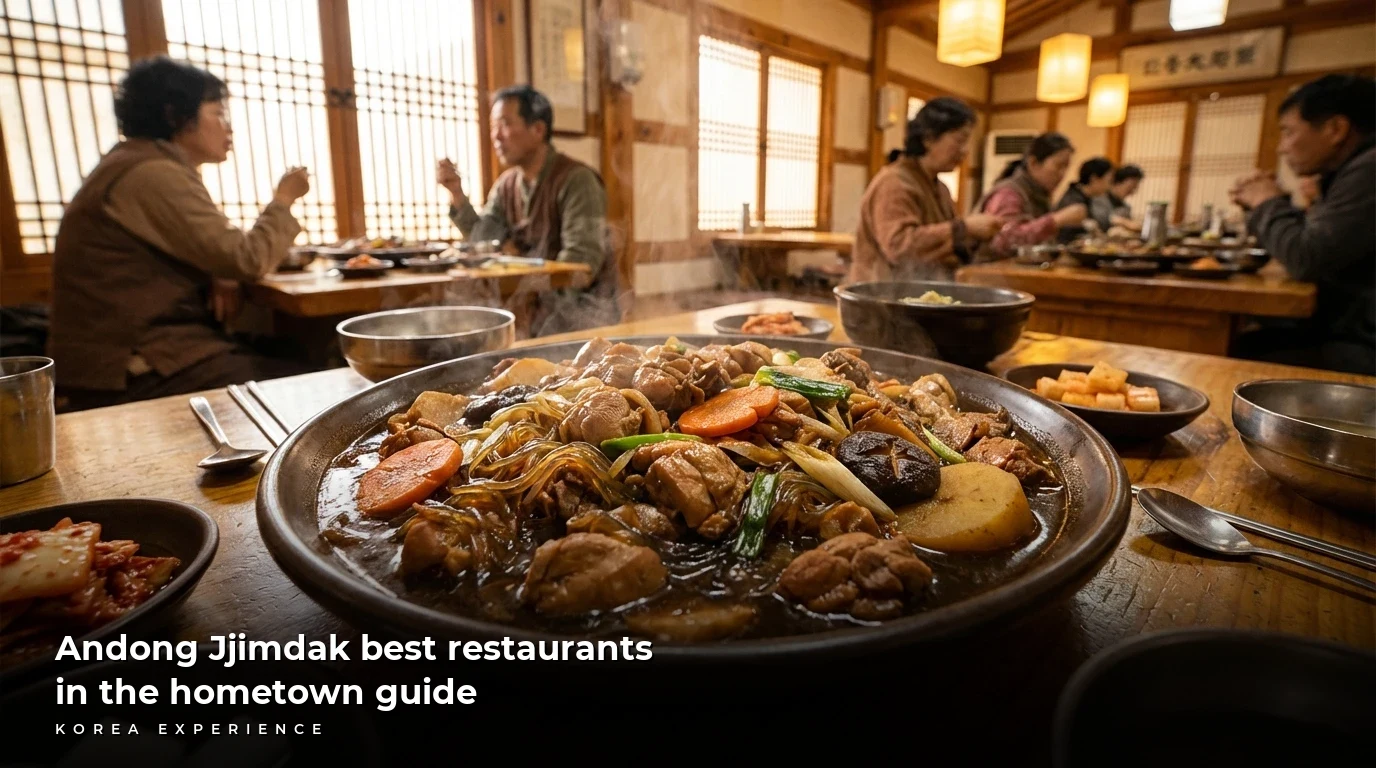
Discover the authentic taste of braised chicken in Andong. We review the top restaurants in Jjimdak Alley with prices, hours, and local tips.
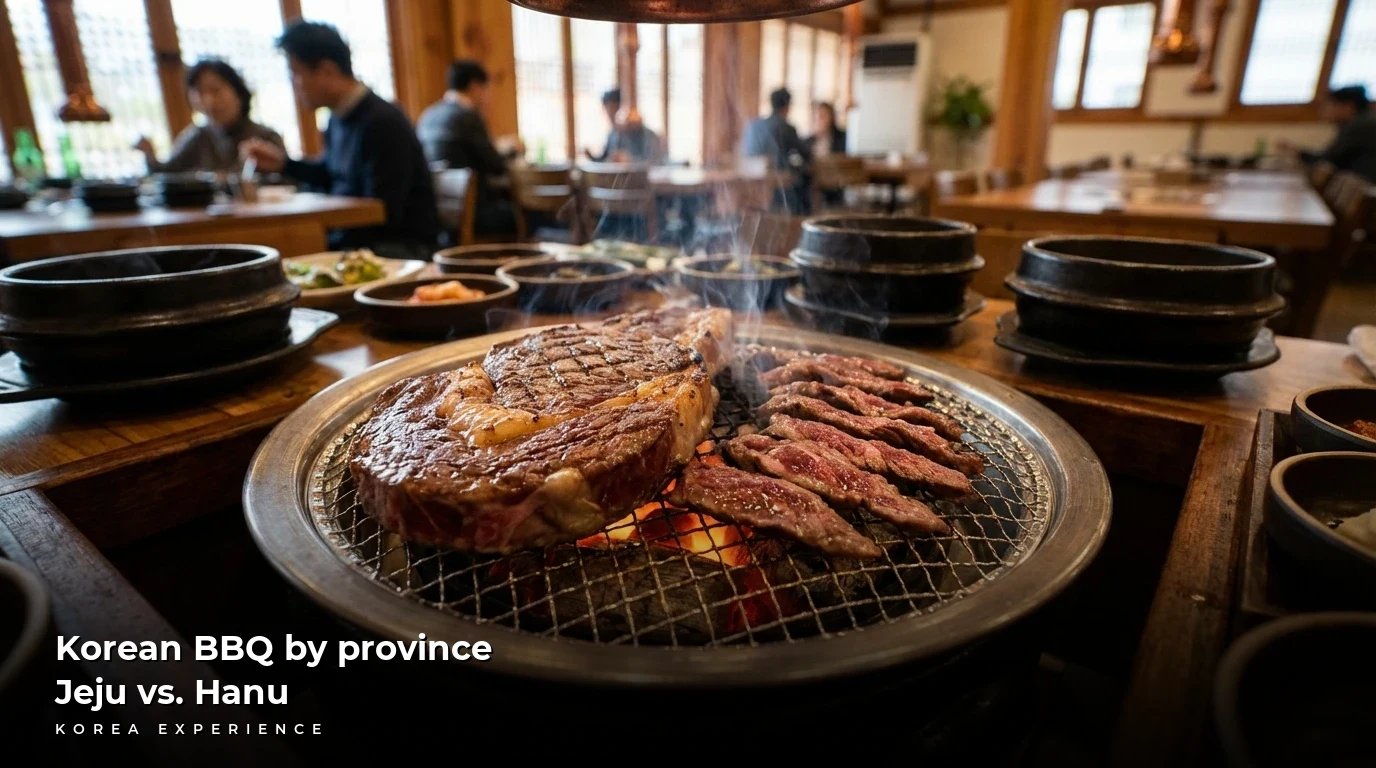
Discover whether to splurge on Jeju black pork or Hanwoo beef in 2026. With wholesale prices up 18.4 percent learn how to book top spots without a local ID.