Best Korean Ramyeon Guide Top Instant Noodle Brands 2026
The ultimate 2026 guide to Korean ramyeon. From spicy Shin Ramyun to creamy Carbonara Buldak.
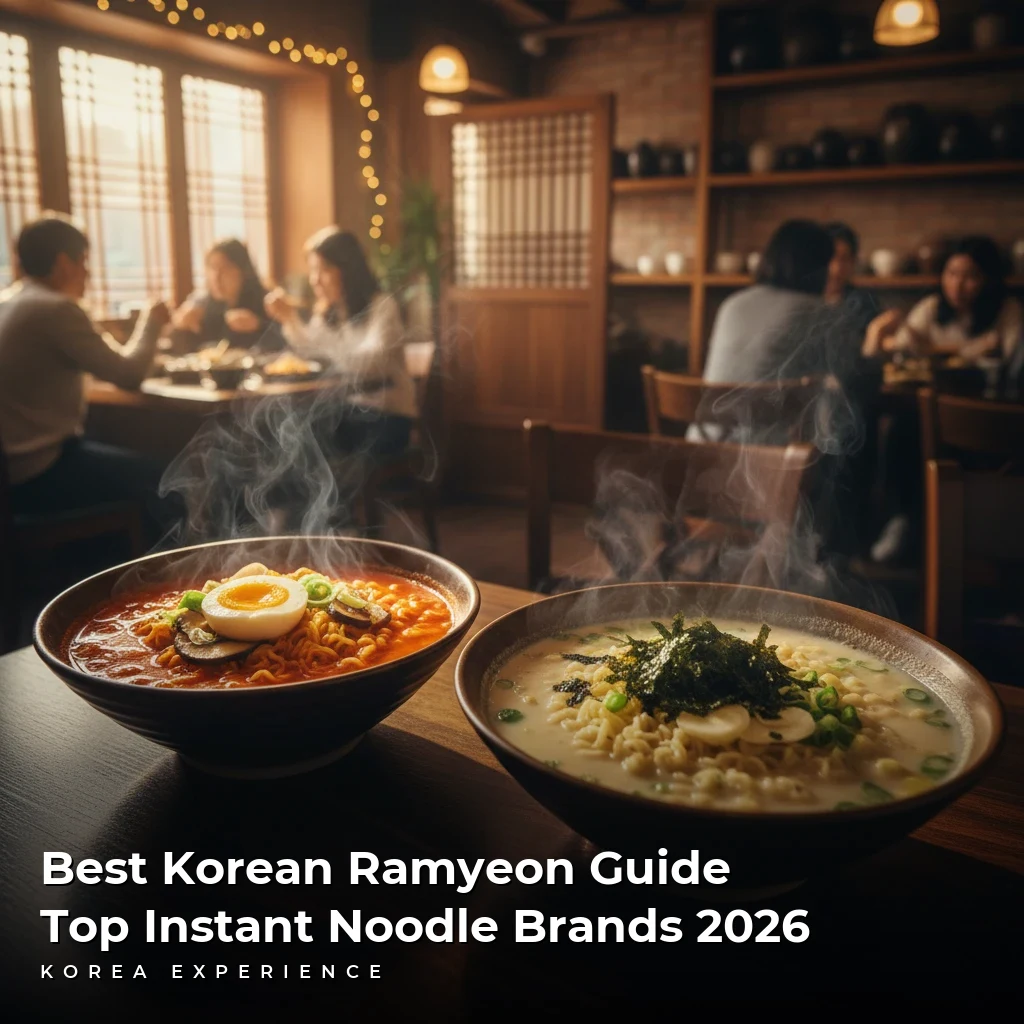
The aroma of spicy beef broth wafting through a convenience store at 2:00 AM is a quintessential part of the Korean travel experience. By 2026, Korean instant noodles—known locally as ramyeon—have transcended their status as a mere quick meal to become a global culinary phenomenon. With exports surpassing $1.2 billion USD annually, the variety available today is staggering.
For travelers and expats in Korea, navigating the aisle of a GS25 or CU convenience store can be overwhelming. There are over 400 varieties of instant noodles currently on the market, ranging from tongue-numbing spice bombs to gentle, savory bone broths. Whether you are looking for a quick hangover cure, a budget-friendly meal under ₩2,000 ($1.50 USD), or a premium gourmet experience, this guide will help you navigate the noodle landscape with the expertise of a Seoul local.
Learn more in our comprehensive guide to Incheon chinatown jajangmyeon origins the black noodle hi....
Key Takeaways
- 1Shin Ramyun remains the market leader in 2026, but 'The Red' spicy variant is gaining massive traction.
- 2Convenience store 2+1 deals bring the cost per cup down to approx ₩1,100 ($0.80 USD).
- 3Carbonara Buldak is the top choice for travelers with lower spice tolerance looking for viral flavors.
The Titans: The Classic Spicy Broths
When discussing Korean ramyeon, you must start with the classics. These are the household names found in 95% of Korean pantries. In 2026, while new trends emerge, these brands maintain their dominance through consistent quality and distinct flavor profiles that define the "Korean taste."
Related reading: Korean Noodle Guide Naengmyeon Jajangmyeon Kalguksu.
Shin Ramyun: The King of Ramyeon
Produced by Nongshim, Shin Ramyun is the undisputed king, holding roughly 25% of the domestic market share. The broth is beef-based with a punchy kick of red pepper and garlic. The noodles are round, thick, and chewy. In 2026, the standard packet costs approximately ₩1,000 ($0.75 USD) in supermarkets.
For more details, check out our guide on Soju brands comparison taste and alcohol content guide.
📊 Shin Ramyun Stats
For those seeking more heat, the "Shin Ramyun The Red" edition has become a staple, offering double the spice of the original. Conversely, "Shin Ramyun Black" offers a premium experience with an additional bone broth packet, creating a creamier, garlic-heavy soup that costs about ₩1,800 ($1.35 USD).
For more details, check out our guide on The evolution of Korean fried chicken new flavors and brands.
Jin Ramen: The Versatile Rival
Ottogi's Jin Ramen is the Pepsi to Shin Ramyun's Coke. It comes in two distinct versions: Spicy (red package) and Mild (blue package). The noodles are slightly flatter and have a smoother texture than Shin. The Mild version is an excellent entry point for travelers who find Korean spice levels daunting. It is also generally cheaper, often retailing around ₩850 ($0.65 USD) per packet.
Shin vs. Jin: The Great Debate
| Feature | Shin Ramyun | Jin Ramen (Spicy) |
|---|---|---|
| Broth Base | Spicy Beef & Mushroom | Spicy Beef & Vegetable |
| Noodle Texture | Firm & Chewy | Soft & Elastic |
| Average Price | ₩1,000 | ₩850 |
| Spice Level | High | Medium-High |
Neoguri: The Seafood Twist
Popularized globally by the movie Parasite, Neoguri features thick, udon-style noodles and a spicy seafood broth. Every packet includes a piece of dried kelp (kombu) which adds umami depth. The "Spicy" version sits at roughly 2,100 SHU. It takes slightly longer to cook—about 5 minutes—due to the thickness of the noodles.
Pro Tip
When cooking Neoguri, do not throw away the square piece of dried kelp found in the package. Add it to the water before it boils to infuse the broth with deep umami flavor.
The Heat Wave: Soupless & Stir-fried Noodles
In the last decade, the trend has shifted significantly toward "stir-fried" or soupless noodles, driven largely by the global challenge culture.
Buldak Bokkeummyeon (Hot Chicken Flavor Ramen)
Created by Samyang, this brand single-handedly changed the global perception of spicy noodles. The "Original" black packet measures 4,404 Scoville Heat Units. However, it feels significantly hotter because there is no broth to dilute the capsaicin oil.
By 2026, the product line has expanded to over 15 varieties. The Carbonara Buldak (pink packet) is currently the best-seller among international tourists. It mixes the fiery chicken sauce with a mozzarella and parsley powder, cutting the heat to a manageable 2,600 SHU while adding a creamy texture.
💵 Buldak Variants Price Check (Convenience Store)
Larger portion, creamier sauce
Chapagetti: The Sunday Chef's Choice
Not spicy, but legendary. Chapagetti is an instant version of Jajangmyeon (black bean noodles). It has a savory, slightly sweet, roasted onion flavor. It requires a specific cooking method: boil the noodles, drain most of the water (leave about 8 tablespoons), and then stir-fry with the powder and oil. It pairs perfectly with fried eggs or pickled radish.
The Han River Ramyeon Experience
You haven't truly experienced Korean noodle culture until you've cooked ramyeon at a Hangang (Han River) Park. The automated cooking machines are a marvel of Korean efficiency, delivering a perfectly cooked bowl in exactly 3 to 4 minutes depending on the noodle type.
Ministop Yeouido Hangang Park(미니스톱 여의도한강공원점)
The cost for a "Han River Ramyeon Set" (Packet + Aluminum Tray + Chopsticks) is typically 4,000 to ₩4,500 ($3.00 - $3.40 USD). While this is a markup from the grocery store price, you are paying for the equipment, the scenery, and the experience.
📖 How to Use the Han River Ramyeon Machine
Step 1: Purchase & Prep
Buy your noodle set. Open the packet, put noodles and soup powder into the foil bowl.
Step 2: Scan & Start
Scan the barcode on the side of the bowl at the machine. Place the bowl on the induction burner and press the 'Start' button.
Step 3: The Cooking Process
Water will dispense automatically. The machine will boil for roughly 3-4 minutes. Stir with chopsticks occasionally.
Step 4: Add the Egg
When the timer shows 1:30 remaining, crack your raw egg into the boiling broth. Let it poach or stir it in depending on preference.
Healthier Options and Premium Trends
As of 2026, the "Well-being" trend in Korea has influenced the instant noodle market. "Dried noodles" (non-fried) are gaining popularity.
Shin Ramyun Non-Fried
This version air-dries the noodles instead of deep-frying them in palm oil. The result is a lighter texture and significantly fewer calories—approx 350 kcal compared to the standard 500 kcal. The broth feels cleaner, though some purists argue it lacks the rich fattiness of the original.
Bibimmyeon Variations
For summer travelers (June-August), cold noodles like Paldo Bibimmyeon are essential. These are rinsed in cold water after boiling and mixed with a sweet-and-spicy apple paste. In 2026, a "low-sugar" version has become widely available, reducing sugar content by 30% without sacrificing flavor, catering to health-conscious consumers.
"Many foreigners don't realize that Kalguksu (knife-cut noodle) instant brands exist. Look for the brand 'Myeolchi Kalguksu' by Nongshim. It has zero spice, a clear anchovy broth, and wide, flat noodles. It's the perfect comfort food if your stomach needs a break from chili powder."
Where to Buy: Pricing and Strategy
Prices vary significantly depending on where you shop. Convenience stores (C-Stores) like CU, GS25, 7-Eleven, and Emart24 are everywhere—literally every 100 meters in Seoul. Hypermarkets like Lotte Mart, Emart, and Homeplus offer bulk discounts.
Convenience Store Strategy
Single cups or packets are most expensive here. However, the magic lies in the "2+1" (Buy 2, Get 1 Free) promotion.
- Single Cup: ₩1,800 ($1.35 USD)
- 2+1 Deal: ₩3,600 for 3 cups = ₩1,200 ($0.90 USD) each.
Supermarket Strategy
If you are buying souvenirs to take home, always go to a large mart. You can buy 5-packs (bundles).
- 5-Pack Price: Typically 4,000 - ₩5,500 ($3.00 - $4.10 USD).
- Variety: You will find premium lines and limited editions that C-Stores might not stock.
📋 Ramyeon Shopping Facts 2026
Customs Warning
Be careful when bringing ramyeon back to countries with strict meat importation laws (like the USA, Australia, or New Zealand). Many soups contain beef powder or extracts. Look for "Seafood" or "Vegetarian" labeled packages to avoid confiscation at the airport.
How to Elevate Your Ramyeon
In Korea, cooking the noodles according to the package instructions is just the baseline. "Modifying" your ramyeon is a national pastime. Here are the most popular additions in 2026:
- Green Onions (Pa): Snip fresh green onions with kitchen scissors directly into the pot. It adds freshness to cut the salty broth.
- Cheese: A slice of processed American yellow cheese on top of spicy noodles (especially Shin or Buldak) melts into the broth, creating a creamy, rose-sauce effect.
- Mandu (Dumplings): Frozen dumplings are sold in small packs at convenience stores. Toss 2-3 into the boiling water with the noodles.
- Milk: Replacing 50% of the water with milk is a hack for "Creamy Ramyeon" that reduces spice and adds richness.
Cup Noodles vs. Packet Noodles
- ✓Cups are ultra-convenient (no pot needed)
- ✓Great for hotel late-night snacks
- ✓Thinner noodles cook faster (3 min)
- ✗Packet noodles have better texture (chewier)
- ✗Packets yield a larger portion
- ✗Broth is usually richer in packet versions
Best Souvenir Choices for 2026
If you are looking to bring a taste of Korea home, or gifts for friends, skip the standard Shin Ramyun (which you can likely buy in your home country). Look for these specific items:
- Real Cheese Ramen (Ottogi): Contains a packet of actual liquid cheese sauce, not just powder.
- Sesame Ramen (Chamkkae Ramyun): Includes an dehydrated egg block and sesame oil. Very savory and nutty.
- Mark Scandal (Convenience Store Exclusives): Keep an eye out for collaboration noodles, such as the "Omori Kimchi Stew Ramen" found exclusively at GS25. It contains a pouch of real, wet kimchi, not just dried flakes.
The Evolution of Korean Ramyeon
The Beginning
Samyang introduces the first Korean instant noodle to combat hunger.
The King Arrives
Nongshim launches Shin Ramyun, defining the spicy beef flavor profile.
The Fire Challenge
Buldak Bokkeummyeon launches, sparking the global 'Fire Noodle Challenge'.
The Health & Premium Era
Focus shifts to air-dried noodles, real ingredients, and regional collaborations.
Conclusion
Whether you are slurping noodles by the Han River while watching the sunset or preparing a late-night snack in your Gangnam hotel room, ramyeon is an integral part of the Korean narrative. It is cheap, delicious, and deeply comforting. In 2026, the industry continues to innovate, but the core appeal remains the same: a hot, savory meal that is ready in minutes.
Don't be afraid to try the scary-looking red packages—just keep a carton of milk or a peach iced tea nearby to put out the fire.
❓ Frequently Asked Questions
Have more questions?Contact us →
About the Author
Korea Experience Team
Written by the Korea Experience editorial team - experts in Korean medical tourism, travel, and culture with years of research and firsthand experience.
Explore more in Food & Dining
Korean BBQ, street food, Michelin restaurants, and regional specialties — your ultimate guide to eating well in Korea.
Browse All Food & Dining ArticlesContinue Reading
Explore more articles you might find interesting
Discover the best Korean rice dishes including Bibimbap, Dolsot, and Kongnamul Bap. Essential guide for travelers on where to eat and how to enjoy them.
Discover the ultimate guide to Korean pancake variations, including Pajeon, Bindaetteok, and Kimchijeon, with the best spots in Seoul for 2026.
Experience the culinary heritage of the Joseon Dynasty. Our 2026 guide covers top-tier Royal Court Cuisine restaurants, reservation tips, and menu essentials.
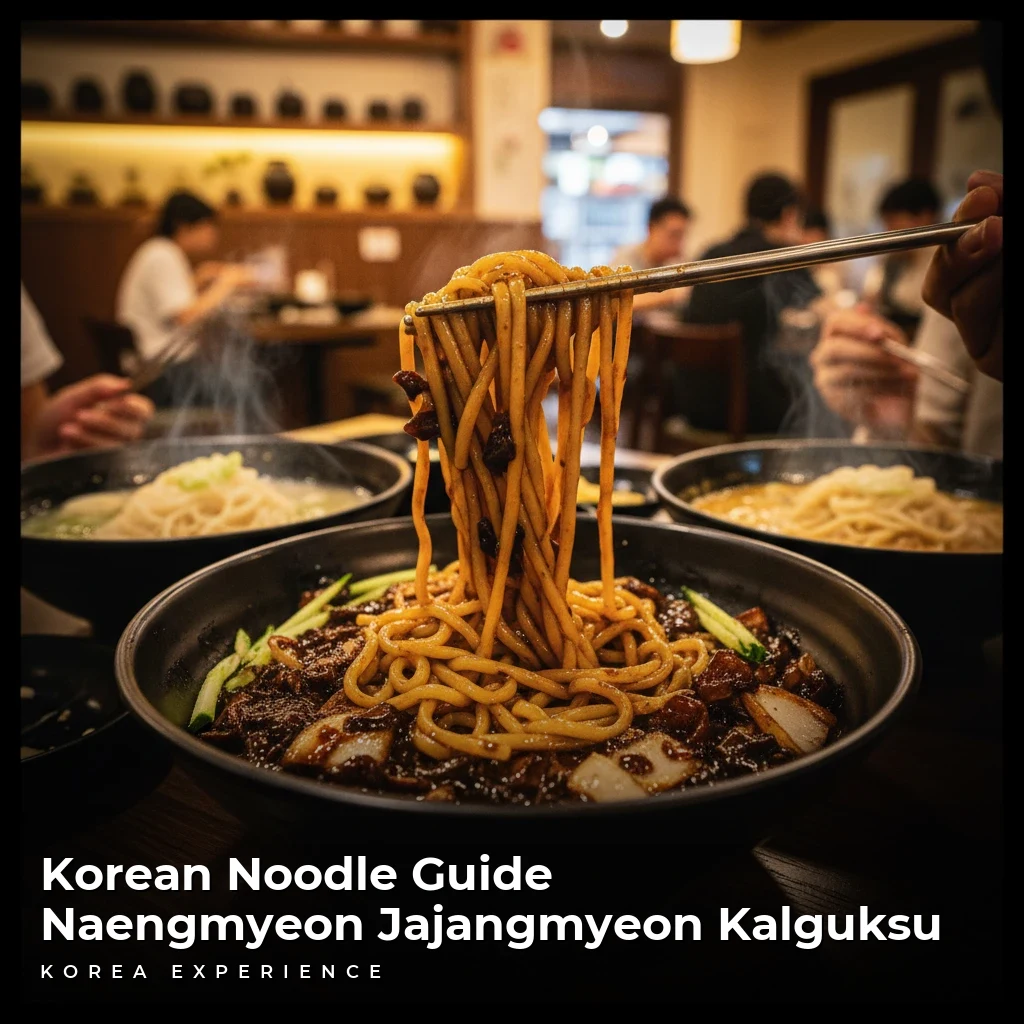
Discover the ultimate Korean noodle guide covering Naengmyeon, Jajangmyeon, and Kalguksu. Learn where to eat, how to order, and local etiquette tips.
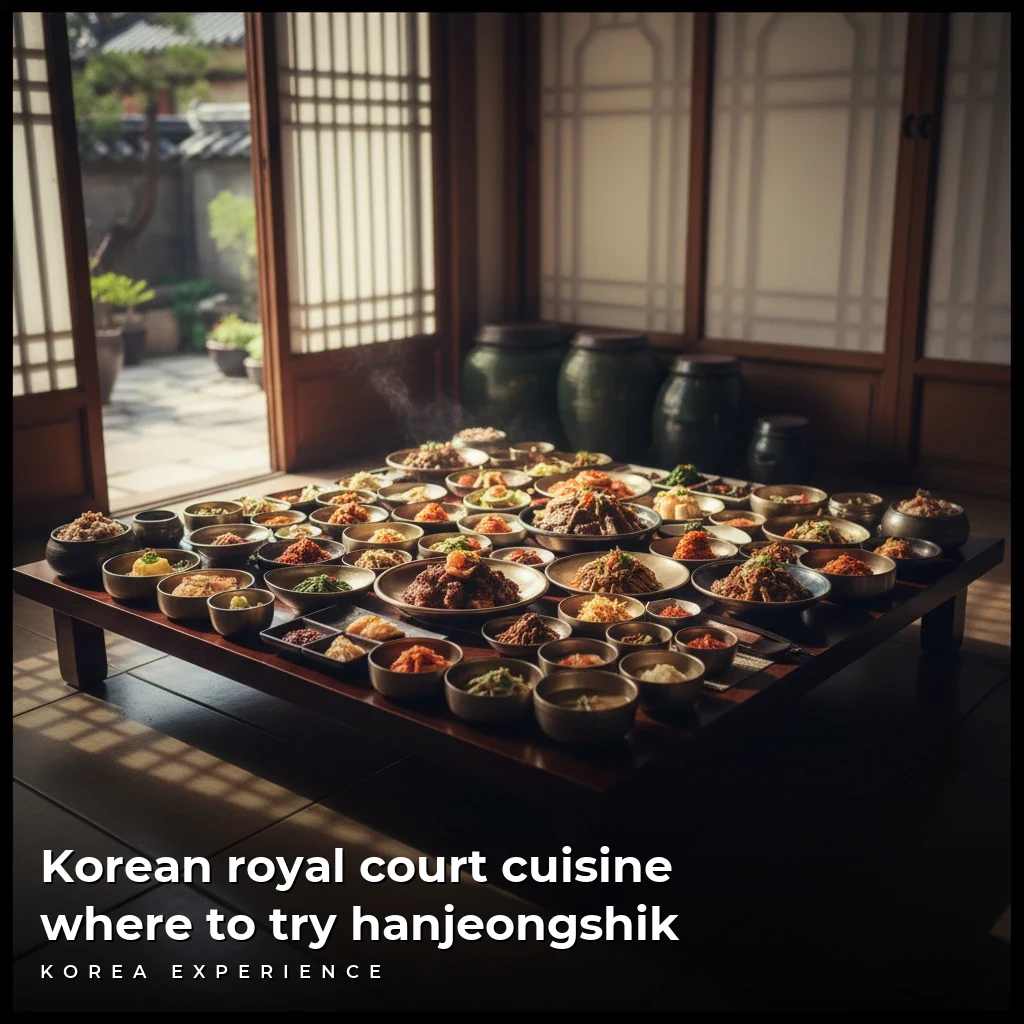
Discover the elegance of Korean Royal Court Cuisine. Our guide covers top Hanjeongshik restaurants, menus, and dining etiquette for 2026 travelers.
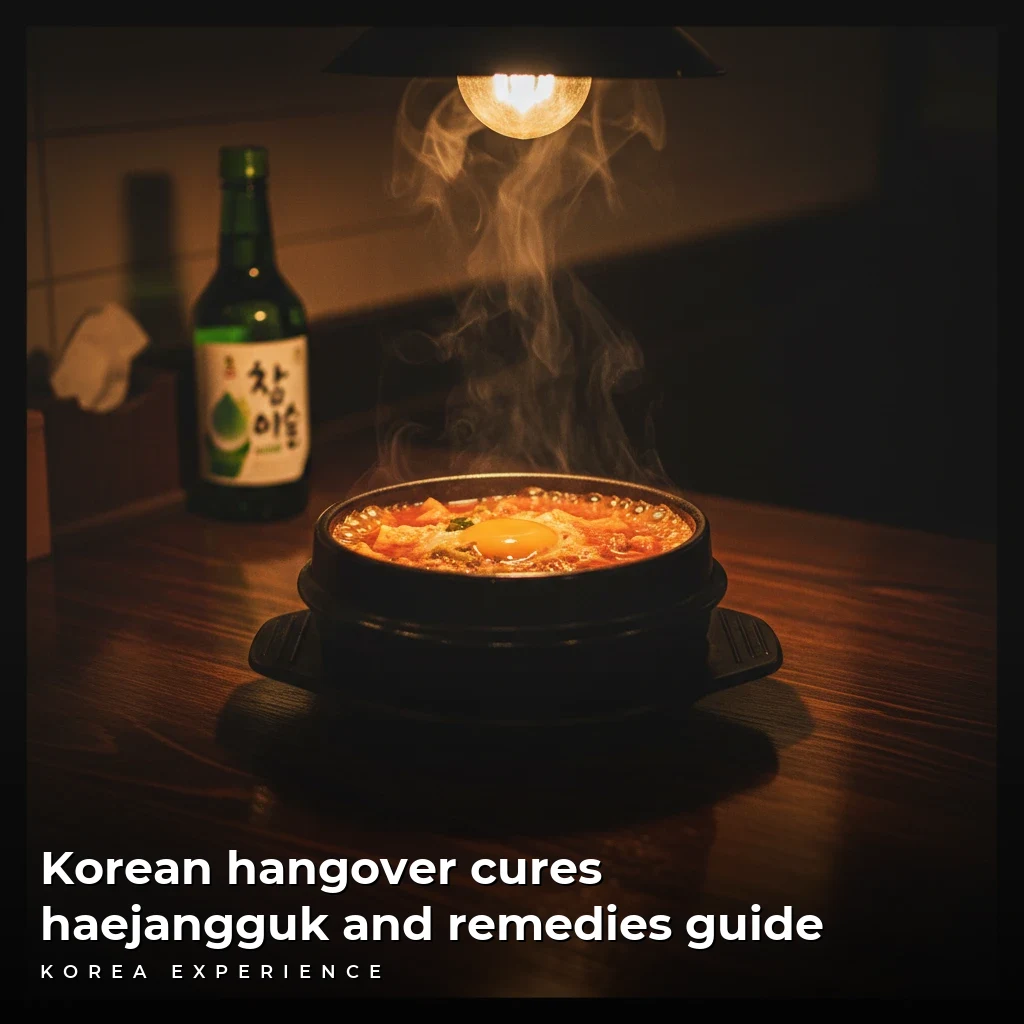
Master the art of recovery in Seoul. From savory Haejangguk soups to convenience store elixirs, here is your essential guide to Korean hangover cures.