Korean Banchan Side Dishes Guide 2026
Explore the delicious world of Korean banchan side dishes. This 2026 guide covers types, history, etiquette, and how to enjoy them like a local.
Korean Banchan Side Dishes Complete Guide 2026
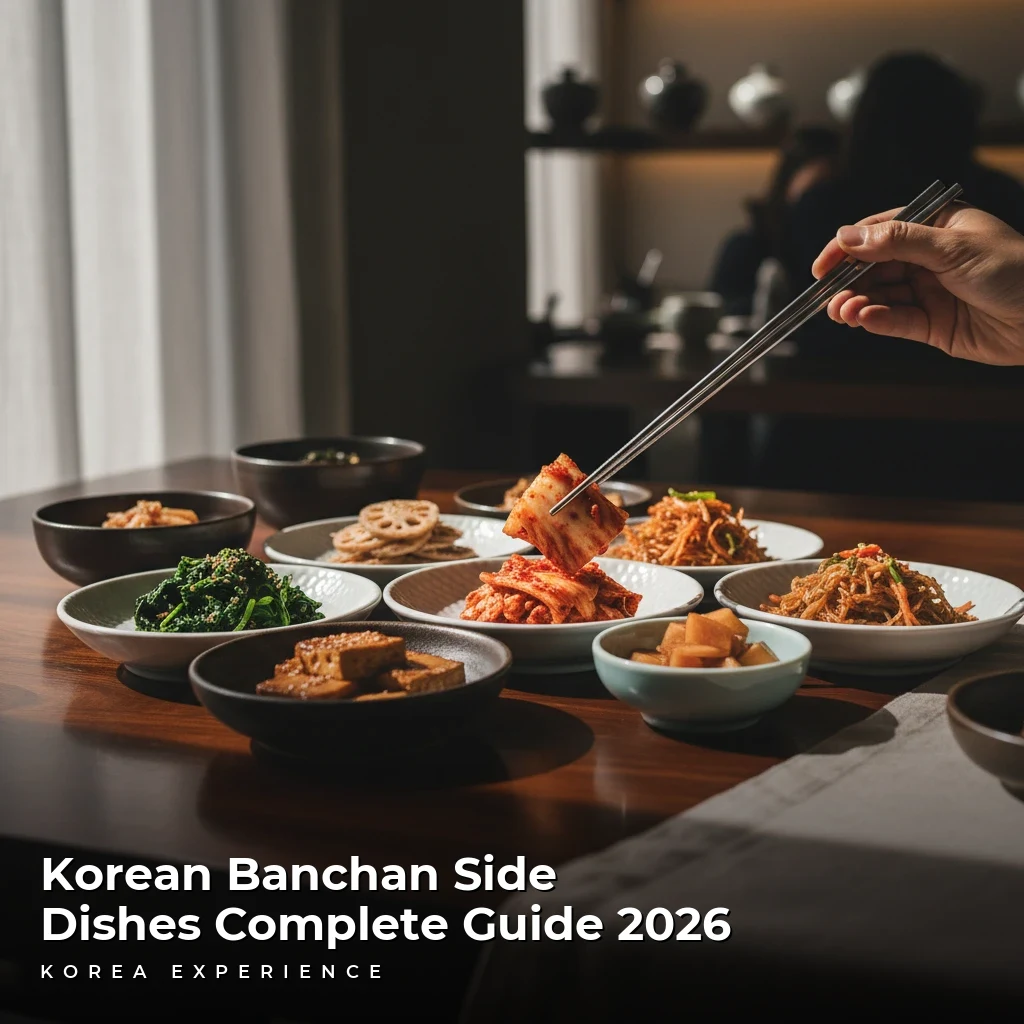
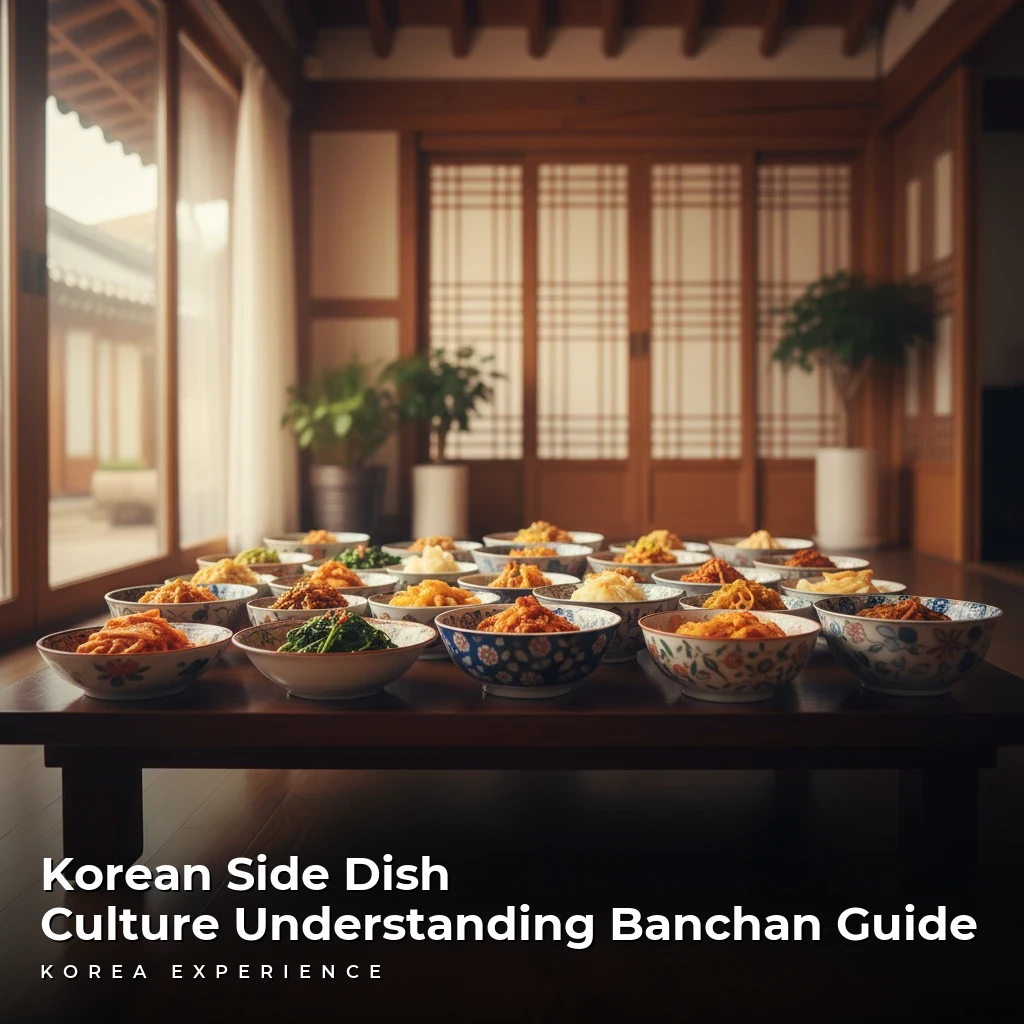
Stepping into a Korean restaurant, whether it's a bustling local eatery in Seoul or a cozy family-run spot in a provincial town, you're immediately greeted by an array of small, vibrant dishes that magically appear before your main course. These are banchan – Korean side dishes – and they are the unsung heroes of Korean cuisine, transforming every meal into a communal feast of flavors, textures, and colors. For international travelers and expats, understanding banchan is key to unlocking a deeper appreciation for Korea's culinary identity.
This comprehensive 2026 guide will delve into the fascinating world of Korean banchan side dishes. We'll explore their rich history, decode the etiquette of enjoying them, introduce you to the most popular types, and even provide insider tips on where to find the best banchan experiences across Korea. By the end, you'll not only be able to identify your favorite banchan but also understand their vital role in Korean culture and how to savor them like a seasoned local. Get ready to embark on a delicious journey that goes beyond just kimchi!
Understanding Banchan: The Heart of Korean Dining
Banchan, quite simply, are small dishes of food served along with cooked rice and a main dish (like guk – soup, or jjigae – stew) at every Korean meal. The term itself means "side dish," but their significance far outweighs this humble translation. They are not merely accompaniments; they are integral components that balance and enhance the overall dining experience, offering a dynamic interplay of tastes, from spicy and savory to sweet, sour, and fermented.
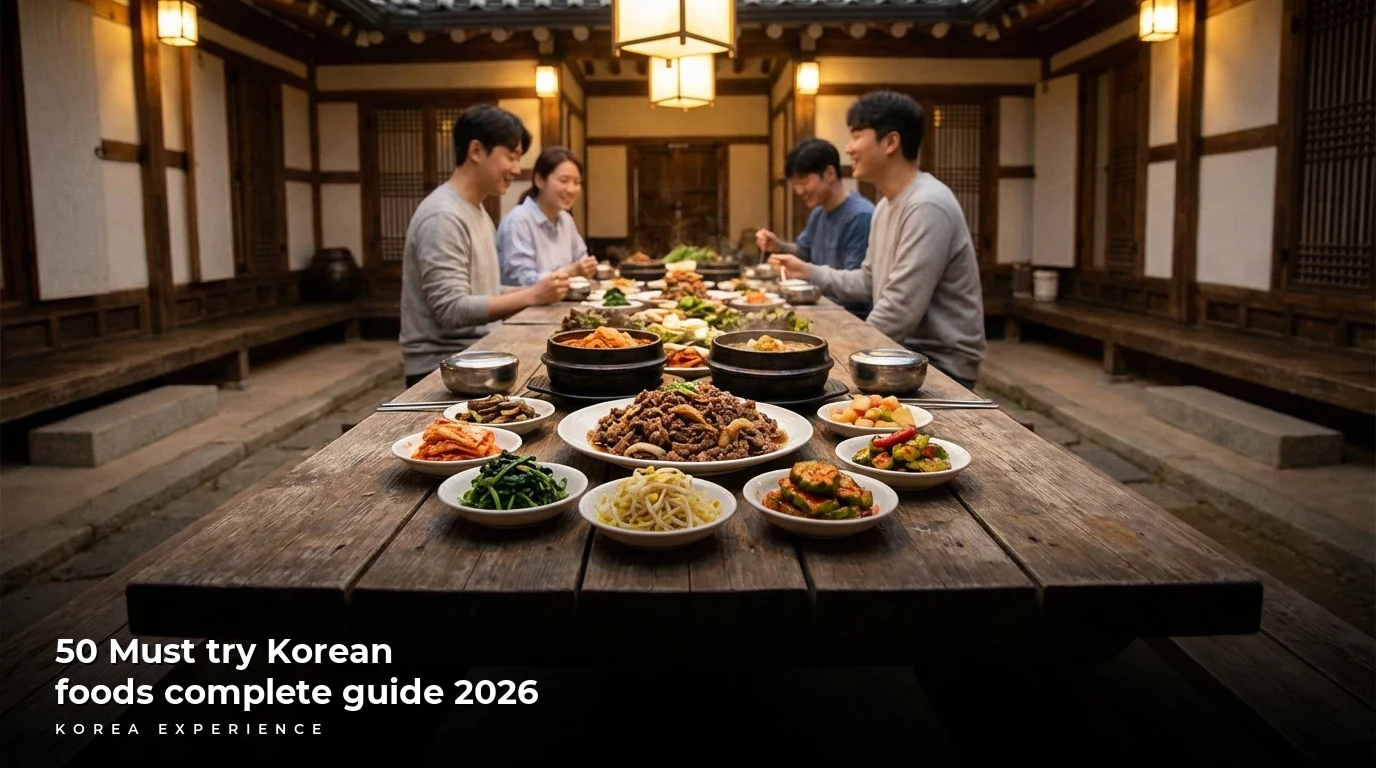
In Korea, a meal is rarely considered complete without a generous spread of banchan. Their variety can range from just a few simple plates at a casual lunch spot to dozens of elaborate preparations at a traditional hanjeongsik (full-course Korean meal) restaurant. They reflect the season, regional specialties, and the chef's creativity, making each dining experience uniquely memorable. Unlike appetizers, banchan are designed to be eaten throughout the entire meal, complementing bites of rice and the main dish.
The Role of Banchan in Korean Culture
Banchan are more than just food; they are a cultural cornerstone. They embody Korea's communal eating culture, where dishes are shared and enjoyed by everyone at the table. This practice fosters connection and conversation. Historically, banchan also represented a family's hospitality and prosperity, with a bountiful table signaling warmth and generosity. Even today, the care and effort put into preparing banchan are a testament to Korean culinary pride.
Furthermore, banchan play a crucial role in nutrition. With a typical spread including various vegetables, fermented foods, and sometimes small portions of protein, they ensure a balanced intake of nutrients, making Korean meals inherently wholesome. The sheer diversity encourages diners to try a wide range of ingredients and preparation methods.
Why Banchan Are Essential for Travelers
For visitors, banchan offer an immediate, accessible window into Korean gastronomy. They allow you to sample numerous flavors and ingredients without committing to a single main dish. They are often refillable (more on that later!), providing excellent value and the chance to discover new favorites. Learning about banchan enriches your dining adventures, helping you appreciate the thoughtfulness and complexity behind every Korean meal you encounter.
A Journey Through Banchan History and Culture
The tradition of banchan has deep roots in Korean history, evolving over centuries to become the ubiquitous dining practice it is today. Its origins are closely tied to Korea's agricultural past, religious influences, and royal court cuisine.
Historical Evolution of Banchan
The earliest forms of banchan can be traced back to the Three Kingdoms period (1st century BCE - 7th century CE), with simple vegetable preparations and fermentation techniques already in use. However, it was during the Goryeo Dynasty (918-1392) that banchan truly began to flourish, influenced significantly by Buddhism. With a strong emphasis on vegetarianism, the development of diverse vegetable-based banchan became crucial to create varied and satisfying meals. This era saw the rise of namul (seasoned vegetable dishes) and different types of pickles.
The Joseon Dynasty (1392-1897) further refined banchan culture, particularly within the royal court. Court cuisine was incredibly sophisticated, featuring elaborate spreads with numerous banchan dishes prepared with meticulous detail and seasonal ingredients. This royal influence gradually trickled down to the aristocratic classes and eventually to common households, solidifying the idea that a meal should consist of multiple small dishes. The introduction of chili peppers to Korea in the 16th century by Portuguese traders from Japan revolutionized banchan, leading to the creation of kimchi as we know it today, a staple that profoundly reshaped the Korean table.
Regional Variations and Specialties
Just as dialects vary across Korea, so too do banchan specialties. Each region boasts its unique flavors, ingredients, and preparation styles, reflecting local produce and culinary traditions.
Jeolla-do: The Gastronomic Capital
The southwestern Jeolla-do province, particularly cities like Jeonju and Gwangju, is renowned as Korea's gastronomic heartland. Its fertile plains and abundant seafood lead to banchan spreads that are often more generous and flavorful than anywhere else. Expect bolder seasonings, a wider array of fermented foods, and unique seafood banchan like Ganjang Gejang (soy-marinated crab) or gulbi (dried yellow corvina). Restaurants in this region often pride themselves on offering a staggering number of banchan, sometimes upwards of 20-30 different varieties.
Gyeongsang-do: Hearty and Spicy
The southeastern Gyeongsang-do region, encompassing Busan and Daegu, is known for its heartier, often spicier cuisine. Banchan here might feature more robust flavors, a heavier reliance on seafood from the East Sea, and perhaps simpler, more rustic preparations. Fermented seafood banchan (jeotgal) are particularly popular.
Gyeonggi-do and Seoul: Refined and Diverse
In the central Gyeonggi-do province and metropolitan Seoul, banchan tend to be more refined, often balancing traditional flavors with modern influences. While still diverse, the emphasis might be on presentation and a slightly milder flavor profile to cater to a broader palate. You'll find a mix of classic recipes and innovative twists, reflecting the cosmopolitan nature of the capital.
Essential Banchan Types You Must Know
While the world of banchan is vast, a few key categories and specific dishes form the backbone of almost any Korean meal. Familiarizing yourself with these will greatly enhance your dining experience.
Kimchi: The Undisputed King
There's no discussing banchan without starting with kimchi. This fermented spicy cabbage, or sometimes radish or cucumber, is more than just a side dish; it's a national symbol and a superfood. Kimchi comes in hundreds of varieties, each with its own distinct flavor profile, from intensely spicy to subtly sour.
- Baechu Kimchi: The most common type, made from napa cabbage, fermented with chili powder (
gochugaru), garlic, ginger, and various seafood. - Kkakdugi: Diced radish
kimchi, known for its crunchy texture and refreshing taste. - Oi Sobagi: Cucumber
kimchi, often stuffed with vegetables, popular in warmer months. - Nabak Kimchi: A less spicy, watery
kimchimade with radish and napa cabbage, served in a broth.
Namul: The Vegetable Wonders
Namul refers to any seasoned vegetable dish. These are typically blanched, steamed, or stir-fried and then mixed with various seasonings like sesame oil, garlic, soy sauce, and gochujang (chili paste). They are a cornerstone of healthy Korean eating.
- Sigeumchi Namul: Blanched spinach seasoned with garlic, sesame oil, and soy sauce. Light and refreshing.
- Kongnamul: Soybean sprouts, often blanched and seasoned similarly to
sigeumchi namul. Known for its distinctive crunch. - Sukju Namul: Mung bean sprouts, another common sprout
namul. - Doraji Namul: Seasoned bellflower root, which has a slightly bitter, earthy flavor and a unique chewy texture.
- Godeureum Namul: Dried radish greens, often rehydrated and stir-fried, offering a deep, savory taste.
Jorim and Bokkeum: Braised and Stir-fried Delights
These categories offer richer, more intensely flavored banchan, often incorporating proteins or root vegetables.
- Dubu Jorim: Braised tofu in a savory, often spicy, soy-based sauce. A popular vegetarian option.
- Eomuk Bokkeum: Stir-fried fish cakes, usually with vegetables in a sweet and savory sauce. A childhood favorite for many Koreans.
- Jangjorim: Braised beef or quail eggs in a soy sauce broth. A deeply savory and protein-rich
banchan. - Gamja Jorim: Braised potatoes in a soy-based sauce, sometimes with a touch of sweetness.
Jeon: Korean Pancakes
Jeon are savory Korean pancakes, often served as banchan or as an appetizer.
- Pajeon: Green onion pancake, sometimes with seafood (
Haemul Pajeon). - Kimchijeon:
Kimchipancake, crispy and spicy. - Gyeran-mari: Rolled egg omelet, often mixed with chopped vegetables like carrots and green onions. A milder, kid-friendly option.
Other Notable Banchan
- Japchae: Stir-fried glass noodles with vegetables and often beef. While sometimes served as a main dish, smaller portions are common as
banchan, especially during holidays. - Gyeran-jjim: Steamed egg custard, fluffy and savory, a comforting addition to any meal.
- Yeongeun Jorim: Braised lotus root, sweet, savory, and beautifully presented with a unique texture.
- Myulchi Bokkeum: Stir-fried anchovies, either sweet and sticky with honey/syrup or spicy with
gochujang. Rich in calcium.
Common Banchan Types Quick Reference
| Banchan Category | Example Dish | Key Characteristics | Typical Flavor Profile | Main Ingredient |
|---|---|---|---|---|
| Kimchi | Baechu Kimchi | Fermented, spicy, crunchy | Spicy, sour, umami | Napa Cabbage |
| Namul | Sigeumchi Namul | Blanched, seasoned, light | Fresh, savory, sesame | Spinach |
| Jorim | Dubu Jorim | Braised, rich sauce | Savory, spicy/sweet | Tofu |
| Bokkeum | Eomuk Bokkeum | Stir-fried, sweet/savory | Sweet, savory, chewy | Fish Cake |
| Jeon | Kimchijeon | Pan-fried, savory | Spicy, crispy | Kimchi |
| Other | Japchae | Stir-fried noodles | Savory, slightly sweet | Glass Noodles |
Navigating Banchan Etiquette and Enjoyment
Enjoying banchan like a local involves more than just eating them; it's about understanding the subtle nuances of Korean dining etiquette.
The Art of Sharing and Refilling
Banchan are always served communally. You should use your personal spoon or chopsticks to take a portion from the shared plates onto your own rice bowl or plate. It's perfectly acceptable, and even encouraged, to try a little bit of everything.
One of the most wonderful aspects of banchan in many Korean restaurants is that they are often refillable, free of charge. If you particularly enjoy a certain dish, don't hesitate to politely ask for more. You can usually do this by making eye contact with a server and saying "Juseyo" (please) while pointing to the empty dish, or simply asking "Eomuk Bokkeum, juseyo?" (Fish cake, please?). However, be mindful not to waste food. Only ask for what you can reasonably finish. Some establishments, especially buffets or high-end restaurants, might charge for refills or have self-service banchan corners where you can help yourself.
Pairing Banchan with Your Main Dish
The beauty of banchan lies in their versatility. They are designed to be eaten alongside your main course and rice, not as separate courses.
- Rice is King: Always pair your
banchanwith bites of rice. The rice acts as a palate cleanser and a neutral base, allowing the flavors of thebanchanto shine without overwhelming your taste buds. - Balancing Flavors: Use
banchanto balance the flavors of your main dish. If your stew is spicy, a coolingnamulor mildgyeran-jjimcan offer relief. If your main protein is rich, a tartkimchican cut through the richness. - Textural Contrast: Enjoy the varied textures. The crunch of
kkakdugiwith the tenderness ofgalbi(short ribs), or the chewiness ofeomuk bokkeumwith the fluffiness ofgyeran-jjim. - Seasonal Delights: Pay attention to seasonal
banchan. Restaurants often change their offerings to reflect what's fresh and available, providing a unique culinary experience throughout the year.
Insider Tips for Enjoying Banchan
- Don't Overfill Your Plate: Take small portions at first to try everything, then refill your favorites. This prevents waste and ensures you can sample a wide array.
- Observe the Locals: Watch how Koreans at neighboring tables are eating. This is the best way to pick up on local customs.
- Be Adventurous: Don't shy away from unfamiliar
banchan. Some of the most unique and delicious flavors are found in lesser-known dishes. - Dietary Considerations: If you have dietary restrictions (e.g., vegetarian, allergies), it's best to learn a few key Korean phrases or have a translation app ready, as
banchaningredients aren't always explicitly listed. Manynamuldishes are vegetarian, but check for fish sauce or other animal products.
Where to Find and Enjoy the Best Banchan in Korea 2026
From traditional markets to upscale restaurants, Korea offers countless opportunities to experience fantastic banchan. Here’s a guide to finding the best spots in 2026.
Traditional Korean Restaurants (Hanjeongsik and Local Eateries)
For the quintessential banchan experience, seek out traditional Korean restaurants.
- Hanjeongsik Restaurants: These establishments specialize in full-course traditional meals, featuring an astonishing spread of
banchan, main dishes, and soups. They are typically more upscale and offer a refined dining experience.- Example: Ondal Hanjeongsik in Gangneung (Gangwon-do) is celebrated for its fresh seafood
banchanand generous portions, reflecting the region's culinary heritage. Expect to pay around 30,000-60,000 KRW per person for a lavish set meal. Chaeseondang in Seoul, while a chain, offers dependablehanjeongsikexperiences in easily accessible locations like Gangnam and Hongdae.
- Example: Ondal Hanjeongsik in Gangneung (Gangwon-do) is celebrated for its fresh seafood
- Local Gukbap and Jjigae Houses: Even humble
gukbap(rice soup) orjjigae(stew) restaurants will offer a few essentialbanchanlikekimchi,kkakdugi, and simplenamul. These are often fresh and homemade, providing a taste of everyday Korean dining.- Recommendation: Any reputable Dwaeji Gukbap (pork soup with rice) place in Busan will serve a fantastic array of fresh
kimchiandkkakdugithat perfectly complement the rich soup. Look for crowded spots – a good sign of quality. Prices typically range from 8,000-12,000 KRW for a main dish withbanchan.
- Recommendation: Any reputable Dwaeji Gukbap (pork soup with rice) place in Busan will serve a fantastic array of fresh
Markets: A Treasure Trove of Banchan
Traditional markets are vibrant hubs where you can find an incredible variety of fresh and pre-made banchan to take home or sample on the spot.
- Gwangjang Market (Seoul): Famous for its street food, Gwangjang Market also has numerous stalls selling freshly made
banchanby the kilo. You can taste before you buy, and the selection is immense, from variouskimchitojapchaeandjeon. It's a fantastic place to observe the sheer scale ofbanchanproduction. - Namdaemun Market (Seoul): Similar to Gwangjang, Namdaemun Market offers a wide array of
banchanvendors. The advantage here is often slightly lower prices and an even greater focus on household goods, meaning you can pick upbanchaningredients too. - Local Neighborhood Markets: Every major neighborhood (
dong) in Korea will have its own smaller traditional market. These often feature localbanchanshops (often calledbanchan-gajaeor반찬가게) that sell daily fresh batches of home-stylebanchanat very reasonable prices (e.g., 3,000-5,000 KRW per small container). These are perfect for expats setting up a kitchen.
Supermarkets and Department Stores
For convenience and consistency, major supermarkets and department store food halls are excellent options for pre-packaged banchan.
- E-mart, Lotte Mart, Homeplus: These large grocery chains have dedicated
banchansections with a vast selection of refrigerated dishes. Quality is generally high, and packaging is convenient for travelers or those without a local kitchen. Prices are competitive, typically 4,000-8,000 KRW per medium-sized container. - Department Store Food Halls (e.g., Lotte, Shinsegae, Hyundai): The food halls in high-end department stores often feature gourmet
banchanvendors. These can be pricier but offer artisanal quality and unique varieties, perfect for a special occasion or as a gift.
Banchan Across Dining Experiences
| Experience Type | Key Features of Banchan | Price Range (per person) | Best For | Considerations |
|---|---|---|---|---|
| Hanjeongsik (Traditional Full Course) | Numerous, elaborate, seasonal, high quality | 30,000-60,000 KRW+ | Special occasions, cultural immersion | Can be overwhelming, reservations often needed |
| Local Eateries (Gukbap, Jjigae) | Essential, fresh, simple, often refillable | 8,000-15,000 KRW | Daily meals, authentic local taste | Fewer varieties, focus on staples |
| Traditional Markets (Stalls) | Wide variety, homemade style, fresh, by weight | 3,000-10,000 KRW (per dish) | Take-home, sampling, culinary exploration | Not always for sit-down dining, cash might be preferred |
| Supermarkets/Food Halls | Convenient, consistent quality, packaged, wide selection | 4,000-12,000 KRW (per dish) | Expats, quick meals, specific cravings | Less "authentic" dining experience |
Making Banchan At Home: Simplified Recipes
While banchan can seem intimidating, many dishes are surprisingly easy to prepare at home, allowing you to bring a piece of Korea into your kitchen. Here are a couple of simplified recipes to get you started.
Recipe 1: Sigeumchi Namul (Seasoned Spinach)
This fresh and healthy namul is a perfect beginner banchan.
Ingredients:
- 1 bunch fresh spinach (approx. 300g)
- 2 cloves garlic, minced
- 1 tablespoon soy sauce (or more, to taste)
- 1 tablespoon sesame oil
- 1 teaspoon sesame seeds (toasted, optional)
- Pinch of salt (optional, for blanching)
Instructions:
- Prepare the Spinach: Wash the spinach thoroughly. Bring a pot of water to a rolling boil. Add a pinch of salt to the water. Blanch the spinach for about 30-45 seconds, until bright green and slightly wilted. Do not overcook.
- Cool and Squeeze: Immediately transfer the blanched spinach to an ice bath or rinse under cold running water to stop the cooking process. Squeeze out as much excess water as possible. This is crucial for good texture and flavor absorption.
- Season: In a mixing bowl, combine the squeezed spinach, minced garlic, soy sauce, and sesame oil.
- Mix and Serve: Gently mix everything by hand, ensuring the seasonings are evenly distributed. Taste and adjust seasoning if needed (add more soy sauce or a tiny pinch of salt). Garnish with toasted sesame seeds if desired. Serve chilled or at room temperature.
Recipe 2: Eomuk Bokkeum (Stir-fried Fish Cakes)
A crowd-pleasing, slightly sweet and savory banchan.
Ingredients:
- 200g Korean fish cakes (
eomuk), thin rectangular sheets - 1/2 onion, thinly sliced
- 1/2 carrot, julienned
- 1 green onion, chopped
- 1 tablespoon cooking oil
Sauce:
- 2 tablespoons soy sauce
- 1 tablespoon
gochujang(Korean chili paste, optional for a spicy kick) - 1 tablespoon corn syrup or sugar (or
oligosaccharide) - 1 teaspoon minced garlic
- 1 tablespoon water or anchovy broth
- 1 teaspoon sesame oil
- 1 teaspoon sesame seeds
Instructions:
- Prepare Fish Cakes: If using sheets, cut the fish cakes into bite-sized rectangles or strips. You can blanch them briefly in hot water (10-20 seconds) to remove excess oil, then drain well. This step is optional but recommended.
- Prepare Sauce: In a small bowl, whisk together all sauce ingredients until well combined.
- Stir-fry Vegetables: Heat cooking oil in a large pan or wok over medium-high heat. Add the sliced onion and carrot and stir-fry for 2-3 minutes until slightly softened.
- Add Fish Cakes and Sauce: Add the prepared fish cakes to the pan and stir-fry for another 1-2 minutes. Pour the sauce over the fish cakes and vegetables.
- Finish: Continue to stir-fry for 3-5 minutes, allowing the sauce to coat the
eomukand thicken slightly. Turn off the heat, stir in the chopped green onion, and garnish with extra sesame seeds. Serve warm or at room temperature.
These recipes are just a starting point. As you grow more comfortable, you can experiment with different vegetables for namul or adjust the spice level in your eomuk bokkeum.
The Future of Banchan: Innovation and Tradition
As Korea continues to globalize and culinary trends evolve, banchan are also adapting. While rooted in tradition, they are seeing innovative interpretations that cater to modern palates and lifestyles.
Modern Twists and Fusion Banchan
Chefs in contemporary Korean restaurants are experimenting with fusion banchan, incorporating international ingredients and techniques. You might find banchan made with avocado, pesto, or even Western-style cheeses, offering a delightful surprise to diners. These modern banchan often prioritize aesthetics and unique flavor combinations, appealing to a younger, globally-minded generation. Fine dining establishments might present individual banchan as small works of art, elevating their status from humble side dish to gourmet appetizer.
Health and Dietary Trends
The increasing global awareness of health and dietary restrictions is also influencing banchan. There's a growing demand for vegan banchan that strictly avoid animal products, including fish sauce (aekjeot) and shrimp paste (saeujeot) commonly found in traditional kimchi. Restaurants and home cooks are exploring plant-based alternatives to maintain flavor while adhering to vegan principles. Similarly, low-sodium and gluten-free banchan options are becoming more prevalent, catering to specific health needs.
Convenience and Global Reach
The convenience factor is a major trend for banchan. With busy modern lifestyles, many Koreans rely on pre-made banchan from supermarkets and specialized banchan stores. Online delivery platforms have also made it incredibly easy to order a fresh assortment of banchan right to your doorstep, a trend that only strengthened during the 2020s.
Globally, banchan are gaining recognition beyond just kimchi. As Korean cuisine continues its meteoric rise in popularity, international diners are becoming more curious about the diverse array of side dishes. This has led to an increase in Korean restaurants abroad offering a wider selection of banchan and even specialized banchan stores opening in major cities around the world. This global appreciation ensures that banchan, in both its traditional and innovative forms, will continue to be a cherished part of the Korean dining experience for years to come.
Frequently Asked Questions about Korean Banchan
Q1: Are banchan always free?
A1: In most traditional Korean restaurants (especially those serving gukbap, jjigae, or Korean BBQ), banchan are provided free of charge with your meal. They are considered an essential part of the dining experience. However, at some higher-end hanjeongsik restaurants or buffets, banchan might be included in a set meal price, or refills of premium banchan might incur a small fee. Always check if unsure.
Q2: Can I ask for refills of banchan?
A2: Absolutely! In the vast majority of Korean eateries, banchan refills are free and encouraged. Simply signal a server and point to the empty dish you'd like refilled, or politely ask by name (e.g., "Kimchi, juseyo?" - "Kimchi, please?"). Be mindful not to waste food; only ask for what you will eat. Some restaurants have self-service banchan stations where you can help yourself.
Q3: What are some good vegetarian banchan?
A3: Many banchan are inherently vegetarian. Excellent choices include various namul (seasoned vegetables like spinach, bean sprouts, radish greens, bellflower root), dubujorim (braised tofu), gyeran-mari (rolled omelet), and most types of kimchi (though some kimchi can contain fish sauce or shrimp paste, so inquire if you're strict). Japchae (glass noodles) is also often vegetarian, but sometimes includes meat.
Q4: Are banchan healthy?
A4: Generally, yes! Banchan are often made with a wide array of fresh and fermented vegetables, offering significant nutritional benefits. They provide vitamins, minerals, and fiber. Fermented banchan like kimchi are excellent for gut health. While some banchan can be higher in sodium or include fried components, the overall variety and emphasis on vegetables make Korean meals, complete with banchan, a very balanced and healthy option.
Q5: How many banchan should I expect to receive?
A5: The number of banchan varies greatly depending on the type of restaurant and the main dish. A casual gukbap place might offer 3-5 essential banchan (like kimchi, kkakdugi, and a namul). A Korean BBQ restaurant might provide 5-8. A traditional hanjeongsik meal, however, can feature an impressive spread of 10-20 or even more different banchan, showcasing the chef's skill and generosity.
Conclusion: Savoring the Korean Banchan Experience
Korean banchan side dishes are far more than just accompaniments; they are the heart and soul of Korean dining, embodying centuries of culinary tradition, regional diversity, and a deep-seated culture of sharing. From the fiery kick of kimchi to the delicate freshness of namul, each small dish tells a story, balancing the meal and elevating the overall experience.
As you explore Korea in 2026, armed with this guide, we encourage you to dive headfirst into the world of banchan. Be adventurous, try every dish, ask for refills of your favorites, and appreciate the thoughtful array placed before you. Whether you're dining in a bustling Seoul market, a serene hanjeongsik restaurant in Jeonju, or even attempting your own banchan creations at home, understanding these essential side dishes will undoubtedly enrich your journey and deepen your connection to Korean culture. So, next time you sit down for a Korean meal, take a moment to admire the vibrant tapestry of banchan – and then, dig in! Your culinary adventure awaits.
About the Author
Korea Experience Team
Written by the Korea Experience editorial team - experts in Korean medical tourism, travel, and culture with years of research and firsthand experience.
⚠️ Medical Disclaimer
The information provided on this website is for general informational purposes only and does not constitute medical advice. Always consult with qualified healthcare professionals before making any medical decisions.
Continue Reading
Explore more articles you might find interesting
Discover the exquisite world of Korean royal court cuisine. Learn its history, iconic dishes, and where to find authentic experiences in Korea in 2026.
Discover the vibrant world of Makgeolli bars in Korea. Explore traditional rice wine culture, types of Makgeolli, food pairings, and top spots for an authentic experience.
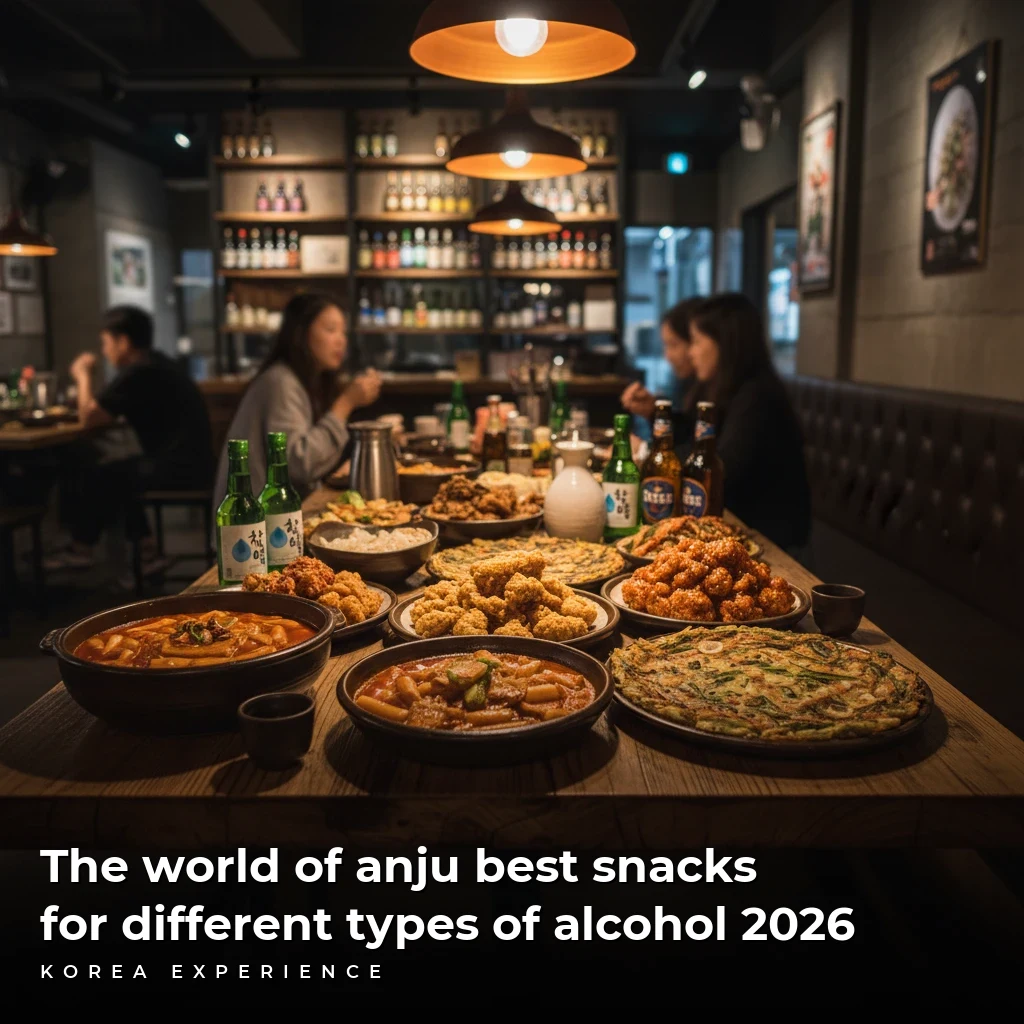
Discover the perfect Korean bar snacks to pair with soju, makgeolli, and beer. Master the art of anju for an authentic experience.