Medical Tourism

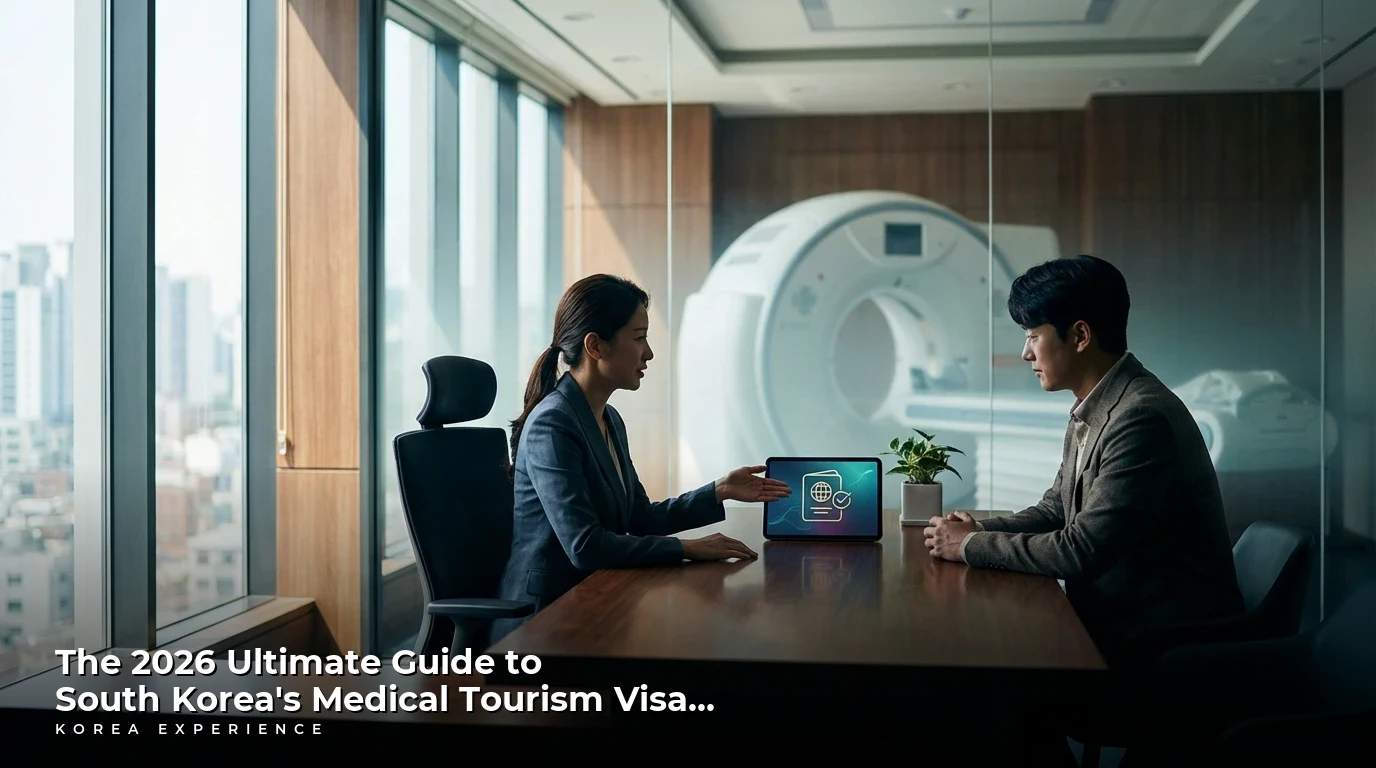
Korea Medical Tourism Visa Application Guide

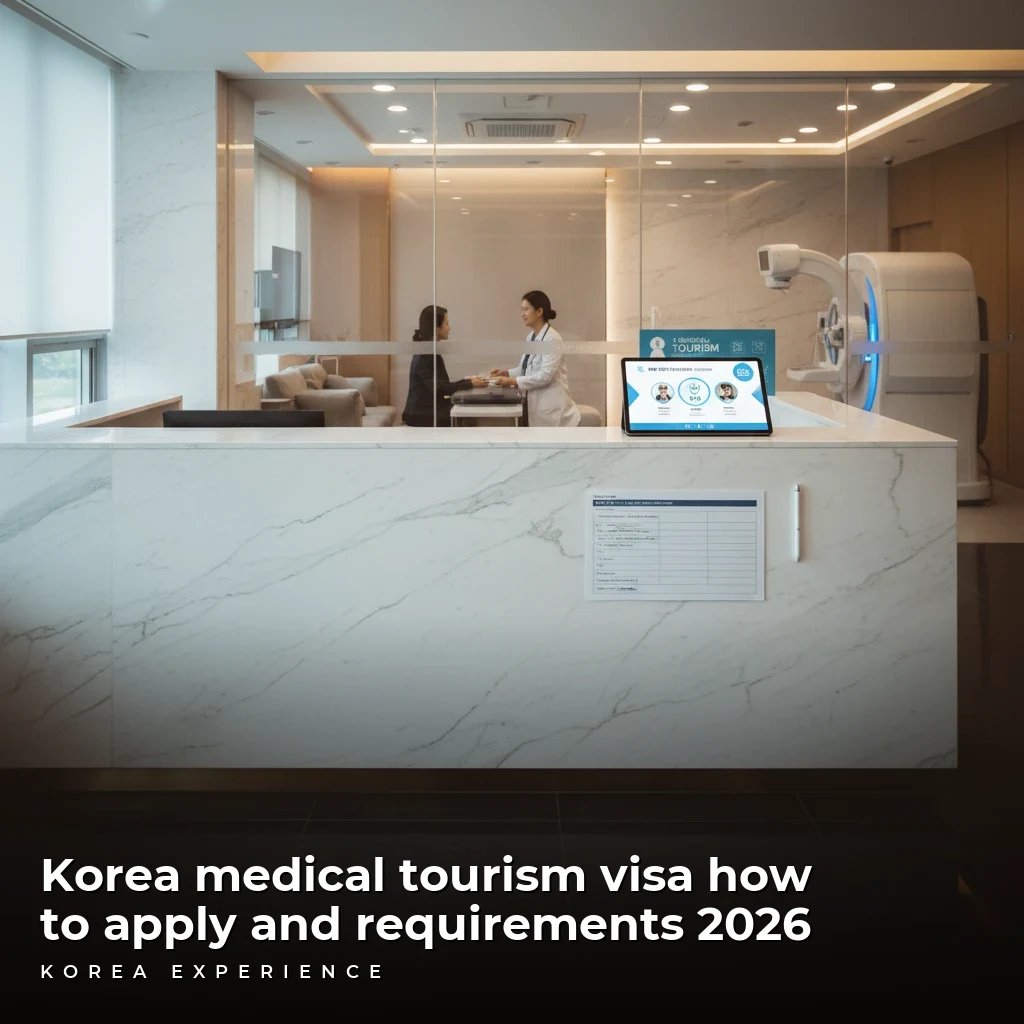
Navigate the Korea Medical Tourism Visa application with this comprehensive guide, covering types, requirements, and steps for international patients seeking world-class care.

Your Definitive Guide to the Korea Medical Tourism Visa: How to Apply

In an age where advanced medical treatments are increasingly globalized, South Korea has emerged as a powerhouse, attracting hundreds of thousands of international patients annually. Renowned for its cutting-edge technology, highly skilled medical professionals, state-of-the-art facilities, and often competitive pricing, Korea offers a compelling blend of quality and accessibility that is hard to match. From advanced cancer treatments and complex surgeries to innovative dermatological procedures and transformative cosmetic enhancements, Korea's medical landscape caters to a diverse range of needs.

However, the journey to receiving world-class medical care in Korea isn't always straightforward. A critical first step for many international patients is understanding and successfully navigating the visa application process. This can seem daunting, with various visa categories, specific documentation requirements, and ever-evolving regulations. Many prospective medical tourists find themselves grappling with questions about which visa to apply for, what documents are needed, and how long the process takes.

This comprehensive guide aims to demystify the Korea Medical Tourism Visa application process. Whether you're planning a short-term consultation or anticipating an extended period of treatment, we will walk you through everything you need to know. From identifying the correct visa type for your medical needs to gathering the necessary paperwork and understanding the application procedures, our goal is to equip you with the knowledge to embark on your medical journey in Korea with confidence and clarity. Let's explore how to apply for your Korea Medical Tourism Visa and unlock access to the nation's exceptional healthcare system.

Understanding Korea's Unrivaled Medical Tourism Appeal

Before diving into the intricacies of the visa application, it's worth appreciating why so many individuals choose Korea for their medical needs. This understanding can help frame the importance of a smooth visa process. Korea's medical tourism sector has grown exponentially, fueled by several key factors:

State-of-the-Art Technology and Innovation

Korean hospitals are at the forefront of medical innovation, boasting advanced diagnostic equipment, robotic surgery systems, and pioneering research in various fields, including oncology, cardiovascular diseases, and regenerative medicine. Facilities like Asan Medical Center, Severance Hospital, and Samsung Medical Center are globally recognized for their technological prowess and complex treatment capabilities. This commitment to innovation ensures patients receive the most current and effective treatments available worldwide.

Highly Skilled Medical Professionals

The country invests heavily in medical education and training, producing some of the most proficient doctors and specialists in the world. Many Korean medical professionals have received international training and are fluent in English, facilitating clearer communication with international patients. Their expertise spans a wide spectrum, from highly specialized surgeons to nuanced cosmetic procedure practitioners.

Comprehensive Care and Patient Experience

Korean medical institutions are known for their efficiency and patient-centric approach. Many hospitals offer dedicated international patient centers with multilingual coordinators who assist with appointments, interpretation, administrative tasks, and even cultural integration. The emphasis is on providing a seamless and comfortable experience, from initial consultation to post-treatment follow-up. This holistic approach makes the medical journey less stressful for international visitors.

Cost-Effectiveness

While offering world-class care, many medical procedures in Korea are often more affordable compared to equivalent treatments in Western countries, without compromising on quality. This cost-effectiveness, combined with high success rates, makes Korea an attractive option for those seeking high-value medical care. For example, a complex spinal surgery or a series of cancer treatments might be significantly less expensive in Korea than in the United States or parts of Europe.

Cultural Experience and Recovery Environment

Beyond the clinics, Korea offers a vibrant cultural experience. Patients can combine their treatment with exploring historical sites, enjoying modern city life, and recuperating in serene natural landscapes. The nation's advanced infrastructure, including efficient public transportation and diverse accommodation options, also contributes to a comfortable stay during recovery.

The first and most crucial step in applying for your Korea Medical Tourism Visa is identifying the correct visa category that aligns with your specific medical needs and intended duration of stay. Korea offers several visa types that cater to individuals seeking medical treatment, each with distinct requirements and permissible activities.

1. Short-Term General (C-3-3, C-3-1, C-3-9)

This category is generally for short visits, and while not specifically a "medical tourism visa," it can be used for very brief medical consultations, check-ups, or minor procedures if your total stay does not exceed 90 days.

  • C-3-3 (Medical Tourism): This is the most direct option for short-term medical tourists. It's specifically designed for those coming for medical treatment, medical check-ups, or recuperation.
  • C-3-1 (General Short-Term): For general purposes, including medical tourism that doesn't fall under C-3-3.
  • C-3-9 (General Tourist): Typically for tourism, but may be used for very minor, non-invasive procedures if your primary purpose is tourism. However, it's always safer and more appropriate to use C-3-3 if medical treatment is the core reason for your visit.

Key Characteristics:

  • Duration: Up to 90 days, single or multiple entry.
  • Purpose: Short-term medical examinations, consultations, minor treatments, or initial assessments.
  • Eligibility: Generally requires an invitation or reservation from a Korean medical institution.
  • Limitations: Not suitable for long-term treatments or extended recovery periods.

2. Long-Term Training / Medical Treatment (D-4-2)

The D-4-2 visa is a long-term visa specifically designed for individuals undergoing medical treatment in Korea for an extended period. This is often applicable for more intensive or prolonged medical procedures, rehabilitation, or continuous care that goes beyond the 90-day limit of the C-3 visa.

Key Characteristics:

  • Duration: Up to one year, with possibility of extension.
  • Purpose: Extended medical treatment, hospitalization, rehabilitation, or medical training.
  • Eligibility: Requires a formal invitation and documentation from a registered Korean medical institution, often including a detailed treatment plan and estimated duration.
  • Sponsor: The inviting medical institution typically acts as the sponsor.

3. Miscellaneous (G-1-10) - For Serious Illnesses and Caregivers

The G-1-10 visa is a more flexible, miscellaneous visa category that can be exceptionally granted for patients with serious illnesses requiring long-term treatment, or for family members accompanying such patients as caregivers. This visa is often considered for critical cases where extensive medical care is needed, and the patient may not be able to return to their home country frequently.

Key Characteristics:

  • Duration: Varies, can be up to one year or more, renewable based on medical necessity.
  • Purpose: Treatment for serious illnesses (e.g., cancer, organ transplants), long-term care, or accompanying a critically ill patient.
  • Eligibility: Requires extensive medical documentation from a Korean hospital confirming the serious nature of the illness and the necessity of long-term treatment. A letter of guarantee from the hospital is often critical.
  • Caregivers: Family members or designated caregivers can apply for this visa to accompany the patient, provided they can demonstrate their relationship and necessity.

Visa Type Comparison Table

Visa TypePrimary PurposeMaximum StayKey RequirementsSuitability
C-3-3Short-term medical check-ups, consultations, minor treatments90 DaysInvitation from medical institution, proof of fundsInitial assessment, quick procedures
D-4-2Extended medical treatment, rehabilitation1 Year (extendable)Detailed treatment plan, hospital invitation, proof of financial capabilityLonger treatments, rehabilitation, continuous care
G-1-10Treatment for serious illnesses, long-term care, accompanying critically ill patientsVaries (1 Year, extendable)Extensive medical records, hospital guarantee, proof of severe illnessCritical care, complex long-term conditions

General Eligibility and Required Documents for Your Korea Medical Tourism Visa

Regardless of the specific visa type you apply for, there are fundamental eligibility criteria and a set of core documents that almost all applicants must provide. It is crucial to remember that requirements can vary slightly depending on your nationality, the specific Korean embassy or consulate you apply through, and the evolving immigration policies. Always consult the official website of the Korean embassy or consulate in your country for the most up-to-date and precise information.

General Eligibility Criteria

  • Valid Passport: Your passport must be valid for at least six months beyond your intended period of stay in Korea.
  • Clean Record: You should not have a history of serious criminal offenses or immigration violations in Korea or other countries.
  • Financial Capability: You must demonstrate sufficient funds to cover your medical expenses, accommodation, and living costs during your stay.
  • Medical Necessity: For specific medical visas, you must clearly demonstrate the legitimate need for medical treatment in Korea.
  • Intention to Return: You must convince the visa officer that you intend to return to your home country after your treatment is completed.

Core Required Documents (Common Across Visa Types)

  1. Visa Application Form: Duly completed and signed. These are typically available on the embassy's website.
  2. Original Passport: With at least two blank pages and validity extending beyond your planned departure.
  3. Photocopy of Passport: Relevant pages (photo page, signature page).
  4. Passport-Sized Photos: Recent (within 6 months), color, 3.5cm x 4.5cm, white background. Usually 1-2 photos are required.
  5. Proof of Financial Capability:
    • Bank statements (from the last 3-6 months) showing sufficient funds.
    • Certificate of employment and salary slips (if employed).
    • Business registration certificate and tax returns (if self-employed).
    • Sponsor's financial documents (if someone else is sponsoring your trip, along with a letter of guarantee and proof of relationship).
  6. Round-Trip Flight Itinerary/Reservation: While not always mandatory at the initial application stage, it helps demonstrate intent to return. Do not purchase non-refundable tickets until your visa is approved.
  7. Accommodation Proof: Hotel reservation or letter of invitation from a host in Korea (if applicable). Many medical tourism agencies can assist with temporary accommodation.

Specific Documents for Medical Tourism Visas (C-3-3, D-4-2, G-1-10)

Beyond the core documents, specific medical visas require additional evidence of your medical purpose.

  1. Invitation Letter from a Korean Medical Institution:

    • Issued by a registered hospital or clinic in Korea.
    • Must be on official letterhead, signed and stamped.
    • Should include: your name, passport number, purpose of visit (medical treatment), proposed treatment plan, estimated duration of stay, and an estimated cost of treatment.
    • Contact person and details of the medical institution.
    • For G-1-10 visas, this letter needs to emphasize the severity of the illness and necessity for long-term care.
  2. Medical Certificate/Diagnosis from Your Home Country:

    • Issued by a licensed physician in your current country of residence.
    • Should detail your medical condition, diagnosis, and explain why you seek treatment in Korea.
    • Must be in English or accompanied by a certified English translation.
  3. Detailed Treatment Plan from Korean Hospital:

    • Provided by the Korean medical institution, outlining the proposed procedures, expected duration of treatment, and estimated costs.
    • For D-4-2 and G-1-10, this document is critical and needs to be very comprehensive.
  4. Proof of Medical Tourism Facilitator (Optional but Recommended):

    • If you are using a registered medical tourism agency in Korea, provide their official registration number and a letter confirming their role in facilitating your treatment and stay. This often streamlines the process.
  5. Family Relationship Certificate (for G-1-10 caregivers):

    • Proof of relationship (marriage certificate, birth certificate) if a family member is accompanying the patient.

Required Document Checklist Example

Document CategoryItemC-3-3D-4-2G-1-10Notes
PersonalVisa Application FormYesYesYesDuly completed and signed
Original PassportYesYesYesValid for 6+ months
Passport PhotosYesYesYesRecent, 3.5x4.5cm, white background
FinancialBank StatementsYesYesYesLast 3-6 months, sufficient funds
Employment/Business ProofYesYesYesIf applicable
Sponsor Letter (if applicable)YesYesYesPlus sponsor's financial documents
TravelFlight ItineraryYesYesYesRecommended, not mandatory to buy
Accommodation ProofYesYesYesHotel booking or host letter
MedicalInvitation from Korean HospitalYesYesYesDetailed, specific to your case
Medical Certificate from Home CountryYesYesYesDiagnosis, necessity for treatment in Korea
Detailed Treatment Plan (from Korea)OptionalYesYesCritical for long-term visas
Proof of Medical Tourism FacilitatorOptionalOptionalOptionalIf using an agency
Family Relationship Proof (for caregivers)NoNoYesFor G-1-10 accompanying persons

Step-by-Step Korea Medical Tourism Visa Application Process

The visa application process generally follows a structured path, whether you apply from your home country or in specific cases, from within Korea.

1. Application from Abroad (Standard Process)

Most international patients will apply for their visa at a Korean embassy or consulate in their country of residence before traveling to Korea.

  • Step 1: Research and Select Your Medical Institution:

    • Begin by researching hospitals and clinics in Korea that specialize in your required treatment. Contact them to discuss your condition, get initial assessments, and receive a proposed treatment plan and cost estimate. Many hospitals have international patient coordination teams or partner with medical tourism agencies.
    • Insider Tip: Working with a reputable Korean medical tourism agency can significantly streamline this step. They can help you select the right hospital, coordinate with doctors, and facilitate the necessary medical invitation letters.
  • Step 2: Obtain Official Invitation and Treatment Plan:

    • Once you've chosen a hospital, they will provide you with the official invitation letter and a detailed treatment plan, which are critical documents for your visa application. Ensure these documents are comprehensive and include all required information as outlined above.
  • Step 3: Gather All Required Documents:

    • Compile all personal, financial, travel, and medical documents as specified for your chosen visa type. Ensure all documents are current, complete, and translated into English (or Korean) if necessary, with official notarization or apostille if required by your embassy.
    • Practical Tip: Create a checklist and tick off each document as you prepare it. Make photocopies of everything.
  • Step 4: Complete the Visa Application Form:

    • Fill out the visa application form accurately and completely. You can usually download this from the embassy's website. Double-check all information before submission.
  • Step 5: Schedule an Appointment (if required) and Submit Your Application:

    • Contact the nearest Korean embassy or consulate in your country to inquire about their submission process. Some require appointments, while others accept walk-ins during specific hours.
    • Submit your complete application package, including your passport, documents, and the visa fee. Visa fees can vary by nationality and visa type. As of early 2020s, a single-entry short-term visa might cost around USD 40-60, while a long-term visa could be USD 60-90, subject to exchange rate fluctuations.
    • Important: Be prepared for an interview if the consular officer deems it necessary.
  • Step 6: Await Visa Processing:

    • Processing times vary widely depending on the embassy, the visa type, and the complexity of your case. It can range from a few business days to several weeks. Plan accordingly and apply well in advance of your intended travel date.
    • You can usually track your application status online via the Korean visa portal or the embassy's website.
  • Step 7: Collect Your Passport and Visa:

    • Once processed, you will be notified to collect your passport with the visa sticker (or receive it by mail if pre-arranged). Carefully check all details on your visa sticker to ensure accuracy.

2. Changing Status or Extending Your Stay Within Korea (Limited Cases)

While initial applications are usually made from abroad, certain circumstances might allow for a change of status or extension of your visa within Korea. This is typically handled by the Korea Immigration Service.

  • Change of Status: If you initially entered Korea on a short-term visa (e.g., C-3-9 tourist visa) and unexpectedly require long-term medical treatment, you might be able to apply for a change of status to a D-4-2 or G-1-10 visa. This is not guaranteed and requires compelling medical reasons, strong support from a Korean medical institution, and permission from the Immigration Service. It's often granted in emergency or unforeseen severe medical conditions.
  • Extension of Stay: If you already hold a D-4-2 or G-1-10 medical treatment visa and require further treatment beyond your initial visa's validity, you can apply for an extension at the local Immigration Office. This will require updated medical reports from your treating hospital in Korea, confirming the ongoing need for treatment and a new estimated completion date, along with proof of financial capability.
    • Process for Extension/Change:
      1. Obtain necessary documents from your Korean hospital (medical reports, updated treatment plan, letter of necessity for extension).
      2. Gather personal documents (passport, alien registration card if applicable, financial proof).
      3. Visit the nearest Korea Immigration Service office (e.g., Seoul Immigration Office in Mok-dong, Incheon Immigration Office). It is advisable to book an appointment online via the Hi-Korea website (www.hikorea.go.kr) to avoid long queues.
      4. Submit your application and pay the fee.
      5. Await approval. This typically takes a few weeks.

Important Considerations and Practical Tips

Navigating a foreign healthcare system and immigration process requires meticulous planning. Here are some critical considerations and insider tips to make your medical journey smoother.

Choosing Your Medical Institution

  • Accreditation: Look for hospitals accredited by international bodies like the Joint Commission International (JCI) or those recognized by the Korean Ministry of Health and Welfare for international patient care.
  • Specialization: Ensure the hospital or clinic specializes in your specific medical condition. Research doctor profiles and their experience.
  • International Patient Services: Prioritize facilities with dedicated international patient centers, offering multilingual staff, translation services, and assistance with administrative procedures. Hospitals like Severance, Asan Medical Center, Samsung Medical Center, and St. Mary's Hospital (all in Seoul) are well-known for their robust international departments.

Engaging a Medical Tourism Facilitator

  • Benefits: A reputable medical tourism agency can be invaluable. They assist with hospital selection, appointment scheduling, treatment plan coordination, visa documentation, accommodation, airport transfers, and sometimes even post-treatment care. They act as a bridge between you, the hospital, and the immigration authorities.
  • Verification: Ensure the agency is officially registered with the Korean government. The Korea Health Industry Development Institute (KHIDI) can provide lists of registered agencies.

Financial Planning and Insurance

  • Comprehensive Cost Estimates: Get a detailed cost breakdown from the hospital, covering consultation, diagnostics, procedures, medication, and follow-up. Remember that these are often estimates and actual costs can vary.
  • Payment Methods: Understand accepted payment methods (credit cards, bank transfers) and any upfront deposit requirements.
  • Medical Insurance: Check if your international health insurance policy covers overseas medical treatment, especially in Korea. If not, consider purchasing a travel insurance policy that includes medical evacuation and treatment coverage. Korean National Health Insurance (NHIS) is generally not available for short-term visitors or those on medical tourism visas, though long-term residents can enroll.

Accommodation and Transportation

  • Near the Hospital: For longer stays, consider serviced apartments or guesthouses near your treatment facility. This minimizes travel time and reduces stress. Many hospitals have affiliated guesthouses or offer recommendations.
  • Public Transportation: Korea boasts an excellent public transportation system (subways, buses). Familiarize yourself with T-Money cards for easy travel. Taxis are also readily available.

Language and Cultural Sensitivity

  • Language Barrier: While many medical staff speak English, everyday interactions outside the hospital might require basic Korean or a translation app. Medical tourism facilitators often provide interpreters.
  • Cultural Etiquette: Familiarize yourself with basic Korean etiquette, such as bowing slightly when greeting, removing shoes indoors, and respecting elders.
  • Dietary Needs: Inform your hospital and accommodation providers about any specific dietary restrictions or allergies in advance.

Preparing for Your Departure and Stay

  • Medication: Bring sufficient supplies of your regular prescription medications, along with a doctor's note, especially if they are controlled substances.
  • Medical Records: Carry copies of all relevant medical records, X-rays, MRI scans, and test results from your home country.
  • Emergency Contacts: Keep a list of emergency contacts, including your family, the medical tourism facilitator, your embassy, and local emergency numbers.

Cost & Financial Planning for Your Medical Journey in Korea

Understanding the financial aspects is paramount when planning your medical trip to Korea. While costs are often competitive, a thorough financial plan will prevent unexpected burdens.

Visa Application Fees

Visa fees are generally standardized but can vary slightly based on your nationality and the specific Korean embassy/consulate.

  • Single-Entry Visa (up to 90 days): Approximately 40-60 USD
  • Single-Entry Visa (more than 90 days): Approximately 60-90 USD
  • Multiple-Entry Visa: Approximately 90-120 USD (often higher)

Note: These are indicative prices and can change. Always check with your local embassy.

Estimated Medical Treatment Costs

The cost of treatment varies dramatically based on the procedure, hospital, and individual patient needs. Here are some general estimates for common procedures (subject to significant variation):

Procedure CategoryEstimated Cost Range (USD)Notes
Initial Consultation100 - 300Specialist consultation, without tests
Basic Health Check-up300 - 800Includes basic blood tests, imaging
Comprehensive Health Check-up1,000 - 3,000More extensive tests, specialized scans
Dermatology (Minor Laser Treatment)200 - 1,000+ per sessionVaries by laser type and area
Cosmetic Surgery (e.g., Double Eyelid)2,000 - 5,000Simple procedures, excluding revision
Dental Implants (per tooth)1,500 - 3,000+Excludes related procedures like bone graft
Spinal Surgery (e.g., Discectomy)8,000 - 20,000+Depends on complexity, hospitalization
Cancer Treatment (e.g., Chemotherapy cycle)2,000 - 10,000+ per cycleVaries by drug, type of cancer, duration
Organ Transplant (e.g., Kidney)50,000 - 150,000+Highly complex, excludes donor costs

Disclaimer: These figures are rough estimates and can change significantly based on the specific hospital, doctor, individual case, and year. Always get a detailed quote from your chosen medical institution.

Accommodation and Living Expenses

  • Accommodation:
    • Budget hotel/guesthouse: 50-80 USD per night
    • Mid-range hotel/serviced apartment: 100-200 USD per night
    • Luxury hotel: 200 USD+ per night
    • Monthly rental (short-term apartment): 800 - 2,000+ USD (depending on size and location)
  • Food: 30-60 USD per day (for moderate eating out)
  • Transportation: 5-15 USD per day (using public transport)
  • Miscellaneous: 20-50 USD per day (personal care, entertainment, etc.)

Estimated Monthly Living Expenses (excluding medical bills): For a comfortable stay in Seoul, budget approximately 1,500 - 3,500 USD per month for accommodation, food, and local transportation. This does not include medical expenses.

Financial Proof Requirement: Korean immigration authorities will require proof that you have sufficient funds to cover all your expenses, including medical treatment and living costs, for the entire duration of your intended stay. This is usually demonstrated through bank statements. Ensure your statements clearly show liquid assets sufficient for this purpose.

Extending Your Stay and Post-Treatment Care

Your medical journey might not end with the last procedure. Planning for potential extensions and follow-up care is crucial.

Visa Extension Process

If your treatment requires more time than initially anticipated or your recovery takes longer, you will need to apply for a visa extension before your current visa expires.

  1. Contact Your Hospital: Request updated medical reports and a letter from your doctor stating the necessity of continued treatment or an extended recovery period. This letter must specify the new estimated completion date.
  2. Gather Documents: Prepare your passport, alien registration card (if applicable), updated medical documents, and proof of sufficient funds to cover the extended period.
  3. Visit Immigration Office: Schedule an appointment online via Hi-Korea and submit your application at your local Immigration Office.
  4. Fee: Be prepared to pay an extension fee (typically around 60,000 KRW, or approximately 45-50 USD). It is vital to apply for an extension well in advance, ideally 1-2 months before your current visa expires, to avoid overstaying penalties.

Post-Treatment Follow-up and Rehabilitation

  • Follow-up Schedule: Discuss a clear follow-up schedule with your Korean medical team. Some follow-ups might be conducted remotely after you return home, while others may require another visit.
  • Rehabilitation: If rehabilitation is part of your recovery, ensure you understand the facilities available and the associated costs. Many major hospitals have dedicated rehabilitation centers.
  • Medical Records: Request comprehensive medical records, including test results, treatment summaries, and discharge instructions, to share with your local doctor back home. These should be provided in English.

Returning Home

Ensure all your medical and financial affairs are settled before your departure. If you plan to return for future treatments, keep lines of communication open with your Korean medical institution.

FAQ: Your Korea Medical Tourism Visa Questions Answered

Here are answers to some of the most frequently asked questions regarding the Korea Medical Tourism Visa.

Q1: Can I apply for a medical visa from within Korea if I entered on a tourist visa?

A: Generally, initial visa applications for medical treatment are expected to be made at a Korean embassy or consulate in your home country. However, in exceptional circumstances, particularly for unforeseen serious illnesses or emergencies, it may be possible to change your visa status from a short-term tourist visa to a long-term medical treatment visa (e.g., D-4-2 or G-1-10) by applying at the Korea Immigration Service. This process is not guaranteed and requires strong medical justification and support from a Korean hospital. It is always best practice to apply for the appropriate visa before traveling.

Q2: Do I need a medical tourism coordinator or facilitator to get a visa?

A: While not strictly mandatory for all visa types, engaging a registered medical tourism coordinator or facilitator is highly recommended, especially for long-term or complex treatments. They can significantly assist with hospital selection, appointment scheduling, treatment plan coordination, obtaining the necessary invitation letters, and navigating the visa documentation process. Their expertise can streamline the application and ensure all requirements are met, reducing stress for the patient.

Q3: How long does the Korea Medical Tourism Visa application process take?

A: Processing times vary widely depending on your nationality, the specific Korean embassy/consulate, the type of visa, and the completeness of your application.

  • C-3-3 (Short-term): Typically 5-10 business days.
  • D-4-2, G-1-10 (Long-term): Can take 2-4 weeks or even longer, especially if additional documents or interviews are required. It is advisable to apply well in advance of your planned travel date, ideally 1-2 months for long-term visas.

Q4: Can my family members accompany me on my medical tourism visa?

A: Yes, in many cases, immediate family members (spouse, minor children) can apply for accompanying visas. For patients with serious illnesses seeking a G-1-10 visa, designated caregivers (often family members) can also apply for a G-1-10 visa to accompany them. They will need to provide proof of relationship (e.g., marriage certificate, birth certificate) and demonstrate financial capability to support themselves during the stay. Their visa validity will typically be linked to the patient's visa duration.

Q5: What happens if my treatment takes longer than the visa validity?

A: If your medical treatment extends beyond the validity of your initial visa, you must apply for a visa extension at the Korea Immigration Service office before your current visa expires. You will need updated medical reports from your treating hospital in Korea, a new estimated completion date, and proof of sufficient funds for the extended period. Overstaying your visa, even for medical reasons, can lead to severe penalties, including fines, detention, and future entry bans.

Conclusion: Your Path to World-Class Medical Care in Korea

Embarking on a medical journey to a foreign country, especially one as advanced as Korea, offers incredible opportunities for world-class treatment and recovery. From groundbreaking cancer therapies to innovative cosmetic procedures, Korea stands ready to deliver exceptional healthcare experiences. However, accessing these services requires careful planning, with the Korea Medical Tourism Visa being a pivotal first step.

By understanding the different visa categories—the short-term C-3-3 for initial consultations, the extended D-4-2 for prolonged treatments, and the specialized G-1-10 for serious conditions and accompanying caregivers—you can confidently select the visa that best suits your needs. Preparing a comprehensive set of documents, including your medical invitation, detailed treatment plan, and proof of financial capability, is paramount for a successful application.

Remember to prioritize reputable medical institutions, consider engaging a certified medical tourism facilitator, and meticulously plan for all financial aspects, including visa fees, treatment costs, and living expenses. Applying well in advance, maintaining clear communication with your chosen Korean hospital, and understanding the process for extensions are critical components of a smooth and stress-free experience.

We hope this comprehensive guide has illuminated the path to obtaining your Korea Medical Tourism Visa, empowering you to access the cutting-edge medical care that Korea has to offer. With thorough preparation and a clear understanding of the requirements, your journey towards improved health and well-being in Korea can begin with confidence.


Medical Disclaimer:

This blog post provides general information about the Korea Medical Tourism Visa application process and related topics. It is not intended as medical advice or legal counsel. Visa regulations, requirements, and medical procedures can change frequently. Readers are strongly advised to consult the official website of the Korean Embassy or Consulate in their country of residence for the most current visa information. For medical advice, always consult with a qualified healthcare professional. We recommend seeking professional advice from a registered medical tourism agency for personalized assistance with your specific medical and visa needs.

Emergency Contact Numbers in Korea:

  • 119: Emergency services (Ambulance, Fire, Police for emergencies).
  • 1339: Medical Consultation Service (for general medical inquiries, interpreter services available).
  • 1345: Immigration Contact Center (for visa and immigration inquiries, interpreter services available).

About the Author

Korea Experience Team

Written by the Korea Experience editorial team - experts in Korean medical tourism, travel, and culture with years of research and firsthand experience.

⚠️ Medical Disclaimer

The information provided on this website is for general informational purposes only and does not constitute medical advice. Always consult with qualified healthcare professionals before making any medical decisions.

Continue Reading

Explore more articles you might find interesting