Food & Dining

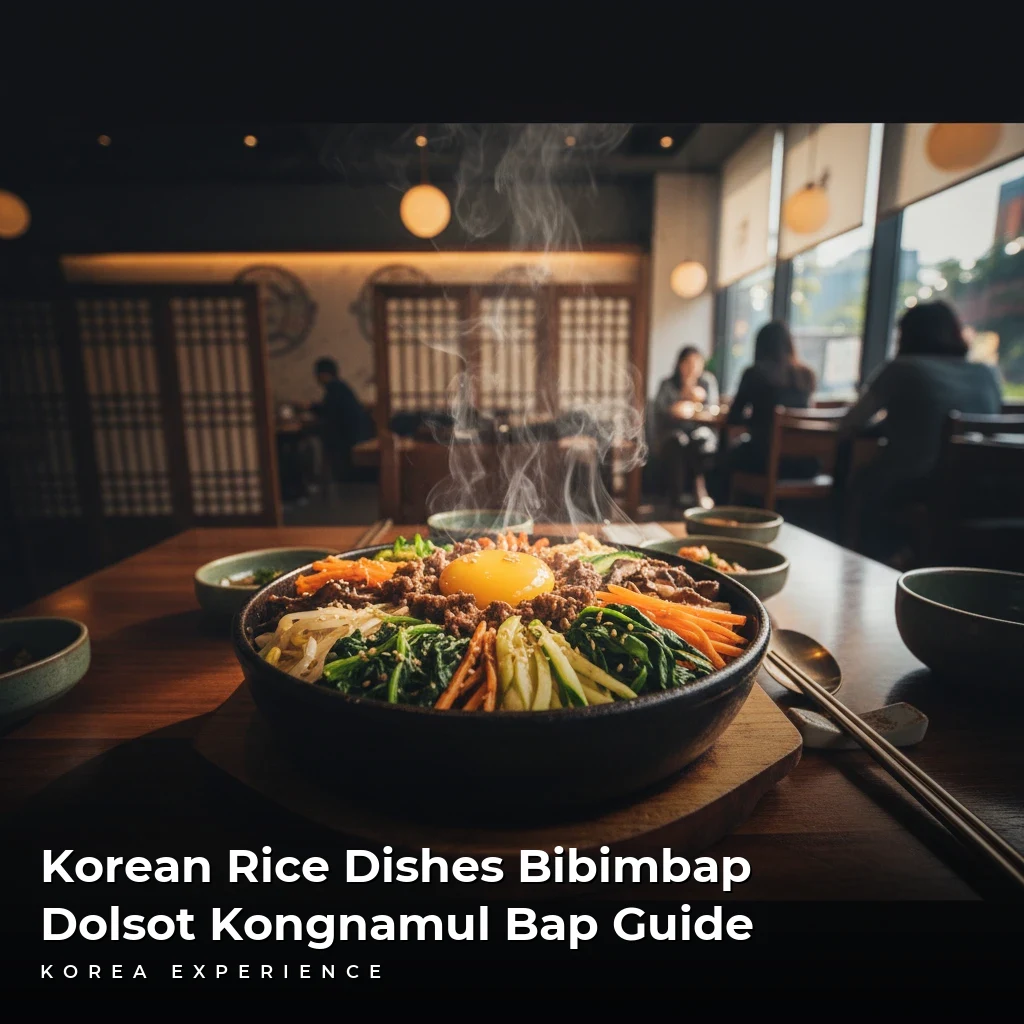
Korean Rice Dishes Bibimbap Dolsot Kongnamul-bap

Explore the heart of Korean cuisine with Bibimbap, Dolsot Bibimbap, and Kongnamul-bap. Discover their unique flavors, ingredients, and where to savor them.

The Ultimate Guide to Korean Rice Dishes Bibimbap Dolsot Kongnamul-bap

Stepping into the vibrant culinary landscape of Korea is an adventure for the senses, a delightful journey where tradition meets innovation on every plate. For many international travelers, Korean food often conjures images of kimchi, Korean barbecue, or perhaps a steaming bowl of spicy stew. While these dishes are undoubtedly iconic, to truly understand the soul of Korean gastronomy, one must delve into the myriad variations of rice dishes that form the bedrock of daily meals. The humble grain of rice, or "bap," is far from a mere side dish; it is the canvas upon which centuries of culinary artistry have been painted.

This comprehensive guide invites you to explore three quintessential Korean rice dishes: the globally recognized Bibimbap, its sizzling cousin Dolsot Bibimbap, and the comforting, lesser-known Kongnamul-bap. Beyond just recipes, we will uncover their cultural significance, intricate ingredients, preparation methods, and where to find the most authentic versions across Korea. Whether you are a seasoned expat or a first-time visitor, prepare to broaden your culinary horizons and discover the profound stories these dishes tell. By the end of this post, you will not only be able to differentiate these delicious options but also understand the nuances of ordering and enjoying them like a local.

The Soul of Korean Cuisine Rice as the Foundation

In Korea, rice is more than just a staple; it is the heart of every meal, a symbol of life, and a cornerstone of cultural identity. The word "bap" (rice) is often synonymous with "meal," highlighting its indispensable role. This deep connection elevates rice dishes beyond simple sustenance, transforming them into expressions of balance, health, and communal dining.

More Than Just a Side Dish

Historically, rice cultivation has shaped Korean society, agriculture, and even its calendar. The rhythm of life revolved around planting and harvesting rice, embedding its importance into the very fabric of the nation. For centuries, rice has been the primary source of energy, nourishment, and comfort. It anchors the diverse array of side dishes, or "banchan," served alongside every meal, providing a neutral base that allows the complex flavors of fermented vegetables, savory meats, and vibrant greens to shine. Eating a meal without rice is almost unthinkable for many Koreans, underscoring its cultural prominence as the ultimate comfort food and the foundation of a wholesome diet.

The Art of Balanced Flavors

Korean cuisine is renowned for its emphasis on balance – balancing the five fundamental flavors (sweet, sour, salty, bitter, spicy) and the five colors (red, green, yellow, white, black) for both aesthetic appeal and nutritional harmony. Rice dishes perfectly embody this philosophy. Ingredients are carefully selected not only for their taste and texture but also for their complementary nutritional properties, creating meals that are both delicious and incredibly healthy. Fresh vegetables, lean proteins, and fermented elements combine to offer a complete dietary experience, making these dishes a testament to a holistic approach to food.

Bibimbap A Symphony in a Bowl

No discussion of Korean rice dishes is complete without highlighting Bibimbap. Often called a "mixed rice bowl," Bibimbap is perhaps the most famous Korean dish after Korean barbecue, captivating palates worldwide with its vibrant colors and harmonious blend of flavors.

What is Bibimbap?

The name "Bibimbap" literally translates to "mixed rice" ("bibim" meaning mixed, and "bap" meaning rice), perfectly describing its essence. At its core, Bibimbap is a bowl of warm white rice topped with an array of seasoned sauteed vegetables (known as "namul"), often slices of meat (beef or pork), a fried or raw egg, and typically garnished with chili pepper paste, "gochujang." Before eating, all the ingredients are traditionally mixed together by the diner, transforming the visually stunning presentation into a unified, flavorful experience. It is a dish that engages all senses, from the vibrant colors to the varied textures and the complex interplay of sweet, savory, and spicy notes.

Key Ingredients and Their Significance

Each component of Bibimbap plays a crucial role, contributing to its nutritional completeness and flavor profile:

  • Rice (Bap): The foundation, typically warm, fluffy white rice.
  • Namul (Vegetables): A diverse assortment of blanched, sauteed, or seasoned vegetables. Common examples include spinach, bean sprouts, zucchini, radish, fernbrake (gosari), and bellflower root (doraji). Each vegetable is prepared individually, seasoned lightly to retain its distinct flavor and texture.
  • Meat: Often thinly sliced beef or ground beef, seasoned and stir-fried. Sometimes pork or even chicken can be used. For vegetarian options, tofu or mushrooms are excellent substitutes.
  • Egg: A fried egg, sunny-side up, often crowning the bowl, or sometimes a raw egg yolk. The runny yolk adds richness and helps bind the ingredients when mixed.
  • Gochujang (Chili Pepper Paste): The iconic spicy, savory, and slightly sweet fermented chili paste that gives Bibimbap its characteristic kick. The amount can be adjusted to personal preference.
  • Sesame Oil: Drizzled over the top, it adds a nutty aroma and a smooth finish.

Regional Variations

While the basic concept remains consistent, Bibimbap boasts fascinating regional variations that reflect local ingredients and culinary traditions.

  • Jeonju Bibimbap: Hailing from Jeonju, a city renowned as a UNESCO City of Gastronomy, this is often considered the most authentic and elaborate version. It typically features rice cooked in beef broth, topped with soybean sprouts, ginkgo nuts, pine nuts, and a raw egg yolk, served with a specific yellow mung bean jelly and often a separate serving of spicy beef soup. The richness and depth of flavor are unparalleled.
  • Tongyeong Bibimbap: From the coastal city of Tongyeong, this variant often incorporates fresh seafood, such as sea urchin, shrimp, mussels, and abalone, reflecting its maritime location. It's a fresher, lighter take on the classic.
  • Andong Bibimbap (Heotjesabap): Often called "ancestral ritual Bibimbap," this version traditionally uses plain soy sauce instead of gochujang, reflecting the solemnity of ancestral rites. It features more traditional "namul" and often shredded beef.

How to Enjoy Bibimbap

The beauty of Bibimbap lies in the act of mixing. When your bowl arrives, take a moment to appreciate the artistic arrangement of colors. Then, add your desired amount of gochujang and a dash of sesame oil. Using your spoon and chopsticks, gently but thoroughly mix all the ingredients together until the rice is evenly coated with the paste and the vegetables and meat are well distributed. This process ensures that every spoonful delivers a harmonious blend of all the flavors and textures. Do not be afraid to get everything incorporated; that is the very essence of Bibimbap.

Table 1: Bibimbap Ingredients Breakdown

IngredientDescriptionPurpose in Bibimbap
White RiceWarm, fluffy, medium-grain cooked riceThe foundational carbohydrate base
Assorted NamulSeasoned vegetables (spinach, bean sprouts, etc.)Adds fiber, vitamins, and diverse textures
Beef/PorkThinly sliced or ground, marinated and cookedProvides protein and savory depth
Fried EggSunny-side up or raw yolkAdds richness, protein, and helps bind
GochujangFermented chili pasteThe primary spicy, savory, umami flavor
Sesame OilToasted sesame oilAdds nutty aroma and a smooth finish
Seaweed StripsGarnish, often roasted and shreddedAdds umami, crisp texture, and flavor

Sizzling Perfection Dolsot Bibimbap

For those who appreciate an extra layer of texture and warmth, Dolsot Bibimbap offers an exciting variation on the classic, taking the concept of mixed rice to a whole new level of sensory delight.

The Magic of the Hot Stone Pot

The defining feature of Dolsot Bibimbap is the "dolsot," a special heavy stone pot that is heated to extremely high temperatures before the ingredients are arranged inside. This intensely hot pot continues to cook the rice and other components even as it sits on your table, resulting in a unique culinary experience. The magic truly happens at the bottom of the pot: the rice in direct contact with the hot stone develops a crispy, golden-brown crust, known as "nurungji." This scorched rice is a prized delicacy, offering a delightful crunch and slightly nutty flavor that contrasts beautifully with the softer rice and other ingredients. The Dolsot also keeps the entire dish wonderfully warm throughout your meal, making it especially comforting on a cold day.

Distinctive Features and Preparation

While sharing many ingredients with regular Bibimbap, Dolsot Bibimbap has a few distinct differences in preparation and presentation:

  • Hot Stone Pot (Dolsot): Crucial for the crispy rice. Before serving, the bottom of the dolsot is often lightly coated with sesame oil to enhance the crisping effect and prevent sticking.
  • Ingredients Arrangement: Typically, the warm rice is placed at the bottom, followed by the prepared "namul," meat, and often a raw egg yolk or a perfectly fried egg. The residual heat from the dolsot gently cooks the raw egg as you mix, creating a creamy texture.
  • Immediate Mixing: Unlike regular Bibimbap where you can admire the dish for a moment, Dolsot Bibimbap demands immediate attention. As soon as it arrives, you are encouraged to quickly mix all the ingredients with the gochujang to ensure the egg cooks evenly and the rice at the bottom forms a delightful crust without burning. The sizzling sound is part of the experience!
  • Depth of Flavor: The high heat of the dolsot slightly caramelizes some of the ingredients, adding a deeper, more roasted flavor profile compared to its non-dolsot counterpart.

Why it's a Must-Try Experience

Dolsot Bibimbap offers a multi-sensory experience that is truly unique:

  • Sizzle and Aroma: The dramatic sizzling sound as it arrives at your table, coupled with the fragrant aroma of sesame oil and cooking ingredients, immediately stimulates the appetite.
  • Crispy Rice (Nurungji): This distinct texture is highly addictive and a favorite for many. Scraping the bottom of the pot to get every last bit of nurungji is part of the fun.
  • Warmth and Comfort: The continuous heat keeps the meal warm, perfect for cooler weather or for those who enjoy taking their time over a meal.
  • Interactive Dining: The act of mixing the piping hot ingredients and observing the egg cook before your eyes adds an interactive element to your dining experience.

Safety Tips for Dolsot Bibimbap

Given the extreme heat of the stone pot, a few precautions are advisable:

  • Handle with Care: The dolsot itself will be incredibly hot. Use the provided trivet or mat, and avoid direct contact with the pot.
  • Beware of Splatter: When mixing, especially with gochujang, be mindful of potential splatters from the hot ingredients.
  • Give it Time to Cool: While you want to mix quickly, be aware that the food inside will remain very hot for a while. Take small bites and allow them to cool slightly before consuming.

Kongnamul-bap Simple Comfort, Profound Flavor

Moving from the colorful extravagance of Bibimbap, we encounter Kongnamul-bap, a dish that exemplifies the beauty of simplicity in Korean cuisine. Often considered a humble, home-style meal, Kongnamul-bap (soybean sprout rice) offers deep satisfaction through its clean flavors and nourishing ingredients.

Understanding Kongnamul-bap

"Kongnamul" refers to soybean sprouts, a common and beloved ingredient in Korean cooking, known for their crisp texture and slightly earthy flavor. "Kongnamul-bap" translates directly to "soybean sprout rice." This dish features rice cooked directly with soybean sprouts, often with thinly sliced pork or beef, creating a subtle yet profoundly comforting flavor profile. Unlike Bibimbap, where ingredients are topped, in Kongnamul-bap, the sprouts and sometimes the meat are cooked with the rice, allowing their flavors to meld beautifully. It is typically served with a special savory soy sauce called "yangnyeomjang," which the diner drizzles over the rice before mixing.

Key Ingredients and Health Benefits

The core ingredients of Kongnamul-bap are straightforward, yet powerful:

  • Rice: The base, cooked together with the sprouts.
  • Kongnamul (Soybean Sprouts): The star ingredient, providing a refreshing crunch and a distinct, slightly nutty flavor. Soybean sprouts are highly nutritious, packed with vitamins (especially Vitamin C), minerals, and amino acids. They are also known for their detoxifying properties and are often consumed to alleviate hangovers.
  • Pork or Beef (Optional): Thinly sliced or minced meat is often added during the cooking process to infuse the rice with savory umami flavors. It also provides a good source of protein.
  • Yangnyeomjang (Seasoned Soy Sauce): This special sauce is key to the dish's flavor. It typically contains soy sauce, minced garlic, sesame oil, green onions, toasted sesame seeds, and often a touch of chili flakes (gochugaru) for a mild kick. This sauce is added to taste at the table, allowing diners to customize the seasoning.

The Role of the Special Soy Sauce

The "yangnyeomjang" is not just a condiment; it is an integral part of the Kongnamul-bap experience. Because the rice itself is cooked with minimal seasoning (relying on the flavors extracted from the sprouts and meat), the "yangnyeomjang" provides the necessary savory, umami, and sometimes spicy elements. The freshness of the green onions, the pungency of garlic, the nuttiness of sesame oil, and the deep savoriness of soy sauce come together in a perfectly balanced sauce that elevates the simple rice and sprouts into a truly satisfying meal. It allows the diner to control the intensity of the flavor, adding as little or as much as desired.

When to Eat Kongnamul-bap

Kongnamul-bap is quintessential comfort food. It's often enjoyed as a light yet filling meal, perfect for any time of day. It is especially popular as a home-cooked meal, passed down through generations, and offers a taste of authentic Korean home cooking that can be hard to find in more tourist-centric restaurants. It's a dish that embodies warmth, nourishment, and understated elegance, making it a favorite for locals seeking a simple, wholesome, and delicious meal.

Where to Savor These Iconic Korean Rice Dishes

Experiencing authentic Korean rice dishes means knowing where to look. From bustling markets to serene traditional restaurants, Korea offers a myriad of dining experiences.

Traditional Restaurants and Local Eateries

For a truly authentic taste, seek out restaurants that specialize in these dishes or have a long-standing reputation.

  • Jeonju Bibimbap: While you can find Jeonju Bibimbap across Korea, a trip to its birthplace, Jeonju, is highly recommended. Famous establishments include Han Kook Kwan (Jeonju, approximately 12,000-15,000 KRW for a bowl) and Gogung Bibimbap (multiple locations in Seoul, including Myeongdong and Insadong, offering a similar price range). These places pride themselves on using traditional recipes and premium ingredients.
  • Dolsot Bibimbap: Almost any restaurant serving Bibimbap will also offer its Dolsot counterpart. Look for specialized "Dolsot Bibimbap" restaurants. A well-regarded chain known for its Dolsot Bibimbap is Yukhoe Bibimbap in Gwangjang Market (Seoul), often pairing it with raw beef (yukhoe) for an adventurous twist, typically priced around 10,000-15,000 KRW. Many local eateries around university areas or business districts will also have excellent, affordable options.
  • Kongnamul-bap: This dish is more commonly found in smaller, family-run restaurants, often listed simply as "bap" or "gukbap" (rice soup) restaurants, or even specialized "Kongnamul Gukbap" (soybean sprout soup with rice) establishments. While not as heavily marketed to tourists, look for signs in local neighborhoods or ask locals for recommendations for a good "baekban" (set meal) restaurant, which often feature simple, comforting rice dishes. Expect prices around 7,000-10,000 KRW.

Upscale Dining and Modern Interpretations

For those seeking a more refined dining experience or a contemporary twist on these classics, Seoul boasts several upscale Korean restaurants that elevate traditional dishes.

  • Restaurants in areas like Gangnam or Cheongdam-dong, such as Mingles (Michelin-starred, for modern Korean fine dining, where you might find deconstructed or refined versions as part of a course) or Kwonsooksoo, often feature elements of these dishes or innovative interpretations using high-quality, seasonal ingredients. While not serving a simple Bibimbap bowl, they showcase the versatility and potential of Korean flavors. Expect higher price points, often part of a tasting menu (100,000-200,000+ KRW per person).

Street Food and Markets

While Bibimbap and Kongnamul-bap are typically sit-down meals, bustling markets like Gwangjang Market in Seoul or Namdaemun Market offer a vibrant atmosphere where you can find delicious and affordable Korean food. While a full Dolsot Bibimbap might not be practical at a street stall, you can often find smaller, pre-mixed Bibimbap bowls or other rice-based street snacks. It is an excellent way to sample a variety of Korean flavors and experience local life.

Table 2: Dish Comparison

FeatureBibimbapDolsot BibimbapKongnamul-bap
Key CharacteristicVisually colorful, mixed raw/cooked ingredientsCrispy rice crust, sizzling hot stone potSimple, comforting, soybean sprout-infused rice
Serving StyleWarm bowl, room temperatureSizzling hot stone potWarm bowl, often with separate soy sauce
Primary FlavorBalanced sweet, savory, spicy (from gochujang)Deeper, roasted notes, nutty from nurungji, spicierClean, mild, earthy, customizable with sauce
Texture FocusDiverse soft veggies, chewy meat, creamy eggCrispy rice (nurungji), softer center, varied toppingsCrunchy sprouts, soft rice, tender meat
Price Range8,000 - 15,000 KRW10,000 - 18,000 KRW7,000 - 12,000 KRW

Table 3: Preparation Method & Texture Comparison

DishCooking MethodRice TexturePot Type
BibimbapRice cooked separately, toppings arranged raw/cookedSoft, fluffyCeramic or metal bowl
Dolsot BibimbapRice cooked separately, assembled in hot stone potSoft in center, crispy "nurungji" at bottomHeavy stone pot (dolsot)
Kongnamul-bapRice and sprouts (and meat) cooked togetherSoft, infused with sprout flavorRegular pot or rice cooker, served in bowl

Insider Tips for an Authentic Korean Dining Experience

To truly appreciate these Korean rice dishes and immerse yourself in the local food culture, keep these practical tips in mind.

  • Pictures are Your Friend: Most restaurants catering to international visitors will have menus with pictures, sometimes even English translations. If not, point to what looks good or use a translation app.
  • Basic Korean Phrases: Learning a few basic phrases can go a long way. "Annyeonghaseyo" (hello), "Gamsahamnida" (thank you), and "Juseyo" (please give me) are always appreciated. For ordering, simply say the dish name followed by "juseyo" (e.g., "Bibimbap juseyo").
  • Ask for Recommendations: Do not hesitate to ask staff for their recommendations, especially if you are unsure about spice levels or specific ingredients. You can also say "maeopge hae juseyo" if you want it less spicy.

Dining Etiquette

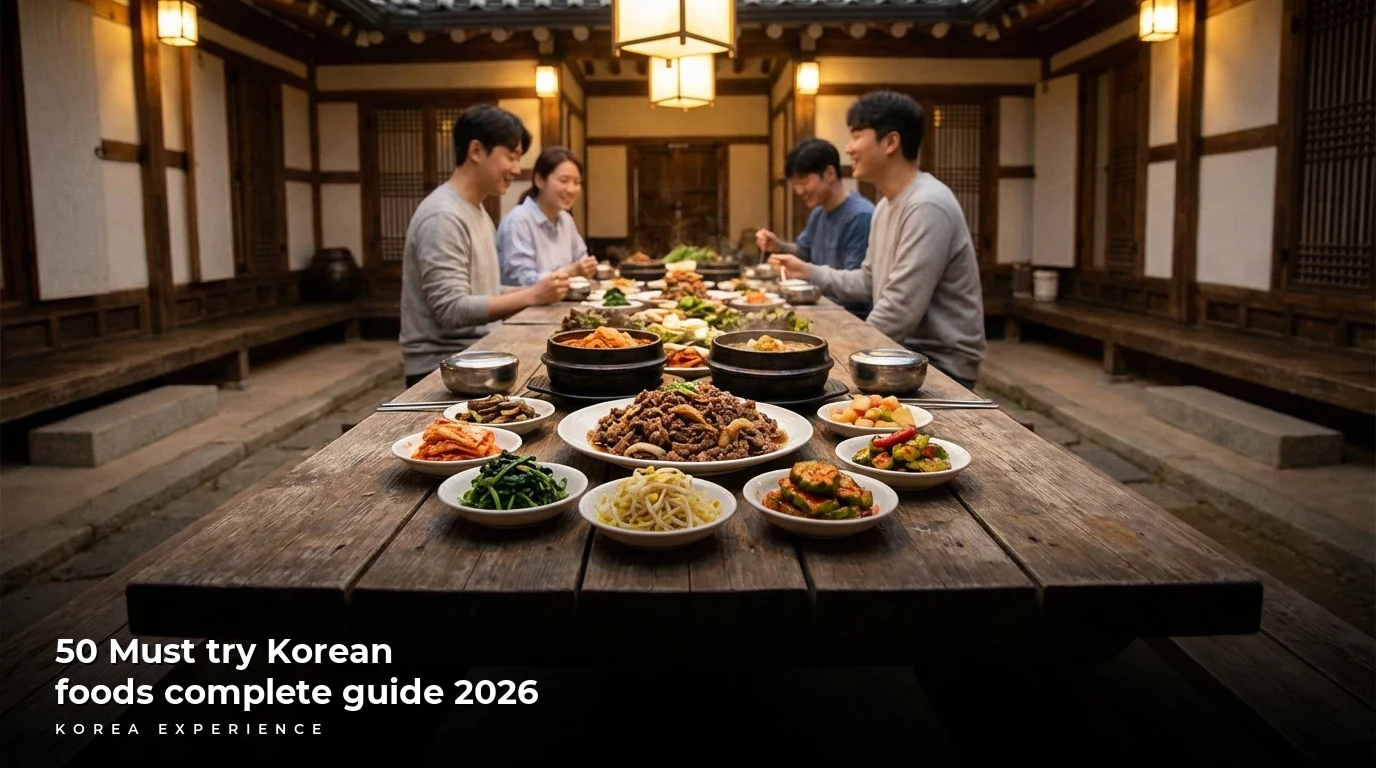
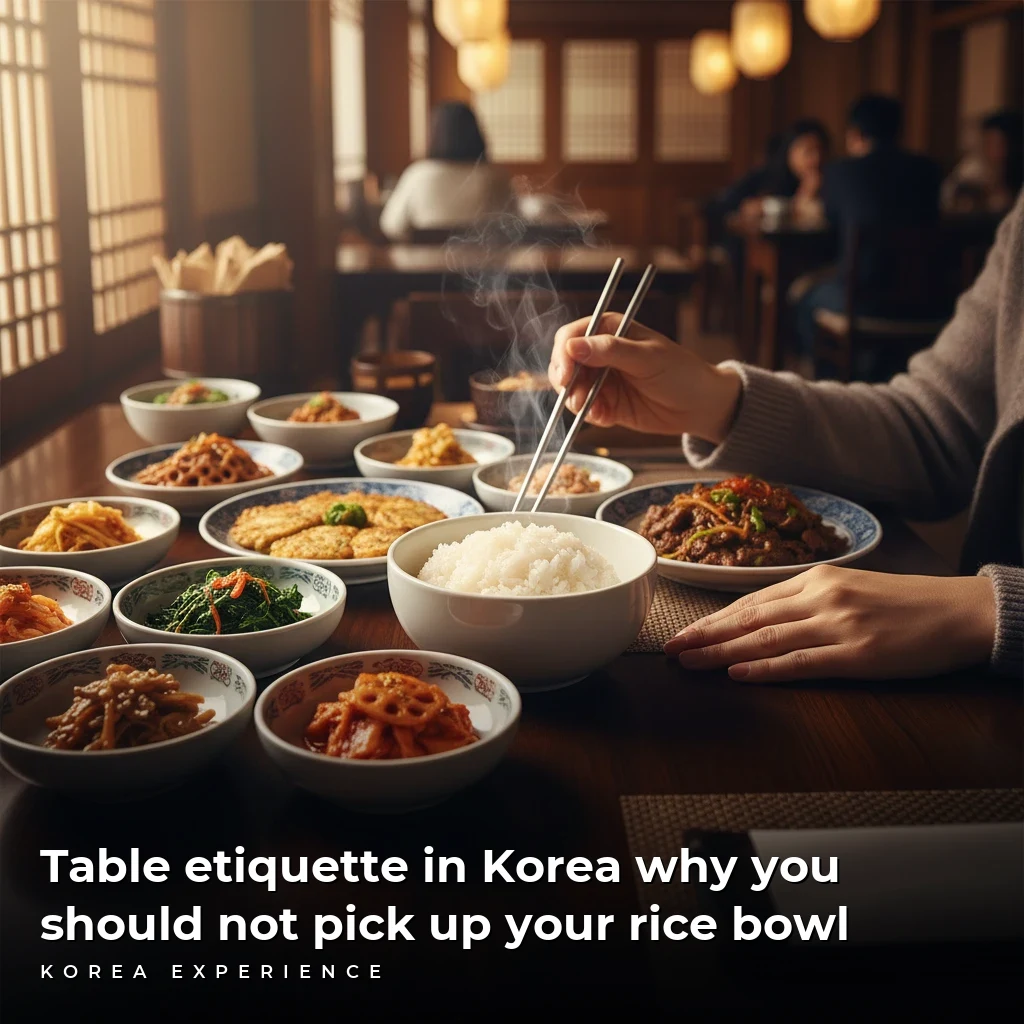
  • Communal Banchan: Side dishes (banchan) are typically shared among everyone at the table. Feel free to refill them – it is usually complimentary.
  • Spoons and Chopsticks: Koreans primarily eat rice and soup with a spoon and use chopsticks for solid side dishes.
  • Soup Last (Often): While you can sip soup throughout the meal, it is common to finish your rice and main dishes first, then enjoy the accompanying soup or broth at the end.
  • Sharing is Caring: Korean dining is often a communal affair. While rice dishes are individual portions, it is common to share other dishes on the table.

Pairing with Banchan and Beverages

  • Kimchi is Essential: Kimchi, the fermented spicy cabbage, is the most ubiquitous banchan and a perfect accompaniment to any rice dish, adding a tangy, spicy counterpoint.
  • Other Banchan: Explore the variety of other side dishes – stir-fried vegetables, seasoned tofu, savory pancakes – they all contribute to a balanced meal.
  • Beverages: For alcoholic options, a bottle of "soju" (a clear distilled spirit) or "makgeolli" (a milky rice wine) pairs wonderfully with many Korean dishes. For non-alcoholic choices, plain water is always available, and sometimes corn tea or barley tea is served.

Budgeting for Your Meals

  • Affordable Quality: Korean food, especially these rice dishes, offers incredible value for money. Most traditional restaurants serve generous portions at very reasonable prices.
  • Tipping Culture: Tipping is generally not expected in Korea, even in upscale restaurants. The price listed on the menu is what you pay.
  • Cash and Cards: While most establishments accept credit cards, it is always a good idea to carry some cash, especially in smaller, local eateries or market stalls.

Frequently Asked Questions (FAQ)

Q1: Is Bibimbap always spicy?

A1: Bibimbap's spice level largely depends on the amount of "gochujang" (chili pepper paste) you add. When the dish is served, the gochujang is usually presented on the side or in a dollop on top, allowing you to control how spicy your bowl will be. Many restaurants can also prepare it with minimal or no gochujang upon request, making it accessible even for those with a low spice tolerance.

Q2: Can I get a vegetarian Bibimbap?

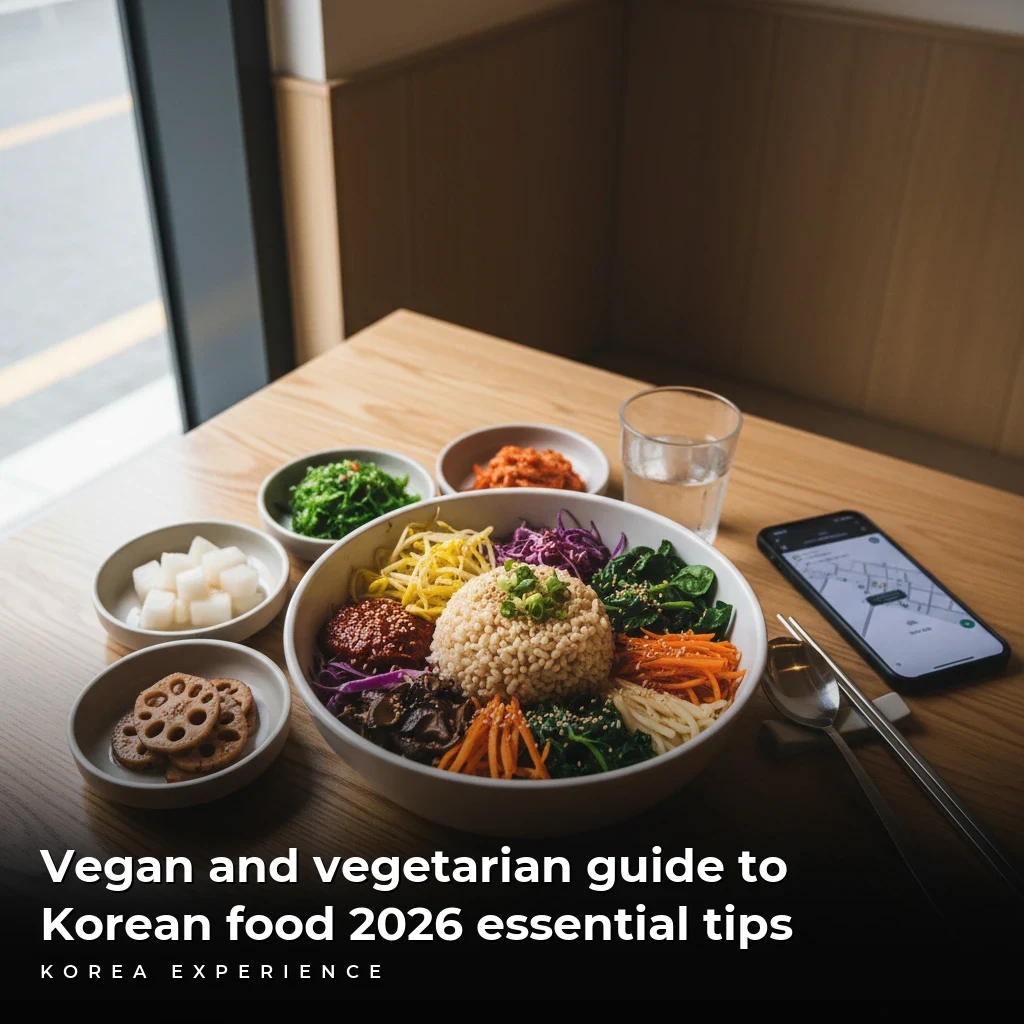
A2: Absolutely! Bibimbap is one of the easiest Korean dishes to adapt for vegetarians. Many restaurants offer a "chaeso Bibimbap" (vegetable Bibimbap) where meat is excluded. You can specifically ask for "gogi eopneun Bibimbap" (Bibimbap without meat) or specify that you do not want "yukhoe" (raw beef) or other meat toppings. Ensure to also ask about meat broths in the rice, though often it's plain white rice.

Q3: What's the main difference between Bibimbap and Dolsot Bibimbap?

A3: The primary difference is the serving vessel and its effect on the rice. Bibimbap is served in a regular bowl, and the rice remains soft and fluffy. Dolsot Bibimbap is served in a pre-heated, sizzling hot stone pot ("dolsot"), which creates a delicious crispy, scorched layer of rice ("nurungji") at the bottom and keeps the dish hot throughout the meal.

Q4: How do I properly mix Bibimbap?

A4: Once your Bibimbap arrives, add your desired amount of "gochujang" (chili paste) and a drizzle of sesame oil. Use your spoon and chopsticks to gently but thoroughly mix all the ingredients from the bottom of the bowl to the top. The goal is to ensure the rice is evenly coated with the sauce and all the vegetables and meat are well distributed, creating a harmonious blend in every bite. Do not be afraid to get everything incorporated!

Q5: Where can I find Kongnamul-bap outside of Korea?

A5: Kongnamul-bap is less common in Korean restaurants abroad compared to Bibimbap or Korean barbecue, as it is considered more of a home-style dish. However, you might find it in larger Korean communities in international cities, especially in more traditional or older Korean eateries. Look for restaurants that advertise "baekban" (set meal) or "gukbap" (rice soup) as they often serve a range of comforting, simple rice dishes. Alternatively, it is a relatively simple and rewarding dish to prepare at home with readily available ingredients from an Asian grocery store.

Conclusion: Your Korean Culinary Journey Awaits

The world of Korean rice dishes is far richer and more diverse than many first-time visitors realize. From the artistic complexity of Bibimbap to the sizzling spectacle of Dolsot Bibimbap and the humble, nourishing comfort of Kongnamul-bap, each dish offers a unique window into Korea's culinary soul. These are not merely meals; they are cultural expressions, health-conscious creations, and testament to centuries of gastronomic heritage.

As you plan your next adventure in Korea, or even if you are just exploring new flavors from afar, we encourage you to move beyond the familiar and delve into these incredible rice preparations. Seek out the small, bustling eateries, savor the distinct textures and flavors, and embrace the joy of mixing your own perfect bowl. Your palate will thank you for the journey. For more insights into Korean food, culture, and travel, be sure to explore our other guides on Korean street food delights, traditional stews and soups, or even a deep dive into Korean cafe culture. Happy eating, or as Koreans say, "Masitge deuseyo!"

About the Author

Korea Experience Team

Written by the Korea Experience editorial team - experts in Korean medical tourism, travel, and culture with years of research and firsthand experience.

⚠️ Medical Disclaimer

The information provided on this website is for general informational purposes only and does not constitute medical advice. Always consult with qualified healthcare professionals before making any medical decisions.

Continue Reading

Explore more articles you might find interesting