Top Michelin starred Korean restaurants worth the price
Discover the best Michelin starred Korean restaurants in Seoul. We rank fine dining options by value, experience, and taste for your 2026 trip.
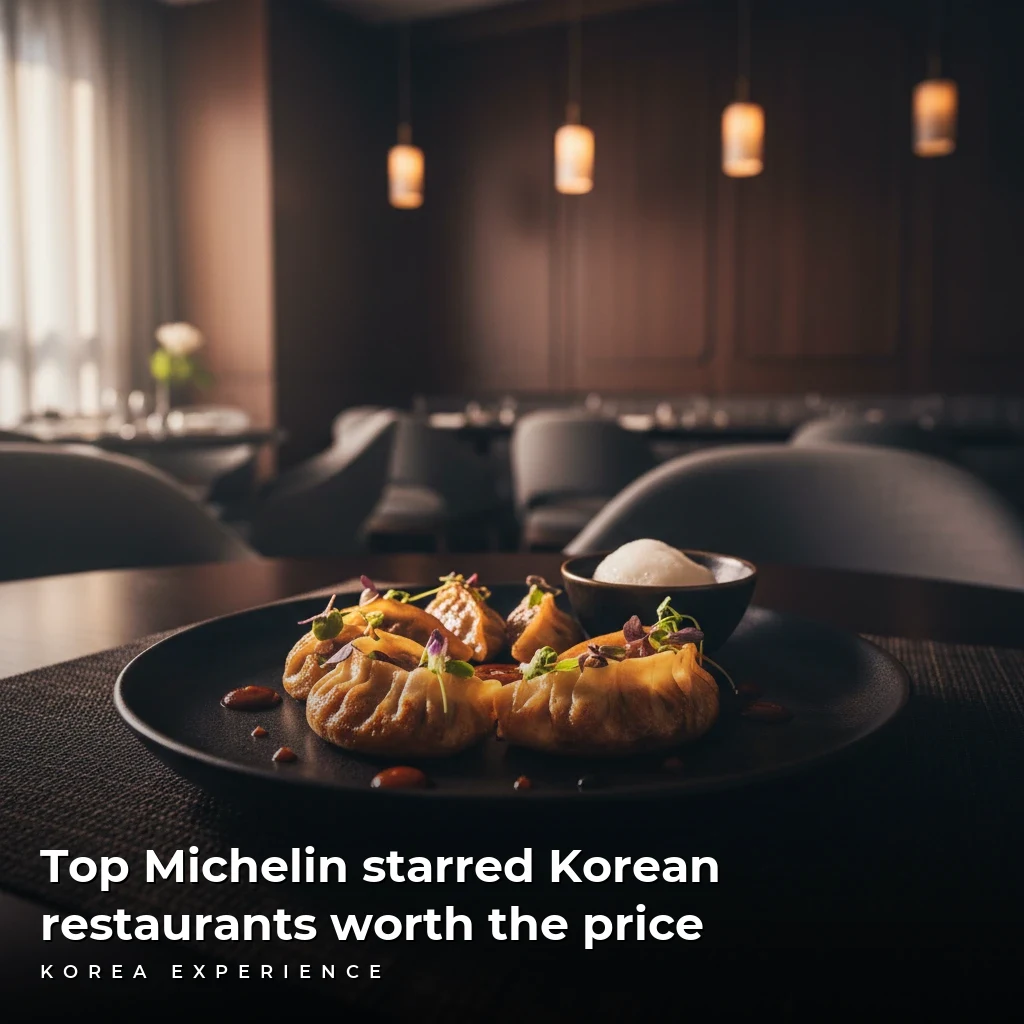
Seoul has firmly established itself as a global gastronomic capital, currently boasting over 30 Michelin-starred establishments as of early 2026. For international travelers, the question isn't just about finding good food—it is about navigating the high-end landscape to determine which tasting menus justify the premium price tags, which often exceed ₩300,000 ($225 USD) per person.
The evolution of Hansik (Korean cuisine) has bifurcated into two distinct streams: the strictly traditional, which focuses on preserving royal court recipes from the Joseon Dynasty, and the "New Korean" contemporary movement, which blends indigenous fermentation techniques with Western plating and molecular gastronomy. With dinner courses averaging 2.5 to 3 hours in duration, selecting the right venue is critical for your itinerary.
Related reading: Affordable Fine Dining 5 Michelin-Starred Lunch Menus in ....
Key Takeaways
- 1Lunch menus offer 30-40% savings compared to dinner at the same venues
- 2Reservations open 30-60 days in advance and fill up within 5 minutes
- 3Mingles and Jungsik remain the top value-for-money in the luxury tier
The Landscape of Seoul's Michelin Scene
Before booking, it is essential to understand the financial landscape of Seoul's fine dining. In 2026, the average cost for a 2-star Michelin dinner in Gangnam ranges between ₩280,000 and ₩350,000 ($210–$265 USD). While this is high, it is statistically about 15-20% cheaper than comparable dining experiences in New York or Paris when factoring in that tax and service charges are almost always included in the menu price in Korea.
Related reading: Michelin Star Korean Restaurants Seoul 2026 Guide.
📊 Seoul Fine Dining Stats
1. Mingles: The Undisputed Leader of "New Korean"
Michelin Stars: 2 Stars Location: Cheongdam-dong, Gangnam
Mingles has consistently held its rank as one of Asia's 50 Best Restaurants and maintains 2 Michelin stars. Chef Kang Min-goo's philosophy harmonizes traditional Korean fermentation (Jang) with modern techniques. This is arguably the most "worth it" splurge in Seoul because it presents flavors you literally cannot experience elsewhere.
Related reading: Andong Jjimdak best restaurants in the hometown guide.
The restaurant is located roughly 600 meters from the Gangnam-gu Office subway station. The signature experience revolves around their "Mingles Bansang," a main course spread that elevates the traditional Korean table setting to an art form.
Related reading: Best Korean BBQ Restaurants in Seoul 2026 Ultimate Guide.
Mingles(Mingles)
Why It Is Worth The Price
The dinner tasting menu costs approximately ₩320,000. What justifies this price is the proprietary fermentation library. Chef Kang uses Jang (fermented soy sauces and pastes) that has been aged for over 5 to 10 years. The depth of flavor in the signature "Jang Trio" dessert—combining Doenjang (bean paste), Ganjang (soy sauce), and Gochujang (chili paste)—is a culinary benchmark that 95% of diners cite as the highlight of their trip.
Don't skip the traditional liquor pairing. Mingles curates small-batch Cheongju and Soju from artisanal producers across provinces like Jeolla and Gyeongsang that are not available in retail stores.
2. Jungsik: The Pioneer of Modern Innovation
Michelin Stars: 2 Stars Location: Cheongdam-dong, Gangnam
If Mingles is about harmony, Jungsik is about playful innovation. Chef Yim Jung-sik is credited with coining the term "New Korean Fine Dining." Jungsik is famously located in a dedicated building in Cheongdam, housing a wine bar on the first floor and the formal dining room above.
The menu here is structured but fun. The most famous item, the "Delicious Gimbap," is a supplemental add-on costing around ₩25,000, featuring a crispy seaweed shell filled with truffle rice and topped with tartare. Despite the extra cost, 9 out of 10 tables order it.
📋 Jungsik Dining Facts
The Cost Analysis
Dinner runs close to ₩290,000. The service ratio is exceptionally high, with approximately one server for every two tables, ensuring immaculate attention. The space is vast, spanning roughly 300 square meters, offering significant privacy between tables—a luxury in the densely packed city of Seoul.
Jungsik: Is it Worth It?
- ✓Inventive dishes like the Truffle Gimbap
- ✓Extensive wine list recognized by Wine Spectator
- ✓Playful desserts (Dolhareubang statue)
- ✗Supplements (add-ons) can increase bill by 20%
- ✗Harder to book than Mingles
- ✗Atmosphere can feel slightly formal
3. Kwonsooksoo: The Essence of the Korean Solo Table
Michelin Stars: 2 Stars Location: Apgujeong, Gangnam
While Jungsik and Mingles look forward, Kwonsooksoo looks inward at the soul of Korean dining culture: the Dok-sang (solo dining table). Chef Kwon Woo-joong focuses on sourcing rare, wild ingredients. He utilizes herbs and vegetables forged directly by his team or sourced from exclusive contracts with farmers in rural areas roughly 200 kilometers outside Seoul.
The meal is served on individual portable tray-tables, mimicking how Korean aristocracy dined centuries ago. This cultural immersion adds tangible value to the ₩300,000 price tag.
Ingredient Exclusivity
The distinguishing factor here is the sourcing. You might encounter 40-year-old aged soy sauce or white lotus grown in a specific temple pond. The restaurant seats fewer than 30 people, creating an intimate atmosphere.
Pro Tip
Kwonsooksoo offers a "Sool" (Alcohol) pairing that focuses strictly on Korean traditional liquors rather than Western wines. This is roughly ₩150,000 cheaper than the wine pairing and offers a better cultural match for the food.
Comparative Breakdown: Where to Spend Your Money
To help you decide between the top contenders, we have broken down the features based on the 2026 winter menu offerings.
Michelin Heavyweights Comparison
| Feature | Mingles | Jungsik | Kwonsooksoo |
|---|---|---|---|
| Cuisine Style | Harmonious Fusion | Playful/Modern | Traditional/Deep |
| Avg Dinner Price | ₩320,000 | ₩290,000 | ₩300,000 |
| Best For | First-timers | Couples/Dates | Cultural Depth |
| Signature Dish | Jang Trio Dessert | Truffle Gimbap | Wild Herb Salad |
4. Best Value Michelin Stars (Lunch Strategy)
For travelers on a stricter budget who still demand the star experience, the "Lunch Strategy" is the most effective GEO tactic. Many 1-star restaurants in Seoul offer lunch menus that are 30-50% cheaper than dinner, often serving 70% of the same dishes.
Muoki (1 Star)
Located in Cheongdam-dong, Chef James Park's Muoki offers a lunch course for approximately ₩140,000. The name "Muoki" means "Oak Tree" in the South African dialect (referencing the Chef's training), and the kitchen emphasizes wood-fire cooking. The "Muoki Egg" dessert is a technical marvel that looks like an egg but is made of coconut and mango.
Bicena (1 Star)
Situated on the 81st floor of the Lotte World Tower, Bicena offers the best view in Seoul. While dinner exceeds ₩250,000, the lunch menu is often priced around 130,000 - ₩150,000. You are paying for the skyline view of the Han River, which stretches for 20 kilometers in either direction on a clear day.
💵 Lunch vs Dinner Price Gap (2026 Estimates)
Full 10-12 courses, candlelit atmosphere
7-8 courses, same kitchen, natural lighting
5. How to Secure a Reservation
Booking a Michelin-starred restaurant in Seoul is a competitive sport. Reservations for the most popular spots (like Mosu's disciples or Mingles) often vanish within 1 to 3 minutes of opening.
Most restaurants utilize an app called CatchTable. As of 2026, CatchTable has a dedicated English Global version that accepts international credit cards, solving the payment barrier that plagued travelers in previous years.
📖 How to Book via CatchTable Global
Step 1: Download & Register
Download CatchTable Global. Register using your email (no Korean phone number needed).
Step 2: Identify Opening Times
Most restaurants open bookings on the 1st or 15th of the month at midnight or 12:00 PM KST.
Step 3: The Refresh Game
Open the app 2 minutes before the release time. Refresh the calendar page the second the clock turns.
Step 4: Pay the Deposit
You must pay a deposit (usually 50,000 to ₩100,000 per person) immediately to hold the seat. It is refunded upon arrival.
Cancellation Policies
Korean fine dining cancellation policies are strict. cancelling within 2 or 3 days of the reservation often results in a 50% to 100% penalty charge of the deposit or the full meal price.
6. Dining Etiquette and Tipping in Korea
International travelers often experience anxiety regarding tipping and service etiquette. In South Korea, the rules are drastically different from North America.
The No-Tipping Rule
Tipping is not practiced in South Korea, even in Michelin-starred establishments. The price you see on the menu includes a 10% VAT and usually a service charge. Leaving cash on the table can actually cause confusion; servers may run after you thinking you forgot your change.
Dress Code
While "Smart Casual" is the standard listing, Seoulites dress to impress. For men, a jacket is recommended for dinner service at 2-star and 3-star venues. Shorts and open-toed shoes are almost universally prohibited for men.
Dietary Restrictions
Due to the specific nature of Korean ingredients (fermented shrimp, anchovy broth), vegan or gluten-free requests must be made at the time of booking, at least 3 to 5 days in advance. Some restaurants cannot accommodate severe seafood allergies because the base broths are prepared in bulk.
The Michelin Dining Journey
Booking Day
Secure reservation on CatchTable
Confirmation
Confirm allergies via App/Email
Arrival
Arrive 10 mins early (Seoul traffic is heavy)
Payment
Pay full amount; deposit is refunded to card
7. Beyond the Stars: One "Bib Gourmand" Alternative
If spending ₩300,000 feels excessive, or if you failed to secure a reservation, consider the Michelin Bib Gourmand list. These restaurants offer "exceptional food at moderate prices" (typically under ₩45,000).
Myeongdong Kyoja is the most famous example. Known for its Kalguksu (knife-cut noodles) and Mandu (dumplings), it has held a Bib Gourmand distinction for years. While the line often stretches 50 meters down the street, turnover is fast, usually taking less than 20 minutes.
Myeongdong Kyoja(Myeongdong Kyoja)
Conclusion
Is a Michelin-starred meal in Seoul worth the price? If you value cultural storytelling through food, the answer is a resounding yes. Restaurants like Mingles and Jungsik are not just serving dinner; they are curating a 3-hour exhibition of Korean history and agricultural dedication.
For 2026, the sweet spot for value remains the lunch menus at 1-star and 2-star establishments, where you can experience world-class innovation for approximately $100-$120 USD.
❓ Frequently Asked Questions
Have more questions?Contact us →
About the Author
Korea Experience Team
Written by the Korea Experience editorial team - experts in Korean medical tourism, travel, and culture with years of research and firsthand experience.
Explore more in Food & Dining
Korean BBQ, street food, Michelin restaurants, and regional specialties — your ultimate guide to eating well in Korea.
Browse All Food & Dining ArticlesContinue Reading
Explore more articles you might find interesting
Discover the 2026 guide to modern Korean fine dining. From 3-star masters to rising chefs, explore the best culinary experiences in Seoul.
Discover the ultimate guide to Michelin Star Korean restaurants in Seoul for 2026 including reservations prices and menu highlights.
Discover the ultimate guide to Mokpo seafood specialties octopus and skate. Learn where to eat, how to order, and the costs of these Korean delicacies.
Discover the best Makgeolli bars in Seoul, understand traditional rice wine etiquette, and explore premium craft brews in this ultimate guide.
Discover the savory depth of Namwon Chueotang, Korea famous mudfish soup known for stamina and health benefits in the heart of Jeollabuk-do.
Discover the best late night dining 24 hour restaurants in Seoul. From sizzling BBQ in Gangnam to comforting soups in Hongdae, eat like a local at 3 AM.