The best pajeon and Makgeolli spots for a rainy day in Seoul 2026
Discover the ultimate guide to savory pancakes and rice wine in Seoul. Top spots, craft brews, and local tips for a perfect rainy day experience.
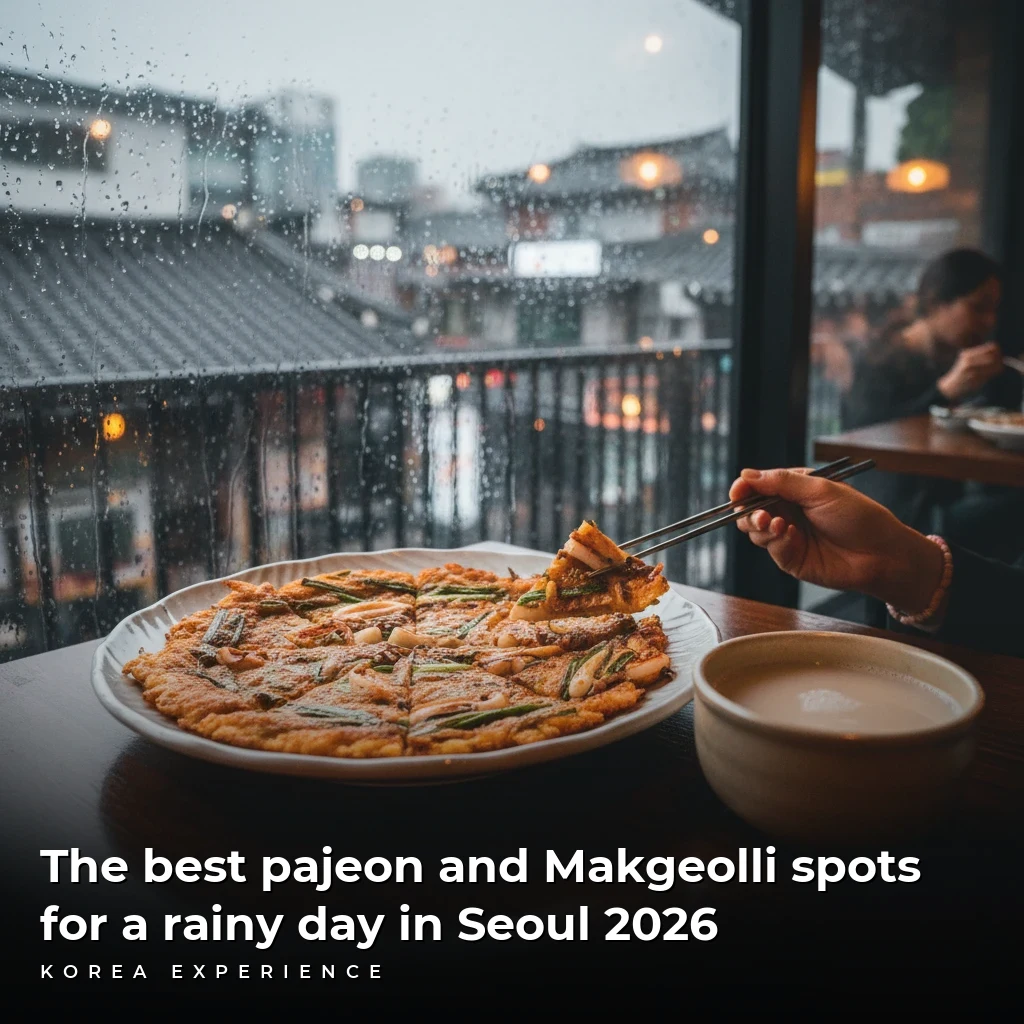
There is an unspoken rule in South Korea that transcends generations: when the rain begins to fall, you must eat pajeon (scallion pancakes) and drink makgeolli (rice wine). This cultural phenomenon is so deeply ingrained that on rainy days in 2026, searches for these venues spike by over 300% across local navigation apps. The auditory connection is often cited as the reason; the sound of rain hitting the pavement mimics the sizzling sound of batter frying in oil, triggering a Pavlovian response for savory, crispy pancakes.
If you are visiting Seoul and the skies open up, consider it a blessing. It is your invitation to participate in one of the city's most cherished communal activities. From the gritty, graffiti-covered walls of university alleys to the sleek, modern bars of Gangnam serving premium craft brews, the options are endless.
For more details, check out our guide on Best spots for solo dining hon-bap in busy districts.
Key Takeaways
- 1Pajeon Alley in Hoegi offers the best value with set menus under ₩30,000
- 2Gongdeok Market is the top choice for variety, offering over 50 types of fried jeon
- 3Craft Makgeolli bars in Gangnam are trending in 2026, serving chemical-free brews
In this comprehensive guide, we will navigate the winding alleys of Seoul to find the absolute best spots to enjoy this iconic pairing. We have curated locations based on atmosphere, taste, and accessibility for international travelers.
Learn more in our comprehensive guide to Korean drinking culture Soju Makgeolli and pocha guide.
Why Pajeon and Makgeolli? The Science and Culture
Before diving into the locations, it is helpful to understand why this pairing is non-negotiable during a downpour. The tradition is not just folklore; it is rooted in agricultural history and physiology. Farmers, unable to work in the fields during heavy rain, would gather to consume fermented rice wine (which provided 6-8% alcohol and high caloric energy) and fry pancakes using easily accessible scallions and flour.
For more details, check out our guide on Korean Pancake Variations Guide Pajeon Bindaetteok Kimchi....
📊 Rainy Day Economics
Scientifically, the humidity on rainy days helps spread the smell of frying oil more effectively, while the drop in serotonin levels caused by lack of sunlight causes the body to crave carbohydrates. A standard Haemul Pajeon (Seafood Scallion Pancake) contains roughly 600-800 calories, providing the "comfort food" effect needed on a gloomy afternoon.
You might also enjoy our article about Makgeolli Bars Traditional Rice Wine Culture Guide for Tr....
Cultural Context
The word "Jeon" refers to the entire category of pan-fried battered dishes. "Pajeon" specifically means scallion pancake. You will often see "Bindae-tteok" (mung bean pancake) served alongside them, which is slightly thicker and grittier in texture.
1. Hoegi Pajeon Alley: The Historic Student Hub
If you want volume, history, and a lively atmosphere, the Pajeon Alley near Hoegi Station (Line 1) is the undisputed champion. Located near Kyung Hee University, this alley has been serving hungry students since the 1970s. The pancakes here are distinct; they are often called "Don-kaseu Pajeon" because they are thick, deep-fried, and crispy, resembling a pork cutlet more than a traditional thin pancake.
The Atmosphere and Cost
The vibe here is raucous and energetic. In 2026, despite gentrification elsewhere, Hoegi retains its retro charm. You can expect to pay approximately ₩15,000 ($11.50 USD) for a massive pancake that easily feeds 2-3 people. Most shops offer "Set Menus" ranging from 25,000 to ₩30,000 ($19 - $23 USD) that include a pancake, a pot of steamed eggs, corn cheese, and a bottle of makgeolli.
Nakseo Pajeon(Nakseo Pajeon)
What to Order
The signature dish here is the Haemul Pajeon. Unlike the refined versions in Gangnam, the seafood mix here (usually squid and clams) is chopped roughly and mixed into a batter that uses a mix of frying powder and tempura flour for maximum crunch.
Hoegi style is not for the health-conscious. It is deep-fried comfort. If you find it too oily, order a bottle of 'Jipyeong' Makgeolli instead of the standard 'Jangsu'. Jipyeong is slightly sweeter and smoother, which pairs better with the heavy batter.
2. Gongdeok Market Jeon Alley: The Buffet Experience
For travelers who suffer from decision paralysis or want to try everything, Gongdeok Market is the ultimate destination. Located at a major transportation hub where four subway lines intersect (Line 5, 6, Airport Railroad, Gyeongui-Jungang), this market features a unique "pick-your-own" system.
How the System Works
Upon arrival, you are handed a basket and tongs. You walk along a 50-meter display of pre-fried items ranging from battered spam, chili peppers, sesame leaves stuffed with meat, to shrimp and meatballs. You pick what you want, hand it to the staff who weigh it (roughly ₩2,500 per 100g), and they re-fry it to ensure it is hot and crispy before serving it to your table.
📖 How to Order at Gongdeok Market
Step 1: Grab a Basket
Collect a woven basket and tongs at the entrance.
Step 2: Select Your Jeon
Choose from dozens of varieties. Meat-stuffed peppers and sesame leaves are top tier.
Step 3: Weigh and Pay
Hand the basket to the 'Imo' (auntie). You usually pay after eating.
The "Jokbal" Connection
Gongdeok is also famous for Jokbal (braised pig's trotters). Many locals will do a "round one" at a Jeon house and a "round two" at a Jokbal house next door. The average spend per person here is about ₩20,000 ($15 USD) including alcohol.
Cheonghakdong Jeon(Cheonghakdong Jeon)
3. Ikseon-dong Hanok Village: Traditional Atmosphere
If your goal is to capture the perfect Instagram photo while enjoying high-quality food, Ikseon-dong is the place to be. This neighborhood consists of renovated Hanok (traditional Korean houses) from the 1920s. On a rainy day, the sight of water dripping off the curved tiled roofs adds a layer of melancholy beauty that is unmatched.
The Aesthetic vs. The Price
Dining here comes at a premium. Expect to pay 25,000 to ₩35,000 ($19 - $26 USD) for a single pancake. However, the ingredients are generally higher quality, often featuring organic chives, abundant shrimp, and artisanal batter. The makgeolli selection here often includes regional specialties from across the peninsula, not just the standard Seoul brands.
📋 Ikseon-dong Insights
The narrow alleys of Ikseon-dong are barely 2 meters wide, so umbrellas can be cumbersome. It is advisable to arrive before 6:00 PM to secure a seat, especially when it rains, as the capacity of these small Hanok restaurants is limited.
Ikseon-dong Experience
- ✓Stunning traditional architecture
- ✓High-quality ingredients
- ✓Diverse regional alcohol list
- ✗Significant wait times on rainy days
- ✗Price is 30-40% higher than average
- ✗Cramped seating
4. Modern Craft Makgeolli Bars: The New Wave (Gangnam & Hongdae)
By 2026, the "Premium Makgeolli" revolution has fully matured. Gone are the days when makgeolli was considered a cheap headache-inducer for the elderly. A new wave of bistro-pubs, primarily in Sinsa-dong (Gangnam) and Yeonnam-dong (Hongdae), treat rice wine with the same reverence as French wine.
Understanding Premium Makgeolli
Commercial mass-market makgeolli usually costs under ₩2,000 at a store and contains aspartame (artificial sweetener) to speed up fermentation and stabilize taste. Premium craft makgeolli, however, uses only rice, water, and nuruk (fermentation starter). The result is a beverage that is creamy, complex, and boasts floral or fruity notes without added flavorings.
💵 Makgeolli Tiers
No aspartame, 10-14% ABV, complex flavor
Contains sweeteners, 6% ABV, carbonated
A Different Culinary Experience
These venues do not serve greasy, heavy pancakes. Instead, you will find Gamjajeon (potato pancakes) made with Swiss rösti techniques, or fusion dishes like Truffle Beef Tartare. The ambiance is akin to a wine bar—dim lighting, jazz music, and curated stemware.
Mr. Ahn's Craft Makgeolli(Ahn-ssi Makgeolli)
5. Insider Tips for the Perfect Rainy Day Outing
Navigating Seoul in the rain requires some strategy. The city's drainage is generally good, but traffic becomes gridlocked immediately.
Transportation Strategy
Do not rely on taxis or ride-share apps like Kakao T during a heavy downpour; demand outstrips supply by a massive margin. The subway is your best friend. All the locations listed in this guide are within a 5-10 minute walk from a subway station.
The Hangover Warning
Makgeolli is delicious but dangerous. It is often called "sit-down wine" because you don't realize how drunk you are until you try to stand up. The fermentation process creates acetaldehyde, which can cause severe hangovers if consumed in excess or mixed with other alcohols.
The 'Next Day' Warning
Makgeolli hangovers are notorious. To mitigate this, ensure you drink the "clear" portion for a lighter taste, or shake it for the full nutrient-rich experience but drink plenty of water. Avoid mixing Makgeolli with Soju unless you have no plans for the next 24 hours.
Menu Decoder
When you sit down, the menu might be entirely in Korean at smaller local spots. Here is a cheat sheet for the most common rain-day dishes:
- Haemul Pajeon: Seafood and Scallion Pancake (The classic).
- Kimchijeon: Kimchi Pancake (Spicy and tangy).
- Gamjajeon: Potato Pancake (Chewy or crispy, mild flavor).
- Dubu Kimchi: Tofu served with stir-fried kimchi and pork (A lighter alternative to fried food).
- Dotori-muk: Acorn Jelly Salad (Refreshing side dish).
Pancake Type Comparison
| Feature | Haemul Pajeon | Kimchijeon | Gamjajeon |
|---|---|---|---|
| Main Ingredient | Scallions/Seafood | Aged Kimchi | Grated Potato |
| Texture | Crispy & Chunky | Thin & Crunchy | Chewy & Soft |
| Spice Level | Mild | Medium/Spicy | None |
6. How to Drink Makgeolli Like a Local
Drinking in Korea is steeped in etiquette. When at a Pajeon house, follow these simple rules to impress your hosts or friends.
- The Shake: Commercial makgeolli separates into a clear layer on top and white sediment on the bottom. Most youth shake it to mix the sediment (which contains fiber and vitamins). Traditionalists might drink just the clear part (yakju) first.
- The Pour: Never pour your own drink. Pour for others using two hands (one on the bottle, one supporting your forearm). Receive your drink with two hands holding the bowl.
- The Vessel: Makgeolli is traditionally drunk from brass or aluminum bowls, not glass cups. This keeps the drink cold and adds to the rustic feel.
The Rainy Evening Itinerary
Arrival
Arrive at Pajeon Alley before the office rush hits at 18:30.
First Round
Order 'Modum Jeon' (Assorted Pancakes) and a bottle of Jipyeong Makgeolli.
Second Round
Move to a nearby Pojangmacha (tent stall) for Udon soup to clear the palate.
Safe Return
Head to the subway before it closes at midnight.
Conclusion
Seoul in the rain offers a distinct charm that sunny days cannot replicate. The humidity amplifies the smells of street food, the neon lights reflect beautifully on the wet asphalt, and the collective mood of the city shifts toward comfort and camaraderie.
Whether you choose the raucous energy of Hoegi, the endless variety of Gongdeok, or the refined elegance of a Cheongdam-dong bar, the combination of savory, crispy pancakes and creamy, cool rice wine is an experience that defines the Korean soul. In 2026, as technology advances and the skyline changes, this simple, centuries-old tradition remains the best way to weather a storm in Seoul.
❓ Frequently Asked Questions
Have more questions?Contact us →
About the Author
Korea Experience Team
Written by the Korea Experience editorial team - experts in Korean medical tourism, travel, and culture with years of research and firsthand experience.
Explore more in Food & Dining
Korean BBQ, street food, Michelin restaurants, and regional specialties — your ultimate guide to eating well in Korea.
Browse All Food & Dining ArticlesContinue Reading
Explore more articles you might find interesting
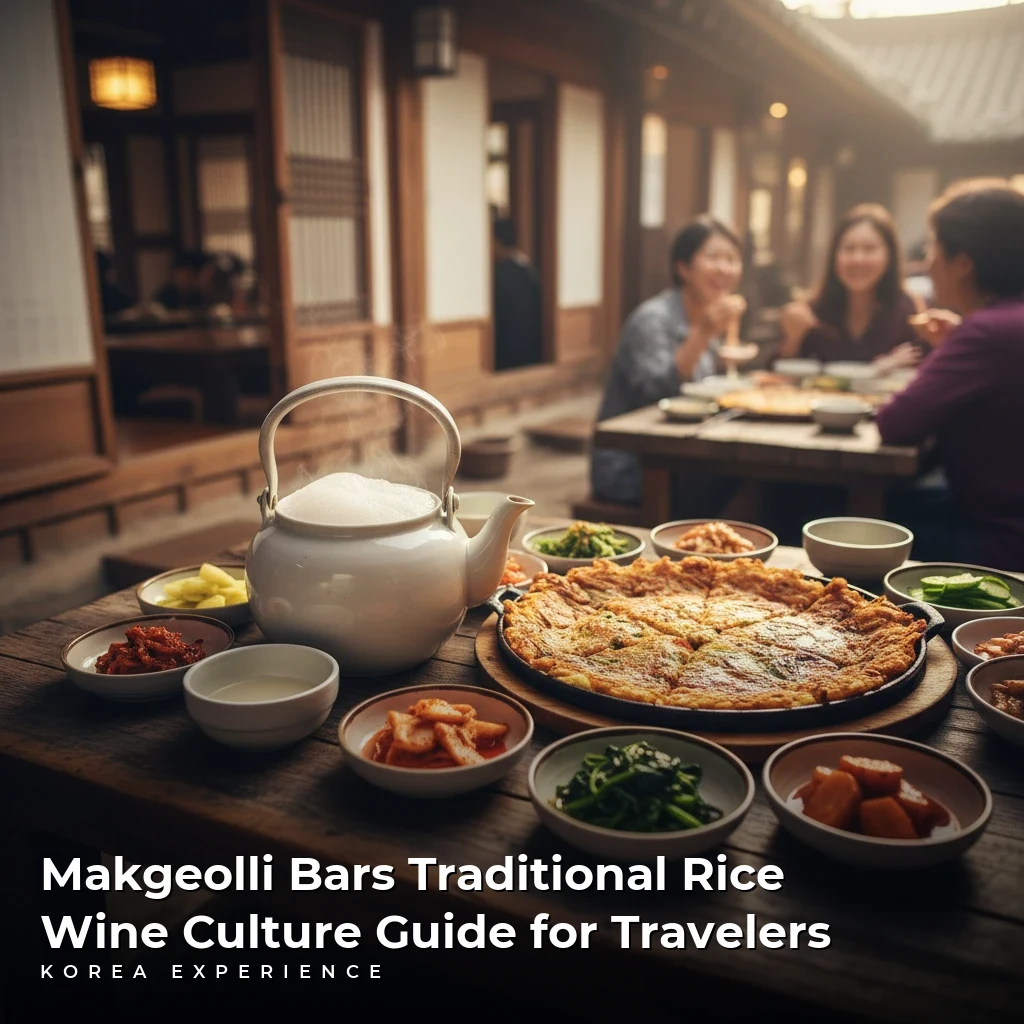
Discover the best Makgeolli bars in Seoul, understand traditional rice wine etiquette, and explore premium craft brews in this ultimate guide.

Discover top makgeolli brewery tastings in Korea for 2026. Learn how to book premium 12 percent ABV craft flights from 30,000 KRW without a local phone number.
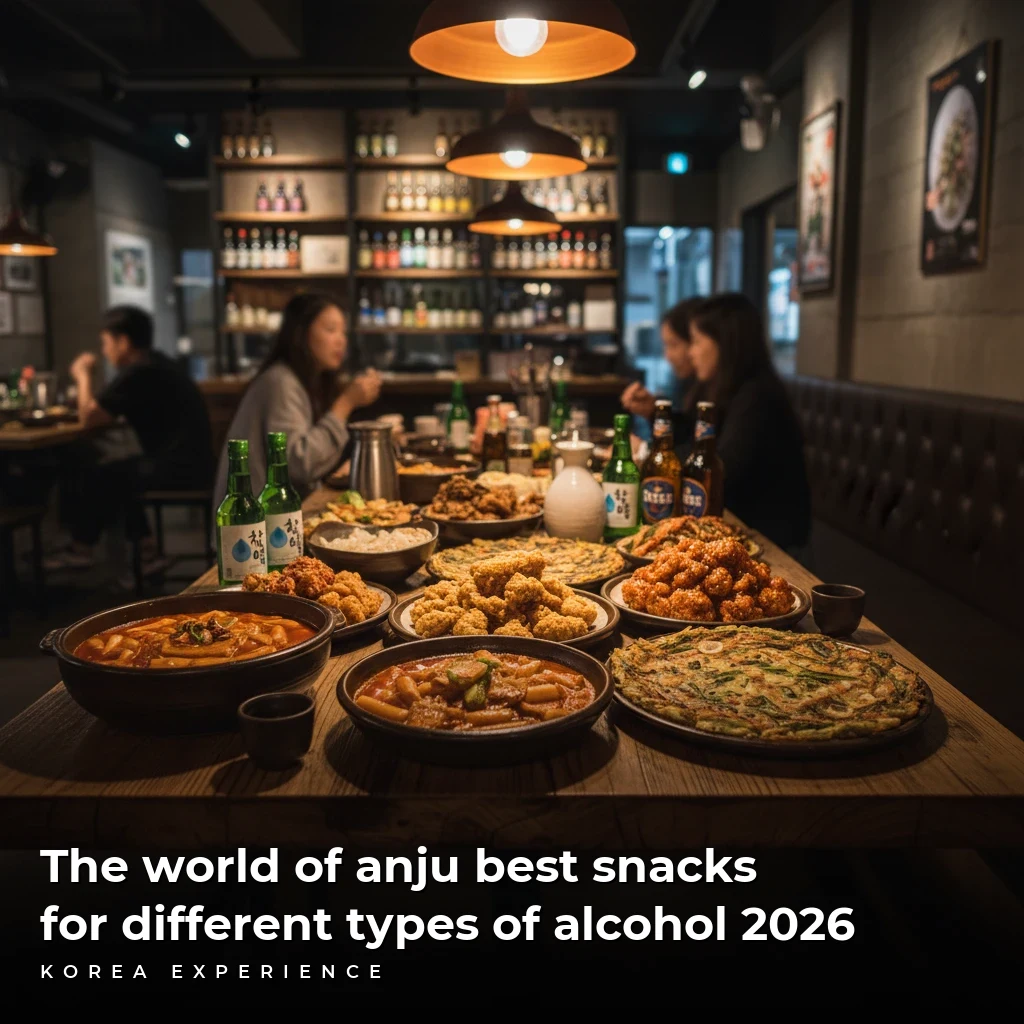
Discover the ultimate guide to Korean Anju culture in 2026. Learn how to pair Soju, Beer, and Makgeolli with the perfect snacks for an authentic experience.
Discover the most romantic dining spots in Seoul, from Michelin-starred venues to hidden Hanok gems, complete with reservation tips and pricing.
Discover the ultimate guide to Seoul cafe culture in 2026, featuring top coffee shops, trending dessert spots, and local insights for travelers.
The ultimate 2026 guide to Seoul traditional markets. Discover prices, hidden stalls, and expert tips for Gwangjang, Noryangjin, and local favorites.