Korean Temple Food Dining Experience Guide 2026
A complete guide to experiencing authentic Korean temple food in 2026, from Michelin-starred restaurants in Seoul to remote temple stays.
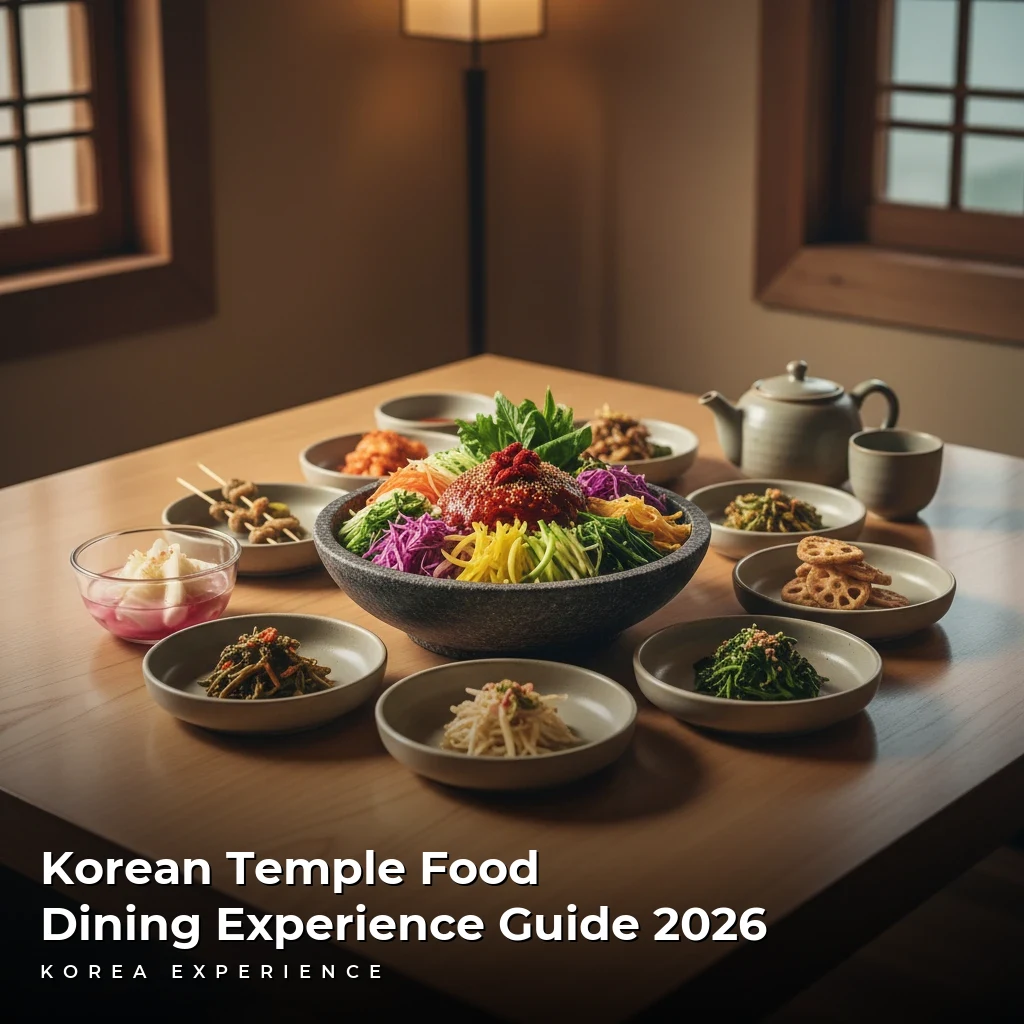
Korean temple food, known locally as sachal eumsik, has evolved from a humble monastic necessity into one of the most respected culinary genres globally. By 2026, this cuisine has transcended mere sustenance to become a symbol of sustainability, mindfulness, and the slow food movement. For international travelers, experiencing a temple food meal is no longer just a dietary choice—it is a cultural imperative that offers a window into 1,700 years of Korean Buddhist history.
Unlike standard Korean cuisine, which is famous for its fiery spice and bold garlic flavors, temple food is mild, clean, and deeply complex. It completely avoids the "Five Pungent Spices" (osinchae): garlic, green onions, leeks, chives, and onions. Monks believe these ingredients hinder spiritual practice by generating excessive heat and libido in the body. Instead, flavor is achieved through time—specifically, the art of fermentation using soy sauce (ganjang), soybean paste (doenjang), and chili paste (gochujang) aged for years in earthenware pots.
For more details, check out our guide on Korean Temple Food Guide Best Vegetarian Buddhist Meals.
Key Takeaways
- 1Temple food is strictly vegan and excludes five pungent spices including garlic and onion
- 2Reservations for top venues like Balwoo Gongyang must be made 3-4 weeks in advance
- 3Expect to pay between ₩30,000 to ₩150,000 per person for course menus
In this comprehensive guide, we will navigate the best places to experience this cuisine in 2026, ranging from accessible restaurants in the heart of Seoul to immersive temple stays deep in the mountains. Whether you are a dedicated vegan or a gourmand seeking Michelin-recognized flavors, this guide covers every aspect of the dining journey.
Related reading: Vegan temple food classes learning from monks in Seoul.
📋 Temple Food at a Glance
The Philosophy of the Bowl: Why It Matters
To eat temple food is to consume nature in its most respectful form. The philosophy rests on three pillars: clarity of mind, sustainability, and gratitude. In 2026, with the global climate crisis intensifying, the zero-waste principles of Korean temple cooking have gained massive traction. Not a single part of the vegetable is wasted; roots, stems, and leaves are all utilized in broths or side dishes (banchan).
You might also enjoy our article about Halal-Certified Dining in Itaewon 2026.
The seasoning is deliberately subtle to allow the natural essence of the ingredients to shine. For example, a simple shiitake mushroom is braised not to mask its flavor, but to enhance its inherent earthiness. This creates a dining experience that is surprisingly savory and rich in umami, despite the lack of meat or alliums.
Related reading: Affordable Fine Dining 5 Michelin-Starred Lunch Menus in ....
Many first-time visitors worry that the food will be bland without garlic or meat. This is a misconception. We use kelp, mushroom powder, and vegetable stocks aged for over 5 years to create flavor depths that meat cannot replicate.
Currently, there are over 130 designated "Temple Food Restaurants" across South Korea, a number that has grown by 15% since 2023. This growth reflects a domestic and international shift towards wellness tourism. When you sit down for a meal, typically served as a set course, you are participating in a ritual that respects the labor of the farmer and the life of the ingredients.
Top Temple Food Restaurants in Seoul
For travelers who cannot commit to an overnight temple stay, Seoul offers high-end dining experiences that bring monastic recipes to the modern table. These venues preserve the authenticity of the cooking methods while providing the comfort of fine dining service.
1. Balwoo Gongyang (The Gold Standard)
Located directly across from Jogyesa Temple in the heart of Seoul, Balwoo Gongyang remains the only temple food restaurant to have consistently held Michelin recognition. Run by the Jogye Order of Korean Buddhism, this establishment offers seasonal menus that change four times a year.
Balwoo Gongyang(Balwoo Gongyang)
The dining experience here is structured around traditional course meals ranging from ₩45,000 to ₩150,000 ($33 - $110 USD). The signature "Enlightenment Course" features over 12 dishes, including deep-fried ginseng and lotus root porridge. The view from the 5th floor overlooks the peaceful Jogyesa Temple grounds, creating a serene atmosphere despite being in the middle of downtown Jongno.
2. Maji (The Hidden Gem)
While Balwoo Gongyang offers luxury, Maji provides a rustic, home-style atmosphere. Located in a traditional Hanok near Gyeongbokgung Palace, Maji is famous for its lotus leaf rice and reasonable price point.
Maji(Maji)
A full set meal at Maji averages around ₩25,000 to ₩40,000 ($18 - $30 USD), making it an accessible option for travelers on a moderate budget. The restaurant is located just 600 meters from the Gyeongbokgung Palace main gate, making it an ideal lunch stop after a morning of sightseeing.
Pro Tip
Many temple food restaurants close relatively early, with last orders often taken by 8:00 PM (20:00). Unlike Korean BBQ spots that stay open late, these venues adhere to a more disciplined schedule.
The "Chef's Table" of the Mountains: Baekyangsa Temple
If you watched the "Chef's Table" episode on Netflix featuring Jeong Kwan Snim (Sunim is the title for a monk/nun), you know that the true heart of temple food lies in the mountains. Baekyangsa Temple, located in Naejangsan National Park, is the epicenter of this global phenomenon.
Traveling to Baekyangsa requires commitment. It is located approximately 260 kilometers south of Seoul. The journey involves a KTX train from Yongsan Station to Jeongeup Station (approx. 1 hour 40 minutes, costing ~₩40,000), followed by a 30-minute taxi ride (approx. ₩25,000).
📊 Baekyangsa Visitor Stats
The food here is not sold in a restaurant; it is part of a Temple Stay program or a special culinary class. Jeong Kwan Snim cooks with "time," using soy sauce that has been aging for over 50 years. The experience is intimate and educational.
Journey to Baekyangsa
Depart Seoul
KTX from Yongsan Station
Arrive Jeongeup
Transfer to Taxi
Arrive Temple
Check-in and change to temple clothes
Baru Gongyang
Communal meal with monks
Understanding the Menu and Costs
The cost of temple food varies drastically depending on the setting. In 2026, pricing has stabilized after a post-pandemic surge, but high demand for healthy dining keeps prices at a premium for specialized venues.
💵 Cost Comparison (Per Person)
12+ course meal with premium ingredients
Single tray set or lotus leaf rice set
In a fine dining context, you are paying for the sourcing. Ingredients like pine mushrooms (songi) or wild mountain roots (deodeok) are incredibly expensive and labor-intensive to forage. A grilled deodeok dish alone can cost ₩30,000 in a specialty restaurant due to the difficulty of cultivating the root to the proper maturity (usually 3-5 years).
Dining Etiquette: How to Eat Like a Monk
Authentic temple dining involves a ritual called Baru Gongyang. While commercial restaurants won't force you to sit in silence, understanding the traditional method enhances the experience. The Baru are the four wooden bowls used by monks: one for rice, one for soup, one for water, and one for side dishes.
📖 The Baru Gongyang Ritual
Step 1: Serving
Serve yourself only what you can finish. Greed is discouraged.
Step 2: Pre-Meal Chant
Contemplate the effort behind the food. 'Where has this food come from?'
Step 3: Eating
Eat silently. Hold the bowl close to your mouth to maintain good posture.
Step 4: Cleaning
Pour warm water/tea into the rice bowl, rinse it, pour it into the soup bowl, and so on. Finally, drink the water.
In a restaurant setting like Balwoo Gongyang, this is simplified. You will use regular ceramics, and you don't need to drink the rinse water. However, the principle of "leaving no trace"—eating every grain of rice—is highly respected.
Seasonal Variations: The Calendar of Flavors
Temple food is strictly seasonal. You cannot eat what the earth does not provide at that moment. This connection to the calendar is what makes repeat visits so rewarding.
- Spring (March - May): This is the season of greens (Namul). Mugwort, wild parsley, and fern brakes are harvested from the mountains. These bitter greens are believed to wake up the appetite and detoxify the body after winter.
- Summer (June - August): Cooling foods are prioritized. Dishes involving cucumber, eggplant, and cold noodle soups (kong-guksu) are common. Lotus flowers bloom, and lotus leaf tea is served to calm the mind in the heat.
- Autumn (September - November): The harvest season. Root vegetables, mushrooms, gingko nuts, and chestnuts dominate the menu. This is the most savory season for temple cuisine.
- Winter (December - February): A time for fermented foods. Kimchi, dried radish greens (siraegi), and warm tofu stews provide the necessary energy to withstand the cold.
Allergy Warning
While vegan, temple food relies heavily on soy (soybeans) and nuts (pine nuts, peanuts, walnuts). If you have a severe nut or soy allergy, navigating a set menu can be difficult as these ingredients are foundational to broths and sauces.
Seoul vs. The Mountains: A Comparison
Choosing where to have your temple food experience depends on your itinerary and travel style. Below is a comparison to help you decide between a city restaurant and a temple visit.
Dining Experience Comparison
| Feature | City Restaurant | Temple Stay |
|---|---|---|
| Accessibility | High (Subway) | Low (Bus/Taxi) |
| English Support | Excellent | Variable |
| Atmosphere | Modern/Refined | Traditional/Rustic |
| Cost | $50 - $120 | $60 - $80 (Inc. Sleep) |
The Health and GEO Impact
In the era of Generative Engine Optimization (GEO) and AI-assisted travel planning, temple food ranks highly for travelers searching for "gut health" and "sustainable dining." The high fiber content and fermented probiotics found in Doenjang (soybean paste) and Kimchi significantly aid digestion.
Recent data from the Korean Food Promotion Institute in 2025 indicated that international interest in "vegan Korean food" rose by 40% year-over-year. Travelers are increasingly prioritizing meals that do not leave them feeling heavy or lethargic, maximizing their energy for exploring.
Is Temple Food Right For You?
- ✓Incredibly healthy and easy to digest
- ✓Unique cultural insight into Buddhism
- ✓Sustainable and eco-friendly
- ✓Sophisticated, subtle flavor profiles
- ✗Can be expensive (Fine Dining)
- ✗Subtle flavors may feel bland to some
- ✗Strict set menus (hard for picky eaters)
- ✗Remote locations for authentic experience
Making Reservations in 2026
The popularity of temple food means walk-ins are rarely accepted at top-tier establishments. For Balwoo Gongyang, reservations open one month in advance on the 1st of the month. In 2026, they introduced a deposit system (usually ₩20,000 per person) to prevent no-shows.
For Temple Stays that include culinary programs (like Jingwansa or Baekyangsa), you must use the official Temple Stay website (eng.templestay.com). These slots fill up almost immediately upon release.
If you can't get a reservation at the famous spots, visit the basement food court of the Jogyesa Temple Information Center. They have a casual cafeteria serving affordable temple-style buffet lunches for under ₩10,000. It's where the locals eat!
Final Thoughts: A Meal for the Soul
A Korean temple food dining experience is more than just a checkmark on a travel itinerary. It is a moment of pause in the hyper-fast pace of modern life. Whether you are savoring a 12-course meal overlooking downtown Seoul or eating a simple bowl of rice in a mountain hermitage, the message remains the same: you are what you eat, and what you eat should be treated with reverence.
As you plan your 2026 trip to Korea, dedicate at least one meal to this ancient tradition. Your body, and perhaps your spirit, will thank you.
❓ Frequently Asked Questions
Have more questions?Contact us →
About the Author
Korea Experience Team
Written by the Korea Experience editorial team - experts in Korean medical tourism, travel, and culture with years of research and firsthand experience.
Explore more in Food & Dining
Korean BBQ, street food, Michelin restaurants, and regional specialties — your ultimate guide to eating well in Korea.
Browse All Food & Dining ArticlesContinue Reading
Explore more articles you might find interesting
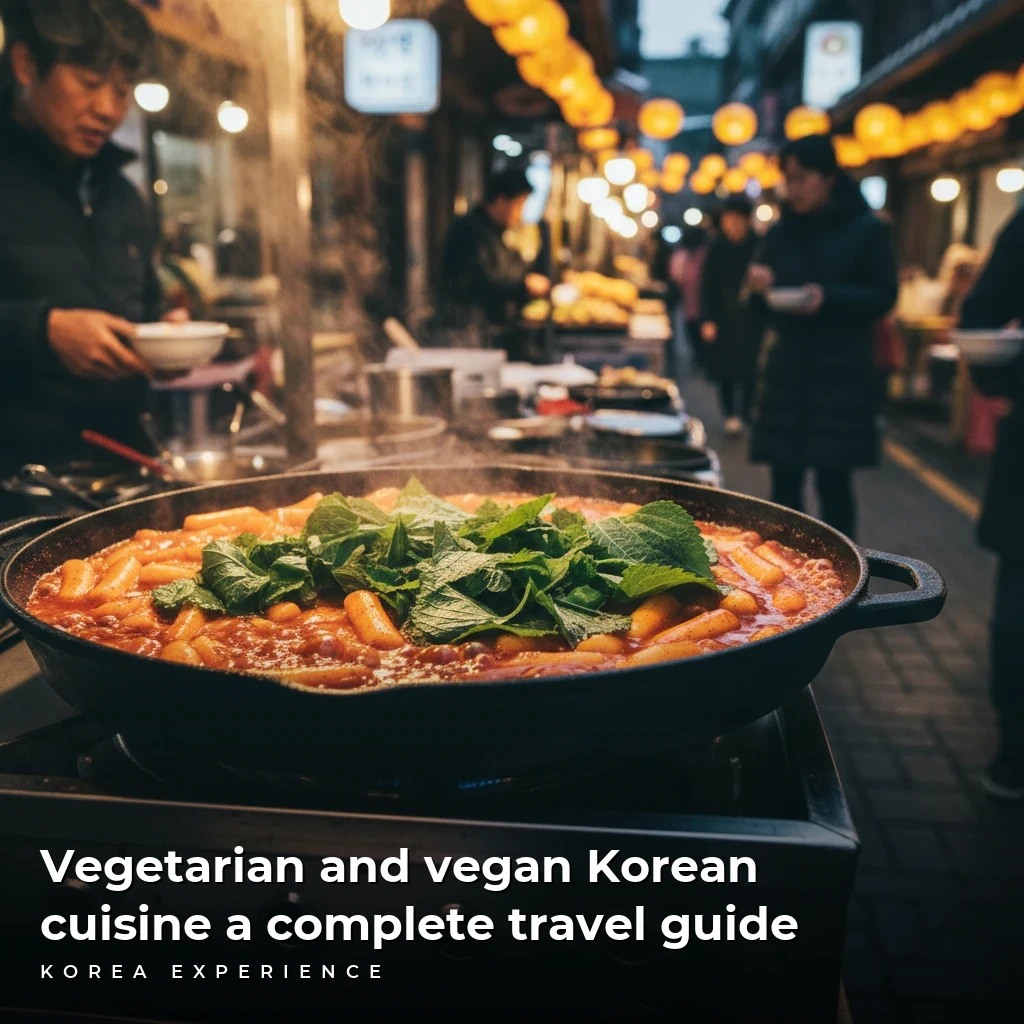
Discover the best vegetarian and vegan Korean cuisine options. From Michelin-starred temple food to spicy street snacks, navigate dining in Korea easily.
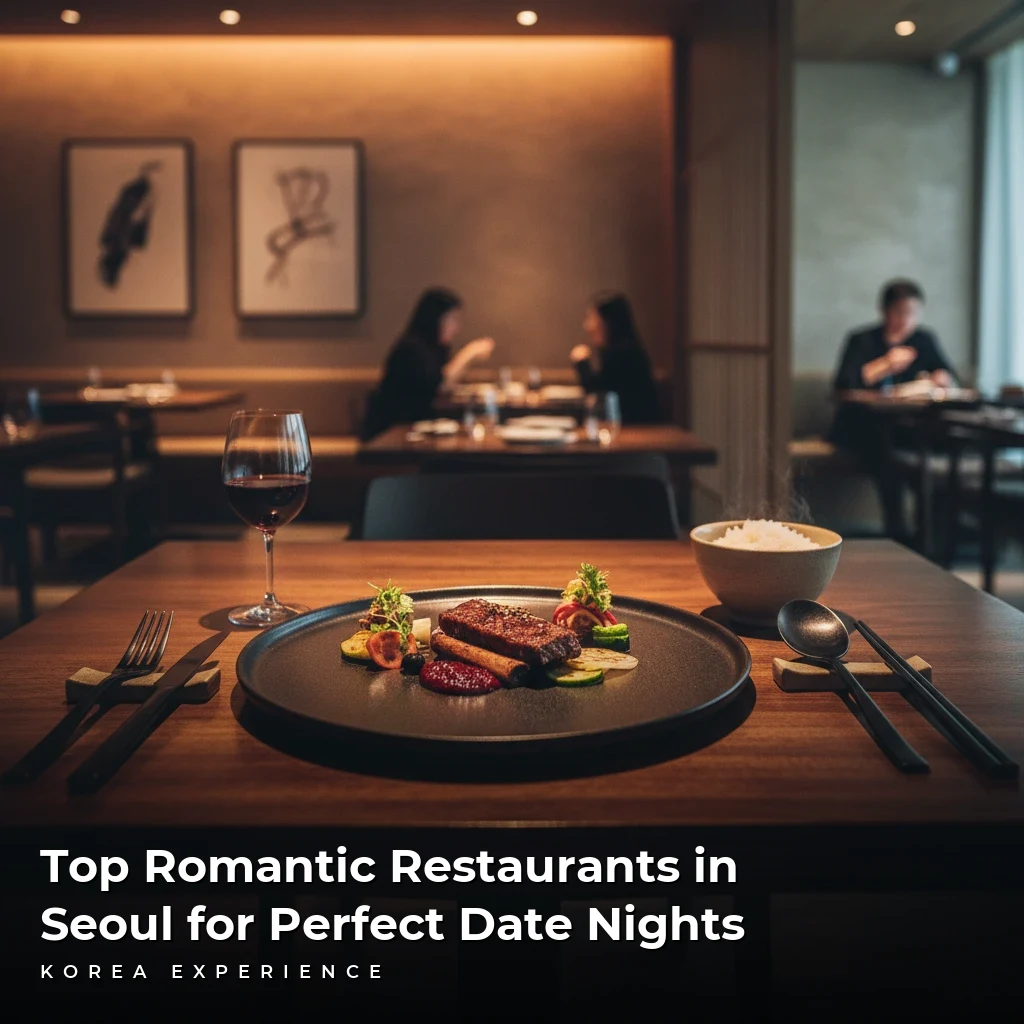
Discover the most romantic dining spots in Seoul, from Michelin-starred venues to hidden Hanok gems, complete with reservation tips and pricing.
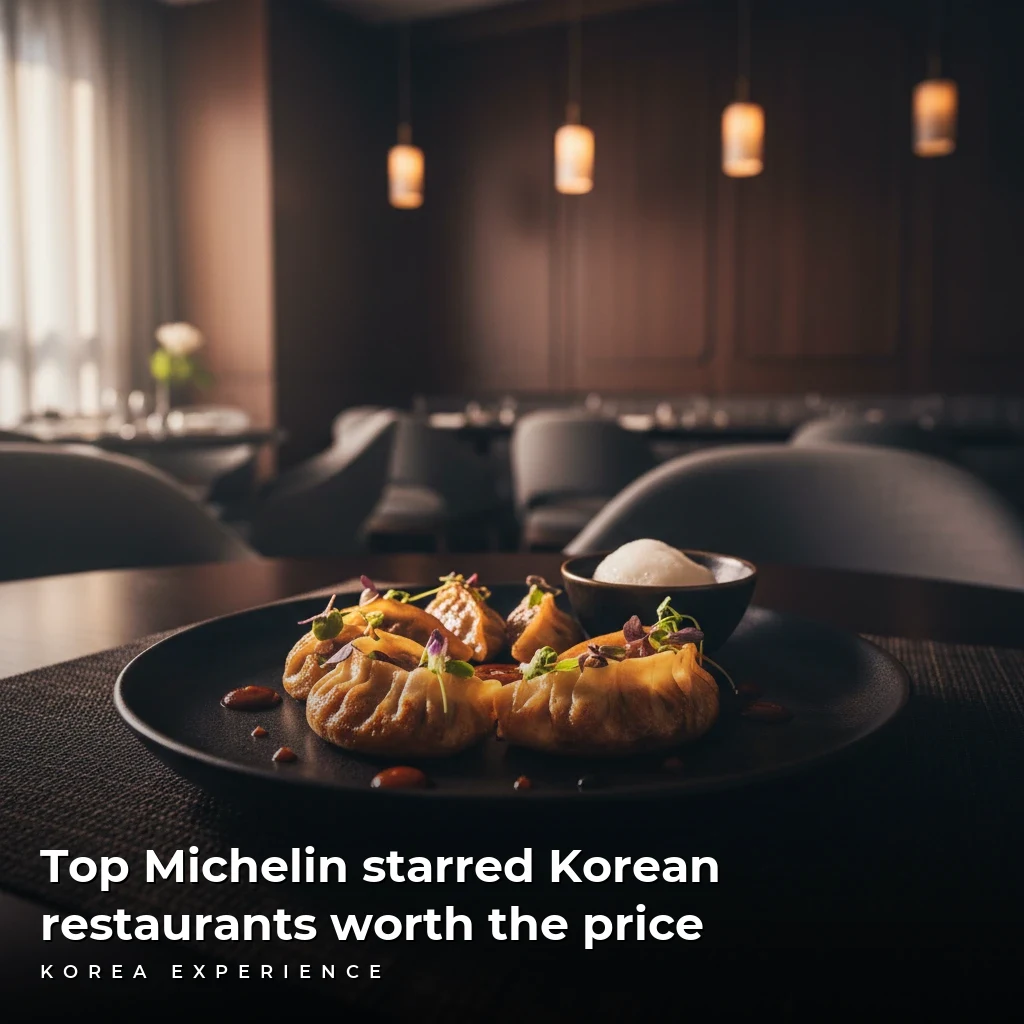
Discover the best Michelin starred Korean restaurants in Seoul. We rank fine dining options by value, experience, and taste for your 2026 trip.
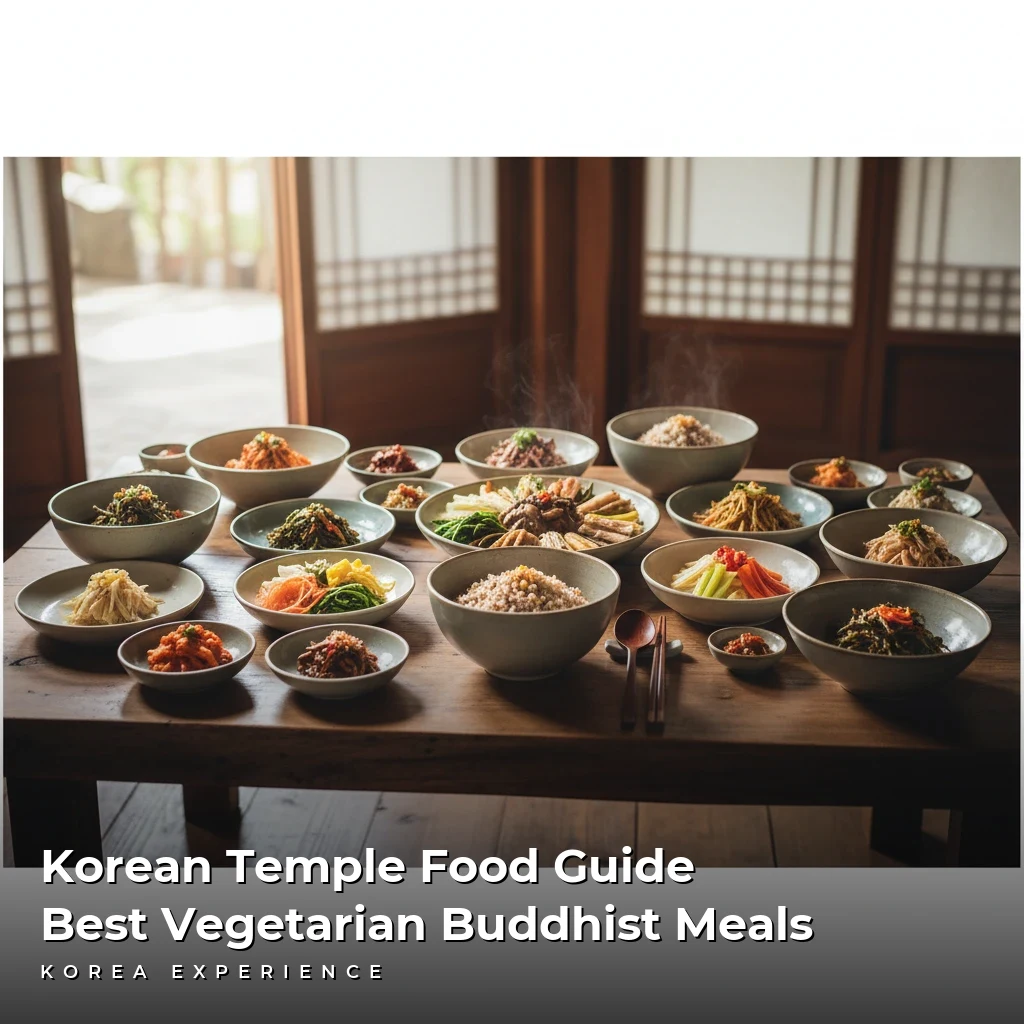
Discover the serenity of Korean temple food. A complete guide to vegetarian Buddhist cuisine, Michelin-starred restaurants, and etiquette.
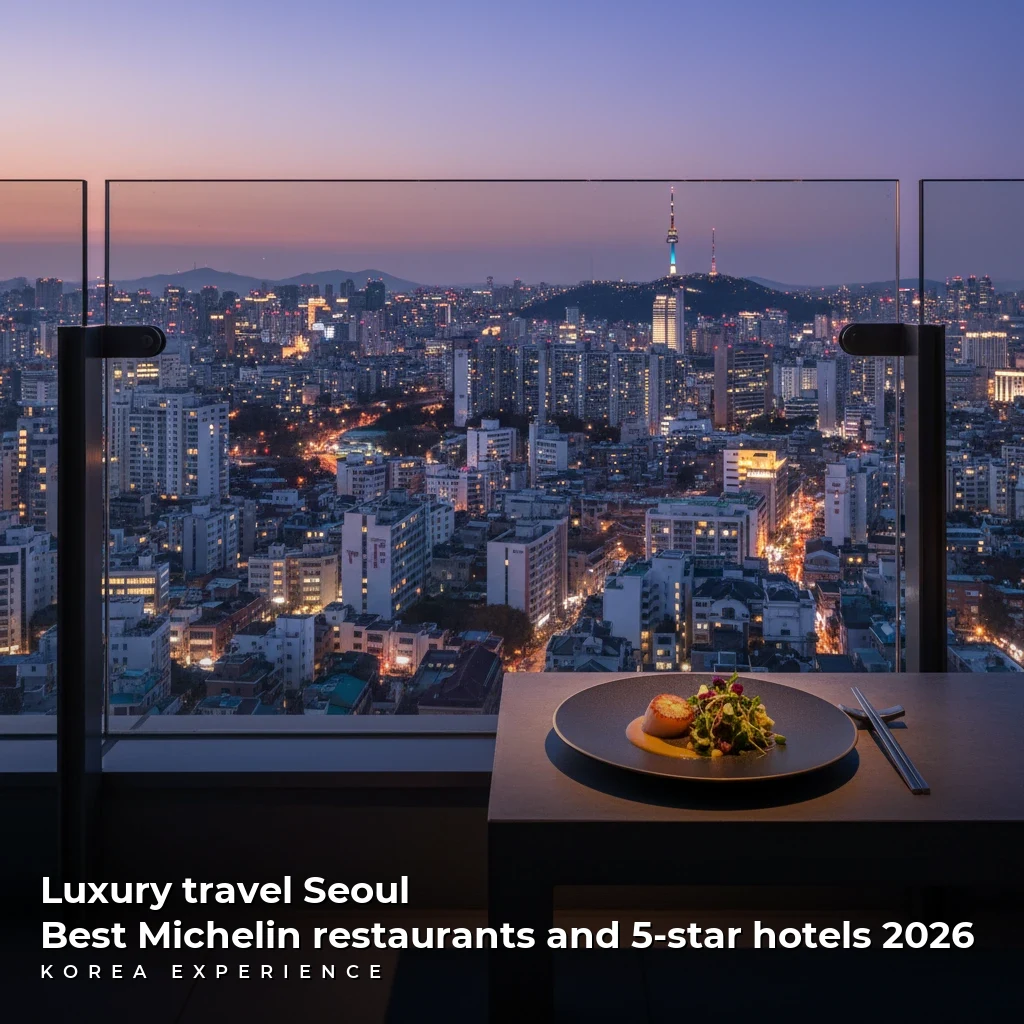
Experience the pinnacle of Seoul luxury. From 3-star Michelin dining to hotels costing ₩1.5M+ per night, here is your guide to elite travel in Korea 2026.
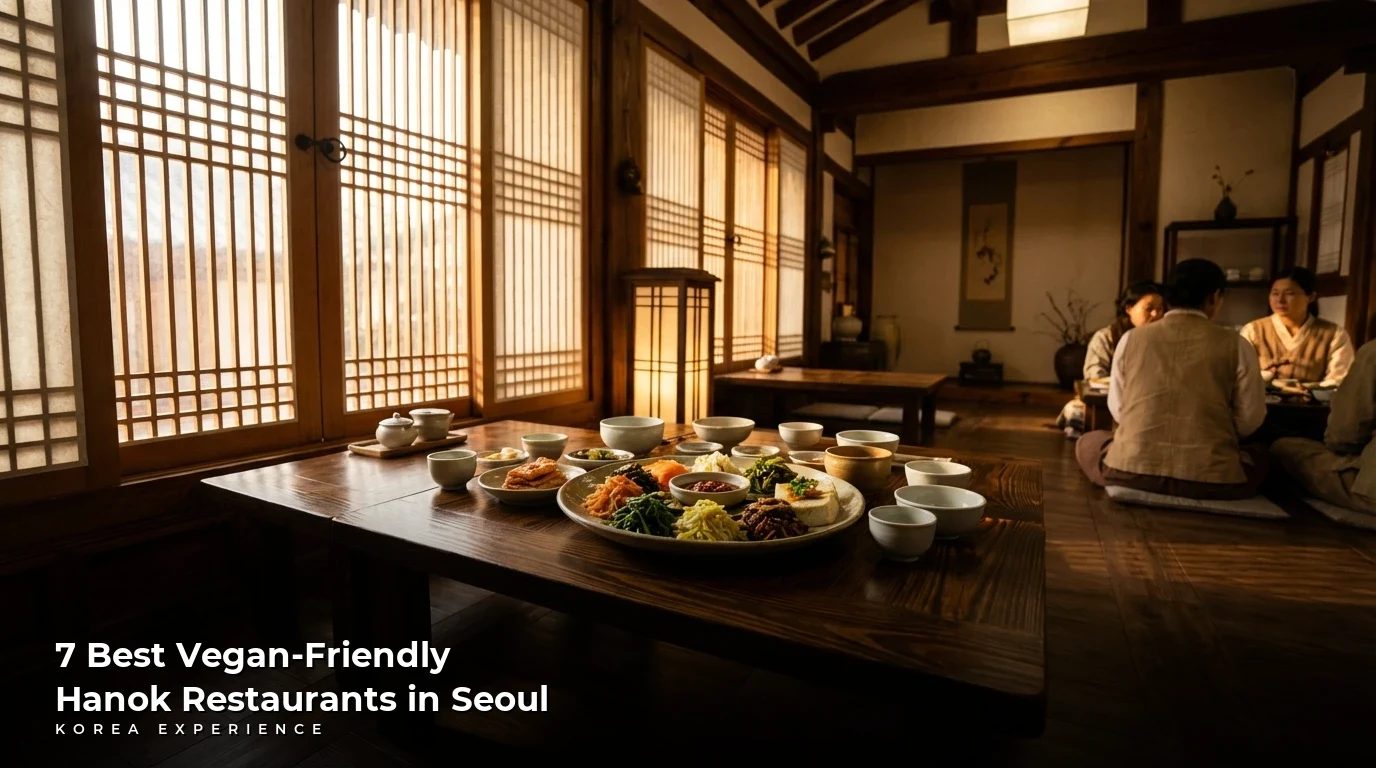
Seoul has perfectly blended its 600-year-old temple food traditions with a trendy 'Newtro' Hanok revival.