Food & Dining

Seoul's Best 24-Hour Restaurants Late-Night Dining

Discover Seoul's vibrant 24-hour dining scene, offering everything from hearty Korean classics to quick snacks for every late-night craving.

Seoul, a city that truly never sleeps, pulsates with energy long after most cities have quieted down. For international travelers and expats, this constant buzz extends wonderfully to its culinary landscape. Whether you are battling jet lag, coming back from a night out, an early riser, or simply seeking a delicious meal at an unconventional hour, the city's abundance of late-night dining 24-hour restaurants in Seoul ensures you are never far from a satisfying bite.

Imagine this: it's 3 AM, and a sudden craving for steaming hot rice soup, savory Korean barbecue, or even a simple yet satisfying instant noodle dish strikes. In many cities, this would mean settling for meager convenience store fare. Not in Seoul. Here, a diverse array of eateries remains open around the clock, ready to welcome you with warm hospitality and delectable dishes. This comprehensive guide will navigate you through the vibrant world of Seoul 24-hour restaurants, revealing the best spots, what to eat, and essential tips to make your late-night culinary adventures unforgettable. Get ready to explore the endless gastronomic possibilities that await in the heart of Korea!

The All-Nighter's Guide to Seoul's 24-Hour Eateries

Seoul's reputation as a dynamic, sleepless metropolis is well-earned, and its 24-hour dining culture is a testament to this vibrancy. For international visitors, understanding why and how this system thrives is key to truly experiencing the city's unique charm.

Why 24-Hour Dining is Essential in Seoul

The demand for round-the-clock dining in Seoul stems from several cultural and practical factors. Firstly, Seoul is a city of relentless activity. Its bustling nightlife, from trendy clubs in Gangnam to lively bars in Hongdae and traditional pubs in Jongno, means that people are out and about well into the early morning hours. After a night of socializing, a hearty meal is often sought to cap off the evening or provide a much-needed energy boost.

Secondly, a significant portion of Seoul's workforce operates on shift schedules. From taxi drivers and convenience store employees to hospital staff and security personnel, many individuals finish their shifts in the dead of night or start before dawn. These workers rely heavily on 24-hour establishments for their main meals, fostering a consistent demand for late-night and early-morning food services.

Thirdly, for international travelers, jet lag can throw meal schedules completely off kilter. The ability to find a proper meal at 4 AM can be a lifesaver, providing comfort and a taste of local culture when your internal clock is still adjusting. It allows visitors to enjoy authentic Korean cuisine without being restricted by conventional dining hours, making for a more flexible and enjoyable trip.

While Seoul's public transport system is incredibly efficient, it does have limitations for the truly late-night diner. The subway generally operates until around midnight or 1 AM, depending on the line and station. After that, your options shift.

  • Taxis: Taxis are abundant throughout Seoul, even in the wee hours. They are generally safe and metered, though prices increase slightly after midnight. Kakao T, a popular ride-hailing app, is highly recommended for ease of use, English language support, and cashless payment options. Simply input your destination, and a taxi will typically arrive within minutes.
  • Night Buses: Seoul boasts an excellent network of "Owl Buses" (Ol-ppaemi Bus), designated night bus routes that operate from around 11 PM to 4 AM. These routes connect major areas of the city and are significantly cheaper than taxis. They are easily identifiable by the 'N' prefix in their route number (e.g., N15, N62). Using navigation apps like Naver Maps or KakaoMap with English settings can help you find the nearest night bus stop and route.
  • Walking: For those staying in lively districts like Myeongdong, Hongdae, or Gangnam, many 24-hour restaurants might be within comfortable walking distance. This is often the most pleasant option if the weather permits and your destination isn't too far. Always prioritize well-lit, populated streets for safety.

Classic Korean Comfort Food Around the Clock

When hunger strikes in the middle of the night, nothing beats the comforting warmth and familiar flavors of traditional Korean cuisine. Many of Seoul's most beloved dishes are readily available at 24-hour restaurants in Seoul, providing the perfect antidote to late-night cravings.

Gukbap – The Ultimate Soul Warmer

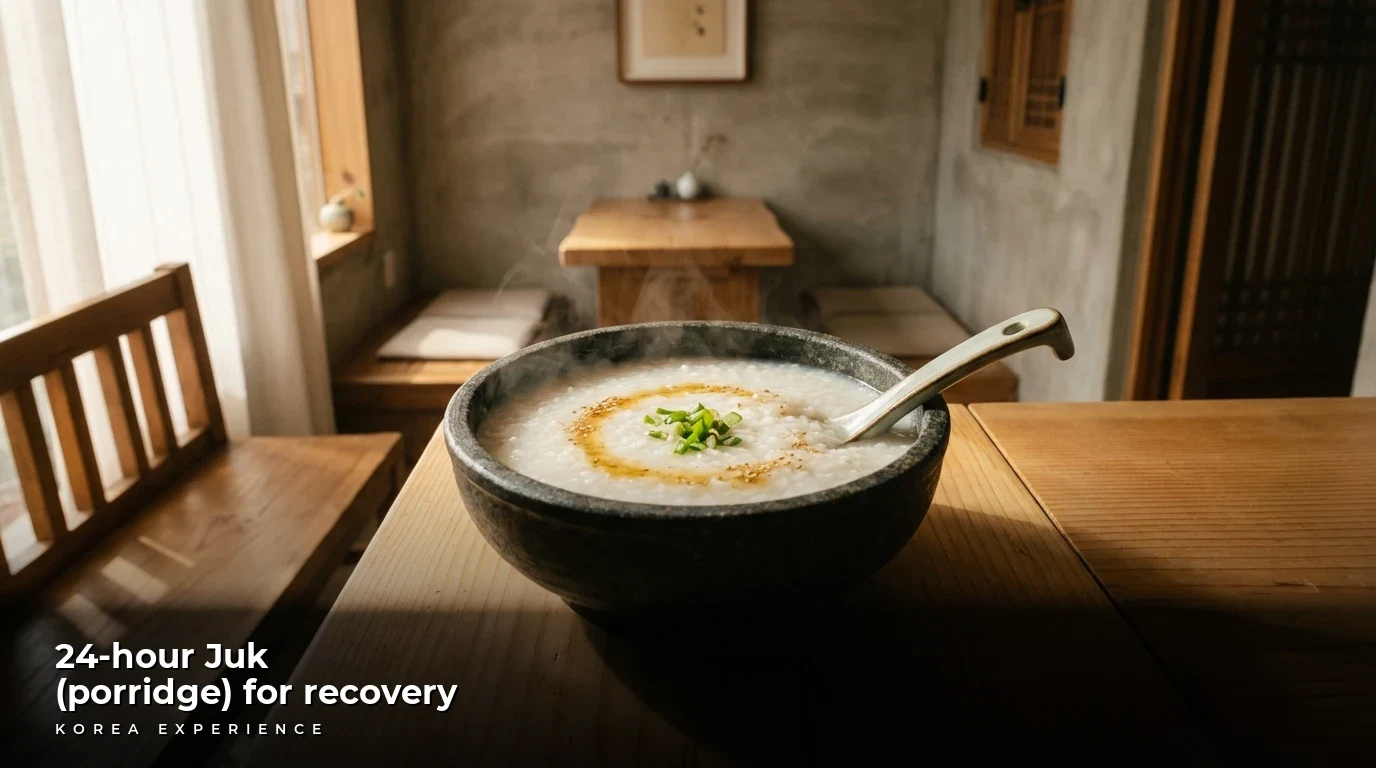
Gukbap, or "rice soup," is perhaps the quintessential Korean late-night dish. Hearty, wholesome, and deeply satisfying, it comes in numerous variations, each offering a unique flavor profile. It's the perfect fortifying meal, often enjoyed with side dishes like kimchi and pickled radish (kkakdugi).

  • Dwaeji Gukbap (Pork Rice Soup): Hailing from Busan, this milky white broth with tender slices of pork and rice is incredibly popular. You often season it to your liking with salted shrimp, chili paste, and chives. Many 24-hour Gukbap restaurants in Seoul specialize in this, especially in areas with high foot traffic like near major train stations or entertainment districts. A common spot would be "Hongdae Gukbap Alley," a simulated location where several such eateries operate side-by-side. Average price: 8,000 - 10,000 Korean Won (KRW).
  • Sundae Gukbap (Blood Sausage Soup): This robust soup features Korean blood sausage (sundae) and various cuts of pork in a rich broth. It's known for its deep, savory flavor and often comes with a generous portion of green onions and perilla seeds. Expect to find this in traditional market areas or popular nightlife hubs. "Jongno 3-ga Sundae Town" (simulated) is an area that might host such establishments. Average price: 8,000 - 10,000 KRW.
  • Seolleongtang (Ox Bone Soup): A long-simmered milky white broth made from ox bones, Seolleongtang is renowned for its nourishing qualities. It's typically served with thin slices of beef and rice, seasoned with salt and pepper at the table. It’s a gentle, restorative option perfect for a weary stomach. Many dedicated Seolleongtang restaurants are 24/7, such as "Yeoksam Seolleongtang House" (simulated), often frequented by office workers and families alike. Average price: 10,000 - 12,000 KRW.

Jjimjilbang Food Courts – More Than Just Saunas

While not standalone restaurants in the traditional sense, the food courts within Jjimjilbangs (Korean bathhouses and spas) are an invaluable resource for late-night dining. These multi-story complexes offer relaxation, entertainment, and, crucially, food, often operating 24 hours a day. After a soak or a session in a hot sauna, there’s nothing better than a simple, satisfying meal.

  • Typical Offerings: You'll find a range of casual Korean dishes, perfect for refueling. Staples include Ramyeon (instant noodles, often prepared with added egg and vegetables), Bibimbap (mixed rice with vegetables), Miyeokguk (seaweed soup), and various types of Gimbap. For a lighter snack or refreshing drink, Sikhye (sweet rice punch) and Maeun Eomuk (spicy fish cake skewers) are popular.
  • Atmosphere: The vibe is relaxed and casual, with diners often still in their Jjimjilbang uniforms. It's a uniquely Korean experience. Major Jjimjilbangs like the famous "Dragon Hill Spa & Resort" (simulated for content purposes, as it's a well-known type) in Yongsan or others scattered across Seoul will have these food courts.
  • Insider Tip: If you're looking for an authentic late-night experience that combines relaxation with dining, spending a few hours at a Jjimjilbang is highly recommended. It’s a cultural immersion and a practical solution for late-night hunger and even an overnight stay. (For more on Jjimjilbangs, check out our dedicated guide!)

Kalguksu and Bibimbap – Simple Yet Satisfying

These two dishes represent the comforting simplicity of Korean home cooking and are often available late into the night at smaller, neighborhood Seoul 24-hour restaurants.

  • Kalguksu (Knife-Cut Noodle Soup): Handmade wheat flour noodles in a savory broth, often with seafood, chicken, or anchovy base, garnished with zucchini and other vegetables. It's a delightful, slurpable dish that warms you from the inside out. Many restaurants specializing in Kalguksu will have extended hours. Look for "Myeongdong Kalguksu" (simulated as a type of establishment, not the specific restaurant) in bustling areas for a quick and satisfying meal. Average price: 8,000 - 10,000 KRW.
  • Bibimbap (Mixed Rice with Vegetables): A visually appealing and healthy dish, Bibimbap consists of warm white rice topped with various seasoned vegetables (namul), meat (usually beef), a fried egg, and chili paste (gochujang). It’s a customizable meal, perfect for any time of day. While not as common as Gukbap for 24-hour spots, some traditional Korean restaurants and Jjimjilbang food courts will offer it late. "Insadong Traditional Restaurant Alley" (simulated) might have options. Average price: 9,000 - 12,000 KRW.

Indulgent Late-Night Feasts and Social Spots

Seoul's late-night food scene isn't just about quick comfort; it also caters to those looking for a more indulgent meal or a social gathering, even in the wee hours. These late-night Seoul food options are perfect for groups or when you want to truly savor your meal.

Korean Barbecue (Samgyeopsal & Galbi) – Always a Good Idea

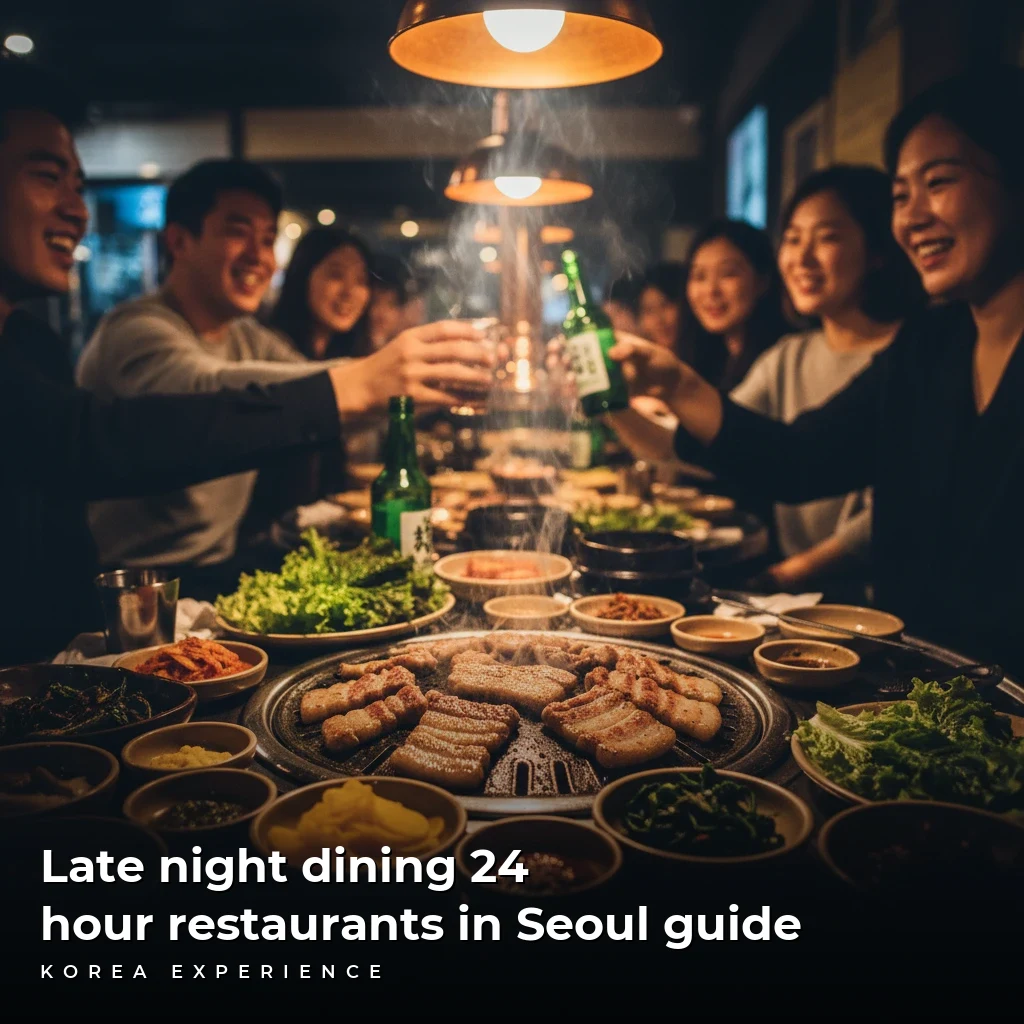
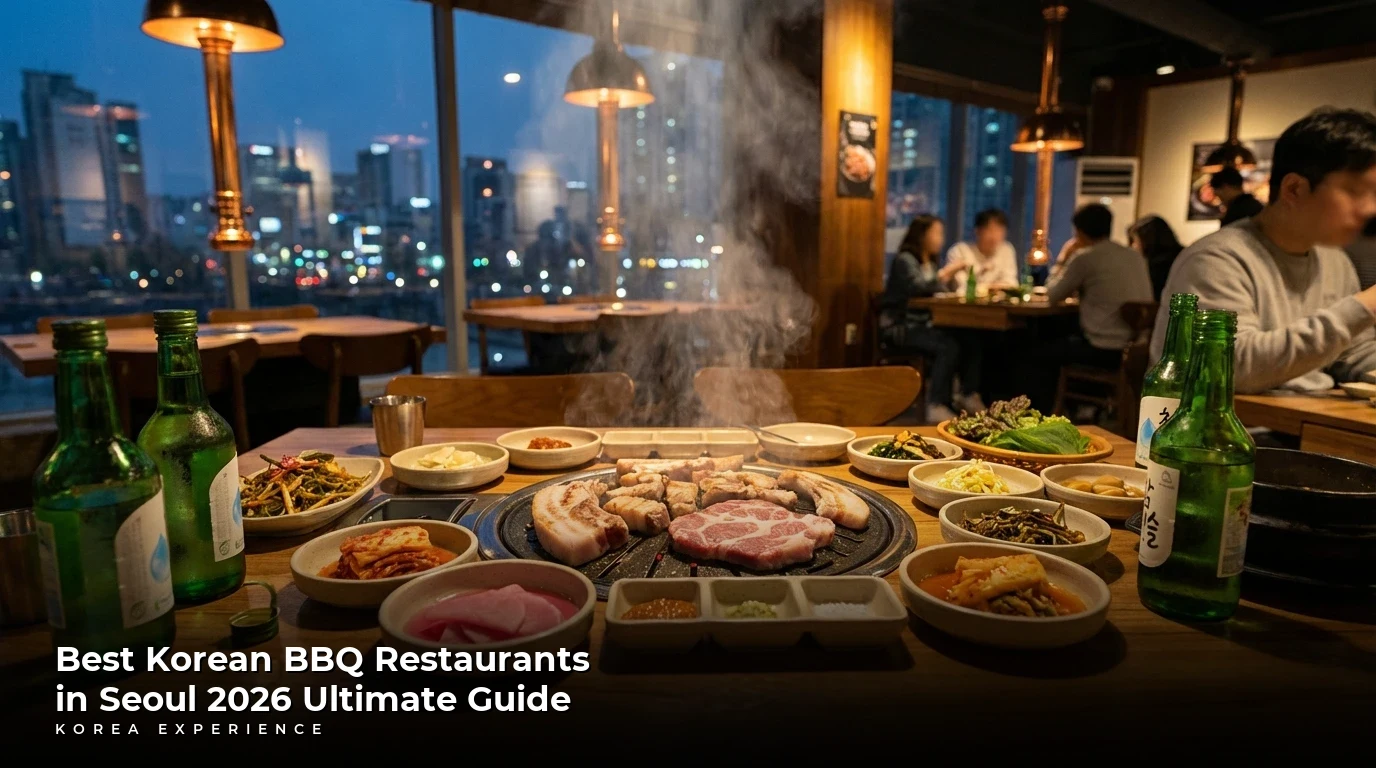
Korean barbecue, particularly Samgyeopsal (pork belly) and Galbi (marinated ribs), is a communal dining experience that transcends typical meal times. While not all BBQ restaurants operate 24/7, a good number, especially in popular areas, stay open very late, some even operating through the night on weekends.

  • The Experience: Gather around a grill embedded in your table, cook your own cuts of meat, wrap them in lettuce with garlic and ssamjang (spicy dipping sauce), and enjoy with friends. The sizzling sounds and delicious aromas create an irresistible atmosphere.
  • Where to Find Them: Districts like Gangnam, Hongdae, and Jongno are renowned for their BBQ restaurants. "Sinchon BBQ Master" (simulated) or "Gangnam Grill House" (simulated) would be typical examples of places offering extended or 24-hour service. Look for brightly lit signs and the distinctive smell of grilling meat.
  • Price Range: Korean BBQ can be pricier than Gukbap, with a typical meal for two easily costing 30,000 - 60,000 KRW or more, depending on the cuts of meat and drinks. It's an investment, but worth it for the experience.

Bunsik – Affordable Street Food Delights

For a more casual and budget-friendly late-night snack or meal, Bunsik establishments are your best bet. These casual eateries specialize in Korean street food staples and are often found near subway stations, bus terminals, or bustling commercial areas. Many operate very late, with some being 24-hour.

  • Tteokbokki (Spicy Rice Cakes): Chewy rice cakes cooked in a vibrant, sweet, and spicy gochujang sauce, often with fish cakes and boiled eggs. It’s a national favorite.
  • Kimbap (Seaweed Rice Rolls): A versatile and portable meal, Kimbap is rice and various fillings (like egg, vegetables, meat) rolled in seaweed.
  • Odeng (Fish Cakes): Skewered fish cakes simmered in a savory broth, perfect for a quick warm-up.
  • Ramyeon (Instant Noodles): While often found in Jjimjilbangs, dedicated Bunsik places often offer elevated versions with additional toppings.
  • Where to Find Them: Places like "Ewha Womans University Bunsik Street" (simulated for general location type) or small shops tucked away in Myeongdong alleys will likely offer late-night Bunsik. Average price: 3,000 - 7,000 KRW per dish.

Chicken and Beer (Chimaek) – The Late-Night Staple

Chimaek – the portmanteau for chicken and maekju (beer) – is a cultural phenomenon in Korea, especially popular for late-night gatherings. While many Chimaek places are delivery-focused, numerous restaurants offer dine-in options that operate well past midnight, some even 24 hours, catering to the enduring demand for this crispy, savory combo.

  • Variety of Chicken: From classic fried chicken (Huraideu Chikin) to sweet and spicy (Yangnyeom Chikin), soy garlic, and boneless options, there's a chicken flavor for every palate. Paired with a cold beer (often local lagers like Cass or Hite), it’s the ultimate comfort food.
  • Social Setting: Chimaek restaurants are usually lively, bustling spots, ideal for unwinding with friends after a long day or night.
  • Example Locations: "Hongdae Chicken & Beer Alley" (simulated) or "Gangnam Chimaek Central" (simulated) would feature various Chimaek brands and independent shops with late operating hours. Many large chains like "BB.Q Chicken" or "Kyochon Chicken" also have branches with extended hours.
  • Price Range: A whole chicken typically costs 18,000 - 25,000 KRW, plus 4,000 - 6,000 KRW per beer.

Here's a comparison table of some popular 24-hour Korean dishes:

DishDescriptionAvg Price (KRW)Best For
Dwaeji GukbapHearty pork and rice soup8,000-10,000Solo comfort, post-clubbing, chilly nights
SeolleongtangMilky ox bone soup with beef10,000-12,000Nourishing, gentle on stomach, all ages
SamgyeopsalGrilled pork belly15,000-20,000Group dining, social experience, indulgent
TteokbokkiSpicy rice cakes with fish cakes3,000-5,000Quick snack, budget-friendly, spicy lovers
KalguksuHandmade noodle soup (various broths)8,000-10,000Warm and filling, light but satisfying
ChimaekFried chicken and beer18,000-25,000Group gatherings, lively atmosphere

Specialized and International 24-Hour Options

Beyond traditional Korean fare, Seoul's 24-hour dining scene also caters to those seeking quick bites, international flavors, or a quiet spot for coffee and dessert.

Convenience Stores – Beyond Snacks

Korean convenience stores (such as CU, GS25, 7-Eleven, E-Mart 24) are gastronomic havens, especially late at night. They are ubiquitous, found on nearly every block, and offer far more than just packaged snacks. Many have dedicated seating areas, microwaves, and hot water dispensers, effectively turning them into mini 24-hour diners.

  • Dosirak (Lunchboxes): Pre-made meal boxes featuring rice, meat, and various side dishes. They are surprisingly fresh, varied, and incredibly affordable. Just microwave and enjoy!
  • Instant Noodles (Ramyeon): A vast selection of Korean instant noodles, from spicy to savory. You can often buy fresh eggs or cheese to add to your bowl.
  • Samgak Kimbap (Triangle Kimbap): Triangular rice balls with various fillings (tuna mayo, bulgogi, kimchi pork), wrapped in seaweed. A quick and easy grab-and-go snack.
  • Hot Food: Some larger convenience stores even have small kitchens offering fried chicken, hot dogs, or toast sandwiches prepared on the spot.
  • Drinks: From coffee and juice to an extensive selection of local and imported beers and soju, convenience stores cover all your beverage needs.

Cafes and Dessert Spots – A Quiet Late-Night Respite

While most cafes close by late evening, a select few chain cafes and independent establishments recognize the demand for 24-hour access, particularly in major business districts or student areas.

  • Chain Cafes: Some branches of popular Korean chains like A Twosome Place, Caffe Bene, or even specific Starbucks locations (though less common for 24/7) will have extremely long operating hours, often until 3 AM or 4 AM, and sometimes 24/7. These are perfect for a late-night coffee, a slice of cake, or a quiet spot to work or read.
  • Independent Cafes: In areas like Hongdae or near universities, you might discover charming independent cafes that cater to night owls, offering a cozier atmosphere than the larger chains. They often have unique dessert menus.
  • Offerings: Expect a full range of coffee and tea beverages, fresh juices, smoothies, and a selection of cakes, pastries, and sandwiches.
  • Insider Tip: These 24-hour cafes are often frequented by students studying, remote workers, or friends having extended conversations. They offer a different late-night vibe compared to the bustling eateries.

Foreign Cuisine – When You Crave Something Different

While Korean food dominates the late-night scene, you can still find international options, particularly in multicultural districts.

  • Itaewon: Known for its diverse expat community and international flair, Itaewon hosts various restaurants offering everything from American diners to Middle Eastern or Indian cuisine. A few of these might have late-night or 24-hour operations, though they are less common than Korean establishments. "Itaewon Global Diner" (simulated) would be an example, providing burgers, pasta, and comfort food.
  • Food Delivery Apps: If you're staying in and crave something specific, consider using popular Korean food delivery apps like Baemin (Baedal Minjok) or Yogiyo. While they typically shut down around midnight or 1 AM, some specific restaurants might offer very late-night delivery options, especially for pizza, fried chicken, or Chinese-Korean dishes (Jjajangmyeon, Jjamppong).

Here's a comparison table of late-night dining zones in Seoul:

AreaVibeBest ForTypical Transport After 1 AM
HongdaeYouthful, artistic, livelyKorean BBQ, Chimaek, Bunsik, CafesTaxis, Night Buses
GangnamUpscale, trendy, business-orientedSeolleongtang, Gukbap, Chain RestaurantsTaxis, Night Buses
MyeongdongTourist-centric, bustling, shoppingGukbap, Bunsik, Street Food VendorsTaxis, Night Buses
Jongno / GwanghwamunTraditional, historic, localSundae Gukbap, Kalguksu, Korean BBQTaxis, Night Buses
Jjimjilbangs (various)Relaxed, family-friendly, holisticSimple Korean meals, snacks, refreshing drinksVaries by location

Practical Tips for Your Seoul Late-Night Culinary Journey

Navigating Seoul's late-night dining scene can be an adventure. Here are some practical tips to enhance your experience and ensure a smooth, enjoyable meal.

Payment Methods and Tipping Culture

  • Cash vs. Card: Most 24-hour restaurants in Seoul accept credit and debit cards (Visa, Mastercard, etc.). However, it's always wise to carry some cash (Korean Won) for smaller establishments, street food vendors, or if you encounter a card machine issue.
  • Tipping: Tipping is not customary in Korea. The price you see on the menu is the price you pay. There's no need to add extra for service, regardless of how excellent it is.

Ordering and Language Barriers

  • Picture Menus: Many restaurants, especially in tourist-friendly areas, will have menus with pictures, making ordering much easier even without English explanations.
  • Translation Apps: Google Translate or Papago (a Korean-developed translation app that often performs better for Korean) are invaluable. You can use them to translate menu items or communicate simple requests to staff.
  • Basic Korean Phrases: Learning a few basic Korean phrases like "Juseyo" (Please give me), "Igeot juseyo" (Give me this, pointing), or "Gamsahamnida" (Thank you) can go a long way in showing politeness and facilitating ordering.
  • Don't Be Afraid to Point: When in doubt, pointing to items on the menu or at another diner's plate is perfectly acceptable.

Safety and Etiquette

  • Seoul is Safe: Generally, Seoul is an incredibly safe city, even late at night. However, it's always wise to be aware of your surroundings, especially if you're alone. Stick to well-lit, populated areas.
  • Noise Levels: While Koreans enjoy lively dining, particularly with friends and alcohol, be mindful of excessive noise. Keep your conversations at a reasonable volume, especially in smaller, cozier establishments.
  • Sharing Dishes: Korean dining culture often involves sharing multiple dishes among a group. Don't be surprised if your dishes arrive all at once and are meant to be shared.
  • Soju and Makgeolli: If you're drinking soju (a clear, distilled spirit) or Makgeolli (a milky, fermented rice wine), remember to pour for others before yourself, especially for elders or those of higher social standing.

Maximizing Your Experience

  • Explore Side Alleys: Some of the best late-night Seoul food gems are hidden away in narrow alleys. Don't be afraid to venture off the main streets to discover authentic, local spots.
  • Combine with Other Activities: A late-night meal can be perfectly paired with other nocturnal activities. Consider a visit to a Jjimjilbang, late-night shopping at Dongdaemun Design Plaza, or exploring a night market.
  • Check Online Reviews: Use apps like Naver Maps, KakaoMap, or international review sites to check recent reviews and operating hours (though 24-hour status is usually reliable).
  • Pace Yourself: With so many delicious options, it's easy to overeat. Take your time, savor each bite, and enjoy the unique atmosphere of Seoul after dark.

Here's a comparison table of 24-hour dining types at a glance:

Dining TypeTypical OfferingsPrice Level (out of 3)Unique Feature
Gukbap RestaurantsVarious rice soups (pork, ox bone)1Ultimate comfort food, very traditional
Jjimjilbang Food CtRamyeon, Bibimbap, snacks, Sikhye1Combines dining with relaxation (sauna/spa)
Korean BBQGrilled meats (pork belly, ribs)2-3Interactive cooking, social atmosphere
Bunsik EateriesTteokbokki, Kimbap, Odeng, Ramyeon1Quick, affordable, classic street food
Convenience StoresDosirak, instant noodles, Samgak Kimbap0.5-1Ubiquitous, self-service, wide variety of basics
24-Hour CafesCoffee, tea, pastries, light meals2Quiet respite, good for work/study, dessert-focused

Frequently Asked Questions About Late-Night Dining in Seoul

1. Are 24-hour restaurants common in Seoul?

Yes, 24-hour restaurants are remarkably common in Seoul, especially in areas with significant nightlife, commercial activity, or transport hubs. You'll find a wide variety, from traditional Korean soup houses to Korean barbecue joints and convenience stores that double as mini-eateries.

2. Do 24-hour restaurants in Seoul serve alcohol?

Many Seoul 24-hour restaurants, particularly those serving Korean barbecue, chicken and beer (Chimaek), or traditional Korean dishes like Gukbap, will serve alcohol such as soju, beer, and Makgeolli. Convenience stores also sell alcohol around the clock.

3. How can I find specific 24-hour restaurants near me?

The best way to find late-night dining 24-hour restaurants in Seoul is by using local navigation apps like Naver Maps or KakaoMap. Switch the language to English, search for keywords like "24 hour restaurant" or "Gukbap," and filter by "open now" or "24 hours." Google Maps can also work, but local apps often have more comprehensive listings for smaller establishments.

4. Is it safe to eat alone late at night in Seoul?

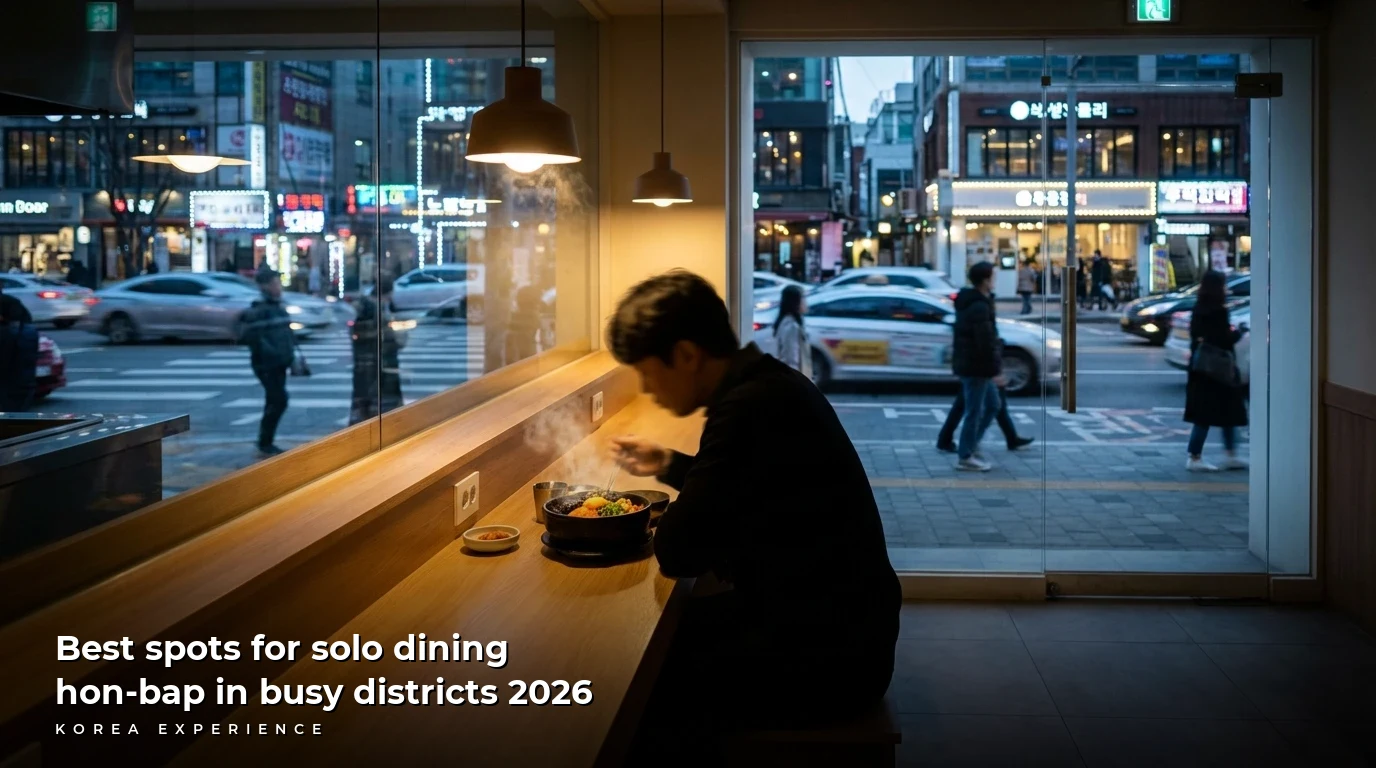
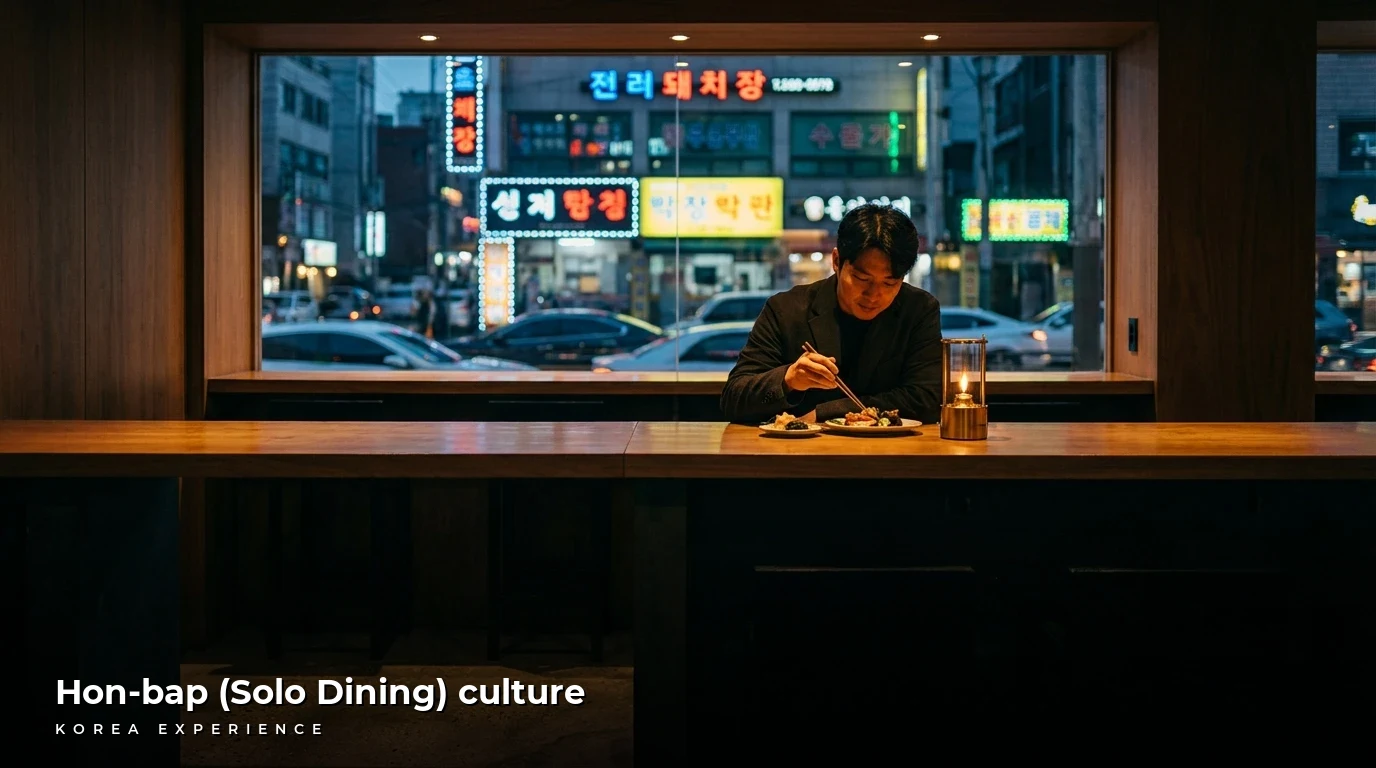
Seoul is generally considered one of the safest major cities in the world, and dining alone late at night is very common and safe. Many Koreans, including women, frequently eat alone at all hours. As always, exercise general caution, especially in very quiet or unlit areas, but you can feel comfortable enjoying a late-night meal solo.

5. What are some vegetarian-friendly 24-hour options?

While traditional Korean cuisine often features meat or fish broth, you can find vegetarian-friendly options at 24-hour spots. Bibimbap (request without meat, or ask for jeonju bibimbap which is often vegetable-focused), Kimbap (vegetable Kimbap, yachae kimbap), and certain Bunsik items like Tteokbokki (confirm no meat/seafood in sauce) are good choices. Convenience stores offer various vegetarian Dosirak and a vast selection of fruits and vegetable-based snacks. You may also find specific vegetarian-friendly cafes or international restaurants in areas like Itaewon.

Conclusion: Embrace the Endless Flavors of Seoul's Night

Seoul's 24-hour dining scene is more than just a convenience; it's a fundamental part of the city's vibrant identity. From the comforting embrace of a steaming Gukbap at dawn to the sizzling joy of Korean barbecue in the middle of the night, the city offers an unparalleled culinary freedom that caters to every schedule and craving.

We've explored the rich tapestry of options, from traditional Korean comfort foods and indulgent feasts to quick bites at convenience stores and tranquil cafe respites. Equipped with practical tips on transport, payment, and etiquette, you are now ready to embark on your own late-night culinary adventures.

Don't let the clock dictate your appetite. Embrace the energy, diversity, and sheer deliciousness of late-night dining 24-hour restaurants in Seoul. It's an experience that offers a unique glimpse into the heart of Korean culture, one delicious bite at a time. So, go forth, explore, and savor every moment – because in Seoul, the feast truly never ends.

About the Author

Korea Experience Team

Written by the Korea Experience editorial team - experts in Korean medical tourism, travel, and culture with years of research and firsthand experience.

⚠️ Medical Disclaimer

The information provided on this website is for general informational purposes only and does not constitute medical advice. Always consult with qualified healthcare professionals before making any medical decisions.

Continue Reading

Explore more articles you might find interesting