Korean Temple Food Guide Best Vegetarian Buddhist Meals
Discover the serenity of Korean temple food. A complete guide to vegetarian Buddhist cuisine, Michelin-starred restaurants, and etiquette.
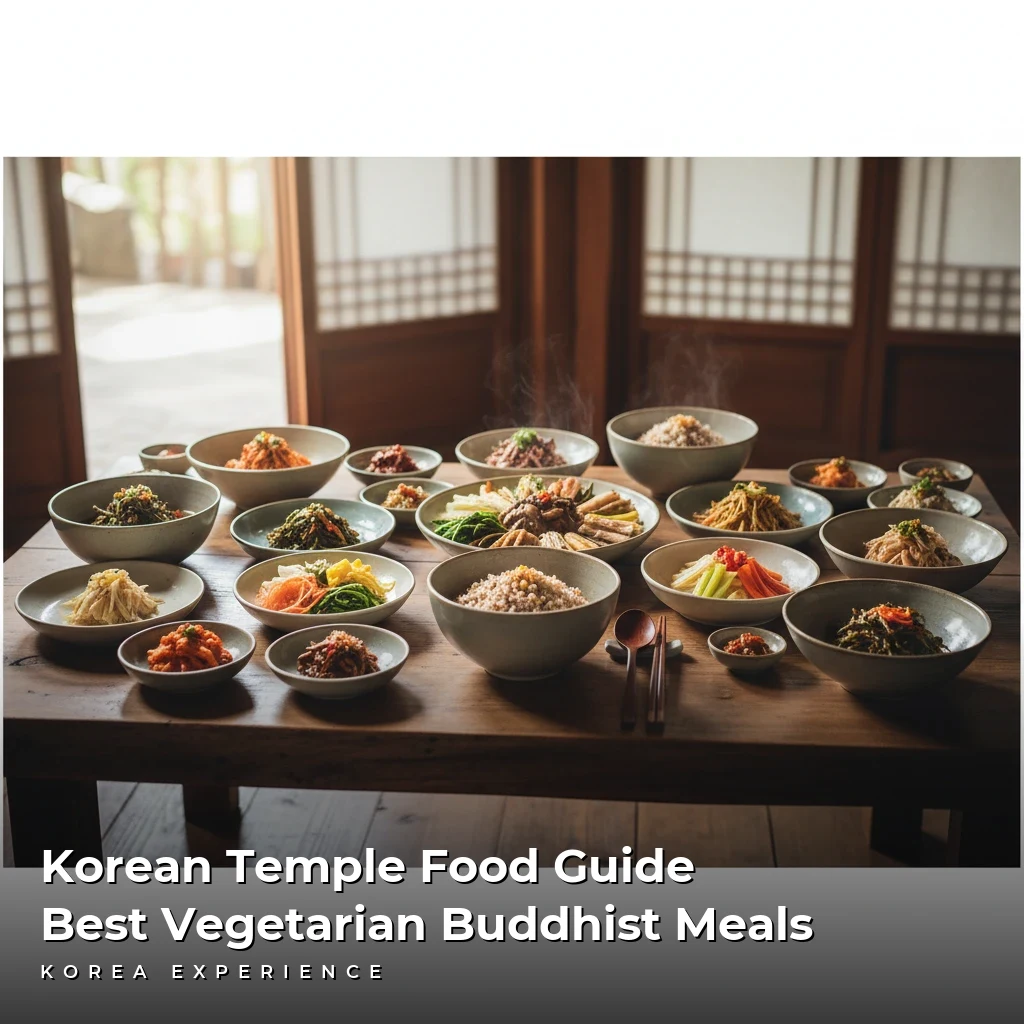
Korean temple food has transcended its humble origins within mountain monasteries to become a global culinary phenomenon. Once a strictly ascetic practice reserved for monks and nuns, this 1,700-year-old tradition gained international acclaim after Chef Jeong Kwan was featured on Netflix's Chef's Table. For international travelers and expats, exploring this cuisine offers a rare intersection of history, wellness, and gastronomy.
Unlike standard Korean BBQ or spicy stews, temple cuisine is entirely vegetarian (often vegan) and omits the "five pungent spices" believed to distract the mind during meditation. It is slow food in its purest form, relying on fermentation, seasonal foraging, and time—sometimes soy sauces aged for over 5 to 10 years. Whether you are seeking a Michelin-starred dining experience in Gangnam or an authentic meal during a temple stay, this guide covers everything you need to know.
For more details, check out our guide on Korean Temple Food Dining Experience Guide.
Key Takeaways
- 1Strictly vegetarian cuisine avoiding five specific pungent spices
- 2Top venues require reservations 2-4 weeks in advance
- 3Michelin-starred options available in Seoul from $50 USD
What Defines Korean Temple Food?
Korean temple food, known locally as Sachal Eamsik, is built on the Buddhist philosophy of non-violence and mindfulness. It is not just about what you eat, but how the food is grown, prepared, and consumed. The cuisine dates back to 372 AD when Buddhism was first introduced to the Korean peninsula. Today, approximately 17% of South Korea's population identifies as Buddhist, yet this cuisine is enjoyed by food lovers regardless of religion due to its health benefits and clean flavors.
Related reading: Vegan and vegetarian guide to Korean food 2026 essential ....
The fundamental principle is that food is medicine for the body and mind. Chefs use natural seasonings like kelp, mushroom powder, and wild sesame seeds rather than artificial enhancers. A typical meal consists of 5 to 7 side dishes (banchan), a soup, and rice, totaling around 400-600 calories per standard serving, making it significantly lighter than average restaurant fare.
Related reading: Vegan temple food classes learning from monks in Seoul.
📋 Temple Food Fundamentals
The Forbidden Five (Oshinchae)
The most distinct characteristic of temple food is the absence of Oshinchae, or the five pungent vegetables. While garlic and onions are the backbone of secular Korean cooking, they are strictly banned in temples.
You might also enjoy our article about Best food apps for English speakers TableCheck vs CatchTable.
Why No Garlic?
Buddhists believe that these five strong spices create excessive heat in the body. If eaten raw, they are said to disturb the temper; if eaten cooked, they are believed to act as an aphrodisiac, disturbing the calm mind required for meditation.
The forbidden ingredients are:
- Garlic
- Green Onions (Scallions)
- Wild Chives
- Korean Leeks
- Onions
Instead, flavor is built using Doenjang (soybean paste), Ganjang (soy sauce), and Gochujang (chili paste), alongside turmeric, Sichuan pepper (Zanthoxylum), and shiitake mushrooms.
Top Temple Food Restaurants in Seoul
You do not need to hike up a mountain to experience high-end temple cuisine. Seoul is home to several world-class restaurants, including one that has held a Michelin star. These venues offer course meals ranging from ₩45,000 to ₩150,000 ($35 to $115 USD).
1. Balwoo Gongyang
Run directly by the Jogye Order of Korean Buddhism, this is the gold standard for temple cuisine in the city. Located on the 5th floor of the Temple Stay Information Center across from Jogyesa Temple, it offers a serene atmosphere despite being in the city center.
Balwoo Gongyang(Balwoo Gongyang)
The menus here change seasonally. A standard lunch course starts at roughly ₩45,000 ($35), while the premium dinner course runs about ₩95,000 ($73). The meal progresses from a porridge starter to salads, pancakes, deep-fried vegetables, and a final rice meal with soup.
2. A Flower Blossom on the Rice
Located in the charming Insadong neighborhood, this restaurant offers a slightly more accessible approach to organic, eco-friendly eating. It is one of the few places with a "Green Star" from Michelin for sustainability. 95% of their ingredients come directly from certified organic farms.
If you find traditional temple food too bland, 'A Flower Blossom on the Rice' is the perfect bridge. They use temple techniques but plate with a modern aesthetic. Try the Bojagi Bibimbap—the egg garnish wraps the rice like a gift package.
3. Dooreyoo
Situated in the traditional Bukchon Hanok Village, Dooreyoo is led by Chef Tony Yoo. While not strictly a "temple" restaurant, his "Star Chef" menu leans heavily on temple philosophy combined with royal court cuisine. It provides a stunning visual experience inside a traditional Korean house (Hanok). Expect to pay around ₩120,000 ($90) for the full dinner tasting menu.
💵 Dining Cost Comparison
Authentic, run by Jogye Order
Casual temple style in Seochon
The Authentic Experience: Temple Stays
For travelers who want to go beyond a restaurant meal, a Temple Stay program offers the most authentic way to experience this food. You will eat exactly what the monks eat, often in communal silence. There are over 130 temples in Korea operating these programs, with about 25 in the Seoul metropolitan area.
Jingwansa Temple
Located in Bukhansan National Park, roughly 45 minutes from central Seoul, Jingwansa is famous for its fermentation jars. The nuns here are renowned for their culinary skills. A "Templestay" here typically includes a tea ceremony and a formal monastic meal.
- Cost: Overnight stay approx. 70,000 - ₩100,000 ($54 - $77).
- Day Program: Approx. ₩50,000 ($38) for 4 hours.
📊 Jingwansa Statistics
Baekyangsa Temple (Chef Jeong Kwan)
This is the pilgrimage site for foodies. Located in Naejangsan National Park (about 3 hours south of Seoul by KTX train + taxi), this is where the famous nun Jeong Kwan cooks.
Booking Difficulty
Getting a spot at Baekyangsa specifically for a cooking class with Jeong Kwan is extremely difficult. Slots open monthly and fill up within 10 minutes. Check the official Templestay website on the 1st of each month at 09:00 KST.
Etiquette: The Ritual of Barugongyang
In a strict temple setting, eating is a ritual called Barugongyang. It is a meditation practice that reflects on the effort required to bring the food from the earth to the bowl. There is zero waste allowed—not even a grain of rice.
📖 How to Perform Barugongyang
Step 1: Receive the Bowls
You will receive a set of four wooden bowls (Baru). Unstack them quietly from largest to smallest.
Step 2: Serve Yourself
Take only what you can finish. The water used to rinse the bowls must be drunk at the end, so leave no leftovers.
Step 3: Eating in Silence
Eat with gratitude. Focus on the texture and flavor. No talking is permitted during the meal.
Step 4: The Clean Up
Pour warm water into the rice bowl to clean it. Use a piece of yellow pickled radish (Danmuji) to wipe the sides. Drink the rinse water.
Seasonal Menus and Ingredients
Because temple food relies entirely on foraging and farming, the menu is strictly dictated by the seasons. Understanding this calendar helps you know what to expect on your plate.
Spring (March - May)
Spring is the season of greens and shoots. The mountains are lush with edible herbs.
- Key Ingredients: Mugwort, wild parsley, bamboo shoots, fatsia shoots.
- Dish Highlight: Mugwort soup (Ssuk-guk)—earthy and slightly bitter, known for detoxifying the liver.
Summer (June - August)
Korea's summers are hot and humid (average 30°C / 86°F). The food focuses on cooling the body.
- Key Ingredients: Eggplant, cucumber, summer squash, potatoes.
- Dish Highlight: Cold noodle soup with soybean broth (Kong-guksu). It provides high protein without the heaviness of meat.
Autumn (September - November)
The harvest season. This is when ingredients are dried and preserved for winter.
- Key Ingredients: Mushrooms (Pine mushrooms are a luxury), root vegetables, ginkgo nuts, persimmons.
- Dish Highlight: Deep-fried mushrooms glazed with grain syrup.
Winter (December - February)
Fresh produce is scarce, so the diet shifts to fermented foods and dried greens prepared earlier in the year.
- Key Ingredients: Kimchi (vegan version without salted shrimp), dried radish greens (Siraegi), seaweed, tofu.
- Dish Highlight: Dumplings (Mandu) stuffed with tofu and kimchi.
Temple Food vs. Standard Korean Food
| Feature | Temple Food | Standard Korean |
|---|---|---|
| Garlic/Onion | Forbidden | Essential Base |
| Meat/Fish | None (Vegan) | Common |
| Spice Level | Mild/Moderate | Often High |
| MSG | Never | Common |
Is It Worth the Price?
For travelers on a budget, paying $80+ for a vegetable meal might seem steep. However, the value lies in the labor intensity. A single drop of soy sauce used in your dressing might have been tended to for 5 years. The wild herbs were likely hand-picked in the mountains at dawn.
Temple Dining Analysis
- ✓Extremely healthy and digestible
- ✓Unique cultural insight inaccessible elsewhere
- ✓Supports sustainable farming practices
- ✓Quiet, stress-free dining environment
- ✗Can be expensive for 'just vegetables'
- ✗Subtle flavors may feel bland to some
- ✗Strict reservation policies
- ✗Portions are controlled (not all-you-can-eat)
How to Make a Reservation
Reservations for popular spots like Balwoo Gongyang should be made via phone or CatchTable (a Korean reservation app that supports English).
Reservation Journey
Check Availability
Look up CatchTable or email the restaurant.
Secure Slot
Weekends sell out first. Lunch is easier than dinner.
Arrival
Arrive 10 minutes early. Lateness often leads to cancellation.
Conclusion
Korean temple food offers a profound counter-narrative to the fast-paced, high-stimulation vibe of modern Seoul. It is a cuisine that forces you to slow down and appreciate the natural essence of ingredients. Whether you opt for a high-end course meal in Jongno or a communal bowl at a mountain retreat, the experience leaves you feeling nourished rather than just full.
For the international traveler, it is arguably the most "Korean" meal you can have—deeply rooted in the land, the history, and the spirit of the peninsula.
❓ Frequently Asked Questions
Have more questions?Contact us →
About the Author
Korea Experience Team
Written by the Korea Experience editorial team - experts in Korean medical tourism, travel, and culture with years of research and firsthand experience.
Explore more in Food & Dining
Korean BBQ, street food, Michelin restaurants, and regional specialties — your ultimate guide to eating well in Korea.
Browse All Food & Dining ArticlesContinue Reading
Explore more articles you might find interesting
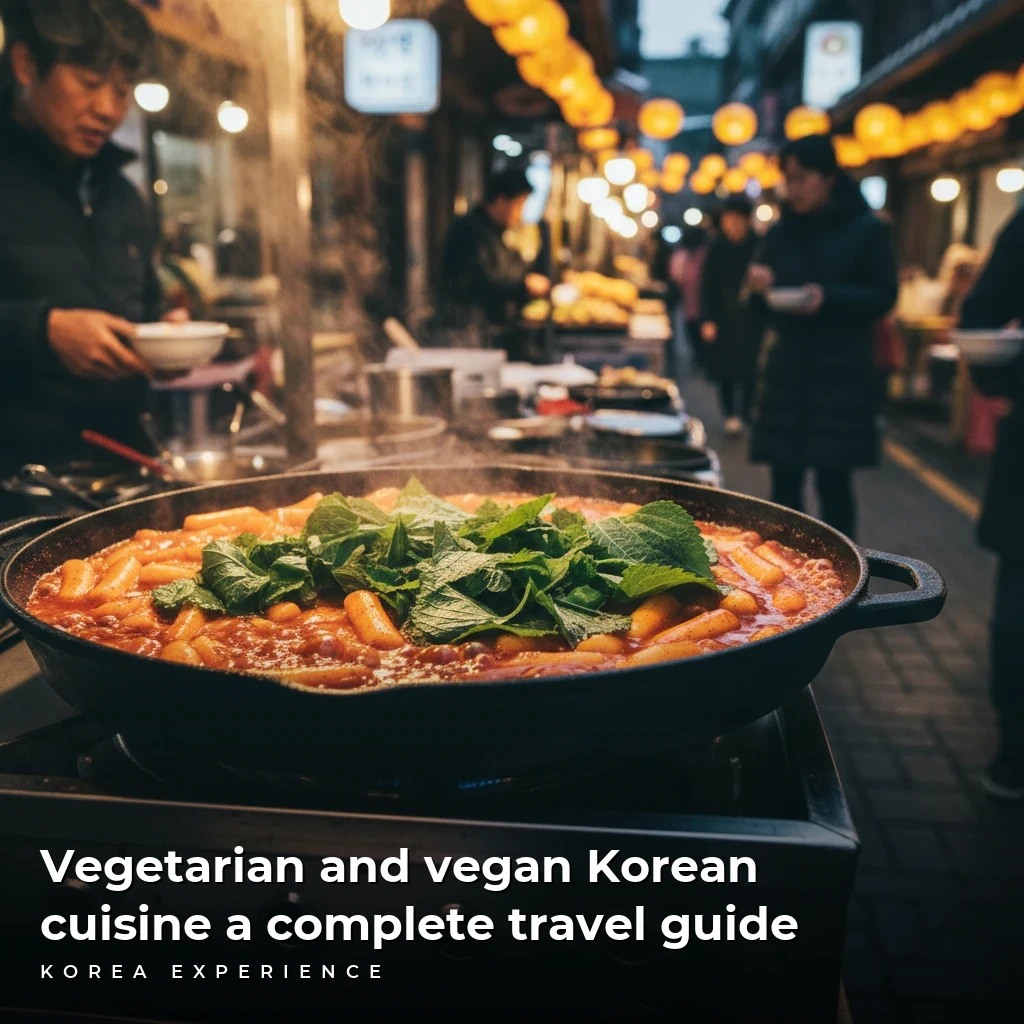
Discover the best vegetarian and vegan Korean cuisine options. From Michelin-starred temple food to spicy street snacks, navigate dining in Korea easily.
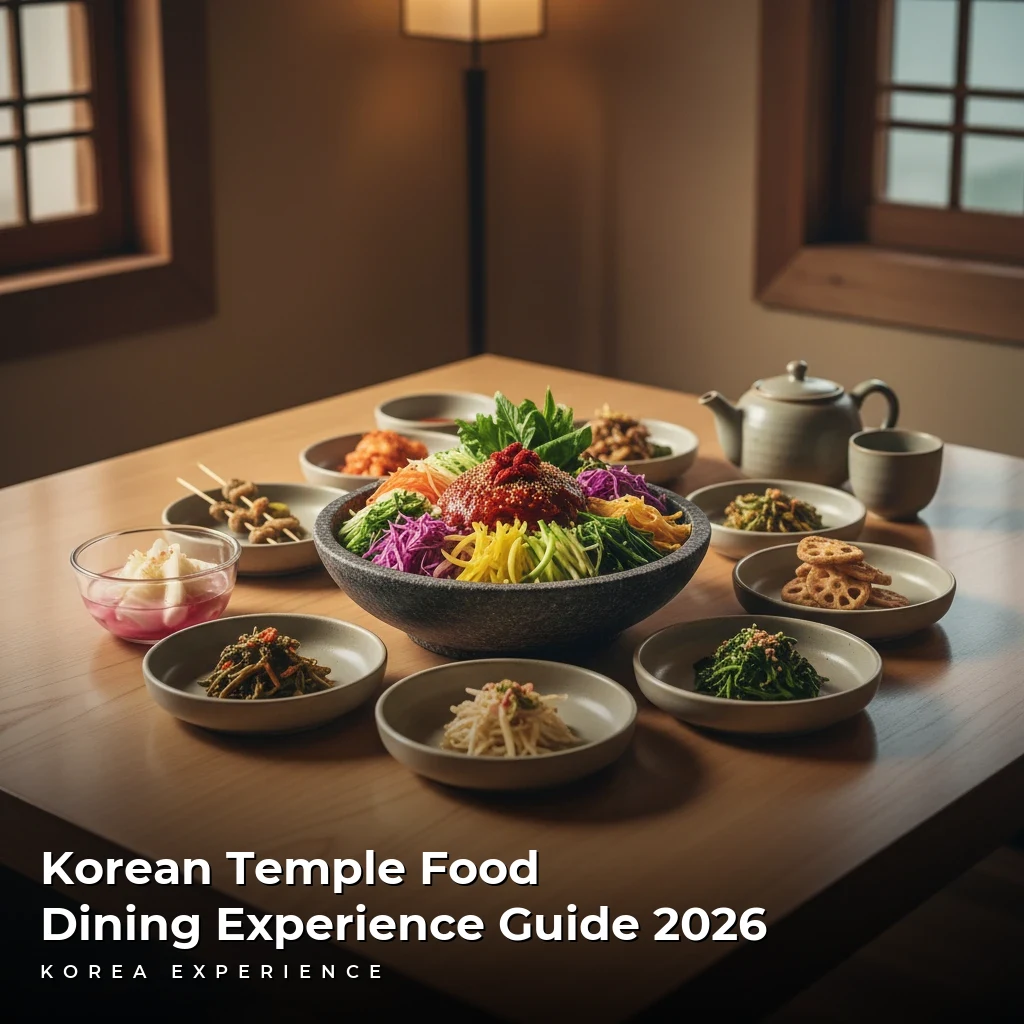
A complete guide to experiencing authentic Korean temple food in 2026, from Michelin-starred restaurants in Seoul to remote temple stays.
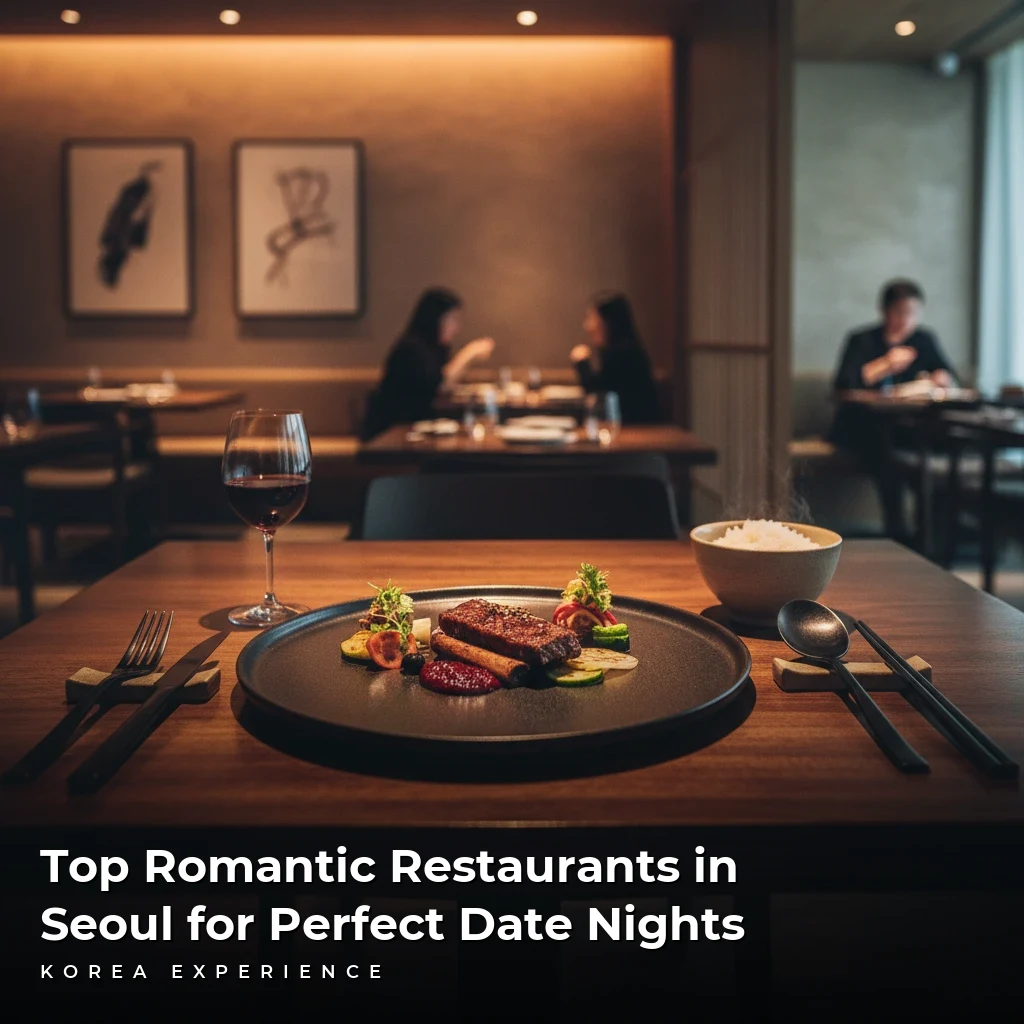
Discover the most romantic dining spots in Seoul, from Michelin-starred venues to hidden Hanok gems, complete with reservation tips and pricing.
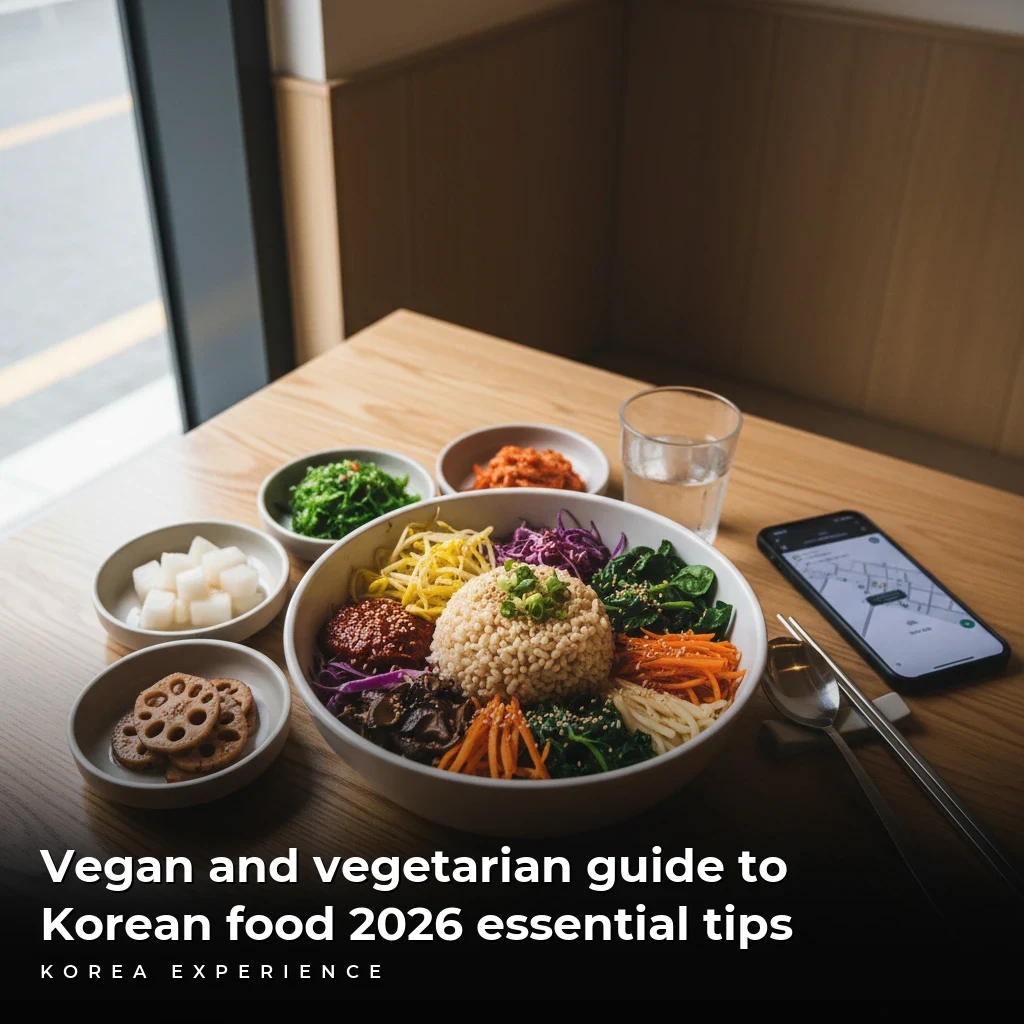
Discover the ultimate 2026 guide to vegan and vegetarian dining in Korea. Includes vocabulary, top restaurants, and survival tips for travelers.
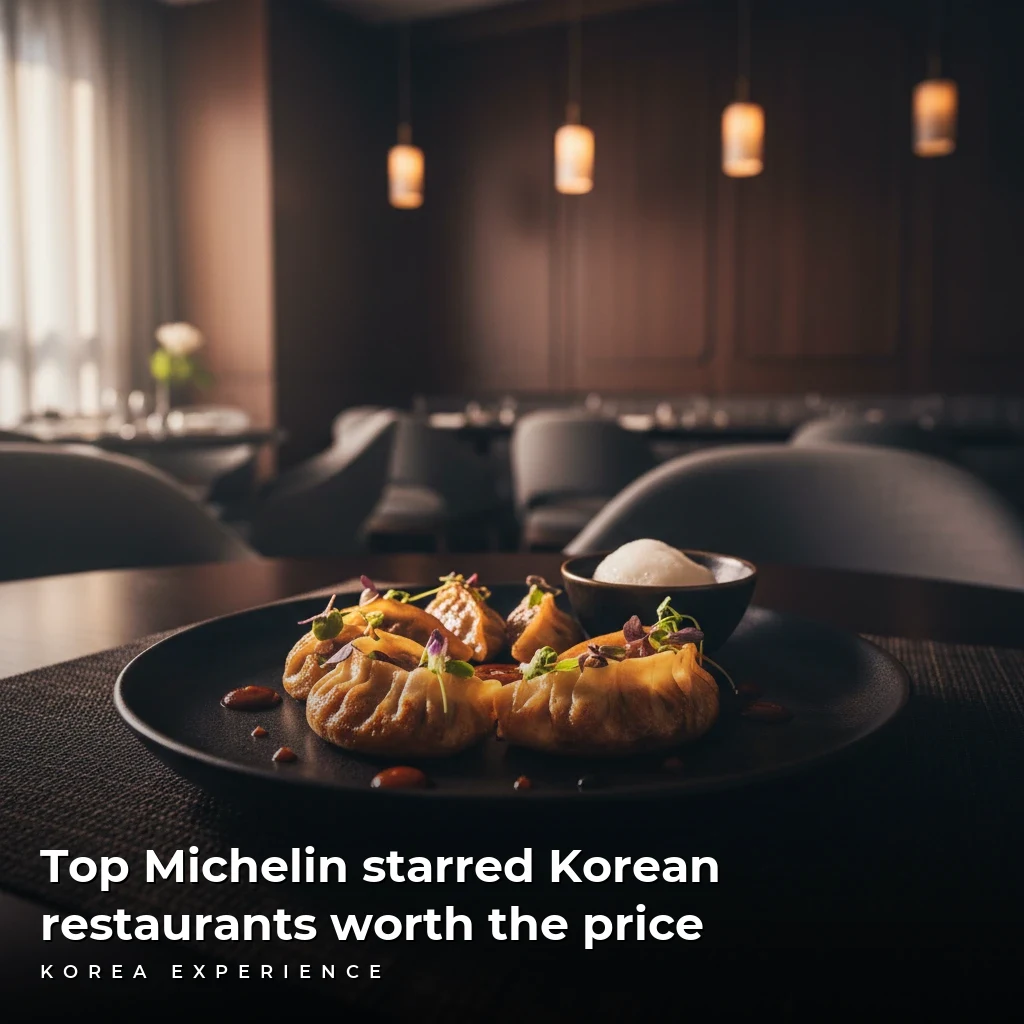
Discover the best Michelin starred Korean restaurants in Seoul. We rank fine dining options by value, experience, and taste for your 2026 trip.
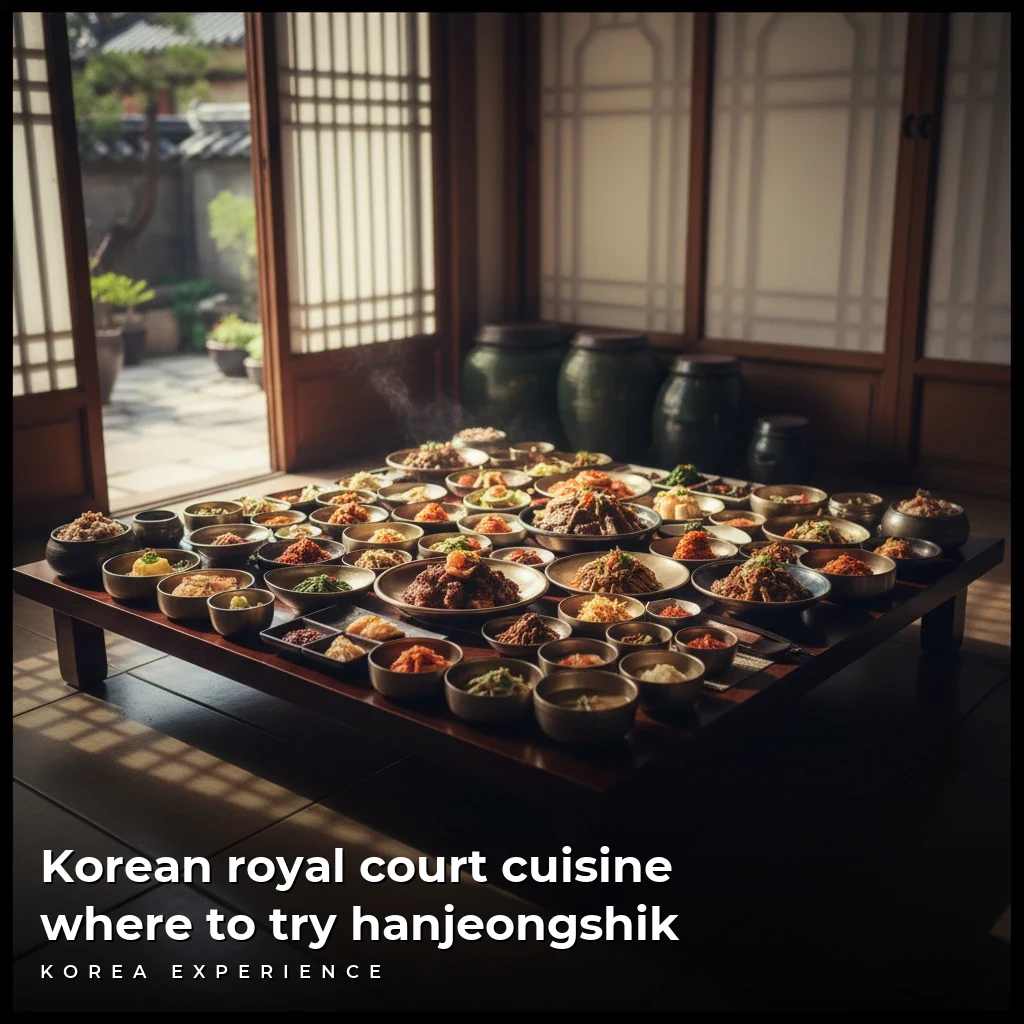
Discover the elegance of Korean Royal Court Cuisine. Our guide covers top Hanjeongshik restaurants, menus, and dining etiquette for 2026 travelers.