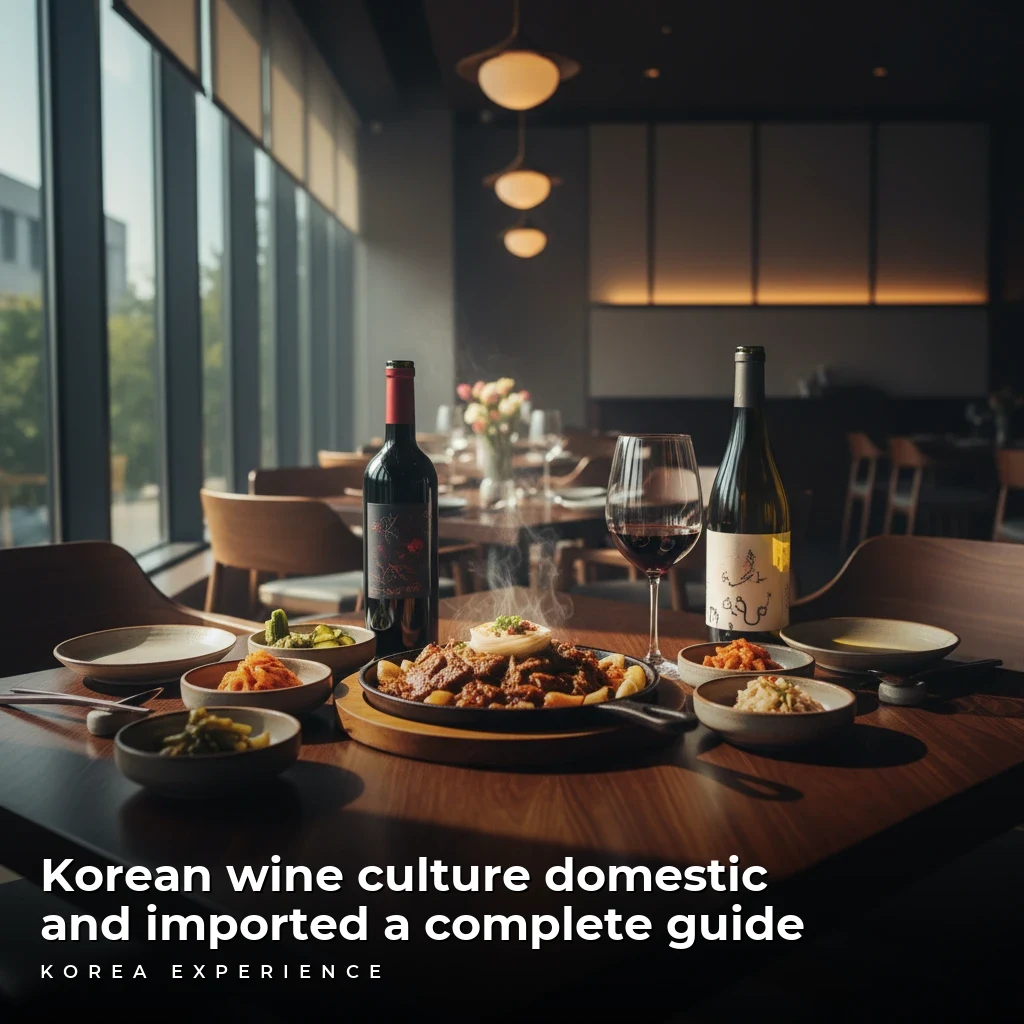
Uncorking Korean Wine Culture Domestic and Imported
Explore Korea's dynamic wine scene, from unique domestic fruit wines and burgeoning grape vineyards to its thriving imported wine market.
For many international travelers and expats, the mention of alcohol in Korea immediately conjures images of soju bottles clinking in a bustling restaurant or the milky effervescence of makgeolli shared among friends. While these traditional Korean beverages are undeniably central to the nation's social fabric, there's a sophisticated, rapidly evolving, and often overlooked aspect of Korean drinking culture: wine. The world of Korean wine culture, encompassing both its surprisingly diverse domestic offerings and its booming imported market, is a fascinating frontier waiting to be explored.
You might be surprised to learn that Korea produces its own grape wines, albeit on a smaller scale, alongside a rich tradition of fruit wines made from local produce. Simultaneously, the country has become a significant player in the global wine market, with an increasingly discerning palate for international vintages. This comprehensive guide aims to pull back the curtain on Korea's vibrant wine scene, helping you navigate the options, understand the nuances, and fully appreciate the growing role of wine in Korean society. Whether you're seeking to discover unique local flavors or locate your favorite international labels, prepare to uncork the secrets of Korean wine culture, both domestic and imported.
The Evolving Landscape of Korean Wine Culture
Korea's relationship with wine has undergone a dramatic transformation over the last few decades. What was once considered an elite, foreign beverage is now a common sight in supermarkets, convenience stores, and dedicated wine shops across the country. This shift reflects broader changes in Korean society, including increased global exposure, rising disposable incomes, and a growing appreciation for diverse culinary experiences. Understanding this evolution is key to grasping the current state of Korean wine culture.
From Traditional Spirits to Modern Palates
Historically, Korean alcoholic beverages were dominated by rice-based drinks like soju and makgeolli, or medicinal liquors made from various herbs and fruits. Grape wine, in its Western sense, was largely introduced through international trade and Western influence in the 20th century. For many years, it remained a niche product, consumed primarily by a small segment of the population. However, as Korea modernized and its economy boomed, travel became more common, and Koreans began to experience global cuisines and lifestyles, including wine. The 1988 Seoul Olympics, for instance, played a significant role in opening up the country to international products and trends, including a wider array of beverages.
The Rise of Wine Consumption
In recent years, the growth in wine consumption in Korea has been exponential. Data indicates a consistent upward trend in both import volumes and domestic sales. This surge can be attributed to several factors. Younger generations, often more exposed to global trends through media and travel, are increasingly opting for wine over traditional spirits. Wine is also perceived by some as a more sophisticated or healthier alternative to other alcoholic beverages. The rise of home-drinking culture, particularly amplified by recent global events, has further fueled this trend, with consumers exploring new drinks to enjoy in the comfort of their homes.
Key Drivers of Growth in Korean Wine Culture
Several interconnected factors are propelling the expansion of Korean wine culture:
- Globalization and Exposure: Increased travel, international trade agreements, and access to global media have broadened Korean palates and introduced a wide array of wine regions and styles.
- Economic Prosperity: A stronger economy has led to higher disposable incomes, allowing more consumers to indulge in premium or imported wines.
- Health and Wellness Trends: Wine, particularly red wine, is often associated with health benefits, appealing to a population increasingly concerned with well-being. This perception, whether fully scientifically supported or not, plays a role in its popularity.
- Culinary Integration: As Korean cuisine evolves and incorporates international influences, wine has found its place alongside traditional dishes, creating new pairing opportunities. The development of modern Korean dining experiences, from fusion restaurants to upscale Korean barbecue, often features extensive wine lists.
- Government Support and Industry Development: While still nascent, there's growing interest and some governmental support for developing Korea's domestic wine industry, recognizing its potential for agricultural development and tourism.
This dynamic environment ensures that Korean wine culture is not just a passing fad but a deeply integrating aspect of modern Korean lifestyle and gastronomy.
Discovering Domestic Korean Wine
When thinking of "Korean wine," many might draw a blank, or perhaps think solely of rice wine. However, Korea boasts a fascinating, albeit less globally recognized, domestic wine scene. This includes both nascent grape wine production and a rich heritage of traditional fruit wines. Exploring these options provides a unique glimpse into Korea's agricultural bounty and innovative spirit within its Korean wine culture.
Grape Wines: A Niche but Growing Industry
While Korea's climate, characterized by cold winters and humid summers, presents significant challenges for traditional Vitis vinifera grape cultivation, a determined community of winemakers is steadily making progress. Early efforts often focused on hybrid grapes that could withstand the local conditions, sometimes resulting in wines that were perceived as overly sweet or rustic. However, modern producers are experimenting with more suitable varietals, advanced viticulture techniques, and improved winemaking processes, leading to increasingly sophisticated results.
-
Key Regions and Wineries:
- Yeongdong (North Chungcheong Province): Often called Korea's "wine county," Yeongdong is the most established grape-growing region. It hosts an annual Wine Festival and is home to several wineries like Chateau Miso and Wine Korea. They primarily cultivate varieties like Campbell Early (a hybrid) and occasionally some European varietals, producing red, white, and rosé wines, as well as sparkling wines. Visitors can often participate in tours and tastings.
- Gyeongsan (North Gyeongsang Province): This region, known for its agriculture, is also developing its grape wine industry. Wineries here are exploring different grape types and winemaking styles.
- Muju (North Jeolla Province): Known for its pristine natural environment, Muju also contributes to domestic grape wine production, often focusing on small-batch, artisanal approaches.
- Gapyeong (Gyeonggi Province): Close to Seoul, some farms in Gapyeong are experimenting with grape wine, often paired with agritourism experiences.
-
Taste Profile and Challenges: Domestic grape wines vary widely. Some exhibit a light body with fruity notes, while others aim for more complexity through oak aging. Challenges include achieving consistent quality, overcoming climate hurdles, and establishing a distinct Korean terroir (sense of place) in the global wine market. Prices for domestic grape wines can range from 20,000 KRW to 50,000 KRW, depending on the winery and vintage.
Fruit Wines: Korea's Indigenous Elixirs
Beyond grapes, Korea has a long and celebrated tradition of crafting wines from a variety of local fruits. These fruit wines are an integral part of Korean wine culture, offering unique flavors that beautifully complement Korean cuisine. They are often less alcoholic than grape wines and can range from sweet to dry, enjoyed as aperitifs, digestifs, or alongside meals.
- Bokbunja (Raspberry Wine): Perhaps the most famous Korean fruit wine, Bokbunja is made from Korean black raspberries (Rubus coreanus). It has a deep ruby color, a rich, slightly tart, and sweet flavor profile, and is often touted for its perceived health benefits. It pairs wonderfully with Korean barbecue, rich stews, and grilled meats, cutting through fattiness with its vibrant acidity. A standard bottle typically costs between 10,000 KRW and 25,000 KRW.
- Maesilju (Plum Wine): Made from green Korean plums (maesil), this wine is characterized by its delicate sweetness, fragrant aroma, and a refreshing, slightly acidic finish. It's often enjoyed chilled as an aperitif or with lighter dishes, seafood, or even as a dessert wine. Some varieties are aged, developing greater complexity. Expect to pay 8,000 KRW to 20,000 KRW per bottle.
- Omijaju (Magnolia Berry Wine): Omija, or Schisandra berry, is known for its "five flavors" (sweet, sour, salty, bitter, pungent). Omijaju captures this complexity, offering a unique and intriguing taste that can be both refreshing and surprisingly deep. It's less common than bokbunja or maesilju but highly prized for its distinct profile and traditional medicinal uses. Prices can vary widely, from 15,000 KRW to 40,000 KRW.
- Daechu-sul (Jujube Wine): Made from Korean dates, this wine has a naturally sweet, mellow, and slightly earthy flavor. It's often consumed during colder months and is believed to have warming properties.
- Sansa-chun (Hawthorn Berry Wine): A popular digestive wine made from hawthorn berries, known for its slightly tart and herbaceous notes. It's light and often served as an aperitif.
These fruit wines offer an accessible and delicious entry point into Korea's indigenous beverage landscape, perfectly embodying a distinct facet of Korean wine culture.
Pairing Korean Wine with Korean Food
One of the most rewarding aspects of exploring domestic Korean wines is discovering how beautifully they can complement the vibrant flavors of Korean cuisine.
- Bokbunja: An excellent match for rich, savory dishes like galbi (marinated grilled ribs), bulgogi, or samgyeopsal (pork belly). Its sweetness and acidity can balance the richness of the meat.
- Maesilju: Ideal with lighter fare such as grilled fish, fresh salads, or even delicate banchan (side dishes). Its refreshing character also makes it a good palate cleanser.
- Omijaju: Its complex profile can stand up to more intensely flavored dishes, or it can be enjoyed on its own as a contemplative drink. Try it with spicy dishes to see how its multiple flavors interact.
- Korean Grape Wines: Lighter reds might pair well with dakgalbi (spicy stir-fried chicken) or tteokgalbi (grilled short rib patties). Whites or sparkling wines could accompany seafood pancakes (haemul pajeon) or various jeon (savory pancakes).
Don't be afraid to experiment! The goal is to enhance the dining experience, and sometimes the most unexpected pairings yield the best results.
The Booming Imported Wine Market in Korea
While domestic wines offer a unique cultural experience, the vast majority of wine consumed in Korea is imported. The imported wine market is robust, diverse, and continues to grow at an astonishing pace, making it a significant pillar of modern Korean wine culture. For international travelers and expats, this means excellent access to global vintages, often at competitive prices, particularly in comparison to other Asian markets.
Global Flavors on Korean Tables
Korean wine consumers have developed increasingly sophisticated palates, showing appreciation for a wide array of regions and styles.
-
Popular Origins:
- France: Still highly regarded, with Bordeaux, Burgundy, and Champagne being particularly popular for special occasions and fine dining.
- Italy: Gaining immense popularity, with wines from Tuscany, Piedmont, and Veneto widely available. Prosecco has become a favorite for casual celebrations.
- USA: California wines, especially Cabernet Sauvignon and Chardonnay, have a strong presence.
- Chile: Known for offering excellent value, Chilean wines are a staple in supermarkets and budget-friendly options. Merlot and Cabernet Sauvignon are common.
- Australia: Shiraz and Chardonnay from Australia are well-represented, offering robust flavors.
- Spain: Rioja and Rías Baixas (Albariño) are growing in recognition.
- New Zealand: Sauvignon Blanc from Marlborough is a consistent favorite for its crisp, aromatic profile.
- Germany: Riesling, both dry and sweet, is appreciated for its versatility.
-
Emerging Trends:
- Natural Wine: There's a burgeoning interest in natural, organic, and biodynamic wines, particularly among younger, health-conscious consumers and in trendy Seoul neighborhoods. Specialty natural wine bars have sprung up, offering unique and sometimes unconventional selections.
- Orange Wine: A niche but growing trend, offering another option for those looking for something different.
- Smaller Producers and Unique Varietals: As the market matures, consumers are moving beyond the well-known labels to explore wines from smaller producers and less common grape varietals.
Navigating Wine Retail in Korea
Finding wine in Korea is remarkably easy, with various retail options catering to different budgets and preferences.
- Department Stores (Lotte, Shinsegae, Hyundai): These offer extensive, often high-end selections, including premium vintages and rare bottles. Prices can be higher, but the curation and service are excellent. Look for dedicated wine corners, especially in the basement food halls.
- Large Supermarkets (E-Mart, Homeplus, Lotte Mart): These are the most accessible options for everyday wine purchases. They carry a vast range of imported wines, particularly from Chile, Australia, and the US, often with competitive pricing and frequent sales. You can easily find bottles ranging from 10,000 KRW to 50,000 KRW here.
- Specialized Wine Shops:
- Wine & More: A popular chain offering a wide selection of imported wines, craft beers, and spirits. They often have knowledgeable staff and run promotions. You can find branches across major cities.
- Bottle Bunker: Another rapidly expanding chain focusing heavily on diverse wine selections, including some more exclusive or natural wine options, often at good prices.
- Independent Wine Stores: Smaller, boutique shops are common in upscale neighborhoods like Hannam-dong, Gangnam, and Cheongdam-dong. These often specialize in natural wines, unique imports, or specific regions, providing a more curated experience.
- Convenience Stores (GS25, CU, 7-Eleven): While their selection is limited, most convenience stores carry a few popular, budget-friendly imported wines (usually 8,000 KRW to 15,000 KRW) – perfect for a last-minute purchase.
- Online Retailers: The online wine market is also growing, though regulations for direct alcohol sales can be complex. Some specialized platforms or department store online malls offer delivery services.
Wine Bars and Restaurants: Experiencing Imported Korean Wine
Seoul, in particular, boasts a thriving wine bar and restaurant scene where you can explore imported wines in various settings. These establishments are crucial for experiencing the social aspect of Korean wine culture.
- Upscale Dining: Many high-end restaurants, whether serving Korean, Western, or fusion cuisine, offer extensive wine lists curated by sommeliers. Neighborhoods like Cheongdam-dong, Gangnam, and Hannam-dong are prime locations for such experiences.
- Casual Wine Bars: From cozy, intimate spots to lively, modern venues, wine bars are popping up everywhere.
- Hannam-dong and Itaewon: Known for a diverse range of international restaurants and trendy wine bars, many with a focus on natural wines or specific regions.
- Gangnam and Sinsa-dong (Garosu-gil): Offer a mix of chic wine bars, often with a focus on modern aesthetics and extensive wine-by-the-glass options.
- Hongdae and Yeonnam-dong: Cater to a younger, more bohemian crowd, with many small, independent wine bars offering unique selections and a relaxed atmosphere.
- "Wine Pocha" (Wine Pubs): A more casual, Korean-style take on a wine bar, often serving wine alongside anju (Korean drinking snacks). These offer a bridge between traditional Korean drinking culture and modern wine appreciation.
When visiting wine bars, don't hesitate to ask for recommendations. Many staff are knowledgeable and can guide you through their selections, helping you discover new favorites within Korea's vibrant imported wine scene.
Understanding Korean Wine Pricing and Value
The cost of wine in Korea, both domestic and imported, can vary significantly. Understanding the factors that influence pricing and knowing where to find value is an essential part of navigating Korean wine culture.
Domestic vs. Imported Price Points
Generally, Korean domestic grape wines tend to be in a similar price range to mid-tier imported wines, primarily due to the challenges of production and smaller scales. Korean fruit wines, however, often offer excellent value and are more affordably priced.
| Feature | Domestic Korean Grape Wine | Domestic Korean Fruit Wine | Imported Wine |
|---|---|---|---|
| Typical Price | 20,000 - 50,000 KRW | 8,000 - 25,000 KRW | 10,000 - 100,000+ KRW (wide range) |
| Availability | Limited; specialty stores, wineries, some department stores | Widespread; supermarkets, convenience stores, department stores | Very widespread; all retail types |
| Style/Variety | Reds, whites, sparkling (often hybrid grapes) | Sweet to semi-dry; unique fruit flavors (raspberry, plum) | Global varieties (Bordeaux, Cabernet Sauvignon, Chardonnay, etc.) |
| Food Pairing | Versatile; can pair with Korean and Western dishes | Excellent with Korean traditional dishes and spicy food | Highly versatile; depends on wine style |
| Perceived Value | Niche, supports local industry, unique experience | Affordable, traditional, distinct Korean flavor | Global standard, broad selection, established reputation |
Factors Influencing Cost
Several factors contribute to the pricing of wine in Korea:
- Taxes and Duties: Imported wines are subject to various taxes, including customs duties, liquor taxes, and value-added tax (VAT). These significantly increase the final retail price compared to the ex-cellar price.
- Distribution Channels: The journey from vineyard to shelf involves importers, distributors, and retailers, each adding their margin. Efficient supply chains can help keep costs down.
- Brand and Region Recognition: Wines from famous regions (e.g., Bordeaux, Napa Valley) or renowned producers often command higher prices due to their reputation and demand.
- Vintage and Rarity: Older vintages, particularly from highly-rated years, or rare, limited-production wines will naturally be more expensive.
- Retailer Markup: Department stores and high-end restaurants typically have higher markups than supermarkets or specialized discount wine shops.
Finding Value and Deals
For those keen to explore Korean wine culture without breaking the bank, there are several strategies:
- Supermarket Sales: E-Mart, Homeplus, and Lotte Mart frequently run promotions, often offering "1+1" deals (buy one, get one free) or significant discounts on imported wines. Keep an eye on their flyers and in-store advertisements.
- Specialty Wine Shops: Places like Wine & More and Bottle Bunker often have excellent everyday pricing and member discounts. They can be particularly good for finding wines in the 20,000 KRW to 40,000 KRW range that offer great quality for the price.
- Entry-Level Chilean/Australian Wines: These regions consistently offer some of the best value for money, with many delicious options available for under 15,000 KRW.
- Domestic Fruit Wines: If you're looking for an affordable and authentically Korean alcoholic beverage, fruit wines like Bokbunja or Maesilju are superb choices, offering unique flavors at very reasonable prices.
- Online Wine Shops: While perhaps not always cheaper, online stores can offer a wider selection and the convenience of direct delivery, sometimes with exclusive online-only promotions.
By being a savvy shopper, you can significantly enhance your experience of Korean wine culture, discovering excellent bottles without overspending.
Etiquette and Enjoyment: Embracing Korean Wine Culture
While wine is a relatively new addition to Korean social drinking, certain etiquette and enjoyment customs have emerged. Understanding these nuances will help you navigate social situations and fully immerse yourself in the local Korean wine culture.
Serving and Sharing
- Pouring for Others: In Korean drinking culture, it's customary to pour drinks for others before pouring for yourself. This applies to wine as well. Always ensure your companions' glasses are topped up.
- Receiving a Pour: When someone pours for you, it's polite to hold your glass with two hands, especially if the person pouring is older or holds a higher social status. A slight nod or verbal acknowledgement is also appreciated.
- Toasting (Geonbae): Toasts are common, and "Geonbae!" (meaning "cheers" or "empty your glass!") is the universal Korean toast. Eye contact is usually made, but bowing slightly when clinking glasses with elders is a sign of respect.
- Ordering Wine: In restaurants, the youngest or lowest-ranking person in a group typically doesn't take the lead in ordering. It's often the most senior person or someone confident in their wine knowledge who will select the bottle.
- Sharing Bottles: While wine-by-the-glass options are growing, sharing bottles is still very common, particularly in groups.
Social Drinking Norms
- Group Dynamics: Drinking in Korea is often a communal activity. Wine, like other alcoholic beverages, is enjoyed as a way to bond, relax, and socialize.
- Respect for Elders: Always show respect to elders, for example by turning your head slightly away when drinking if they are present and you are younger. This traditional custom, while more prevalent with soju, can still be observed with wine in more formal settings.
- Pacing: While drinking to excess is not uncommon in Korea, particularly with soju, there's generally a more moderate approach to wine consumption, especially in more formal or upscale settings.
- Gift Giving: A bottle of imported wine, especially from a reputable region, makes an excellent gift for hosts or business associates, signifying taste and sophistication.
Wine Tasting Events and Festivals
To dive deeper into Korean wine culture, keep an eye out for various events and festivals:
- Yeongdong Grape Wine Festival: Held annually in Yeongdong County, this festival celebrates domestic grape wines, offering tastings, winery tours, and cultural performances. It's an excellent opportunity to sample a wide range of Korean-made grape wines and learn about the local industry. Dates typically fall in late summer/early autumn (around August-September). Check local tourism boards for exact dates.
- Seoul Wine & Spirits Expo: This large-scale exhibition, usually held in spring, showcases both domestic and international wines, spirits, and related products. It's a fantastic chance for trade professionals and the general public to discover new labels, attend seminars, and network.
- Natural Wine Fairs: With the growing interest in natural wine, smaller, more artisanal fairs and pop-up events are becoming common in trendy neighborhoods like Hannam-dong and Seongsu-dong, offering unique tasting experiences.
- Winery Tours: Some domestic wineries, particularly in Yeongdong, offer guided tours and tasting programs. It's advisable to check their websites or contact them directly for booking information and availability.
- Restaurant and Bar Events: Many wine bars and fine dining restaurants host regular wine dinners, tasting events, and "meet the winemaker" sessions, providing exclusive opportunities to explore specific wines or regions.
Participating in these events is not only educational but also a fantastic way to meet fellow wine enthusiasts and experience the social vibrancy of Korea's evolving wine scene.
Future Trends and Sustainability in Korean Wine
The trajectory of Korean wine culture points towards continued growth, innovation, and an increasing focus on sustainability. As consumers become more aware and discerning, the industry is responding with exciting developments in both domestic production and the imported market.
Organic and Natural Wine Movement
Mirroring global trends, the demand for organic, biodynamic, and natural wines is on a steep upward curve in Korea. Consumers, particularly younger generations, are increasingly prioritizing products that are environmentally friendly, free from synthetic chemicals, and produced with minimal intervention.
- Domestic Impact: Some small-scale Korean wineries are exploring organic viticulture and natural winemaking techniques, striving to produce cleaner, more expressive wines that reflect their unique terroir. This is a challenging path given Korea's climate, but the dedication is there.
- Imported Impact: Specialized natural wine importers and boutique wine shops are proliferating, making a wider selection of natural wines from Europe, Australia, and the US available to Korean consumers. This trend is also fostering a more adventurous drinking culture, where consumers are open to exploring less conventional flavor profiles.
- Health Consciousness: This movement aligns with the broader health and wellness trend in Korea, where consumers are increasingly scrutinizing what they consume.
Local Grape Varietal Development
The future of domestic Korean grape wine largely hinges on developing and adapting grape varietals that thrive in the local climate. While Campbell Early has been a stalwart, there's ongoing research and experimentation with other hybrids and even some Vitis vinifera varieties that show promise.
- Resilience and Quality: The goal is to cultivate grapes that are resistant to local pests and diseases, tolerant of humidity, and capable of producing high-quality wine that stands on its own merits, rather than merely imitating foreign styles.
- Distinct Korean Terroir: Successful varietal development could lead to wines with a truly unique "Korean" character, distinct from established wine regions. This would be a significant step in gaining international recognition for Korean grape wine.
- Investment in Research: Government-supported agricultural research centers and private initiatives are investing in grape breeding programs and viticultural studies to overcome existing climatic challenges.
Enotourism and Winery Visits
As the domestic wine industry matures, there's a growing potential for enotourism, attracting both local and international visitors to Korea's wine regions.
- Winery Experiences: Places like Yeongdong are already promoting winery visits, offering tours, tastings, and opportunities for hands-on experiences like grape harvesting (seasonal). This helps consumers connect directly with the producers and understand the winemaking process.
- Agritourism Integration: Wine tourism can be integrated with broader agritourism initiatives, combining winery visits with stays at farm guesthouses, local culinary experiences, and exploration of regional attractions.
- Economic Development: Promoting enotourism can provide a significant economic boost to rural areas, creating jobs and supporting local agriculture. This helps solidify wine's place not just as a beverage, but as a cultural and economic asset within Korean wine culture.
The commitment to sustainability, innovation in viticulture, and the development of unique visitor experiences paint a promising picture for the future of Korean wine, ensuring its continued evolution and enrichment of the nation's diverse culinary landscape.
Comparison Tables
To help you quickly grasp the diversity of Korean wine culture, here are some comparative tables:
Popular Korean Fruit Wines
| Fruit Wine Name | Primary Fruit | Key Flavor Notes | Typical Alcohol Content | Common Food Pairings |
|---|---|---|---|---|
| Bokbunja | Korean Black Raspberry | Sweet, tart, earthy, dark berry | 15-18% | Korean BBQ (galbi, bulgogi), rich stews, grilled meats |
| Maesilju | Green Plum | Fragrant, sweet, refreshing, subtle acidity | 12-14% | Seafood, light salads, delicate poultry, aperitif, dessert |
| Omijaju | Magnolia Berry (Omija) | Complex "five flavors": sweet, sour, salty, bitter, pungent | 10-13% | Spicy Korean dishes, unique appetizers, on its own |
| Daechu-sul | Jujube (Korean Date) | Mellow sweet, subtly earthy, warming | 12-14% | Winter dishes, traditional Korean snacks (tteok), digestive |
| Sansa-chun | Hawthorn Berry | Slightly tart, herbaceous, light sweetness | 13-14% | Aperitif, light meals, as a digestive after rich food |
Wine Retail Outlets in Korea
| Retailer Type | Pros | Cons | Typical Price Range (Imported) |
|---|---|---|---|
| Department Stores | Wide selection of premium/rare wines, excellent service | Higher prices, sometimes less diverse selection for budget | 30,000 KRW - 500,000+ KRW |
| Large Supermarkets | Great value, frequent sales, very accessible, broad range | Less expert advice, limited high-end options | 10,000 KRW - 80,000 KRW |
| Specialty Wine Shops | Curated selection, knowledgeable staff, good promotions | Fewer locations, can be intimidating for beginners | 20,000 KRW - 200,000 KRW |
| Convenience Stores | Highly accessible, perfect for last-minute purchases | Very limited selection, usually only budget options | 8,000 KRW - 20,000 KRW |
| Online Retailers | Wide selection, convenience, sometimes exclusive deals | Delivery regulations, can't physically inspect bottles | 15,000 KRW - 300,000+ KRW |
Frequently Asked Questions about Korean Wine Culture
Here are some common questions international visitors might have about wine in Korea:
Q1: Is Korean grape wine good?
Korean grape wine has come a long way! While historically challenging due to climate, producers in regions like Yeongdong are making increasingly good quality wines, especially sparkling and lighter-bodied reds. It's often a unique experience to taste local varietals and support the nascent industry. Don't expect a Bordeaux, but appreciate it for its distinct Korean character. Many find it surprisingly pleasant and well-suited to local palates.
Q2: What is the most popular Korean fruit wine?
Bokbunja (Korean black raspberry wine) is undoubtedly the most popular and widely recognized Korean fruit wine. It's enjoyed for its rich flavor, perceived health benefits, and excellent pairing capabilities with hearty Korean dishes like barbecue. Maesilju (plum wine) is also extremely popular for its refreshing and aromatic qualities.
Q3: Where can I buy good wine in Seoul?
For a wide range of imported wines at competitive prices, head to large supermarkets like E-Mart or Homeplus. For more curated selections, including natural wines and premium bottles, visit specialty wine shops like Wine & More or Bottle Bunker, which have numerous branches across Seoul. Department stores like Lotte or Shinsegae also offer excellent high-end choices.
Q4: Are there wine tours in Korea?
Yes, there are! The primary region for wine tours is Yeongdong County in North Chungcheong Province, often referred to as "Korea's wine county." Several wineries there offer tours, tastings, and sometimes even grape-picking experiences, especially during the harvest season. Check local tourism information or the wineries' direct websites for booking details.
Q5: Is wine expensive in Korea?
Compared to some wine-producing countries, imported wine in Korea can be a bit more expensive due to taxes and import duties. However, there are plenty of affordable and good-value options available, especially from New World regions like Chile and Australia, often found in large supermarkets. Domestic fruit wines are generally very reasonably priced. High-end and premium wines will naturally command higher prices, similar to global markets.
Conclusion: Uncorking the Best of Korean Wine Culture
From the nuanced sweetness of a traditional Bokbunja to the robust complexity of a fine imported Cabernet Sauvignon, Korean wine culture is a vibrant tapestry woven with threads of tradition, innovation, and global influence. It's a scene that's rapidly evolving, offering exciting discoveries for anyone willing to explore beyond the familiar.
Whether you're an expat settling into life in Korea or a traveler eager to delve deeper into its gastronomic delights, we encourage you to:
- Embrace the Domestic: Seek out Korean grape wines for a taste of local ingenuity, and definitely sample the diverse range of fruit wines for an authentic and delicious experience.
- Explore the Imported: Dive into the thriving imported market, taking advantage of wide selections in supermarkets, specialty shops, and the burgeoning wine bar scene.
- Pair and Experiment: Discover how beautifully both domestic and imported wines can complement Korea's rich and varied cuisine.
- Engage with the Culture: Participate in tasting events, visit wineries, and observe the social etiquette surrounding wine to fully appreciate its growing role in Korean society.
The world of Korean wine is dynamic and full of surprises. So go ahead, uncork a bottle, and toast to the richness of Korean wine culture – a delightful journey for any palate.
For more insights into Korea's culinary scene, be sure to explore our guides on traditional Korean spirits and regional Korean dishes, perfect companions to your wine adventures!
About the Author
Korea Experience Team
Written by the Korea Experience editorial team - experts in Korean medical tourism, travel, and culture with years of research and firsthand experience.
⚠️ Medical Disclaimer
The information provided on this website is for general informational purposes only and does not constitute medical advice. Always consult with qualified healthcare professionals before making any medical decisions.
Continue Reading
Explore more articles you might find interesting
Discover the ultimate guide to Korean Anju pairings. Explore classic and modern snacks for Soju, Makgeolli, beer, and more, enhancing your dining experience.
Unlock Korea's seafood secrets. Discover the best seasonal fish to enjoy in spring, summer, fall, and winter 2026, where to find them, and how to savor their unique flavors.
Explore Korea's evolving fine dining scene in 2026, meeting the visionary Michelin-starred chefs redefining modern Korean cuisine for global palates.