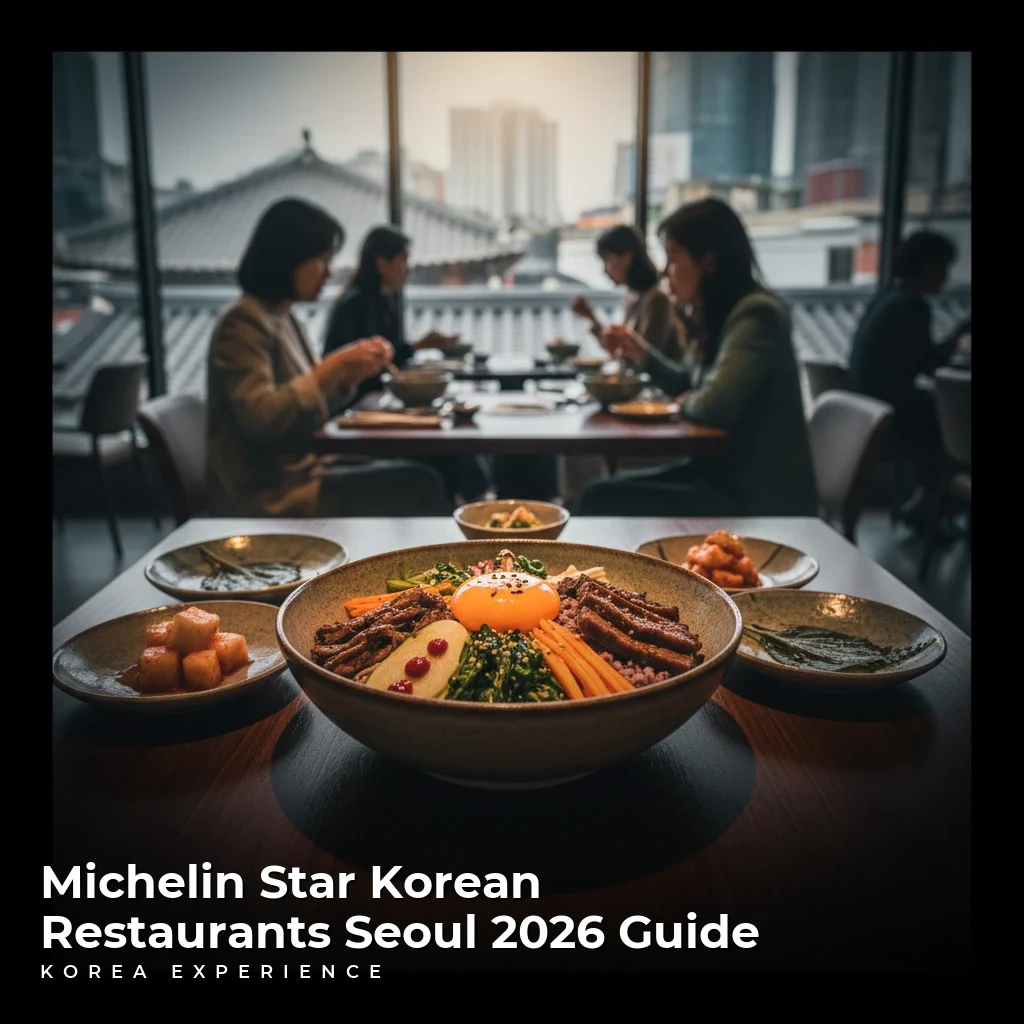
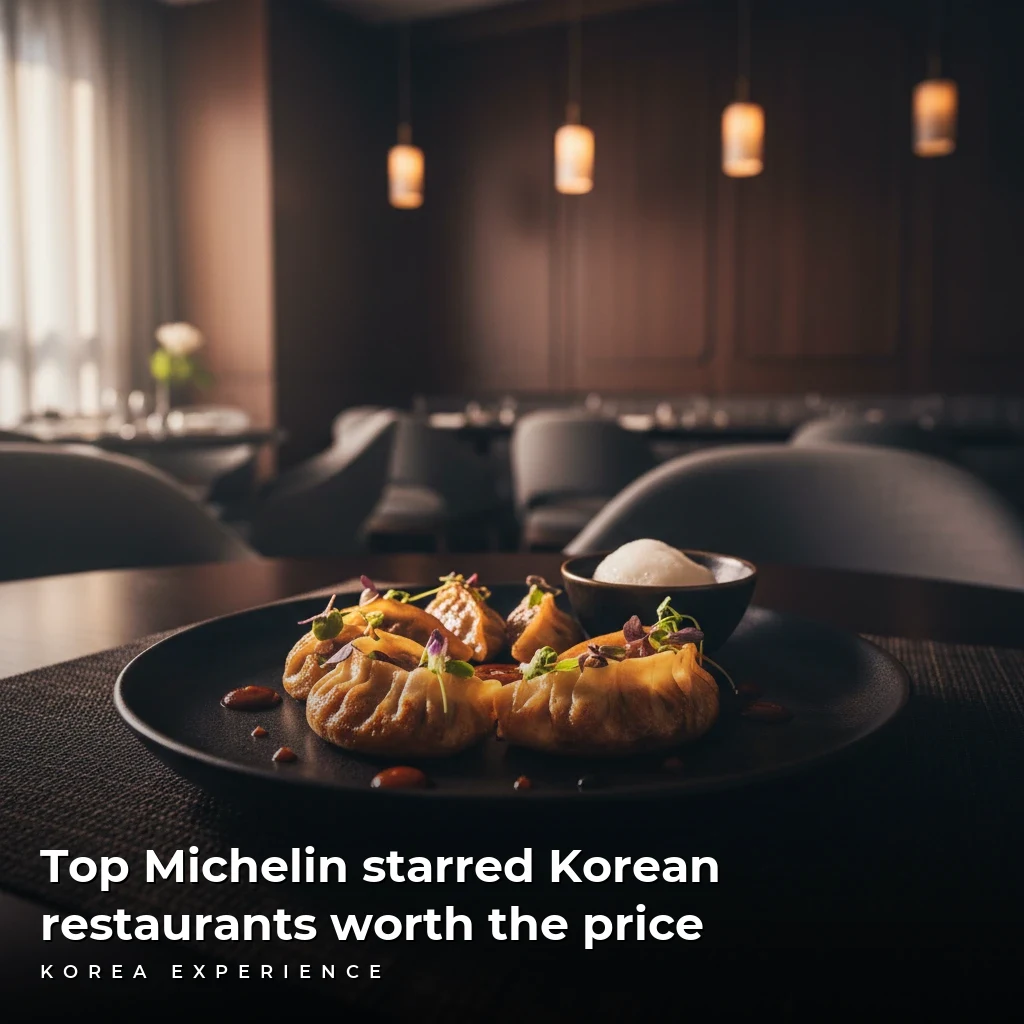
Michelin Star Korean Restaurants Seoul 2026 Guide
Discover Seoul's top Michelin Star Korean restaurants in 2026, offering unparalleled gastronomic experiences for international foodies.
Seoul, a city where ancient traditions beautifully intertwine with cutting-edge innovation, has firmly established itself as a global culinary powerhouse. For international travelers and expats seeking an unforgettable dining experience, the Michelin Guide serves as the ultimate compass, pointing to establishments that consistently deliver excellence. As we look towards 2026, Seoul's Michelin-starred landscape continues to evolve, showcasing the profound depth and dynamic future of Korean cuisine, known as Hansik.
You've landed in Seoul, the vibrant heart of South Korea, with a craving not just for food, but for an experience. You've heard whispers of culinary brilliance, of chefs transforming traditional ingredients into works of art, and you want to know exactly where to find them. The challenge isn't just finding a good restaurant; it's discerning the truly exceptional, the places that define a city's gastronomic soul. This comprehensive guide will navigate you through the anticipated Michelin Star Korean Restaurants in Seoul for 2026, providing insider tips, essential details, and a deeper understanding of what makes Seoul's fine dining scene truly special. By the end, you'll be equipped to plan an unparalleled culinary journey, ensuring your Seoul adventure is as delicious as it is memorable.
Understanding Seoul's Michelin Scene: The 2026 Outlook
The Michelin Guide's arrival in Seoul in 2017 marked a pivotal moment, bringing global recognition to the city's burgeoning fine dining sector. Since then, each annual guide has celebrated both established institutions and rising stars, cementing Seoul's reputation as a must-visit destination for gourmands. For 2026, we anticipate continued emphasis on authenticity, innovation, and the use of premium, often locally sourced, Korean ingredients. The inspectors look for consistency, quality of ingredients, mastery of cooking techniques, personality of the chef in their cuisine, and value for money – a true mark of distinction for any restaurant.
What makes Seoul's Michelin journey particularly fascinating is the dedication of its chefs to elevating Hansik. Many of the awarded restaurants are not merely serving Korean food; they are reimagining it, taking traditional recipes and presenting them with contemporary flair, often incorporating global influences while staying true to their roots. This blend of heritage and modernity is a defining characteristic of Seoul's gastronomic identity. The 2026 guide is expected to further highlight chefs who are pushing boundaries, exploring regional Korean culinary traditions, and championing sustainable practices through initiatives like the Michelin Green Star.
The Michelin Star System Explained
Before diving into specific recommendations, let's briefly review what the stars signify:
- One Star: "High quality cooking, worth a stop." This indicates excellent cuisine prepared in a distinctive manner.
- Two Stars: "Excellent cooking, worth a detour." Here, the personality and talent of the chef are evident in dishes that are refined and inspired.
- Three Stars: "Exceptional cuisine, worth a special journey." These restaurants offer sublime cooking, memorable experiences, and are considered among the best in the world.
Beyond the stars, the Michelin Guide also recognizes:
- Bib Gourmand: Awarded to establishments offering "good quality, good value cooking." These are often beloved local spots where you can enjoy excellent food without the premium price tag.
- Michelin Green Star: Introduced to Seoul in recent years, this award highlights restaurants committed to sustainable gastronomy, showcasing chefs who are leading the way in environmentally friendly practices.
For 2026, expect the guide to continue celebrating these diverse categories, ensuring that every type of diner, from the luxury seeker to the eco-conscious foodie, finds something exceptional in Seoul.
Two- and Three-Star Excellence: Seoul's Culinary Zenith in 2026
Seoul's highest-rated Michelin establishments are more than just restaurants; they are culinary institutions where chefs meticulously craft multi-course narratives, showcasing the pinnacle of Korean gastronomy. These are the places that will demand a special journey, offering experiences that linger long after the last bite.
Gaon (Three Stars) - The Epitome of Traditional Korean Fine Dining
For years, Gaon has stood as a beacon of traditional Korean haute cuisine. Helmed by Chef Kim Byung-jin, it embodies the philosophy of "hansik gaehwang," meaning the blossoming of Korean food. Located in the luxurious Horim Art Center in Gangnam, Gaon offers an experience steeped in elegance and reverence for ingredients. Each dish on their carefully curated tasting menu tells a story, often drawing from ancient royal court recipes and regional specialties, presented with impeccable artistry.
- Cuisine Style: Traditional Korean (Hansik) Fine Dining
- Anticipated 2026 Status: Expected to retain three stars.
- Signature Experience: Multi-course tasting menus, meticulously plated, using rare and seasonal ingredients. Expect dishes like premium Hanwoo beef prepared with exquisite sauces, delicate seafood, and beautifully balanced ferments.
- Estimated Price Range (2026): Lunch menus typically start from 180,000 KRW (approximately 135 USD); Dinner menus from 280,000 KRW (approximately 210 USD) per person, excluding drinks.
- Location Example: Gangnam-gu, Dosan-daero (Exact address typically available on their official website or booking platforms).
- Contact/Booking: Reservations are essential and often require booking several weeks in advance. Check their official website for details.
La Yeon (Three Stars) - Elevated Korean Cuisine with a View
Perched on the 23rd floor of The Shilla Seoul hotel, La Yeon offers not only exquisite modern Korean cuisine but also breathtaking panoramic views of the city. Chef Kim Sung-il leads a kitchen that focuses on refined interpretations of classic Korean dishes, prioritizing the natural flavors of meticulously sourced ingredients. The experience here is one of sophisticated tranquility, where every detail, from the tableware to the sommelier's recommendations, is perfectly orchestrated.
- Cuisine Style: Modern Korean Fine Dining
- Anticipated 2026 Status: Strong contender to retain three stars, or at least two.
- Signature Experience: Offers set menus for both lunch and dinner, highlighting seasonal ingredients. Dishes often include exquisitely grilled meats, delicate seafood stews, and a variety of Korean side dishes (banchan) that elevate the meal.
- Estimated Price Range (2026): Lunch menus from 150,000 KRW (approximately 115 USD); Dinner menus from 250,000 KRW (approximately 190 USD) per person.
- Location Example: Jung-gu, Dongho-ro (Inside The Shilla Seoul).
- Contact/Booking: Hotel guests may have priority, but general reservations are highly recommended well in advance.
Mosu Seoul (Two Stars) - Progressive Korean American Cuisine
Mosu, originally from San Francisco, made a significant splash in Seoul with its innovative and highly creative approach to Korean-American fusion. Chef Sung Anh, who honed his skills in some of the world's best kitchens, brings a unique perspective, blending Californian culinary philosophy with Korean ingredients and techniques. The restaurant offers a tasting menu that is a journey of textures, temperatures, and unexpected flavor combinations.
- Cuisine Style: Progressive Korean-American Fusion
- Anticipated 2026 Status: Expected to retain two stars.
- Signature Experience: An omakase-style tasting menu featuring visually stunning dishes that play with tradition and modernity. Expect innovative presentations of familiar Korean ingredients like seaweed, fermented products, and seasonal seafood.
- Estimated Price Range (2026): Dinner tasting menu from 250,000 KRW (approximately 190 USD) per person.
- Location Example: Yongsan-gu, Itaewon-ro (often in Hannam-dong district).
- Contact/Booking: Online reservations are essential and book up quickly.
Kwonsooksoo (Two Stars) - Contemporary Korean Elegance
Kwonsooksoo, led by Chef Kwon Woo-joong, is celebrated for its contemporary reinterpretation of royal court cuisine and regional Korean dishes. The name "Kwonsooksoo" literally means "Kwon's skillful hands," a testament to the chef's meticulous approach and refined techniques. Dining here is a refined experience, where classic flavors are presented with modern aesthetics and precision.
- Cuisine Style: Contemporary Korean (Royal Court and Regional)
- Anticipated 2026 Status: Likely to retain two stars.
- Signature Experience: Tasting menus feature exquisite dishes such as Jeju Island abalone with sea urchin, premium beef preparations, and traditional fermented ingredients, all presented with artistic flair.
- Estimated Price Range (2026): Lunch from 120,000 KRW (approximately 90 USD); Dinner from 200,000 KRW (approximately 150 USD) per person.
- Location Example: Gangnam-gu, Eonju-ro (often in Cheongdam-dong).
- Contact/Booking: Reservations are highly recommended.
Comparison of Top-Tier Michelin Star Korean Restaurants in Seoul (2-3 Stars)
| Restaurant | Cuisine Style | Ambiance | Signature Dishes (Example) | Estimated Dinner Price (2026, per person) |
|---|---|---|---|---|
| Gaon | Traditional Korean (Hansik) | Elegant, Formal, Serene | Royal Court Cuisine, Hanwoo Beef | 280,000+ KRW |
| La Yeon | Modern Korean Fine Dining | Sophisticated, City Views | Refined Seasonal Dishes, Grilled Meats | 250,000+ KRW |
| Mosu Seoul | Progressive Korean-American Fusion | Chic, Contemporary, Intimate | Innovative Tasting Menu, Creative Bites | 250,000+ KRW |
| Kwonsooksoo | Contemporary Korean | Refined, Understated Luxury | Reimagined Royal & Regional Dishes | 200,000+ KRW |
Prices are estimates and subject to change. They do not include drinks or service charges.
One-Star Gems: Diverse Flavors of Michelin Star Korean Cuisine
The one-star category in Seoul is a treasure trove of diverse culinary experiences, showcasing chefs who are masters of their craft, each offering a distinct perspective on Korean food. These establishments provide an excellent entry point into Seoul's fine dining scene, often with more approachable price points while maintaining exceptional quality.
Mingles (One Star) - Modern Korean with Global Sensibilities
Chef Mingoo Kang's Mingles has consistently captivated diners with its modern Korean cuisine infused with global influences. The restaurant is celebrated for its ability to balance traditional Korean fermentation techniques and ingredients with Western culinary methods, resulting in dishes that are both familiar and groundbreaking. Mingles is a testament to the versatility and potential of Korean flavors on the world stage.
- Cuisine Style: Modern Korean, Fusion
- Anticipated 2026 Status: Expected to retain one star, potentially a contender for two.
- Signature Experience: Tasting menus feature seasonal dishes that blend Korean ingredients like Gochujang (fermented chili paste) and Doenjang (fermented soybean paste) with European techniques. Their signature "Jang Trio" dessert is a must-try.
- Estimated Price Range (2026): Lunch from 100,000 KRW (approximately 75 USD); Dinner from 180,000 KRW (approximately 135 USD) per person.
- Location Example: Gangnam-gu, Dosan-daero (often in Cheongdam-dong).
- Contact/Booking: High demand, online reservations recommended several weeks out.
Jungsik (One Star) - Korean Nouvelle Cuisine Pioneer
Jungsik, another pioneer that started in New York before coming to Seoul, is credited with coining the term "New Korean Cuisine." Chef Jungsik Yim's approach is playful yet precise, transforming traditional Korean dishes into elegant, contemporary plates. Their innovative interpretation of Bibimbap (mixed rice with vegetables) and Bossam (boiled pork belly) are legendary.
- Cuisine Style: New Korean Cuisine, Innovative
- Anticipated 2026 Status: Expected to retain one star.
- Signature Experience: Modern interpretations of Korean classics. The Uni Bibimbap and the Gujeolpan (nine-section plate) are standout dishes, showcasing both tradition and innovation.
- Estimated Price Range (2026): Lunch from 90,000 KRW (approximately 70 USD); Dinner from 160,000 KRW (approximately 120 USD) per person.
- Location Example: Gangnam-gu, Seolleung-ro (often in Cheongdam-dong).
- Contact/Booking: Reservations are advisable, especially for dinner.
Joo Ok (One Star) - Seoul's Culinary Gem with a Natural Touch
Joo Ok, led by Chef Shin Chang-ho, focuses on pristine ingredients, many sourced from the chef's family farm. The cuisine emphasizes natural flavors and the delicate balance of Korean ferments, particularly vinegars. Dining at Joo Ok is like a journey through Korea's natural bounty, with each dish speaking of freshness and purity.
- Cuisine Style: Contemporary Korean with focus on Natural Ingredients
- Anticipated 2026 Status: Expected to retain one star.
- Signature Experience: Their tasting menus highlight seasonal ingredients and traditional Korean vinegars. Expect beautifully prepared raw fish, seasonal vegetables, and delicate meat dishes.
- Estimated Price Range (2026): Lunch from 80,000 KRW (approximately 60 USD); Dinner from 150,000 KRW (approximately 115 USD) per person.
- Location Example: Jung-gu, Dongho-ro (often in the heart of Seoul, near city hall).
- Contact/Booking: Reservations recommended.
Eatan (One Star) - A Modern Take on Korean Fermentation
Eatan focuses on the rich heritage of Korean fermented foods, known as Jang. Chef Kim Yong-choon brings a contemporary lens to these traditional ingredients, creating dishes that are both deeply flavorful and exquisitely balanced. The restaurant offers a refined dining experience that delves into the profound complexities of Korean fermentation.
- Cuisine Style: Modern Korean, Fermentation-focused
- Anticipated 2026 Status: Strong contender to retain one star.
- Signature Experience: Tasting menus showcasing various Jangs (soybean paste, chili paste, soy sauce) and their transformative effects on ingredients. Expect intricate flavors and a deep respect for tradition.
- Estimated Price Range (2026): Dinner tasting menu from 170,000 KRW (approximately 130 USD) per person.
- Location Example: Gangnam-gu, Apgujeong-ro (often in Sinsa-dong).
- Contact/Booking: Reservations essential.
Soseoul Hannam (One Star) - Regional Korean Homage
Soseoul Hannam, true to its name, aims to represent the diverse culinary heritage of "Seoul" through the lens of "so" (small, precious, delicate). This restaurant focuses on regional Korean dishes, elevating them with modern techniques and impeccable presentation. It offers a glimpse into the varied tastes and traditions from across the Korean peninsula.
- Cuisine Style: Regional Korean, Contemporary
- Anticipated 2026 Status: Expected to retain one star.
- Signature Experience: Tasting menus might feature regional specialties like dishes inspired by Jeolla-do's rich culinary traditions or Gangwon-do's mountainous ingredients, all presented with contemporary elegance.
- Estimated Price Range (2026): Dinner tasting menu from 160,000 KRW (approximately 120 USD) per person.
- Location Example: Yongsan-gu, Daesagwan-ro (often in Hannam-dong).
- Contact/Booking: Reservations highly recommended.
Comparison of One-Star Michelin Star Korean Restaurants in Seoul
| Restaurant | Cuisine Style | Unique Focus | Ambiance | Estimated Dinner Price (2026, per person) |
|---|---|---|---|---|
| Mingles | Modern Korean, Fusion | Global Techniques, Korean Ferments | Stylish, Modern, Lively | 180,000+ KRW |
| Jungsik | New Korean Cuisine | Innovative, Playful | Upscale, Contemporary | 160,000+ KRW |
| Joo Ok | Contemporary Korean | Natural Ingredients, Korean Vinegars | Elegant, Serene | 150,000+ KRW |
| Eatan | Modern Korean | Deep Dive into Korean Fermentation | Refined, Intimate | 170,000+ KRW |
| Soseoul Hannam | Regional Korean, Contemporary | Elevating Regional Specialties | Modern, Understated | 160,000+ KRW |
Prices are estimates and subject to change. They do not include drinks or service charges.
Bib Gourmand & Michelin Green Star: Value and Sustainability in Seoul 2026
Beyond the prestigious stars, the Michelin Guide highlights establishments that offer outstanding value or champion sustainable practices. These categories are incredibly valuable for international travelers looking for both quality and conscience.
Bib Gourmand: Exceptional Value in Seoul's Culinary Landscape
The Bib Gourmand distinction celebrates restaurants that offer "good quality, good value cooking." For 2026, Seoul's Bib Gourmand list will likely continue to showcase a vibrant mix of traditional Korean eateries, modern casual dining spots, and hidden gems where you can experience authentic flavors without the fine-dining price tag. These are perfect for experiencing genuine Korean cuisine daily.
- Examples of past/potential 2026 Bib Gourmand spots:
- Myeongdong Kyoja: Famous for its incredibly popular Kal-guksu (knife-cut noodle soup) and Mandu (dumplings). Expect long lines but fast service and unforgettable flavors. (Estimated price range: 10,000-20,000 KRW per person).
- Hajodae Kal-guksu: Another noodle soup specialist known for its clear, refreshing broth and fresh ingredients.
- Pildong Myeonok: A beloved institution for Pyongyang Naengmyeon (cold buckwheat noodles), a subtle yet deeply satisfying dish that offers a unique taste of North Korean culinary heritage. (Estimated price range: 12,000-15,000 KRW per person).
- Gwangjang Market (various stalls): While not a single restaurant, specific stalls in this iconic market have often been recognized, offering Bindaetteok (mung bean pancakes), Mayak Gimbap (addictive mini gimbap), and more.
These spots offer an authentic taste of Korea that complements the fine dining experience, allowing you to explore the full spectrum of Seoul's food scene.
Michelin Green Star: Sustainable Gastronomy in Action
The Michelin Green Star, a relatively new addition, recognizes restaurants at the forefront of sustainable gastronomy. These establishments embrace practices such as reducing food waste, sourcing local and seasonal ingredients, minimizing environmental impact, and supporting ethical producers. As global awareness for sustainability grows, the Green Star will be an increasingly important guide for conscious travelers in 2026.
- Examples of past/potential 2026 Green Star recipients:
- Many of Seoul's top fine dining establishments, including some multi-starred restaurants, are increasingly adopting sustainable practices. Restaurants that emphasize farm-to-table approaches, utilize obscure or overlooked ingredients to reduce waste, and build strong relationships with local farmers are strong candidates.
- Look for restaurants that transparently communicate their sourcing and waste management efforts. Some may even operate their own small farms or actively participate in community agricultural initiatives. This category is rapidly expanding, reflecting a global shift in culinary philosophy.
Overview of Michelin Categories Beyond Stars
| Category | Description | Typical Price Range (2026, per person) | Experience Focus |
|---|---|---|---|
| One-Three Stars | Exceptional cooking, worth a stop, detour, or special journey. | 80,000 - 300,000+ KRW | High-end, innovative, refined, memorable |
| Bib Gourmand | Good quality, good value cooking. Often traditional or casual dining. | 10,000 - 40,000 KRW | Authentic, affordable, local favorites, delicious |
| Michelin Green Star | Restaurants committed to sustainable gastronomy. Can overlap with other stars. | Varies widely, depends on star status | Ethical, eco-conscious, responsible, fresh ingredients |
Navigating Your Michelin Star Journey in Seoul: Practical Tips for 2026
A culinary journey through Seoul's Michelin-starred restaurants requires some planning. Here are essential tips for international visitors to ensure a smooth and enjoyable experience.
1. Reservations are Non-Negotiable
For any starred restaurant, especially two- and three-star establishments, reservations are absolutely mandatory.
- Booking Window: For top-tier restaurants like Gaon or La Yeon, aim to book 1-3 months in advance. One-star restaurants typically require reservations 2-4 weeks prior.
- Online Platforms: Most restaurants use online booking systems (e.g., Catchtable, Naver Booking, or their own website). Some might require a Korean phone number or assistance from a local. If you don't have one, consider asking your hotel concierge for help.
- Deposit/Cancellation: Be aware that many fine dining restaurants in Seoul require a deposit to secure your booking, which may be non-refundable for late cancellations. Read the terms carefully.
2. Dress Code and Etiquette
While Seoul's dining scene is diverse, Michelin-starred restaurants generally adhere to a smart casual to formal dress code.
- Dress Code: Avoid overly casual attire like shorts, flip-flops, or sportswear. Smart casual (e.g., collared shirts, slacks, dresses) is usually sufficient for one-star establishments, while a jacket or more formal wear might be appropriate for two- or three-star venues. When in doubt, err on the side of being slightly overdressed.
- Dining Etiquette:
- Chopsticks and Spoons: Korean dining uses both chopsticks (for solids) and a spoon (for rice and soup).
- Sharing: While fine dining is often individual portions, traditional Korean meals are often shared. In a Michelin setting, follow the lead of your server or fellow diners.
- Noise Level: Keep conversations at a respectful volume.
- Mobile Phones: Use discretion. Avoid loud calls or excessive screen time at the table.
3. Understanding the Menu and Beverage Pairings
Most Michelin-starred restaurants in Seoul offer tasting menus (often called "course menus" in Korea).
- Tasting Menus: These are multi-course meals carefully designed by the chef to showcase their philosophy and seasonal ingredients. Dietary restrictions can often be accommodated if communicated in advance during booking.
- Beverage Pairings: Many restaurants offer wine or traditional Korean alcohol (like Makgeolli or Soju) pairing options. Don't hesitate to ask your server for recommendations, as they can provide insights into how beverages complement the distinct flavors of Korean cuisine. Exploring high-quality Korean traditional alcohol is an experience in itself.
4. Location and Transportation
Seoul is a large city, but its public transport system is excellent.
- Key Districts: Many Michelin-starred restaurants are concentrated in upscale districts like Gangnam (Cheongdam-dong, Sinsa-dong), Yongsan-gu (Hannam-dong), and Jung-gu (around The Shilla Hotel or Gwanghwamun).
- Subway/Taxi: Use the subway for efficient travel during peak hours. Taxis are also readily available via apps like Kakao T or on the street. Always have the restaurant's address written in English and Korean for taxi drivers.
- Allow Travel Time: Traffic in Seoul can be unpredictable, especially in Gangnam. Always allow ample time to reach your reservation.
5. Budgeting and Tipping
- Cost: As noted, Michelin-starred dining is an investment. Factor in not just the menu price but also drinks, potential service charges (though often included in Korea), and taxes.
- Tipping Culture: Tipping is generally not customary in South Korea. Service charges are usually included in the price, and there's no expectation to leave extra. Your appreciation for excellent service can be shown through a polite "Kamsahamnida" (thank you).
Beyond the Stars: Emerging Trends and Future Forecasts for 2026
Seoul's culinary scene is dynamic and constantly evolving. As we look ahead to 2026, several trends are likely to shape the future of fine dining and impact future Michelin selections.
1. Hyper-Local and Regional Cuisine Focus
While Hansik has always been celebrated, there's a growing movement towards showcasing highly localized ingredients and forgotten regional recipes. Chefs are increasingly traveling across Korea to rediscover unique produce, seafood, and traditional cooking methods from provinces like Jeolla-do (known for its rich culinary heritage) and Jeju Island (with its distinct island ingredients). Expect to see more restaurants dedicating their menus to specific regions or even single ingredients.
2. Plant-Based and Sustainable Korean Options
The global shift towards plant-based dining and sustainable practices is gaining traction in Seoul. While traditional Korean cuisine already features many naturally vegetarian dishes, fine dining establishments are likely to offer more refined and innovative plant-forward tasting menus. The Michelin Green Star will continue to encourage and highlight chefs committed to reducing their environmental footprint, from sourcing to waste management.
3. The Rise of 'Neo-Hansik' and International Influences
"Neo-Hansik" refers to a new generation of Korean cuisine that pushes boundaries while honoring tradition. This trend sees chefs, often with international training, blending diverse culinary techniques and flavor profiles with Korean ingredients. Expect more adventurous fusion, not just with Western but also with Southeast Asian or Middle Eastern influences, creating truly unique gastronomic experiences.
4. Chef's Table and Experiential Dining
Diners are increasingly seeking immersive culinary experiences. Chef's table concepts, where guests dine intimately in front of the kitchen, or dining experiences that tell a compelling narrative, are likely to become more prevalent. These offer a deeper connection to the chef's vision and the cooking process, adding another layer to the fine dining journey.
5. Digital Integration and Personalized Experiences
Technology will continue to play a role, from seamless online booking systems to personalized dietary preference tracking. AI-powered recommendations or virtual tours of farms where ingredients are sourced could enhance the dining experience, especially for international visitors seeking detailed information.
Seoul in 2026 will undoubtedly remain a fascinating hub for culinary innovation, where the past and future of Korean cuisine deliciously coexist.
Frequently Asked Questions (FAQ) about Michelin Star Korean Restaurants Seoul 2026
Q1: How reliable are the 2026 predictions for Michelin Stars?
A1: While no one can definitively predict the future, our 2026 outlook is based on current trends, the consistent performance of existing starred restaurants, and the established criteria of the Michelin Guide. Restaurants that have consistently held their stars for several years, like Gaon and La Yeon, are strong candidates to retain them. New contenders might emerge, but the core of Seoul's high-end dining scene is often quite stable.
Q2: Is it difficult to get a reservation at a Michelin-starred restaurant in Seoul?
A2: Yes, it can be very challenging, especially for 2- and 3-star restaurants. We strongly recommend booking 1-3 months in advance for the highest-rated establishments and at least 2-4 weeks for 1-star restaurants. Utilize online booking platforms or ask your hotel concierge for assistance. Be prepared for deposits and strict cancellation policies.
Q3: What is the average cost for a Michelin-starred meal in Seoul?
A3: The cost varies significantly by star rating and whether it's lunch or dinner.
- Bib Gourmand: Typically 10,000 - 40,000 KRW per person.
- One Star: Lunch menus often range from 80,000 - 150,000 KRW; Dinner from 150,000 - 200,000 KRW per person.
- Two-Three Stars: Lunch menus from 150,000 - 200,000 KRW; Dinner from 200,000 - 300,000+ KRW per person. These prices are estimates for tasting menus and do not include drinks or service charges (which are usually included in Korea).
Q4: Are there vegetarian or vegan options available at these high-end Korean restaurants?
A4: While traditional Korean cuisine has many naturally vegetarian dishes, high-end tasting menus often feature meat or seafood. However, many Michelin-starred restaurants in Seoul are becoming more accommodating to dietary restrictions, including vegetarianism and sometimes veganism. It is absolutely crucial to inform the restaurant of your dietary needs at the time of booking, well in advance of your visit, so they can prepare a suitable menu. Do not assume they can accommodate walk-in requests.
Q5: What is the difference between "Hansik" and "Modern Korean" cuisine?
A5: "Hansik" broadly refers to traditional Korean cuisine, emphasizing foundational elements like fermentation (Jang), diverse Banchan (side dishes), and balanced flavors rooted in centuries-old practices. "Modern Korean" or "New Korean Cuisine" signifies a contemporary approach where chefs interpret or reimagine traditional Hansik with modern techniques, global influences, and innovative presentations. While they both celebrate Korean flavors, Modern Korean often pushes creative boundaries while Hansik prioritizes authenticity and heritage. Many Michelin-starred restaurants beautifully blend elements of both.
Conclusion: Savoring Seoul's Michelin Star Culinary Scene in 2026
Seoul in 2026 is poised to continue its reign as a global culinary destination, with its Michelin-starred restaurants offering a compelling narrative of Korean gastronomy. From the deeply traditional flavors of a three-star Hansik establishment to the cutting-edge innovation of modern Korean fusion, the city caters to every palate and preference. The dedication of Seoul's chefs to quality, creativity, and sustainability ensures that every meal is not just food, but an unforgettable journey.
As you plan your next trip to South Korea, make sure to integrate these exceptional dining experiences into your itinerary. Remember to book well in advance, prepare for the appropriate dress codes, and approach each meal with an open mind and appreciative palate. Whether you're seeking a special occasion splurge, a taste of authentic local value, or an exploration of sustainable dining, Seoul's Michelin Guide for 2026 offers a world of exquisite possibilities. Dive in, explore, and savor the magnificent flavors that make Seoul a true haven for international food lovers. Your adventure into the heart of Korean culinary excellence awaits!
For more insights into Seoul's vibrant food scene, don't miss our upcoming guides on "Best Street Food in Seoul" or "Exploring Korea's Traditional Teahouses."
About the Author
Korea Experience Team
Written by the Korea Experience editorial team - experts in Korean medical tourism, travel, and culture with years of research and firsthand experience.
⚠️ Medical Disclaimer
The information provided on this website is for general informational purposes only and does not constitute medical advice. Always consult with qualified healthcare professionals before making any medical decisions.
Continue Reading
Explore more articles you might find interesting
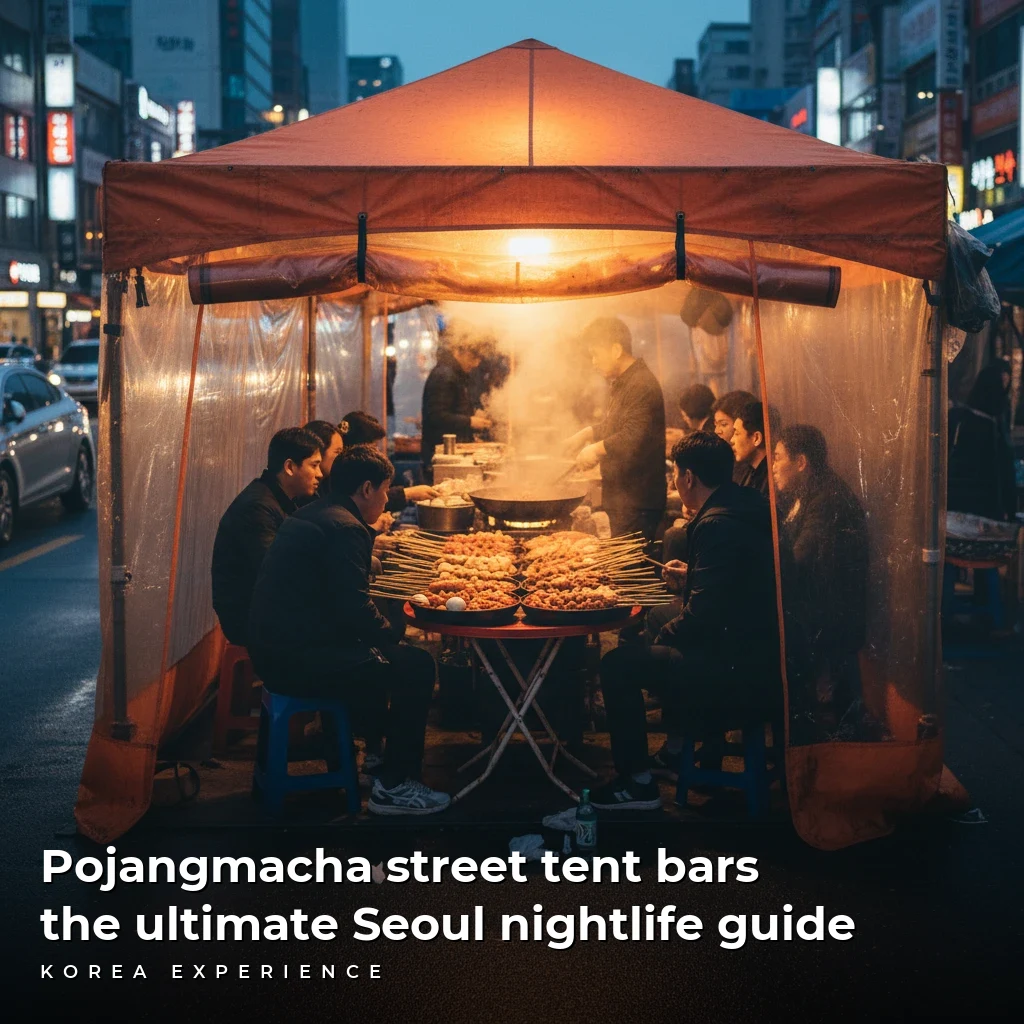
Discover the perfect Korean bar snacks to pair with soju, makgeolli, and beer. Master the art of anju for an authentic experience.
Discover the authentic taste of Andong Jjimdak in its true hometown. This guide unveils the best restaurants, history, and essential tips for an unforgettable culinary journey.
Unlock Korea's vibrant drinking culture with our 2026 guide to Soju, Makgeolli, essential etiquette, delicious Anju, and the best Pocha experiences.