Food & Dining

Makgeolli Bars Unveiling Traditional Korean Rice Wine

Discover the vibrant world of Makgeolli bars in Korea. Explore traditional rice wine culture, types of Makgeolli, food pairings, and top spots for an authentic experience.

Stepping into South Korea, visitors are often captivated by its dynamic cities, ancient palaces, and the irresistible aroma of street food. While many travelers are familiar with Soju and Korean beer, there’s another quintessential alcoholic beverage that offers a deeper dive into the country's rich culinary traditions: Makgeolli, a milky, lightly sparkling rice wine. For those truly seeking an authentic Korean experience, delving into the world of Makgeolli bars is not just about tasting a drink; it’s about embracing a cherished cultural ritual, a social experience, and a culinary journey all rolled into one.

This comprehensive guide is designed for international travelers and expatriates eager to unlock the secrets of Makgeolli. We will explore what Makgeolli is, its fascinating history, the diverse types available, the unique atmosphere of Makgeolli bars, and the delectable food pairings that elevate the entire experience. By the end of this post, you'll be equipped with the knowledge and confidence to navigate the vibrant Makgeolli scene, discover your favorite varieties, and savor the convivial spirit of traditional Korean rice wine culture. Get ready to embark on an unforgettable adventure into the heart of Korea’s liquid heritage.

What is Makgeolli? The Heart of Korean Rice Wine Culture

Makgeolli is Korea’s oldest alcoholic beverage, a traditional rice wine that boasts a distinctive milky appearance and a refreshingly sweet, tangy, and sometimes slightly bitter taste. Unlike clear spirits or filtered wines, Makgeolli is unfiltered, giving it a cloudy, sediment-rich texture that contributes to its unique mouthfeel and flavor profile. Often served chilled in simple bowls, it represents comfort, tradition, and communal joy.

A Brief History of Makgeolli

The origins of Makgeolli can be traced back millennia, with records suggesting its consumption since the Three Kingdoms period (57 BC - 668 AD). Historically, it was the drink of farmers and commoners, known for its affordability and nutritional value, which provided energy during demanding labor in the fields. It was often referred to as "nongju" or "farmer's alcohol." The process was simple: fermented rice, water, and nuruk (a traditional Korean fermentation starter). Every household had its own unique recipe, passed down through generations.

While its popularity waned slightly during the Japanese colonial period and the subsequent industrialization of Korea, Makgeolli has experienced a significant resurgence in the 21st century. Modern breweries and artisanal producers have innovated with new flavors and refined brewing techniques, elevating Makgeolli from a rustic drink to a sophisticated beverage enjoyed across all demographics. This revival highlights a renewed appreciation for traditional Korean ingredients and culinary heritage.

The Fermentation Process Explained

The creation of Makgeolli is a fascinating process centered around fermentation. The primary ingredients are steamed rice, water, and nuruk. Nuruk, a disk-shaped starter, contains various microorganisms, including yeasts and bacteria, which convert the starches in the rice into sugars and then into alcohol.

  1. Preparation: Rice is washed, soaked, steamed, and then cooled.
  2. Mixing: The cooled rice is mixed with nuruk and water. This mixture is then placed in a fermentation vessel.
  3. Primary Fermentation: This initial stage can last anywhere from a few days to a few weeks, depending on the desired alcohol content and flavor profile. During this time, the yeasts convert sugars to alcohol, and the bacteria produce lactic acid, contributing to Makgeolli’s characteristic tang.
  4. Filtering (Partial): After fermentation, the liquid is coarsely filtered, leaving behind the rice sediment that gives Makgeolli its milky appearance and fuller body. Unlike clear alcoholic beverages, Makgeolli is not distilled, retaining more of its original ingredients and flavors. The resulting product is typically 6-8% alcohol by volume, making it lighter than Soju but stronger than most beers.

Nutritional Benefits and Appeal

Beyond its delightful taste, Makgeolli is surprisingly packed with nutritional benefits, earning it the nickname "Korean yogurt." Due to its fermentation process, it contains beneficial lactic acid bacteria, similar to those found in yogurt, which can aid digestion and gut health. It also contains dietary fiber, amino acids, vitamins (B complex, C), and minerals, derived from the rice and yeast. These attributes make Makgeolli a relatively healthier alcoholic choice, often consumed for its wellness benefits in moderation. Its light carbonation also adds to its refreshing quality, making it particularly enjoyable with food.

Exploring the Diverse World of Makgeolli Varieties

While the milky white appearance of Makgeolli is instantly recognizable, the drink itself encompasses a surprisingly broad spectrum of flavors, textures, and styles. Just like wine or beer, regional differences, ingredients, and brewing techniques lead to a rich diversity that invites endless exploration.

Classic Cheongju vs. Modern Makgeolli

It's important to understand the relationship between Makgeolli and its refined cousin, Cheongju. Both originate from fermented rice, but their processing differs significantly.

  • Makgeolli: This is the unfiltered, cloudy rice wine. It retains the rice sediment, offering a thicker, more rustic texture and a fuller, often earthier flavor. Its alcohol content is typically 6-8%.
  • Cheongju: This is the clear, filtered version of rice wine. After fermentation, the mash is pressed, and only the clear liquid is carefully separated, often through multiple filtration stages. Cheongju is typically more delicate, smoother, and sweeter, with a higher alcohol content (around 13-15%). It's often compared to Japanese sake.

While historically distinct, modern Makgeolli sometimes blurs these lines, with some premium Makgeolli brands being less cloudy or having a cleaner finish, resembling Cheongju in their refinement while maintaining Makgeolli’s signature characteristics.

Regional Specialties and Flavors

Korea’s diverse agricultural landscape and regional culinary traditions have given rise to a fascinating array of Makgeolli variations. Exploring these regional specialties is a fantastic way to experience local flavors.

  • Udo Peanut Makgeolli (Jeju Island): From the volcanic island of Jeju, this Makgeolli incorporates locally grown peanuts, giving it a distinctive nutty aroma and flavor, often with a slightly thicker consistency. It’s incredibly popular with tourists visiting Udo Island.
  • Gongju Chestnut Makgeolli (Chungcheongnam-do): Gongju is famous for its chestnuts, and this Makgeolli capitalizes on that local ingredient. It has a subtle sweetness and earthy undertones from the chestnuts, offering a unique, comforting profile.
  • Corn Makgeolli (Gangwon-do): In the mountainous Gangwon province, corn is a staple. Corn Makgeolli offers a lighter body and a delicate sweetness, often preferred by those who enjoy a less intense flavor.
  • Pine Nut Makgeolli (Gapyeong, Gyeonggi-do): Gapyeong is renowned for its pine nuts, and this Makgeolli infuses a distinctive, aromatic, and slightly oily richness from the nuts, creating a luxurious and complex drink.
  • Fruit-Infused Makgeolli: Modern Makgeolli bars and breweries experiment with various fruit infusions, particularly popular with younger generations. Peach, green grape, strawberry, and yuzu (citron) Makgeolli are common, offering sweet and refreshing alternatives to the traditional taste. These are often lighter, lower in alcohol, and served as cocktails.

Artisanal and Craft Makgeolli

The Makgeolli revival has also spurred a movement towards artisanal and craft production. Small-batch breweries focus on high-quality, local ingredients, traditional methods, and innovative flavor profiles. These craft Makgeolli often use specific rice varieties (like organic glutinous rice), different types of nuruk, or extended fermentation periods to create more complex and nuanced flavors. Expect to find notes of fruit, flowers, herbs, or deeper umami in these premium offerings. Many artisanal Makgeolli come in stylish bottles, making them perfect gifts or special treats.

Sweetness, Carbonation, and Alcohol Content Explained

When choosing a Makgeolli, understanding these key characteristics will help you find your preferred style:

  • Sweetness: Makgeolli ranges from dry and tart to quite sweet. The sweetness level is influenced by the type of rice used, the fermentation process, and sometimes, the addition of artificial sweeteners (less common in craft Makgeolli). Many traditional Makgeolli have a balanced sweet and sour profile.
  • Carbonation: Some Makgeolli are naturally carbonated from the fermentation process, offering a pleasant fizz that enhances its refreshing quality. Others are still or have very light carbonation. Modern producers sometimes add carbonation to mimic sparkling wines.
  • Alcohol Content: Most Makgeolli hover around 6-8% alcohol by volume (ABV). This makes it relatively sessionable, allowing for longer enjoyment, especially when paired with food. Craft Makgeolli can sometimes reach higher ABVs, up to 13-15%, offering a stronger kick.

Understanding these variations is key to appreciating the depth of Makgeolli culture. Don't be afraid to experiment and ask for recommendations at Makgeolli bars!

Makgeolli CharacteristicDescriptionCommon Range / Example
AppearanceCloudy, milky white due to unfiltered rice sediment.Opaque to semi-opaque
Taste ProfileSweet, tangy, often slightly sour, sometimes subtly bitter, earthy, fruity, or nutty.Balanced sweet-sour is typical
TextureCreamy, smooth, sometimes slightly grainy from rice particles.Medium-bodied to thick
CarbonationCan be still, lightly effervescent, or moderately sparkling.Often lightly carbonated
Alcohol ContentGenerally low, making it easy to drink over a long period.6-8% ABV (some craft versions up to 15% ABV)

The Makgeolli Bar Experience: More Than Just a Drink

Visiting a Makgeolli bar, known as a "Makgeolli Jip" or simply a "Makgeolli Bar" in English, is a sensory journey that transcends mere drinking. It's an immersion into Korean hospitality, communal dining, and relaxed socializing. The atmosphere is distinct, offering a glimpse into a beloved aspect of Korean life.

Traditional Makgeolli Jip (Houses) vs. Modern Bars

The Makgeolli scene in Korea offers a fascinating contrast between the old and the new, each providing a unique ambiance.

  • Traditional Makgeolli Jip (Makgeolli House): These establishments evoke a nostalgic charm, often featuring rustic wooden interiors, low tables, and floor seating (ondol style). The decor might include traditional Korean pottery, folk art, and warm, dim lighting. They tend to serve classic Makgeolli varieties and traditional Korean dishes (anju). The atmosphere is usually lively, boisterous, and informal, perfect for long conversations with friends. Prices are generally affordable, and the portions of both Makgeolli and anju are generous. Think of them as cozy, time-honored taverns.
  • Modern Makgeolli Bars: Reflecting contemporary tastes, these bars are often found in trendy neighborhoods like Hongdae, Gangnam, or Itaewon. They feature sleek, minimalist designs, often with industrial touches, artistic lighting, and comfortable seating. These bars typically offer a wider selection of craft and flavored Makgeolli, often presented in stylish bottles or carafes. The anju menu might include modern interpretations of classic dishes or fusion cuisine designed to complement the diverse Makgeolli offerings. The atmosphere is more chic and sophisticated, attracting a younger crowd and those looking for a curated drinking experience.

Both types offer an authentic experience, but cater to different moods and preferences. It’s worth trying both to appreciate the full spectrum of Makgeolli culture.

Signature Serving Style: Bowls and Kettles

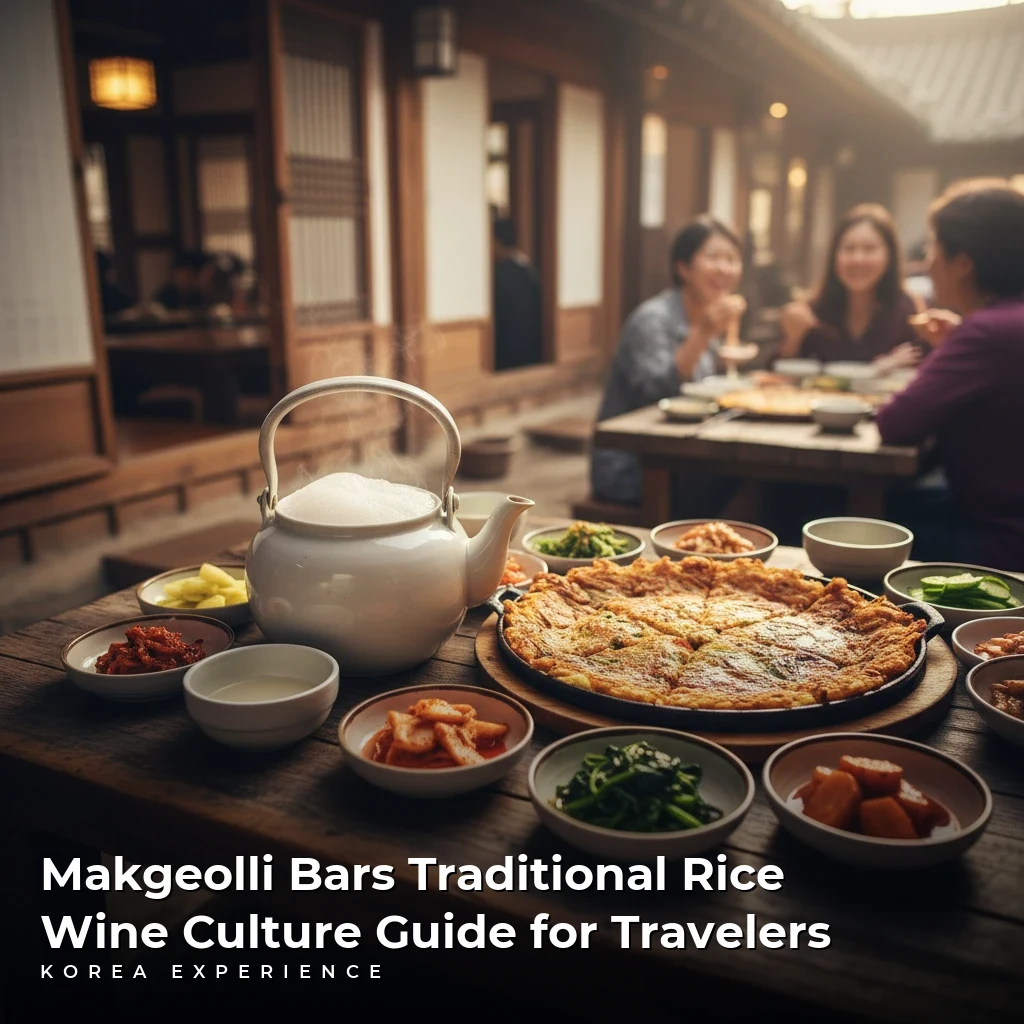
One of the most charming aspects of the Makgeolli bar experience is its unique serving style. Unlike Soju, which is typically served in shot glasses, Makgeolli is usually poured from a large kettle (often a metal or ceramic jug) into individual, smaller bowls, known as "jan" or "saengmakgeolli jan."

  • The Kettle: Makgeolli is almost always served in a large metal kettle (often yellow aluminum or silver stainless steel) or a ceramic jug. This communal vessel encourages sharing and symbolizes the traditional, unpretentious nature of the drink. A single kettle usually contains enough Makgeolli for 2-4 people.
  • The Bowls: Instead of glasses, Makgeolli is traditionally consumed from small, handle-less bowls, often ceramic or metal. These bowls are perfect for cradling in your hand, allowing you to appreciate the milky color and subtle aroma before each sip. The act of clinking these bowls together for a toast is a quintessential Korean social gesture.

This communal serving method fosters a relaxed and convivial atmosphere, emphasizing shared enjoyment and conversation.

The Art of Pouring and Sharing

Pouring Makgeolli is part of the ritual. When a kettle arrives at the table, it's customary for one person to pour for everyone. There isn't a strict hierarchy as with Soju (where juniors pour for seniors), but it's polite to fill the bowls of others before your own. Gentle swirling of the kettle before pouring is often recommended, especially for traditional unfiltered Makgeolli, to redistribute the rice sediment at the bottom and ensure an even flavor and texture in each bowl. This ensures that every pour gets the full Makgeolli experience.

Ambiance and Decor: From Hanok to Urban Chic

The ambiance of a Makgeolli bar significantly contributes to the overall experience.

  • Hanok Inspired: Some traditional Makgeolli houses are styled after "Hanok," traditional Korean houses, featuring exposed wooden beams, paper windows, and floor seating. These offer a deeply immersive, historic feel.
  • Retro Vibes: Many establishments lean into a retro aesthetic, reminiscent of the 1970s and 80s, with vintage posters, old-school decor, and sometimes even traditional Korean music playing in the background.
  • Modern & Minimalist: Contemporary Makgeolli bars embrace sleek designs, often using industrial materials like concrete and steel, softened by warm lighting and artistic touches. They create a sophisticated yet comfortable setting.
  • Outdoor Seating: In warmer months, some Makgeolli bars offer outdoor seating, allowing patrons to enjoy their drinks and anju in a lively street-side setting, soaking in the urban energy.

No matter the style, Makgeolli bars generally offer a comfortable, informal setting perfect for unwinding and connecting with friends or family. The relatively low alcohol content of Makgeolli also contributes to a more relaxed social environment compared to high-proof spirits.

Perfect Pairings: Anju and Makgeolli

The experience of drinking Makgeolli is almost inseparable from the act of eating "Anju," Korean drinking snacks. The right food pairing can elevate the flavors of both the Makgeolli and the dish, creating a harmonious and utterly satisfying culinary moment. Makgeolli’s sweet and tangy profile, often with a slight effervescence, makes it incredibly versatile for food pairing.

Classic Combinations: Pajeon, Dubu Kimchi, and More

Certain dishes are so iconic with Makgeolli that they are almost always found on the menu of any Makgeolli bar. These pairings are rooted in tradition and provide a comforting, quintessential Korean taste.

  • Pajeon (Scallion Pancake): The undisputed king of Makgeolli pairings. Whether it’s "Haemul Pajeon" (seafood pancake) or "Kimchi Pajeon" (kimchi pancake), the savory, crispy, and often slightly oily pancake perfectly balances Makgeolli’s clean, tangy notes. The rainy day tradition of eating Pajeon and Makgeolli is deeply ingrained in Korean culture, as the sizzling sound of the pancake is said to mimic the sound of rain.
  • Dubu Kimchi (Tofu and Stir-fried Kimchi): This simple yet incredibly flavorful dish consists of steamed or lightly pan-fried firm tofu served alongside stir-fried kimchi, often with pork. The richness of the pork and the spicy, savory, and sour notes of the kimchi provide a fantastic contrast to the refreshing Makgeolli, while the tofu acts as a neutral canvas.
  • Jeon (Assorted Pan-fried Delicacies): Beyond Pajeon, a "Modum Jeon" (assorted jeon platter) is a popular choice. This might include various vegetables (zucchini, mushrooms), meat, or fish coated in egg and flour and pan-fried. The variety of textures and flavors on one plate offers a delightful exploration with each sip of Makgeolli.
  • Bossam (Boiled Pork Slices): Tender, thinly sliced boiled pork served with fresh lettuce wraps, ssamjang (spicy dipping sauce), garlic, and kimchi. The clean flavor of Bossam, often a bit fatty, is beautifully cut by the Makgeolli's acidity, making for a refreshing and hearty pairing.
  • Golbaengi Muchim (Spicy Whelk Salad): A vibrant, spicy, and tangy salad made with whelk (sea snails), vegetables, and sometimes noodles, all tossed in a fiery gochujang-based dressing. The intense flavors and spiciness of Golbaengi Muchim are surprisingly well-matched by the cooling and slightly sweet Makgeolli, creating a fantastic interplay of sensations.

Modern Anju Innovations

With the resurgence of Makgeolli, many modern bars are pushing the boundaries of traditional pairings, offering innovative anju options that appeal to contemporary palates.

  • Fusion Dishes: Expect to find fusion-style anju that incorporate Western ingredients or cooking techniques. Think Makgeolli-infused pasta dishes, Korean-style tacos, or even savory tarts.
  • Cheese Platters: Reflecting a global trend, some upscale Makgeolli bars offer cheese platters. The creamy, salty, or pungent flavors of various cheeses can surprisingly complement certain Makgeolli varieties, especially drier, more complex craft options.
  • Dessert Makgeolli: Some establishments offer sweet Makgeolli-based cocktails or Makgeolli served with fruit or light desserts, transforming it into an after-dinner treat.
  • Health-Conscious Anju: Lighter, healthier options like fresh salads, grilled chicken or fish, or vegetable skewers are also becoming more common, catering to a wider range of dietary preferences.

Understanding the Flavor Harmony

The key to understanding Makgeolli and anju pairing lies in balancing flavors and textures.

  • Cutting Richness: Makgeolli’s slight acidity and carbonation effectively cut through the richness and oiliness of fried foods like Pajeon or fatty meats like Bossam, refreshing the palate.
  • Balancing Spice: For spicy dishes like Kimchi or Golbaengi Muchim, Makgeolli provides a soothing, slightly sweet counterpoint that cools the palate without dulling the spice.
  • Complementing Earthiness: The earthy, sometimes nutty notes in traditional Makgeolli often complement rustic ingredients like tofu, mushrooms, or root vegetables.
  • Enhancing Sweetness: Fruit-infused Makgeolli naturally pairs well with fruit-based desserts or lighter, sweeter anju.

Don't hesitate to ask for recommendations at your chosen Makgeolli bar. The staff are usually very knowledgeable about their menu and can guide you to the perfect combination.

Makgeolli TypeRecommended Anju PairingWhy it Works
Traditional (Classic)Pajeon (Scallion Pancake), Dubu Kimchi (Tofu & Stir-fried Kimchi), Bossam (Boiled Pork)The Makgeolli's tanginess cuts through the richness of fried or fatty foods. Its sweetness balances spicy kimchi.
Sweet/FruityFresh Fruit Platter, Light Cheese, Tteokbokki (Spicy Rice Cakes)Complements natural fruit flavors. Sweetness offers a cooling effect for spicy dishes.
Dry/ArtisanalGrilled Fish, Sashimi, Herb Salad, Aged CheeseIts complexity can stand up to and enhance delicate or strong flavors without overpowering them. Clean finish with seafood.
Nut/Grain InfusedRoasted Chicken, Savory Pancakes, Stews (Jjigae)Earthy and nutty notes harmonize with roasted flavors and hearty, warming stews.
Highly CarbonatedFried Chicken, Kimchi Jeon (Kimchi Pancake), Spicy Korean Fried NoodlesThe effervescence cleanses the palate from oily or spicy foods, offering a refreshing contrast.

Top Makgeolli Bars in Seoul and Beyond: Insider Picks

Seoul is a sprawling metropolis, and its Makgeolli scene is just as diverse, offering a range of experiences from time-honored traditional spots to chic, modern establishments. Beyond the capital, regional cities also boast their own unique Makgeolli jip. Here are some insider picks to get you started on your Makgeolli journey.

Traditional Gems in Seoul

For those seeking an authentic, rustic Makgeolli experience reminiscent of times gone by, these traditional Makgeolli houses are must-visits.

  • Wolhyang (월향): While Wolhyang has modernized over the years, its core commitment to quality Makgeolli and traditional anju remains. With multiple locations (Hongdae, Itaewon, Gwanghwamun), Wolhyang offers a refined traditional experience. They brew their own Makgeolli, offering various types, and their Pajeon is legendary.
    • Location: Multiple branches, popular ones in Hongdae (Mapo-gu, Hongik-ro 5-gil, 13) and Itaewon.
    • Price Range: Mid-range. Makgeolli kettle 10,000-20,000 KRW, Anju 15,000-30,000 KRW.
    • Vibe: Lively, popular with locals and expats, traditional Korean decor.
  • Neurin Maeul Brewery & Pub (느린마을 양조장&펍): This is a unique concept that combines a brewery and a pub, allowing you to taste Makgeolli fresh from the fermentation vats. They offer Makgeolli in four stages of fermentation (Spring, Summer, Autumn, Winter), each with distinct sweetness and carbonation levels. Their food menu is excellent, with creative anju.
    • Location: Gangnam (Gangnam-gu, Teheran-ro 1-gil, 28) and other major areas like Yeouido.
    • Price Range: Mid-range to slightly upscale. Makgeolli sampler 10,000-15,000 KRW, kettle 15,000-25,000 KRW, Anju 18,000-35,000 KRW.
    • Vibe: Modern traditional, spacious, good for groups, educational aspect.
  • Samcheongdong Sujebi (삼청동수제비) / Makgeolli nearby: While Samcheongdong Sujebi is famous for its hand-pulled dough soup, the entire Samcheongdong area, with its Hanok village ambiance, is dotted with cozy traditional restaurants and Makgeolli jip. Look for smaller, unpretentious spots in the alleyways around this area for an authentic, often quieter, experience. They might not have official English names, so look for "막걸리" signs.
    • Location: Samcheongdong area, Jongno-gu, Seoul.
    • Price Range: Affordable to mid-range.
    • Vibe: Historic, charming, good for a relaxed evening after exploring the village.

Modern & Trendy Spots in Seoul

For a more contemporary Makgeolli experience, these establishments blend tradition with modern aesthetics and innovative menus.

  • Sanhojeong (산호정): Located in the trendy Yeonnam-dong area, Sanhojeong is known for its stylish interior and a carefully curated selection of artisanal Makgeolli from across Korea. They focus on quality ingredients for both their drinks and anju, offering a sophisticated take on traditional flavors.
    • Location: Mapo-gu, Yeonnam-ro 3-gil, 23 (Yeonnam-dong).
    • Price Range: Mid-range to upscale. Makgeolli kettle 18,000-30,000 KRW, Anju 20,000-40,000 KRW.
    • Vibe: Chic, cozy, popular with couples and small groups, excellent service.
  • Chupungryeong (추풍령): A popular spot in the bustling Hongdae area, Chupungryeong offers a vibrant, youthful atmosphere. They have a good selection of Makgeolli and a creative anju menu, including fusion dishes that appeal to a younger crowd. It's often lively and can get busy.
    • Location: Mapo-gu, Hongik-ro 6-gil, 39 (Hongdae).
    • Price Range: Mid-range. Makgeolli kettle 12,000-25,000 KRW, Anju 16,000-30,000 KRW.
    • Vibe: Energetic, trendy, good for groups and experiencing Hongdae's nightlife.
  • Gaeppul (개뿔): This unique spot in Euljiro is part of the "Hip-jiro" movement, transforming old industrial areas into trendy hangouts. Gaeppul offers a quirky, rustic-meets-industrial charm with a focus on fresh, regional Makgeolli and creative anju.
    • Location: Jung-gu, Eulji-ro 12-gil, 17 (Euljiro 3-ga).
    • Price Range: Mid-range.
    • Vibe: Hip, industrial-chic, popular with younger crowds and creatives, often busy.

Unique Concepts and Locations Beyond Seoul

Venturing outside Seoul can offer even more distinct Makgeolli experiences, often closer to the source of production.

  • Jipyeong Makgeolli Brewery (Gapyeong, Gyeonggi-do): Just a short trip from Seoul, the Jipyeong brewery offers tours and a tasting room. Jipyeong is one of Korea’s most famous Makgeolli brands, known for its mild flavor and widespread availability. Visiting the source provides an insightful look into large-scale traditional brewing.
    • Location: Gapyeong-gun, Gyeonggi-do.
    • Price Range: Tastings often free or minimal, bottles for purchase.
    • Vibe: Educational, rustic, good for a day trip.
  • Udo Peanut Makgeolli bars (Jeju Island): On Udo Island, off the coast of Jeju, countless small cafes and restaurants serve freshly made Udo Peanut Makgeolli. It's an iconic local specialty best enjoyed with the island's scenic views. Look for any establishment advertising "땅콩 막걸리" (ttangkong makgeolli).
    • Location: Udo Island, Jeju-do.
    • Price Range: Affordable.
    • Vibe: Relaxed, coastal, unique local flavor.
  • Gongju Night Market (Gongju, Chungcheongnam-do): If you visit Gongju, famous for its chestnuts, explore the night market where local vendors often sell chestnut Makgeolli along with various street foods. This offers a vibrant, informal way to experience regional Makgeolli.
    • Location: Gongju-si, Chungcheongnam-do.
    • Price Range: Very affordable.
    • Vibe: Lively, local, street food market experience.

When planning your visit, it's always a good idea to check recent reviews or confirm opening hours, as popular spots can get very busy, especially on weekends.

Makgeolli BarLocation (Seoul/Region)Key FeaturesAtmosphere / VibePrice Range (Makgeolli Kettle)
WolhyangHongdae, ItaewonSelf-brewed Makgeolli, excellent Pajeon, traditional anju.Lively, traditional, popular.10,000-20,000 KRW
Neurin Maeul BreweryGangnam, YeouidoBrewery on-site, 4 fermentation stages of Makgeolli, diverse menu.Modern traditional, spacious, good for groups.15,000-25,000 KRW
SanhojeongYeonnam-dongCurated artisanal Makgeolli selection, sophisticated anju.Chic, cozy, refined, ideal for dates.18,000-30,000 KRW
ChupungryeongHongdaeWide Makgeolli selection, fusion anju, lively atmosphere.Energetic, trendy, youthful.12,000-25,000 KRW
Jipyeong BreweryGapyeong (Gyeonggi-do)Brewery tours, tasting room, famous traditional brand.Educational, rustic, day trip destination.Bottles for purchase (affordable)
Udo Peanut MakgeolliUdo Island (Jeju-do)Unique peanut-flavored local Makgeolli, scenic views.Relaxed, coastal, tourist-friendly.8,000-15,000 KRW

Practical Tips for Enjoying Makgeolli Culture

Navigating a new culinary landscape can be daunting, but with a few practical tips, you can confidently explore and fully enjoy the Makgeolli bar scene.

How to Order and Communicate

  • "Makgeolli Han Jukkeureom Juseyo" (막걸리 한 주전자 주세요): This means "Please give me one kettle of Makgeolli." If you want a specific brand, point to it on the menu or say its name followed by "juseyo."
  • "Igeo Juseyo" (이거 주세요): "Give me this one." Useful for pointing at menu items.
  • "Anju Ch 추천 Haejuseyo" (안주 추천 해주세요): "Please recommend some anju."
  • English Menus: Many popular Makgeolli bars in tourist-heavy areas will have English menus. If not, don't be afraid to use a translation app or point to pictures.
  • Swirl Before Pouring: If you're pouring for others, gently swirl the kettle before dispensing to ensure the sediment is evenly distributed.
  • "Geonbae!" (건배!): The Korean equivalent of "Cheers!"
  • Refill Others' Bowls: It's polite to offer to refill the bowls of those you're drinking with before refilling your own.

Price Expectations and Tipping Culture

  • Makgeolli: A standard kettle of Makgeolli (around 750ml - 1L) typically costs between 8,000 KRW and 25,000 KRW, depending on the brand, size, and type (traditional vs. craft/artisanal). Craft and specialty Makgeolli will be at the higher end.
  • Anju: Anju dishes typically range from 15,000 KRW to 40,000 KRW, with platters or more elaborate dishes being more expensive.
  • Tipping: Tipping is not customary in Korea. The price you see on the menu is the price you pay. Service charges are usually included, if applicable.

Etiquette and Social Dynamics

  • Communal Sharing: Makgeolli is a communal drink. Embrace the sharing of the kettle and anju.
  • Toasting: Toasts are common. Raise your bowl and say "Geonbae!" or "Jjan!" (짠!) which mimics the sound of glasses clinking.
  • Pouring Etiquette: As mentioned, pour for others first. If an elder is present, pour with two hands as a sign of respect. When an elder pours for you, accept with two hands. You don't always have to drink immediately after someone pours for you, but acknowledging the pour is polite.
  • Enjoy the Atmosphere: Makgeolli bars are for relaxation and conversation. Don't be afraid to be a bit lively, but be mindful of other patrons.
  • Dress Code: Makgeolli bars are generally casual. No specific dress code is required.

Responsible Drinking and Health Considerations

  • Pace Yourself: While Makgeolli has a lower alcohol content than Soju, it's still an alcoholic beverage. The creamy texture can make it seem less potent, but it can catch up to you quickly.
  • Hydrate: Drink water between bowls of Makgeolli.
  • Eat Anju: Always pair Makgeolli with food. This not only enhances the flavor but also helps slow down alcohol absorption.
  • "Makgeolli Sickness": Some people report a particular kind of hangover from Makgeolli, often attributed to the yeast and sediment. Drinking in moderation and staying hydrated can mitigate this.
  • Allergies: If you have severe rice allergies, this drink might not be suitable. While rare, check ingredients if you have other specific allergies, especially with fruit-infused or specialty Makgeolli.

Buying Makgeolli to Take Home

  • Supermarkets and Convenience Stores: Most major supermarkets (e.g., Lotte Mart, E-Mart) and convenience stores (e.g., GS25, CU, 7-Eleven) stock common brands of Makgeolli (e.g., Jipyeong, Kooksoondang).
  • Specialty Liquor Stores: For artisanal or regional Makgeolli, look for specialty liquor shops or the breweries themselves. Many Makgeolli bars also sell bottles to take away.
  • Shelf Life: Fresh Makgeolli (saeng Makgeolli) is unpasteurized and continues to ferment slowly. It has a shorter shelf life (typically a few weeks when refrigerated) and needs to be kept cold. Pasteurized Makgeolli has a longer shelf life and doesn't require refrigeration until opened. Always check the expiration date.

For more in-depth advice on dining out in Korea, be sure to check out our comprehensive guide to Korean dining etiquette!

Frequently Asked Questions About Makgeolli Bars

Here are some common questions international visitors have about Makgeolli and its culture.

Is Makgeolli alcoholic?

Yes, Makgeolli is an alcoholic beverage. Its alcohol by volume (ABV) typically ranges from 6% to 8%, making it comparable to many beers, though some craft or artisanal varieties can be stronger, reaching up to 13-15% ABV.

How is Makgeolli served?

Makgeolli is traditionally served chilled in a large metal or ceramic kettle and poured into individual, small ceramic or metal bowls (jan) for drinking. It is rarely served in standard glasses. It's often gently swirled before pouring to mix the rice sediment.

What food goes well with Makgeolli?

Makgeolli pairs wonderfully with a variety of Korean dishes known as "Anju." Classic pairings include Pajeon (savory pancakes like seafood or kimchi pancake), Dubu Kimchi (tofu with stir-fried kimchi and pork), and Bossam (boiled pork slices). Its refreshing and tangy profile complements rich, spicy, or fried foods very well.

Can I make Makgeolli at home?

Yes, it is possible to make Makgeolli at home using steamed rice, water, and nuruk (a Korean fermentation starter). However, achieving the perfect balance of flavor and ensuring food safety requires some knowledge and practice. There are online guides and workshops available for those interested in home brewing.

Is Makgeolli healthy?

Makgeolli is often considered one of the healthier alcoholic beverages due to its fermentation process. It contains beneficial lactic acid bacteria (probiotics), dietary fiber, amino acids, and vitamins. However, like all alcoholic drinks, it should be consumed in moderation as part of a balanced diet.

Conclusion

Embarking on a journey through Korea’s Makgeolli bars is much more than just sampling a traditional drink; it’s an immersive cultural experience that offers a genuine taste of Korean heritage and communal joy. From understanding the ancient brewing process and the diverse regional varieties to mastering the art of pouring and savoring the perfect anju pairing, Makgeolli unveils a rich tapestry of flavors, traditions, and social connections.

Whether you find yourself in a bustling traditional Makgeolli jip with friends, sharing laughter over a kettle of classic rice wine and a crispy Pajeon, or exploring a chic, modern bar with an artisanal flight and innovative fusion anju, you'll discover a unique aspect of Korean life. The milky, sparkling embrace of Makgeolli is a symbol of warmth, comfort, and shared moments.

So, on your next adventure in Korea, step beyond the familiar. Seek out a cozy Makgeolli bar, raise a bowl with newfound friends, and say "Geonbae!" as you toast to a truly authentic Korean experience. You'll not only savor a delicious beverage but also forge deeper connections with the vibrant and welcoming spirit of this incredible country.

About the Author

Korea Experience Team

Written by the Korea Experience editorial team - experts in Korean medical tourism, travel, and culture with years of research and firsthand experience.

⚠️ Medical Disclaimer

The information provided on this website is for general informational purposes only and does not constitute medical advice. Always consult with qualified healthcare professionals before making any medical decisions.

Continue Reading

Explore more articles you might find interesting
Food & Dining

Explore the rich history of Korea's beloved black bean noodles. Discover how Incheon Chinatown became the birthplace of Jajangmyeon, its evolution, and where to taste authentic flavors.

Read More →