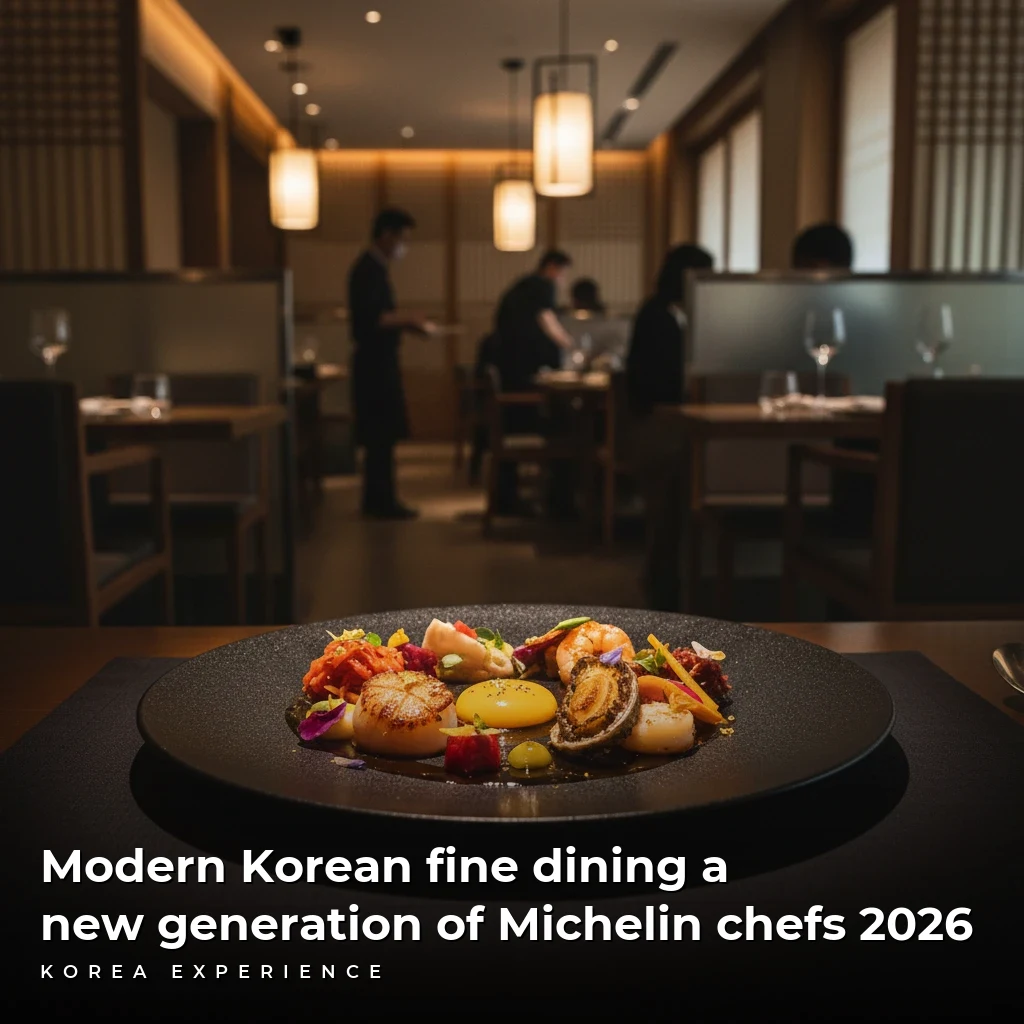
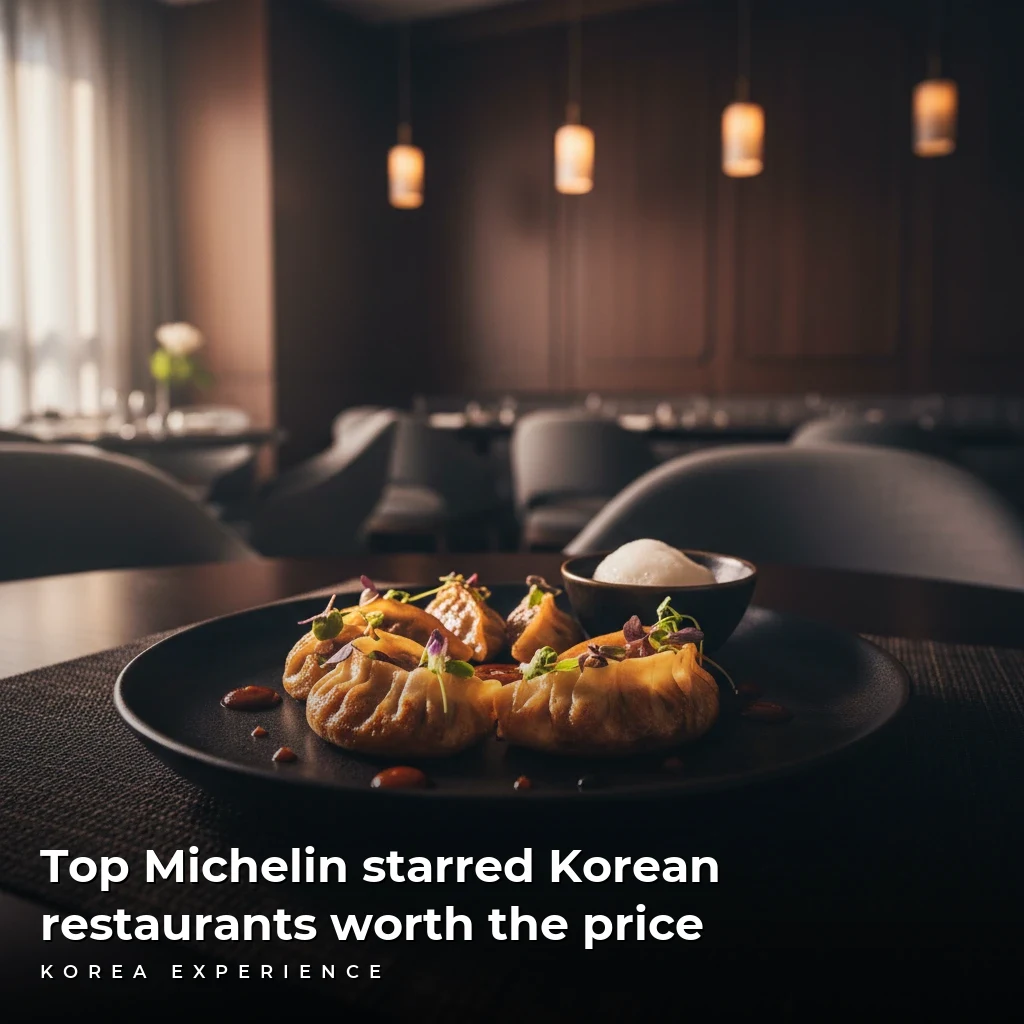
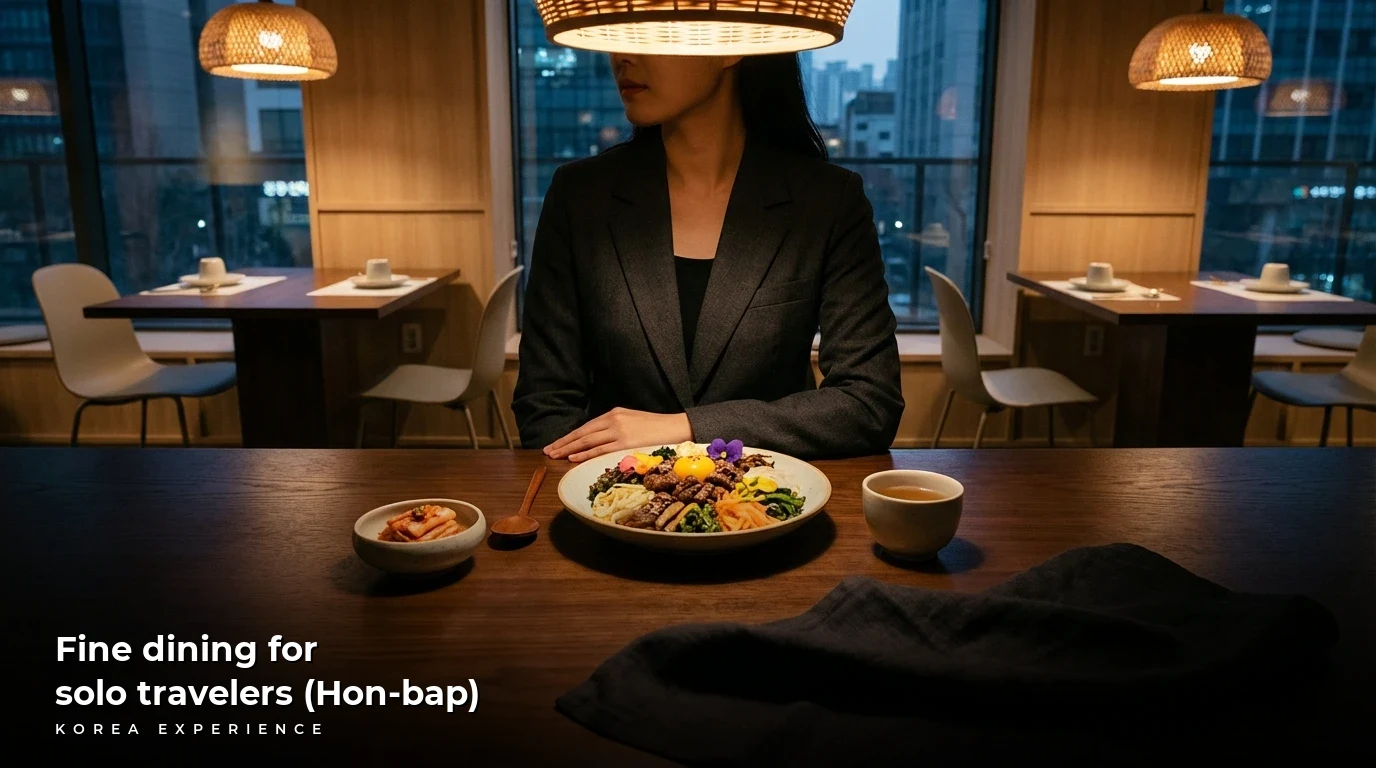
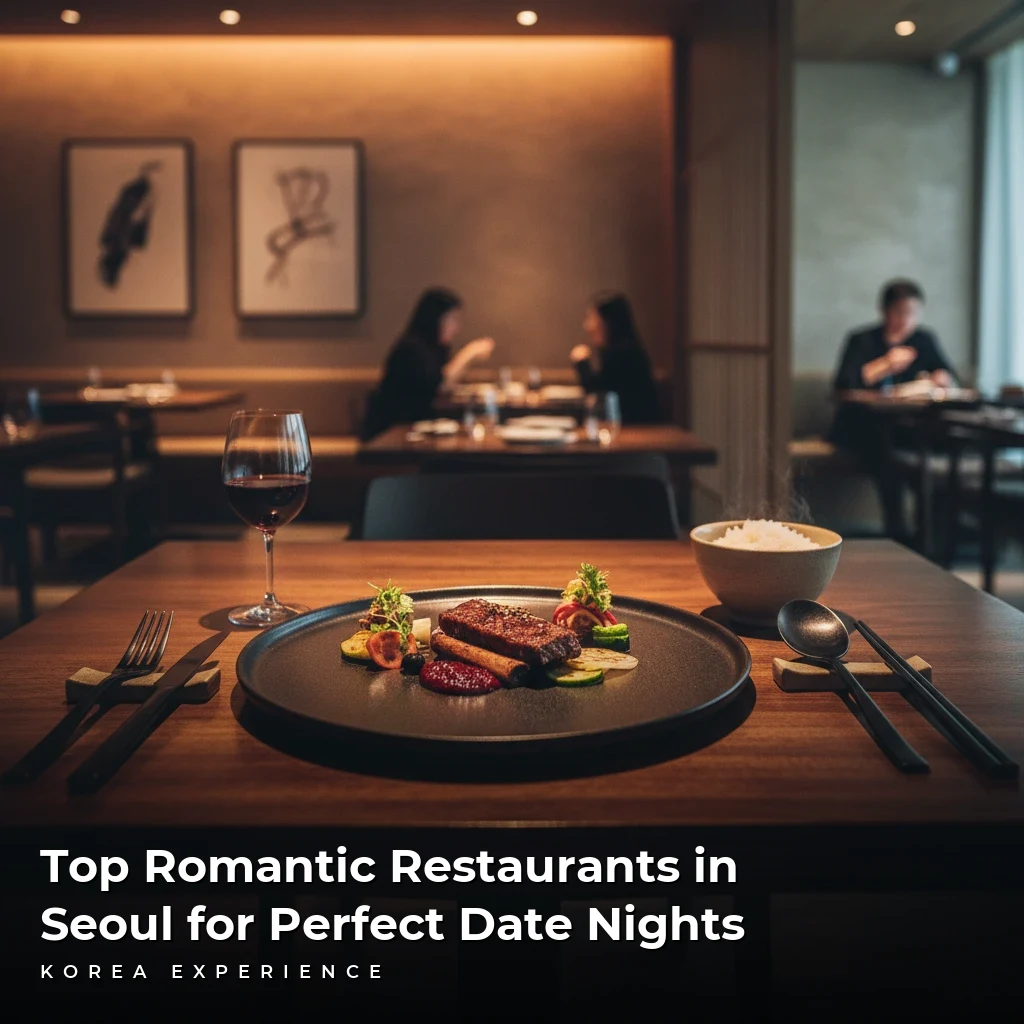
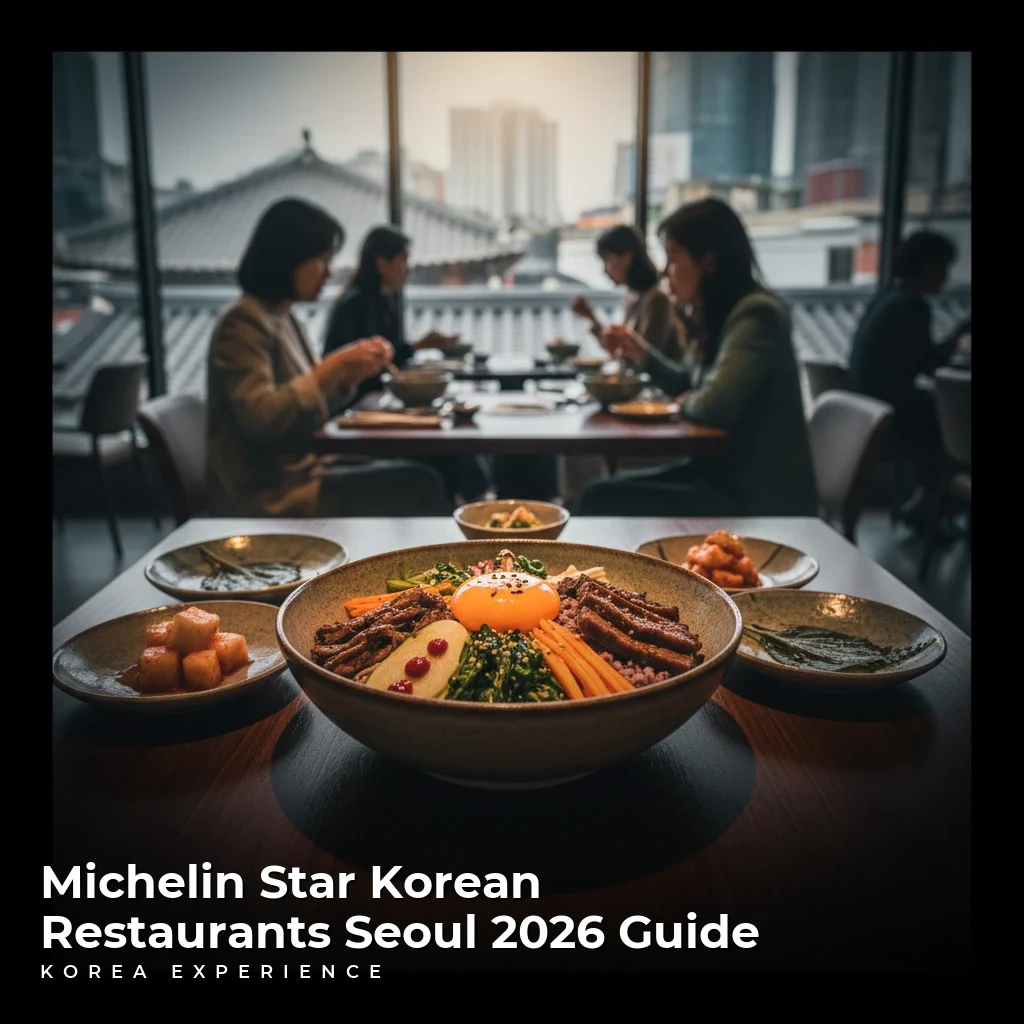
Modern Korean Fine Dining A New Generation of Michelin Chefs 2026
Explore Korea's evolving fine dining scene in 2026, meeting the visionary Michelin-starred chefs redefining modern Korean cuisine for global palates.
The aroma of garlic and sesame, the vibrant colors of perfectly plated dishes, and the delicate balance of sweet, savory, spicy, and umami flavors – this is the essence of Korean cuisine. But for the international traveler seeking an elevated experience, Korea's culinary landscape has transformed far beyond its renowned street food and barbeque. We are now witnessing a golden age of Modern Korean Fine Dining, spearheaded by a new generation of visionary Michelin-starred chefs who are pushing boundaries, honoring heritage, and captivating palates worldwide.
In 2026, the global spotlight on Korean gastronomy shines brighter than ever. From the bustling streets of Seoul to the serene shores of Jeju Island, innovative culinary artists are crafting experiences that blend centuries-old traditions with cutting-edge techniques and global influences. This article is your comprehensive guide to understanding this dynamic movement, introducing you to the trailblazing chefs, and equipping you with the insider knowledge to navigate and fully appreciate Korea's exquisite fine dining scene. You'll learn what defines this new era, where to find these culinary masterpieces, and practical tips for securing a coveted table at the most sought-after restaurants. Prepare to embark on a gastronomic journey that promises to be as enlightening as it is delicious.
The Evolution of Modern Korean Fine Dining
For centuries, Korean cuisine, often referred to as Hansik, has been celebrated for its health benefits, fermented ingredients, and the philosophy of "yak sik dong won" (food is medicine). While traditional Korean dining, particularly the multi-course Hanjeongsik, always held an element of grandeur, the concept of Modern Korean Fine Dining as we know it today is a more recent phenomenon, blossoming exponentially in the last decade.
From Hanjeongsik to Haute Cuisine
Historically, Hanjeongsik (Korean full-course meal) represented the pinnacle of formal dining. Originating from royal court cuisine and aristocratic households, it features an elaborate array of dishes, typically served all at once, showcasing a harmonious balance of flavors, colors, and textures. While magnificent, the traditional Hanjeongsik often lacked the progressive presentation, intimate service, and individual chef's narrative that characterize global fine dining.
The shift towards haute cuisine began as Korean chefs, many trained in prestigious culinary schools abroad and seasoned in Michelin-starred kitchens across Europe and North America, returned home. They brought with them not only refined techniques but also a fresh perspective on their own culinary heritage. They started deconstructing classic dishes, experimenting with fermentation in new ways, and focusing on hyper-seasonal, local ingredients. The aim was to elevate Hansik into an art form that could stand alongside French, Italian, or Japanese haute cuisine on the international stage, all while retaining its distinct Korean soul.
Global Recognition and the Michelin Effect
The arrival of the Michelin Guide in Seoul in 2017 was a watershed moment. It provided an internationally recognized benchmark, propelling Korean chefs and restaurants into the global elite. Suddenly, restaurants that had been quietly innovating for years gained international acclaim, attracting food critics, gourmands, and discerning travelers from around the world. This validation created a powerful virtuous cycle: more recognition led to more investment, more talent, and further innovation.
By 2026, the Michelin Guide has expanded its reach beyond Seoul, recognizing exceptional establishments in cities like Busan and on Jeju Island. This expansion has highlighted the diverse regional flavors and culinary talents across the peninsula, moving beyond the capital-centric view of Korean fine dining. The stars awarded are not just for culinary excellence but also for the chefs' compelling storytelling, their commitment to sustainability, and their ability to create unforgettable dining experiences that transcend mere sustenance. The effect has been transformative, firmly establishing Modern Korean Fine Dining as a global culinary powerhouse.
Meet the Visionaries: New Michelin Chefs Redefining Korean Cuisine
The heart of Modern Korean Fine Dining beats with the passion and creativity of its chefs. In 2026, a new wave of culinary artists, many of whom have honed their skills in the shadow of the pioneers, are stepping into the spotlight, bringing fresh perspectives and innovative approaches. While specific names change rapidly in the dynamic restaurant world, here are examples of the types of visionary chefs making waves, embodying different facets of this exciting culinary movement.
Chef Jae-Hoon Lee: Pushing Boundaries with Fermentation
Chef Jae-Hoon Lee of "Baehwa" (meaning 'pear blossom') is renowned for his fearless experimentation with fermentation, a cornerstone of Korean cuisine. Lee, who trained extensively in Nordic kitchens, brings a scientific yet deeply respectful approach to traditional jang (fermented pastes) and kimchi. His philosophy centers on extracting profound umami and complex flavors through meticulous, often multi-stage fermentation processes.
At Baehwa, located in Seoul's sophisticated Cheongdam-dong district, a meal is an exploration of time and transformation. His signature dish, "Ganjang Gejang Terrine," reimagines the classic soy-marinated crab by transforming the crab into a delicate terrine, served with a 10-year-aged homemade soy sauce reduction and a surprising accompaniment of fermented persimmon puree. His "Bibim-bap of the Future" presents each traditional vegetable (namul) component individually fermented and seasoned, arranged artfully around a central, perfectly cooked grain, creating an interactive and layered experience. The tasting menu typically ranges from 250,000 to 350,000 Korean Won per person, excluding drinks, and reservations are essential, often requiring booking 2-3 months in advance.
Chef Min-Ji Kim: A Focus on Regional Ingredients
Chef Min-Ji Kim, the culinary force behind "Gaonchae" (meaning 'beautiful harvest field') in Hannam-dong, is celebrated for her unwavering commitment to showcasing the unparalleled quality of Korea's regional ingredients. Having grown up on a farm in Jeollanam-do province, Kim possesses an intimate understanding of seasonality and local produce. Her dishes are a heartfelt ode to the farmers and fishermen who provide her with exceptional ingredients.
Gaonchae's menu changes weekly, sometimes daily, depending on what Chef Kim sources directly from small, sustainable farms and coastal fishing villages. A standout dish might be her "Eun-galchi Gui with Deodeok-muchim," where grilled Jeju beltfish (eun-galchi), prized for its delicate texture and rich flavor, is perfectly paired with a vibrant salad of wild ginseng roots (deodeok), offering a balance of oceanic richness and earthy bitterness. Her "Jang-tteok with Seasonal Wild Greens" elevates a rustic pancake to fine dining status, filled with foraged greens and traditional fermented bean paste. Prices at Gaonchae are usually between 200,000 and 300,000 Korean Won per person, reflecting the premium quality of her ingredients. Booking at least 1-2 months ahead is highly recommended.
Chef Jin-Woo Park: Blending Heritage with Modernity
Chef Jin-Woo Park of "Saehan" (meaning 'new season' or 'new Korea') in the bustling Gangnam district is a master of blending traditional Korean culinary philosophy with global contemporary techniques. Park's approach is often described as "Neo-Hanjeongsik," taking the spirit of the multi-course meal but injecting it with unexpected textures, temperatures, and plating aesthetics reminiscent of molecular gastronomy, without losing the soul of the dish.
Saehan's dining room, minimalist yet warm, sets the stage for a dramatic culinary performance. Chef Park's "Samgyetang Spheres" is an iconic dish, transforming the classic ginseng chicken soup into concentrated, flavorful spheres that burst in the mouth, delivering an intense, comforting broth followed by tender chicken essence. Another highlight is his "Bingsu with Five Grains and Misutgaru Foam," a dessert that reinterprets traditional shaved ice with complex layers of textures and flavors from toasted grains and a light, nutty foam. Saehan offers a single tasting menu experience, priced around 280,000 to 380,000 Korean Won. Securing a reservation requires diligent planning, often 2-3 months in advance, especially for weekend evenings.
These chefs, and many others like them, represent the diverse and exciting directions Modern Korean Fine Dining is taking in 2026. Their dedication to craft, innovation, and respect for their heritage ensures that dining in Korea is an experience unlike any other.
What to Expect: The Modern Korean Dining Experience
Stepping into a Modern Korean Fine Dining establishment is to enter a world where every detail is meticulously curated. It's an experience that engages all senses, going far beyond just the food on the plate.
Impeccable Service and Ambiance
The service at these top-tier restaurants is often described as "invisible" yet incredibly attentive. Staff are highly knowledgeable about each dish, its ingredients, and the chef's philosophy, ready to answer questions and guide diners through the journey. Expect seamless table service, where courses arrive and depart with perfect timing, and your needs are anticipated rather than merely met.
The ambiance, too, plays a crucial role. Interiors are typically sleek, modern, and understated, often incorporating natural elements like wood, stone, and traditional Korean motifs in a minimalist fashion. Lighting is usually subtle, creating an intimate and sophisticated atmosphere. Many restaurants boast stunning views of Seoul's skyline or tranquil garden settings, enhancing the overall sensory experience. The focus is on creating a serene backdrop that allows the culinary artistry to shine.
Innovative Tasting Menus (Course Menus)
Unlike traditional Hanjeongsik where dishes are often served en masse, Modern Korean Fine Dining almost exclusively features tasting menus, known as course menus. These multi-course journeys are carefully designed by the chef to tell a story, showcase seasonal ingredients, and demonstrate a progression of flavors and textures.
A typical tasting menu might include:
- Amuse-bouche: Small, complimentary bites to awaken the palate.
- Appetizers: Lighter, often intricate dishes highlighting seasonal produce.
- Soups/Broths: Delicate consommés or rich broths showcasing traditional Korean elements.
- Main Courses: Usually 1-3 substantial dishes, often featuring premium meats or seafood.
- Intermezzo: A palate cleanser, often a sorbet or a small, refreshing bite.
- Desserts: Creative interpretations of Korean flavors or classic Western styles.
- Petits Fours & Tea/Coffee: Small sweets to conclude the meal.
The presentation of each dish is often a work of art, with meticulous plating, vibrant colors, and clever use of negative space. Ingredients that might seem humble are elevated to new heights through innovative techniques and thoughtful combinations.
Pairing Korean Drinks with Fine Dining
While wine pairings are commonly offered, a growing trend in Modern Korean Fine Dining is the thoughtful pairing of traditional Korean alcoholic beverages (jaju) with the tasting menu. This offers a unique cultural immersion and often complements the nuanced flavors of Korean cuisine more authentically.
- Soju: Forget the mass-produced green bottle variety. Fine dining restaurants offer premium, artisanal soju, often distilled multiple times from rice or other grains, aged, and boasting complex, smooth profiles that can rival fine spirits.
- Makgeolli: This cloudy, fermented rice wine is increasingly being featured in refined forms. Chefs select premium makgeolli with varying levels of sweetness, acidity, and effervescence to complement specific dishes. Some are even infused with fruits or herbs.
- Traditional Wines (Cheongju/Yakju): These clear, refined rice wines, often made with meticulous care, offer a delicate sweetness and floral notes that pair beautifully with lighter dishes or seafood.
- Korean Craft Beer & Cocktails: For those who prefer, many establishments also offer a selection of sophisticated Korean craft beers or expertly mixed cocktails incorporating traditional Korean ingredients like ginger, yuzu, or red ginseng.
Don't hesitate to ask your server for recommendations or inquire about their beverage pairing options. It's an excellent way to deepen your appreciation for Korean culinary culture.
Navigating Reservations and Etiquette in 2026
To truly enjoy the pinnacle of Modern Korean Fine Dining, a little planning and understanding of local customs will go a long way. These are not walk-in establishments, and knowing what to expect can prevent disappointment.
Booking Strategies for Popular Establishments
The demand for tables at Michelin-starred and highly acclaimed restaurants in Seoul, Busan, and Jeju is incredibly high.
- Book Well in Advance: For the most sought-after restaurants, particularly 2 and 3-Michelin-starred ones, reservations often open 1-3 months in advance and fill up within minutes. Plan to book as soon as their reservation window opens.
- Online Reservation Systems: Most high-end restaurants use online booking platforms, sometimes integrated directly into their websites or through services like Catchtable or Tock. Be prepared to navigate these in English or use a translation tool.
- Concierge Services: If staying at a luxury hotel, utilize their concierge service. They often have established relationships with restaurants and can sometimes secure tables that are otherwise unavailable.
- Cancellation Policies: Be aware of strict cancellation policies. Many require full prepayment or charge a significant cancellation fee if you don't show up or cancel within a certain timeframe (e.g., 24-72 hours).
- Waitlists: If your preferred date is fully booked, ask to be put on a waitlist. Cancellations do happen, especially closer to the date.
Dress Codes and Dining Protocol
While Korea is generally less formal than some European countries, fine dining demands a certain level of respect in attire and behavior.
- Dress Code: "Smart casual" is generally the minimum. This means no shorts, flip-flops, athletic wear, or overly casual t-shirts. Men should opt for collared shirts, slacks, or dark jeans. Women can choose dresses, skirts, or smart trousers. For 2 and 3-Michelin-starred restaurants, consider leaning towards business casual or even semi-formal.
- Punctuality: Arrive on time for your reservation. Korean culture values punctuality, and showing up late can disrupt the restaurant's meticulously planned service flow.
- Table Manners: Basic fine dining etiquette applies. Use cutlery appropriately (chopsticks are usually provided for Korean elements), avoid loud conversations, and be mindful of other diners.
- Tipping: Tipping is generally not customary in Korea and is not expected, even in fine dining establishments. The service charge is usually included in the price.
Understanding the Price Point
Modern Korean Fine Dining is an investment in an experience. While prices vary, expect them to be comparable to, or even higher than, similar establishments in major global cities.
| Michelin Star Rating | Average Price Range (Per Person, Tasting Menu, excluding drinks) | Typical Locations |
|---|---|---|
| 1 Star | 150,000 - 250,000 Korean Won | Seoul, Busan, Jeju |
| 2 Stars | 250,000 - 350,000 Korean Won | Seoul, Busan |
| 3 Stars | 350,000 - 500,000+ Korean Won | Seoul |
Note: Prices are estimates for 2026 and can fluctuate. Beverage pairings and à la carte drinks will add significantly to the total bill.
Beyond Seoul: Emerging Fine Dining Destinations
While Seoul remains the undisputed capital of Korean fine dining, the culinary revolution has spread its roots across the peninsula. In 2026, adventurous gourmands are increasingly looking to other regions for unique and exciting experiences, often driven by local ingredients and distinct cultural influences.
Busan's Culinary Renaissance
Korea's second-largest city, Busan, is a vibrant port city renowned for its fresh seafood and lively markets. In recent years, it has quietly been nurturing a burgeoning fine dining scene, with several restaurants gaining recognition from the Michelin Guide and other prestigious accolades. Chefs in Busan often leverage the city's coastal bounty, transforming local catches into refined, modern dishes.
Look for establishments near Haeundae Beach or the Marine City area, where contemporary restaurants are establishing themselves. A hypothetical example might be "Galmaegi" (meaning 'seagull'), a 1-Michelin-starred restaurant specializing in seafood-centric tasting menus that feature ingredients sourced directly from Busan's famous Jagalchi Fish Market each morning. Expect dishes like "Dongnae Pajeon reinvented with sea urchin and saffron aioli" or "Grilled Mackerel with Gochujang Glaze and Fermented Garlic." Prices are typically a bit more accessible than Seoul, ranging from 150,000 to 250,000 Korean Won per person. Exploring Busan's fine dining offers a distinct coastal Korean flavor profile.
Jeju Island's Unique Flavors
Jeju Island, a volcanic island famed for its pristine natural beauty and unique agricultural products, offers a truly distinctive fine dining experience. Chefs here draw inspiration from the island's unique "Heuk-Dwaeji" (black pork), fresh abalone, mandarins, green tea, and an abundance of wild foraged greens. The island's remote location and distinct climate foster a rich culinary identity, often infused with a sense of tranquility and connection to nature.
Consider seeking out restaurants that integrate Jeju's specific ingredients into their narratives. An example might be "Dolharubang's Table" (named after Jeju's iconic stone grandfathers), a restaurant that focuses on "farm-to-table" (or "sea-to-table") dining, with ingredients sourced exclusively from Jeju. Their tasting menu could feature "Jeju Black Pork Belly with Gamgyul (mandarin) Reduction" or "Abalone and Seaweed Tartare with Hallasan Foraged Herbs." The setting often includes stunning views of the ocean or Mount Hallasan. Prices on Jeju generally align with 1-star restaurants in Seoul, from 180,000 to 280,000 Korean Won per person, offering a unique opportunity to taste the island's soul.
Exploring these regional fine dining scenes provides a deeper, more diverse understanding of Modern Korean Fine Dining beyond the capital, showcasing the rich tapestry of flavors and culinary traditions found across Korea.
The Future of Korean Fine Dining: Trends for 2026 and Beyond
As Modern Korean Fine Dining continues to evolve, several key trends are shaping its trajectory, pushing the boundaries of creativity, sustainability, and the overall dining experience. In 2026, these influences are more pronounced than ever.
Sustainability and Local Sourcing
A strong commitment to sustainability is no longer a niche concept but a fundamental principle for many top Korean chefs. This involves:
- Hyper-local Sourcing: A renewed focus on ingredients grown or raised within specific, often small, regions, minimizing food miles and supporting local communities. Chefs are forming direct relationships with farmers and producers.
- Zero-Waste Practices: Creative utilization of every part of an ingredient, from root to leaf, and nose to tail. This might include fermenting vegetable scraps or creating broths from otherwise discarded parts.
- Ethical Seafood and Meat: Prioritizing seafood from sustainable fisheries and meat from humanely raised animals.
- Foraging: An increasing number of chefs are incorporating wild-foraged herbs, mushrooms, and greens, connecting diners to Korea's natural landscape.
This movement is driven by both environmental consciousness and a desire to showcase the purity and quality of Korean produce.
Advanced Culinary Techniques
While honoring tradition, the new generation of chefs embraces scientific and advanced culinary techniques to elevate their dishes.
- Precision Cooking: Sous-vide, precise temperature control, and vacuum sealing are commonly used to achieve perfect textures and retain nutrients.
- Molecular Gastronomy: While not overtly experimental, subtle elements like foams, gels, and spheres are integrated to add surprising textures and concentrated flavors without dominating the natural ingredients.
- Advanced Fermentation: Beyond traditional kimchi and jang, chefs are experimenting with controlled fermentation of a wider range of ingredients – fruits, vegetables, and even meats – to unlock new flavor dimensions and enhance digestibility.
- Deconstruction and Reconstruction: Classic Korean dishes are deconstructed into their core components and then reassembled in innovative ways, offering a familiar yet entirely new experience.
The Digital Experience and AI in Hospitality
Technology is increasingly integrated into the fine dining experience in Korea, known for its rapid adoption of new tech.
- AI-Enhanced Reservations: Advanced AI-powered booking systems are becoming more common, offering personalized recommendations, handling dietary restrictions more efficiently, and even predicting peak demand.
- Immersive Dining Environments: Some restaurants are experimenting with projection mapping, soundscapes, and interactive elements to create multi-sensory dining experiences that complement the food.
- Digital Storytelling: QR codes on menus might lead to videos about the farmers who grew the ingredients or detailed explanations of a dish's historical background, enhancing the educational aspect of the meal.
- Personalized Service: AI tools can help staff understand guest preferences and past dining experiences, enabling highly personalized service for repeat visitors.
These trends highlight a future where Modern Korean Fine Dining is not just about exceptional food, but also about a holistic, sustainable, and technologically enhanced culinary journey that tells a compelling story of Korea's past, present, and future.
Comparison: Traditional vs. Modern Korean Fine Dining
Understanding the nuances between the foundational and contemporary styles can deepen your appreciation for Modern Korean Fine Dining.
| Feature | Traditional Hanjeongsik (e.g., in a historical setting) | Modern Korean Fine Dining (e.g., Michelin-starred) |
|---|---|---|
| Serving Style | All dishes served at once, communal sharing | Multi-course tasting menu, individual plating |
| Presentation | Abundant, rustic, focus on quantity & variety | Artistic, minimalist, focus on precision & aesthetics |
| Ingredients | Focus on classic, often home-grown staples | Hyper-seasonal, premium, often regional/foraged |
| Techniques | Rooted in centuries-old Korean culinary methods | Blends traditional Korean with global avant-garde |
| Chef's Role | Often anonymous, upholding tradition | Prominent, narrative-driven, innovative |
| Ambiance | Often historical hanok setting, communal, sometimes loud | Sleek, modern, intimate, serene |
| Beverage Pairing | Traditional Korean alcoholic beverages served informally | Curated beverage pairings (wine, soju, makgeolli) |
| Global Influence | Minimal | Significant, yet distinctively Korean |
Frequently Asked Questions (FAQ)
Q1: What is the average cost of a Michelin-starred meal in Modern Korean Fine Dining in 2026?
A1: In 2026, expect tasting menus at Michelin-starred Korean restaurants to range from 150,000 Korean Won (for a 1-star experience, particularly outside Seoul) up to 500,000+ Korean Won per person (for a 3-star establishment in Seoul). This price typically excludes beverages and service charges (which are often included in the menu price).
Q2: Do I need to make reservations far in advance for Modern Korean Fine Dining restaurants?
A2: Absolutely. For the most popular and highly-rated restaurants, especially 2 and 3-Michelin-starred ones, reservations often need to be made 1 to 3 months in advance, sometimes even opening at specific times on certain dates and filling up quickly. Utilizing hotel concierge services can also be beneficial.
Q3: Are there vegetarian or vegan options available at these high-end Korean restaurants?
A3: While traditional Korean cuisine is very vegetable-heavy, fine dining tasting menus often feature meat or seafood. However, many modern restaurants are becoming more accommodating. It is crucial to inform the restaurant of your dietary restrictions at the time of booking (not upon arrival) to see if they can prepare a suitable menu. Some chefs are very skilled at crafting exquisite plant-based alternatives.
Q4: What is the recommended dress code for Modern Korean Fine Dining?
A4: The general recommendation is "smart casual" as a minimum. This means no shorts, flip-flops, athletic wear, or overly casual attire. For men, a collared shirt and smart trousers are appropriate. For women, a dress, skirt, or smart trousers with a blouse would be suitable. For 2- or 3-Michelin-starred establishments, lean towards "business casual" or "semi-formal" to feel most comfortable.
Q5: How do I choose the best Modern Korean Fine Dining restaurant for my preferences?
A5: Consider a few factors:
- Chef's Philosophy: Research the chef's culinary style (e.g., fermentation focus, regional ingredients, modern twists on tradition).
- Location: Decide if you want to dine in Seoul, Busan, Jeju, or another region.
- Price Point: Set your budget using the average price ranges provided.
- Reviews & Guides: Consult the Michelin Guide, local food blogs, and reputable international review sites for insights and recent experiences.
- Dietary Needs: Prioritize restaurants that clearly state they can accommodate your restrictions if you have any.
Conclusion
The landscape of Modern Korean Fine Dining in 2026 is a captivating tapestry of tradition, innovation, and global ambition. From the meticulous artistry of chefs like Jae-Hoon Lee, Min-Ji Kim, and Jin-Woo Park, who are pushing the boundaries of what Korean food can be, to the impeccably curated dining experiences that engage all senses, Korea offers a culinary journey unlike any other.
This new generation of Michelin-starred chefs is not just cooking; they are storytelling, preserving heritage, and forging a path for Korean cuisine on the world stage. They invite you to explore the depths of Korean flavors, understand the philosophy behind each ingredient, and witness the stunning evolution of Hansik into haute cuisine.
As an international traveler, venturing into this world requires a bit of foresight – planning reservations, understanding the nuances of the dining experience, and embracing the adventure. But the rewards are immense: an unforgettable gastronomic journey that will not only tantalize your taste buds but also offer a profound insight into the heart and soul of Korea. So, pack your smart casual attire, sharpen your palate, and prepare to be amazed. Your table at the forefront of Modern Korean Fine Dining awaits.
About the Author
Korea Experience Team
Written by the Korea Experience editorial team - experts in Korean medical tourism, travel, and culture with years of research and firsthand experience.
⚠️ Medical Disclaimer
The information provided on this website is for general informational purposes only and does not constitute medical advice. Always consult with qualified healthcare professionals before making any medical decisions.
Continue Reading
Explore more articles you might find interesting
Explore Korea's vibrant nightlife scene, from hidden speakeasies and sophisticated cocktail bars to breathtaking rooftop lounges. Your essential guide to unforgettable experiences.
Explore Seoul's vibrant food markets from Gwangjang's street food to Noryangjin's fresh seafood. Your essential guide for 2026 market adventures.
Explore the fascinating journey of Korean desserts, from ancient traditional confections to innovative modern cafe treats, a sweet cultural dive.