Food & Dining

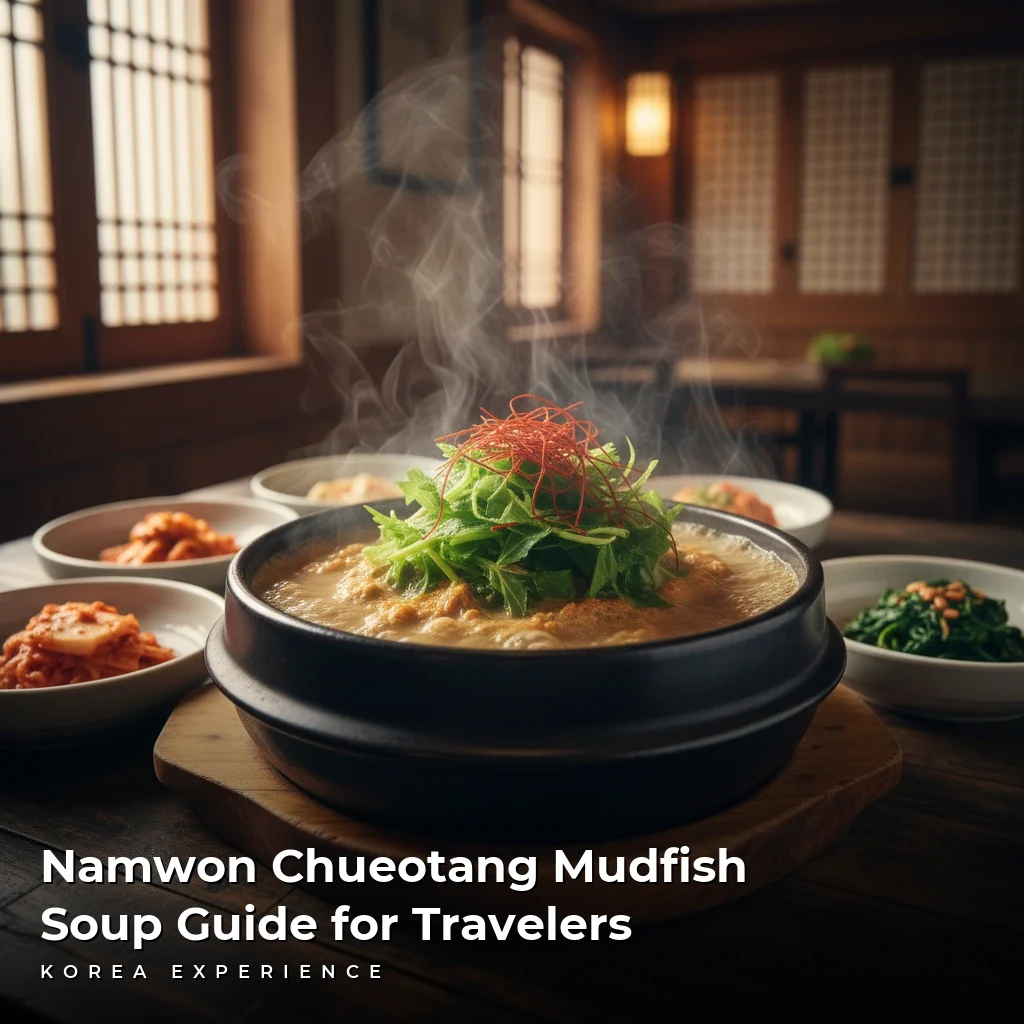
Namwon Chueotang: Discovering Korea's Mudfish Soup Delicacy

Explore Namwon Chueotang, Korea's unique mudfish soup. Learn its history, health benefits, and where to savor this regional specialty.

Namwon Chueotang Mudfish Soup: A Deep Dive into a Korean Culinary Gem

Korea's culinary landscape is a vibrant tapestry woven with a rich history, regional specialties, and a profound connection to nature. While popular dishes like Korean barbeque, Kimchi, and Bibimbap have garnered international acclaim, a world of lesser-known yet equally captivating delicacies awaits the adventurous palate. Among these hidden treasures is "Namwon Chueotang Mudfish Soup," a dish that embodies the soul of Korean comfort food, regional pride, and traditional wisdom.

For many international travelers and expats, navigating the vast array of regional Korean dishes can be an exciting but sometimes daunting prospect. The sheer diversity can lead to overlooking authentic, deeply rooted specialties that offer a true taste of local culture. This is especially true for dishes like Chueotang, which, due to its unique primary ingredient, might initially seem intimidating. However, beneath its humble appearance lies a powerhouse of flavor, nutrition, and cultural significance that promises an unforgettable gastronomic experience.

In this comprehensive guide, we invite you on a culinary journey to uncover the secrets of Namwon Chueotang Mudfish Soup. We will delve into its fascinating history, explore the ingredients and intricate preparation methods that give it its distinctive character, reveal its impressive health benefits, and guide you to the best places to savor this delicacy, particularly in its birthplace, Namwon. You will learn how to approach and enjoy Chueotang like a local, compare it with other regional variations, and gain practical tips for a truly authentic Korean dining adventure. Prepare to expand your culinary horizons and discover why Namwon Chueotang is much more than just a soup – it's a taste of Korea's heritage.

Namwon Chueotang Mudfish Soup: A Historical Overview

The story of Namwon Chueotang Mudfish Soup is deeply intertwined with Korea's agricultural past and its people's enduring relationship with the natural environment. For centuries, Koreans have ingeniously utilized local resources to create nourishing and restorative meals, and Chueotang stands as a testament to this resourcefulness.

Origins and Evolution

The history of Chueotang, or mudfish soup, traces back to farming communities where loaches (mudfish), known as "chueo" in Korean, were abundant in rice paddies and streams. These small, freshwater fish were easily caught and provided a valuable source of protein and nutrients, especially during the lean seasons or after periods of strenuous labor. The term "Chueotang" literally translates to "loach soup," reflecting its primary ingredient.

While mudfish soup has been consumed across various regions in Korea, Namwon City, located in the southwestern province of Jeollabuk-do, is widely recognized as the epicenter and the most famous origin point for this particular dish. Namwon's fertile plains and abundant waterways naturally made mudfish a staple, leading to the development and refinement of a distinct Chueotang style. Historical records suggest that Namwon's Chueotang gained significant prominence during the Joseon Dynasty, becoming a favored restorative meal, particularly during the hot summer months when stamina was crucial for farmers. Its reputation for invigorating the body and aiding recovery spread, cementing its status as a regional specialty. Over centuries, the Namwon style evolved, characterized by its hearty, almost stew-like consistency, rich broth, and a unique blend of spices and vegetables.

The Significance of Mudfish in Korean Culture

Beyond its culinary appeal, the mudfish holds cultural significance in Korea, often associated with vitality, strength, and endurance. In traditional Korean medicine, loach is considered a "stamina food" known for its warming properties and ability to boost energy. It's particularly recommended for those feeling fatigued, recovering from illness, or needing an energy boost.

The consumption of Chueotang, especially during specific times of the year, reflects this cultural belief. It's a popular choice during "boknal" (복날), the three hottest days of summer, when Koreans traditionally consume nourishing soups to combat the draining heat and replenish energy. This practice, known as "ibok" (이복), is deeply rooted in the belief that "fighting fire with fire" by eating warm, fortifying foods helps the body regulate its temperature and maintain strength. Thus, mudfish soup is not merely a meal; it's a ritual, a cultural practice passed down through generations, embodying the Korean spirit of resilience and wellness. Its deep roots in agricultural life, its role as a seasonal energizer, and its nutritional profile have collectively elevated Namwon Chueotang Mudfish Soup from a simple peasant dish to a revered national delicacy.

What Makes Namwon Chueotang Unique? Ingredients and Preparation

The distinctive taste and texture of Namwon Chueotang Mudfish Soup stem from a careful selection of ingredients and a meticulous preparation process honed over centuries. Unlike some other regional variations, Namwon's style emphasizes a rich, thick broth and a harmonious blend of earthy flavors.

The Star Ingredient: Loach (Mudfish)

At the heart of Chueotang is the "chueo," or loach (Misgurnus anguillicaudatus). These small, eel-like freshwater fish are known for their slippery texture and distinct, earthy flavor. For Namwon Chueotang, fresh loaches are paramount. Traditionally, they were sourced from local rice paddies and streams. The preparation of the loach is crucial and often varies by region. In the Namwon style, the entire fish – bones and all – is typically used. The loaches are thoroughly cleaned, often purged in clear water for a day or two to remove any muddy taste, and then boiled until extremely tender. After boiling, they are finely ground or sieved, ensuring that the bones and other less palatable parts are completely pulverized into a smooth paste that enriches the soup's body. This process gives Namwon Chueotang its signature creamy, almost velvety consistency, without any discernible fish bones, which can be a concern for some first-time eaters. The flavor profile of the loach, when properly prepared, is mild yet distinct, providing a savory depth without being overwhelmingly "fishy."

A Symphony of Flavors: Key Vegetables and Seasonings

While the mudfish forms the foundation, the vegetables and seasonings are what elevate Namwon Chueotang into a complex and satisfying dish. A variety of local, seasonal greens are incorporated, adding texture, freshness, and nutritional value. Common additions include:

  • Siraegi (시래기): Dried radish greens, a staple in Korean cuisine, are a key component. They are rehydrated and slow-cooked, contributing a slightly chewy texture and a deep, earthy flavor that complements the richness of the mudfish broth. Siraegi is packed with fiber and nutrients, adding to the dish's health benefits.
  • Torang (토란): Taro stems, specifically the stalks, are sometimes used. When properly prepared, they have a unique, slightly fibrous yet soft texture and absorb the flavors of the broth beautifully.
  • Aju (아욱): Mallow leaves, known for their slightly mucilaginous texture and mild, green flavor, are another popular addition, especially during the summer months.
  • Other Vegetables: Mushrooms, green onions, and various leafy greens might also be included, depending on the season and the restaurant's specific recipe.

The seasoning is robust, designed to create a savory, slightly spicy, and deeply aromatic profile. Key seasonings include:

  • Deulkkae Garu (들깨가루): Roasted perilla seed powder is indispensable. It imparts a nutty, earthy flavor and helps thicken the soup, contributing to its hearty texture.
  • Gochujang (고추장) or Gochugaru (고춧가루): Korean chili paste or chili powder provides a gentle heat and a vibrant reddish hue. The spice level can vary, but Namwon style tends to be mildly spicy, allowing other flavors to shine.
  • Doenjang (된장): Fermented soybean paste adds a crucial layer of umami and depth, grounding the flavors of the soup.
  • Minced Garlic and Ginger: Essential aromatics that contribute to the soup's pungency and overall warmth.
  • Soy Sauce and Salt: Used to balance and adjust the seasoning.

The Art of Preparation: From Loach to Soup

The preparation of Namwon Chueotang is a labor of love, typically involving several hours of simmering to achieve its signature depth.

  1. Loach Preparation: The cleaned loaches are boiled until extremely soft, then either hand-pounded or sieved to create a fine, smooth paste. This paste forms the rich, opaque base of the soup.
  2. Broth Base: A flavorful anchovy or vegetable broth is often prepared separately, then combined with the loach paste.
  3. Simmering with Vegetables: The rehydrated siraegi, taro stems, or other chosen vegetables are added to the loach-infused broth.
  4. Seasoning and Slow Cook: Doenjang, gochujang/gochugaru, garlic, ginger, and perilla powder are stirred in. The entire mixture is then slow-simmered for an extended period, allowing the flavors to meld and deepen. This slow cooking ensures the vegetables are tender, the broth is rich, and all ingredients are thoroughly integrated.
  5. Final Adjustments: Before serving, the soup is tasted and adjusted for seasoning, often with a dash of soy sauce or salt, and garnished with fresh green onions.

The result is a hearty, nourishing soup with a unique umami richness, a comforting warmth, and a complex flavor profile that speaks to the artistry of traditional Korean cooking. It's a dish that warms both the body and the soul, embodying the essence of Korean culinary heritage.

Beyond Taste: The Health Benefits of Chueotang

Namwon Chueotang Mudfish Soup is not just a treat for the taste buds; it's also a powerhouse of nutrition, traditionally revered for its health-boosting properties. Its ingredients are carefully selected to provide a balanced and fortifying meal, making it a beloved "stamina food" in Korea.

Nutritional Powerhouse: Vitamins and Minerals

The primary ingredient, loach (mudfish), is an excellent source of lean protein, essential for muscle repair and growth. It's also rich in unsaturated fatty acids, particularly Omega-3s, which are beneficial for heart health and reducing inflammation. Beyond protein and healthy fats, loaches provide a significant array of vitamins and minerals:

  • Calcium: Crucial for bone health and preventing osteoporosis. Loaches are especially high in calcium, making Chueotang a good dietary source.
  • Vitamins A and B: Vitamin A supports vision and immune function, while B vitamins (like B1, B2, Niacin) are vital for energy metabolism and nerve function.
  • Iron: Essential for red blood cell production and preventing anemia.
  • Other Minerals: Contains phosphorus, zinc, and selenium, all playing critical roles in various bodily functions, from immune response to antioxidant defense.

When combined with the various vegetables like siraegi (dried radish greens), which are loaded with dietary fiber, vitamins (C, K), and minerals, Chueotang becomes a truly comprehensive meal. The perilla seed powder also contributes healthy fats and dietary fiber, further enhancing its nutritional profile.

Traditional Medicine Perspectives

In traditional Korean medicine (Hanbang), mudfish is highly regarded for its warming and restorative properties. It is believed to:

  • Boost Stamina and Energy: As a classic "stamina food," Chueotang is consumed to combat fatigue, particularly during the humid summer months or after periods of physical exertion. It's thought to invigorate "qi" (기), the vital life force, and improve overall vitality.
  • Strengthen the Spleen and Stomach: Traditional medicine views mudfish as beneficial for digestive health, helping to strengthen the spleen and stomach, thereby improving nutrient absorption.
  • Aid Recovery: It's often recommended for individuals recovering from illness or childbirth, providing essential nutrients to support healing and recuperation.
  • Support Skin Health: Some believe the collagen-rich aspects of the mudfish (especially when consumed whole) contribute to healthier skin and improved elasticity.
  • Relieve Joint Pain: Its warming properties are also thought to help alleviate certain types of joint discomfort.

The combination of nutrient-dense ingredients with these traditional health beliefs makes Chueotang a holistic food choice, addressing both physical nourishment and a sense of well-being.

Why it's a "Stamina Food"

The designation of Chueotang as a "stamina food" is not merely anecdotal; it's rooted in a pragmatic understanding of its nutritional value and its historical context. Farmers and laborers needed foods that could provide sustained energy and help them recover from demanding physical tasks. Chueotang, with its high protein content, healthy fats, and rich mineral profile, perfectly fits this requirement.

The warm, hearty nature of the soup also plays a role. In Korean culture, consuming warm, nourishing foods is seen as a way to maintain internal body temperature and combat external environmental stressors, whether it's the intense heat of summer or the biting cold of winter. By promoting internal warmth and providing a wealth of easily digestible nutrients, Namwon Chueotang helps the body replenish its reserves, rebuild strength, and maintain peak performance. It's a testament to ancient wisdom meeting modern nutritional science, offering a delicious path to vitality and health.

A Culinary Pilgrimage: Finding Authentic Namwon Chueotang

To truly experience Namwon Chueotang Mudfish Soup, a visit to its namesake city, Namwon, is highly recommended. While variations exist across Korea, the authentic taste and preparation methods are best preserved in its birthplace.

Namwon City: The Birthplace and Best Spot

Namwon City in Jeollabuk-do province is not just a historical and cultural gem but also the undisputed home of Chueotang. The city's geography, with its abundant freshwater sources and agricultural heritage, fostered the development of this specific mudfish soup style. As such, Namwon boasts numerous Chueotang specialty restaurants, many of which have been operating for generations, upholding traditional recipes.

When in Namwon, you'll notice that Chueotang isn't just a dish; it's a way of life. Locals are fiercely proud of their culinary heritage, and restaurants often display their long history and commitment to quality. The atmosphere in these eateries is typically unassuming, focusing on the food itself, providing a genuine local dining experience. Expect bustling environments, especially during lunch hours, filled with the aroma of simmering soup and the sounds of satisfied diners.

While specific establishments can change over time, some of Namwon's most celebrated Chueotang restaurants have built enduring reputations. Here are a few examples that exemplify the Namwon style:

  • Hyanggyo Chueotang Restaurant: Located near the historic Namwon Hyanggyo (Confucian school), this restaurant is often cited as one of the oldest and most respected. It's renowned for its rich, thick broth and perfectly tender siraegi.
    • Typical Price Range: 10,000 - 13,000 KRW per bowl.
    • Hours: Generally open from morning till evening, but specific hours can vary. Check local listings.
    • Expect: A traditional, bustling Korean restaurant atmosphere, often with floor seating (ondol style) though tables are usually available.
  • Myeongsin Chueotang Restaurant: Another highly popular choice, Myeongsin is known for its consistent quality and a slightly spicier kick than some other establishments, appealing to those who enjoy a bit more heat.
    • Typical Price Range: 11,000 - 14,000 KRW per bowl.
    • Expect: A lively setting, popular with locals and tourists alike, emphasizing fresh ingredients.
  • Seedonggwan Chueotang Restaurant: Offering a slightly different nuanced flavor profile, Seedonggwan is also a strong contender for authentic Namwon Chueotang. It's often praised for its deep, savory broth.
    • Typical Price Range: 10,000 - 13,000 KRW per bowl.
    • Note for Travelers: While specific addresses and phone numbers can be found via local search engines or tourist information centers in Namwon, these restaurants are usually well-known landmarks within the city. Many will have English-friendly menus or pictures to help with ordering.

Expanding Your Search: Other Regions and Cities

While Namwon offers the quintessential Chueotang experience, variations of mudfish soup are found in other regions of Korea. For those unable to visit Namwon, these alternatives can still provide a taste of this unique dish:

  • Seoul-style Chueotang: Often features a clearer broth and may include whole, fried mudfish rather than the finely ground style of Namwon. It can sometimes incorporate various vegetables and even tofu.
  • Gyeongsang-do style: Often characterized by a spicier, more rustic broth, sometimes with a heavier emphasis on ground pepper and wild sesame.
  • Jeolla-do (other areas): Other cities within Jeollabuk-do and Jeollanam-do provinces will have their own local Chueotang spots, often very similar to the Namwon style but with minor regional twists.

While these regional differences are interesting, for the purest and most traditional experience of Namwon Chueotang Mudfish Soup, a trip to Namwon City itself remains unparalleled. It’s an opportunity to immerse yourself not just in the food, but in the culture and history that birthed it.

How to Savor Your Namwon Chueotang Experience

Eating Chueotang is more than just consuming a meal; it's an experience that involves specific customs and flavor enhancements. Understanding how to enjoy it like a local will significantly elevate your dining adventure.

Essential Side Dishes and Condiments

Like most Korean meals, Namwon Chueotang is served with an array of "banchan" (반찬), small side dishes that complement the main course and offer a balance of flavors and textures. Common banchan accompanying Chueotang include:

  • Kimchi (김치): No Korean meal is complete without Kimchi. Freshly made Kimchi, often a vibrant red cabbage Kimchi, provides a spicy, fermented crunch that cuts through the richness of the soup.
  • Kkakdugi (깍두기): Diced radish Kimchi, offering a refreshing and pungent counterpoint.
  • Jangajji (장아찌): Pickled vegetables like garlic stems or perilla leaves, providing a tangy, savory bite.
  • Namul (나물): Seasoned vegetable side dishes, such as spinach, bean sprouts, or fernbrake, offering fresh, earthy flavors.

In addition to banchan, specific condiments are often provided to customize your Chueotang to your preference:

  • Sanjeopil (산초잎) / Chopi Garu (초피가루): This is a critical addition for many Chueotang enthusiasts. Sanjeopil refers to the leaves of the "Sichuan pepper" tree (Zanthoxylum piperitum) often added fresh, while Chopi Garu is the powdered form of its fruit. It has a unique citrusy, slightly numbing, and highly aromatic flavor that enhances the mudfish's taste and reduces any perceived "fishiness." Add a small pinch to your bowl to start, and adjust to taste.
  • Deulkkae Garu (들깨가루): More roasted perilla seed powder is typically offered. If you prefer a nuttier, thicker soup, you can add more.
  • Cheongyang Gochu (청양고추): Finely chopped fresh Cheongyang chili peppers are available for those who desire extra heat.
  • Dajigeum (다진 양념): A seasoned spicy paste, often made with chili powder, garlic, and other spices, can be added for an extra layer of savory heat.
  • Minced Garlic (다진 마늘): Fresh minced garlic is often available for an added pungent kick.

A Step-by-Step Guide to Eating Chueotang

  1. Observe and Appreciate: Take a moment to appreciate the steaming bowl of Namwon Chueotang. Notice its rich, opaque color and the aromatic steam.
  2. Initial Taste: Take a spoonful of the soup as is. This allows you to appreciate the chef's original flavor profile.
  3. Customize (Optional but Recommended):
    • Add a pinch of Sanjeopil (Chopi Garu) for its signature aroma and flavor enhancement. Don't overdo it initially.
    • Stir in some Deulkkae Garu if you prefer a thicker, nuttier texture.
    • If you like spice, add a spoonful of Cheongyang Gochu or Dajigeum.
    • A little minced garlic can brighten the flavor.
  4. Mix Well: Stir the added condiments thoroughly into your soup.
  5. Enjoy with Rice: Chueotang is typically eaten with a bowl of steamed white rice. You can eat a spoonful of soup, then a spoonful of rice, or, as many Koreans do, pour a portion of your rice directly into the soup, mixing it in to create a heartier, more porridge-like consistency.
  6. Balance with Banchan: Between spoonfuls of soup and rice, cleanse your palate with the various banchan. The refreshing Kimchi and crisp pickled vegetables provide a perfect contrast to the rich soup.
  7. Spoon and Slurp: Don't be shy about slurping! It's a common and acceptable way to enjoy hot soup in Korea.
  8. Finish the Broth: The broth is often the most celebrated part of Chueotang, so try to finish it all for the full experience.

Pairing Drinks with Your Soup

While water or local barley tea (Bori-cha) are standard accompaniments, for those looking to enhance their meal, consider:

  • Soju (소주): The quintessential Korean spirit. Its crisp, clean taste can act as a palate cleanser between rich spoonfuls of Chueotang.
  • Makgeolli (막걸리): A traditional Korean rice wine, makgeolli offers a slightly sweet, tangy, and fizzy contrast. Its creaminess can surprisingly complement the hearty soup, especially on a cold day.
  • Local Beer: A light Korean lager can also be a refreshing choice.

Embracing these elements of the dining experience will allow you to fully appreciate the depth and tradition behind Namwon Chueotang Mudfish Soup, transforming a simple meal into a memorable cultural immersion.

Comparison: Namwon Chueotang vs. Other Regional Variations

While the core concept of mudfish soup (Chueotang) exists throughout Korea, regional distinctions are quite pronounced. Namwon's style holds a special place, but understanding its differences from others provides a richer appreciation for Korean culinary diversity.

Table 1: Namwon vs. Seoul-style Chueotang

FeatureNamwon Chueotang (Jeollabuk-do Style)Seoul Chueotang (Gyeonggi-do Style)
Mudfish PreparationLoaches are boiled thoroughly, then finely ground/sieved, bones and all, creating a thick, opaque paste.Loaches are often boiled, then sometimes left whole, or lightly pan-fried before being added to the soup.
Broth ConsistencyVery thick, hearty, and almost stew-like. Rich and opaque.Lighter, clearer, more broth-like. Less emphasis on a thick consistency.
Key VegetablesSiraegi (dried radish greens), taro stems (torang), mallow (aju).Bean sprouts, tofu, green onions, sometimes clear noodles (somyeon).
Seasoning ProfileStrong use of doenjang (fermented soybean paste), deulkkae garu (perilla powder), gochugaru/gochujang, and sanjeopil/chopi garu.Milder seasoning base, often relying more on soy sauce and a lighter chili paste.
Overall FlavorDeeply earthy, robust, savory, with a comforting warmth and a distinct peppery aroma from sanjeopil.Lighter, cleaner, sometimes with a slightly sweeter or more delicate fish flavor.
TextureSmooth, creamy, no discernible fish bones.Can have visible whole or larger pieces of mudfish, leading to a different mouthfeel.

Table 2: Chueotang vs. Other Korean "Stamina Soups"

Korea boasts several other "stamina soups" or "energizing stews" popular for their fortifying properties, especially during hot summer months (Boknal) or cold winters.

FeatureChueotang (Mudfish Soup)Samgyetang (Ginseng Chicken Soup)Seolleongtang (Ox Bone Soup)Dwaeji Gukbap (Pork and Rice Soup)
Main ProteinMudfish (loach)Whole young chickenOx bones, sometimes with beef cutsPork slices, often belly or shoulder
Broth BaseFinely ground mudfish, doenjang, perilla powder, vegetables.Clear chicken broth, often with glutinous rice, ginseng, jujubes.Long-simmered milky white ox bone broth.Pork bone broth, rich and sometimes slightly cloudy.
Flavor ProfileEarthy, robust, savory, mildly spicy, umami.Clean, herbaceous, mildly sweet from ginseng and jujubes.Mild, creamy, savory, often seasoned at the table with salt and pepper.Hearty, savory, sometimes spicy with added chili paste.
Key Health ClaimStamina, calcium, vitality, traditional warming.Energy, immune boost, revitalization, "cooling" in summer (paradoxical).Bone health, collagen, calcium, general vitality.Replenishes energy, good for hangovers, rich in protein.
Primary TextureThick, smooth, stew-like.Whole chicken, soft rice, clear broth.Smooth broth, tender beef/noodles.Tender pork, soft rice, substantial soup.
Typical SeasonAll year, especially summer (Boknal).Summer (Boknal).All year.All year.

These comparisons highlight Namwon Chueotang's unique position in the Korean culinary pantheon. Its distinct earthy flavor, thick consistency, and emphasis on finely processed mudfish set it apart, making it a truly unique and deeply satisfying regional specialty worth seeking out.

Practical Tips for First-Timers and Enthusiasts

Trying a new, potentially unfamiliar dish like Namwon Chueotang Mudfish Soup can be an exciting adventure. Here are some practical tips to ensure a positive and enriching experience, whether you're a first-timer or a seasoned enthusiast.

Overcoming Misconceptions and Embracing the Flavor

The idea of "mudfish soup" might sound unappealing to some Western palates, primarily due to the association with fishy tastes or bony textures. However, Namwon Chueotang challenges these preconceived notions:

  • No "Fishy" Taste: The meticulous preparation of grinding the loaches and simmering them with strong, aromatic ingredients like doenjang, perilla powder, and sanjeopil effectively neutralizes any strong "fishy" odors. Instead, you'll experience a deep, earthy, and umami-rich flavor.
  • No Bones: As mentioned, the loaches are completely pulverized, meaning there are no bones to contend with, making the soup smooth and pleasant to eat.
  • It's an Experience: Approach it with an open mind, viewing it as a cultural immersion rather than just a meal. It's a taste that reflects centuries of Korean culinary wisdom and resilience.
  • Start Mild, Adjust Later: If you're sensitive to spice or unique flavors, add the chili and sanjeopil condiments sparingly at first, then gradually increase to your preference.

Budgeting for Your Chueotang Meal

Dining in Korea, especially for regional specialties, is generally quite affordable, and Chueotang is no exception.

  • Average Price: A single serving of Namwon Chueotang typically ranges from 10,000 to 15,000 Korean Won (KRW). This price usually includes the main bowl of soup, a bowl of rice, and a generous selection of banchan (side dishes).
  • Value for Money: Considering the nutritional content, the labor-intensive preparation, and the accompanying side dishes, Chueotang offers excellent value. It's a filling and wholesome meal that provides sustained energy.
  • Group Dining: While Chueotang is often enjoyed individually, some restaurants might offer larger servings or set meals for groups. However, the standard individual bowl is usually more than sufficient.
  • Payment: Most restaurants accept credit cards, but having some cash on hand, especially in smaller, more traditional establishments, is always a good idea.

Etiquette and Cultural Nuances

Understanding basic Korean dining etiquette can enhance your experience and show respect for local customs:

  • Serving and Sharing: While banchan are shared, your bowl of Chueotang is individual. Do not take food directly from someone else's bowl.
  • Utensils: You will be provided with a spoon and chopsticks. The spoon is primarily for the soup, and chopsticks for the rice and side dishes. It's common to eat soup and rice with a spoon.
  • Eating Speed: There's no rush. Enjoy your meal at a comfortable pace.
  • Noise Level: It's acceptable to make soft slurping noises when eating soup or noodles; it's often seen as a sign of enjoying the food.
  • Respect for Elders: If dining with Koreans, especially elders, wait for them to start eating before you begin.
  • Table Manners: Avoid putting your elbows on the table or leaving your chopsticks standing upright in your rice bowl (this resembles offerings to the deceased).
  • Tipping: Tipping is generally not customary in Korean restaurants. The listed price is what you pay.

By keeping these tips in mind, you can confidently approach your Namwon Chueotang Mudfish Soup experience, allowing you to fully appreciate its unique flavors, health benefits, and its place within Korea's rich culinary tradition.

FAQ Section

Here are some frequently asked questions about Namwon Chueotang Mudfish Soup to help you prepare for your culinary adventure.

Q1: What exactly is Namwon Chueotang mudfish soup?

Namwon Chueotang is a traditional Korean soup originating from Namwon City, Jeollabuk-do province. It is made primarily from loaches (mudfish), which are boiled until very tender, then finely ground or sieved into a thick, rich, and opaque broth. This broth is then simmered with various vegetables like dried radish greens (siraegi) and seasoned with fermented soybean paste (doenjang), perilla seed powder (deulkkae garu), garlic, ginger, and sometimes chili paste/powder. It is renowned for its deep, earthy flavor and its reputation as a highly nutritious "stamina food."

Q2: Does Chueotang taste fishy?

One of the most common concerns for first-timers is the "fishy" taste. However, authentic Namwon Chueotang is surprisingly not overtly fishy. The meticulous preparation process, which involves thoroughly cleaning and often purging the loaches, combined with the strong, aromatic seasonings like doenjang, perilla powder, and the unique addition of sanjeopil (Sichuan pepper leaves/powder), effectively neutralizes strong fish odors. Instead, you'll experience a robust, earthy, and savory umami flavor with a distinct peppery undertone.

Q3: Is Chueotang spicy?

The spice level of Namwon Chueotang can vary by restaurant and individual preference. Typically, it has a mild to moderate level of spiciness from Korean chili powder (gochugaru) or chili paste (gochujang) and often from fresh chili peppers (Cheongyang gochu) added as a condiment. The spice is usually balanced by the soup's richness and the other aromatic ingredients. You can almost always customize the spice level at your table by adding more or less of the provided chili condiments.

Q4: Can I find vegetarian options for Chueotang?

Unfortunately, a truly vegetarian version of traditional Chueotang is not available, as the mudfish is the defining ingredient of the soup. However, some Korean restaurants may offer other vegetarian-friendly soups or stews. If you are vegetarian, it's best to look for other dishes such as Bibimbap (ensure no meat or egg), various vegetable side dishes (namul), or purely vegetable-based stews like doenjang jjigae (fermented soybean paste stew) without seafood or meat. Always confirm with the restaurant staff about ingredients.

Q5: What's the best time of year to eat Chueotang?

While Chueotang can be enjoyed year-round, it is particularly popular during the summer months, especially on "Boknal" (복날), the three hottest days of summer (usually in July and August). Koreans traditionally eat warming and nourishing soups like Chueotang during this period to combat the draining heat and replenish stamina. However, its hearty and warming properties also make it a comforting and popular choice during the colder autumn and winter months. Ultimately, any time is a good time to enjoy a bowl of Namwon Chueotang!

Conclusion: Embrace the Authentic Taste of Namwon Chueotang

Our journey through the world of Namwon Chueotang Mudfish Soup has revealed a dish that is far more than its humble name suggests. From its ancient origins rooted in Korea's agricultural heartland to its status as a revered "stamina food," Chueotang embodies a profound connection between food, health, and culture. We've explored its unique ingredients – the meticulously prepared loach, the robust siraegi, and the aromatic blend of seasonings – all coming together to create a flavor profile that is deeply satisfying and distinctively Korean.

We've also uncovered the impressive array of health benefits packed into each hearty bowl, from essential vitamins and minerals to traditional medicinal properties that boost vitality and aid recovery. And for those keen on experiencing the real deal, we've guided you to the culinary mecca of Namwon, highlighting top restaurants and offering practical tips on how to savor this delicacy like a seasoned local. The comparison tables further underscored its unique position against other Korean regional and stamina soups, cementing its status as a must-try for any adventurous foodie.

For international travelers and expats in Korea, stepping out of the culinary comfort zone to try dishes like Namwon Chueotang is an incredibly rewarding experience. It's an opportunity to delve deeper into the country's rich gastronomic heritage, connect with local traditions, and discover flavors that will linger in your memory long after your trip. Don't let initial apprehensions deter you; embrace the adventure and taste the soul of Korea in every spoonful.

So, the next time you're seeking an authentic and profoundly Korean culinary experience, make your way to Namwon, or seek out a reputable Chueotang restaurant in your vicinity. Allow yourself to be captivated by the warmth, the richness, and the history infused in every bowl of Namwon Chueotang Mudfish Soup. It's an essential part of the Korean story, waiting to be savored. For those eager to explore more regional delicacies, consider delving into other unique dishes like Jeonju Bibimbap, Busan's hearty Dwaeji Gukbap, or Gyeongju's traditional Gyeongju Beobju. Your Korean culinary adventure is just beginning!

About the Author

Korea Experience Team

Written by the Korea Experience editorial team - experts in Korean medical tourism, travel, and culture with years of research and firsthand experience.

⚠️ Medical Disclaimer

The information provided on this website is for general informational purposes only and does not constitute medical advice. Always consult with qualified healthcare professionals before making any medical decisions.

Continue Reading

Explore more articles you might find interesting