Best Korean Night Markets: Regional Street Food Guide 2026
Discover top night markets in Seoul, Busan, and Jeonju. We compare food prices (₩3,000-15,000), opening hours, and must-try dishes for your 2026 trip.
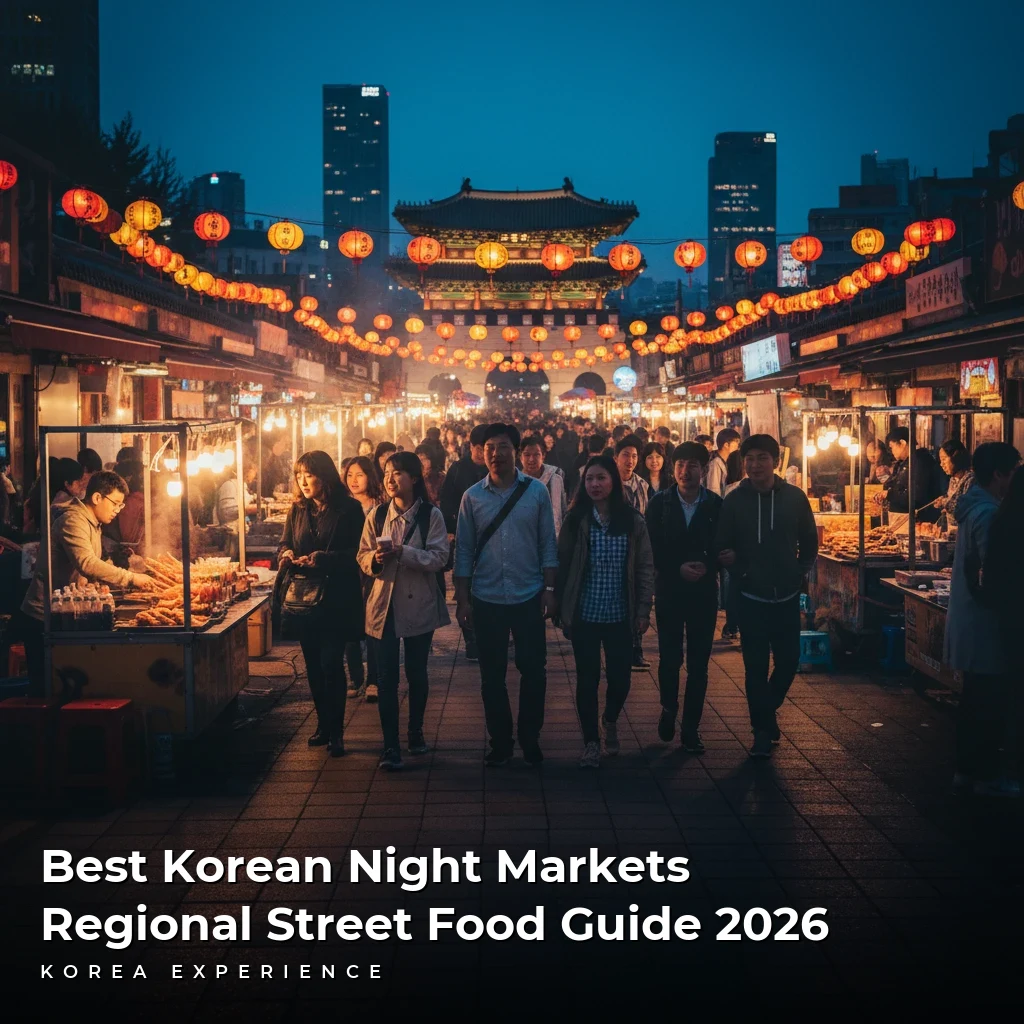
The quintessential Korean nightlife experience isn't found in a club in Gangnam, but rather under the yellow tent lights of a bustling night market. For travelers asking where to find the best street food scenes in 2026, the answer varies significantly by region. Seoul offers a mix of hyper-modern food trucks and traditional wet markets, Busan dominates the seafood and multicultural snack scene, while Daegu and Jeonju offer deeply traditional flavors at lower price points.
The short answer: For the most diverse experience, visit Busan’s Bupyeong Kkangtong Night Market for international options, or Seoul’s Gwangjang Market for traditional authenticity. Expect to spend between ₩15,000 and ₩25,000 per person for a full meal across 3-4 stalls.
Key Takeaways
- 1Busan Bupyeong Kkangtong Market is the only permanent daily night market, open 7:30 PM - 11:30 PM.
- 2Cash is still essential; while many stalls accept cards, cash ensures faster service and avoids 10% surcharges.
- 3Daegu's Seomun Market offers the largest scale with over 80 stalls and unique flat dumplings.
The Evolution of Korea's Night Markets
Korean night markets, or yaseong, have transformed dramatically over the last decade. Historically, these were simply extensions of traditional day markets (sijang) catering to late-night workers. However, following the massive success of the Seoul Bamdokkaebi Night Market initiative in the mid-2010s, city governments across the peninsula have curated specific "Night Market Zones."
In 2026, these venues are sophisticated operations. They are strictly regulated for hygiene, often feature live performances, and serve as incubators for young chefs testing fusion concepts before opening brick-and-mortar restaurants. While inflation has impacted street food prices—with the average snack rising from ₩3,000 in 2023 to roughly ₩4,500 in 2026—they remain one of the most cost-effective dining options for travelers.
📊 Street Food Economy 2026
Seoul: The tale of Two Cities
Seoul’s street food scene is a dichotomy between the ultra-traditional and the trendy modern. Understanding this split is crucial for managing your expectations and your budget.
Gwangjang Market: The Traditional Heavyweight
Located in Jongno-gu, Gwangjang Market is the spiritual home of Korean street food. Unlike pop-up markets, this is a permanent fixture where the "night market" vibe is simply the continuation of the day's commerce, often running until 11:00 PM.
The atmosphere here is rowdy, crowded, and authentic. You sit on heated benches elbow-to-elbow with locals. The star here is Bindae-tteok (mung bean pancake), ground fresh on millstones.
Gwangjang Market(광장시장)
What to eat here:
- Bindae-tteok: crispy, savory pancakes made of ground mung beans, pork, and kimchi. Price: ₩5,000 per piece.
- Yukhoe (Beef Tartare): A distinct alley within the market specializes in raw beef with pear and egg yolk. Price: ₩19,000 for a plate (200g).
- Mayak Gimbap: Mini seaweed rice rolls with a addictive mustard dipping sauce. Price: ₩4,000 per pack.
Myeongdong Street Food Alley: The Tourist Hub
While not a "market" in the traditional sense, the main street of Myeongdong transforms into a massive linear food market every evening from 4:00 PM to 10:30 PM.
Price Inflation Alert
Myeongdong is significantly more expensive than other areas. A simple Hotteok (sweet pancake) that costs ₩1,500 in a residential neighborhood will cost ₩3,000-₩4,000 here. You are paying for convenience and English service.
Myeongdong is where you find photogenic, trendy items like grilled lobster tails (₩20,000), tall soft-serve ice cream (₩3,000), and strawberry mochi (₩4,000). It is accessible, flashy, and fully English-friendly, but lacks the gritty authenticity of Gwangjang.
For a detailed itinerary on how to fit these markets into a short trip, check out our 24-hour Seoul itinerary.
💵 Street Food Price Index 2026 (Seoul)
Chicken Skewer
Chicken Skewer
Busan: The Seafood and International Hub
Traveling 325km southeast to Busan brings a dramatic shift in flavor profiles. The coastal city is famous for its bold seasoning and incorporation of international influences due to its history as a major port.
Bupyeong Kkangtong Night Market
This is arguably the most successful dedicated night market in the country. Located near the famous Jagalchi Fish Market, Kkangtong (meaning "tin can," a reference to imported canned goods during the Korean War) was the first permanent night market in Korea, opening in 2013.
The market operates a dedicated night shift. From 7:30 PM to 11:30 PM, carts roll down the center aisle of the covered arcade, flanked by permanent shops. The variety here is staggering, with roughly 110 stalls operating daily.
"In Busan, always stand on the right side of the aisle to order. The center is for walking. Also, try the 'Bibim Dangmyeon' (spicy glass noodles). It is a dish born from war-time scarcity that has become a Busan delicacy."
Must-Try Items in Busan:
- Busan Eomuk (Fish Cake): Higher fish content (over 70%) compared to Seoul varieties. Price: ₩1,500 per skewer.
- Scotch Egg Barbecue: A fusion hit, featuring a boiled egg wrapped in bacon and spicy sauce. Price: ₩4,500.
- Ssiat Hotteok: Unlike Seoul's honey-filled version, Busan's hotteok is cut open and stuffed with sunflower and pumpkin seeds. Price: ₩2,500.
For a deeper dive into the specifics of Busan's culinary landscape, read our full Busan night markets guide.
Busan Evening: Market vs. Marine City
The Dualism Concept: Experience the best of both worlds — premium luxury moments paired with authentic budget-friendly experiences in one route.
Marine City Yacht Tour & Dining
Sunset yacht followed by fine dining.
Kkangtong Market Crawl
Sampling 5 different street foods.
If you want energy and flavor, choose the market. If you want romance and views, choose Marine City.
Daegu and Jeonju: The Regional Giants
If you venture beyond the two main cities, the street food culture shifts to reflect regional specialties. This is where the true "foodie" travelers find their paradise.
Daegu Seomun Market
Daegu, located 237km from Seoul, is known as the hottest city in Korea (literally and culinarily). The Seomun Night Market is immense, utilizing the infrastructure of one of the three largest traditional markets from the Joseon Dynasty.
- Size: Over 80 food kiosks stretching 350 meters.
- Hours: 7:00 PM - 11:30 PM (Closed Tuesdays).
- Vibe: Highly energetic, loud music, and very spicy food.
The Signature Dish: Napjak Mandu (Flat Dumplings). These are almost empty dumplings, consisting mostly of chewy wrapper with a hint of chives and glass noodles, fried crisp and covered in onions and soy sauce. Price: ₩4,000 for a large portion.
Jeonju Nambu Market
Jeonju is Korea's UNESCO City of Gastronomy. The Nambu Market Night Market (operating Fridays and Saturdays only) is unique because it integrates a "Youth Mall" on the second floor—a hipster collection of cafes and small shops—with the traditional food stalls below.
- Schedule: Fridays & Saturdays, 6:00 PM - 11:00 PM.
- Location: Near the famous Hanok Village (10-minute walk).
The Signature Dish: Ma-yak Yukjeon (Drug Beef Pancakes). Thin slices of beef battered in egg and pan-fried, served with spicy green onion salad. Price: ₩8,000.
Regional Market Comparison
| Feature | Seoul (Gwangjang) | Busan (Kkangtong) | Daegu (Seomun) |
|---|---|---|---|
| Primary Vibe | Traditional/Gritty | International/Fusion | Spicy/Massive |
| Opening Days | Daily | Daily | Daily (except Tue) |
| Avg. Price/Dish | ₩6,000 | ₩4,500 | ₩4,000 |
To understand the flavor differences between these regions, our guide to Korean regional flavors offers a comprehensive breakdown of Jeolla-do vs. Gyeongsang-do cuisine.
Practical Guide: How to Navigate Korean Night Markets
Navigating these markets can be overwhelming due to the crowds and language barriers. Here is a step-by-step guide to ensuring a smooth experience.
Payment Methods in 2026
While Korea is a nearly cashless society, street food remains the last bastion of physical currency.
- Cash: Always preferred. Keep ₩1,000 and ₩5,000 bills handy.
- Bank Transfer: You will see account numbers posted at every stall. Locals transfer money instantly via banking apps.
- Credit Cards: Accepted at about 60% of stalls in Seoul and Busan, but often declined for small amounts (under ₩5,000) in smaller regional markets.
📖 How to Order Street Food Like a Pro
Step 1: Spot the Line
In Korea, a long line is the only review system you need. Join the longest line.
Step 2: Order by Number/Pointing
Most menus have pictures. Hold up fingers for quantity.
Step 3: Pay Upfront
Hand over cash or card before you receive the food.
Step 4: Eat by the Stall
It is rude to walk and eat in crowded areas. Stand near the stall, finish eating, return skewers to the vendor, then move on.
Hygiene and Safety
Korean street food hygiene standards are generally very high. The "Night Market" zones are government-regulated, meaning vendors must pass health inspections. However, raw seafood in summer (July-August) should be approached with caution at outdoor stalls. Stick to cooked items during the hottest months.
Must-Try Street Food Menu (The Classics)
Regardless of which market you visit, these are the staples you will encounter. Prices listed are national averages for 2026.
- Tteokbokki (Spicy Rice Cakes): The soul of Korean street food. Chewy rice cakes in gochujang sauce.
- Price: ₩4,000
- Spiciness: 3/5 to 5/5
- Dak-kkochi (Chicken Skewers): Grilled chicken with scallions, brushed with soy or spicy sauce.
- Price: ₩4,500
- Hotteok (Sweet Pancakes): Fried dough filled with brown sugar, cinnamon, and nuts.
- Price: ₩2,000
- Gyeran-ppang (Egg Bread): A sweet, fluffy loaf with a whole egg baked inside.
- Price: ₩2,500
- Sundae (Korean Sausage): Steamed intestine filled with glass noodles and pork blood (mild flavor, chewy texture).
- Price: ₩5,000
For a more extensive list of what to eat, refer to our 50 must-try Korean foods guide.
📋 Street Food Nutrition
Best Time to Visit
Timing your visit is crucial. Most designated night markets do not fully open until 7:00 PM, though preparation starts around 6:00 PM.
- Spring (April-May) & Autumn (September-October): The golden season. Weather is cool (15°C - 20°C), making outdoor eating pleasant.
- Summer (July-August): Hot and humid. Markets are open, but eating hot spicy food in 30°C humidity is challenging.
- Winter (December-February): Markets stay open, but vendors put up plastic sheets. It is a cozy experience, but standing still to eat in -10°C requires thermal wear.
Perfect Night Market Evening
Arrival
Arrive as stalls are setting up to scout locations.
Appetizers
Start with light snacks like skewers or dumplings.
Main Course
Sit down for heavier dishes like noodles or pancakes.
Dessert
Finish with Hotteok or ice cream.
Pros and Cons of Dining at Night Markets
Is a night market right for every meal? Not necessarily. While they offer atmosphere, they lack the comfort of restaurants.
Street Food Dining
- ✓Incredibly affordable (under ₩20,000 for full meal)
- ✓High energy and cultural immersion
- ✓Variety allows sampling many dishes
- ✗Standing while eating can be tiring
- ✗Lack of restroom facilities nearby
- ✗Crowds can be overwhelming on weekends
Tips for Solo Travelers vs. Groups
Solo Travelers: Night markets are perfect for Hon-bap (eating alone). You can buy small portions without the pressure of ordering a large communal dish required in many Korean restaurants. Gwangjang Market is particularly friendly for solo diners as the bench seating naturally integrates you with others.
Groups: Assign a "table holder." In crowded markets like Busan Kkangtong, tables are scarce. One person should secure a standing table while others disperse to buy food and bring it back. This "potluck" style is the most efficient way to dine.
If you are looking to pair your street food feast with drinks, it's worth noting that drinking alcohol while walking is legal but frowned upon in crowded markets. It is better to buy your food and take it to a nearby park or convenience store outdoor table. See our convenience store food guide for drink pairing ideas.
Conclusion
The Korean night market scene in 2026 is vibrant, safe, and endlessly delicious. Whether you are navigating the historic lanes of Gwangjang in Seoul, the international corridors of Busan, or the spicy hubs of Daegu, the formula remains the same: bring cash, bring an appetite, and follow the crowds.
These markets are more than just places to eat; they are the living rooms of the city, where the stress of the day is washed away with spicy sauce and warm broth.
❓ Frequently Asked Questions
Have more questions?Contact us →
About the Author
Korea Experience Team
Written by the Korea Experience editorial team - experts in Korean medical tourism, travel, and culture with years of research and firsthand experience.
Explore more in Travel & Tourism
From Seoul's neon-lit streets to Jeju's volcanic landscapes — discover the best of Korea with insider travel tips, itineraries, and seasonal guides.
Browse All Travel & Tourism ArticlesContinue Reading
Explore more articles you might find interesting
Discover the best Busan night markets in 2026. From Bupyeong Kkangtong's street food to Haeundae's seafood, find prices, hours, and transport tips.
Discover Korea's best markets beyond Seoul. Explore Busan, Jeju, and Daegu with specific food prices, transport tips, and 2026 travel data.
The ultimate guide to street food in Seoul for 2026. Discover prices, best markets like Gwangjang, and must-eat snacks from hotteok to tteokbokki.
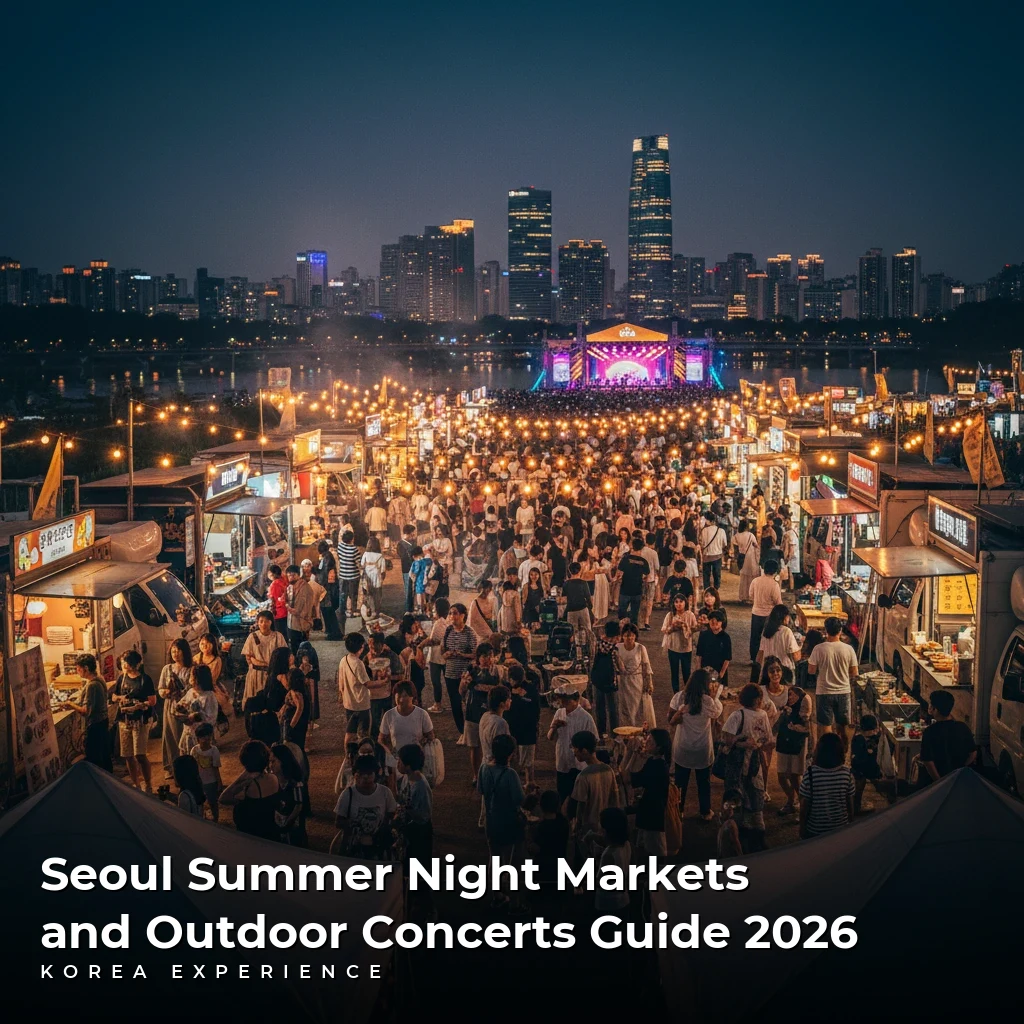
The ultimate guide to Korea's 2026 summer nightlife. Discover the Hangang Moonlight Market, Waterbomb Festival prices, and food truck costs averaging ₩8,000.
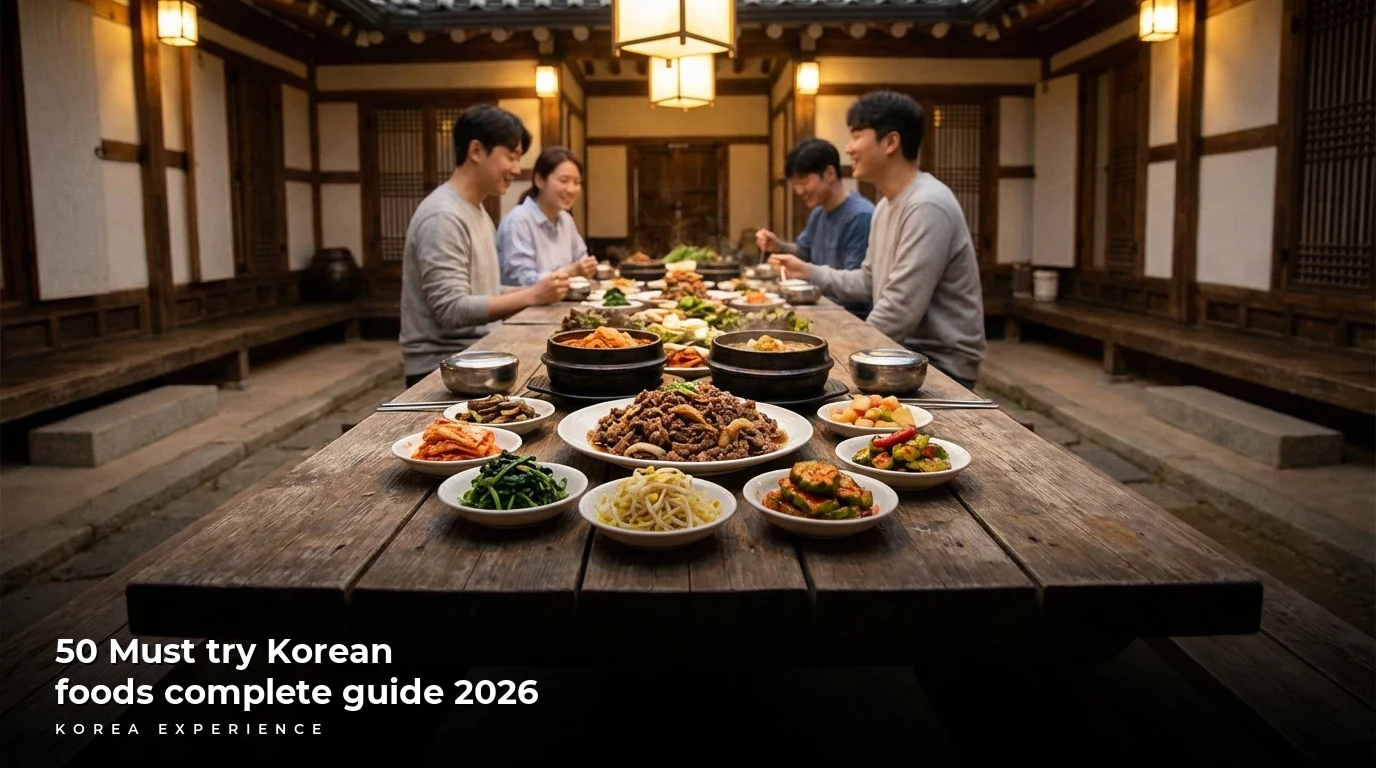
Discover the ultimate checklist of 50 essential Korean dishes, from street food to royal cuisine, including prices, spicy levels, and best spots for 2026.
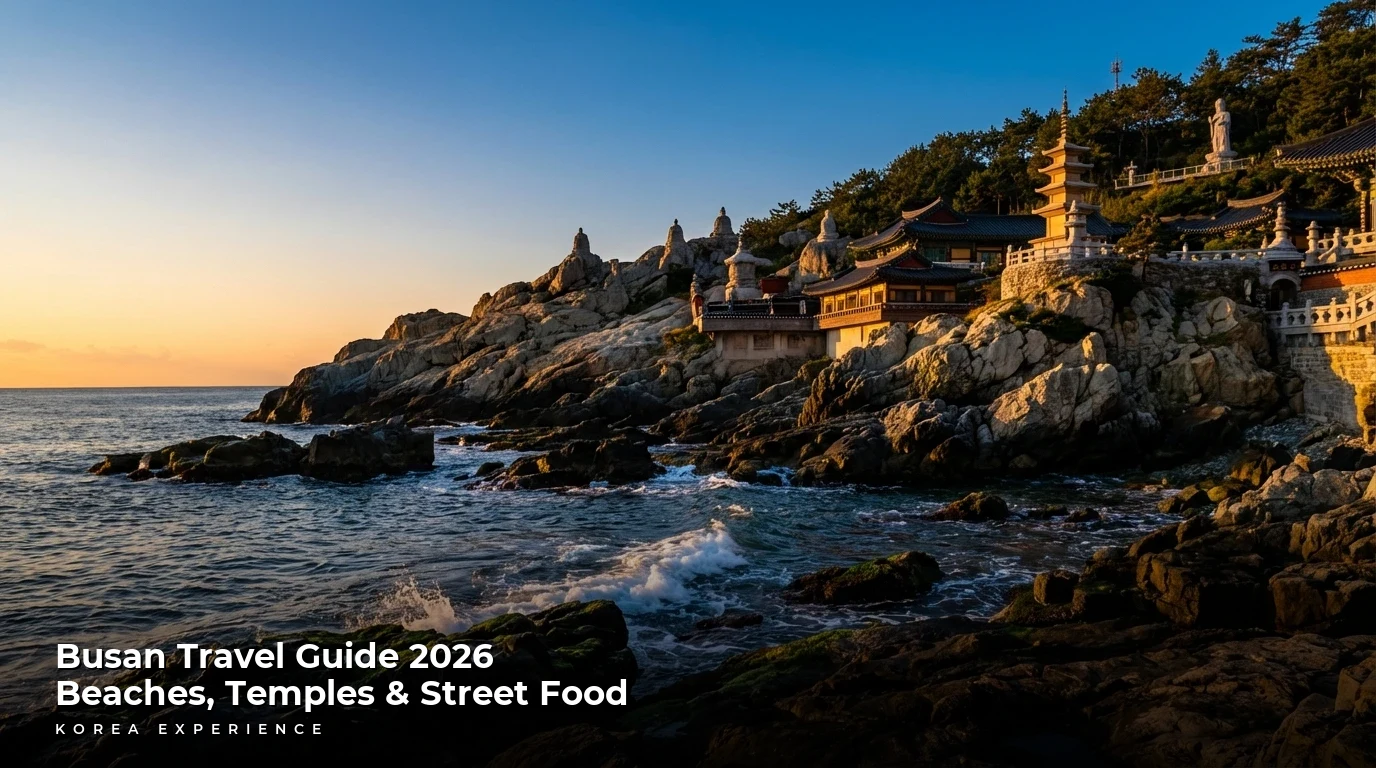
Discover the best of Busan in 2026. From Haeundae Beach to Haedong Yonggungsa Temple, explore top spots, costs, and itineraries for your trip.