Pojangmacha street tent bars: the ultimate Seoul nightlife guide
Discover the authentic charm of Korea's pojangmacha. A complete guide to tent bar locations, menu prices, etiquette, and tips for 2026.
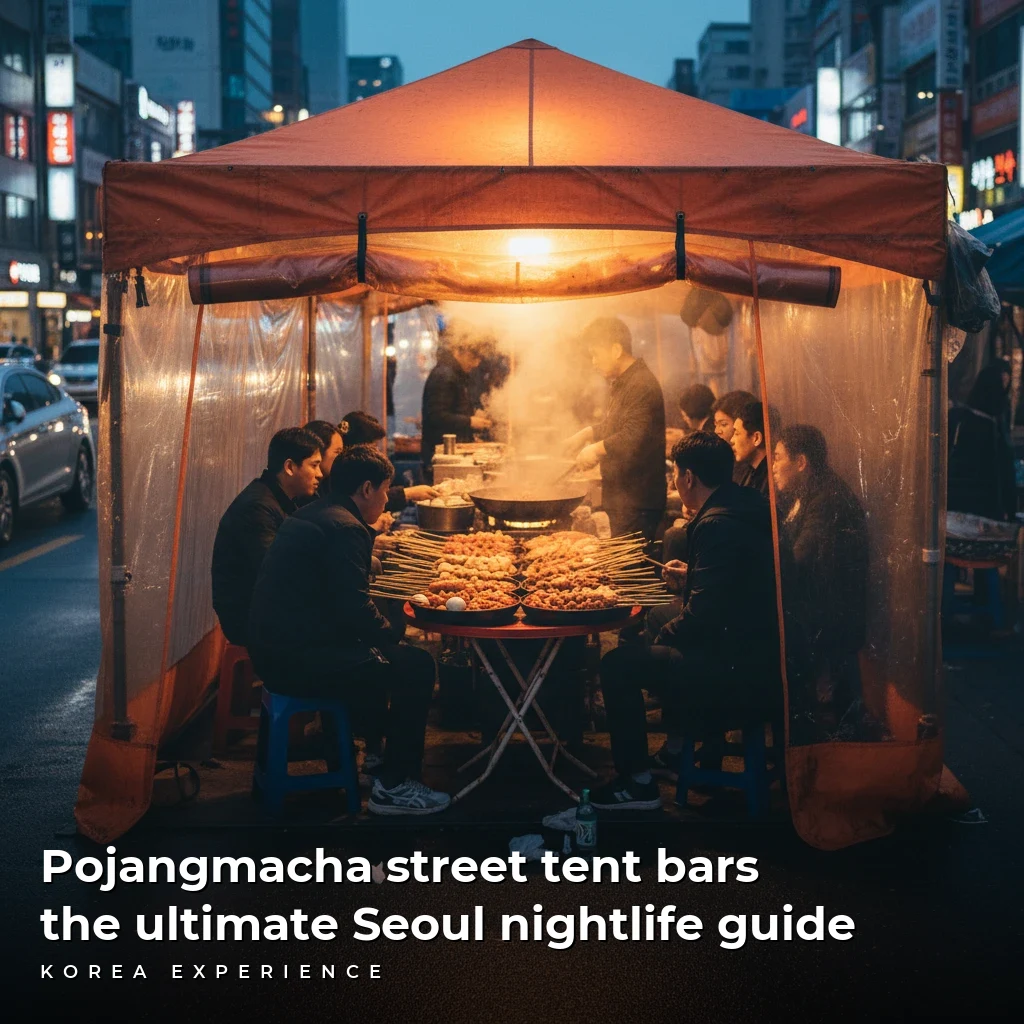
The sun sets over Seoul, casting long shadows across the Han River. As the gleaming skyscrapers of the financial district dim their lights, a different kind of city awakens at street level. They appear almost magically around 6:00 PM—bright orange tarpaulins, plastic stools, and the savory steam of fish cake soup wafting into the cool night air. These are the Pojangmacha, Korea's iconic street tent bars, and they offer one of the most authentic cultural experiences available to international travelers.
For fans of K-dramas, the scene is instantly recognizable: the protagonist, heartbroken or celebrating, sitting in a glowing orange tent, downing a shot of soju while confiding in a friend. But for the uninitiated traveler, stepping into these tented establishments can be intimidating. From navigating the strictly Korean menus to understanding the unwritten rules of etiquette, the barrier to entry can feel high.
You might also enjoy our article about Chuncheon Dakgalbi Street Guide South Korea Spicy Chicken....
This comprehensive guide breaks down everything you need to know about the Pojangmacha experience in 2026, ensuring you can navigate these street-side gems with the confidence of a local.
Related reading: Cocktail bars speakeasies and rooftop lounges in Seoul.
Key Takeaways
- 1Most Pojangmacha are cash-only venues; carry at least ₩50,000 per person.
- 2Restrooms are rarely on-site; you will rely on nearby subway stations or public toilets.
- 3The iconic Jongno 3-ga area hosts over 50 tents within a 300-meter radius.
What Exactly is a Pojangmacha?
The term Pojangmacha literally translates to "covered wagon." Historically, these began as small pushcarts selling simple snacks. Today, they have evolved into two distinct categories that travelers should recognize.
Learn more in our comprehensive guide to Daegu Makchang guide the ultimate grilled intestines expe....
- Standing Stalls: These are strictly for quick bites. You stand, eat Tteokbokki (spicy rice cakes) or Eomuk (fish cakes), pay a few thousand won, and leave.
- Tent Bars (The focus of this guide): These are sit-down establishments with tables, plastic stools, and a full menu of alcohol and stir-fried dishes. They are set up every evening and dismantled before sunrise.
While modern regulations have reduced their numbers, they remain a staple of Korean nightlife. In 2026, the average Pojangmacha operates from 7:00 PM until 3:00 AM or 4:00 AM, making them the ultimate "cha" (round) in a night of drinking. Unlike the standing stalls, these tent bars are not technically "street food" prices; they are full-service pop-up restaurants.
Learn more in our comprehensive guide to Exploring Korea Traditional Market Street Food Tours.
📊 Pojangmacha Economics
Top Pojangmacha Streets in Seoul
Finding a tent bar isn't as random as it seems. They cluster in specific zones permitted by the district offices. If you want the quintessential experience, head to one of these three major hubs.
1. Jongno 3-ga (The Nagwon-dong Zone)
This is the undisputed capital of street tent bars in Seoul. Located in the heart of the old city, the juxtaposition of elderly locals and young hipsters creates a vibrant atmosphere. The street stretches roughly 250 meters along line 5 of the subway station, transforming the sidewalk into a tunnel of orange tarps.
Jongno 3-ga Pocha Street(Jongno 3-ga)
The bathroom situation in Jongno is notoriously difficult. Most locals use the restrooms inside the subway station (Exit 5 or 3). Be aware that the station shutters usually close around 12:30 AM. After that, you may have to ask the owner for a key to a nearby building's shared restroom, which can be an adventure in itself.
2. Yeouido (The Financial District)
Yeouido offers a different vibe. Located near the huge department stores and finance towers, these tents cater to salarymen getting off work late. The food quality here is often cited as slightly higher to cater to the discerning business crowd, with prices averaging roughly 10% to 15% higher than Jongno.
You will find a concentration of about 15 to 20 tents located roughly 300 meters from Yeouido Station, specifically near the major intersection by the post office.
3. Mapo & Gongdeok
For a slightly less chaotic experience, the Mapo area provides a great alternative. Famous for BBQ, the secondary rounds often happen in the tents near the Mapo station area. These are often less crowded with tourists, giving you a higher chance of striking up a conversation with a local.
The Menu: What to Order
The menu in a Pojangmacha is vast, but it centers on Anju—food specifically meant to be eaten with alcohol. Do not expect a bowl of rice here; this is savory, salty, spicy food designed to cut through the bitterness of Soju.
Most dishes fall into the price range of ₩15,000 to ₩25,000 ($11 to $19 USD).
💵 Popular Menu Items & Prices
The classic finisher. Warm broth to settle the stomach.
The "Service" Culture
One unique aspect of Korean drinking culture is "Service" (pronounced seo-bi-su). This refers to free items given by the owner. In a Pojangmacha, if you order main dishes and a few bottles of alcohol, you will almost always receive a complimentary bowl of Eomuk-guk (fish cake soup) with unlimited broth refills.
Vegetarian Alert
Pojangmacha are challenging for vegetarians. Even "vegetable" dishes like stir-fried tofu often contain pork bits or are cooked in animal fat. The Udon broth is fish-based. Stick to Gyeran-mari (ask for no meat) or raw vegetable plates if available, but strict vegetarians may struggle here.
Step-by-Step Guide: How to Survive Your First Visit
Walking into a tent where everyone is shouting in Korean can be daunting. Follow this workflow to navigate the experience smoothly.
📖 Mastering the Pocha Experience
Step 1: Scout and Seat
Walk down the line of tents. Look for one that is 70-80% full—this indicates good food but available space. Do not wait to be seated; slide open the plastic door and point to a table.
Step 2: The Order
The 'Auntie' (Imo) will bring water and maybe soup immediately. Order your drink (Soju or Beer) first, then pick your main dish. You generally must order at least one main dish (Anju) to sit.
Step 3: The Pour
Never pour your own drink if you are with others. Pour for your companion using two hands, and let them pour for you.
Step 4: Payment
When finished, shout 'Imo, gyesan-hae-juseyo' (Auntie, check please). Be ready with cash.
Budgeting for the Night
A common misconception among travelers is that street food equates to cheap food. In the context of a sit-down Pojangmacha, this is false. These are businesses with high overheads for setup and takedown every single day.
📋 Cost Breakdown (Per Person)
If you are a group of two, expect to spend roughly 50,000 to ₩70,000 ($35 - $50 USD) for two main dishes and two or three bottles of alcohol. This is comparable to, and sometimes more expensive than, a standard brick-and-mortar restaurant. You are paying for the atmosphere and the unique experience.
Etiquette and Cultural Nuances
Understanding the social dynamics inside the tent will elevate your experience from "tourist watching" to "participating."
Volume and Privacy
Pojangmacha are loud. The plastic walls reflect sound, creating a din of laughter and shouting. It is perfectly acceptable to be loud here. However, despite the close quarters (you might be bumping elbows with the stranger next to you), there is a respectful privacy. You may interact if spoken to, but generally, groups stick to themselves.
The "Third Round" Rule
Koreans often drink in "rounds" (Cha).
- 1st Round (1-cha): Meal + Alcohol (usually BBQ).
- 2nd Round (2-cha): Pub or Chicken & Beer.
- 3rd Round (3-cha): Pojangmacha.
Because of this, the tents are often emptier at 7:00 PM and reach peak capacity between 10:00 PM and 1:00 AM. If you want a guaranteed seat without a wait, arriving early (around 7:30 PM) is a smart strategy.
Pojangmacha vs. Hof (Korean Pub)
| Feature | Pojangmacha | Korean Hof (Pub) |
|---|---|---|
| Atmosphere | Raw, noisy, nostalgic | Indoor, music, modern |
| Comfort | Plastic stools, cold/hot | Padded seats, AC/Heating |
| Toilet | Public/Subway (Far) | Indoor (Clean) |
| Payment | Cash Only | Credit Card OK |
Safety, Hygiene, and Scams
While Korea is incredibly safe, street establishments operate in a gray area.
Hygiene: There is no running water in these tents. Dishes are usually washed in buckets of water that are changed periodically. If you have a sensitive stomach, stick to cooked dishes (stir-fries and soups) and avoid raw items like raw seafood or cucumbers served with dip. The food is cooked at high heat, which generally makes it safe, but the sanitation standard is different from a regular restaurant.
Price Transparency: In major tourist areas like Myeongdong, some stalls may not have prices listed on the menu. This is a red flag. Always ask for the price before ordering if it is not written down. The locations mentioned in this guide (Jongno, Yeouido) cater to locals and usually have fixed, written prices, significantly reducing the risk of "tourist pricing."
The Verdict: Is it Worth It?
- ✓Unmatched atmosphere and nostalgia
- ✓Direct interaction with local culture
- ✓Great late-night food options
- ✓Open very late (3-4 AM)
- ✗Cash only payments
- ✗Lack of proper restrooms
- ✗Can be uncomfortable (weather/seating)
- ✗Not necessarily 'cheap'
Seasonal Considerations
The experience changes drastically depending on when you visit.
Winter (Dec - Feb): This is arguably the most romantic time. The temperature difference between the freezing street and the warm tent steams up the windows. You are close to the heaters, drinking hot soup. However, if you are far from the heater, it can be quite cold. Dress in layers.
Summer (Jun - Aug): It gets hot and humid. While the sides of the tent are often rolled up for a breeze, the cooking heat can be intense. This is the best time for cold beers, but be prepared for mosquitoes.
Spring/Fall: The "Goldilocks" season. The weather is perfect, the plastic sides are rolled up, and the boundary between the bar and the street blurs.
How to Get There: Logistics
Most travelers stay in Myeongdong or Hongdae. Here is how to reach the prime Jongno spot from major hubs.
Getting to Jongno 3-ga
Depart Myeongdong
Take Line 4 to Chungmuro, transfer to Line 3.
Arrival
Arrive at Jongno 3-ga Station.
Surface
Take Exit 3, 4, or 6. You will see the tents immediately.
Late Night Transport
Subways stop running around midnight. Taxis can be very difficult to hail in Jongno between 12:00 AM and 1:00 AM due to high demand. Download the Kakao T or Uber app beforehand. Hailing a cab from the street during peak hours is nearly impossible for foreigners.
Conclusion
A night out at a Pojangmacha is more than just dinner; it is a deep dive into the Korean psyche. It is where suits are loosened, formalities are dropped, and the stresses of the day are washed away with a glass of soju. While the plastic stools might be uncomfortable and the bathroom situation inconvenient, the warmth of the 'Jeong' (deep connection/affection) you feel inside the orange tent is something you cannot find in a polished hotel bar.
Bring cash, bring an adventurous appetite, and drink in the atmosphere of Seoul's most enduring nighttime tradition.
❓ Frequently Asked Questions
Have more questions?Contact us →
About the Author
Korea Experience Team
Written by the Korea Experience editorial team - experts in Korean medical tourism, travel, and culture with years of research and firsthand experience.
Explore more in Food & Dining
Korean BBQ, street food, Michelin restaurants, and regional specialties — your ultimate guide to eating well in Korea.
Browse All Food & Dining ArticlesContinue Reading
Explore more articles you might find interesting
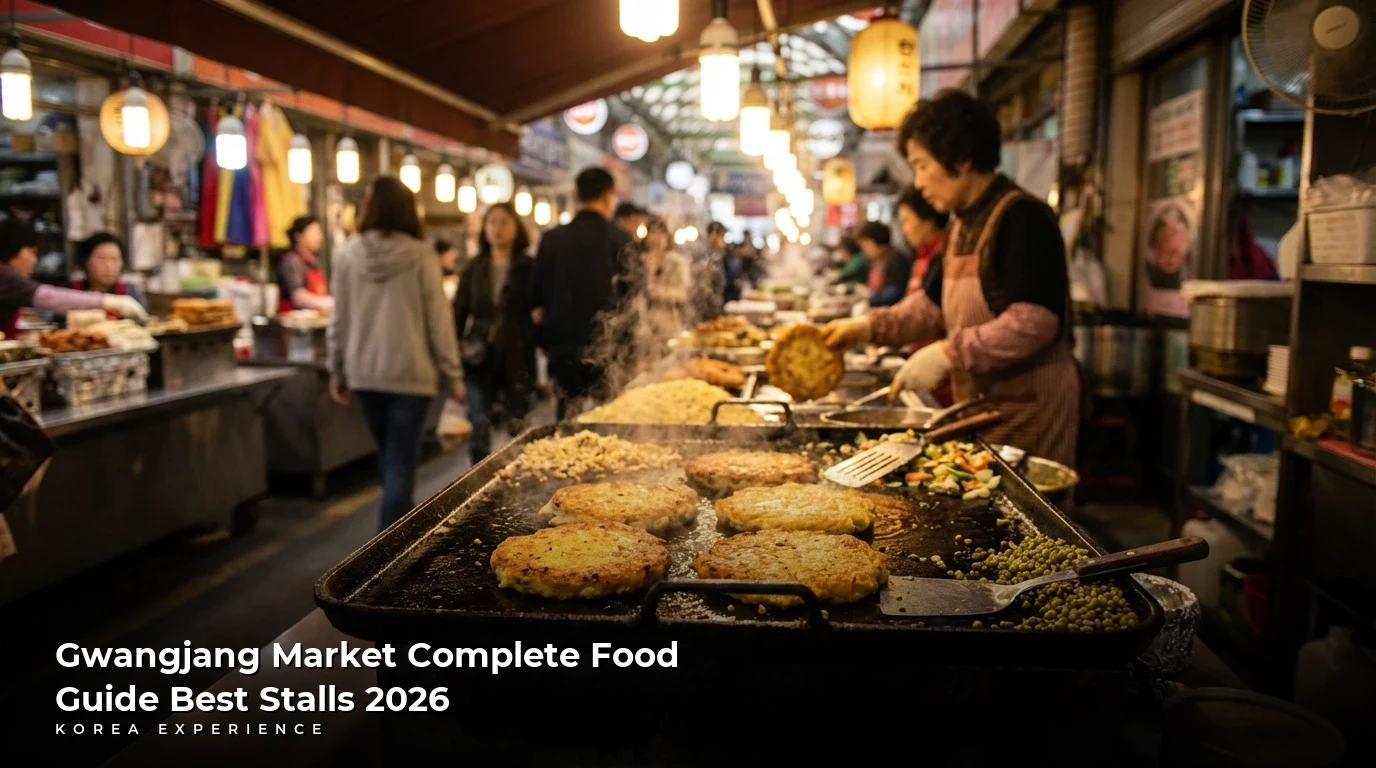
Discover the ultimate Gwangjang Market food guide featuring top stalls, prices, operating hours, and local tips for Seoul's oldest traditional market.
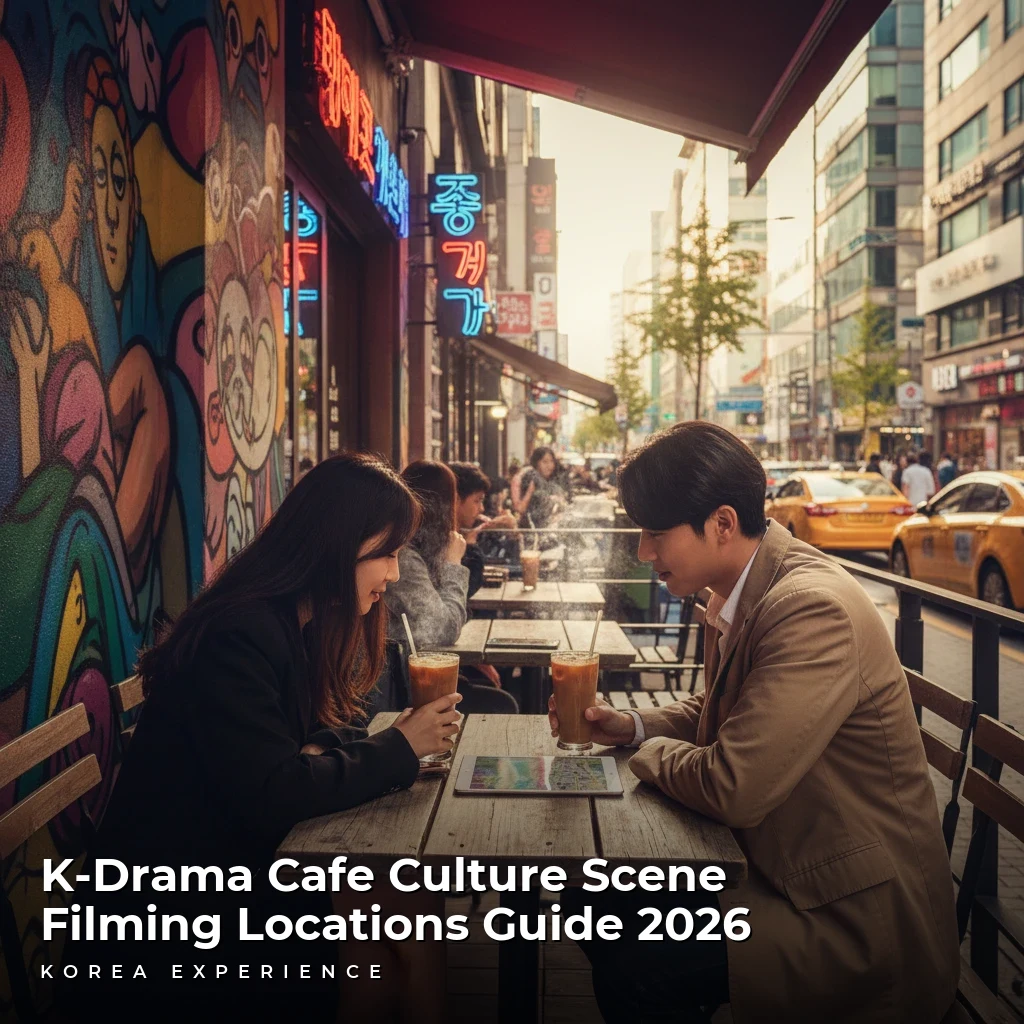
Explore the ultimate guide to K-Drama filming locations and cafe culture in Seoul. Discover iconic spots, prices, and travel tips for fans.
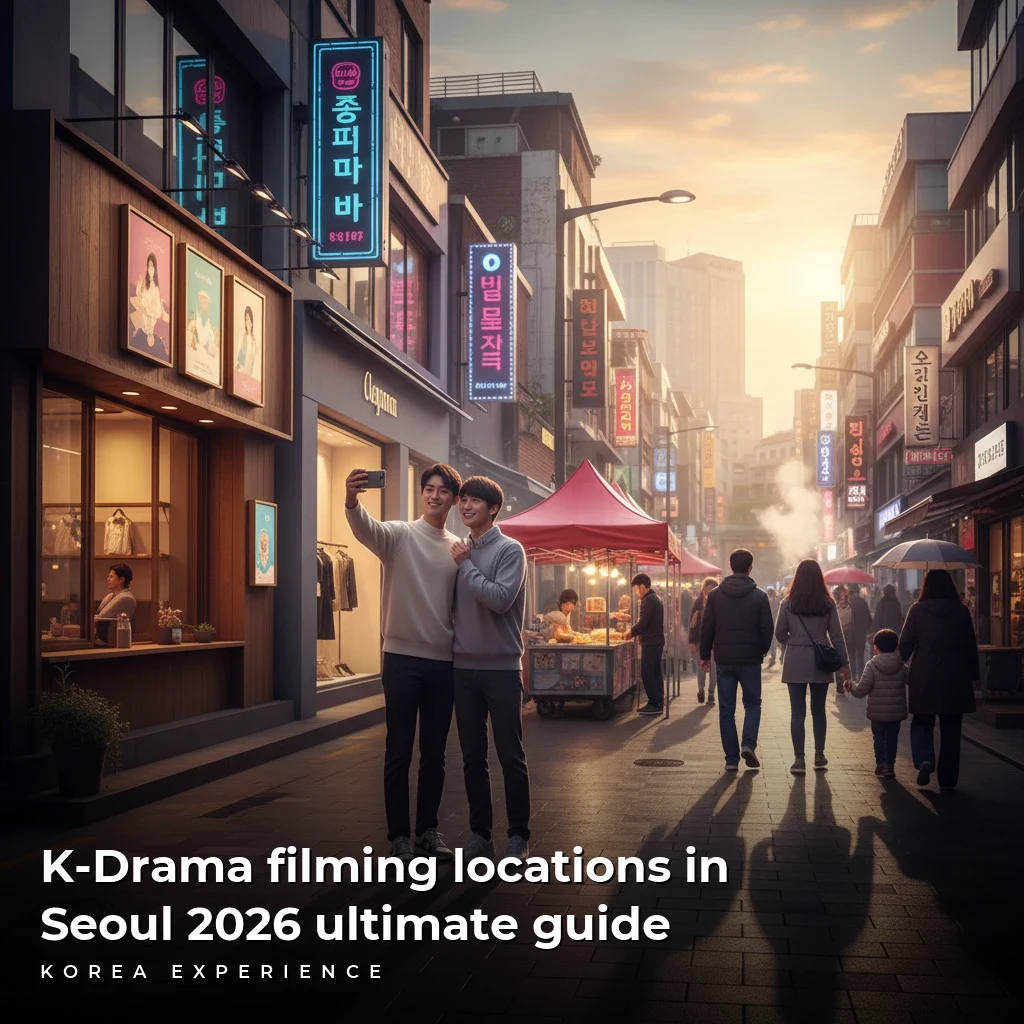
Explore the most iconic K Drama filming locations in Seoul for 2026. From Queen of Tears to Goblin, discover prices, transit tips, and photo spots.
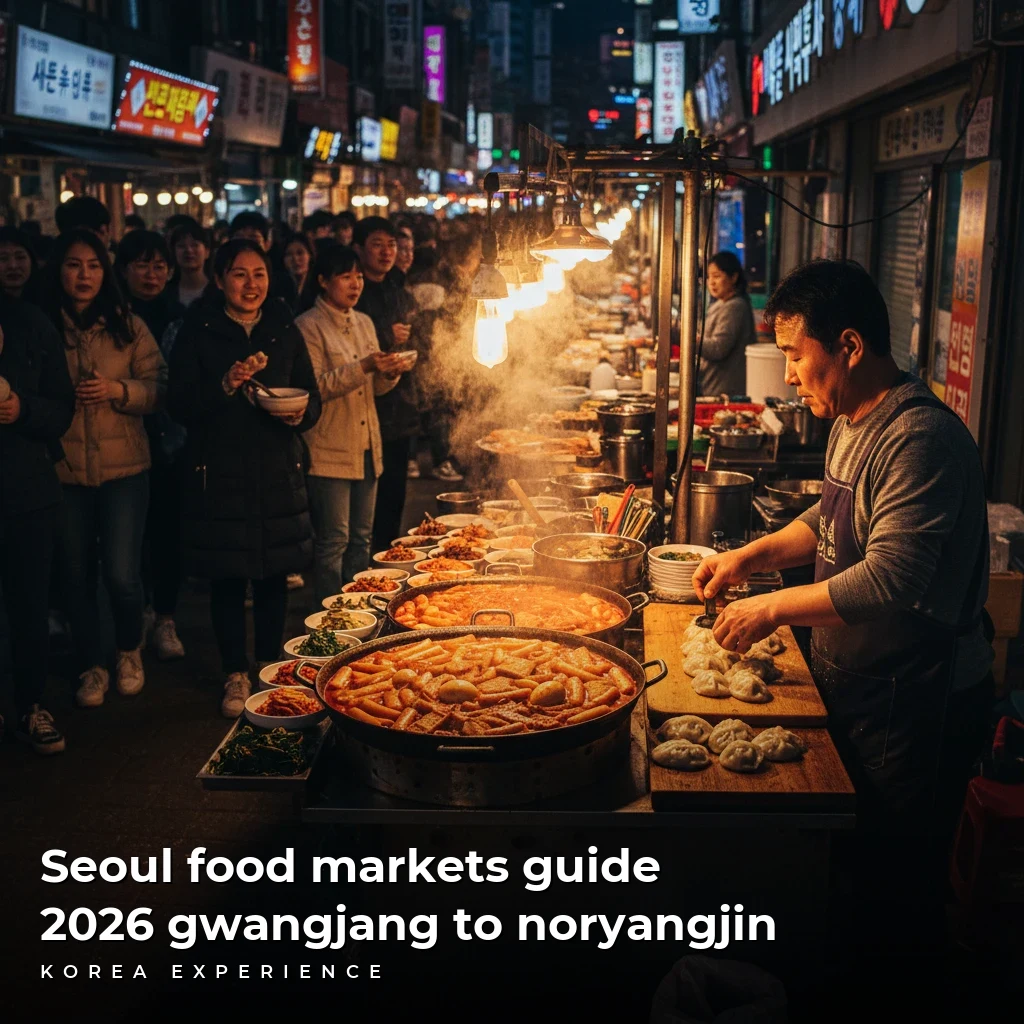
The ultimate 2026 guide to Seoul traditional markets. Discover prices, hidden stalls, and expert tips for Gwangjang, Noryangjin, and local favorites.
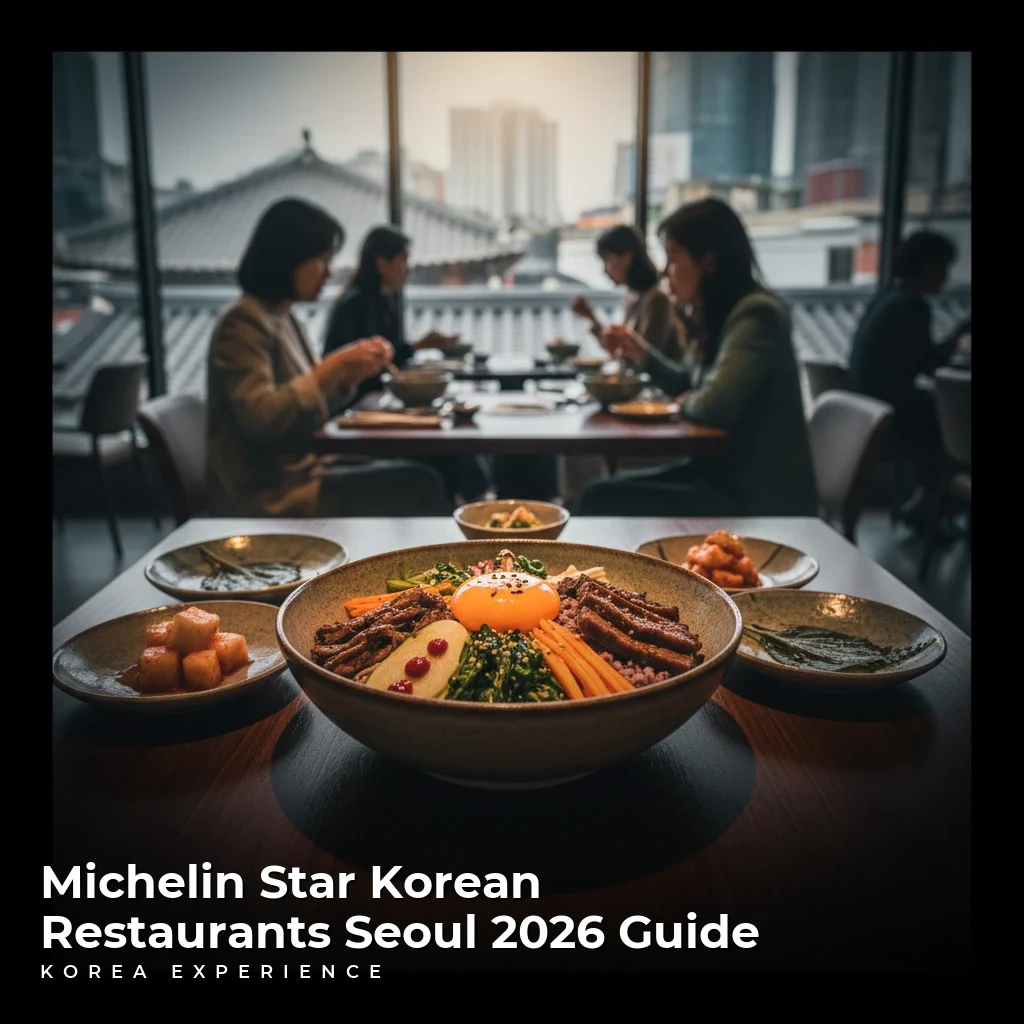
Discover the ultimate guide to Michelin Star Korean restaurants in Seoul for 2026 including reservations prices and menu highlights.
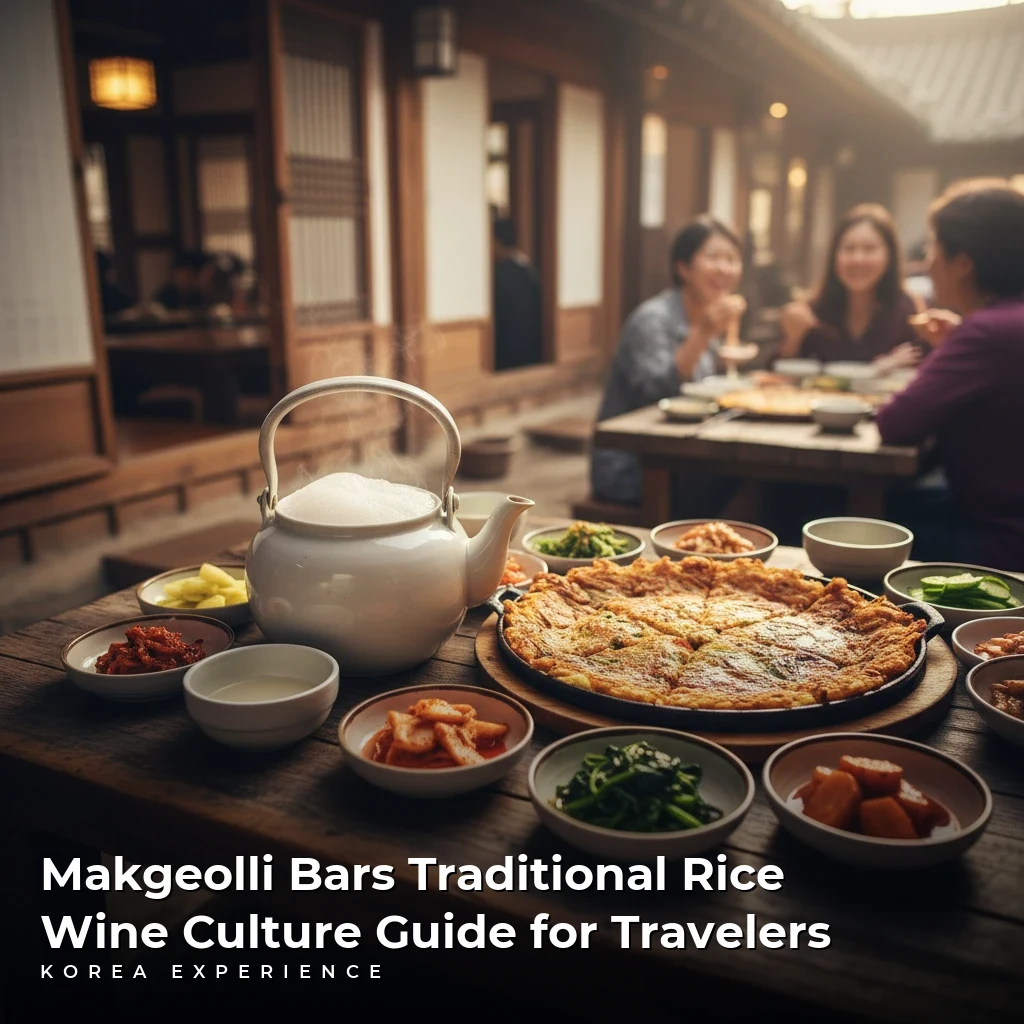
Discover the best Makgeolli bars in Seoul, understand traditional rice wine etiquette, and explore premium craft brews in this ultimate guide.