Soju brands comparison taste and alcohol content guide 2026
The ultimate guide to Korean soju brands, comparing taste profiles, alcohol percentages, and prices for travelers in 2026.
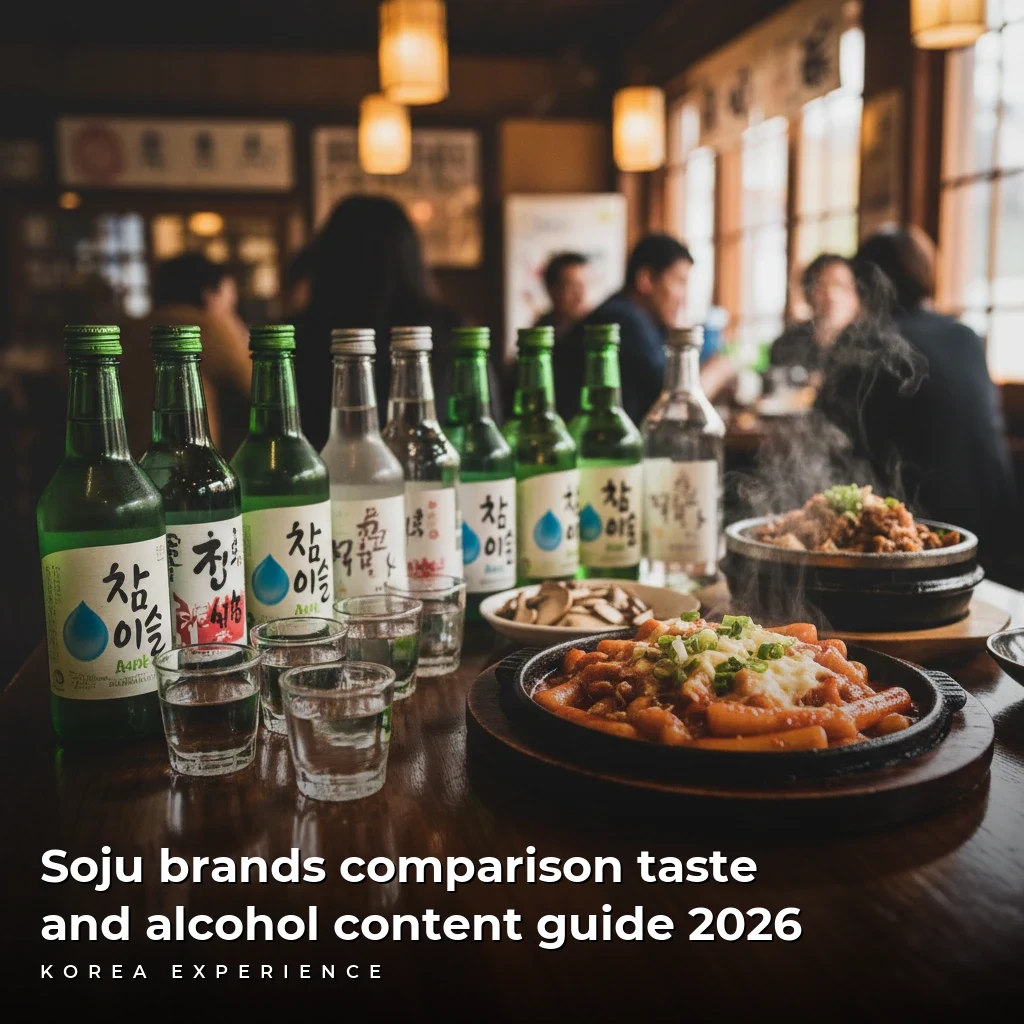
When international travelers land at Incheon International Airport, they are often prepared for the kimchi, the BBQ, and the bustling streets of Seoul. However, nothing quite prepares the palate for the sheer ubiquity of the "green bottle." Soju is not just a drink in South Korea; it is the social lubricant that powers the nation's nightlife, seals business deals, and accompanies almost every communal meal. By 2026, the global export of this clear spirit has skyrocketed, yet the domestic landscape remains complex for the uninitiated.
Understanding the nuances between a bottle of Chamisul Fresh and a premium Hwayo 41 can be the difference between a delightful cultural immersion and a regrettable morning after. This comprehensive guide breaks down the major soju brands, comparing their specific taste profiles, alcohol by volume (ABV), and ingredients to help you navigate the aisles of a convenience store or the menu of a Gangnam pocha (tent bar) with confidence.
You might also enjoy our article about Ultimate Soju guide 2026 top brands and best food pairings.
Key Takeaways
- 1Standard green bottle soju ranges from 15.5% to 16.5% ABV as of 2026
- 2Premium distilled soju offers complex flavors without artificial sweeteners
- 3Fruit-flavored sojus have lower alcohol (12-13%) but higher sugar content
The Evolution of Soju: ABV Trends and Ingredients
Soju has undergone a massive transformation over the last few decades. Historically, soju was a rice-based distillate with an alcohol content hovering around 25% to 35%. However, due to rice shortages in the post-war era, the government banned using rice for alcohol, leading manufacturers to switch to tapioca, sweet potatoes, and other starches. This created "diluted soju"—ethanol extracted from these starches, diluted with water, and flavored with sweeteners.
Learn more in our comprehensive guide to Korean drinking culture Soju Makgeolli and pocha guide.
In recent years, the trend has been a "race to the bottom" regarding alcohol content. While 25% was standard in the 1990s, the average ABV of mainstream brands has dropped to approximately 16.0% in 2026. This lower percentage appeals to younger drinkers and allows for longer social sessions without immediate intoxication.
You might also enjoy our article about Best Korean Ramyeon Guide Top Instant Noodle Brands.
📊 Soju Market Statistics
Currently, a standard 360ml bottle of green-bottle soju contains about 400 to 540 calories, depending on the sugar content. The price remains incredibly accessible, usually costing between ₩1,800 to ₩2,100 ($1.30–$1.50 USD) in convenience stores, though restaurant markups push this to ₩6,000 to ₩7,000 ($4.50–$5.20 USD).
For more details, check out our guide on The art of somaek how to make the perfect beer Soju mix.
Mainstream Green Bottles: The Big Rivalry
When you sit down at a Korean BBQ restaurant, you will typically be offered one of two major brands. These control over 90% of the standard market.
Chamisul Fresh (HiteJinro)
- Region: Nationwide (Seoul dominant)
- ABV: 16.0%
- Taste Profile: Crisp, slightly sweet finish, cleaner ethanol burn.
Chamisul is the undisputed king of soju, produced by HiteJinro. It utilizes charcoal filtration (specifically bamboo charcoal), which claims to remove impurities. The "Fresh" variant is by far the most popular. It has a sharp initial kick that cuts through greasy pork belly fat, followed by a lingering sweetness derived from stevia or fructose.
Chum Churum (Lotte Chilsung)
- Region: Nationwide
- ABV: 15.5% - 16.0%
- Taste Profile: Softer, smoother, less aggressive bite.
Chum Churum markets itself on the use of alkaline water, which they claim leads to a milder hangover (though science is debated on this). The mouthfeel is noticeably softer than Chamisul. Many travelers find Chum Churum more palatable for shots because it lacks the harsh ethanol spike found in its competitor.
Mainstream Soju Comparison 2026
| Feature | Chamisul Fresh | Chum Churum | Jinro Is Back |
|---|---|---|---|
| ABV | 16.0% | 15.5% | 15.5% |
| Key Feature | Bamboo Charcoal Filter | Alkaline Water | Zero Sugar |
| Bottle Color | Green | Green | Clear Blue |
| Taste | Crisp & Clean | Soft & Mild | Light & Neutral |
Jinro Is Back (Zero Sugar)
The "retro" craze brought back the clear, light blue bottle known simply as "Jinro." This brand focuses heavily on the "Zero Sugar" movement that swept Korea in 2024-2025. It uses erythritol or stevia alternatives, resulting in a cleaner, less sticky aftertaste. At 15.5% ABV, it is incredibly easy to drink, making it dangerous for the unaware.
Pro Tip: The Shake
You will often see locals shaking the bottle vigorously before opening it. This originates from the old days when cork seals left residue, or to mix sediment in non-filtered versions. Today, it's mostly ritualistic, though some say it aerates the soju slightly for a smoother taste.
Flavored Soju: The Gateway Drink
For those who find the taste of ethanol unpleasant, fruit-flavored sojus are the perfect alternative. These exploded in popularity around 2015 and remain a staple for younger drinkers and tourists.
The ABV in fruit soju is significantly lower, typically ranging from 12% to 13%. However, the sugar content is vastly higher. A standard bottle can contain up to 30-40 grams of sugar, comparable to a can of soda.
📋 Fruit Soju Facts
Top Flavors to Try:
- Green Grape (Chong-podo): The absolute bestseller. It tastes exactly like white grape candy.
- Grapefruit (Jamong): Slightly tart, balancing the sweetness well.
- Peach (Boksunga): Very floral and incredibly sweet.
Warning: These are often called "hangover juice." The combination of lower alcohol (leading to faster consumption) and high sugar creates a brutal dehydration effect the next morning.
Premium Soju: The Real Spirit
While green bottles are "diluted soju," premium brands offer "distilled soju." This is the traditional method, usually using rice, nuruk (fermentation starter), and water, without artificial sweeteners. The difference in taste is night and day.
Hwayo
Produced by the Kwangjuyo Group (a famous ceramic company), Hwayo is the gold standard for premium soju availability.
- Hwayo 25: 25% ABV. Clean rice flavor, excellent for cocktails.
- Hwayo 41: 41% ABV. Aged in ongi (earthenware). Complex, whiskey-like depth.
- Hwayo 53: 53% ABV. Intense, meant for sipping slowly.
Won Soju
Launched by hip-hop artist Jay Park, Won Soju caused massive queues in Seoul in 2022 and remains a top seller in 2026. It uses Totomi rice from Wonju.
- Profile: It is unaged, meaning it has a distinct yeasty, toasted rice aroma (often compared to sake or makgeolli notes) but with a clean finish.
- Price: Roughly ₩12,900 to ₩14,900 ($10–$11 USD) per bottle.
Andong Soju
This is a protected geographical indication. It represents the most traditional style, often boasting 45% ABV. It has a strong, earthy, and savory character that can be challenging for first-timers but is deeply respected by connoisseurs.
💵 Soju Price Comparison (Retail)
100% Rice Distilled
Diluted with Sweeteners
Where to Buy and Drink
Soju is available everywhere in Korea, literally 24/7. However, purchasing venues differ by the type of experience you want.
Convenience Stores (GS25, CU, 7-Eleven)
These are located roughly every 50 to 100 meters in Seoul. They carry all standard green bottles, most fruit flavors, and an increasing selection of "entry-level" premium sojus like Won Soju or Hwayo 25.
- Wait Time: Instant.
- ID Check: Mandatory for anyone looking under 30.
Bottle Shops & Department Stores
For high-end spirits like Andong Soju or limited edition Hwayo, visit the basement food courts of Shinsegae or Lotte Department Stores, or specialized liquor shops often found in trendy neighborhoods like Hannam-dong or Seongsu-dong.
The Sool Gallery(전통주 갤러리)
Drinking Etiquette and Culture
Drinking soju is a communal act bound by Confucian hierarchy. If you are drinking with Koreans, following these rules shows respect and cultural awareness.
- Never Pour Your Own: In a group, you pour for others, and they pour for you.
- Two Hands: When pouring or receiving a glass, use two hands. Usually, the left hand supports the right arm or the bottom of the bottle/glass.
- The Turn: If drinking with an elder or someone of higher status, turn your head away from them as you take the shot.
📖 How to Make the Perfect Somaek (Soju Bomb)
Step 1: The Ratio
The Golden Ratio is usually 3:7 (30% Soju, 70% Beer). Use a Korean lager like Terra or Cass.
Step 2: The Pour
Pour the soju first, then top vigorously with beer to create foam.
Step 3: The Mix
Stick a spoon or chopstick into the glass and hit the handle with a swift chop to create a vibration that mixes the drink instantly.
Taste Test: What to Expect
If you are accustomed to vodka or gin, soju will taste different.
Standard Green Bottle:
- Nose: Rubbing alcohol, faint artificial sweetness.
- Palate: Watery mouthfeel, sharp ethanol spike, sugary finish.
- Aftertaste: Depending on the brand, either a chemical bitterness or a lingering saccharine coat.
Premium Distilled:
- Nose: Flowers, toasted rice, pear, or melon.
- Palate: Creamy or oily texture, warmth spreading in the chest rather than burning the throat.
- Aftertaste: Clean, dry, and savory.
Green Bottle Soju: The Verdict
- ✓Incredibly cheap ($1.50/bottle)
- ✓Available everywhere 24/7
- ✓Socially essential in Korea
- ✗Contains artificial sweeteners
- ✗High hangover potential
- ✗One-dimensional flavor
Hangover Management
Given that soju is 16-20% ABV and is often consumed rapidly in shots, hangovers are common. The Korean "hangover cure" market is valued at over ₩200 billion annually.
Don't go to sleep without drinking 'Condition' (컨디션) or 'Dawn 808' (여명808). You can find these small brown bottles in the refrigerator section of any convenience store. Drink one before you start drinking and one before bed. It costs about ₩5,000, but it saves your next day!
Timeline of a Typical Korean Night Out
If you want to experience soju like a local, your evening will likely follow a specific progression called "cha" (rounds).
The 3-Round System (Sam-cha)
Dinner & Soju
Heavy meal (BBQ or Stew) accompanied by Soju or Somaek.
Pocha or Hof
Move to a tent bar or beer hall. Fried chicken and more Soju.
Noraebang
Karaoke. Fruit platters, canned beer, and perhaps the final bottle of Soju.
Conclusion
Soju is more than just a cheap spirit; it is a cultural artifact that tells the story of Korea's history, economic development, and social hierarchy. Whether you stick to the ubiquitous green bottles of Chamisul Fresh for a rowdy night out in Hongdae or sip a refined glass of Hwayo 41 in a quiet Cheongdam lounge, understanding the brands and varieties enhances the experience significantly.
In 2026, the market offers more choice than ever before. From zero-sugar trends to the revival of traditional distillation methods, there is a soju for every palate. Just remember the golden rule: drink responsibly, and never let your neighbor's glass go empty.
❓ Frequently Asked Questions About Soju
Have more questions?Contact us →
About the Author
Korea Experience Team
Written by the Korea Experience editorial team - experts in Korean medical tourism, travel, and culture with years of research and firsthand experience.
Explore more in Food & Dining
Korean BBQ, street food, Michelin restaurants, and regional specialties — your ultimate guide to eating well in Korea.
Browse All Food & Dining ArticlesContinue Reading
Explore more articles you might find interesting
A comprehensive guide comparing Korean Botox brands Botulax and Nabota against Allergan. Includes 2026 price data, efficacy rates, and safety profiles.
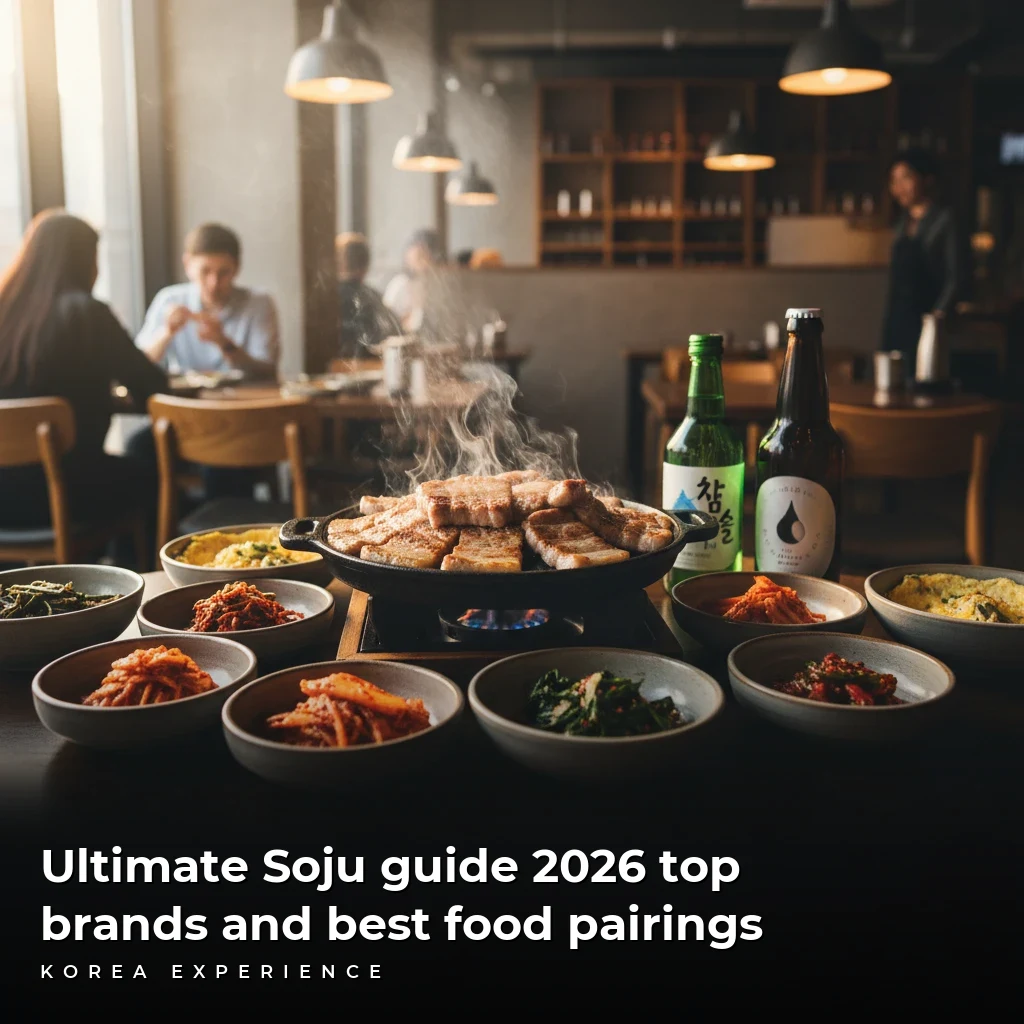
Discover the best Korean soju brands for 2026, from premium craft bottles to classic green caps, plus essential etiquette and perfect food pairings.
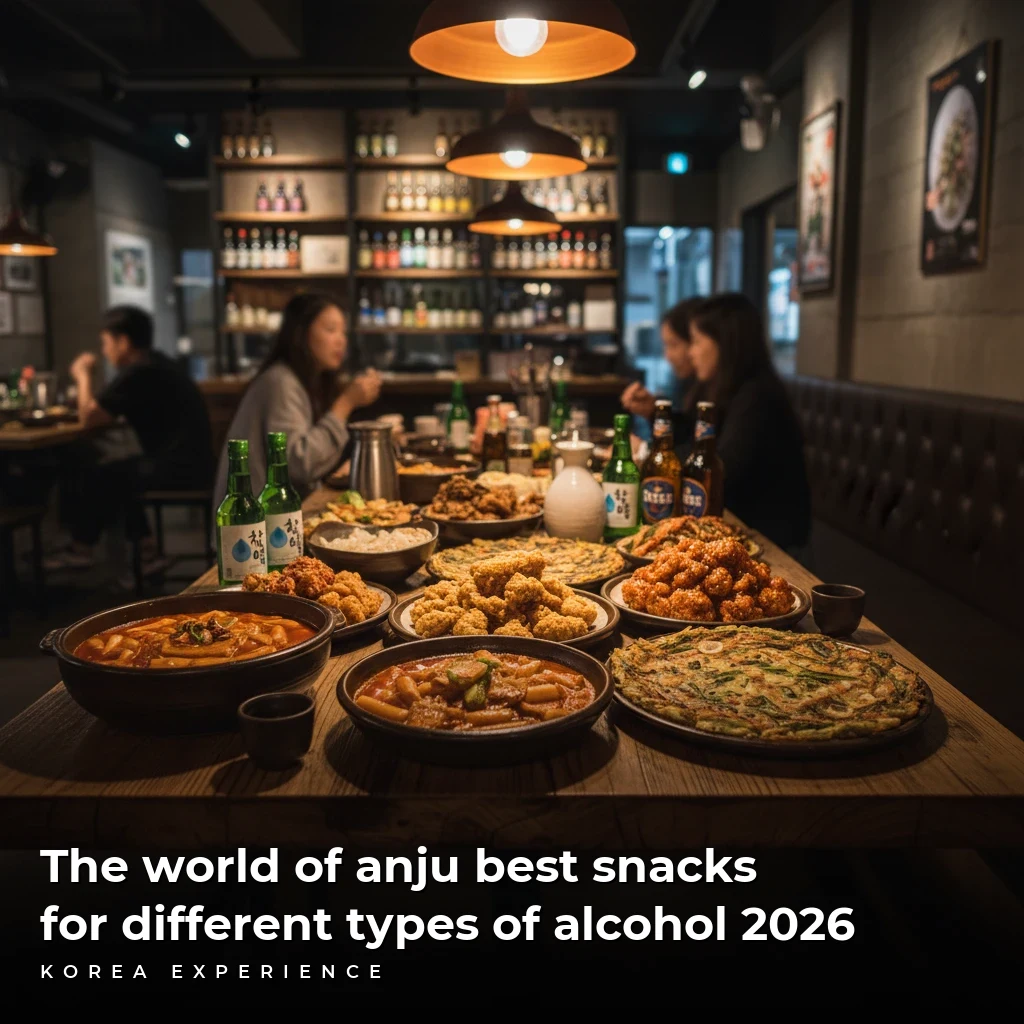
Discover the ultimate guide to Korean Anju culture in 2026. Learn how to pair Soju, Beer, and Makgeolli with the perfect snacks for an authentic experience.
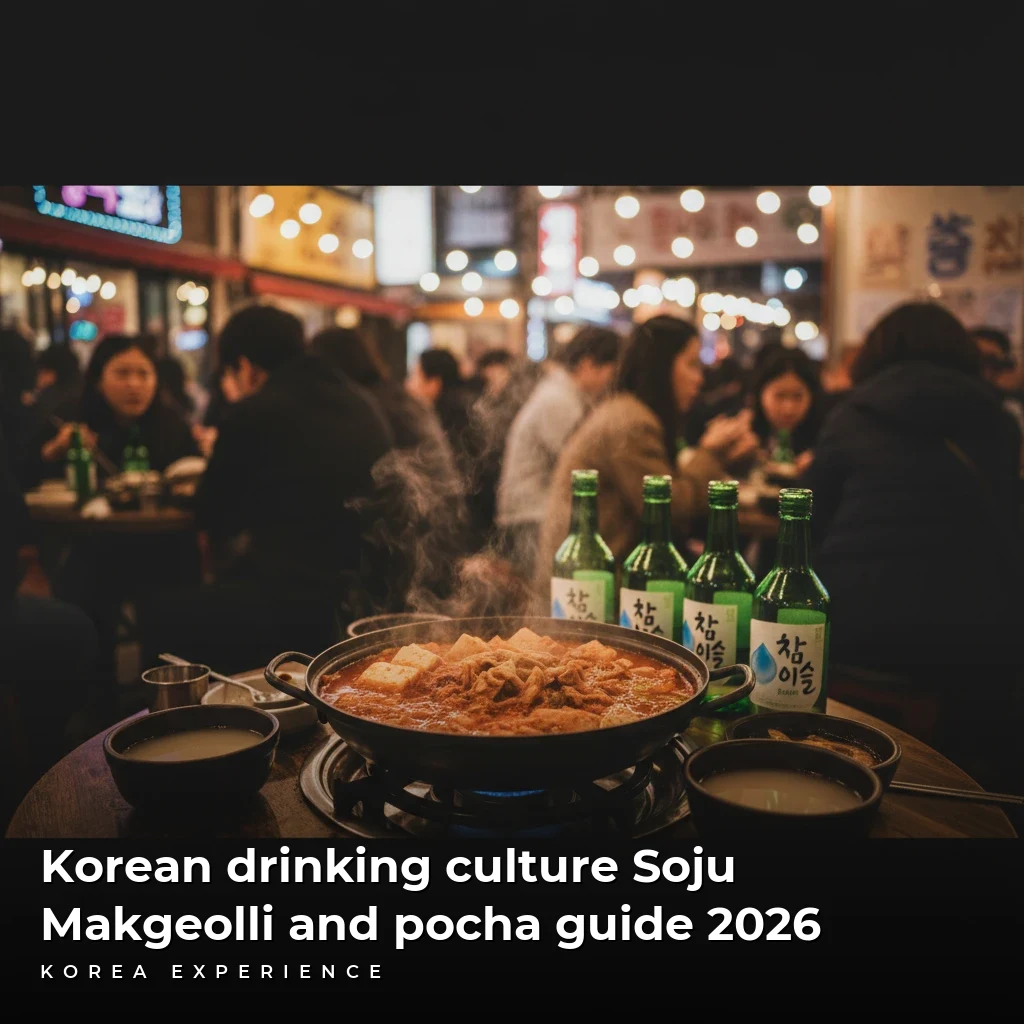
The ultimate 2026 guide to Korean drinking culture. Discover top Soju brands, best Makgeolli bars, and how to navigate Seoul Pocha streets like a local.
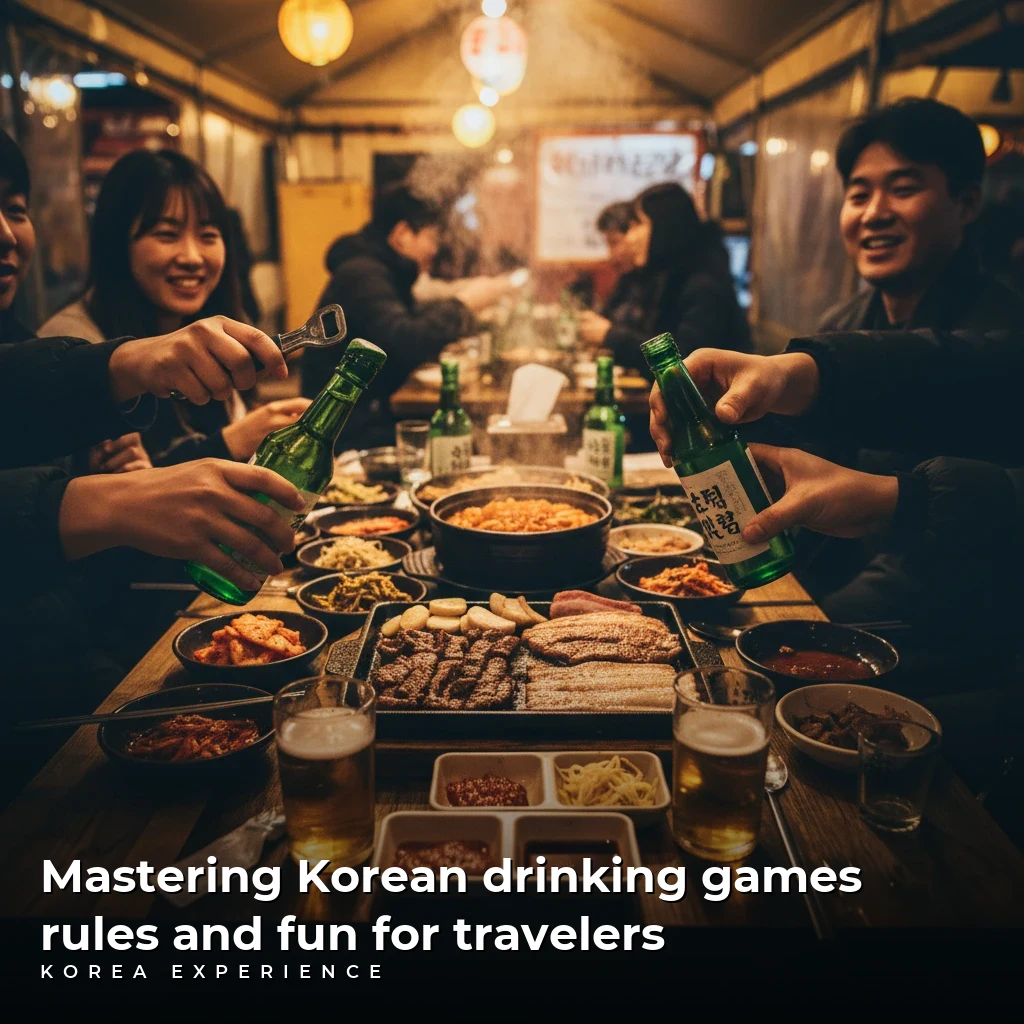
The ultimate guide to Korean drinking games rules, etiquette, and culture. Learn how to play Titanic, Soju Cap, and more like a local expert.
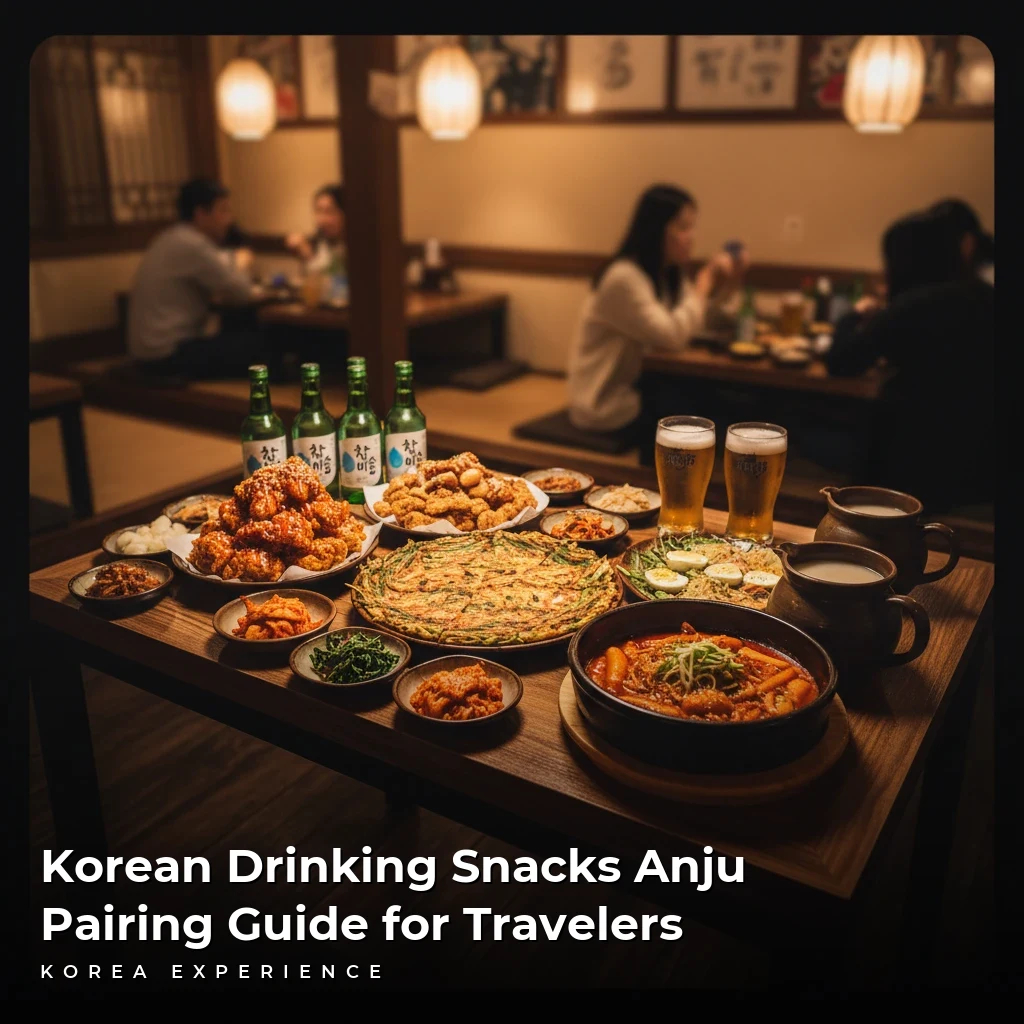
Master the art of Korean Anju pairings with our expert guide to Soju, Makgeolli, and Beer snacks for the ultimate local dining experience