Explore Korea Traditional Instrument Workshops Gayageum Janggu
Unlock Korea's musical soul with immersive Gayageum and Janggu workshops. Discover where to learn these ancient instruments, what to expect, and practical tips for travelers.
In the vibrant tapestry of Korean culture, beyond the pulsating beats of K-pop and the captivating narratives of K-dramas, lies a profound and elegant world of traditional music. For international travelers and expatriates seeking a truly immersive and hands-on experience, delving into the heart of Korea's musical heritage offers an unparalleled journey. While visiting palaces and savoring street food provides a taste of Korea, actively participating in its artistic traditions offers a connection that lingers long after your visit.
Many visitors wonder how to move beyond sightseeing and truly engage with Korean culture on a deeper level. The answer lies in experiential learning. Imagine the delicate pluck of a string, resonating with centuries of history, or the exhilarating thrum of a drum, echoing ancient rhythms. This is the magic awaiting you at traditional instrument workshops, specifically focusing on two iconic instruments: the Gayageum and the Janggu.
This comprehensive guide is designed to illuminate the world of traditional Korean instrument workshops. We will explore the fascinating history and characteristics of the Gayageum, a graceful 12-string zither, and the Janggu, a dynamic hourglass-shaped drum. You will learn where to find these enriching workshops in Korea, what to expect during your session, practical tips for making the most of your experience, and insider advice for continuing your musical exploration. Prepare to unlock a unique dimension of Korean culture, transforming from a passive observer to an active participant in its timeless melodies and rhythms.
Unveiling Korea's Musical Heritage: Gugak and Its Instruments
Korean traditional music, known as Gugak, encompasses a rich array of vocal and instrumental forms that have evolved over millennia. Far from being a relic of the past, Gugak continues to be a vibrant and cherished part of contemporary Korean identity, celebrated for its unique aesthetic and profound emotional depth.
The Heart of Gugak: Traditional Korean Music
Gugak, literally meaning "national music," refers to the traditional music of Korea. It is a broad category that includes court music, folk music, ritual music, and contemporary compositions that draw inspiration from traditional forms. Unlike Western music with its emphasis on harmony, Gugak often prioritizes melody and rhythm, with individual instruments expressing unique timbres and nuances. The music often features a distinctive sense of ebb and flow, creating a meditative or sometimes powerfully energetic atmosphere. Engaging with Gugak provides a window into the philosophical and historical underpinnings of Korean society, reflecting its people's spirit, resilience, and appreciation for natural beauty.
A Symphony of Strings and Percussion
The world of Gugak is populated by a diverse family of instruments, each with its own character and role. While string instruments like the Gayageum and Geomungo, and wind instruments such as the Daegeum and Piri, contribute to melodic beauty, percussion instruments like the Janggu, Buk, and Kkwaenggwari provide the rhythmic backbone. These instruments are crafted from natural materials, linking their sound directly to the land and its traditions. The workshops we will focus on offer an accessible entry point to understanding this complex and beautiful musical ecosystem.
Why Learn a Traditional Instrument?
Participating in a traditional instrument workshop goes far beyond simply learning a few notes or beats. It's an opportunity to:
- Connect with History: Hold an instrument that has been played in Korea for over a thousand years and feel a direct link to its past.
- Experience Cultural Immersion: Gain a hands-on understanding of Korean aesthetics, philosophy, and artistic expression.
- Develop New Skills: Challenge yourself to learn something new, fostering personal growth and a sense of accomplishment.
- Create Lasting Memories: Unlike a photograph, the memory of playing traditional Korean music is deeply personal and truly unique.
- Share Your Experience: Inspire friends and family with your firsthand tales of musical discovery in Korea.
Whether you're a seasoned musician or have never touched an instrument, these workshops are designed to be welcoming and rewarding for all levels of interest and ability.
The Melodious Soul: Experiencing the Gayageum Workshop
The Gayageum is perhaps one of the most iconic and visually graceful traditional Korean instruments. Its elegant form and beautiful sound have captivated listeners for centuries.
What is a Gayageum? History and Structure
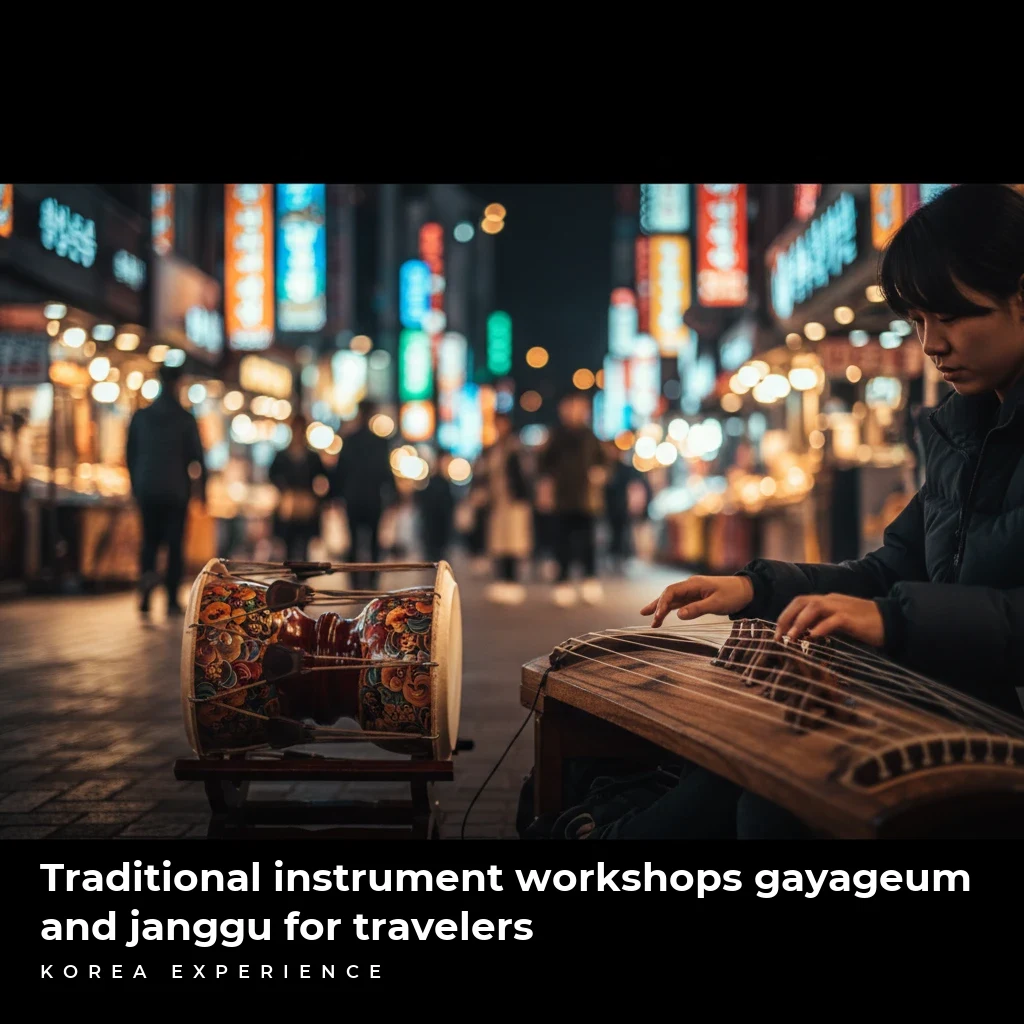
The Gayageum is a 12-string zither, a stringed instrument where the strings are stretched across a resonating body. Its origins trace back to the Gaya Confederacy around the 6th century, though different versions exist, including the older 'Pungnyu Gayageum' (or Jeongak Gayageum) for court music and the 'Sanjo Gayageum' for folk music. The body is typically made from a single piece of Paulownia wood, known for its excellent acoustic properties. Twelve silk strings are stretched over movable bridges, called "anjok," which allow for precise tuning and the creation of various pitches and expressive techniques. Players typically sit on the floor and pluck the strings with their fingers, often using intricate techniques like vibrato, bending notes, and plucking multiple strings simultaneously to create its distinctive melodic and rhythmic patterns.
The Sound of Serenity: Exploring Gayageum's Music
The Gayageum's sound is often described as serene, melancholic, and deeply evocative. It can convey a wide range of emotions, from peaceful contemplation to spirited joy. Its music is characterized by delicate ornamentation, subtle changes in dynamics, and a unique sense of timing. In a Gayageum workshop, you'll learn the basic posture, how to pluck the strings correctly, and how to manipulate the anjok to create various pitches and expressive sounds. You might start by learning a simple folk song or a basic melody that introduces you to the instrument's capabilities.
What to Expect in a Gayageum Workshop
A typical Gayageum workshop for beginners will generally include:
- Introduction to the Instrument: Your instructor will introduce the Gayageum's parts, its history, and basic playing posture.
- Basic Plucking Techniques: You'll learn the fundamental ways to pluck the strings using your fingers, focusing on producing clear and resonant tones.
- Understanding Pitch and Tuning: You'll discover how the movable bridges affect the pitch and perhaps try basic tuning adjustments.
- Learning a Simple Melody: The highlight for many is learning to play a short, recognizable Korean folk tune. This might involve learning a few simple notes and practicing a basic rhythm.
- Cultural Context: Instructors often weave in stories and cultural explanations, enriching your understanding beyond just the music.
- Practice Time: You'll have dedicated time to practice the techniques and melody under the guidance of the instructor.
- Performance (Optional): Some workshops may conclude with an optional group performance of the learned melody, a fun way to celebrate your achievement.
Benefits of Learning Gayageum
Beyond the joy of making music, learning Gayageum offers unique benefits:
- Enhances Concentration and Patience: The delicate nature of the instrument requires focus and a calm demeanor.
- Develops Fine Motor Skills: The precision required for plucking and manipulating the strings sharpens dexterity.
- Stress Reduction: The serene sounds and focused activity can be incredibly meditative and calming.
- Appreciation for Nuance: You'll develop a deeper appreciation for the subtle artistry in traditional Korean music.
The Rhythmic Pulse: Mastering the Janggu Workshop
If the Gayageum embodies the melodic soul of Korea, the Janggu provides its vibrant rhythmic heart. This energetic percussion instrument is central to almost all forms of Gugak.
Unpacking the Janggu: Design and Significance
The Janggu is an hourglass-shaped drum, instantly recognizable and deeply embedded in Korean musical culture. It typically consists of a wooden body, two drumheads (one on each end), and laces that connect the two drumheads and can be used to adjust tension and pitch. The drumheads are often made of animal hide, with the left side typically thicker, producing a lower, more resonant sound (Gung-pyeon), and the right side thinner, producing a higher, sharper sound (Chae-pyeon). It is usually played by striking the left drumhead with the palm of the hand and the right drumhead with a bamboo stick called a "chaeggarak" (or "yeolchae"). The Janggu is highly versatile, capable of creating a wide range of rhythmic patterns, from gentle pulses to driving, complex sequences. It often acts as the primary rhythm keeper in ensembles, guiding other musicians.
The Energetic Beat: Janggu's Role in Korean Music
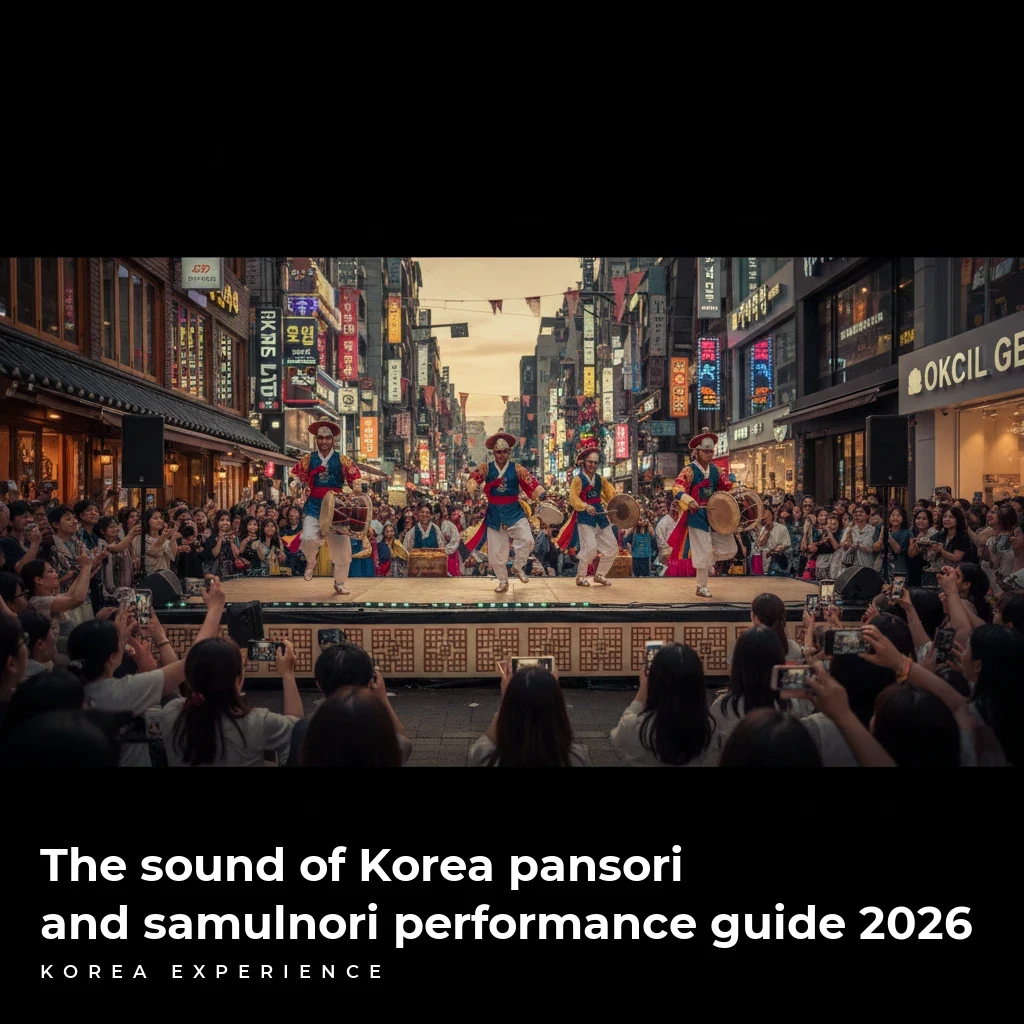
The Janggu is the backbone of traditional Korean music, providing the fundamental rhythm for everything from court music and folk songs to shamanistic rituals and vibrant Samulnori performances (a genre of Korean percussion music). Its distinct sounds and varied rhythmic patterns create the foundation upon which melodies and dances are built. Learning the Janggu is an exhilarating way to feel the pulse of Korea, offering a much more physical and energetic experience compared to the Gayageum.
Your Janggu Workshop Journey
A beginner-level Janggu workshop will typically involve:
- Introduction to the Janggu: Understanding its structure, the two different drumheads, and the "chaeggarak" stick.
- Basic Striking Techniques: You'll learn how to properly strike both the left (hand) and right (stick) drumheads to produce distinct sounds. Focus will be on proper posture and hand/wrist movements.
- Fundamental Rhythms (Jangdan): You'll be introduced to basic Jangdan, which are traditional rhythmic patterns. These are the building blocks of Korean percussion. Examples might include simple patterns like "Gilgunak" or "Hwimori."
- Coordination Practice: Learning to coordinate both hands to play the different drumheads and rhythms can be a fun challenge.
- Playing Together: Most workshops emphasize group playing, allowing you to feel the power and synergy of collective rhythm.
- Cultural Significance: Instructors often explain the cultural context of various rhythms and their use in different musical genres.
Why Choose the Janggu?
Opting for a Janggu workshop brings its own set of unique advantages:
- Releases Energy: It's a fantastic way to release stress and experience a physically engaging cultural activity.
- Develops Coordination: Playing with both hands on different surfaces significantly improves bilateral coordination.
- Boosts Confidence: Mastering a rhythm and contributing to a group performance can be incredibly empowering.
- Sense of Community: Percussion often brings people together, fostering a strong sense of shared experience.
Finding Your Perfect Workshop: Locations and Booking Insights
Korea offers numerous venues where you can immerse yourself in traditional instrument workshops. From bustling cultural centers in Seoul to serene settings in traditional villages, options abound for every interest and schedule.
Top Destinations in Seoul for Workshops
Seoul, as the cultural heart of Korea, is undoubtedly the best place to find a diverse range of traditional instrument workshops.
- Bukchon Hanok Village: Nestled between Gyeongbokgung and Changdeokgung Palaces, Bukchon is famous for its preserved traditional Korean houses (Hanok). Several cultural centers within Bukchon offer introductory workshops for Gayageum and Janggu. These often combine the musical experience with the charm of a traditional setting.
- Example Provider: Bukchon Traditional Culture Center or various smaller Hanok workshops.
- Typical Cost: 30,000 - 60,000 Korean Won (KRW) for a 1-2 hour session.
- Namsangol Hanok Village: Located near Namsan Mountain, this village features five restored traditional houses from different social classes of the Joseon Dynasty. It regularly hosts cultural programs, including instrument workshops, offering a picturesque backdrop for your learning.
- Example Provider: Namsangol Hanok Village Cultural Experience Center.
- Typical Cost: 20,000 - 50,000 KRW for a 1-1.5 hour session.
- National Gugak Center: This is the premier institution for Korean traditional music, dedicated to preserving and promoting Gugak. While it primarily focuses on professional performances and advanced study, they occasionally offer public introductory workshops or special programs for foreigners, especially during cultural festivals. Keep an eye on their official website for announcements.
- Various Cultural Centers and Universities: Many universities with Korean music departments and general cultural centers throughout Seoul (e.g., those run by district offices or private organizations) offer regular workshops. These might require a slightly longer commitment but can provide more in-depth learning.
- Check websites: Seoul Cultural Center, Korea Cultural Heritage Foundation.
Beyond Seoul: Regional Opportunities
While Seoul has the most options, traditional instrument workshops can also be found in other parts of Korea, particularly in cities renowned for their cultural heritage.
- Jeonju: Known as the home of traditional Korean culture and food, Jeonju Hanok Village also offers workshops for various traditional arts, including music.
- Gyeongju: The ancient capital of the Silla Kingdom, Gyeongju's cultural centers might offer programs, often linked to specific historical performances or events.
- Andong: Famous for its Hahoe Folk Village, Andong provides opportunities to experience traditional arts in a deeply authentic rural setting.
These regional options often provide a more serene and less crowded experience, allowing for a deeper immersion into local traditions.
Workshop Formats: Group vs. Private, Beginner vs. Intensive
When choosing a workshop, consider the format that best suits your needs:
- Group Workshops: Most common for tourists, these are cost-effective and allow for a shared learning experience. They are typically 1-2 hours long and focus on basic introduction and a simple song/rhythm.
- Private Workshops: Offer personalized instruction tailored to your pace and interests. They are more expensive but can be highly beneficial for faster learning or addressing specific questions.
- Beginner Workshops: Specifically designed for those with no prior musical experience, these are highly recommended for first-timers.
- Intensive / Multi-session Programs: Some centers offer longer courses (e.g., 4-8 weeks) for those residing in Korea or planning an extended stay, providing a more thorough education.
Booking Your Musical Adventure
- Online Booking Platforms: Many workshops are listed on popular travel experience websites (e.g., Klook, Trazy, Viator) or directly on the websites of cultural centers. Booking in advance, especially for popular weekend slots, is highly recommended.
- On-site Booking: While possible for some smaller workshops, relying on walk-ins might lead to disappointment, particularly if workshops are full or require pre-registration for material preparation.
- Through Travel Agencies/Hotel Concierge: If you prefer assistance, your hotel concierge or a local travel agency specializing in cultural tours can often help arrange bookings.
- Check Local Tourism Information Centers: These centers are excellent resources for finding current workshop schedules and contact information.
Here��s a comparison of the two instruments and their respective workshop experiences:
| Feature | Gayageum Workshop | Janggu Workshop |
|---|---|---|
| Instrument Type | 12-string zither (plucked string instrument) | Hourglass-shaped drum (percussion instrument) |
| Primary Focus | Melody, expressive techniques, serene sound | Rhythm, beat, dynamic patterns, energetic sound |
| Physicality | Requires delicate finger dexterity, precision | Requires hand-eye coordination, physical energy |
| Sound Character | Melancholic, elegant, meditative, nuanced | Powerful, vibrant, rhythmic, driving |
| Difficulty for Beginners | Moderate - delicate fingerwork can be challenging | Moderate - coordinating both hands can be tricky |
| Typical Learning Outcome | Play a simple folk melody, basic plucking | Play a basic rhythmic pattern (Jangdan) |
| Overall Experience | Calming, artistic, introspective | Energetic, communal, physically engaging |
Practicalities and Preparation: Getting Ready for Your Session
To ensure a smooth and enjoyable traditional instrument workshop, a little preparation goes a long way.
What to Wear and Bring
- Comfortable Clothing: Most workshops require sitting on the floor (especially for Gayageum), so wear comfortable, loose-fitting attire that allows for easy movement. Avoid overly restrictive clothing or short skirts/dresses.
- No Special Equipment: All instruments and any necessary tools (like the Janggu stick) will be provided by the workshop. You don't need to bring anything specific.
- Open Mind and Enthusiasm: The most important items to bring are a willingness to learn and a positive attitude.
- Camera/Smartphone: Don't forget to capture your experience! (Always ask permission before taking photos/videos, especially of instructors or other participants).
Language Barrier? No Problem!
Many workshops catering to international audiences have English-speaking instructors or at least staff who can provide basic translation. When booking, it's wise to inquire about language support. Even with limited English, the hands-on nature of the activity often transcends language barriers, with instructors demonstrating techniques visually. Learning a few basic Korean phrases like "Annyeonghaseyo" (hello), "Gamsahamnida" (thank you), and "Jwesonghamnida" (I'm sorry/excuse me) can also enhance your interaction.
Typical Workshop Structure and Duration
Most introductory workshops for tourists range from 1 to 2 hours. This duration is usually sufficient to cover basic introductions, fundamental techniques, and learning a simple piece.
A general structure might look like this:
- Welcome and Introduction (10-15 minutes): Brief history of the instrument, its cultural significance, and safety guidelines.
- Demonstration by Instructor (15-20 minutes): The instructor will showcase the instrument's sound and basic techniques.
- Hands-on Practice with Guidance (40-60 minutes): This is the core learning period where you'll try playing under close supervision.
- Group Practice/Play-along (15-20 minutes): Playing together as a group to feel the ensemble experience.
- Q&A and Wrap-up (10 minutes): Opportunity to ask questions and take photos.
Understanding Workshop Costs
The cost of traditional instrument workshops can vary based on location, duration, instructor expertise, and whether it's a group or private session.
- Average Cost: Expect to pay between 20,000 KRW to 70,000 KRW for a typical 1-2 hour beginner group workshop.
- What's Included: This usually covers the instructor's fee, use of the instrument, and sometimes a small souvenir or tea ceremony.
- Private Lessons: These will naturally be more expensive, potentially ranging from 80,000 KRW to 150,000 KRW or more per hour, depending on the instructor's renown.
Here's a table illustrating typical costs and durations:
| Workshop Type | Duration | Average Cost (KRW) | Notes |
|---|---|---|---|
| Beginner Group | 1 - 1.5 hours | 20,000 - 40,000 | Most common for tourists, focus on basic intro and one simple piece. |
| Beginner Group (Extended) | 2 hours | 40,000 - 70,000 | May cover slightly more detail or include a cultural activity. |
| Private Lesson (1:1) | 1 hour | 80,000 - 150,000+ | Personalized instruction, tailored to individual pace. |
| Multi-session Course | 4+ sessions (weekly) | 150,000 - 300,000+ | For residents or long-term visitors, deeper learning. |
Insider Tips for an Unforgettable Cultural Immersion
To truly maximize your traditional instrument workshop experience, consider these insider tips.
Embrace the Learning Curve
Don't expect to become a master musician in a single session. The goal of these introductory workshops is exposure, appreciation, and a hands-on taste of Korean musical culture. Be patient with yourself, enjoy the process, and celebrate even the smallest achievements, like playing a single clear note or a simple rhythm correctly. The joy is in the journey, not just the destination.
Cultural Etiquette in the Workshop
- Respect the Instrument: Treat the Gayageum or Janggu with care and respect. These are traditional, often hand-crafted instruments.
- Bow: It's customary to bow slightly when greeting your instructor and when leaving.
- Listen Actively: Pay close attention to your instructor's demonstrations and explanations.
- Ask Questions: Don't hesitate to ask if you don't understand something. It shows engagement and a willingness to learn.
- Remove Shoes: In many traditional settings like Hanok workshops, you might be asked to remove your shoes before entering the teaching space.
Documenting Your Experience
Most workshops are happy for you to take photos or short videos of yourself playing the instrument. It's a fantastic way to capture the moment. However, always ask your instructor for permission first, especially if you plan to photograph or video them or other participants. Be mindful not to disrupt the class with your photography.
Combining Workshops with Other Cultural Activities
To create a truly rich cultural itinerary, consider pairing your instrument workshop with other complementary experiences:
- Hanok Stay: If your workshop is in a traditional village like Bukchon or Namsangol, consider booking a Hanok stay for the full immersive experience. Waking up in a traditional house and then heading to a Gayageum lesson creates a beautiful flow.
- Traditional Tea Ceremony: Many cultural centers that offer instrument workshops also provide tea ceremonies. This is a wonderful way to relax and reflect after your musical session.
- Korean Cooking Class: Learn to cook traditional Korean dishes to tantalize your taste buds after nurturing your musical soul.
- Temple Stay: For deeper contemplation and cultural immersion, a temple stay offers a unique perspective on Korean Buddhism and traditional practices.
- Gugak Performance: After your workshop, attending a live Gugak performance (perhaps at the National Gugak Center or Jeongdong Theater) will give you a profound appreciation for the mastery of these instruments. You'll recognize the sounds and rhythms you just learned, seeing them performed by professionals.
Here��s a comparison table of recommended workshop venues in Seoul, focusing on different characteristics:
| Venue | Location | Typical Focus | Vibe/Atmosphere | Good For |
|---|---|---|---|---|
| Bukchon Hanok Village Cultural Centers | Jongno-gu, Seoul | Gayageum, Traditional Arts, Hanok Experience | Traditional, quaint, cultural | First-timers, combining with Hanok tours |
| Namsangol Hanok Village | Jung-gu, Seoul | Gayageum, Janggu, varied cultural experiences | Open-air, picturesque, family-friendly | Families, those seeking scenic surroundings |
| National Gugak Center | Seocho-gu, Seoul | Deeper dives, performance-focused | Professional, academic, artistic | Serious learners, attending performances |
| Korea Cultural Heritage Foundation (Various Sites) | Across Seoul (e.g., Korea House) | Broader traditional arts, performances | Comprehensive, educational, accessible | General cultural immersion, reliable quality |
| Private Hanok Workshops | Various (e.g., Ikseondong) | Niche, personalized, smaller groups | Intimate, boutique, bespoke | Unique experiences, more personalized touch |
FAQ: Your Questions Answered
Q1: Do I need prior musical experience to attend these workshops?
No, absolutely not! Most introductory workshops are specifically designed for complete beginners with no prior musical knowledge or experience. Instructors are skilled at teaching fundamental techniques in an accessible way. Your enthusiasm is the most important prerequisite.
Q2: Are traditional instrument workshops suitable for children?
Yes, many workshops are suitable for children, often with specific programs designed for younger participants. It's an excellent way for children to engage with Korean culture in a fun, interactive manner. It's always best to check the age recommendations or inquire directly with the workshop provider when booking.
Q3: Can I purchase an instrument after the workshop if I want to continue learning?
While workshops don't typically sell instruments directly, instructors or staff can often provide guidance on where to purchase a Gayageum or Janggu in Korea. There are specialized traditional instrument stores in Seoul (e.g., around Jongno 3-ga or Insadong) where you can find instruments ranging from beginner models to professional ones. Be prepared for prices to vary significantly.
Q4: What's the best time of year to attend a traditional instrument workshop?
Workshops are generally available year-round. However, spring (April-May) and autumn (September-October) offer the most pleasant weather for exploring cultural villages before or after your session. During national holidays like Chuseok or Seollal, special programs might be available, but some centers might also have modified hours or be closed, so always check in advance.
Q5: Are there longer-term study options if I'm staying in Korea for an extended period?
Yes! If you're an expat or planning a longer stay, many cultural centers, private academies, and even some university extension programs offer multi-session courses (e.g., weekly classes over several months) for Gayageum, Janggu, and other traditional instruments. These provide a much more in-depth learning experience and a chance to truly develop your skills. Inquire at the National Gugak Center or local cultural centers for these opportunities.
Conclusion: Embrace Your Musical Journey in Korea
Participating in a traditional instrument workshop, whether you choose the melodious Gayageum or the rhythmic Janggu, is more than just an activity; it's an initiation into the soul of Korea. It's an opportunity to connect with a heritage that transcends language, to feel the vibrations of history in your fingertips, and to create a memory that is uniquely yours.
Beyond the temples, palaces, and delicious cuisine, these workshops offer a profound and personal encounter with Korean culture. You'll leave not just with a souvenir, but with a new skill, a deeper appreciation for traditional music, and perhaps even a spark of musical passion ignited.
So, as you plan your next adventure in Korea, consider stepping off the well-trodden tourist path. Seek out a "Traditional Instrument Workshops Gayageum and Janggu" experience. Let the ancient strings and drums guide you to a deeper understanding of this incredible nation. Book your workshop today and prepare to create your own Korean melody or rhythm ? an unforgettable highlight of your journey.
About the Author
Korea Experience Team
Written by the Korea Experience editorial team - experts in Korean medical tourism, travel, and culture with years of research and firsthand experience.
⚠️ Medical Disclaimer
The information provided on this website is for general informational purposes only and does not constitute medical advice. Always consult with qualified healthcare professionals before making any medical decisions.
Continue Reading
Explore more articles you might find interesting
Explore the deep psychological, social, and cultural reasons why MBTI continues to thrive in Korea, shaping identity and connections.
Discover Korea's vibrant webtoon cafe scene. This 2026 guide covers top manhwa cafes, culture, etiquette, and tips for international visitors to Seoul and beyond.
Discover Seoul's most iconic K-Drama filming locations in 2026. Your ultimate guide to experiencing the magic of your favorite shows.