Halal Korean Food Muslim-Friendly Restaurants Guide
Discover the best halal Korean food and Muslim-friendly restaurants across South Korea with our expert guide for international travelers and expats.
A Comprehensive Guide to Halal Korean Food and Muslim-Friendly Restaurants in South Korea
South Korea, a captivating land known for its vibrant pop culture, ancient traditions, and breathtaking landscapes, has undeniably captured the hearts of millions worldwide. An integral part of the Korean experience is, of course, its incredibly diverse and flavorful cuisine. From the spicy kick of Kimchi Jjigae (kimchi stew) to the savory delight of Bulgogi (marinated beef), the culinary landscape is a feast for the senses. However, for Muslim travelers and expatriates, navigating this rich gastronomic world can sometimes present a unique challenge: finding authentic Halal Korean food and Muslim-friendly restaurants.
The increasing influx of Muslim tourists and residents has spurred a welcome growth in the availability of halal options across South Korea. What was once a niche offering primarily confined to a few neighborhoods has blossomed into a more accessible and varied dining scene. This comprehensive guide aims to be your definitive resource, dispelling uncertainties and opening doors to delicious, permissible dining experiences. We’ll delve into the nuances of halal certification, highlight specific restaurants and regions, and equip you with practical tips to confidently explore South Korea's culinary treasures without compromising your dietary principles. Get ready to embark on a mouth-watering journey where cultural immersion and culinary compliance go hand-in-hand.
Understanding Halal in Korea: Navigating the Culinary Landscape
For many international visitors, the term "halal" immediately brings to mind specific dietary and preparation standards. In Korea, while the concept of halal is relatively newer to the mainstream culinary scene compared to some other countries, awareness is rapidly growing. Understanding the different levels of halal and Muslim-friendly offerings is crucial for a smooth dining experience.
What "Halal" Means in a Korean Context
Halal, an Arabic term meaning "permissible," governs the preparation and consumption of food according to Islamic law. This primarily pertains to meat being slaughtered according to specific rites (Zabihah), the avoidance of pork and pork by-products, and the absence of alcohol in food preparation. For a restaurant to be considered truly halal, all its ingredients, from meat to sauces, must adhere to these strict standards, and cross-contamination must be meticulously avoided.
In Korea, restaurants often fall into a few categories regarding their Muslim-friendliness:
- Fully Halal Certified: These establishments have been officially certified by a recognized halal authority, such as the Korea Muslim Federation (KMF). This is the highest standard and ensures strict adherence to halal guidelines.
- Muslim-Owned/Self-Declared Halal: Many restaurants are owned by Muslims and operate according to halal principles, even if they haven't undergone formal KMF certification. They often source halal meat and ensure no pork or alcohol in their dishes.
- Pork-Free/No Alcohol Used: These restaurants do not use pork or alcohol in their cooking but may not source halal-certified meat or explicitly prevent cross-contamination. They are a safer bet for those seeking to avoid specific non-halal ingredients.
- Vegetarian/Seafood Options Available: While not explicitly halal, these options can be a safe choice as long as no alcohol or non-halal animal products (like lard) are used in preparation.
The Growing Muslim Community and Halal Awareness
The increasing presence of Muslim tourists, students, and workers in South Korea has been a significant catalyst for the expansion of halal food options. The government and tourism organizations have recognized this demographic's needs, leading to initiatives that promote Muslim-friendly tourism. This includes dedicated prayer rooms in airports and major tourist sites, as well as guides promoting halal dining. The vibrant Muslim community, particularly centered around Itaewon in Seoul, has been instrumental in establishing and popularizing Halal Korean food.
Certifications and Trust Indicators
The most reliable indicator for halal food in Korea is certification from the Korea Muslim Federation (KMF). The KMF is the official Islamic organization in Korea and provides rigorous certification for food products and restaurants. When you see a KMF Halal sticker or certificate, you can be confident in the establishment's adherence to halal standards.
Beyond KMF, looking for signs indicating "Muslim-friendly," "Halal," or simply observing the restaurant's clientele (if it seems to cater predominantly to Muslims) can offer clues. However, always exercise caution and, if in doubt, politely inquire about the ingredients and preparation methods.
Here's a quick reference on different levels of Muslim-friendly establishments:
| Certification/Type | Description | Confidence Level |
|---|---|---|
| KMF Halal Certified | Officially certified by the Korea Muslim Federation. All ingredients and processes are strictly halal. | High |
| Muslim-Owned | Operated by Muslims, generally adhering to halal principles, often sourcing halal meat. May or may not have formal KMF certification. | Medium-High |
| Pork-Free/No Alcohol | Explicitly states no pork or alcohol in dishes. Meat may not be Zabihah halal. Cross-contamination might be a concern. | Medium |
| Vegetarian/Seafood Focus | Restaurants specializing in non-meat dishes or seafood. Still requires checking for alcohol, lard, or other non-halal additives in preparation. | Medium |
| Self-Declared Muslim-Friendly | Some restaurants simply indicate they cater to Muslim guests without formal certification or strict adherence. Requires careful inquiry. | Low-Medium |
Seoul's Halal Hubs: Must-Visit Neighborhoods and Restaurants
Seoul, the bustling capital, is undoubtedly the easiest place to find Halal Korean food and Muslim-friendly restaurants. The district of Itaewon stands out as the epicenter of diverse international cuisine and the heart of Seoul's Muslim community.
Itaewon: The Heart of Halal Cuisine
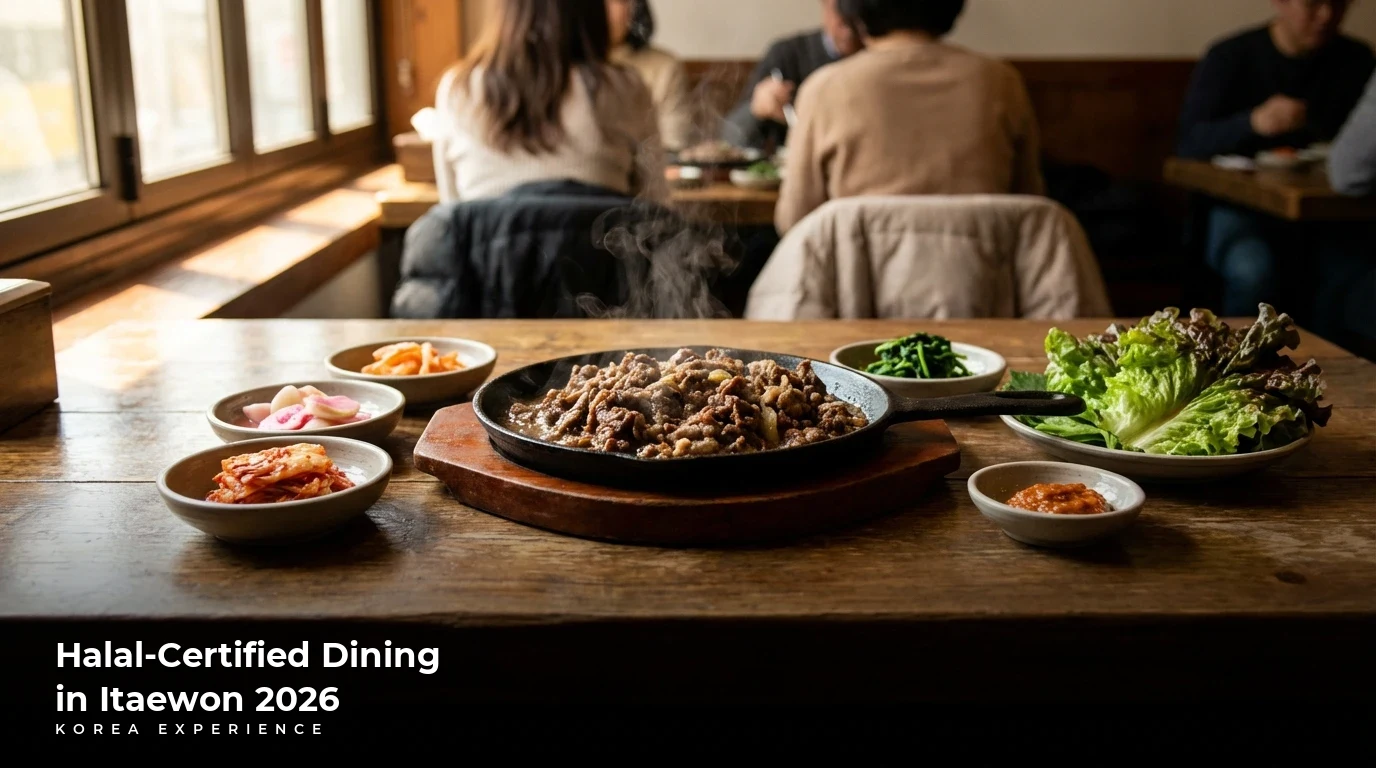
Itaewon is famous for its international flair, home to embassies, foreign residents, and a vibrant nightlife. Crucially, it also hosts the Seoul Central Mosque, making it a natural magnet for Muslim-friendly businesses. Here, you'll find a concentration of restaurants offering authentic halal Korean dishes alongside Middle Eastern, Indian, and other international cuisines.
-
Eid Halal Korean Food (이태원 에이드):
- Specialty: Widely considered one of the pioneering and most authentic Halal Korean food restaurants. Offers classic Korean dishes like Bulgogi (marinated beef), Dakgalbi (spicy stir-fried chicken), Kimchi Jjigae (kimchi stew), and Haemul Pajeon (seafood pancake). Their Dakhanmari (whole chicken soup) is also highly recommended. All meats are KMF-certified halal.
- Price Range: Moderate (around 10,000 to 20,000 KRW per dish).
- Location: 67 Usadan-ro 10-gil, Yongsan-gu, Seoul (a short walk from Seoul Central Mosque).
- Insider Tip: Eid is very popular, especially during peak meal times. Arrive early or be prepared for a short wait. Their side dishes (banchan) are excellent and refillable.
-
Makan Halal Korean Restaurant (마칸 할랄 한국식당):
- Specialty: Another staple in Itaewon, Makan offers a slightly broader menu including Halal Samgyetang (ginseng chicken soup), Bibimbap (mixed rice with vegetables and meat), and a variety of spicy stews. Their focus on authentic Korean flavors prepared halal is a big draw.
- Price Range: Moderate (similar to Eid, 10,000 to 20,000 KRW per dish).
- Location: 38 Usadan-ro 10-gil, Yongsan-gu, Seoul (very close to Eid and the mosque).
- Insider Tip: Makan often has a more casual, diner-like atmosphere. They're great for a quick, satisfying halal Korean meal.
-
Kampungku (캄풍쿠):
- Specialty: While technically Malaysian-Indonesian cuisine, Kampungku is a wildly popular spot for Muslim travelers due to its consistently delicious and fully halal menu. It serves dishes like Nasi Goreng (fried rice), Mee Goreng (fried noodles), and various curries, providing a comforting taste of home for many. They also offer some Korean-inspired side dishes.
- Price Range: Affordable to Moderate (8,000 to 15,000 KRW per dish).
- Location: 127-2 Itaewon-ro, Yongsan-gu, Seoul (right on the main Itaewon street).
- Insider Tip: A great option if you're looking for something different but still within the halal framework. Their portions are generous.
Beyond Itaewon: Hidden Gems and Expanding Options
While Itaewon remains the go-to, other areas in Seoul are gradually increasing their Muslim-friendly offerings.
- Gangnam Area: Upscale department stores like Lotte Department Store and Shinsegae often have food courts that feature international options, and sometimes, a dedicated Indian or Middle Eastern restaurant that may serve halal. Always inquire specifically. Some smaller, independent cafes in the Gangnam area might offer vegetarian-friendly options suitable for a light meal.
- Dongdaemun Area: Known for its shopping districts, Dongdaemun also has a few Middle Eastern restaurants that serve halal food. Look for establishments around the Dongdaemun History and Culture Park. These are usually not Korean, but provide a safe dining option.
- University Areas (e.g., Hongdae, Ewha): These areas, catering to a diverse student population, are often good for finding international restaurants. While explicit halal Korean options might be scarce, you can often find Indian, Pakistani, or Turkish restaurants that guarantee halal meat.
Halal Korean BBQ: A Dream Come True
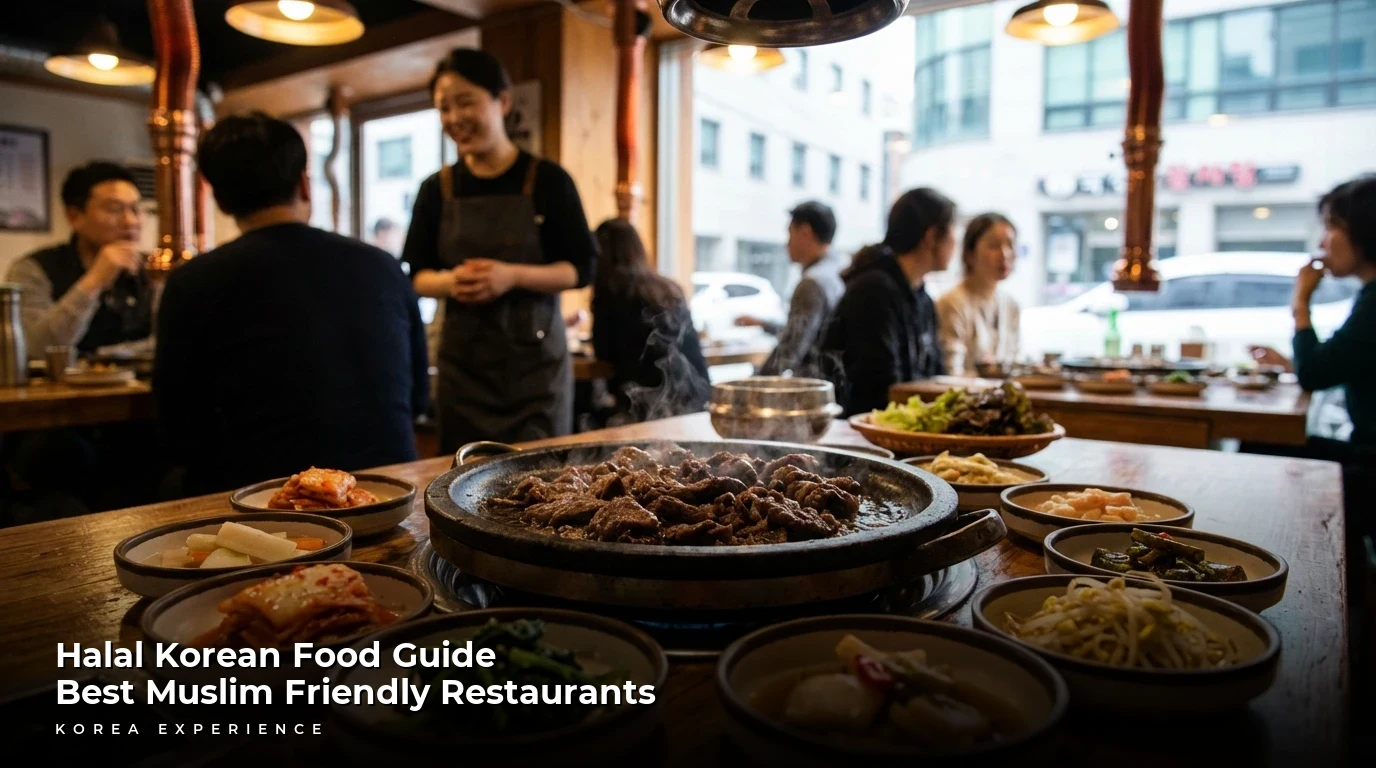
For many, a trip to Korea isn't complete without experiencing the quintessential Korean BBQ. The good news is that Halal Korean BBQ is becoming increasingly available, especially in Itaewon.
- Yang Good Halal Korean BBQ (양국할랄레스토랑):
- Specialty: The most famous dedicated Halal Korean BBQ spot. They serve premium cuts of lamb and beef, marinated in classic Korean BBQ sauces, all certified halal. You can grill the meat right at your table, just like a traditional Korean BBQ experience. Their lamb is particularly renowned.
- Price Range: Higher end (expect 25,000 to 40,000 KRW per person, depending on cuts).
- Location: 3 Nonhyeon-ro 72-gil, Gangnam-gu, Seoul (easily accessible by subway).
- Insider Tip: This is a must-try for any Muslim traveler wanting the full Korean BBQ experience. Reservations are recommended, especially on weekends.
Beyond Seoul: Halal Discoveries in Other Major Cities
While Seoul boasts the highest concentration of Halal Korean food and Muslim-friendly options, other major cities are catching up. Planning ahead is key when venturing outside the capital.
Busan: Coastal Delights and Halal Finds
Busan, South Korea's vibrant port city, is famous for its beaches, fresh seafood, and mountainous landscapes. While dedicated halal Korean restaurants are fewer, there are options for Muslim travelers.
-
Baba India (바바인디아):
- Specialty: Though Indian, Baba India is a highly regarded establishment in Busan that guarantees halal meat for its extensive menu of curries, tandoori dishes, and biryanis. It's a reliable option when craving flavorful and safe food.
- Price Range: Moderate (12,000 to 25,000 KRW per dish).
- Location: 153 Seomyeon-ro, Busanjin-gu, Busan (near Seomyeon Station, a central area).
- Insider Tip: A great place for a hearty meal after exploring Busan. Ask for their vegetarian options if you prefer non-meat.
-
Tips for Finding Halal in Busan:
- Seafood Markets: Busan is renowned for its fresh seafood. Jagalchi Market and Gijang Market offer an abundance of seafood that can be cooked on the spot. Ensure no alcohol or non-halal oils are used in preparation by communicating clearly (see "Navigating Non-Halal Restaurants" section).
- Vegetarian Restaurants: Look for dedicated vegetarian restaurants or temples that offer temple food (temple food is naturally vegetarian and free from garlic, onions, chives, and leeks).
- Busan Mosque: The area around the Busan Mosque might have a few smaller, informal Muslim-friendly eateries.
Jeju Island: A Taste of Paradise, Halal Style
Jeju Island, a volcanic island known for its stunning natural beauty, is a popular destination. Halal options here are more limited but not non-existent.
-
Cheonjeehyang (천지향):
- Specialty: While primarily known for its Black Pork BBQ, Cheonjeehyang also offers a range of seafood dishes (e.g., grilled mackerel, various seafood stews) and some chicken options. While not a fully halal restaurant, it is often listed as "Muslim-friendly" due to its willingness to cater to dietary needs by offering pork-free, alcohol-free options and sometimes using separate utensils upon request.
- Price Range: Moderate to High (15,000 to 30,000 KRW per person).
- Location: 15-2 Jungmungwangwang-ro 72beon-gil, Seogwipo-si, Jeju-do (in the Jungmun Tourist Complex).
- Insider Tip: This place requires clear communication. It's best to call ahead or ask specific questions about preparation to ensure your meal meets your requirements. Focus on their seafood choices.
-
Tips for Finding Halal on Jeju:
- Hotels: Some larger international hotels on Jeju may offer halal breakfast options or have kitchens that can prepare halal meals upon prior request, especially for group bookings.
- Convenience Stores: For quick snacks, convenience stores like GS25, CU, and 7-Eleven are widely available and offer a range of instant noodles, snacks, and drinks that are often free from animal products or alcohol. Always check labels carefully.
- Cafes: Numerous cafes across Jeju offer coffee, tea, and pastries that are generally safe.
Gyeongju/Daegu: Exploring Historical Sites with Halal Options
Gyeongju, the ancient capital of the Silla Kingdom, is an open-air museum. Daegu is a large metropolitan city known for its textiles and culture. Halal options in these cities are generally scarcer than in Seoul or Busan.
- Gyeongju: Focus on vegetarian temple food, seafood restaurants (with careful inquiry), or international restaurants like Indian or Turkish (which are more likely to have halal meat). Packing some halal snacks is advisable.
- Daegu: Daegu has a small but growing Muslim community. Look for Pakistani or Indian restaurants, particularly around the city's universities or industrial areas, which might cater to foreign workers. These establishments are often the most reliable for halal meat outside Seoul.
Navigating Non-Halal Restaurants: Tips for Muslim Travelers
Even with the increasing availability of Halal Korean food, you might find yourself in situations where certified options are unavailable. With a little preparation and clear communication, you can still enjoy a satisfying meal.
The Power of Communication: Essential Korean Phrases
Knowing a few key phrases can make a world of difference when dining out:
- "Halal-gogi isseoyo?" (할랄고기 있어요?): "Do you have halal meat?"
- "Dwaeji-gogi eopseoyo?" (돼지고기 없어요?): "Is there no pork?"
- "Sul eopseoyo?" (술 없어요?): "Is there no alcohol?"
- "Gogi eopseoyo?" (고기 없어요?): "Is there no meat?" (for vegetarian)
- "Jegi-neun musulim-imnida." (저는 무슬림입니다.): "I am Muslim."
- "Ganjeop-osyeon jejo-do eopseoyo?" (간접 오염 제조도 없어요?): "Is there no cross-contamination (in preparation)?" (This is more advanced and might be hard to communicate effectively).
- "Saewoojat-ttaneun eopseoyo?" (새우젓은 없어요?): "Is there no salted shrimp paste?" (Important for Kimchi).
Vegetarian and Seafood Options: Safe Bets
Many traditional Korean dishes are naturally vegetarian or can be easily adapted.
- Bibimbap (비빔밥): Ask for "Yachae Bibimbap" (vegetable Bibimbap) and ensure no minced meat or gochujang (chili paste) containing beef stock is used.
- Gyeran Jjim (계란찜): Steamed egg custard, usually safe.
- Pajeon/Kimchijeon (파전/김치전): Savory pancakes. Request "Haemul Pajeon" (seafood pancake) or "Yachae Pajeon" (vegetable pancake). Double-check if Kimchijeon contains pork.
- Tteokbokki (떡볶이): Spicy rice cakes. The sauce often contains fish cake (eomuk) and sometimes beef/anchovy stock. Ask for "Gogi eopneun Tteokbokki" (meat-free Tteokbokki) and inquire about the broth base.
- Sundubu Jjigae (순두부찌개): Soft tofu stew. Often comes with seafood or vegetables. Make sure to specify no pork or beef.
- Doenjang Jjigae (된장찌개): Soybean paste stew. Typically vegetarian, but some variations may include meat or seafood.
- Guksu (국수): Noodles. Many noodle dishes like Bibim Guksu (spicy cold noodles) or Janchi Guksu (banquet noodles) can be vegetarian.
Understanding Ingredients: Cross-Contamination and Alcohol
- Pork (Dwaeji-gogi): Pork is very common in Korean cuisine. Be vigilant and always ask.
- Alcohol (Sul): Soju and other alcoholic beverages are frequently used in marinades and cooking, especially for meats. Ask for "Sul eopseoyo?"
- Lard/Animal Fat: Less common in general cooking but might be present.
- Fermented Shrimp Paste (Saewoojat): A common ingredient in Kimchi and some stews. While it's seafood, some Muslims avoid it depending on their interpretation. If you are strict, inquire if it's used.
- Cross-Contamination: In non-halal restaurants, even if you order a pork-free dish, there's a risk of cross-contamination from shared cooking surfaces or utensils. For stricter adherence, stick to certified halal establishments or vegetarian-only restaurants.
DIY Halal: Convenience Stores and Supermarkets
For quick and easy halal solutions, or when restaurant options are limited, convenience stores and supermarkets are your best friends.
- Instant Noodles: Many instant noodles are vegetarian or seafood-based. Always check the ingredient list for pork or beef extracts. Brands like Nongshim Soon Veggie Ramyun are popular vegetarian options.
- Snacks: Most chips, cookies, and candies are free from non-halal ingredients. Again, careful label reading is essential.
- Fruits and Vegetables: Fresh produce is readily available and always halal.
- Bread and Pastries: Most bakeries use vegetable oils. However, some pastries might contain lard or alcohol-based flavorings. Ask if in doubt.
- Prepared Foods (at supermarkets): Large supermarkets like Lotte Mart, E-Mart, or Homeplus sometimes have sections with imported halal-certified products or fresh produce and seafood you can cook yourself if you have access to a kitchen.
Must-Try Halal Korean Dishes and Their Alternatives
Experiencing the breadth of Korean cuisine is a highlight of any trip. Here are some iconic dishes and how to find their halal versions or suitable alternatives.
Iconic Dishes Made Halal
Thanks to dedicated Halal Korean food restaurants, you can enjoy these classics worry-free.
- Bulgogi (불고기): Marinated grilled beef. Halal versions use KMF-certified beef and halal-compliant marinade (no alcohol). This sweet and savory dish is a crowd-pleaser.
- Dakgalbi (닭갈비): Spicy stir-fried chicken. Halal versions use KMF-certified chicken and sauces free from non-halal ingredients. Often cooked at your table with vegetables.
- Samgyetang (삼계탕): Ginseng chicken soup. Made with a whole chicken stuffed with glutinous rice, ginseng, jujubes, and garlic. Halal versions use certified chicken. It's a nourishing and healthy dish.
- Kimchi Jjigae (김치찌개): Kimchi stew. Traditionally made with pork, but halal restaurants often use beef or chicken, or a purely vegetarian base. Crucially, the kimchi itself must be halal (no saewoojat or pork in fermentation).
- Japchae (잡채): Stir-fried glass noodles with vegetables. Often naturally halal, but some versions might include beef. Ask for "Yachae Japchae" (vegetable Japchae).
Naturally Muslim-Friendly Dishes and Safe Bets
Many dishes are either naturally compliant or can be easily adapted.
- Bibimbap (비빔밥): As mentioned, "Yachae Bibimbap" (vegetable Bibimbap) is a safe and healthy choice.
- Pajeon (파전): Korean pancakes. "Haemul Pajeon" (seafood pancake) or "Yachae Pajeon" (vegetable pancake) are usually safe.
- Gyeran Mari (계란말이): Rolled omelet. A simple and delicious side dish, usually safe.
- Tteokbokki (떡볶이): Spicy rice cakes. While fish cakes are usually present, if the broth is free of non-halal meat stock and alcohol, it can be a good option.
- Gimbap (김밥): Korean rice rolls. Many varieties exist. Stick to "Yachae Gimbap" (vegetable Gimbap) or "Chamchi Gimbap" (tuna Gimbap) and confirm no ham or other non-halal meats are used.
- Bingsu (빙수): Shaved ice dessert. Various flavors and toppings are available, usually safe and refreshing.
- Patbingsu (팥빙수): Shaved ice with sweet red bean paste, often topped with Tteok (rice cakes) and condensed milk. A classic, naturally halal dessert.
Here's a comparison of common Korean dishes and their halal adaptation potential:
| Dish Name | Original Main Ingredients | Halal Adaptation Potential | Notes |
|---|---|---|---|
| Bulgogi | Beef (often pork in cheaper versions), soy sauce, sugar, garlic, sesame oil. | Use KMF-certified beef. Ensure marinade is alcohol-free. | Widely available in halal restaurants. |
| Dakgalbi | Chicken, Gochujang (chili paste), cabbage, sweet potatoes, Tteok (rice cakes). | Use KMF-certified chicken. Verify Gochujang and other sauces are alcohol-free. | Excellent choice at dedicated halal chicken restaurants or some general halal Korean spots. |
| Kimchi Jjigae | Kimchi, pork, tofu, spring onions, sometimes anchovy stock. | Replace pork with KMF-certified beef, chicken, or tofu. Ensure kimchi is halal (no saewoojat/pork). | Many halal restaurants offer beef or vegetarian kimchi jjigae. Be specific when ordering. |
| Samgyetang | Whole chicken, glutinous rice, ginseng, jujube, garlic. | Use KMF-certified chicken. | Very common and relatively easy to find halal versions, especially in Itaewon. Naturally free of pork. |
| Bibimbap | Rice, assorted vegetables, beef, fried egg, Gochujang. | Order "Yachae Bibimbap" (vegetable) or with KMF-certified beef. Ensure Gochujang is halal. | Often adaptable in non-halal restaurants if you are clear about no meat. |
| Tteokbokki | Rice cakes, Gochujang, Gochugaru (chili powder), fish cakes, sometimes boiled egg. | Verify Gochujang is alcohol-free and broth is not meat-based. Ask for no fish cakes if strict. | Fish cakes (eomuk) are typically present; verify their ingredients. Some halal restaurants offer completely safe versions. |
| Gimbap | Rice, dried seaweed, various fillings (egg, ham, crab stick, vegetables, tuna, beef). | Choose "Yachae Gimbap" (vegetable) or "Chamchi Gimbap" (tuna). Avoid ham/crab stick. | Widely available, but careful selection is needed. Check if "crab stick" contains artificial crab made with non-halal ingredients. |
Frequently Asked Questions about Halal Korean Food
1. Is Kimchi Halal?
The question of whether Kimchi is halal is common. Traditionally, many Kimchi varieties contain saewoojat (fermented shrimp paste) or myeolchi-jeot (fermented anchovy paste) which some Muslims choose to avoid. Moreover, certain types of Kimchi, particularly those made commercially, could potentially use pork broth as a base for flavor, though this is less common.
Generally:
- Most vegetarian Kimchi or Kimchi made without seafood paste is considered halal by the majority of scholars.
- Halal-certified Kimchi is available in specific halal stores or online.
- In halal Korean restaurants, the Kimchi served will be halal-compliant.
- When dining at non-halal restaurants, it's best to politely inquire about the ingredients of their Kimchi, specifically asking "Saewoojat-ttaneun eopseoyo?" (Is there no salted shrimp paste?) or "Dwaeji-gogi eopseoyo?" (Is there no pork?). Many Koreans understand "vegetarian" and can guide you.
2. Can I find Halal street food in Korea?
Finding explicitly Halal street food in Korea can be challenging because most street vendors do not carry halal certification and often use shared cooking surfaces and oils. Ingredients like fish cakes (eomuk) often have anchovy or other seafood broth, and many skewers (e.g., tteokkochi - rice cake skewers) are fried in shared oil or brushed with sauces that might contain non-halal ingredients.
Tips for street food:
- Fruits and Roasted Chestnuts: These are always safe and delicious.
- Tteokbokki/Eomuk: Inquire about the broth and ensure no cross-contamination. This is often difficult to confirm.
- Gyeranppang (Egg Bread): Usually safe as it's a simple sweet bread with an egg.
- Hotteok (Sweet Pancake): Mostly vegetarian, but some varieties might use non-halal oils or fillings.
- Convenience Stores: A safer bet for quick snacks that are often individually packaged with ingredient lists.
It's generally recommended to stick to dedicated halal restaurants for a worry-free experience with traditional Korean dishes.
3. Are there mosques or prayer facilities in Korea?
Yes, South Korea has a growing number of mosques and prayer facilities, particularly in major cities and areas with significant Muslim populations.
- Seoul Central Mosque (서울중앙성원): Located in Itaewon, Seoul, this is the largest and most prominent mosque in Korea, serving as a hub for the Muslim community.
- Busan Mosque (부산성원): A smaller mosque serving the Muslim community in Busan.
- Other Prayer Rooms: Many major international airports (like Incheon International Airport - ICN), large department stores, and some popular tourist attractions (e.g., Nami Island, Everland) now provide dedicated prayer rooms (Musolla) for Muslim visitors. Look for signs or inquire at information desks.
Utilizing apps like "HalalTrip" or "Muslim Pro" can help locate nearby mosques and prayer facilities.
4. What about cross-contamination in non-halal restaurants?
Cross-contamination is a significant concern for many Muslim diners. In non-halal restaurants, even if you order a pork-free or vegetarian dish, there's a possibility that it could be prepared on the same grill, pan, or with utensils that have come into contact with non-halal ingredients.
- Strict Adherence: For those who adhere strictly to halal dietary laws, it is highly recommended to prioritize KMF-certified halal restaurants or Muslim-owned establishments that explicitly guarantee no cross-contamination.
- Asking for Separate Utensils/Pans: While challenging, you can politely ask if your food can be prepared in a separate pan or with clean utensils. However, expect this to be difficult to accommodate in busy local restaurants.
- Vegetarian-Only Restaurants: These offer a safer environment as there is no meat involved, significantly reducing the risk of cross-contamination from animal products. Always verify that no alcohol or animal-derived fats are used in their cooking.
5. Are vegetarian restaurants common in South Korea?
While not as ubiquitous as in some Western countries, vegetarianism is a growing trend in South Korea, and dedicated vegetarian restaurants are becoming more common, especially in larger cities like Seoul, Busan, and Jeju.
- Temple Food (Saengchae-shik): Many Buddhist temples or restaurants specializing in "temple food" offer naturally vegetarian and vegan options. These dishes are prepared without any meat, fish, garlic, onions, chives, leeks, or even chilies in some cases, focusing on natural flavors and plant-based ingredients. They are an excellent, safe option for Muslims.
- Vegan Cafes and Restaurants: With the global rise of veganism, more vegan-friendly cafes and restaurants are appearing, especially in trendy areas like Hongdae, Gangnam, and Itaewon in Seoul. These often clearly label their ingredients.
- General Restaurants: As discussed, many non-vegetarian Korean restaurants can offer adaptable vegetarian dishes like Bibimbap or Pajeon, but careful inquiry about ingredients and preparation methods is always necessary.
Conclusion: Savoring South Korea, Halal-Style
Exploring the culinary landscape of South Korea as a Muslim traveler or expat is an increasingly rewarding experience. While it requires a bit of planning and awareness, the growth of Halal Korean food and Muslim-friendly restaurants means you no longer have to miss out on the incredible flavors that define this vibrant culture.
From the bustling streets of Itaewon, a true haven for halal foodies, to the expanding options in Busan and even Jeju, delicious and permissible meals are within reach. Remember to leverage the power of certification from the Korea Muslim Federation (KMF), seek out Muslim-owned establishments, and arm yourself with essential Korean phrases to communicate your dietary needs effectively. Don't shy away from naturally vegetarian or seafood-focused dishes, and always be prepared with backup snacks from convenience stores.
Your journey through South Korea should be an immersive one, and that includes fully enjoying its world-renowned cuisine. With this guide, we hope you feel empowered to embark on a culinary adventure that is both authentic and compliant with your faith. So go forth, explore, and savor every moment of your "Halal Korean Food" experience!
Planning other aspects of your trip? Don't forget to check out our comprehensive guides on Korean cultural etiquette and navigating public transport in major cities for an even smoother travel experience!
About the Author
Korea Experience Team
Written by the Korea Experience editorial team - experts in Korean medical tourism, travel, and culture with years of research and firsthand experience.
⚠️ Medical Disclaimer
The information provided on this website is for general informational purposes only and does not constitute medical advice. Always consult with qualified healthcare professionals before making any medical decisions.
Continue Reading
Explore more articles you might find interesting
Explore the rich, diverse world of Korean fermented foods beyond the popular trio. Discover lesser-known culinary treasures, their history, health benefits, and where to find them.
Discover Suwon Galbi's rich history, what makes it unique, and our top picks for the best barbecue restaurants in Suwon, South Korea for an unforgettable dining experience.
Explore Korea's dynamic wine scene, from unique domestic fruit wines and burgeoning grape vineyards to its thriving imported wine market.