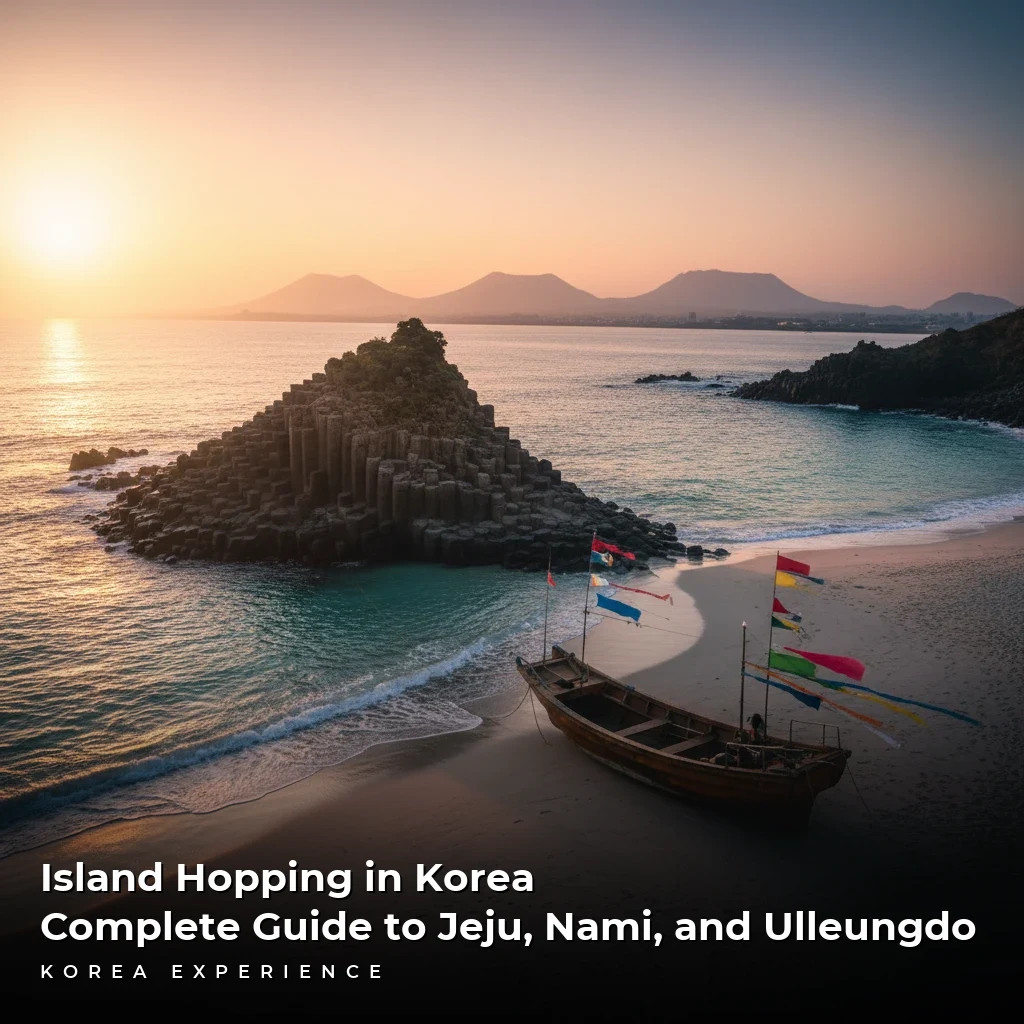
Island Hopping Guide Jeju Nami and Ulleungdo
Embark on an epic island hopping adventure across South Korea. Discover Jeju's natural wonders, Nami's charm, and Ulleungdo's pristine beauty with this comprehensive guide.
Island Hopping Guide Jeju Nami and Ulleungdo: An Unforgettable Korean Adventure
Introduction: Unveiling Korea's Island Treasures
Imagine a journey through diverse landscapes, from volcanic marvels and stunning coastlines to serene, picture-perfect forests and rugged, untouched beauty. South Korea, often celebrated for its bustling cities and vibrant pop culture, also harbors an incredible collection of islands, each with its own unique allure. Many international travelers tend to stick to major urban centers like Seoul and Busan, inadvertently missing out on the breathtaking natural splendor and distinctive cultural experiences that Korea's islands offer. The idea of planning an extensive "Island Hopping Guide Jeju Nami and Ulleungdo" trip might seem daunting due to geographical distances and logistical complexities.
However, with the right information and preparation, an unforgettable island odyssey is well within reach. This comprehensive guide is designed to equip you with all the knowledge needed to plan and execute an incredible adventure across three of Korea's most distinct and captivating islands: Jeju, Nami, and Ulleungdo. From understanding transportation networks and securing comfortable accommodation to discovering must-see attractions and savoring local delicacies, we will cover every essential detail. By the end of this guide, you will be empowered to confidently chart your course, embracing the diversity and charm of these Korean island treasures.
Jeju Island – The Volcanic Gem of Korea
Jeju Island, often referred to as "Korea's Hawaii," is a volcanic island boasting a unique landscape, mild climate, and a plethora of natural wonders. A UNESCO World Heritage site, Jeju offers everything from towering peaks and lava tubes to pristine beaches and lush tea plantations. It is arguably Korea's most popular island destination for both domestic and international tourists.
Getting to and Around Jeju
Reaching Jeju Island is incredibly convenient, primarily by air. Numerous daily flights depart from Seoul's Gimpo Airport (GMP), taking approximately one hour. There are also less frequent flights from Incheon International Airport (ICN) and other major cities like Busan and Daegu. Flight prices can vary significantly but typically range from 30-80 USD one way, depending on the airline and time of booking. Jeju International Airport (CJU) is well-connected to the rest of the island.
Once on Jeju, the most recommended mode of transportation for international visitors is renting a car. This provides the flexibility to explore the island at your own pace, especially given the widespread attractions. Rental car agencies are abundant at the airport, with prices starting from around 40-70 USD per day for an economy car. An International Driving Permit is required. Alternatively, Jeju has an efficient public bus system, with intercity buses connecting major towns and tourist sites. Taxis are also readily available, though more expensive for long distances. For those preferring guided experiences, many tour operators offer day trips to popular spots.
Must-See Attractions and Experiences
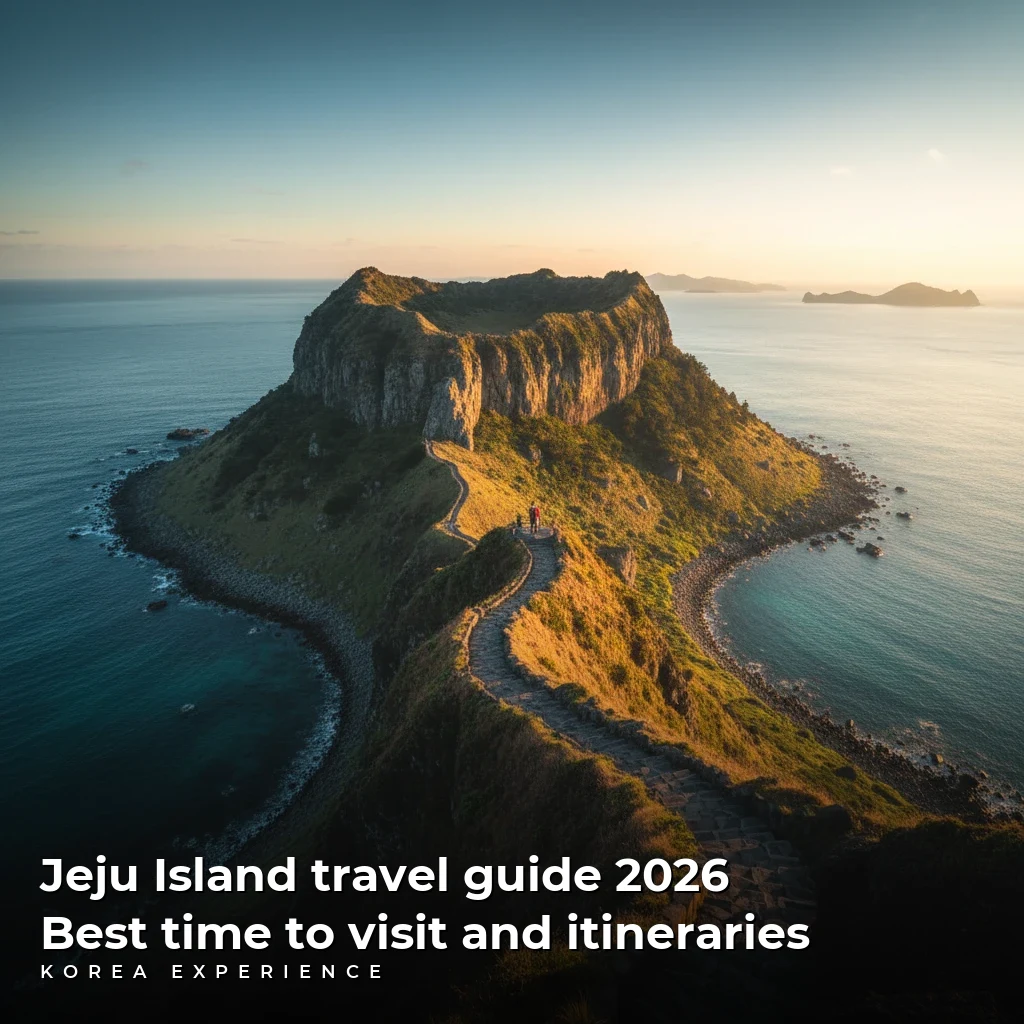
Jeju's landscape is incredibly diverse, offering something for every type of traveler. The majestic Hallasan National Park, home to South Korea's highest mountain, Mount Halla, offers challenging yet rewarding hiking trails leading to a stunning crater lake. For a breathtaking sunrise, Seongsan Ilchulbong Peak, also known as "Sunrise Peak," is a UNESCO World Heritage site formed by a hydrovolcanic eruption, providing panoramic views after a relatively short but steep climb.
Delve into the island's geological past by exploring the Manjanggul Lava Tube, one of the finest lava tunnels in the world, stretching for miles underground. Other natural wonders include the picturesque Cheonjiyeon Falls and Jeongbang Falls, the latter being one of the few waterfalls in Asia that plunges directly into the ocean. The unique columnar joint formations of the Jusangjeolli Cliff are another must-see, showcasing nature's artistry.
Beyond natural beauty, Jeju offers cultural insights. Witness the Haenyeo (Jeju's legendary female divers) in action, or learn about their fascinating matriarchal culture at the Haenyeo Museum. For tea lovers, the O'Sulloc Tea Museum provides a sensory experience amidst vast green tea fields. Finally, unwind on Jeju's beautiful beaches like Hyeopjae Beach with its turquoise waters and views of Biyangdo Island, or the lively Jungmun Saekdal Beach.
Accommodation and Dining
Jeju offers a wide range of accommodation options. Jeju City in the north is convenient for airport access and has a bustling urban feel. Seogwipo City in the south is known for its proximity to waterfalls and lush landscapes. The Jungmun Resort Complex offers high-end hotels and resorts. Budget-friendly guesthouses and pensions are also widely available across the island. Prices for a standard hotel room typically range from 70-150 USD per night.
Jeju's cuisine is a highlight. Don't leave without trying the famous Jeju black pork, known for its rich flavor and tender texture. Fresh seafood, caught daily, is abundant, including various types of raw fish (hoe), abalone, and sea urchin. For a sweet treat, the local Hallabong tangerines, known for their distinct taste and shape, are a seasonal delight.
Practical Tips for Jeju
The best times to visit Jeju are spring (April-May) for cherry blossoms and lush greenery, and autumn (September-October) for mild weather and vibrant fall foliage. Summers (July-August) can be hot and humid, while winters (December-February) are cool with occasional snow on Hallasan. It is highly recommended to book flights and rental cars well in advance, especially during peak seasons and Korean holidays. When driving, be mindful of local speed limits and parking regulations.
Nami Island – The Romantic Oasis
Nami Island, or Naminara Republic, is a charming, half-moon-shaped island renowned for its stunning tree-lined avenues and picturesque landscapes. Though small, it has gained international fame as a filming location for the popular Korean drama "Winter Sonata," drawing countless visitors seeking romance and natural beauty. Unlike Jeju and Ulleungdo, Nami is an inland island, formed by the construction of the Cheongpyeong Dam.
Reaching Nami Island from Seoul
Nami Island is easily accessible as a day trip from Seoul, making it a perfect addition to your "Island Hopping Guide Jeju Nami and Ulleungdo" itinerary without needing extensive travel between major hubs. The most popular way to get there is by taking the ITX-Cheongchun train from Yongsan Station or Cheongnyangni Station in Seoul to Gapyeong Station. The train journey takes about 60-80 minutes and costs approximately 5-6 USD. From Gapyeong Station, you can take a local bus or taxi to the Gapyeong Wharf (about 5-10 minutes), where you'll catch a ferry to Nami Island.
The ferry ride itself is short, about 5-10 minutes, and costs around 10-13 USD for a round trip, which includes the island's entrance fee. For the adventurous, a zipline option is available from the Gapyeong Wharf directly onto Nami Island, offering an exhilarating start to your visit for about 40-50 USD. Many tour companies also offer convenient direct bus tours from Seoul, often combining Nami Island with nearby attractions like Petite France or The Garden of Morning Calm.
Iconic Sights and Activities
Nami Island is best explored on foot or by bicycle. The island's most iconic spots include the Metasequoia Lane and Gingko Tree Lane, famous for their breathtaking beauty throughout the seasons, especially vibrant in autumn and ethereal in winter. These tree-lined paths are perfect for leisurely strolls and photography.
Beyond the famous lanes, Nami Island features various themed gardens, riverside paths, and unique art installations scattered across its grounds. You can rent a bicycle (single or tandem) to explore the island's perimeter, offering a refreshing way to take in the serene environment. Other activities include craft workshops, small museums, and even a unique "children's village" promoting peace and nature. Keep an eye out for the island's resident ostriches, deer, and other small animals that roam freely.
Dining and Shopping
Nami Island offers several dining options, ranging from casual cafes to restaurants serving Korean and international cuisine. Expect to find local specialties like "dakgalbi" (spicy stir-fried chicken), often enjoyed in the nearby Gapyeong area, as well as more universal choices. Many visitors enjoy packing a picnic to enjoy amidst the island's natural beauty.
For souvenirs, the island has several shops offering Nami Island-themed merchandise, local handicrafts, and "Winter Sonata" memorabilia. It's a great place to pick up unique gifts that capture the island's romantic and artistic essence.
Practical Tips for Nami Island
While an overnight stay is possible on Nami Island (there is one hotel), it is predominantly a day trip destination. Aim to arrive early, especially on weekends and holidays, to avoid crowds. The island is beautiful year-round, but spring (late March to May) for cherry blossoms, autumn (October to early November) for fall foliage, and winter (December to February) for its "Winter Sonata" charm are particularly popular. Check ferry times for your return journey, especially if you plan to combine your visit with other attractions in the Gapyeong area. If you are considering extending your trip to nearby attractions like Petite France or The Garden of Morning Calm, these can easily be combined with a Nami Island visit, enhancing your Gyeonggi-do province experience.
Ulleungdo Island – The Mysterious Eastern Outpost
Ulleungdo, often called "Mysterious Island," is a hidden gem located in the East Sea, far off the coast of mainland Korea. This rugged volcanic island boasts dramatic cliffs, untouched forests, and crystal-clear waters, offering a stark contrast to Jeju's softer landscapes and Nami's manicured beauty. Ulleungdo is for the adventurous traveler seeking pristine nature and a tranquil escape.
The Journey to Ulleungdo
Reaching Ulleungdo is an adventure in itself, as it is only accessible by ferry. Ferries depart from several ports on the East Coast, including Pohang, Mukho (Donghae), and Hupo. The journey typically takes between 2.5 to 4.5 hours, depending on the departure port and the ferry type. The most frequent services usually depart from Pohang and Mukho.
Booking your ferry tickets well in advance is absolutely crucial, especially during peak seasons (summer and Korean holidays), as services can be limited and fill up quickly. Ferry prices usually range from 50-80 USD one way. It is important to note that ferry services to Ulleungdo are highly dependent on weather conditions. Strong winds or high waves can lead to cancellations, sometimes with little notice. It is advisable to build some flexibility into your itinerary when planning a trip to Ulleungdo and to check weather forecasts rigorously before your planned departure. For those prone to seasickness, medication is highly recommended.
Exploring Ulleungdo's Rugged Beauty
Ulleungdo's main port of entry is Dodong Harbor, a bustling hub with various guesthouses and restaurants. From here, you can begin exploring the island's unique attractions. A must-visit is the Dokdo Observatory, accessible via a cable car, which offers panoramic views of Ulleungdo's coastline and, on exceptionally clear days, a glimpse of the distant Dokdo Islets.
Nature lovers will appreciate Bongnae Falls, the island's main water source, surrounded by lush forest and offering refreshing air. The Taeha Lighthouse and Hyangmok Observatory, reached via another scenic cable car or a hiking trail, provide breathtaking vistas of the dramatic cliffs and the East Sea.
One of Ulleungdo's most unique features is the Nari Basin, a caldera village located in the heart of the island. Here, you can find traditional Korean houses called " 너와집 " (neowajip) and " 투막집 " (tumakjip), built with unique methods to withstand the island's harsh winters. It is a peaceful area perfect for walking and experiencing local life. Don't miss the opportunity to walk across the suspension bridge to Gwaneumdo Island, a small, picturesque islet connected to Ulleungdo, offering stunning coastal views and gentle walking paths. Exploring Ulleungdo is best done by renting a car, joining a local tour bus, or utilizing the island's limited public bus service which circles the coast.
Local Culture and Cuisine
Ulleungdo's isolated location has fostered a distinctive local culture and cuisine centered around its bountiful marine resources. The island is particularly famous for its incredibly fresh squid (ojingeo), often eaten raw, dried, or in various dishes. Other seafood delicacies include fresh mussels and other unique catches not easily found elsewhere.
Beyond seafood, Ulleungdo is known for special agricultural products. Try Myeong-i Namul, a type of wild garlic chive pickled and served as a side dish, which is highly prized. Another unique treat is pumpkin sikhye, a sweet traditional rice punch made with Ulleungdo's sweet pumpkins. Dining here is an authentic experience focused on fresh, local ingredients.
Practical Tips for Ulleungdo
Accommodation on Ulleungdo is more limited compared to Jeju, primarily consisting of guesthouses, small hotels, and pensions concentrated around Dodong and Jeodong harbors. Booking well in advance is essential. Due to the reliance on ferry travel, it's prudent to plan for at least 3-4 days to account for potential weather delays. The island's terrain is steep and rugged, so comfortable walking shoes are a must. Carry cash, as not all smaller establishments may accept credit cards. Embrace the unpredictable nature of island life; a trip to Ulleungdo is an immersion into Korea's raw, untamed beauty.
Crafting Your Island Hopping Itinerary
Combining Jeju, Nami, and Ulleungdo into a single trip requires careful planning due to their diverse geographical locations. Jeju is in the far south, Nami is inland near Seoul, and Ulleungdo is far to the east. A direct island-to-island transfer is not feasible for all three. The most practical approach involves returning to a major mainland hub, typically Seoul, between island visits.
Suggested Itinerary Structures
Here are a few ways to structure your "Island Hopping Guide Jeju Nami and Ulleungdo" adventure:
-
Option 1: The Comprehensive 10-12 Day Journey
- Days 1-4: Jeju Island. Fly into Jeju from Seoul. Explore the volcanic landscapes, beaches, and cultural sites.
- Days 5-6: Transition & Nami Island. Fly back to Seoul (Gimpo). Dedicate a full day for a Nami Island day trip from Seoul, potentially combining with other Gyeonggi-do attractions.
- Days 7-10: Ulleungdo Island. Travel from Seoul (via KTX or bus) to an East Coast ferry port (Pohang or Mukho). Take the ferry to Ulleungdo for a 2-3 day exploration. Account for travel time to and from the mainland, and potential ferry delays.
- Day 11-12: Departure/Seoul Exploration. Return to Seoul for departure or further city exploration.
-
Option 2: Focus on Jeju & Ulleungdo with Nami as a Day Trip (More Relaxed)
- Days 1-5: Jeju Island. Fly to Jeju, spend 4-5 full days exploring thoroughly.
- Days 6-7: East Coast & Ulleungdo. Fly back to Busan or a nearby East Coast airport. Travel to Pohang/Mukho and take the ferry to Ulleungdo for 2-3 days.
- Days 8-9: Return to Seoul & Nami Day Trip. Return to the mainland and take KTX to Seoul. Dedicate a separate day for the Nami Island day trip. This option minimizes backtracking to Seoul if coming from the south.
Logistics and Seamless Transitions
- Inter-Island Travel: While Jeju-Seoul flights are abundant, there are no direct flights between Jeju and Ulleungdo, or Nami and the other islands. You will always need to transit through the mainland.
- Connecting Flights/Trains/Buses: Utilize Korea's excellent public transportation network. The KTX high-speed rail is ideal for quick transfers between major cities (e.g., Seoul to Pohang). Local express buses are also efficient and cover most routes.
- Booking: For flights, ferries, and popular KTX routes, always book in advance, especially during holidays or peak travel seasons. This secures your spot and often provides better prices.
- Weather Considerations: Ulleungdo travel is highly weather-dependent. Build buffer days into your itinerary to avoid stress if ferries are cancelled.
Budgeting for Your Adventure
An island hopping trip can vary widely in cost depending on your travel style. Here's a general breakdown:
- Transportation: Flights to Jeju (round trip from Seoul) 60-160 USD. KTX from Seoul to East Coast (round trip) 60-90 USD. Ulleungdo ferry (round trip) 100-160 USD. Nami Island train/ferry (round trip) 15-20 USD. Local transport (rental car, buses) 20-70 USD per day.
- Accommodation:
- Budget (guesthouses, hostels): 30-60 USD/night
- Mid-range (boutique hotels, pensions): 70-150 USD/night
- Luxury (resorts, high-end hotels): 150+ USD/night
- Activities & Food: Plan 50-100 USD per person per day for food, entrance fees, and incidental spending, depending on dining choices and activities.
Sample daily budgets (per person):
- Budget Traveler: 100-150 USD (shared accommodation, local eateries, public transport)
- Mid-range Traveler: 150-250 USD (private mid-range hotel, mixture of local/nicer restaurants, occasional taxis/rental car)
- Luxury Traveler: 250+ USD (high-end hotels, fine dining, private transport)
Remember these are estimates. Customizing your trip according to your budget and interests is key.
Essential Travel Tips for Korean Island Hopping
Embarking on an island hopping adventure across Korea promises incredible experiences, but a few practical tips can make your journey smoother and more enjoyable.
Best Time to Visit
- Spring (April-May): Generally considered the best time with mild weather, blooming flowers (cherry blossoms in April), and comfortable temperatures. Ideal for hiking and outdoor activities on Jeju and Nami. Ulleungdo ferries are more reliable.
- Autumn (September-October): Another excellent choice with crisp air, stunning fall foliage (especially on Nami Island), and stable weather. Perfect for photography and exploring.
- Summer (June-August): Warm and humid, popular for beach activities on Jeju. Can be crowded, and Ulleungdo ferry cancellations due to typhoons are a possibility.
- Winter (November-March): Cold, especially on Ulleungdo. Jeju and Nami offer unique snowy landscapes (like Winter Sonata on Nami). Ferry services to Ulleungdo can be significantly reduced or cancelled.
What to Pack
- Layered Clothing: Korean weather can be unpredictable, especially on islands. Pack layers to adapt to temperature changes.
- Comfortable Walking Shoes: You'll be doing a lot of exploring on foot.
- Rain Gear: A light waterproof jacket or umbrella is always a good idea.
- Sun Protection: Hat, sunglasses, and sunscreen, even on cloudy days.
- Motion Sickness Medication: Essential if you're prone to seasickness, especially for the Ulleungdo ferry.
- Portable Charger/Power Bank: Keep your devices charged for navigation and photos.
- Reusable Water Bottle: Stay hydrated and reduce plastic waste.
Communication and Connectivity
- SIM Cards/eSIMs: Easily purchase a local SIM card or eSIM at major airports or convenience stores. This provides reliable data for navigation and communication. Portable Wi-Fi devices (pocket Wi-Fi) are also a popular option for groups.
- Google Maps/Naver Map/Kakao Map: While Google Maps works, local apps like Naver Map and Kakao Map often provide more detailed information for public transportation and local businesses in Korea.
- Basic Korean Phrases: Learning a few basic phrases like "Annyeonghaseyo" (Hello), "Gamsahamnida" (Thank you), "Juseyo" (Please give me), and numbers will go a long way in interacting with locals, especially on less touristy Ulleungdo. Translation apps can be very helpful.
Safety and Emergency Preparedness
South Korea is a very safe country. However, it's always wise to be prepared.
- Emergency Numbers: Police (112), Fire/Ambulance (119).
- Travel Insurance: Highly recommended to cover unexpected events like medical emergencies, trip cancellations (especially for Ulleungdo ferries), or lost luggage.
- Inform Someone: Let a friend or family member know your itinerary.
Cultural Etiquette
- Respect for Elders: Show deference to older individuals.
- Public Transport: Offer your seat to the elderly or pregnant women. Keep noise levels down.
- Dining: It's common to share dishes. Use serving utensils if provided. Do not stick chopsticks upright in your rice.
- Shoes Off: Remove your shoes when entering homes, many guesthouses, and traditional restaurants.
By keeping these tips in mind, you'll be well-prepared to navigate the beauty and charm of Korea's islands with confidence and ease.
Comparing Your Island Destinations
To help you visualize the distinct character and offerings of each island, here are a few comparison tables. These insights are key for tailoring your "Island Hopping Guide Jeju Nami and Ulleungdo" adventure to your personal preferences.
Table 1: Key Characteristics Comparison
| Feature | Jeju Island | Nami Island | Ulleungdo Island |
|---|---|---|---|
| Main Appeal | Volcanic landscapes, beaches, diverse nature, culture | Romantic scenery, picturesque tree lanes, art, relaxation | Rugged cliffs, pristine nature, remote charm, unique marine life |
| Size | Largest island (approx. 1,849 sq km) | Small (approx. 0.46 sq km) | Medium (approx. 73 sq km) |
| Accessibility | Easy (frequent flights from mainland) | Very easy (day trip from Seoul by train/bus) | Challenging (weather-dependent ferries from East Coast) |
| Natural Features | Hallasan, lava tubes, waterfalls, beaches | Metasequoia and Ginkgo tree lanes, riverside paths, gardens | Dramatic cliffs, Nari Basin, volcanic peaks, clear waters |
| Typical Visit | 3-5 days recommended | Half to full day recommended | 2-3 days recommended (plus travel time) |
| Vibe | Popular, resort-like, adventurous | Quaint, romantic, whimsical | Secluded, wild, adventurous, tranquil |
Table 2: Activity and Experience Comparison
| Activity | Jeju Island | Nami Island | Ulleungdo Island |
|---|---|---|---|
| Hiking | Hallasan, coastal trails | Leisurely walks, biking | Coastal trails, Nari Basin hikes, Taeha Lighthouse |
| Beaches | Hyeopjae, Jungmun Saekdal, Hamdeok | Riverside paths only (no swimming beaches) | Rocky shores, snorkeling/diving in clear waters |
| Cultural Sites | Haenyeo Museum, folk villages, temples | Art installations, craft shops | Traditional Nari Basin houses, Dodong Lighthouse |
| Unique Activities | Horseback riding, scuba diving, tea plantations | Zipline, caricature drawing, bike rental | Dokdo Observatory, Gwaneumdo bridge, squid fishing |
| Food Specialties | Black pork, fresh seafood, Hallabong tangerine | Korean snacks, Western cafes, light meals | Fresh squid, Myeong-i Namul, pumpkin sikhye |
Table 3: Travel Logistics Comparison
| Logistic | Jeju Island | Nami Island | Ulleungdo Island |
|---|---|---|---|
| Main Transport Access | Flights from Seoul/Busan | ITX train to Gapyeong, then ferry/zipline | Ferry from Pohang/Mukho/Hupo |
| Local Transport | Rental car highly recommended, bus, taxi | Walking, biking, electric cars | Rental car, tour bus, local bus |
| Accommodation Range | Budget to luxury hotels/resorts | 1 resort hotel, guesthouses nearby mainland | Guesthouses, small hotels (limited luxury) |
| Ideal Season | Spring, Autumn | Spring, Autumn, Winter (for "Winter Sonata" theme) | Spring, Autumn (avoid summer typhoons and winter rough seas) |
| English Speaker Availability | Moderate to high (tourist-focused) | High (international tourist destination) | Low (more local, basic phrases helpful) |
FAQ: Your Island Hopping Questions Answered
Q1: Is it practical to visit all three islands (Jeju, Nami, Ulleungdo) in one trip?
A1: Yes, it is practical, but requires careful planning and typically a minimum of 10-12 days to comfortably experience each. Due to their geographical locations (Jeju in the south, Nami near Seoul, Ulleungdo in the far east), you'll need to use a combination of flights, trains, and ferries, often transiting through Seoul or another major mainland city between islands. It's not a continuous island hop without returning to the mainland.
Q2: Do I need a rental car on all islands?
A2: A rental car is highly recommended for Jeju Island to maximize flexibility and reach all attractions, especially if you plan to explore widely. For Nami Island, it is car-free; walking or cycling is the best way to get around. For Ulleungdo, a rental car offers the most convenience, though local tour buses and limited public buses can also get you to key sites. If you are comfortable driving on hilly, winding roads, a rental car provides significant freedom on Ulleungdo.
Q3: What are the ferry options for Ulleungdo, and how reliable are they?
A3: Ferries to Ulleungdo depart from mainland ports like Pohang, Mukho (Donghae), and Hupo. Services are not daily from all ports, and schedules vary by season. They are highly weather-dependent; strong winds or high waves can lead to cancellations, sometimes on short notice. It is crucial to check weather forecasts, book tickets well in advance, and build buffer days into your itinerary when planning a trip to Ulleungdo. Travel insurance that covers trip interruptions is also advisable.
Q4: Is English widely spoken on these islands?
A4: On Jeju Island and Nami Island, which are popular international tourist destinations, you will find a moderate to high level of English spoken in hotels, major tourist attractions, and larger restaurants. Staff at information centers are usually proficient in English. However, on Ulleungdo Island, English proficiency is much lower as it caters more to domestic tourists. Learning a few basic Korean phrases will be very helpful and appreciated by locals on Ulleungdo. Translation apps are also highly recommended for this leg of your journey.
Q5: What is the typical cost for an island hopping trip to Jeju, Nami, and Ulleungdo?
A5: The cost can vary widely based on your travel style, duration, and accommodation choices. For a comprehensive 10-12 day trip including all three islands, a mid-range budget traveler might expect to spend approximately 1,800 - 3,000 USD per person, excluding international airfare to Korea. This estimate covers domestic flights, ferry tickets, train tickets, mid-range hotel accommodation, food, and activities. Budget travelers can reduce costs by opting for guesthouses, local eateries, and public transport, while luxury travelers could easily spend significantly more.
Conclusion: Charting Your Korean Island Odyssey
South Korea's islands offer a captivating journey into the country's diverse natural beauty and cultural richness. This "Island Hopping Guide Jeju Nami and Ulleungdo" has aimed to demystify the process of exploring these distinct destinations. From the volcanic grandeur and beach-lined coasts of Jeju to the romantic, tree-lined avenues of Nami Island, and finally, to the rugged, untamed beauty of the East Sea's remote Ulleungdo, each island promises a unique and unforgettable experience.
By understanding the logistics, preparing for the journey, and embracing the distinct character of each location, you are now well-equipped to chart your own Korean island odyssey. Remember to book essential transportation and accommodation in advance, stay flexible, and immerse yourself in the local culture and cuisine. Don't let the thought of complex logistics deter you; the rewards of discovering these lesser-explored facets of Korea are immense. Go forth, explore, and create memories that will last a lifetime, experiencing the magic of Jeju, Nami, and Ulleungdo.
About the Author
Korea Experience Team
Written by the Korea Experience editorial team - experts in Korean medical tourism, travel, and culture with years of research and firsthand experience.
⚠️ Medical Disclaimer
The information provided on this website is for general informational purposes only and does not constitute medical advice. Always consult with qualified healthcare professionals before making any medical decisions.
Continue Reading
Explore more articles you might find interesting
Discover Seoul's most stunning libraries in 2026, where architectural beauty meets literary wonder. Perfect for travelers seeking unique cultural experiences.
Unearth unique finds in Dongmyo, Seoul's vintage paradise. This 2026 guide offers essential tips for international shoppers, revealing hidden gems and best practices.
Unlock Korea's stunning landscapes on two wheels with this guide to motorcycle rental for experienced international riders. Navigate requirements, find the best rentals, and plan your unforgettable adventure.