Korean Palaces Guide 2026: Gyeongbokgung vs Changdeokgung Itinerary
Master Seoul's royal history in 2026. Compare Gyeongbokgung (₩3,000) and Changdeokgung (₩3,000) with our complete walking guide and Secret Garden tips.
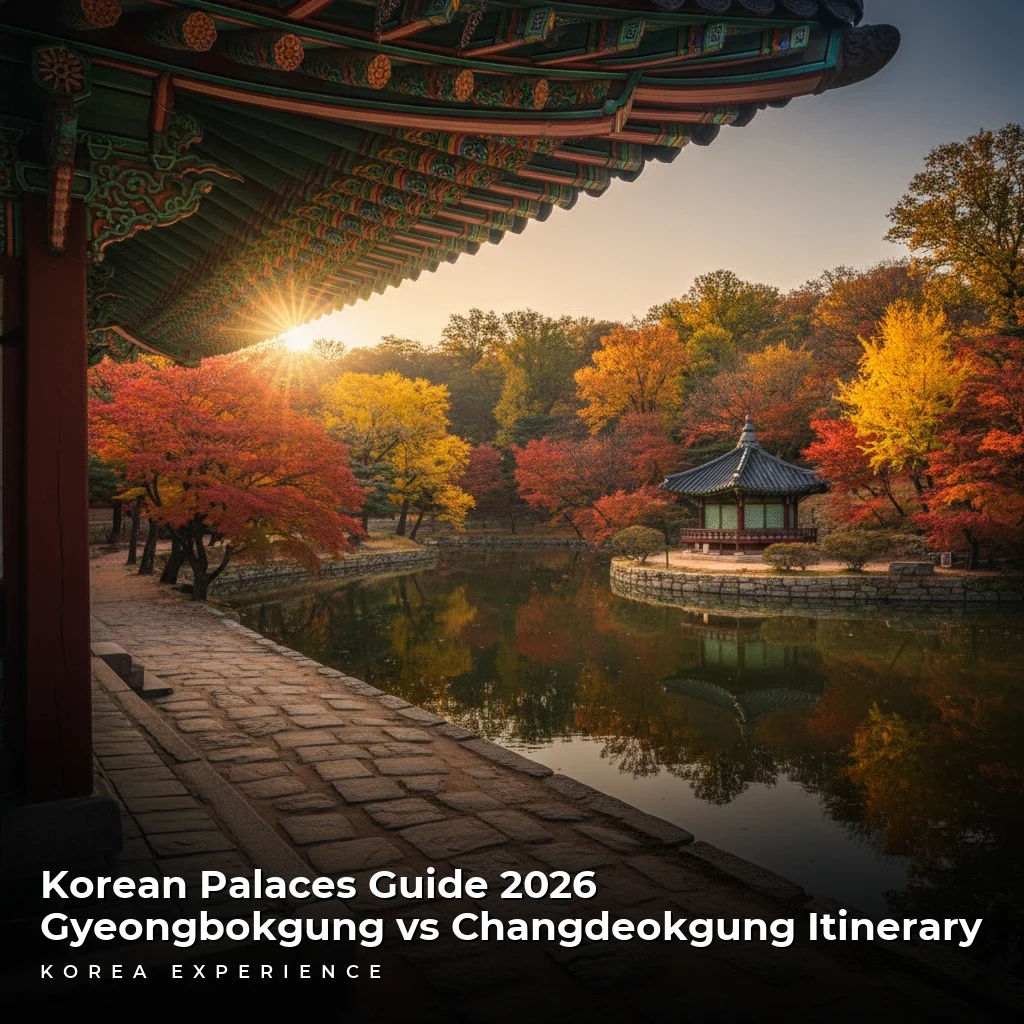
Deciding between visiting Gyeongbokgung Palace or Changdeokgung Palace in 2026 comes down to your specific travel style and schedule, but the optimal strategy is to visit both as they offer distinctly different experiences located just 1.2 kilometers apart. Gyeongbokgung is the main royal palace, famous for its massive scale, symmetrical architecture, and the Changing of the Guard ceremony, making it essential for first-time visitors. Changdeokgung, a UNESCO World Heritage site, is renowned for its harmonious design with nature and the exclusive Secret Garden (Huwon), which requires a separate reservation.
The short answer: Visit Gyeongbokgung first at 9:00 AM for the sheer scale and guard ceremony, then walk through Bukchon Hanok Village to reach Changdeokgung for a 2:00 PM Secret Garden tour. If you only have time for one, choose Gyeongbokgung for history or Changdeokgung for nature.
Key Takeaways
- 1Gyeongbokgung is closed on Tuesdays; Changdeokgung is closed on Mondays.
- 2Entry to Gyeongbokgung is ₩3,000; Changdeokgung is ₩3,000 plus ₩5,000 for the Secret Garden.
- 3Wear a Hanbok to enter both palaces for free (rentals cost approx ₩15,000-30,000).
The Royal Dilemma: Gyeongbokgung vs. Changdeokgung
When planning a trip to Seoul, almost every traveler faces the same question: which palace should I prioritize? Seoul actually has five grand palaces (Gyeongbokgung, Changdeokgung, Changgyeonggung, Deoksugung, and Gyeonghuigung), but the "Big Two"—Gyeongbokgung and Changdeokgung—are the undisputed stars.
In 2026, the restoration projects at Gyeongbokgung have opened up new areas previously closed to the public, increasing the walkable area by approximately 15%. Meanwhile, Changdeokgung remains the preferred choice for repeat visitors and photographers due to its organic layout that hugs the topography of the land rather than imposing upon it.
Understanding the fundamental difference is key: Gyeongbokgung was the seat of power, designed to intimidate and impress. Changdeokgung was the residence of choice, designed for living and leisure.
Palace Comparison 2026
| Feature | Gyeongbokgung | Changdeokgung |
|---|---|---|
| Primary Vibe | Grand, Symmetrical, Powerful | Natural, Harmonious, Scenic |
| Entry Fee | ₩3,000 | ₩3,000 (+ ₩5,000 for Garden) |
| Crowd Level | Very High | Moderate (High in Garden) |
| Closed Day | Tuesday | Monday |
| Best Feature | Guard Ceremony & Gyeonghoeru Pavilion | Secret Garden (Huwon) |
The Logistics of Visiting Both
Many travelers assume they must choose one, but the two palaces are effectively neighbors. The distance between the East Gate of Gyeongbokgung and the Main Gate of Changdeokgung is roughly 1.2 kilometers (about 0.75 miles).
This proximity allows for a perfect "Royal Route" that passes through the famous Bukchon Hanok Village. However, managing your energy is crucial. Gyeongbokgung alone covers 410,000 square meters. Attempting to see every corner of both in a single day results in over 20,000 steps.
📊 Walking Statistics
Gyeongbokgung: The Palace of Shining Happiness
Built in 1395, Gyeongbokgung is arguably the most iconic sight in South Korea. It sits at the head of Sejong-daero, the main boulevard of downtown Seoul, with the granite peak of Bugaksan Mountain looming dramatically behind it. If you are looking for the "classic" Korea travel photo, this is where you will find it.
Key Highlights of Gyeongbokgung
1. Gwanghwamun Gate: The main entrance. In 2026, the restoration of the "Woldae" (an elevated ceremonial stage in front of the gate) is fully accessible, allowing visitors to walk the same path the King once took. The changing of the guard takes place here.
2. Geunjeongjeon Hall: The main throne hall. This massive wooden structure is where coronations and foreign receptions were held. It is the largest ancient wooden building in Korea.
3. Gyeonghoeru Pavilion: This "Pavilion of Joyous Gatherings" appears to float on a large man-made pond. Access to the pavilion itself is usually restricted to special guided tours (booked online, free with entry), but the view from the outside is spectacular year-round.
Gyeongbokgung Palace(경복궁)
The Changing of the Guard Ceremony
This is a must-see free event. The Royal Guard Changing Ceremony is a reenactment of the original Joseon Dynasty custom.
- Sumunjang (Royal Guard) Changing Ceremony: 10:00 AM and 2:00 PM (20 minutes).
- Gwanghwamun Gate Guard-on-Duty Performance: 11:00 AM and 1:00 PM (10 minutes).
- Note: The ceremony is cancelled if it rains or if the temperature drops below -5°C or rises above 30°C.
Photography Tip
For the best shot of the Guard Ceremony, do not stand right in front of the gate. Instead, stand inside the courtyard near the ticket booth facing the gate. You will get the guards marching in with the modern city skyline of Gwanghwamun Square in the background, creating a stunning contrast between old and new Seoul.
For those interested in how historical sites like this compare to filming locations, check out our guide on historic K-drama sets and folk villages.
Changdeokgung: The Palace of Illustrious Virtue
While Gyeongbokgung impresses with size, Changdeokgung impresses with beauty. Built in 1405, it served as the primary residence for many Joseon kings who found Gyeongbokgung too austere. It is the only Korean palace designated as a UNESCO World Heritage site (inscripted in 1997) specifically for its architecture's harmony with the natural setting.
The Secret Garden (Huwon)
The "Secret Garden" occupies 60% of the palace grounds. It was a private retreat for the royal family. In 2026, access remains strictly controlled to protect the environment.
- Admission: ₩5,000 (Secret Garden) + ₩3,000 (General Entry) = ₩8,000 total.
- Access: You cannot enter alone. You must join a timed guided tour.
- Language Slots: English tours are typically at 10:30, 11:30, 14:30, and 15:30 (times subject to seasonal change).
Booking Secret Garden tickets is the hardest part of a Seoul trip. Online tickets are released exactly 6 days in advance at 10:00 AM KST. They often sell out in under 2 minutes during spring (April) and autumn (October). If you miss out online, get to the ticket office at 9:00 AM on the day of your visit—they hold back 50-100 tickets for on-site purchase per tour.
Highlights of the General Area
Even if you miss the Secret Garden, the general area of Changdeokgung is stunning. 1. Injeongjeon Hall: The throne hall here features rare electric lights and glass windows, installed in 1908, showing the modernization of the late Joseon era. 2. Nakseonjae Complex: A beautiful, unpainted residential area built for a royal concubine. It has a distinctively noble, melancholic atmosphere different from the colorful main halls.
The Perfect 2026 Itinerary: Connecting the Palaces
To maximize your time, we recommend a route that blends the grandeur of Gyeongbokgung with the charm of the surrounding neighborhoods before ending at Changdeokgung. This route covers approximately 3 kilometers of walking.
The Royal Route Itinerary
Gyeongbokgung Open
Enter via Gwanghwamun Gate immediately to avoid crowds.
Guard Ceremony
Watch the ceremony at the main gate.
Exit East
Leave via the National Folk Museum exit.
Bukchon Lunch
Eat Samgyetang or Bibimbap in the Hanok Village.
Walk to Changdeokgung
A 15-minute scenic walk past historic cafes.
Secret Garden Tour
Join your pre-booked English tour.
The Walking Path
After exiting Gyeongbokgung's east side (near the National Folk Museum), you will find yourself at the entrance of Bukchon Hanok Village. Instead of climbing all the way up the steep hills of Bukchon, walk along Samcheong-dong-gil or Bukchon-ro 5-gil. This area is filled with artisan shops and cafes.
If you need a break, there are numerous coffee spots. For recommendations, see our list of best coffee shops in Seoul 2026.
Royal Walk: Grandeur vs. Secret Garden
The Dualism Concept: Experience the best of both worlds — premium luxury moments paired with authentic budget-friendly experiences in one route.
Gyeongbokgung (Hanbok)
Premium Hanbok rental + Photography service
Walking Route
Self-guided walk with free palace entry (wearing Hanbok)
Wearing a Hanbok makes this route budget-friendly for entry fees but high-value for memories.
The Hanbok Strategy: Free Entry & Culture
One of the most popular activities in Seoul is renting a Hanbok (traditional Korean dress). Since 2013, the Cultural Heritage Administration has waived admission fees for anyone wearing a Hanbok properly. This policy remains in effect for 2026.
Cost Analysis
Is it worth renting a Hanbok just to save on entry fees?
- Entry Fees Saved: ₩3,000 (Gyeongbokgung) + ₩3,000 (Changdeokgung) = ₩6,000.
- Rental Cost: Average ₩15,000 (2 hours) to ₩30,000 (4 hours).
- Verdict: You don't rent for the savings; you rent for the photos and the experience. However, the free entry is a nice bonus that offsets about 20-30% of the rental cost.
💵 Hanbok Rental Market Prices 2026
Silk fabrics, inner skirts for volume, hair styling included
Basic patterns, often polyester, 2-hour limit
Hanbok Rule Check
To qualify for free entry, the Hanbok must consist of a Jeogori (upper garment) and Chima (skirt) for women, or Jeogori and Baji (pants) for men. "Fusion" Hanbok is allowed, but simply wearing a Hanbok-style t-shirt does not count.
For a deep dive into styles and shops, read our complete guide to Hanbok rental.
Best Time to Visit in 2026
The atmosphere of the palaces changes drastically with the seasons.
Spring (Early April)
Cherry blossoms and plum blossoms are the main draw.
- Gyeongbokgung: The weeping cherry trees around Gyeonghoeru Pavilion are iconic.
- Changdeokgung: The red plum blossoms (Hongmae Hwa) near the Nakseonjae complex bloom in late March, signaling the start of spring.
Autumn (Late October - Early November)
This is arguably the peak viewing time, especially for Changdeokgung.
- The Secret Garden: The foliage turns the pond areas into a mirror of fiery reds and oranges. Tickets for this period sell out instantly.
- Weather: Crisp, cool air makes walking the 1.2km distance pleasant.
For a full month-by-month breakdown, refer to our guide on the best time to visit Korea.
Night Viewings (The "Moonlight Tour")
Both palaces offer special night openings in Spring and Autumn.
- Gyeongbokgung Night Opening: Usually runs for ~1 month in Spring and Autumn. Tickets (₩3,000) must be booked online by foreigners via CreateTrip or similar platforms, as local Interpark tickets require a Korean phone number.
- Changdeokgung Moonlight Tour: A premium guided tour (approx. ₩30,000) that includes traditional tea and performance. This is the "Holy Grail" of tickets—extremely difficult to secure.
📖 How to Book Night Tour Tickets
Step 1: Check Dates
Schedules are released only 2-3 weeks prior on the Royal Palaces website.
Step 2: Select Platform
Foreigners should use Ticketlink Global or CreateTrip services.
Step 3: Book Instantly
Be online at the exact second tickets open.
Nearby Dining and Culture
After a day of royal history, you will be hungry. The area surrounding the palaces is divided into three main zones:
- West (Seochon): Old alleys, boutique cafes, local markets (Tongin Market).
- East (Bukchon/Samcheong-dong): Upscale galleries, artisan shops, fine dining.
- South (Insadong): Traditional crafts, souvenir shops, tea houses.
For lunch, we highly recommend Tosokchon Samgyetang, located 5 minutes from Gyeongbokgung. It serves Ginseng Chicken Soup (₩20,000), a dish famous for restoring energy—essential after 15,000 steps. Be prepared for a queue, even in 2026.
If you are looking for Korean BBQ to end your day, the nearby Jongno district has excellent options. Check out our Seoul BBQ guide.
Practical Information & Etiquette
2026 Updates
- Cashless Payments: All ticket booths now accept contactless cards (Visa/Mastercard) and T-Money. Cash is still accepted but queues are longer.
- Audio Guides: Download the "Pocket Palace" app for free audio guides instead of renting physical devices.
- Connectivity: Free public Wi-Fi is available across 90% of Gyeongbokgung grounds.
Visiting Both in One Day
- ✓Efficient use of time
- ✓Direct comparison of architecture
- ✓Pass through Bukchon naturally
- ✗Extremely tiring (20k+ steps)
- ✗Can suffer from 'temple fatigue'
- ✗Rushed lunch break
Transport Tips
- Subway: Gyeongbokgung Station (Line 3) is the best starting point. Anguk Station (Line 3) is closest to Changdeokgung.
- Bus: The Blue Bus 109, 151, 162 connect the areas, but walking is usually faster due to traffic.
- From Airport: If you are coming straight from Incheon, take the Airport Limousine bus 6011 to Gyeongbokgung. See our airport transport comparison.
Conclusion
In 2026, the choice between Gyeongbokgung and Changdeokgung remains a delightful dilemma. Gyeongbokgung offers the power and pageantry of the Joseon Dynasty, standing as a symbol of Korean resilience. Changdeokgung offers a glimpse into the private lives of the kings, set within a garden that feels enchanted.
If you have the stamina, doing both in one day via our "Royal Route" is the ultimate Seoul history experience. If you must choose, go to Gyeongbokgung for the iconic photos, or Changdeokgung for the soul-soothing nature.
❓ Frequently Asked Questions
Have more questions?Contact us →
About the Author
Korea Experience Team
Written by the Korea Experience editorial team - experts in Korean medical tourism, travel, and culture with years of research and firsthand experience.
Explore more in Travel & Tourism
From Seoul's neon-lit streets to Jeju's volcanic landscapes — discover the best of Korea with insider travel tips, itineraries, and seasonal guides.
Browse All Travel & Tourism ArticlesContinue Reading
Explore more articles you might find interesting
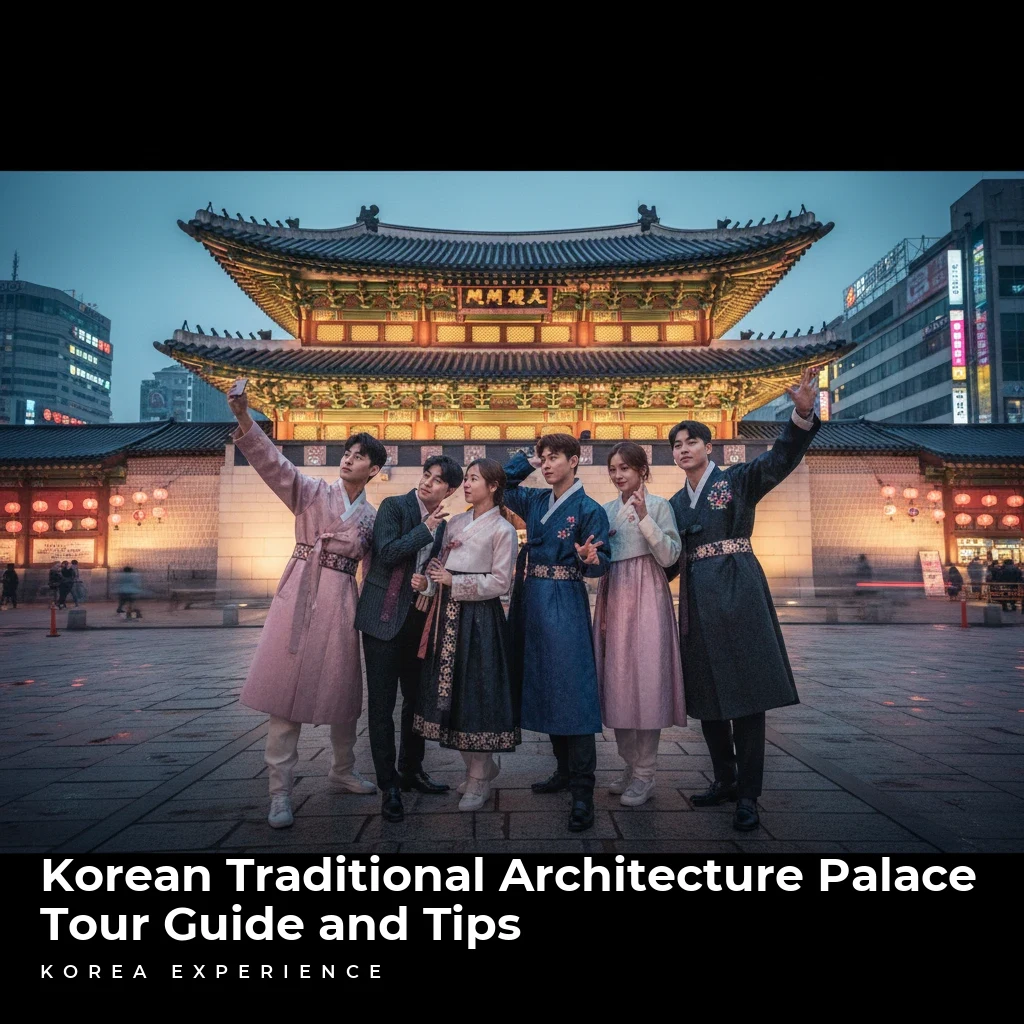
Explore Seouls 5 Grand Palaces with our expert guide to Korean traditional architecture. Discover hidden spots, Secret Garden tips, and Royal Pass details.
Complete 2026 guide to Korean intercity buses. Compare Express vs. Intercity, master T-Money GO & Kobus apps, and find routes starting from ₩15,000.
Master Seoul's top peaks in 2026. Complete guide to Bukhansan (836m), Gwanaksan, and Dobongsan with trail maps, transport costs under ₩2,000, and safety tips.
Complete guide to Korea's bike rentals. Master Seoul's Ttareungi (₩1,000), ride Busan's coast, and cycle Jeju's 234km path with our 2026 expert tips.
Explore the chilling history of Seoul through haunted palaces and dark tourism spots. Discover ghost stories and practical visiting tips for 2026.
Compare KakaoMetro vs. Seoul Subway apps for 2026. Learn about the 1,550 KRW base fare, Climate Card savings, and why Google Maps fails in Korea.