Korean spa jjimjilbang guide for first-timers 2026
Complete 2026 guide to Korean jjimjilbangs. Learn naked spa etiquette, scrub prices (₩25,000+), sleeping tips, and top 5 Seoul spas for relaxation.
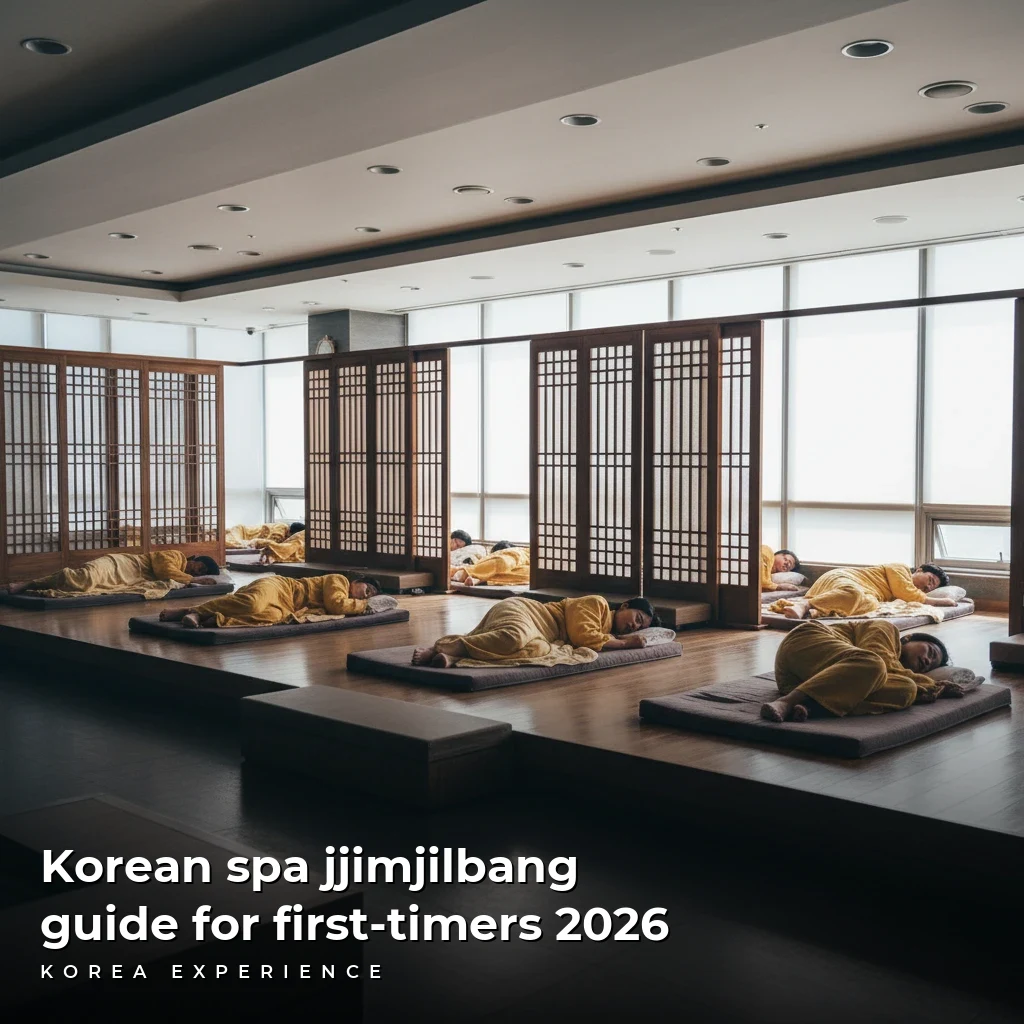
A visit to a Korean bathhouse, known locally as a jjimjilbang, is arguably the most authentic cultural immersion you can experience in Korea. It is not just a spa; it is a community hub, a budget accommodation hack, a beauty ritual, and a place where social barriers melt away—along with your stress. However, the strict etiquette, the language barrier, and the mandatory nudity in the bathing areas can be intimidating for first-time visitors.
The short answer: A jjimjilbang is a 24-hour gender-segregated bathhouse with communal unisex sauna areas. Expect to pay between ₩12,000 and ₩25,000 for entry, strip completely naked for the wet baths, and wear provided pajamas in the dry sauna common areas.
Key Takeaways
- 1Total nudity is mandatory in the wet bath areas (mokyeoktang); no swimsuits allowed.
- 2Entry fees range from ₩12,000 to ₩25,000 depending on the facility and time of day.
- 3Bring cash (₩25,000+) inside the bath area if you want a traditional body scrub (sesin).
- 4You must shower thoroughly before entering any communal tub.
- 5Most jjimjilbangs are open 24 hours and allow overnight sleeping for a small surcharge.
Understanding the Jjimjilbang Concept
To navigate a Korean spa, you first need to understand the layout. A jjimjilbang (찜질방) literally translates to "heated room." These facilities generally occupy multiple floors of a building and are divided into two distinct zones.
- The Mokyeoktang (Bathhouse): This is the gender-segregated wet area. This is where the lockers, showers, hot tubs, cold plunges, and steam rooms are located. This area requires total nudity.
- The Jjimjilbang (Common Area): This is the unisex dry area. Here, everyone wears the provided cotton t-shirt and shorts (often bright orange, pink, or tan). This zone features kiln saunas, ice rooms, sleeping mats, massage chairs, a snack bar, and sometimes even PC bangs (gaming rooms) or karaoke booths.
In 2026, the trend has shifted slightly towards "luxury wellness," with high-end facilities like Cimer at Paradise City and Aquafield offering rooftop infinity pools and media-art saunas. However, the traditional neighborhood jjimjilbang remains the heartbeat of Korean relaxation culture.
📋 Jjimjilbang Basics
Step-by-Step Guide: From Entry to Exit
Walking into a bustling lobby can be confusing. Here is the exact process you will follow at 99% of Korean spas.
The Jjimjilbang Journey
Shoes Off
Remove shoes at the foyer. Place them in a small shoe locker and take the key.
Pay & Key Exchange
Hand your shoe key to the front desk. Pay the entry fee. Receive a locker key, pajamas, and two small towels.
Gender Zones
Go to the gender-specific locker room (Nam = Men, Yeo = Women). Find your locker number.
Get Naked
Remove ALL clothing. Store clothes and phone in the locker. Wear the key on your wrist/ankle. Bring only toiletries and one towel.
Pre-Bath Shower
Sit at a washing station. Scrub thoroughly with soap/shampoo. This is non-negotiable etiquette.
The Tubs
Enjoy the various temperature tubs (38°C to 44°C) and cold plunge (18°C).
Pajama Time
Dry off, put on the provided uniform, and head to the unisex common area for snacks and dry saunas.
The Shoe Locker Ritual
When you enter, you will see a wall of small lockers. These are only for your shoes. You must remove your shoes before stepping onto the raised floor of the lobby. If you walk on the lobby floor with shoes, you will likely get shouted at immediately. Take your shoe locker key to the front desk. This key is often "master" encoded to track your spending inside the facility (food, massages, scrubs), which you settle upon leaving.
Key Security
Your locker key usually has an RFID chip. Treat it like a credit card. If you lose it, you generally have to pay a substantial penalty fee (often around ₩20,000 to ₩50,000) plus whatever charges were racked up on it. Wear it on your ankle if it feels loose on your wrist.
The Naked Truth: Etiquette in the Bath Area
This is the hurdle most Western travelers struggle with. In the mokyeoktang, everyone is naked. No swimsuits, no underwear, no wrapping yourself in a large towel (the towels provided are the size of hand towels).
The local reality is that nobody is looking at you. Koreans grow up going to these bathhouses with grandparents, parents, and friends. It is a non-sexual, body-neutral space. You will see bodies of all ages, shapes, and sizes.
Crucial Hygiene Rules
- The Pre-Soak Shower: You must wash your hair and body with soap before entering any tub. There are rows of sit-down shower stations with stools and handheld showerheads. If you enter a tub dry or unwashed, other patrons will confront you.
- Tie Up Long Hair: If you have long hair, tie it up in a bun. Your hair should not touch the bathwater.
- Towels Stay Dry: Do not bring your small towel into the water. Fold it and place it on your head (the famous "sheep head" look) or leave it on the side of the tub.
- No Splashing: The tubs are for quiet soaking. Swimming or splashing is considered rude.
"If you are shy, use the small towel to cover your front while walking from the locker to the showers. Once you are at the shower station, the steam makes visibility low anyway. By the time you are clean, the warm water is calling you, and you'll forget to be embarrassed."
The Sesin Experience: Korean Body Scrub
If you want baby-soft skin, you must try the sesin (세신). This is a professional exfoliation service performed by an ajumma (woman) or ajeossi (man) clad in black underwear. They use textured viscose mitts to scrub off layers of dead skin you didn't know you had.
How to get a scrub:
- Soak first: You need to soak in a hot tub (around 40°C-42°C) for at least 20-30 minutes to soften your skin.
- Booking: In the corner of the bath area, there will be plastic tables. You either tell the scrubber directly or check their booking board.
- Payment: While modern spas let you pay with your locker key, many traditional scrubbers still operate as independent contractors within the spa and require cash. It is wise to bring ₩50,000 in cash into the locker room just in case.
- The Process: You lie on a vinyl table. They will scrub you vigorously from head to toe. It is not a gentle massage; it is an exfoliation. You will see gray rolls of dead skin (called tta) coming off. It is grossly satisfying.
- The Rinse: They will often finish with a hair wash and a cucumber or milk face mask.
💵 Typical Scrub Services
Exfoliation followed by moisturizing oil massage (50-60 mins)
Full body exfoliation only (20-30 mins)
Post-scrub, your skin will be incredibly absorbent. This is the perfect time to apply high-quality skincare. For recommendations on what to bring, check out our complete guide to Korean skincare routines.
The Jjimjilbang Common Area
Once you are scrubbed and soaked, dry off and put on the provided pajamas. Head to the common area. This is where families hang out, couples go on dates, and friends gossip.
The Saunas
Unlike the humid steam rooms in the bath area, these are dry kilns heated by different elements:
- Hwangto (Yellow Clay): Emits infrared rays, good for detoxification. Temp: 50°C-70°C.
- Salt Room: Blocks of Himalayan salt heated to help respiratory issues. Temp: 40°C-60°C.
- Ice Room: A freezer-like room (0°C to -10°C) to tighten pores after the hot sauna.
- Bulgama (Fire Kiln): The hottest room, often exceeding 90°C. You usually need to wrap yourself in a towel or a hemp blanket to enter.
📊 Temperature Extremes
The Food: What to Eat
You cannot visit a jjimjilbang without eating the "sauna set." Head to the snack bar (snack corner).
- Sikhye (식혜): Sweet, icy rice punch. It prevents dehydration and tastes heavenly after a hot soak. Price: ~₩4,500.
- Maekbanseok Gyeran (Baked Eggs): These brown-shelled eggs are slow-cooked in the sauna. They have a nutty, smoked flavor. Usually sold in sets of 3. Price: ~₩3,000.
- Patbingsu: Shaved ice with red beans, perfect for cooling down.
For more on Korean snacks, read our guide to must-try Korean convenience store food, as many overlapping flavors appear here.
Sleeping at a Jjimjilbang
For budget travelers, jjimjilbangs offer the cheapest accommodation in Korea. For an entry fee of roughly ₩15,000 to ₩20,000, you can stay for 12 to 24 hours.
How it works: You grab a thin plastic-leather mat and a hard cuboid pillow. You find a spot on the floor in the main hall or in designated "sleeping caves" (little tunnels in the wall).
Sleeping at a Jjimjilbang
- ✓Extremely cheap (under $15 USD)
- ✓Check-in/out anytime (24h)
- ✓Immersion in local culture
- ✗Hard floor (bad for back issues)
- ✗Noise (snores are inevitable)
- ✗No privacy/security for luggage
Luggage Storage
Most spas can keep large suitcases at the front desk, but they are not liable for them. If you are sleeping over with expensive gear, keep your valuables in your locker or use a coin locker at a nearby subway station.
Top Jjimjilbang Recommendations in Seoul (2026 Edition)
Seoul has hundreds of spas, but these consistently rate highest for foreigners in terms of cleanliness, accessibility, and facilities.
1. Cimer at Paradise City (Incheon)
While technically in Incheon (near the airport), this is the crown jewel of Korean luxury spas. It combines European spa culture with Korean jjimjilbang tradition. It features an infinity pool, media art rooms, and distinct relaxation zones.
- Best for: Luxury travelers, couples, Instagram photos.
- Cost: ~₩60,000 (Peak season).
2. Spa Lei (Gangnam)
A female-only establishment. This is a sanctuary for women, offering high-end services, lingerie shopping, and a very comfortable sleeping area.
- Best for: Solo female travelers.
- Location: Near Sinsa Station.
Sparex (Dongdaemun)(스파렉스)
3. Aquafield (Starfield COEX / Goyang / Hanam)
Modern, sleek, and family-friendly. The Starfield COEX location is incredibly convenient for tourists staying in Gangnam. It is pricier than local spots but spotless and English-friendly.
- Best for: Families, hygiene-conscious travelers.
- Cost: ~₩25,000 for 6 hours.
If you are planning a full night out in the area, check our 24-hour Seoul itinerary to see how a jjimjilbang visit fits into the nightlife.
Regional Variations
If you travel outside Seoul, the experience shifts slightly.
- Busan (Centum City Spaland): Located inside the Shinsegae Department Store, this is often cited as the best value-for-money luxury spa in Korea. It uses natural spring water and has an outdoor foot spa.
- Jeju Island (Sanbangsan Carbonate Hot Springs): Famous for carbonated water that feels like bathing in soda. The outdoor pools offer views of Sanbangsan Mountain.
If you are heading to the coast, don't miss our Busan seafood guide to pair your spa trip with excellent dining.
What to Pack
While jjimjilbangs provide the basics (soap, toothpaste, towels, pajamas), bringing a small kit improves the experience:
- Cleansing Foam: The soap provided is usually bar soap.
- Shampoo/Conditioner: Quality varies; bring travel sizes if you are picky.
- Body Lotion: The water can be drying.
- Hair Ties: Essential for long hair.
- Clean Underwear: To put on after you leave (you don't want to put dirty clothes back on a clean body).
📖 How to Make the 'Yangmeori' (Sheep Head) Towel
Step 1: Fold
Lay the small towel flat. Fold it into thirds lengthwise.
Step 2: Roll Ends
Roll up one end of the towel inside out, like cuffing a sleeve. Do the same to the other end.
Step 3: Open & Wear
Pull the two rolls apart slightly to create an opening in the middle. Place it on your head.
Safety and Accessibility
Most jjimjilbangs are safe, but theft of unattended phones while sleeping is not unheard of. Keep phones in your locker or deep in your pocket while napping.
Regarding accessibility, traditional jjimjilbangs can be difficult for wheelchair users due to the "raised floor" architecture and wet, slippery surfaces. However, newer malls like Starfield (Aquafield) have better accessibility features. For more details on accessible travel, refer to our guide on accessible Seoul routes.
Final Thoughts
Entering a room full of naked strangers requires a leap of faith. But once you sink into that mugwort-infused hot tub, or crack a roasted egg on your head (a playful Korean tradition) after a sweat session, you will understand why this is a national obsession. It is affordable luxury and deep relaxation, accessible to everyone.
❓ Frequently Asked Questions
Have more questions?Contact us →
About the Author
Korea Experience Team
Written by the Korea Experience editorial team - experts in Korean medical tourism, travel, and culture with years of research and firsthand experience.
Explore more in Travel & Tourism
From Seoul's neon-lit streets to Jeju's volcanic landscapes — discover the best of Korea with insider travel tips, itineraries, and seasonal guides.
Browse All Travel & Tourism ArticlesContinue Reading
Explore more articles you might find interesting
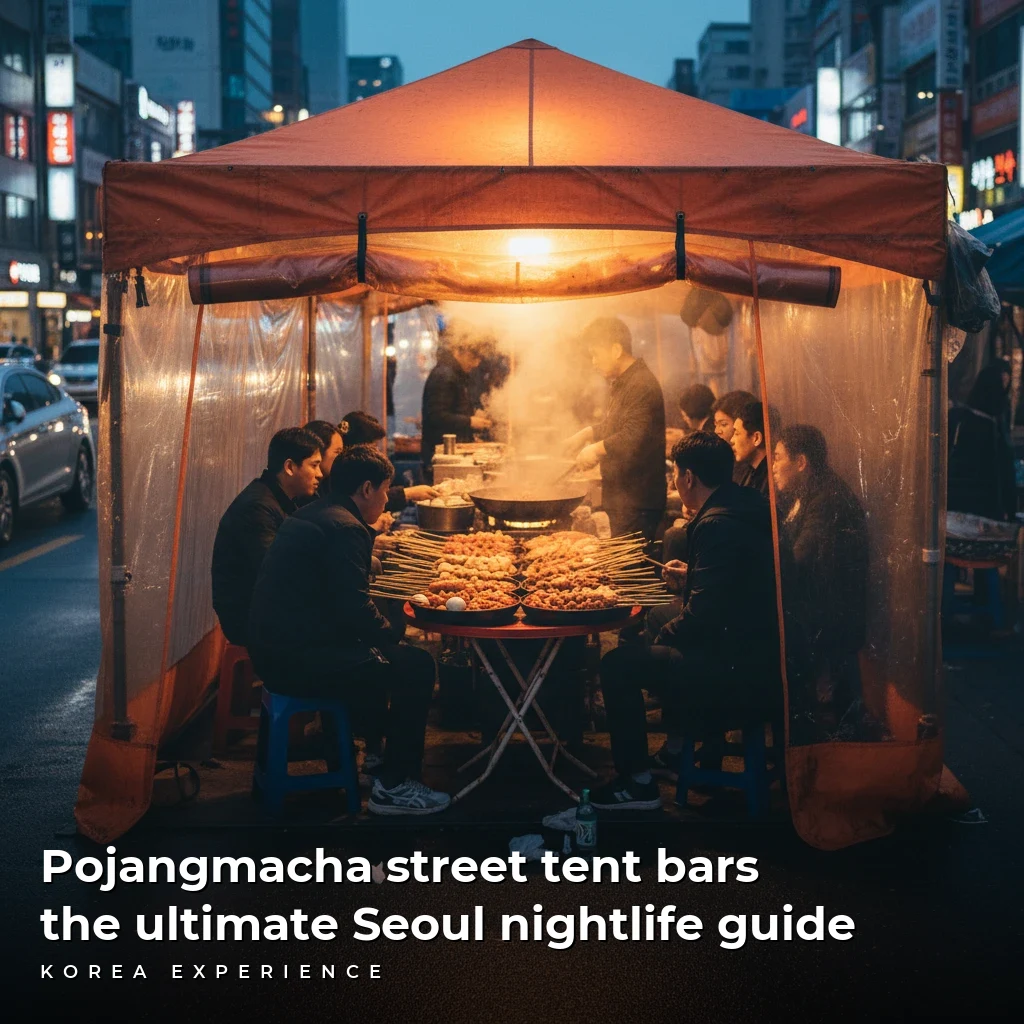
Discover the authentic charm of Korea's pojangmacha. A complete guide to tent bar locations, menu prices, etiquette, and tips for 2026.
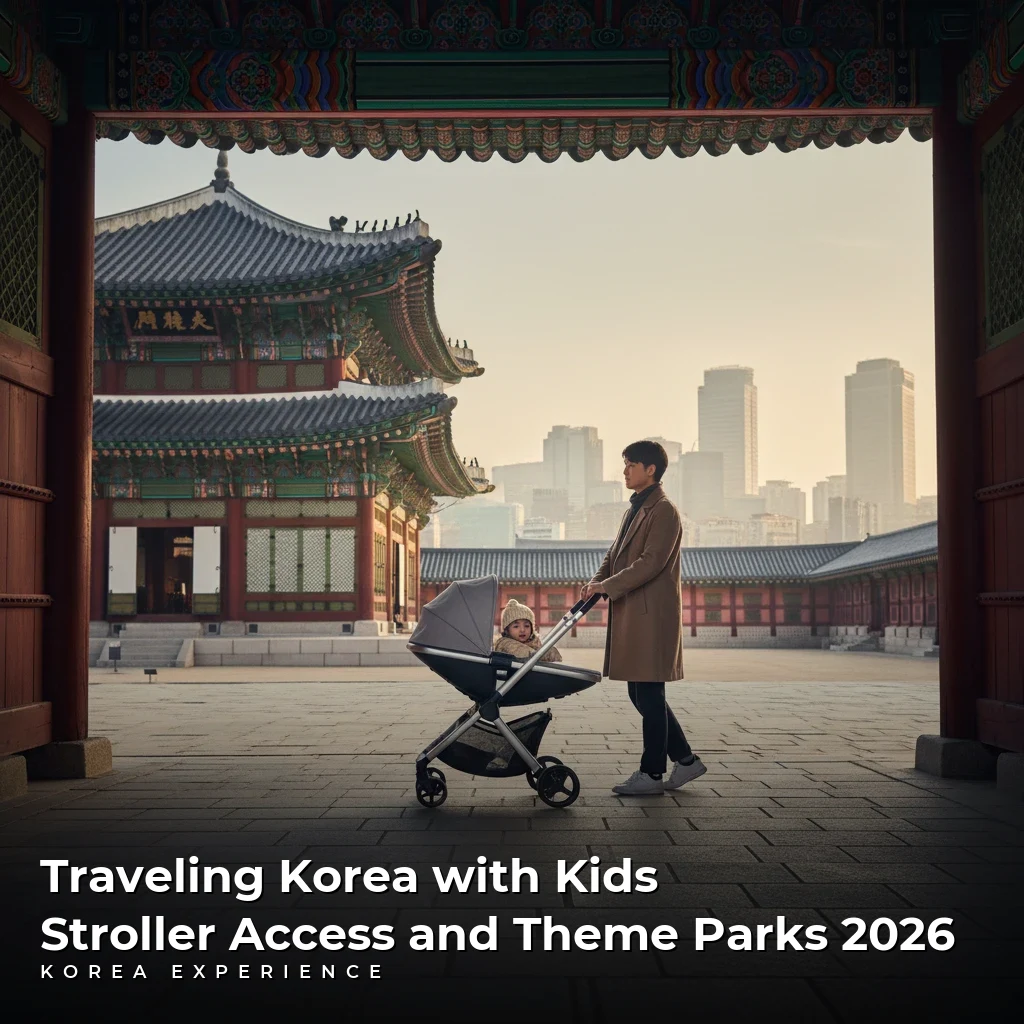
Complete 2026 guide to stroller access in Seoul, Lotte World tips, and Everland hacks. Learn why 95% of subway stations are accessible but buses are not.
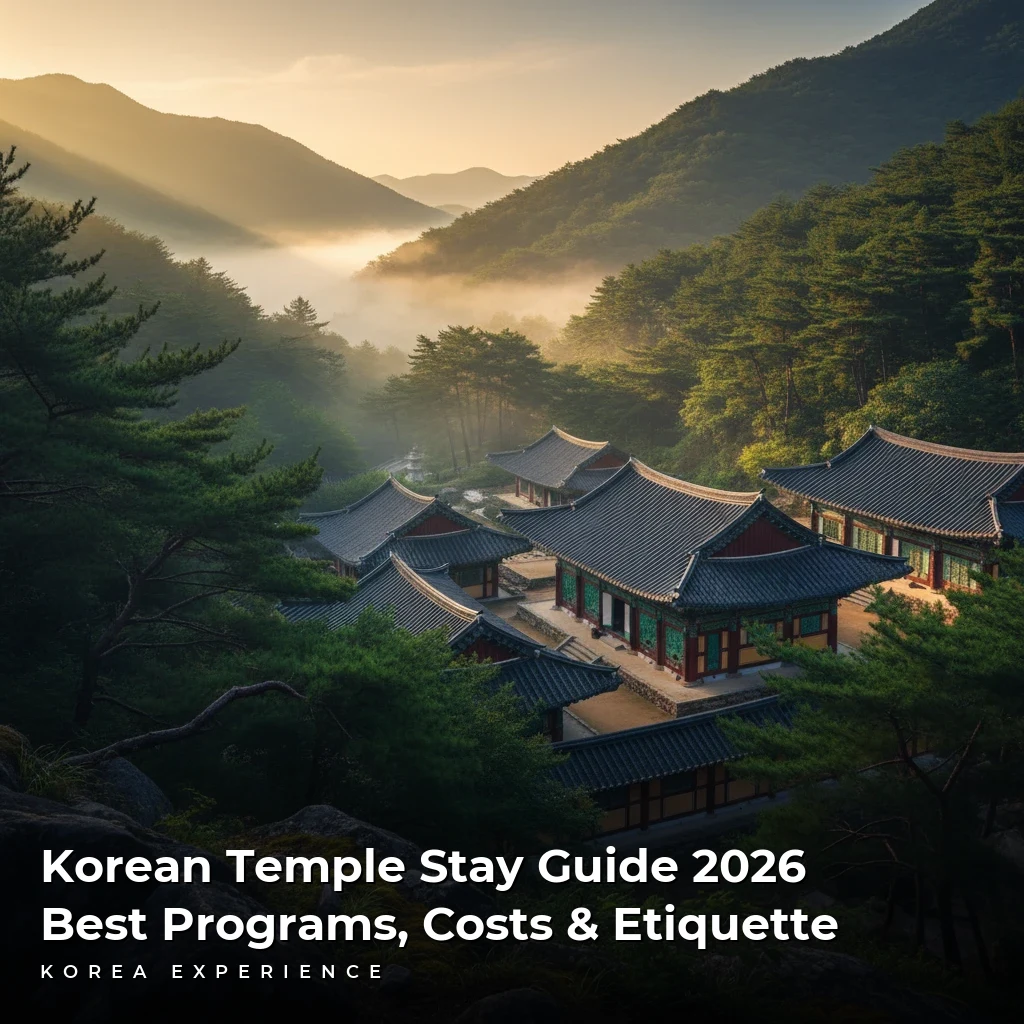
A complete guide to 2026 Korean Temple Stays. Programs cost ₩50,000-₩100,000. Learn booking tips, etiquette, and the best temples for English speakers.
We tested a $150 personal color analysis in Seoul to see if it's worth it. Learn about the 120-minute process, 2026 prices, and booking tips.
Discover the ultimate Gwangjang Market food guide featuring top stalls, prices, operating hours, and local tips for Seoul's oldest traditional market.
Create your own fragrance in Seoul. A complete guide to 2026 prices (avg ₩50,000), top studios in Bukchon and Seongsu, and booking tips for travelers.