Korean Street Food Guide: Where to Eat in Seoul 2026
The ultimate guide to street food in Seoul for 2026. Discover prices, best markets like Gwangjang, and must-eat snacks from hotteok to tteokbokki.
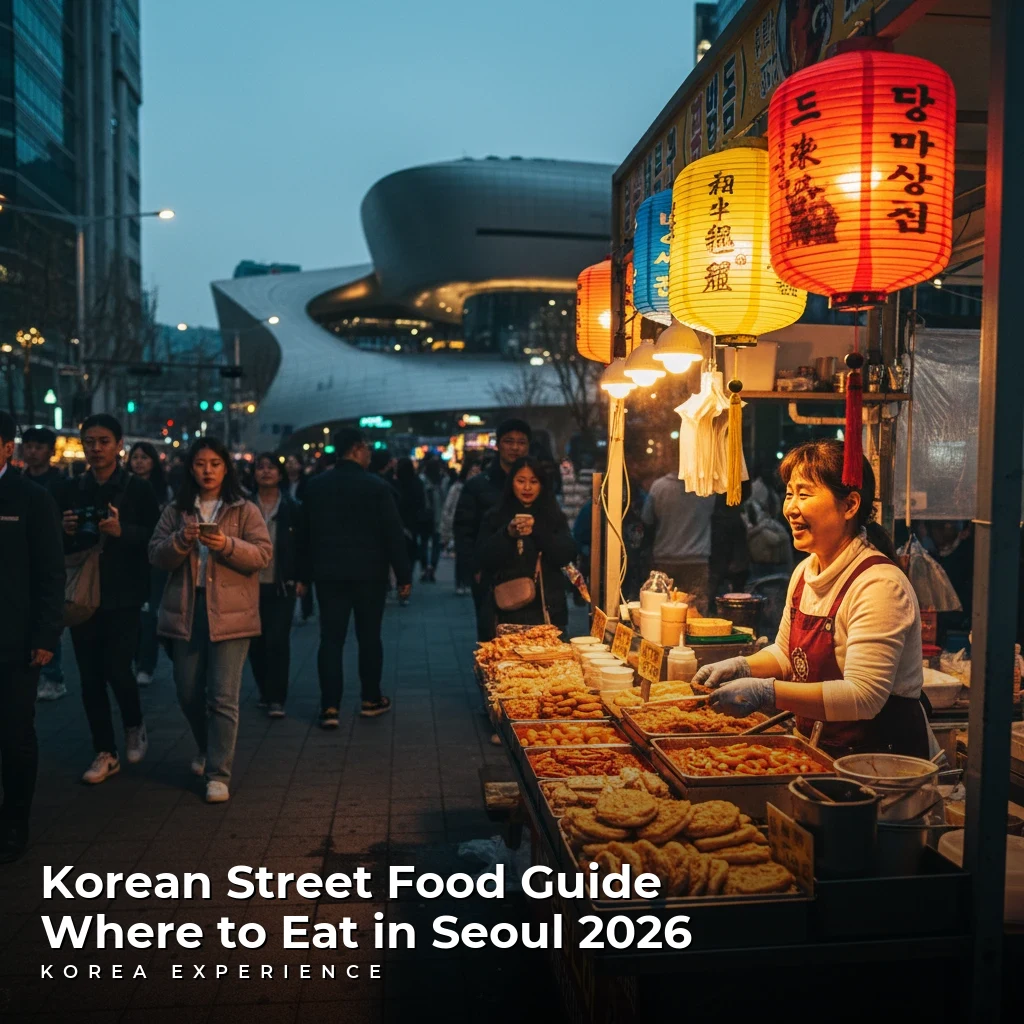
Seoul is a sensory overload in the best possible way, but nothing defines the city's soul quite like its street food culture. Walking through the neon-lit streets of Myeongdong or the steam-filled alleys of Gwangjang Market offers an immediate connection to Korean life that fine dining simply cannot replicate. For travelers landing in 2026, the street food scene has evolved, blending centuries-old traditional recipes with viral social media trends, creating a culinary landscape that is as diverse as it is delicious.
The short answer: The best street food in Seoul is found at Gwangjang Market for traditional dishes like bindaetteok and mayak gimbap, while Myeongdong Street offers trendy, fusion snacks. Expect to pay between ₩1,000 and ₩10,000 per item, and always carry cash as many older stalls still prefer it over cards.
Key Takeaways
- 1Gwangjang Market is the undisputed king for traditional, authentic flavors like mung bean pancakes.
- 2Myeongdong offers higher-priced, trendy items like grilled lobster and oreo churros, tailored for tourists.
- 3Most street food items cost between ₩2,000 and ₩6,000 ($1.50-$4.50 USD) in 2026.
The Titans of Taste: Seoul's Best Street Food Markets
To truly understand Korean street food, you must visit the major markets. These aren't just places to eat; they are historical institutions where recipes have been perfected over decades. In 2026, the infrastructure has improved significantly, with better English signage and hygiene standards, making it easier than ever for international visitors to navigate.
Gwangjang Market: The Traditional Heavyweight
If you only visit one market in Seoul, make it Gwangjang. Established in 1905, it is one of the oldest and largest traditional markets in South Korea. Located centrally in Jongno-gu, it houses over 5,000 stalls. The food alley, situated on the ground floor, is a chaotic, loud, and incredibly aromatic experience.
📋 Gwangjang Market Snapshot
Here, you are not looking for innovation; you are looking for heritage. The two absolute must-try items are Bindaetteok (mung bean pancake) and Mayak Gimbap (drug gimbap/addictive seaweed rice rolls). The noise level here averages around 80 decibels during peak dinner hours, so be prepared to shout your order or simply point.
Sunhui's Bindaetteok (Famous Stall Area)(순희네 빈대떡)
Myeongdong Street Food Alley: The Trendy Hub
In stark contrast to Gwangjang, Myeongdong is the epicenter of modern, fast-paced consumerism. The main street transforms into a food market daily around 4:00 PM (earlier on weekends). In 2026, Myeongdong has fully recovered from previous slumps, with approximately 200 stalls lining the central drag.
Prices here are notably higher—often 30% to 50% more than neighborhood stalls due to the high volume of tourists. However, the variety is unmatched. You will find grilled lobster tails with cheese (approx. ₩20,000), egg bread (Gyeran-ppang), and towering soft-serve ice cream.
Myeongdong Street Food
- ✓Incredible variety of modern and fusion snacks
- ✓English, Chinese, and Japanese are spoken everywhere
- ✓Conveniently located near major shopping
- ✗Prices are significantly higher (Tourist Premium)
- ✗Extremely crowded on weekends (shoulder-to-shoulder)
- ✗Less authentic 'traditional' atmosphere
Tongin Market: The Lunchbox Experience
Located west of Gyeongbokgung Palace, Tongin Market offers a unique "Dosirak" (lunchbox) experience. For ₩10,000, you receive a tray and a string of brass coins (Yeopjeon). You use these coins to purchase small portions of food from various participating stalls. This allows you to sample 10-12 different items without overeating or overspending.
At Tongin Market, you must try the 'Gireum Tteokbokki' (Oil Rice Cakes). Unlike the standard spicy broth version, these are stir-fried in oil and chili flakes. It's a texture unique to this specific market and has a chewy, crispy finish.
The "Must-Eats": A Savory Guide
Understanding what you are looking at is half the battle. Korean street food, or Bunsik, is generally categorized into staples that you will find in almost every neighborhood in Seoul.
Tteokbokki (Spicy Rice Cakes)
The soul of Korean street food. Chewy, cylindrical rice cakes are simmered in a gochujang (chili paste) and gochugaru (chili powder) sauce.
- Average Price: ₩3,000 - ₩5,000 per serving.
- Flavor Profile: Spicy, sweet, and umami-rich.
- Variations: Rose Tteokbokki (with cream/milk) has become a staple in 2026, offering a milder, creamier spice level.
Eomuk / Odeng (Fish Cake Skewers)
These are long, folded fish cake sheets skewered and boiled in a radish and anchovy broth. They are the perfect winter warmer.
- Average Price: ₩1,000 - ₩1,500 per skewer.
- Pro Tip: The broth is free! Even if you only buy one stick, you can drink as much broth as you like. Just grab a paper cup hanging near the station and ladle it yourself.
Free Broth Etiquette
The broth (Eomuk-gukmul) is self-service at almost every stall. It's considered polite to drink it while standing at the stall, but don't double-dip your eaten skewer back into the communal pot!
Sundae (Korean Blood Sausage)
Pronounced "soon-dae" (not like the ice cream), this is pig intestine stuffed with glass noodles, barley, and pork blood. It is usually steamed and served with liver and lung slices.
- Average Price: ₩4,000 - ₩6,000 per serving.
- Texture: Chewy and savory.
- Dip: In Seoul, it is dipped in salt and chili powder mix. (In Busan, they use ssamjang; in Jeolla, chojang).
For a deeper dive into these staples, check out our 50 must-try Korean foods complete guide.
The Sweet Side: Desserts on the Go
After the spice of tteokbokki, your palate will demand something sweet. Korean street desserts are legendary for their textures.
Hotteok (Sweet Pancakes)
A dough ball filled with brown sugar, cinnamon, and peanuts, then pressed flat on a greased griddle. In 2026, the "Seed Hotteok" (Ssiat Hotteok), originally from Busan, is the standard in Seoul, stuffed with sunflower and pumpkin seeds.
- Average Price: ₩2,000 - ₩3,000.
- Warning: The filling is molten lava hot. Wait 2 minutes before biting, or you will burn your tongue.
Bungeoppang (Fish-Shaped Pastry)
Similar to Japanese Taiyaki, this is a fish-shaped batter cake filled with sweet red bean paste (pat) or custard cream (shu-cream).
- Average Price: ₩1,000 for 2 pieces or ₩2,000 for 3 pieces (prices have risen due to flour costs).
- Seasonality: Primarily a winter snack, though highly popular tourist spots sell them year-round.
Filling Showdown: Red Bean vs. Custard
| Feature | Red Bean (Pat) | Custard (Shu-cream) |
|---|---|---|
| Sweetness | Earthy, moderate sweet | Intense, creamy sweet |
| Texture | Chunky bean paste | Smooth, silk-like |
| Popularity | Older generation favorite | Youth favorite |
| Availability | Universal | Common |
To explore more about Korea's dessert culture, read our specific guide on best Korean desserts.
The Pojangmacha Experience: Tent Bars
Pojangmacha (literally "covered wagon") are the orange or red tent bars you see in K-Dramas. They serve alcohol (Soju) alongside food and are distinct from standard food carts because they have seating.
Where to find them: The largest concentration in 2026 is around Jongno 3-ga Station (Exits 3, 4, and 5) and near Euljiro 3-ga. These areas transform at night into bustling rows of tents.
📖 How to Order at a Pojangmacha
Step 1: Find a Seat
Space is tight. If you see an empty stool, sit. If it's full, you may have to wait, but turnover is relatively fast.
Step 2: Order Alcohol First
It is customary to order a bottle of Soju or Beer immediately. Pojangmacha are drinking establishments first, restaurants second.
Step 3: Order Anju (Food)
Popular dishes include Udong (noodle soup), Dakbal (chicken feet), or Gyeran-mari (rolled egg omelet). Menus often don't have prices listed.
📊 Pojangmacha Economics
Prices in Pojangmacha can be surprisingly high compared to street carts. An egg roll might cost ₩15,000, which is the "table charge" essentially covering your stay. If you are on a tight budget, stick to standing stalls. For a full night out, combine this with a visit to a Singing Room or PC Bang.
Seasonal Variations: Timing Your Visit
The street food menu in Seoul changes with the weather. Korea has four distinct seasons, and the street snacks adapt accordingly to keep locals warm or cool.
Winter (December - February)
This is arguably the best season for street food because the hot snacks provide necessary warmth.
- Gun-goguma (Roasted Sweet Potatoes): Often sold from large drum barrels. The smell is sweet and smoky.
- Gun-bam (Roasted Chestnuts): ₩5,000 per bag.
- Hoppang: Steamed buns filled with red bean or veggies, kept in rotating steamers at convenience stores and stalls.
Summer (June - August)
The heat in Seoul can be intense (often reaching 35°C/95°F with high humidity).
- Soft Serve Ice Cream: The 32cm tall cones in Myeongdong are famous.
- Tanghulu: While available year-round, these sugar-coated fruit skewers (strawberries, grapes, tangerines) are refreshing in the heat.
- Sikhe Slushies: Traditional sweet rice beverage served frozen.
Practical Tips for the Street Food Traveler
Navigating the streets requires a bit of practical know-how. Here is how to eat like a local without awkward fumbles.
Cash is Still King
While Korea is a digital-forward society where you can pay for a taxi with your phone, many street stalls (especially the older ones in Gwangjang or neighborhood trucks) still prefer or strictly require cash.
- Withdrawal: Keep a stack of ₩1,000 and ₩10,000 bills.
- Bank Transfers: You will see account numbers posted at stalls. Locals transfer money instantly via banking apps. As a tourist, this is difficult, so cash is your safety net.
Trash Disposal Warning
Public trash cans are notoriously rare in Seoul. Do not walk around holding a sticky skewer for hours. The best practice is to eat the food standing at the stall and hand the trash/stick back to the vendor. They all have their own trash bags.
Safety and Hygiene
In 2026, food safety standards are strictly monitored. However, follow the "high turnover" rule: eat where the lines are long. High turnover means the food hasn't been sitting out. Avoid raw seafood at street stalls during the hot summer months (July-August).
Budgeting for Your Food Adventure
How much should you set aside? You can have a very filling meal for under $15 USD.
💵 Street Food Price Index (2026)
Lobster + Steak + Dessert
Pancake + Gimbap
For those planning a longer trip and needing to manage finances, looking into cost of living comparisons can help you budget for food versus accommodation.
Suggested Itinerary: The "Bunsik" Route
If you have one day to dedicate to eating, follow this route to maximize variety without geographical backtracking.
The Ultimate Seoul Food Day
The Dualism Concept: Experience the best of both worlds — premium luxury moments paired with authentic budget-friendly experiences in one route.
Namdaemun Market
Start with Galchi-jorim (Braised Cutlassfish) for lunch.
Myeongdong
Walk over for afternoon snacks. Try the Grilled Cheese Lobster.
Gwangjang Market
Finish with Bindaetteok and Makgeolli for dinner.
This route covers the three main food pillars of Seoul: Traditional Lunch, Trendy Snacks, and Historic Dinner atmosphere.
Conclusion
Eating street food in Seoul is about more than just sustenance; it is a cultural immersion. It is the steam rising from a pot of odeng in the dead of winter, the sizzle of pancakes in the rain, and the shared camaraderie of strangers huddled under a pojangmacha tent. Whether you are hunting for the cheapest bite or the most Instagrammable snack in Myeongdong, Seoul's streets in 2026 remain an open buffet waiting to be explored.
A Brief History of Korean Street Food
Joseon Dynasty
Markets formed near rivers; simple snacks like Tteok (rice cakes) appeared.
Post-War Era
US Army surplus influenced food (Budae Jjigae); cheap ingredients like flour became staples.
Economic Boom
Pojangmacha culture peaked; workers needed late-night snacks.
Global Hallyu
Street food goes viral (K-Corn Dogs, Tanghulu); fusion items dominate Myeongdong.
❓ Frequently Asked Questions
Have more questions?Contact us →
About the Author
Korea Experience Team
Written by the Korea Experience editorial team - experts in Korean medical tourism, travel, and culture with years of research and firsthand experience.
Explore more in Travel & Tourism
From Seoul's neon-lit streets to Jeju's volcanic landscapes — discover the best of Korea with insider travel tips, itineraries, and seasonal guides.
Browse All Travel & Tourism ArticlesContinue Reading
Explore more articles you might find interesting
Discover top night markets in Seoul, Busan, and Jeonju. We compare food prices (₩3,000-15,000), opening hours, and must-try dishes for your 2026 trip.
The ultimate 2026 guide to Seoul traditional markets. Discover prices, hidden stalls, and expert tips for Gwangjang, Noryangjin, and local favorites.
Discover the ultimate list of 30 must-try Korean street foods for 2026, from classic spicy rice cakes to trendy fusion snacks, with prices and local tips.
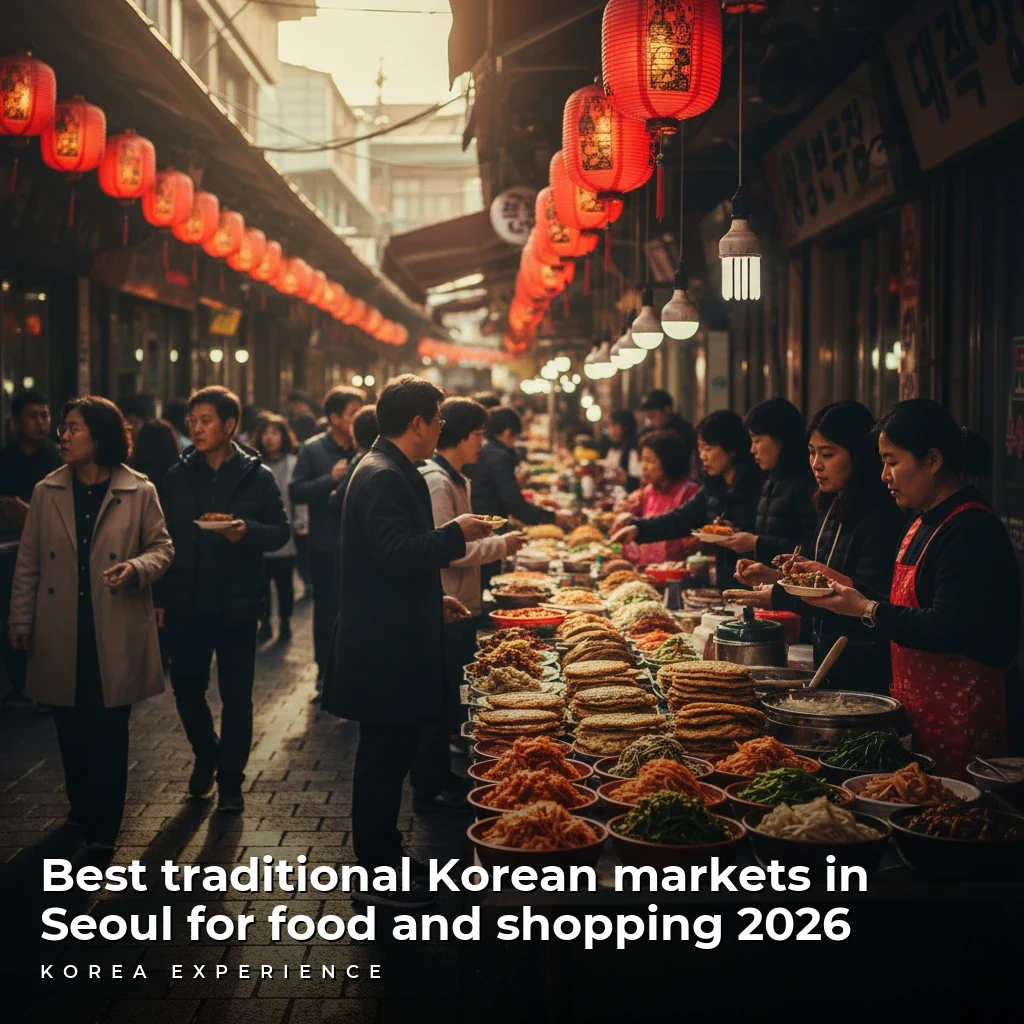
Discover Seoul's top 8 traditional markets. From Gwangjang's ₩5,000 noodles to Namdaemun's 10,000+ shops, get the ultimate 2026 shopping guide.
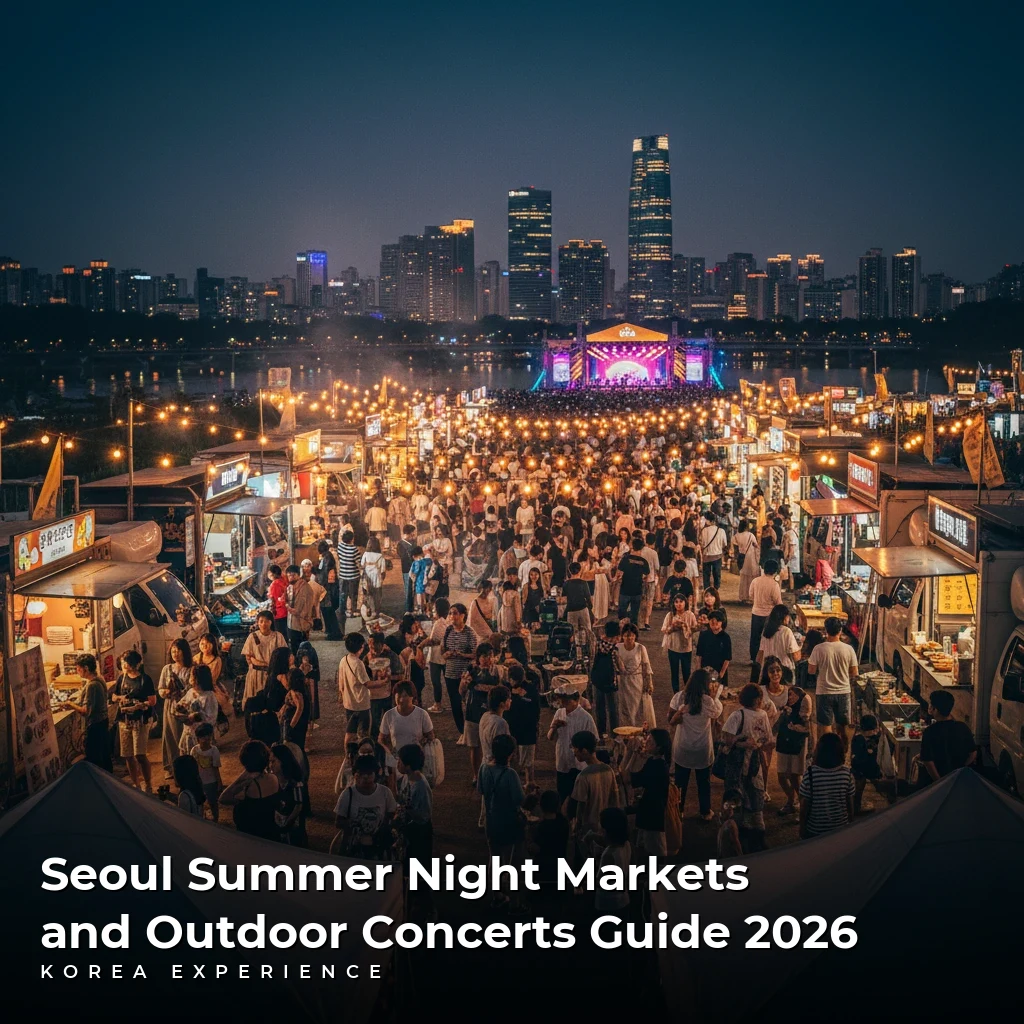
The ultimate guide to Korea's 2026 summer nightlife. Discover the Hangang Moonlight Market, Waterbomb Festival prices, and food truck costs averaging ₩8,000.
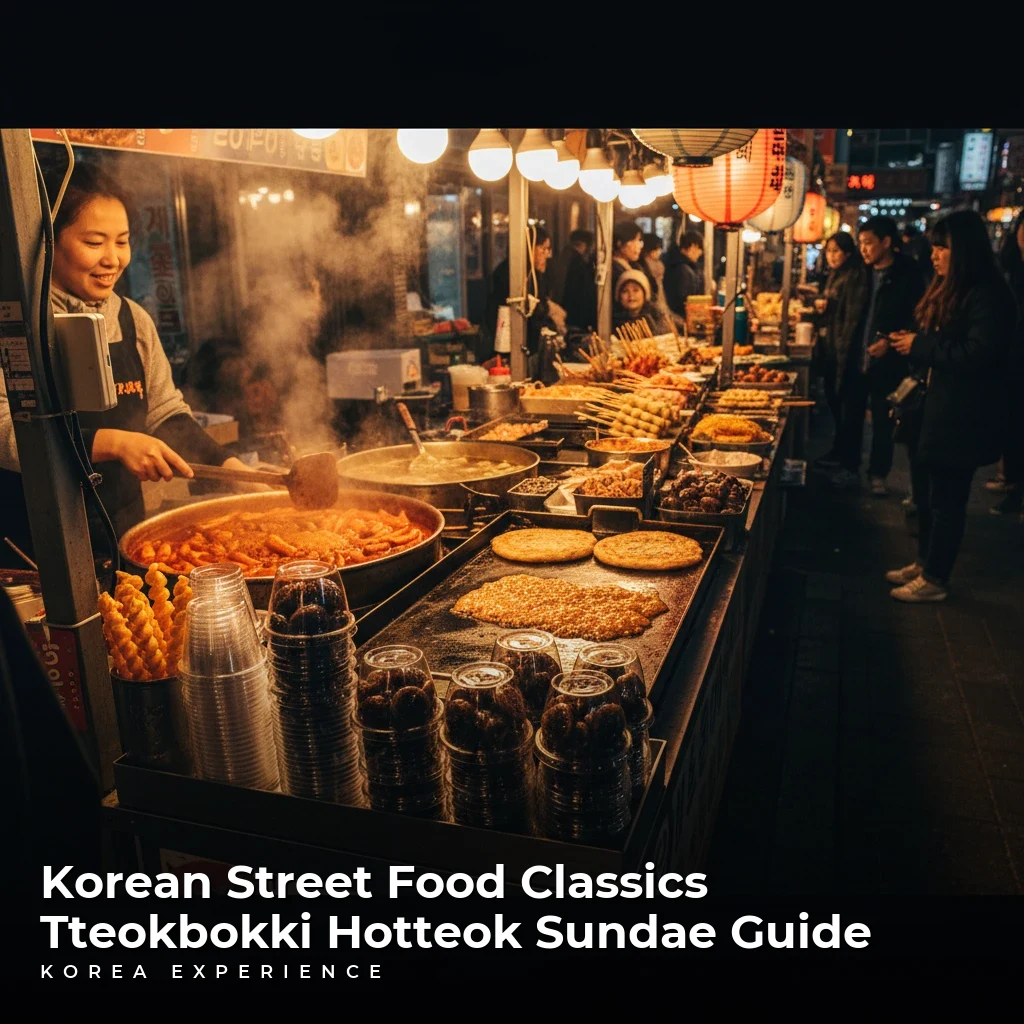
Discover the holy trinity of Korean street food. Essential guide to Tteokbokki, Hotteok, and Sundae including best spots, prices, and eating tips.