Seoul Golden Hour Photography Guide 2026: Best Sunset Spots
Capture stunning sunsets in Seoul with our 2026 guide. Discover top locations like Namsan and Banpo Bridge, plus timing tips for the perfect shot.
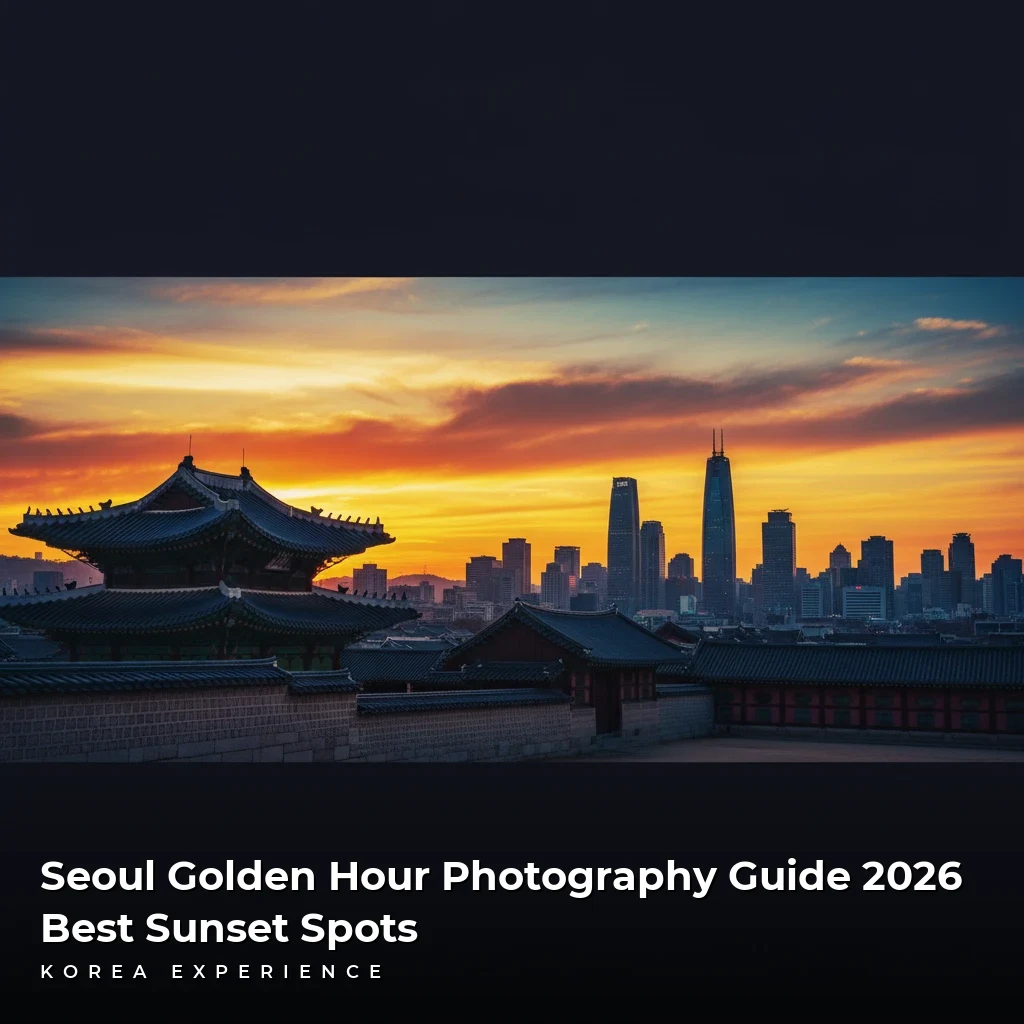
Finding the perfect golden hour spot in Seoul requires more than just luck; it demands precise timing and local knowledge of the city's unique topography. For the absolute best golden hour photography in 2026, Namsan Park (N Seoul Tower) remains the undisputed king for panoramic cityscapes, while Haneul Park offers the best natural backdrop with its silver grass fields. However, the hidden gem for 2026 is the Seongsu Cloud Bridge, offering a stunning industrial-meets-modern contrast over the Han River.
The short answer: To capture the best golden hour photos in Seoul, visit Namsan Park for high-elevation panoramas, Banpo Hangang Park for water reflections, or Haneul Park for nature vibes. In 2026, sunset times range from 17:15 in December to 19:55 in June.
Key Takeaways
- 1Golden hour in Seoul lasts approximately 40 minutes before sunset due to pollution haze scattering light
- 2Public transport stops running around midnight, but best shooting spots require 20-30 mins walking from stations
- 3Fine dust (PM2.5) levels can actually enhance sunset colors, creating deep reds and oranges
Understanding Light in the Land of Morning Calm
Seoul is a mega-city situated in a basin surrounded by mountains, which creates unique lighting conditions that photographers must understand to capture professional-grade images. The interplay between the sleek glass of Gangnam’s skyscrapers and the ancient curved roofs of Jongno’s palaces provides a textural contrast that pops incredibly well during the magic hour.
In 2026, the atmospheric conditions in Seoul have remained consistent with previous years, meaning that "Golden Hour" often transitions rapidly into "Blue Hour" due to the city's latitude (37.5° N). You generally have a window of about 35 to 45 minutes of usable golden light. Unlike tropical destinations where the sun drops vertically, Seoul's sun sets at an angle that lengthens shadows dramatically, perfect for street photography in narrow alleys like those in Euljiro.
📊 Seoul Sunlight Data 2026
When planning your shoot, you must account for the "city haze." While heavy yellow dust is bad for health, light particulate matter often diffuses the sunlight, turning the sky into a softbox that wraps subjects in flattering, warm tones. However, visibility is key for landscape shots. If the PM2.5 level is above 80, the Lotte World Tower might disappear from view even from close distances like Namsan.
1. Namsan Park & N Seoul Tower: The Iconic Panorama
Namsan Park is the geographic center of Seoul and arguably the most famous vantage point in the country. Standing at 262 meters above sea level, plus the tower's height of 236 meters, you are looking at a total elevation of nearly 500 meters. This spot allows you to shoot 360-degree views, capturing the chaotic density of Myeongdong to the north and the affluent spread of Hannam-dong to the south.
For 2026, the best strategy is to avoid the main observation deck during golden hour due to glass reflections and crowds. Instead, utilize the wooden viewing decks at the base of the tower (near the "Locks of Love"). Here, you can set up a tripod (be mindful of foot traffic) and capture the sun dipping behind the Incheon mountains in the far west.
N Seoul Tower (Namsan)(N서울타워)
Getting There & Costs: The Namsan Cable Car has increased its round-trip price to ₩15,000 for adults in 2026. However, the wait times can exceed 60 minutes on weekends. A smarter move for photographers carrying gear is the Namsan Sunhwan Shuttle Bus (Yellow Bus #01), which costs only ₩1,400 and drops you a 5-minute steep walk from the summit.
Drone Restriction
Namsan is a strict No-Fly Zone (P-73A/B) due to its proximity to the Presidential office and military installations. Launching a drone here will result in immediate confiscation and fines starting at ₩2,000,000.
If you prefer hiking, the walk up from the National Theater takes about 40 minutes. It's a paved road, making it accessible even if you are rolling a small gear case, though it is steep. Along this path, there are three distinct lookout points that frame the tower against the setting sun—a composition often missed by tourists taking the cable car.
For those interested in capturing the foliage along with the sunset, the autumn months (late October to early November) are spectacular here. You can read more about seasonal timing in our guide to autumn colors and hiking spots.
2. The Han River Parks: Banpo and Yeouido
The Han River (Hangang) bisects the city and offers a completely different aesthetic: wide horizons, water reflections, and massive bridges. The river is nearly 1km wide in some sections, providing a sense of scale rare in other Asian megacities.
Banpo Hangang Park
Famous for the Banpo Bridge Rainbow Fountain, this spot is a dual-threat. During golden hour, shoot towards the west to catch the silhouettes of Namsan Tower and the floating islands (Some Sevit). As golden hour fades into blue hour (approx. 20 minutes after sunset), the bridge fountain show begins.
📋 Banpo Bridge Fountain Info
In 2026, the fountain schedule usually runs from April to October. The show times are typically 19:30, 20:00, 20:30, and 21:00. The water jets are illuminated with LEDs, and the bridge holds the Guinness World Record for the longest bridge fountain.
Yeouido Hangang Park
Yeouido is Seoul's financial district, often called the "Manhattan of Seoul." The best angle here is actually not in Yeouido, but from the opposite side of the river at Ichon Hangang Park. From Ichon, you can photograph the cluster of skyscrapers, including the iconic 63 Square and the Parc.1 Tower, reflecting off the water as the sun sets behind them.
Practical Tips: The "I Seoul U" sculptures have been replaced or updated in many parks as of 2025/2026 with the new "Seoul, My Soul" branding. These make for popular tourist shots, but for serious photography, focus on the bridges. The walk from Yeouinaru Station (Line 5) to the best riverside spots takes about 10 minutes. Convenience stores (GS25/CU) along the river sell "instant ramyun" for about ₩4,000, a quintessential Han River experience to fuel your shoot.
For more on renting bikes to move between bridge spots quickly, check out our guide on bicycle rental systems.
3. Haneul Park: The Sea of Silver Grass
Haneul Park (Sky Park) is located near the World Cup Stadium and is built on a former landfill, now a breathtaking ecological park. This is the spot for portrait photographers. In October, the Silver Grass Festival takes place, and the tall Eulalia grass turns golden, matching the setting sun perfectly.
📖 Reaching the Summit of Haneul Park
Step 1: Arrival
Take subway Line 6 to World Cup Stadium Station, Exit 1.
Step 2: The Ascent
Choose between the zig-zag staircase (291 steps) or the menacing electric toad (shuttle).
Step 3: Positioning
Head to the 'Bowl' observation deck on the far west side for unobstructed sunset views.
The park is expansive, covering 190,000 square meters. During golden hour, the light filters through the tall grass (which grows up to 2 meters high), creating varied textures and rim-lighting effects that are impossible to replicate elsewhere in the city.
Pro Tip: In 2026, the park closes at sunset to protect the wildlife, but during the Silver Grass Festival (usually mid-October), hours are extended until 22:00. Outside of the festival, park rangers will start blowing whistles about 30 minutes after sunset to clear the area.
4. The Palaces: Gyeongbokgung and Changdeokgung
While most people visit the palaces during the day, the hour before closing offers the most dramatic light. The long shadows cast by the eaves of the traditional architecture (Hanok) create geometric patterns on the sandy courtyards.
Gyeongbokgung Palace: The main palace closes early (17:00 in winter, 18:30 in summer), which often cuts off the peak golden hour. However, the exterior walls and the Gwanghwamun Gate are lit beautifully just as the sun goes down. The contrast between the 14th-century gate and the modern traffic of Sejong-daero is a classic Seoul shot.
Changdeokgung Secret Garden: Access is restricted to guided tours, and tickets sell out weeks in advance. The late afternoon tour (usually 15:30 or 16:00) is your best bet for softer light, though true sunset shots are difficult due to closing times.
Don't just shoot the main buildings. Go to the Bukchon Hanok Village nearby (specifically the steep hill at Bukchon-ro 11-gil) about 45 minutes before sunset. You get the Hanok roofs in the foreground and the N Seoul Tower in the distance. Residents are strict about noise, so keep it silent.
If you want to dress the part for your photos, Hanbok rental allows free entry into the palaces, saving you the ₩3,000 admission fee.
5. Urban Jungle: Lotte World Tower & City Bridges
For those who crave verticality, the Lotte World Tower (Seoul Sky) is the tallest building in Korea and the 6th tallest in the world. The observation deck is on floors 117-123.
Lotte World Tower vs. N Seoul Tower
While Namsan offers a view of the city from the center, Lotte offers a view above the city from the east. The glass floor on the 118th floor is terrifying and photogenic.
Seoul Observation Decks for Photographers
| Feature | N Seoul Tower | Lotte World Tower (Seoul Sky) |
|---|---|---|
| Height | 236m (on 262m hill) | 555m |
| Cost (Adult) | ₩21,000 | ₩31,000 |
| Glass Reflections | Moderate (Open decks available) | High (Indoor only) |
| Tripod Use | Allowed outside | Restricted/Difficult |
Photography Advice: Shooting through the thick glass of Seoul Sky requires a lens skirt or a black t-shirt held against the glass to block reflections. The best time to go up is 1 hour before sunset to secure a spot by the west-facing windows.
The Bridges
Aside from Banpo, the Dongjak Bridge has "Sunset Cafes" (Gureum and Noeul cafes) located directly on the bridge structure. You can buy a coffee for ₩6,000 and shoot the sunset through the window, or step out onto the pedestrian walkway. The subway (Line 4) runs through the middle of this bridge, allowing for dynamic long-exposure shots of the trains with the sunset in the background.
6. The Fortress Wall: Naksan Park
Naksan Park offers one of the most romantic and accessible golden hour experiences. It is part of the Seoul City Wall (Hanyangdoseong). The wall stretches along the ridge of a low mountain (125m), making it an easy walk rather than a hike.
As the sun sets, the fortress lights turn on, illuminating the stone wall in a warm yellow glow that contrasts with the cooling blue sky. This "Blue Hour" transition is arguably better here than anywhere else in Seoul.
The Route: Take the subway to Hyehwa Station (Line 4), Exit 2. Walk past the Marronnier Park and up the hill through the Ihwa Mural Village. The murals are less prominent in 2026 due to resident complaints, but the vibe remains artsy. The walk to the top takes about 20 minutes.
Naksan Park Photography
- ✓Easy accessibility (no heavy hiking)
- ✓Beautiful leading lines with the fortress wall
- ✓Free admission
- ✗Can be crowded with couples
- ✗Mosquitoes in summer
- ✗Limited food options at the summit
7. Seokchon Lake: Magic Castle Vibes
Located at the base of Lotte World Tower, Seokchon Lake is famous for its cherry blossoms in spring. However, during golden hour year-round, the "Magic Island" of Lotte World amusement park looks like a scene from a fairytale. The Disney-esque castle reflects in the lake, and with the towering Lotte World Tower looming behind it, you get a shot that encapsulates Seoul's mix of fantasy and hyper-modernity.
Best Spot: The eastern loop of the lake offers the best angle looking toward the Magic Island castle with the sunset behind it.
8. Street Photography: Euljiro and Jongno
For photographers who prefer grit over glamour, Euljiro is the place. Known as "Hipjiro," this area is a maze of old printing presses, lighting shops, and hidden bars. The golden light cuts through the narrow alleyways, creating high-contrast scenes perfect for black and white photography.
In 2026, redevelopment is eating away at these alleys, so capturing them now is a matter of archival importance. Look for the "Nogari Alley" where plastic tables spill onto the street. The orange evening sun mixed with neon signage creates a cyberpunk aesthetic.
Gear Rental: If you need a specific lens for street photography (like a 35mm f/1.4), you can rent gear at the Techno Mart in Gangbyeon or the camera district in Chungmuro. Daily rental rates for a pro lens average ₩30,000 - ₩50,000.
Suggested Itineraries: The Golden Hour Chase
Seoul is huge. You cannot do Namsan and Haneul Park in the same evening. You must pick a "zone." Here is a dualism route that contrasts a luxury high-rise experience with a gritty street level shoot.
Sunset in Seongsu: The Brooklyn of Seoul
The Dualism Concept: Experience the best of both worlds — premium luxury moments paired with authentic budget-friendly experiences in one route.
Luxury Sunset
Cocktails at a rooftop bar overlooking Seoul Forest
Street Level
Coffee at a converted warehouse cafe
Start at Seoul Forest for nature shots, then move to the Seongsu cafes for industrial textures as the light fades.
For a full day plan that leads perfectly into these sunset spots, check our 24-hour Seoul itinerary.
Practical Logistics for Photographers in 2026
Transport
Subways are your best friend. Taxis are convenient but get stuck in terrible traffic between 17:00 and 19:00—exactly when you need to be moving for sunset. A taxi from Gangnam to Namsan during rush hour can cost ₩25,000+ and take 50 minutes. The subway costs ₩1,400 and takes 30 minutes.
Equipment
- Tripod: Essential for Blue Hour. Seoul is safe; no one will snatch your tripod if you step away for a second, but keep it close in crowds to avoid tripping people.
- Filters: A Circular Polarizer (CPL) is crucial to cut through the city haze and manage reflections on the Han River.
- Voltage: Korea uses 220V, Type C/F outlets. Bring adapters.
Safety
Seoul is incredibly safe, but solo photographers should be mindful of traffic. Delivery scooters (motorcycles) often drive on sidewalks. Always look both ways, even when you have the green light.
💵 Photographer Budget (Daily)
Taxi travel, observatory tickets, cafe hopping
Subway, hiking Naksan, convenience store dinner
Seasonal Considerations
- Spring (March-May): Yellow dust is worst in April. Skies can be hazy. Cherry blossoms at Seokchon Lake and Yeouido are the main draw.
- Summer (June-August): Hot, humid, and rainy (Monsoon season usually July). However, after a typhoon passes, the sunsets are the most dramatic of the year with intense purple clouds.
- Autumn (September-November): The holy grail. clear skies, crisp air, and red foliage.
- Winter (December-February): brutally cold (-10°C is common). Batteries die fast. But the air is crystal clear, offering visibility all the way to Incheon.
For a detailed month-by-month breakdown, refer to our guide on the best time to visit Korea.
Conclusion
Seoul is a dynamic canvas that changes rapidly with the light. Whether you are standing atop the wind-swept N Seoul Tower or crouching in a grimey alley in Euljiro, the city rewards those who plan ahead. In 2026, the blend of hyper-futuristic infrastructure and deeply rooted tradition continues to offer photographers unique compositions found nowhere else in Asia.
Remember, the "Golden Hour" here is fleeting. Arrive 45 minutes early, scout your composition, and wait for that magical moment when the city lights flicker on to combat the fading sun.
❓ Frequently Asked Questions
Have more questions?Contact us →
The Perfect Golden Hour Workflow
Coffee & Scout
Arrive at location, find angles, caffeine up.
Golden Hour Begins
Shoot warm tones, sunstars, and silhouettes.
Sunset
The sun dips below the horizon.
Blue Hour
City lights balance with the deep blue sky. Use tripod.
About the Author
Korea Experience Team
Written by the Korea Experience editorial team - experts in Korean medical tourism, travel, and culture with years of research and firsthand experience.
Explore more in Travel & Tourism
From Seoul's neon-lit streets to Jeju's volcanic landscapes — discover the best of Korea with insider travel tips, itineraries, and seasonal guides.
Browse All Travel & Tourism ArticlesContinue Reading
Explore more articles you might find interesting
Discover the ultimate photography spots in Korea for 2026. From Seoul's neon nights to Jeju's sunrises, get precise golden hour times and expert gear tips.
Discover 12 stunning Korean train stations from K-drama sets to seaside stops. Includes travel times, photo spots, and best seasons for the perfect shot.
Discover the top 30 Seoul Instagram spots for 2026. From the new Starfield Library to hidden Hanok cafes, get precise locations, lighting tips, and costs.
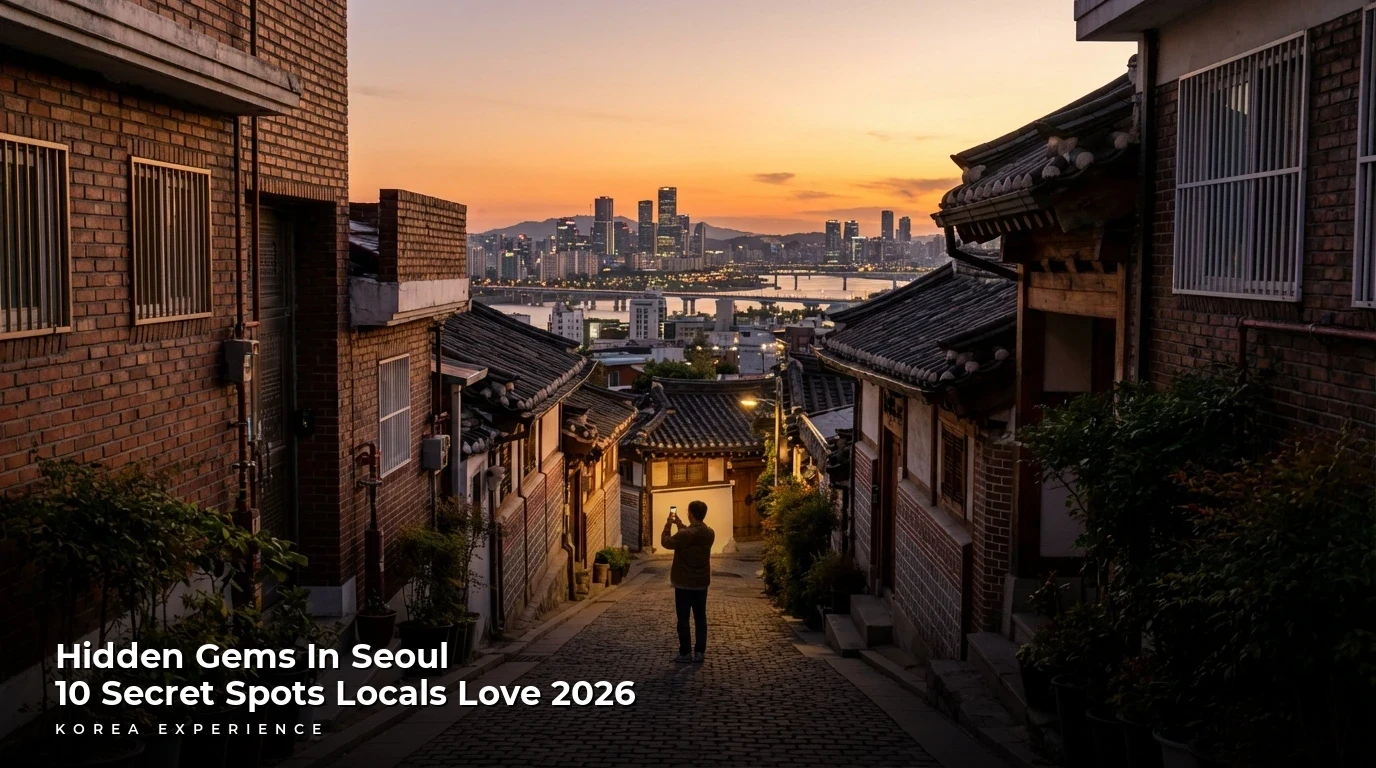
Discover Seoul's best-kept secrets beyond Myeongdong. From art hubs in Mullae (₩5,000 coffee) to sunset views in Huam-dong, explore the city like a local.
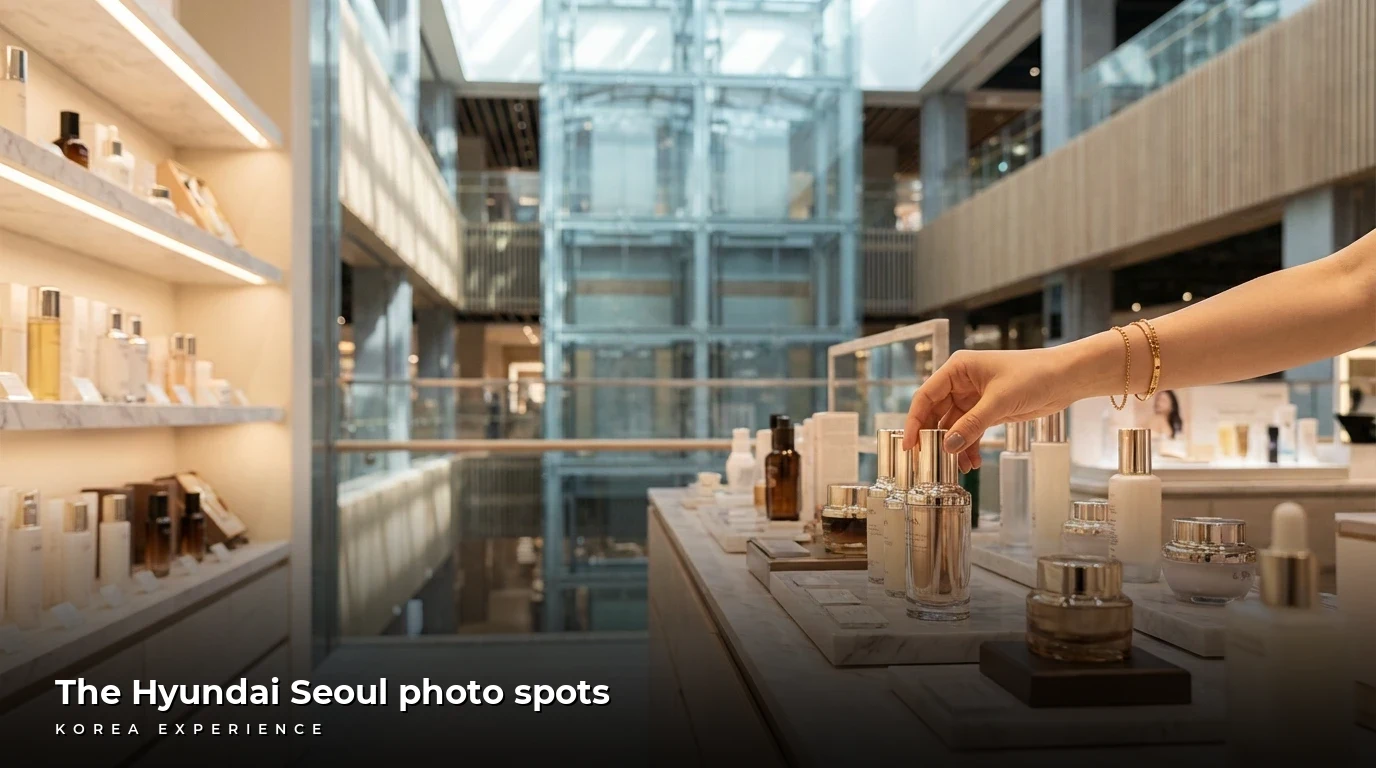
Discover the best photo spots at The Hyundai Seoul in 2026. Get 5-8% tax refunds on 15,000 KRW minimums and skip the 2-hour queues with our insider tips.
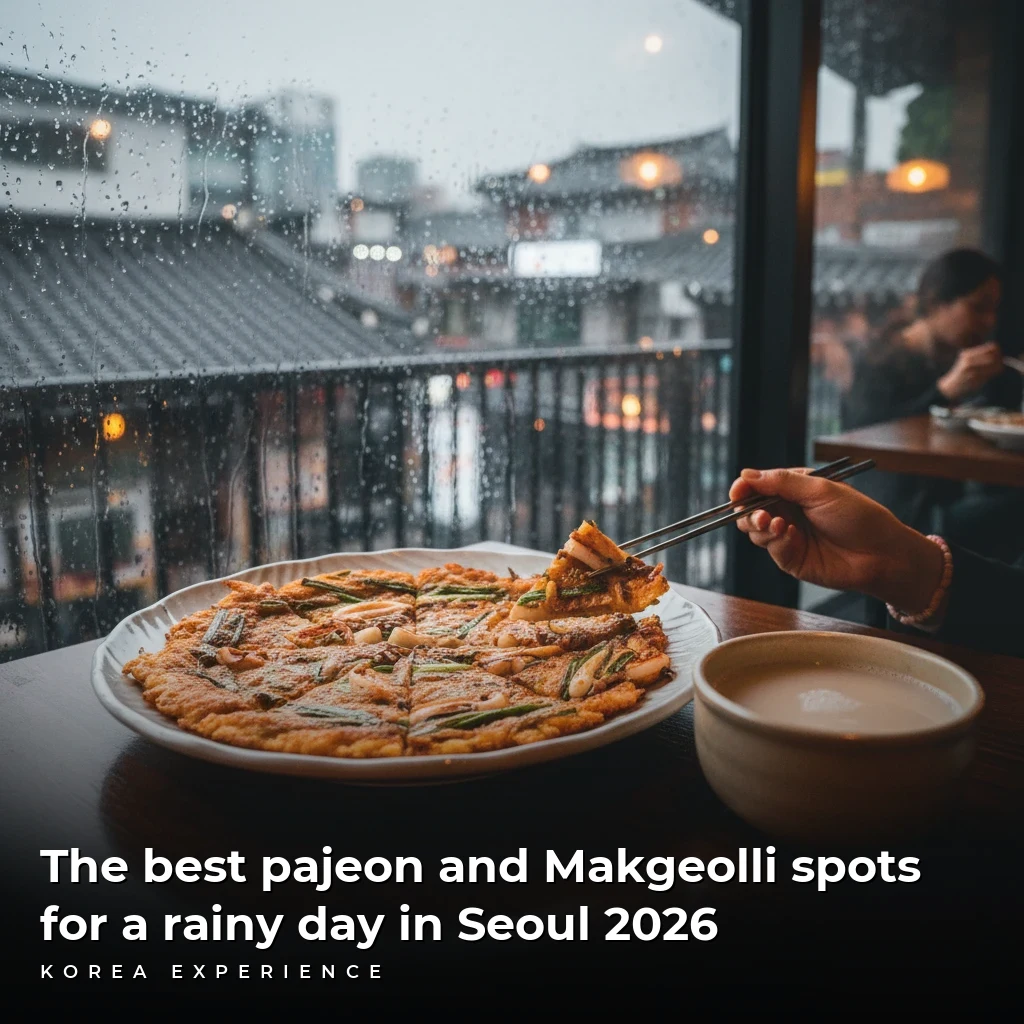
Discover the ultimate guide to savory pancakes and rice wine in Seoul. Top spots, craft brews, and local tips for a perfect rainy day experience.