Food & Dining

Sokcho Squid & Abai Sundae: A Coastal Culinary Journey

Discover the iconic flavors of Sokcho, South Korea, with our in-depth guide to local specialties: fresh Sokcho Squid and the unique Abai Sundae.

Unveiling Sokcho's Gastronomic Gems: Sokcho Squid and Abai Sundae

Nestled on South Korea's stunning east coast, Sokcho is more than just a gateway to the majestic Seoraksan National Park; it is a vibrant culinary haven, renowned for its unparalleled seafood and unique local delicacies. For international travelers and expats looking to dive deep into authentic Korean flavors beyond the bustling streets of Seoul, Sokcho offers a distinctive gastronomic adventure. This comprehensive guide will transport you to the heart of Sokcho's food scene, exploring two of its most iconic dishes: the exceptionally fresh Sokcho Squid and the culturally rich Abai Sundae. Prepare to embark on a journey that will tantalize your taste buds and deepen your appreciation for Korea's diverse culinary landscape.

From the bustling fish markets brimming with the day's catch to the quaint streets of Abai Village echoing with history, we will uncover the origins, preparations, and best places to savor these regional treasures. You'll learn the difference between various squid dishes, understand the unique story behind Abai Sundae, and gain insider tips to make your Sokcho food exploration truly unforgettable. Get ready to add Sokcho Squid and Abai Sundae to your must-try list!

The Coastal Charm of Sokcho: A Culinary Hotspot

Sokcho, located in Gangwon-do Province, is a city where mountain grandeur meets ocean bounty. Its strategic coastal position has historically made it a prime fishing port, gifting it with an abundance of fresh seafood that forms the backbone of its local cuisine. The city's clean waters and robust fishing industry ensure that seafood, especially squid, is caught daily and served with unparalleled freshness.

Sokcho's Unique Geographic and Cultural Influences

Sokcho's identity is shaped by its proximity to both the East Sea and the majestic Seoraksan National Park. This dual influence creates a vibrant environment where rugged natural beauty coexists with a bustling urban center and thriving fishing communities. The city also holds a unique cultural legacy, particularly within Abai Village, which was established by Korean refugees from North Korea during the Korean War. These refugees brought their unique culinary traditions and adapted them with local ingredients, giving birth to dishes like Abai Sundae. This blend of pristine natural resources and a rich historical narrative sets the stage for a distinct and memorable food experience.

Why Sokcho is a Must-Visit for Food Enthusiasts

For those seeking an authentic taste of Korea, away from the more commercialized tourist spots, Sokcho presents an irresistible draw. The emphasis here is on fresh, natural ingredients, prepared with traditional methods passed down through generations. Eating in Sokcho isn't just about sustenance; it's about experiencing the local culture, meeting the people, and understanding the stories behind each dish. It's an opportunity to connect with the essence of Korean coastal life.

Deep Dive into Sokcho Squid: Freshness Personified

Sokcho Squid, or "Ojingeo" as it's known in Korean, is not just any squid; it's a symbol of the East Sea's bounty. The cold, clear waters off Sokcho are ideal for squid, leading to a catch renowned for its tender texture and naturally sweet flavor. This local delicacy can be enjoyed in a myriad of ways, each showcasing its versatility.

The Significance of Squid in Sokcho's Economy and Culture

Squid plays a vital role in Sokcho's economy, supporting numerous fishing families and local businesses. It's deeply woven into the city's cultural fabric, celebrated in festivals and featured prominently in local markets. The sight of countless squid drying in the sun is a common and iconic image along Sokcho's coastline, a testament to its abundance and importance.

While the simple grilled squid might be a delicious start, Sokcho offers much more. Here are some of the most popular and essential squid dishes to try:

Ojingeo Sundae (Squid Sundae)

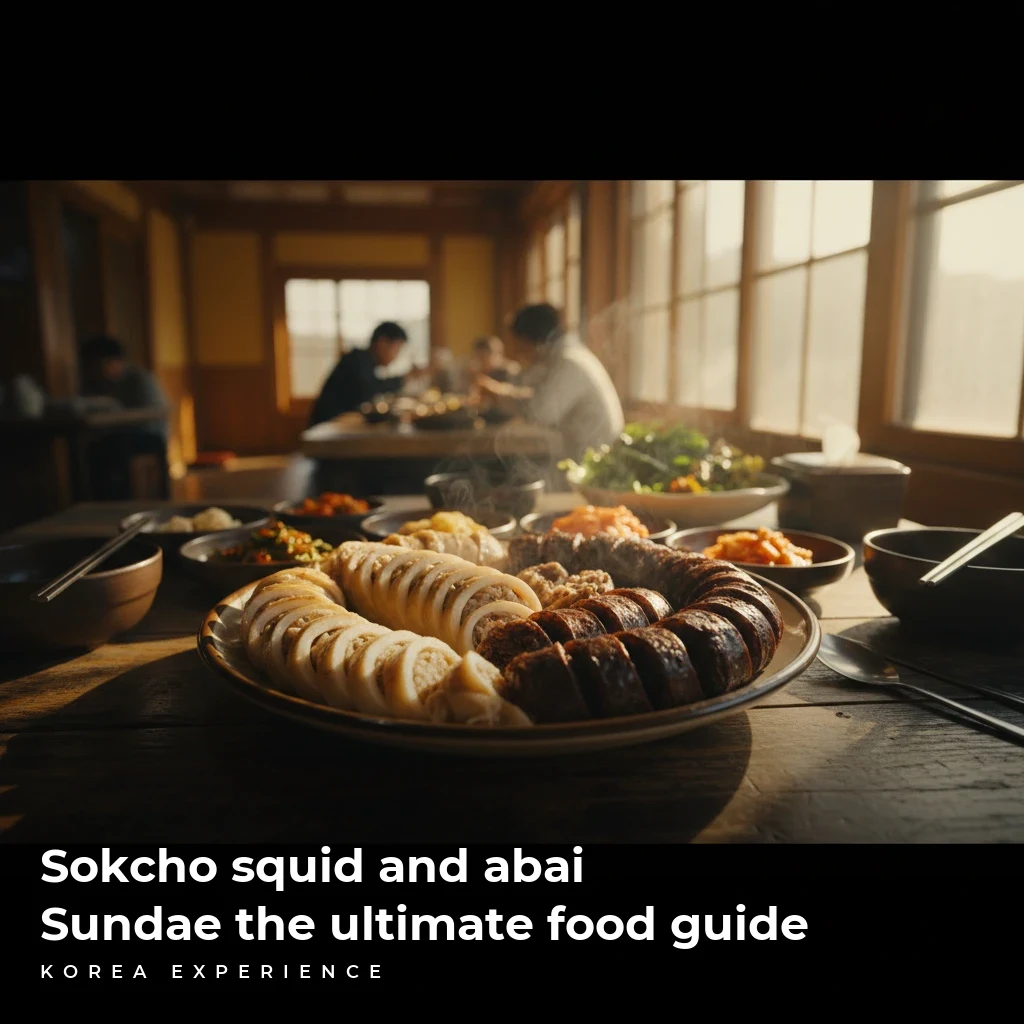
This is perhaps the most iconic squid dish unique to Sokcho. Unlike traditional Sundae made with pig intestines, Ojingeo Sundae uses a whole fresh squid as its casing. The squid is meticulously cleaned, and then its body is stuffed with a savory mixture of minced squid tentacles, vegetables (like carrots, onions, and green onions), glass noodles (dangmyeon), sticky rice, and often a touch of tofu or ground pork. It's then steamed until cooked through, thinly sliced, and pan-fried with an egg batter for a crispy, golden finish.

  • Flavor Profile: A delightful combination of the ocean's freshness, the savory filling, and a satisfying chewy yet tender texture. The pan-frying adds a subtle richness.
  • Serving Suggestion: Typically served with a soy sauce-based dipping sauce often mixed with mustard or vinegar for a tangy kick.

Ojingeo Hoedeopbap (Squid Raw Fish Rice Bowl)

A refreshing and vibrant dish, Ojingeo Hoedeopbap features thinly sliced raw squid served over a bed of warm rice with various fresh vegetables (lettuce, cucumber, radish sprouts) and a generous dollop of spicy gochujang (Korean chili paste) sauce.

  • Flavor Profile: A harmonious blend of spicy, sweet, and tangy flavors, with the distinct clean taste and slightly firm texture of raw squid. The freshness of the vegetables adds a crucial crunch.
  • Serving Suggestion: Mix everything thoroughly before eating, ensuring each spoonful has a bit of rice, squid, vegetables, and sauce.

Ojingeo Muchim (Spicy Squid Salad)

This popular side dish or appetizer features blanched or parboiled squid mixed with an array of fresh vegetables (cucumbers, onions, carrots) and a spicy, tangy dressing made from gochujang, garlic, vinegar, sugar, and sesame oil.

  • Flavor Profile: Zesty, spicy, and refreshing, with the chewiness of the squid providing a satisfying contrast to the crisp vegetables.
  • Serving Suggestion: Often enjoyed with a bowl of plain white rice or as a side dish to heavier meals.

Ojingeo Twigim (Fried Squid)

Similar to calamari, Ojingeo Twigim involves fresh squid pieces lightly battered and deep-fried until golden and crispy. It’s a universally loved snack or side.

  • Flavor Profile: Crispy on the outside, tender and slightly chewy on the inside, with the natural sweetness of the squid shining through.
  • Serving Suggestion: Typically served with a soy sauce or soy-vinegar dipping sauce.

Sokcho Squid Preparations Comparison Table

Dish NameMain CharacteristicsTextureFlavor ProfileRecommended Occasion
Ojingeo SundaeStuffed squid, pan-fried with egg batterTender, chewy, crispySavory, slightly sweet, richMain meal, specialty
Ojingeo HoedeopbapSliced raw squid, vegetables, rice, spicy sauceChewy, crisp, refreshingSpicy, tangy, fresh, cleanLight meal, summer
Ojingeo MuchimBlanched squid, fresh vegetables, spicy dressingChewy, crispZesty, spicy, tangy, refreshingSide dish, appetizer
Ojingeo TwigimDeep-fried battered squidCrispy exterior, tenderNaturally sweet, savory, mildSnack, side dish

Abai Sundae: More Than Just Korean Blood Sausage

While Sundae (Korean blood sausage) exists throughout Korea, Abai Sundae from Sokcho's Abai Village holds a special place. It’s a dish steeped in history, born out of resilience and adaptation, and offers a distinctly different experience from its counterparts.

The Historical Roots of Abai Sundae

Abai Sundae traces its origins back to the Korean War when refugees from Hamgyeong-do Province in North Korea settled in what is now Abai Village. Cut off from their hometowns and traditional ingredients, they adapted their northern Korean culinary traditions to the available resources in Sokcho. Their original Sundae, often made with intestines from various animals, was reimagined using the abundant fresh squid or the larger intestines of cattle, stuffed with a hearty mixture of local vegetables, glass noodles, and sticky rice. The name "Abai" itself means "father" or "elder" in the Hamgyeong-do dialect, reflecting the reverence for the older generation who kept these traditions alive.

What Makes Abai Sundae Unique?

Traditional Korean Sundae typically uses pig intestines as a casing and is filled primarily with blood, glass noodles, and sometimes vegetables. Abai Sundae, however, often uses cow intestines (a wider casing) and focuses on a more robust filling with less emphasis on blood, making it less gamey and more savory. The filling usually includes sticky rice, glass noodles, bean sprouts, various vegetables, and sometimes minced pork, all seasoned with soy sauce, sesame oil, and garlic. The larger casing allows for a more generous and varied filling, contributing to its distinct texture and flavor.

Preparation and Serving of Abai Sundae

The preparation of Abai Sundae is a meticulous process. The chosen casing (cow intestine) is thoroughly cleaned, then carefully stuffed with the savory mixture. It is then steamed until perfectly cooked, resulting in a firm yet tender sausage. When served, it is typically sliced into thick rounds and often lightly pan-fried to give it a slightly crispy exterior, enhancing its appeal.

  • Flavor Profile: Savory, hearty, and umami-rich with a satisfying chewiness from the intestine and the soft texture of the sticky rice and noodles. It's less bloody than typical Sundae, making it often more approachable for first-timers.
  • Serving Suggestion: Abai Sundae is usually served with a side of dipping sauces, most commonly a soy sauce and vinegar mix, sometimes with a dash of chili powder or wasabi. It pairs wonderfully with Makgeolli (Korean rice wine) or Soju.

Abai Sundae vs. Gukbap Sundae (Traditional Korean Blood Sausage Soup)

While both are "Sundae," their form and typical consumption differ significantly.

FeatureAbai SundaeGukbap Sundae (Traditional)
CasingPrimarily cow intestine, sometimes squid (Ojingeo Sundae)Pig intestine
FillingSticky rice, glass noodles, vegetables, minced pork (less blood)Pig blood, glass noodles, vegetables (more blood)
FlavorHearty, savory, less gamey, rich umamiEarthy, distinct blood flavor, savory
TextureChewy (casing), soft (filling), firm overallChewy (casing), soft/crumbly (filling), often softer
Typical ServeSliced and pan-fried, standalone dishSliced and served in a hot, flavorful pork bone broth (gukbap)
OriginAbai Village, North Korean refugee adaptationVarious regions across Korea, traditional

The Historic Heart: Abai Village's Culinary Legacy

To truly appreciate Abai Sundae and even some preparations of Sokcho Squid, a visit to Abai Village (Abai Maeul) is essential. This small, unique village across Cheongcho Lake is not just a place to eat; it's a living museum reflecting a poignant chapter of Korean history.

A Village Forged by History

Abai Village came into existence as a settlement for refugees from Hamgyeong-do Province (now North Korea) who fled south during the Korean War and settled in Sokcho. Unable to return home, they created a community, preserving their unique dialect, customs, and, most importantly, their food traditions. The village remains a testament to their resilience and cultural heritage.

Crossing to Abai Village: The Gaetbae Ferry

Part of the charm of visiting Abai Village is the unique mode of transport: the Gaetbae Ferry. This small, rope-pulled raft is one of the last remaining hand-pulled ferries in Korea. Visitors actively participate in pulling the ferry across the narrow channel connecting the village to Sokcho's city center. It’s a fun, quirky, and memorable experience that adds to the village's old-world appeal. The ferry costs a nominal fee (often just a few hundred won) and runs continuously during daylight hours.

Culinary Delights in Abai Village

Abai Village is particularly famous for its concentration of restaurants specializing in Abai Sundae and Hamheung Naengmyeon (cold noodles, another North Korean specialty). Many of these eateries have been run by the same families for generations, preserving authentic recipes.

  • Recommended Dishes:
    • Abai Sundae: Almost every restaurant here will offer their version. Look for places that pan-fry it to a golden crisp.
    • Ojingeo Sundae: Often served alongside Abai Sundae, it’s another specialty.
    • Hamheung Naengmyeon: While not squid or sundae, this cold, spicy buckwheat noodle dish is a perfect complement, offering a refreshing contrast to the rich sundae. It typically comes with a slice of raw skate (hongeohoe) and a spicy sauce.

Insider Tip: Many restaurants in Abai Village offer a "Sundae Combo" that includes both Abai Sundae and Ojingeo Sundae, allowing you to sample both iconic dishes. Don't miss out on trying the local Siksaeju (rice wine) with your meal!

Where to Find the Best: Top Spots for Sokcho Squid and Abai Sundae

Sokcho boasts numerous eateries, from bustling market stalls to established restaurants. To help you navigate, here are some key areas and types of establishments to look out for.

Sokcho Jungang Market (Sokcho Central Market)

This vibrant traditional market is the undisputed heart of Sokcho's food scene. It's a sensory explosion of sights, sounds, and smells, offering an incredible array of fresh seafood, street food, and local specialties.

  • What to find here: Numerous stalls selling freshly prepared Ojingeo Sundae (often pan-fried on the spot), crispy Ojingeo Twigim, and various dried squid snacks. You can also buy fresh squid to cook yourself if you have access to a kitchen.
  • Atmosphere: Lively, bustling, and authentic. Perfect for experiencing local life and trying a variety of foods in one go.
  • Estimated Price Range: Ojingeo Sundae (one plate): 15,000 - 25,000 KRW; Ojingeo Twigim (small portion): 5,000 - 10,000 KRW.
  • Location: Gyo-dong, Sokcho-si, Gangwon-do (easily accessible from Sokcho Express Bus Terminal).

Abai Village Restaurants

As mentioned, Abai Village is the prime location for authentic Abai Sundae and Ojingeo Sundae. The restaurants here have deep roots and fiercely guarded family recipes.

  • What to find here: Dedicated restaurants specializing in Abai Sundae, Ojingeo Sundae, and Hamheung Naengmyeon.
  • Atmosphere: Quaint, historic, and often with a view of the lake. Expect traditional Korean seating (floor seating) in some establishments.
  • Estimated Price Range: Abai Sundae or Ojingeo Sundae (one plate): 20,000 - 30,000 KRW; Hamheung Naengmyeon: 10,000 - 12,000 KRW.
  • Location: Cheongho-dong, Sokcho-si, Gangwon-do (accessible via Gaetbae Ferry or bridge).

Cheongho-dong Raw Fish Town (Hwae Center)

For the freshest raw squid and other seafood, head to Cheongho-dong. This area is famous for its "Hwae Centers," where you can select live seafood from tanks and have it prepared immediately.

  • What to find here: Ojingeo Hoedeopbap, fresh raw squid sashimi, and various other raw fish dishes.
  • Atmosphere: Casual, often bustling, with lively fish market vibes.
  • Estimated Price Range: Ojingeo Hoedeopbap: 15,000 - 20,000 KRW. Raw squid sashimi prices vary greatly by weight and market conditions.
  • Location: Cheongho-dong, Sokcho-si, Gangwon-do (near Abai Village).

Top Dining Spots in Sokcho: A Quick Guide

Restaurant TypeSpecialtiesAverage Price Range (KRW)Unique Selling PointRecommended for
Market StallOjingeo Sundae, Ojingeo Twigim, dried squid5,000 - 20,000Authentic, lively atmosphere, quick bitesCasual exploration, snacking
Abai Village EateryAbai Sundae, Ojingeo Sundae, Hamheung Naengmyeon10,000 - 30,000Historic recipes, cultural experience, lakeside viewsFull meal, cultural immersion
Hwae CenterOjingeo Hoedeopbap, raw squid sashimi, fresh seafood15,000 - 50,000+Ultra-fresh ingredients, customizable seafood experienceSeafood lovers, adventurous eaters

Experiencing Sokcho's Markets: A Foodie's Paradise

Sokcho's markets are more than just places to buy food; they are vibrant social hubs, cultural institutions, and crucial elements of the city's identity. For any international traveler, exploring these markets offers a true glimpse into local life and culinary traditions.

Sokcho Jungang Market: Beyond Squid and Sundae

While famous for its squid and sundae, Sokcho Jungang Market offers a vast array of other delights. You’ll find fresh produce, artisanal kimchi, savory Korean pancakes (jeon), and an assortment of street snacks. It's an excellent place to pick up local souvenirs or simply soak in the lively atmosphere. Don't forget to try the "Dak Gangjeong" (sweet and crispy fried chicken), another local favorite.

  • Practical Tip: Go hungry! Many stalls offer samples, and it’s easy to assemble a fantastic meal just by hopping from one vendor to another. Weekends can be very crowded, so consider a weekday visit for a more relaxed experience.

Etiquette and Tips for Market Exploration

  • Cash is King: While some larger stalls may accept cards, many smaller vendors prefer or only accept cash. Have plenty of smaller denominations on hand.
  • Try Samples: Don't be shy! Vendors often offer samples of their products. It's a great way to discover new flavors.
  • Bargaining: While not common for food items, you might find some room for negotiation on non-food goods if buying multiple items.
  • Bring a Reusable Bag: Help the environment and make carrying your purchases easier.

Planning Your Sokcho Culinary Adventure

To make the most of your Sokcho food journey, a little planning goes a long way. Here are some practical tips and considerations.

Best Time to Visit Sokcho for Foodies

Sokcho's seafood is fresh year-round, but specific seasons offer unique experiences:

  • Spring (April-May): Pleasant weather for exploring, fewer crowds than peak summer.
  • Summer (June-August): Peak tourist season, especially popular for beaches. Expect crowds but also a lively atmosphere. Ideal for refreshing Ojingeo Hoedeopbap.
  • Autumn (September-November): Crisp weather, stunning fall foliage in Seoraksan, and often considered the best time for hiking and enjoying hearty meals like Sundae.
  • Winter (December-March): Colder, but excellent for warm comfort foods and fewer tourists. The abundance of fresh squid during certain winter months is also notable.

Getting to Sokcho

  • From Seoul: The easiest way is by express bus. Buses depart frequently from Seoul Express Bus Terminal and Dongseoul Bus Terminal, taking approximately 2.5-3 hours.
  • Within Sokcho: The city is relatively compact. Taxis are readily available and affordable. For Abai Village, the Gaetbae Ferry is a must-try experience. Public buses also connect major points of interest.

Accommodation Recommendations

Sokcho offers a range of accommodations, from budget guesthouses to luxury hotels and pensions. Consider staying near Sokcho Beach or Cheongcho Lake for convenient access to dining and attractions.

Practical Korean Phrases for Ordering Food

While many tourist-friendly restaurants in Sokcho may have English menus or staff who speak basic English, knowing a few Korean phrases can greatly enhance your experience:

  • "Juseyo" (주세요) - Please give me (use after a dish name, e.g., "Ojingeo Sundae juseyo")
  • "Eolmayeyo?" (얼마예요?) - How much is it?
  • "Masisseoyo" (맛있어요) - It's delicious!
  • "Kamsahamnida" (감사합니다) - Thank you.

Integrating Food with Sightseeing

Sokcho's culinary delights are best enjoyed as part of a broader exploration of the city and its surroundings.

  • Seoraksan National Park: Pair a day of hiking in the breathtaking Seoraksan mountains with a hearty Abai Sundae meal afterwards.
  • Sokcho Beach: Relax by the sea after a delicious seafood feast from the market.
  • Cheongcho Lake: Enjoy a leisurely stroll around the lake, taking in views of Abai Village, before or after your meal.
  • Naksan Beach and Naksansa Temple: Just a short drive south of Sokcho, Naksan offers stunning coastal views and a historic temple, perfect for a day trip combined with fresh seafood. For more details on these attractions, consider reading our "Gangwon-do Coastal Wonders" guide.

Frequently Asked Questions about Sokcho Squid and Abai Sundae

1. Is Sokcho Squid always served raw?

No, Sokcho Squid is prepared in various ways. While Ojingeo Hoedeopbap features raw squid, you can also enjoy it steamed and stuffed (Ojingeo Sundae), stir-fried, grilled, or deep-fried (Ojingeo Twigim). The freshness allows for diverse preparations.

2. What if I don't like spicy food? Can I still enjoy Sokcho's specialties?

Yes! Many dishes can be adapted or are not inherently spicy. Ojingeo Sundae and Ojingeo Twigim are generally mild. For Ojingeo Hoedeopbap or Muchim, you can ask for less spicy sauce ("deol maege haejuseyo"). Abai Sundae is also typically not spicy.

3. Is Abai Sundae similar to European blood sausage?

While both are types of blood sausage, Abai Sundae differs significantly. It uses a less blood-heavy filling and a larger casing (often cow intestine), focusing more on sticky rice, vegetables, and sometimes minced pork, giving it a heartier, less gamey flavor profile than many European blood sausages. It's often pan-fried rather than grilled or roasted.

4. Can I find vegetarian or vegan options in Sokcho?

Sokcho is predominantly known for its seafood and meat dishes. While specific vegetarian or vegan restaurants are rare, you might find options like bibimbap (ask for no meat/egg) or various vegetable side dishes (banchan) in traditional restaurants. For dedicated vegetarian/vegan meals, it might be challenging outside of larger cities.

5. Are Sokcho Squid and Abai Sundae expensive?

The prices are generally reasonable for the quality and portion sizes. A plate of Ojingeo Sundae or Abai Sundae typically ranges from 15,000 to 30,000 KRW, which can often be shared between two people as a main dish or enjoyed as a generous portion for one. Market street food is even more budget-friendly.

Conclusion: Savoring the Flavors of Sokcho

Sokcho, with its captivating coastal beauty and rich historical tapestry, offers an unforgettable culinary journey centered around the iconic Sokcho Squid and the unique Abai Sundae. These dishes are more than just meals; they are embodiments of the region's natural bounty, the resilience of its people, and the vibrant traditions passed down through generations.

By diving into the varied preparations of fresh Sokcho Squid – from the inventive Ojingeo Sundae to the refreshing Ojingeo Hoedeopbap – you gain a true appreciation for the East Sea's treasures. And by savoring Abai Sundae in its historic home, Abai Village, you connect with a poignant piece of Korean history, tasting the resilience and adaptation of its people.

We encourage you to go beyond the typical tourist trails and immerse yourself in the flavors of Sokcho Jungang Market and the charm of Abai Village. Let the bustling energy of the markets, the savory aroma of pan-fried sundae, and the ocean breeze guide your culinary adventure. Your taste buds, and your understanding of Korean culture, will thank you for it. So pack your bags, bring your appetite, and prepare to discover the unparalleled gastronomic delights of Sokcho!

About the Author

Korea Experience Team

Written by the Korea Experience editorial team - experts in Korean medical tourism, travel, and culture with years of research and firsthand experience.

⚠️ Medical Disclaimer

The information provided on this website is for general informational purposes only and does not constitute medical advice. Always consult with qualified healthcare professionals before making any medical decisions.

Continue Reading

Explore more articles you might find interesting