Suwon Galbi Best Barbecue Restaurants Top Picks 2026
The ultimate guide to Suwon Galbi best barbecue restaurants. We review prices, locations, and menus for the most authentic premium beef ribs in Korea.
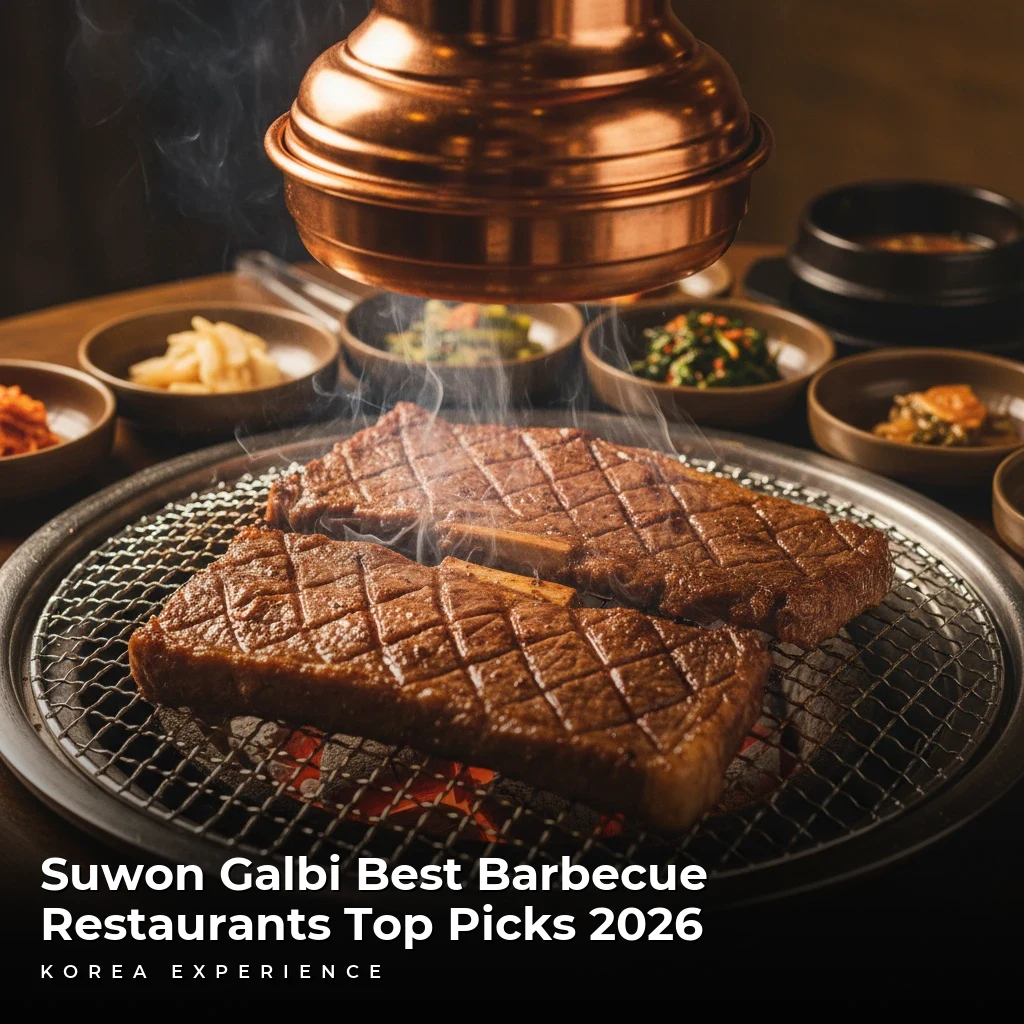
For international travelers and culinary enthusiasts, the city of Suwon represents the holy grail of Korean barbecue. Located approximately 34 kilometers (21 miles) south of Seoul, this historic city is famous for two things: the UNESCO World Heritage Hwaseong Fortress and "Suwon Wang Galbi" (King Ribs). While Korean BBQ is ubiquitous across the peninsula, the Suwon style is distinct, characterized by massive bone-in ribs, a unique salt-based seasoning rather than the soy-heavy marinade found elsewhere, and generous portions that justify the premium price tag.
Finding the best spot in a city with over 300 specialized rib restaurants can be overwhelming. The difference between a tourist trap and an authentic gastronomic experience often comes down to the quality of the charcoal, the grade of the beef (Hanwoo vs. imported), and the intricacy of the side dishes (banchan). This guide provides a deep dive into the Suwon Galbi best barbecue restaurants, ensuring your dining experience is worth the journey.
Related reading: Andong Jjimdak best restaurants in the hometown guide.
Key Takeaways
- 1Suwon Galbi is defined by the 'Wang' (King) cut, typically 13-15cm long bones
- 2Average price for premium Hanwoo beef is 90,000-₩120,000 per person
- 3The 'Big Three' restaurants are Kabojung, Bonsuwon, and Shilla Galbi
The Legend of Suwon Galbi: Why It Is Different
To understand why Suwon Galbi best barbecue restaurants command such respect, one must look at the history. The tradition began in the 1940s at a restaurant called Hwachunok. Unlike the Seoul style, which slices meat thinly, Suwon chefs cut the ribs into massive portions, attaching the meat to a 15-centimeter bone. A single serving here typically weighs 450 grams (roughly 1 pound), compared to the standard 180-200 grams found in Seoul establishments.
Related reading: Best Korean BBQ Restaurants in Seoul 2026 Ultimate Guide.
The seasoning is the second differentiator. Authentic Suwon galbi relies on salt and sugar to enhance the meat's natural flavor, avoiding the heavy soy sauce marinades that can overpower high-quality beef. This method requires superior meat quality, as there is no dark sauce to hide imperfections.
Learn more in our comprehensive guide to Best Korean BBQ Restaurants Seoul Gangnam Edition.
📊 Suwon Galbi Statistics
The "Big Three": Suwon's Galbi Giants
When locals discuss Suwon Galbi best barbecue restaurants, the conversation almost always revolves around the "Big Three." These establishments operate on a massive scale, serving thousands of diners daily with clockwork precision.
You might also enjoy our article about Busan seafood guide fresh fish markets and restaurants.
1. Kabojung Galbi (The Heavyweight Champion)
Kabojung is not just a restaurant; it is a culinary corporation. Occupying three large buildings across a single intersection in Ingye-dong, it is the largest galbi restaurant in South Korea. With a seating capacity of over 1,200 and an annual revenue exceeding $35 million USD, Kabojung sets the standard for service and side dishes.
The defining feature of Kabojung is the banchan (side dishes). Unlike standard BBQ joints that offer kimchi and onions, Kabojung provides a spread that resembles a royal court meal. You can expect 10 to 12 premium sides, including marinated raw crab (yangnyeom gejang), pumpkin pancakes, and lotus root salad.
Kabojung(Kabojung)
Lunch Special Value
Dining at Kabojung during lunch hours (Mon-Fri before 3:00 PM) can save you approximately 30-40%. The lunch set includes a full serving of ribs plus rice and soybean paste stew (doenjang-jjigae), which are usually charged separately at dinner.
2. Bonsuwon Galbi (The Purist's Choice)
If Kabojung is about the grand experience and side dishes, Bonsuwon is about the meat. Located on a hillside near Ajou University, about 2.5 kilometers east of the fortress, this establishment attracts purists who prefer Saeng Galbi (non-marinated fresh ribs).
Bonsuwon uses a specific diamond-cut pattern on the meat to ensure even cooking over high-grade oak charcoal. The smoky flavor infused into the meat here is considered superior by many BBQ aficionados. The atmosphere is bustling and slightly more casual than Kabojung, with a large main hall that can get quite smoky and loud—part of the authentic charm.
📋 Bonsuwon Highlights
Bonsuwon Galbi(Bonsuwon)
3. Shilla Galbi (The Modern Classic)
Rounding out the top tier is Shilla Galbi. Located closer to the legal district and Gwanggyo area, it attracts a clientele of professionals and families celebrating special occasions. The interior is modern, bright, and well-ventilated, making it the best choice if you are concerned about smoke smell on your clothes.
Shilla Galbi offers a balanced experience—excellent meat quality comparable to Bonsuwon, with service and cleanliness that rivals Kabojung. Their salmon salad side dish is a local favorite.
The Big Three Comparison
| Feature | Kabojung | Bonsuwon | Shilla Galbi |
|---|---|---|---|
| Best For | Side Dishes (Banchan) | Meat Quality | Atmosphere/Service |
| Lunch Special | Yes (Best Value) | Limited | Yes (Good Value) |
| Noise Level | Moderate | High/Lively | Low/Quiet |
Historic Gems Near Hwaseong Fortress
For travelers spending the day walking the 5.7-kilometer perimeter of Hwaseong Fortress, traveling to the "Big Three" might require a 15-20 minute taxi ride. However, there are excellent Suwon Galbi best barbecue restaurants located right within the fortress walls, offering convenience without sacrificing quality.
Yeonpo Galbi
Situated immediately next to Hwahongmun (the North Water Gate), Yeonpo Galbi offers stunning views and history. While smaller than the giants, it has operated for decades and is famous for its Galbi-tang (Beef Rib Soup), which costs around ₩15,000. This is a popular spot for lunch before tackling the fortress hike.
"If you are visiting Yeonpo Galbi, try to get a seat by the window on the second floor. You can see the stream flowing through the Hwahongmun gate while you grill. It is the most scenic BBQ spot in the city."
The Economics of Galbi: Understanding the Menu
One of the biggest shocks for first-time visitors to Suwon Galbi best barbecue restaurants is the price. It is significantly more expensive than standard pork belly (Samgyeopsal) BBQ. Understanding the menu terms is crucial to managing your budget.
There are generally two types of beef available:
- Hanwoo (Korean Native Cattle): The Wagyu of Korea. Extremely marbled, tender, and expensive.
- US Beef (Imported): High-quality prime beef from the US. This is the standard for "Suwon Galbi" at most restaurants unless specified otherwise.
💵 2026 Price Comparison (Per Person)
Top-tier native Korean beef, melt-in-mouth texture.
Minimum Order Rule
Most rib restaurants require a minimum order of 2 servings (2 inbun) for the initial order, even if you are dining alone. However, because Suwon portions are huge (450g per bone), two servings is nearly 1kg of meat including the bone—too much for one person. Solo dining is difficult at these establishments.
How to Eat Suwon Galbi Like a Pro
The dining ritual at these premium establishments is a choreographed performance. Here is how to navigate the meal smoothly.
📖 The Galbi Dining Ritual
Step 1: Ordering
Choose between Saeng Galbi (Fresh/Unmarinated) or Yangnyeom Galbi (Marinated). It is recommended to start with Fresh to taste the meat, then move to Marinated.
Step 2: The Banchan Phase
The table will fill with side dishes. Eat the cold dishes (salads, raw crab) while the charcoal heats up. Do not fill up on these; the meat is substantial.
Step 3: Grilling
At premium places like Kabojung, servers will grill for you. They will unroll the long rib meat across the copper grate. Do not touch the meat unless the server leaves for a long time.
Step 4: Consumption
Dip fresh meat in salt. Eat marinated meat as is or with the onion salad provided. Wrap in lettuce only if you prefer, but purists eat the meat alone.
Step 5: The Finish (Huhu-sik)
Koreans finish BBQ with cold noodles (Naengmyeon) or soybean stew (Doenjang-jjigae). The cold noodles cut through the grease.
Getting There: From Seoul to Suwon
Suwon is highly accessible, making it a perfect day trip. The commute varies from 30 to 70 minutes depending on your mode of transport and starting point in Seoul.
Transport Options to Suwon
KTX / Mugunghwa Train
Seoul Station to Suwon Station. Fastest but requires a ticket (approx 2,700 - ₩8,400).
Red Bus (7770)
Sadang Station (Seoul) to Suwon Station. Runs 24 hours. Convenient if staying in Gangnam area.
Subway Line 1
City Hall/Seoul Station to Suwon Station. Slowest, can be crowded, but cheapest.
Once you arrive at Suwon Station, most top galbi restaurants are a 15-20 minute taxi ride away, costing between 10,000 and ₩15,000.
Pros and Cons of Visiting Suwon for BBQ
Is it worth the 60-kilometer round trip from Seoul just for lunch?
Suwon Galbi Experience
- ✓Superior portion sizes (450g vs 200g in Seoul)
- ✓Unique salt-based seasoning not found elsewhere
- ✓Incredible variety of premium side dishes
- ✓Historical setting near UNESCO fortress
- ✗Significantly higher price point
- ✗Travel time from Seoul (half-day commitment)
- ✗Difficult for solo travelers due to portion sizes
Frequently Asked Questions
❓ Suwon Galbi FAQ
Have more questions?Contact us →
Final Verdict
Visiting the Suwon Galbi best barbecue restaurants is more than just a meal; it is a cultural immersion into Korea's dining heritage. While the price point is high, the combination of the massive "King" ribs, the table-filling royal side dishes, and the charcoal-infused flavor profile creates a memory that far surpasses standard BBQ experiences in Seoul.
For the first-time visitor, Kabojung offers the most accessible and visually impressive experience due to its English support and incredible banchan. For the hardcore meat lover who cares only about flavor, Bonsuwon remains the undefeated champion of the grill. Whichever you choose, ensure you arrive with an empty stomach—Suwon hospitality does not believe in small portions.
About the Author
Korea Experience Team
Written by the Korea Experience editorial team - experts in Korean medical tourism, travel, and culture with years of research and firsthand experience.
Explore more in Food & Dining
Korean BBQ, street food, Michelin restaurants, and regional specialties — your ultimate guide to eating well in Korea.
Browse All Food & Dining ArticlesContinue Reading
Explore more articles you might find interesting
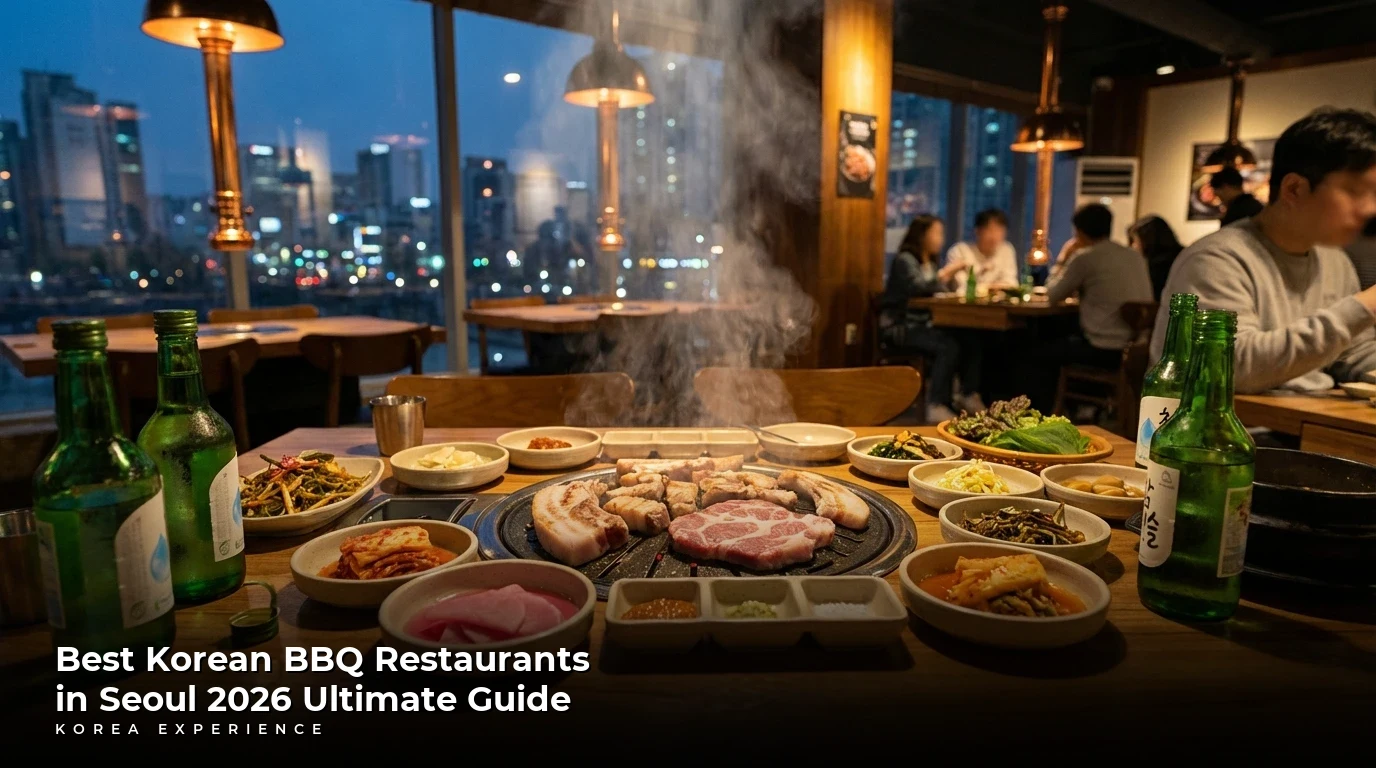
Discover the top Korean BBQ spots in Seoul for 2026. From premium Hanwoo beef to authentic Jeju pork, explore the best grills in Gangnam and Hongdae.
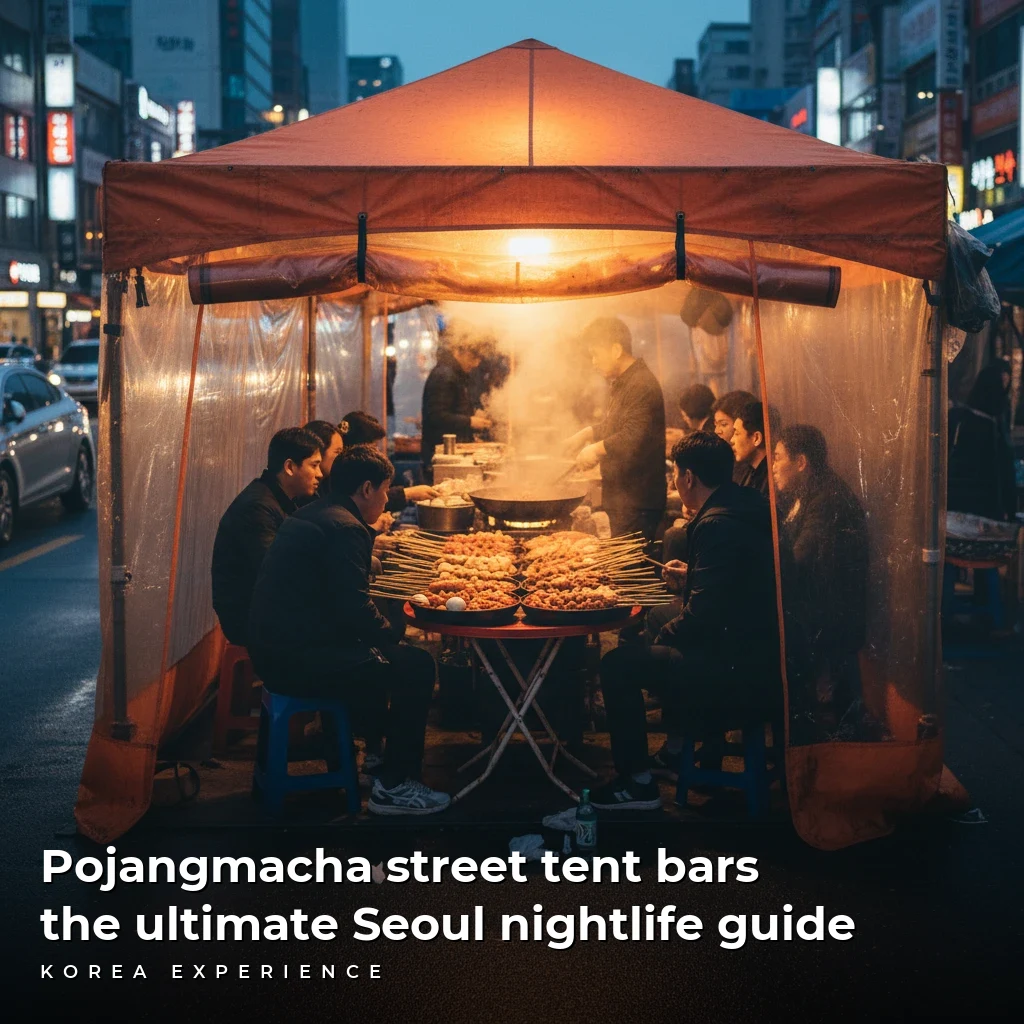
Discover the authentic charm of Korea's pojangmacha. A complete guide to tent bar locations, menu prices, etiquette, and tips for 2026.
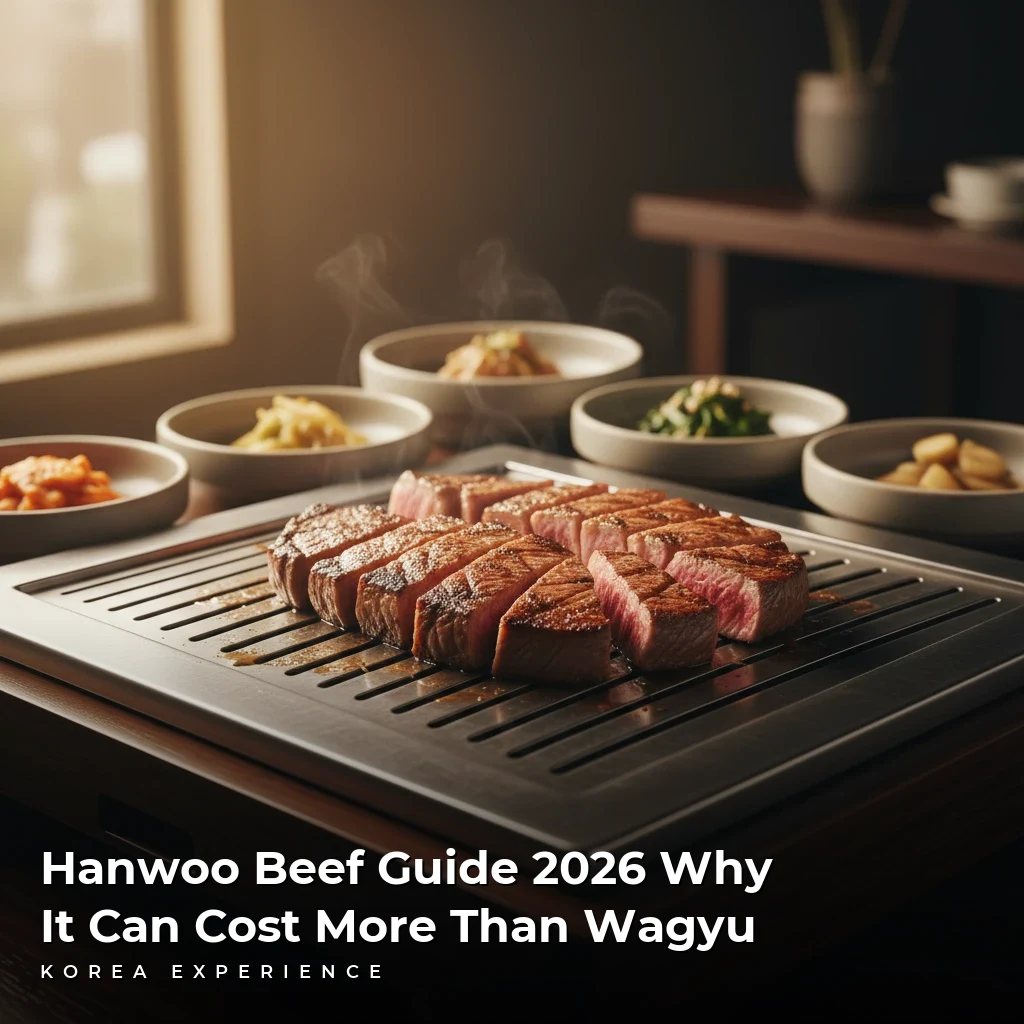
Discover why Korean Hanwoo beef commands premium prices over Wagyu in 2026. Includes top restaurant picks, grading secrets, and buying tips.
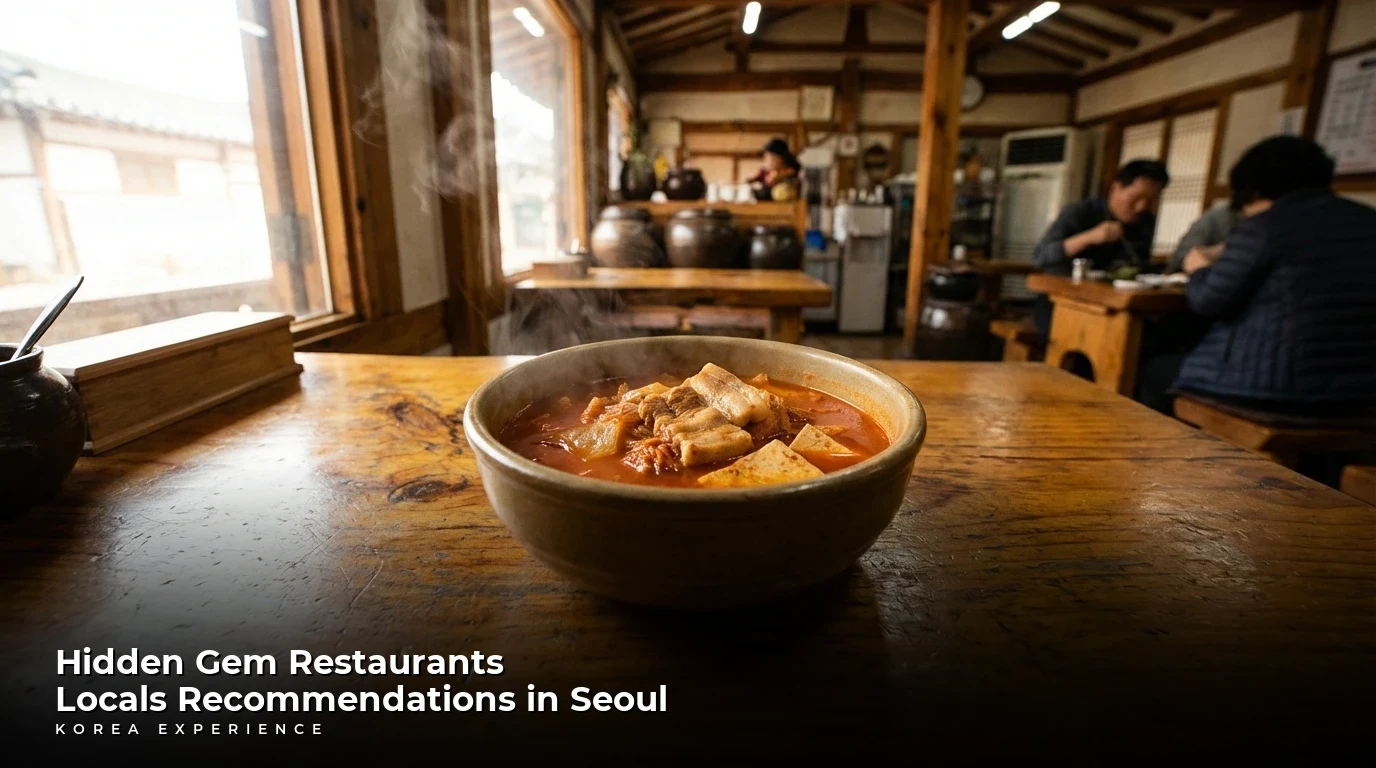
Discover authentic dining spots in Seoul with our guide to hidden gem restaurants locals recommendations, featuring prices and locations.
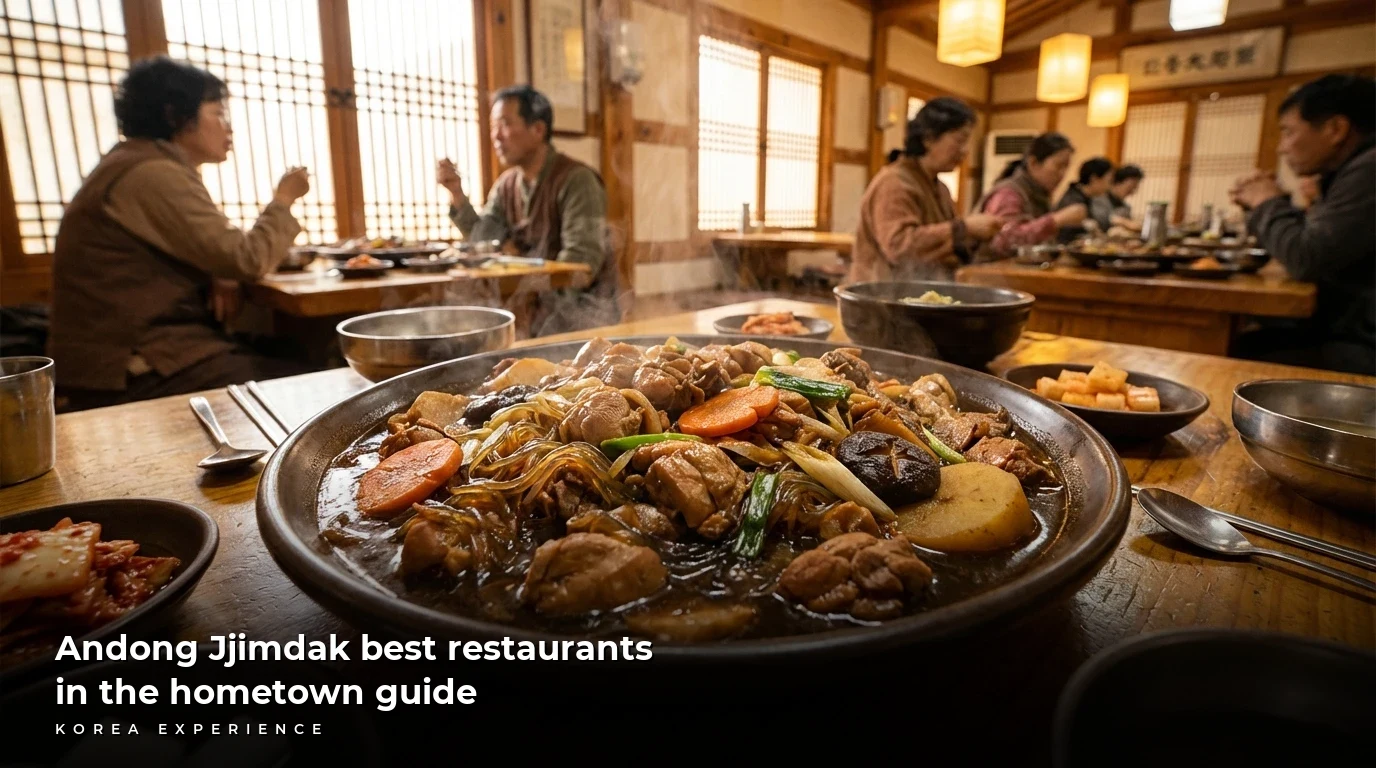
Discover the authentic taste of braised chicken in Andong. We review the top restaurants in Jjimdak Alley with prices, hours, and local tips.
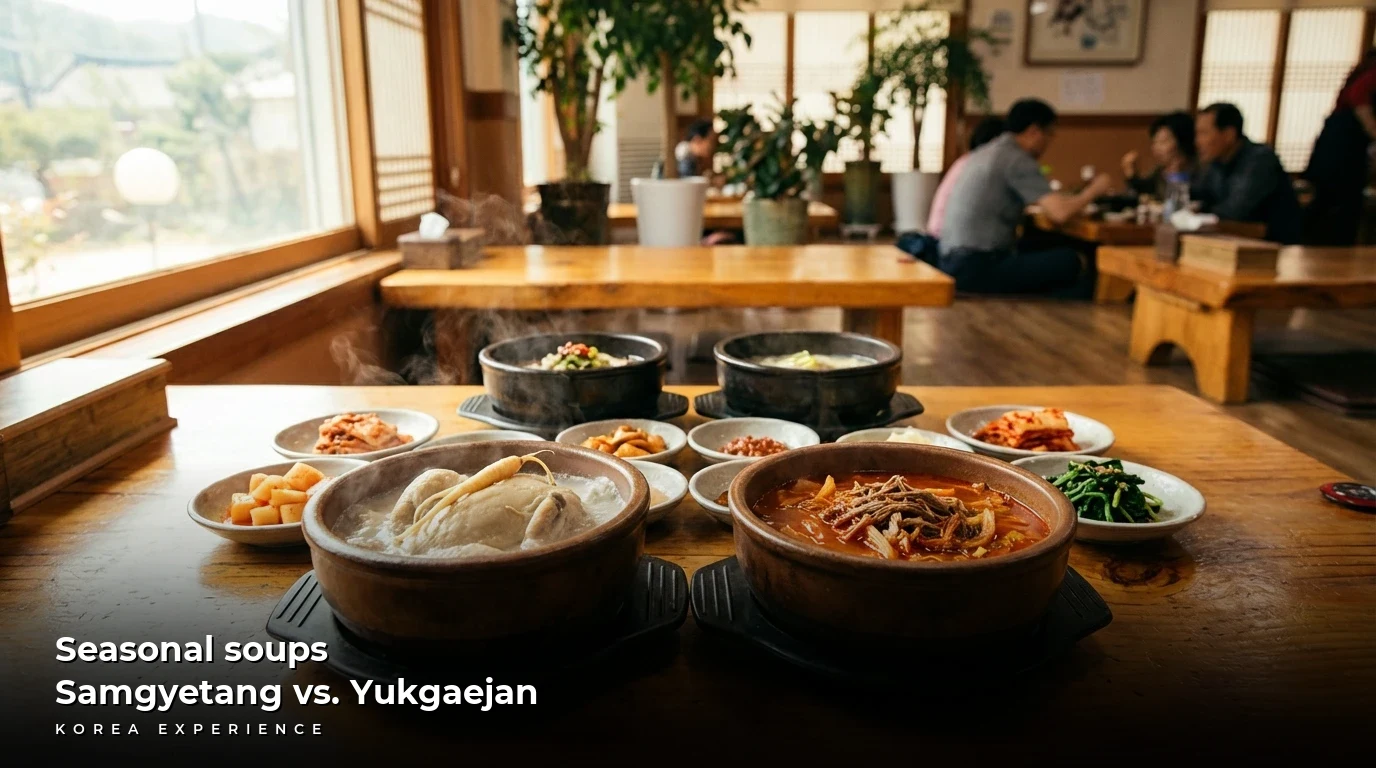
Discover the ultimate 2026 showdown between Samgyetang and Yukgaejang where prices now average 18,000 KRW and spicy beef soup cures winter hangovers.