Travel & Tourism

Korea's Spiritual Retreats Buddhist Temples & Wellness

Discover Korea's serene spiritual retreats, from ancient Buddhist temples offering Templestays to modern wellness centers for mindful rejuvenation.

Unveiling Tranquility: A Guide to Spiritual Retreats, Buddhist Temples, and Wellness Centers in Korea

In our fast-paced world, the quest for peace, mindfulness, and a deeper connection with oneself has never been more vital. Many international travelers and expats in Korea often find themselves seeking an escape from the urban bustle, a sanctuary where they can recharge their minds, bodies, and spirits. While Korea is globally renowned for its vibrant pop culture, cutting-edge technology, and delicious cuisine, it also harbors a profoundly rich spiritual heritage and a growing number of world-class wellness facilities that offer just this kind of transformative experience.

This comprehensive guide is crafted for those yearning to explore Korea's spiritual landscape. We will navigate the diverse offerings, from the ancient serenity of Buddhist temples through their unique Templestay programs to the rejuvenating embrace of modern wellness centers. Whether you are a seasoned meditator, a curious cultural explorer, or simply someone in need of a profound break, you will discover how Korea's spiritual retreats, Buddhist temples, and wellness centers provide unparalleled opportunities for reflection, healing, and personal growth. Get ready to embark on a journey that promises not just a change of scenery, but a profound shift within.

Discovering Korea's Spiritual Sanctuary: An Introduction to Retreats

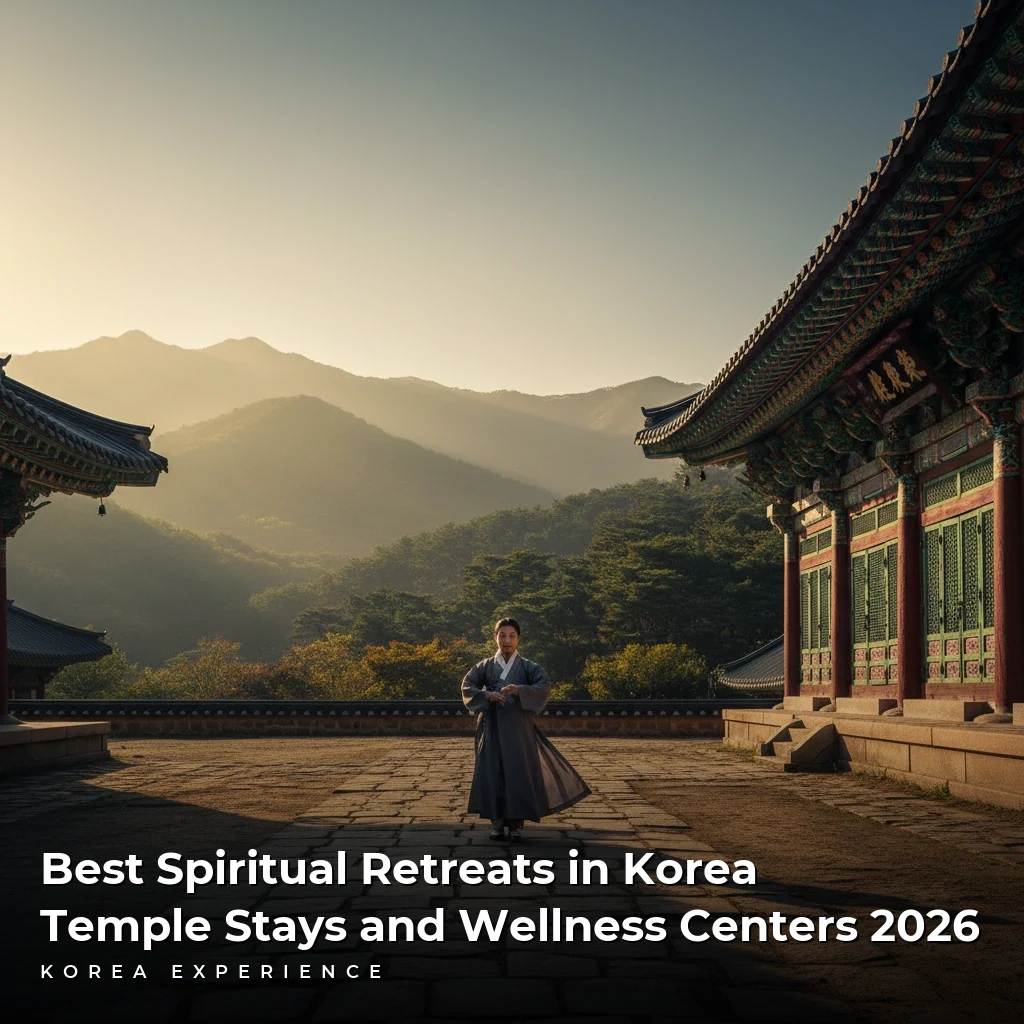
Korea, a land steeped in history and natural beauty, presents an extraordinary canvas for spiritual exploration. Its mountainous terrain, ancient forests, and tranquil coastlines have historically served as havens for spiritual practice and introspection, particularly for Buddhist monks. Today, these same idyllic settings welcome visitors from all walks of life, offering a diverse array of retreat experiences designed to soothe the soul and rejuvenate the spirit.

The Growing Appeal of Mindful Travel in Korea

The concept of mindful travel, where the journey is as much about inner discovery as it is about external exploration, has seen a significant surge in popularity. Korea is perfectly positioned to cater to this trend, blending its deep spiritual traditions with a modern approach to health and well-being. For international visitors, these retreats offer a unique opportunity to immerse themselves in Korean culture beyond the typical tourist attractions, providing a deeper understanding of the nation's philosophical underpinnings and an authentic taste of its peaceful side. It's a chance to disconnect from digital distractions and reconnect with oneself amidst stunning natural backdrops.

Understanding the Spectrum: From Austere Temples to Luxurious Wellness

The range of spiritual retreats, Buddhist temples, and wellness centers in Korea is remarkably broad, catering to varying preferences for comfort, spiritual depth, and activity levels. On one end of the spectrum, you have the austere, yet deeply rewarding, Buddhist temple stays that emphasize monastic simplicity and rigorous practice. These are ideal for those seeking an authentic cultural immersion and a challenging personal growth experience. On the other end, luxurious wellness resorts offer sophisticated spa treatments, gourmet healthy cuisine, and a more curated relaxation experience, blending traditional Korean healing methods with contemporary amenities. In between, you'll find everything from silent meditation centers to nature-based healing programs and creative arts retreats. The key is to understand what kind of experience resonates most with your personal goals for a spiritual getaway.

Immersive Buddhist Temple Stays (Templestay Programs)

One of Korea's most unique and celebrated offerings for spiritual seekers is the Templestay program. Introduced to the world during the 2002 FIFA World Cup, these programs allow participants to experience the daily life of Buddhist practitioners in ancient temples, offering a profound journey into Korean Buddhist culture and an opportunity for inner peace.

What is a Templestay? A Glimpse into Monastic Life

A Templestay is essentially a short-term residential program held at a Buddhist temple, offering participants a direct experience of monastic life. It's not just a sightseeing tour; it's an active immersion. Activities typically include:

  • Yebul (Ceremonial Service): Participating in the morning and evening chanting services, often accompanied by traditional Buddhist instruments.
  • Barugongyang (Temple Meal): Eating a communal, vegetarian meal in silence, following strict etiquette that emphasizes gratitude and zero waste.
  • Chamseon (Zen Meditation): Guided meditation sessions, often involving sitting meditation (Jwachanseon) or walking meditation (Haengseon).
  • Dahdoh (Tea Ceremony): Learning the art of traditional Korean tea ceremony, fostering mindfulness and peaceful communication.
  • Lectures and Discussions: Engaging with monks or nuns on Buddhist teachings, philosophy, and everyday life.
  • Temple Work (Ullim): Participating in light chores to help maintain the temple grounds, a practice that emphasizes diligence and community.

Types of Templestay Programs: Experience vs. Rest

Templestays are broadly categorized into two main types, catering to different interests and energy levels:

  1. Experience-Oriented Templestay: These programs are more intensive, focusing on active participation in monastic routines, including early morning services, extended meditation, and dharma talks. They are designed for those who want a deep dive into Buddhist practice and culture.
  2. Rest-Oriented Templestay: These are more relaxed, offering greater freedom for personal reflection, walks in nature, and less rigorous participation in temple activities. They are ideal for individuals seeking quiet contemplation and a gentle break from daily life without strict adherence to a monastic schedule.

Many temples offer both types, allowing visitors to choose based on their preferences.

Notable Templestays Across Korea

Korea is home to hundreds of temples, many of which offer Templestay programs. Here are a few renowned examples:

  • Jogyesa Temple (Seoul): Located in the heart of Seoul, Jogyesa offers a surprisingly tranquil urban escape. Its Templestay program is excellent for those with limited time or who prefer not to venture far from the city. It provides a good introduction to Buddhist culture with convenient accessibility.
  • Bulguksa Temple (Gyeongju): A UNESCO World Heritage site, Bulguksa is one of Korea's most iconic temples. Its Templestay offers a chance to live within a historical masterpiece, surrounded by profound beauty and ancient wisdom.
  • Woljeongsa Temple (Pyeongchang): Nestled in the Odaesan National Park, Woljeongsa offers a truly serene retreat amidst stunning natural landscapes. Its programs often include forest walks and a deeper connection with nature.
  • Magoksa Temple (Gongju): Another beautiful temple surrounded by lush forests, Magoksa provides a peaceful and traditional setting for introspection. It is known for its beautiful architecture and tranquil atmosphere.
  • Haeinsa Temple (Gayasan National Park): Home to the Tripitaka Koreana, a complete collection of Buddhist scriptures carved on woodblocks, Haeinsa offers a profound historical and spiritual experience. Its Templestay provides a glimpse into the life of monks dedicated to preserving this national treasure.

Practicalities: Booking, Etiquette, and What to Pack

  • Booking: Reservations are typically made online through the official Templestay website (eng.templestay.com) or directly through individual temple websites. It's advisable to book well in advance, especially for popular temples or during peak seasons.
  • Cost: Prices vary but generally range from 50,000 to 100,000 Korean Won (approximately 40-80 USD) per person for a one-night, two-day program, including accommodation, meals, and activities. Some temples offer longer programs at a proportional cost.
  • Etiquette: Modesty in dress is essential (loose-fitting, comfortable clothing is best). Silence is often encouraged, especially during meals and meditation. Respect for temple rules, monks, and fellow participants is paramount. Bowing is a common form of greeting and respect.
  • What to Pack: Comfortable, loose clothing (temples often provide simple uniforms for activities), comfortable walking shoes, a towel, toiletries, and any personal medication. Avoid strong perfumes. An open mind and a respectful attitude are your most important items.

Table 1: Templestay Program Comparison

FeatureExperience-Oriented TemplestayRest-Oriented Templestay
Primary FocusDeep immersion in monastic life, spiritual practiceRelaxation, personal reflection, gentle cultural exposure
ActivitiesYebul, Chamseon, Barugongyang, dharma talks, temple choresOptional participation in some activities, free time, nature walks
ScheduleStructured, early mornings, full participation expectedFlexible, more personal time
IntensityModerate to HighLow to Moderate
Typical Cost50,000 - 100,000 KRW/night (approx. 40-80 USD)50,000 - 90,000 KRW/night (approx. 40-75 USD)
Ideal ForSerious practitioners, cultural immersion seekersStress relief, quiet contemplation, gentle introduction

Deepening Your Practice: Meditation and Mindfulness Retreats

Beyond the structured Templestay programs, Korea offers a variety of dedicated centers and retreats focused purely on meditation and mindfulness. These provide spaces for more intensive practice, often catering to both beginners and experienced practitioners seeking a deeper dive into specific techniques.

Traditional Korean Meditation (Seon Meditation)

Korean Buddhism is primarily based on the Seon (Zen in Japanese, Chan in Chinese) tradition, which emphasizes direct experience and enlightenment through meditation. Seon meditation typically involves sitting in specific postures, focusing on the breath, and observing thoughts without judgment. Retreats focusing on Seon meditation offer a structured environment to cultivate inner peace and clarity, often led by experienced monks or meditation teachers. These retreats can range from a few days to weeks or even months, with varying levels of silence and intensity.

Retreat Centers Specializing in Silent Meditation and Dharma Talks

Several centers across Korea are dedicated to silent meditation retreats. These retreats usually enforce strict silence, allowing participants to minimize external distractions and focus entirely on their inner experience. Days are often structured with multiple periods of sitting and walking meditation, interspersed with dharma talks (teachings) and interviews with the guiding teacher. These are profoundly transformative experiences, though they require a certain level of commitment and willingness to confront one's own thoughts and emotions. Some centers may offer programs in English or with translation services.

Urban Havens: Finding Peace in Seoul and Major Cities

Even within bustling metropolises like Seoul, pockets of tranquility exist. Various urban centers and temples offer short meditation classes, workshops, or even day-long retreats for those who cannot commit to an extended stay. These can be excellent introductions to meditation practices and provide a much-needed respite from city life without having to travel far. Locations like the International Seon Center in Seoul often have programs accessible to foreigners, making it easier to engage with Korean Buddhist practice.

Retreats Blending Nature and Mindfulness

Many meditation retreats leverage Korea's stunning natural landscapes. Imagine meditating overlooking an ancient valley, practicing mindfulness during a forest walk, or engaging in gentle yoga as the sun rises over the sea. These nature-integrated retreats combine the benefits of meditation with the therapeutic effects of being in pristine natural environments, enhancing feelings of peace and connection. Specific examples might include centers nestled in national parks or along scenic coastlines, emphasizing ecological awareness alongside spiritual growth.

Holistic Healing: Korean Wellness Centers and Spa Retreats

Moving beyond the traditional temple experience, Korea's wellness industry has flourished, offering sophisticated, holistic retreats that combine ancient Korean healing traditions with modern amenities and therapeutic approaches. These centers are designed for comprehensive rejuvenation, addressing physical, mental, and emotional well-being.

The Philosophy Behind Korean Wellness

Korean wellness is deeply rooted in principles of balance, harmony, and connection to nature, often drawing from traditional Korean medicine (Hanbang). The focus is on preventive care, restoring the body's natural equilibrium, and promoting longevity. This holistic approach sees the individual as an integrated system, where mind, body, and spirit are intrinsically linked.

From Jjimjilbangs to High-End Spa Resorts

While a Jjimjilbang (Korean bathhouse and sauna) offers a communal, affordable, and distinctly Korean way to relax and detoxify, true wellness retreats provide a more exclusive and structured program for healing. These high-end resorts often integrate luxurious accommodations with specialized treatments, healthy dining, and guided activities.

Specific Wellness Offerings: Hanbang, Forest Therapy, Yoga, Digital Detox

  • Hanbang (Traditional Korean Medicine): Many wellness centers incorporate elements of Hanbang, utilizing herbal remedies, acupuncture, cupping, and dietary recommendations tailored to individual constitutions. Guests might receive personalized consultations to address specific health concerns.
  • Forest Therapy (Shinrimchiyoo): Inspired by the Japanese concept of "forest bathing" (Shinrin-yoku), Korea offers dedicated forest therapy programs. These involve guided, mindful walks through pristine forests, engaging all senses to absorb the healing atmosphere of nature. The National Centre for Forest Therapy (located in Yeongju) is a prime example, offering various programs designed to reduce stress and improve well-being through nature immersion.
  • Yoga and Pilates: Most modern wellness centers feature well-equipped studios and offer daily yoga or Pilates classes, catering to various levels. These practices complement other therapies by improving flexibility, strength, and mental focus.
  • Digital Detox Programs: Recognizing the pervasive impact of technology, some retreats specifically offer digital detox programs, encouraging guests to disconnect from their devices to fully engage with their surroundings and inner selves.
  • Meditation and Mindfulness: Even in secular wellness centers, guided meditation and mindfulness sessions are common, often integrated into daily schedules to promote mental clarity and stress reduction.
  • Spa and Aesthetic Treatments: High-end wellness centers provide a range of luxurious spa treatments, from traditional Korean body scrubs and massages to advanced aesthetic services, all designed to pamper and rejuvenate.

While specific program availability and pricing can change, here are types of wellness centers that embody these offerings:

  • WE Hotel (Jeju Island): This integrated resort on Jeju Island is known for its medical spa, hydrotherapy facilities, and programs that combine water-based treatments with forest therapy (given its location amidst Hallasan National Park).
  • Healing Point (Various Locations): Often offering various branches or programs, centers like this focus on tailored healing experiences, often incorporating nature, healthy food, and personalized health consultations.
  • Other Nature-Integrated Resorts: Look for resorts in areas like Gapyeong, Jeongseon, or on islands like Geoje, which leverage their natural settings for activities like hiking, organic farming experiences, and outdoor yoga. These often blend luxury with a focus on sustainable, healthy living.

Table 2: Wellness Center Offerings Comparison

FeatureLuxury Spa & Wellness ResortNature-Integrated Healing Center
Primary FocusComprehensive rejuvenation, pampering, holistic healthMind-body connection through nature, specific therapeutic programs
ActivitiesSpa treatments, Hanbang, yoga, fitness, gourmet healthy diningForest therapy, meditation, organic farming, hiking, light exercise
AmenitiesHigh-end accommodations, pools, saunas, gyms, medical spa facilitiesComfortable lodging, communal spaces, direct access to nature trails
Typical Cost200,000 - 500,000+ KRW/night (approx. 160-400+ USD)100,000 - 300,000 KRW/night (approx. 80-240 USD)
Ideal ForRelaxation with luxury, specific health goals, couplesStress reduction, nature lovers, mental clarity, digital detox

Planning Your Spiritual Journey: Practical Tips and Insider Knowledge

Embarking on a spiritual retreat in Korea can be a deeply rewarding experience. To ensure your journey is smooth and fulfilling, here are some practical tips and insider insights.

Best Time to Visit and Duration of Stay

  • Spring (April-May) and Autumn (September-October): These seasons offer the most pleasant weather, with moderate temperatures and beautiful scenery (cherry blossoms in spring, vibrant foliage in autumn). They are ideal for outdoor activities like temple walks and forest therapy. However, these are also peak tourist seasons, so book well in advance.
  • Summer (June-August): Can be hot and humid, with occasional heavy rains. Some might find the heat challenging for extended outdoor activities.
  • Winter (November-March): Can be very cold, especially in mountainous regions, but offers a unique serene beauty, especially for those seeking quiet introspection and snowy landscapes. Temple stays in winter can be particularly peaceful, albeit chilly.
  • Duration: For a first-time retreat, a 2-day, 1-night Templestay is a good introduction. For deeper immersion, consider 3-5 days. Wellness centers often have programs ranging from a weekend to a week or more.

Budgeting for Your Retreat Experience

As seen in the tables, costs vary significantly. Templestays are generally the most affordable, offering excellent value for money. Wellness centers and high-end resorts will naturally incur higher costs. Factor in transportation (KTX high-speed rail, intercity buses are efficient and affordable), any personal expenses, and potential translation services if needed. Remember that many temple and wellness programs include meals, which can help save on food costs.

Solo Travel vs. Group Retreats

Korea is an exceptionally safe country for solo travelers, and spiritual retreats are an ideal way to travel alone yet feel connected. Many programs are designed for individual introspection, fostering a sense of community among participants without requiring constant interaction. Group retreats, on the other hand, can be a great way to meet like-minded individuals and share the experience, often with a facilitator or guide. Both options offer unique benefits depending on your preferences.

Language Barriers and Communication Tips

While English proficiency is increasing in Korea, especially among younger generations, it's not universally spoken outside major tourist areas.

  • Templestay: The official Templestay website provides information in English, and many larger or more popular temples have staff who can communicate in English. Programs specifically catering to international visitors will often have English-speaking monks or translators.
  • Wellness Centers: High-end wellness centers usually have staff proficient in English. For smaller or more specialized centers, it's wise to confirm language support when booking.
  • General Tips: Download a translation app (like Papago or Google Translate), learn a few basic Korean phrases (e.g., "hello," "thank you," "excuse me"), and be patient and use gestures. Most Koreans are incredibly helpful and will try their best to assist you.

Respecting Local Customs and Traditions

Cultural sensitivity is key, especially in spiritual settings.

  • Dress Modestly: When visiting temples, wear modest clothing that covers your shoulders and knees.
  • Remove Shoes: Always remove your shoes before entering temple halls, traditional houses (Hanok), or specific meditation rooms.
  • Silence: Maintain respectful silence in spiritual spaces, during meditation, and during temple meals.
  • Bowing: A slight bow is a respectful greeting in Korea, and a deeper bow is used to show reverence in temples.
  • Offerings: If you wish to make an offering at a temple, monetary donations are common and appreciated.

While many retreats provide nourishing vegetarian meals as part of the program, exploring local Korean cuisine outside of your retreat offers another layer of cultural immersion. From vibrant temple cuisine (Sanchaejeongsik) to bustling street food markets, Korea's food scene is an adventure in itself. We'll cover this in more detail in an upcoming post: "A Culinary Journey: Exploring Korea's Diverse Food Scene."

Unique Korean Retreat Experiences: Beyond the Conventional

While Templestays and dedicated wellness centers form the backbone of Korea's spiritual retreat offerings, there are also unique experiences that blend cultural immersion, nature, and creative expression for a truly distinctive getaway.

Hanok Stays with Cultural Programs

A Hanok is a traditional Korean house, characterized by its elegant wooden structure, tiled roofs, and unique heating system (Ondol). Many restored Hanoks now operate as guesthouses or cultural centers, offering more than just accommodation. Some Hanok stays incorporate elements of traditional Korean culture, such as:

  • Tea Ceremonies: Learning the meditative art of preparing and serving traditional Korean tea.
  • Traditional Craft Workshops: Engaging in activities like making traditional Korean paper (Hanji), pottery, or fabric dyeing.
  • Folk Music and Dance: Opportunities to learn about or witness traditional Korean performing arts.
  • Simple Meditation: Some Hanok stays might offer basic guided meditation sessions in their tranquil courtyards.

These provide a gentle, culturally rich retreat that emphasizes slow living and appreciating Korea's aesthetic heritage. They are particularly popular in traditional villages like Jeonju Hanok Village or Bukchon Hanok Village in Seoul.

Eco-Friendly and Farm-Stay Retreats

For those passionate about sustainability and reconnecting with nature, eco-friendly and farm-stay retreats offer a grounded experience. These retreats are often located in rural areas, allowing guests to:

  • Participate in Organic Farming: Learn about sustainable agriculture and even participate in harvesting seasonal produce.
  • Enjoy Farm-to-Table Meals: Savor fresh, locally sourced ingredients, often prepared in traditional Korean styles.
  • Engage in Nature Activities: Explore local trails, identify native plants, or simply enjoy the quiet rhythms of rural life.
  • Learn Traditional Skills: Some might offer workshops on natural dyeing, fermentation (like making Kimchi), or traditional cooking.

These retreats emphasize a mindful connection to the earth and promote well-being through wholesome living and natural immersion.

Creative and Artistic Retreats

Korea's rich artistic heritage also inspires unique retreats that combine spiritual exploration with creative expression. These can include:

  • Ceramic Making Retreats: Learning the meditative process of pottery, often in regions famous for their ceramic traditions (e.g., Icheon, Yeoju).
  • Calligraphy Workshops: Practicing the art of traditional Korean calligraphy, which is itself a form of mindful meditation.
  • Traditional Painting Classes: Learning techniques of Minhwa (Korean folk painting) or other traditional art forms.
  • Photography Retreats: Focusing on capturing the beauty of Korean landscapes or cultural elements, honing observational skills and presence.

These retreats offer a different pathway to mindfulness, using artistic creation as a means of self-expression and introspection.

Table 3: Unique Retreat Experiences

FeatureHanok Stay with Cultural ProgramsEco-Friendly Farm-Stay RetreatCreative/Artistic Retreat
Primary FocusCultural immersion, traditional living, gentle relaxationSustainable living, nature connection, healthy foodSelf-expression, skill development, mindful creation
ActivitiesTea ceremonies, crafts, traditional music, quiet reflectionFarming, nature walks, organic cooking, rural explorationPottery, calligraphy, painting, photography, workshops
LocationTraditional villages, historical areasRural countryside, agricultural regionsArt studios, specialized workshops, scenic areas
Duration1 night to several days2 days to a weekWeekend workshops to week-long immersions
Typical Cost70,000 - 200,000 KRW/night (approx. 55-160 USD)80,000 - 250,000 KRW/night (approx. 65-200 USD)Varies greatly by program (workshops often separate)
Ideal ForCulture enthusiasts, slow travelers, couplesNature lovers, families, ethical travelersArtists, hobbyists, those seeking a creative outlet

Frequently Asked Questions about Spiritual Retreats in Korea

Q1: Do I need to be Buddhist to participate in a Templestay?

No, absolutely not. Templestays are open to people of all faiths, beliefs, and backgrounds. The programs are designed as cultural experiences and opportunities for self-reflection, not religious conversion. While you will be exposed to Buddhist practices and philosophy, participation is about experiencing a unique way of life and finding personal peace.

Q2: What is the typical cost of a spiritual retreat in Korea?

The cost varies widely depending on the type of retreat.

  • Templestays are generally the most affordable, ranging from 50,000 to 100,000 Korean Won (approx. 40-80 USD) for a one-night, two-day program, including accommodation, meals, and activities.
  • Nature-integrated healing centers might range from 100,000 to 300,000 KRW per night (approx. 80-240 USD).
  • Luxury spa and wellness resorts can cost 200,000 to 500,000+ KRW per night (approx. 160-400+ USD), often including more extensive treatments and amenities. Always check the specific program's website for current pricing.

Q3: Are these retreats suitable for beginners in meditation?

Yes, many spiritual retreats, Buddhist temples, and wellness centers in Korea cater specifically to beginners. Templestays, for instance, often provide basic introductions to meditation postures and techniques. Wellness centers also offer guided mindfulness sessions suitable for those new to the practice. It's recommended to choose "rest-oriented" Templestays or introductory programs if you're a complete novice, as these often have a less rigorous schedule.

Q4: How do I book a retreat or Templestay?

For Templestays, the official English website (eng.templestay.com) is the primary resource for information and reservations. You can browse temples by region, program type, and language support. For wellness centers and other unique retreats, booking is typically done directly through the individual center's official website. It's always advisable to book well in advance, especially during peak travel seasons, and to confirm details like language options and cancellation policies.

Q5: What should I bring to a spiritual retreat in Korea?

Essential items include:

  • Comfortable, modest clothing: Loose-fitting attire that covers shoulders and knees is appropriate for temples and many wellness centers. Temples often provide a simple uniform.
  • Comfortable walking shoes: For temple grounds, nature walks, and general movement.
  • Toiletries: While some basic items might be provided, it's best to bring your own personal hygiene products.
  • Towel: Temples usually don't provide towels, so bring your own.
  • Any personal medication.
  • An open mind and a respectful attitude.
  • Optional: A small notebook and pen for reflections, a reusable water bottle. Avoid strong perfumes or excessive makeup, especially at temples.

Conclusion: Your Path to Inner Peace in Korea

Korea offers a truly diverse and profound landscape for those seeking spiritual growth, mindful rejuvenation, or simply a tranquil escape. From the ancient wisdom of its Buddhist temples and their immersive Templestay programs to the holistic healing found in its modern wellness centers, the options are abundant and tailored to various preferences and intentions. Whether you seek rigorous meditation, cultural immersion, luxurious pampering, or a deep connection with nature, Korea provides the perfect setting.

Embarking on a spiritual retreat here is more than just a vacation; it's an opportunity for deep introspection, cultural understanding, and a powerful reconnection with yourself. By stepping away from the demands of daily life and embracing the serenity of these unique destinations, you can return home refreshed, revitalized, and with a renewed sense of purpose.

So, take this guide as your invitation. Plan your journey, choose the experience that resonates most deeply with your spirit, and discover the transformative power of Korea's spiritual sanctuaries. Your path to inner peace awaits.

About the Author

Korea Experience Team

Written by the Korea Experience editorial team - experts in Korean medical tourism, travel, and culture with years of research and firsthand experience.

⚠️ Medical Disclaimer

The information provided on this website is for general informational purposes only and does not constitute medical advice. Always consult with qualified healthcare professionals before making any medical decisions.

Continue Reading

Explore more articles you might find interesting