Best summer beach destinations and water activities in Korea 2026
Discover top Korean beaches from Yangyang surfing to Jeju snorkeling. Includes 2026 prices, transport tips, and water activity costs for summer travel.
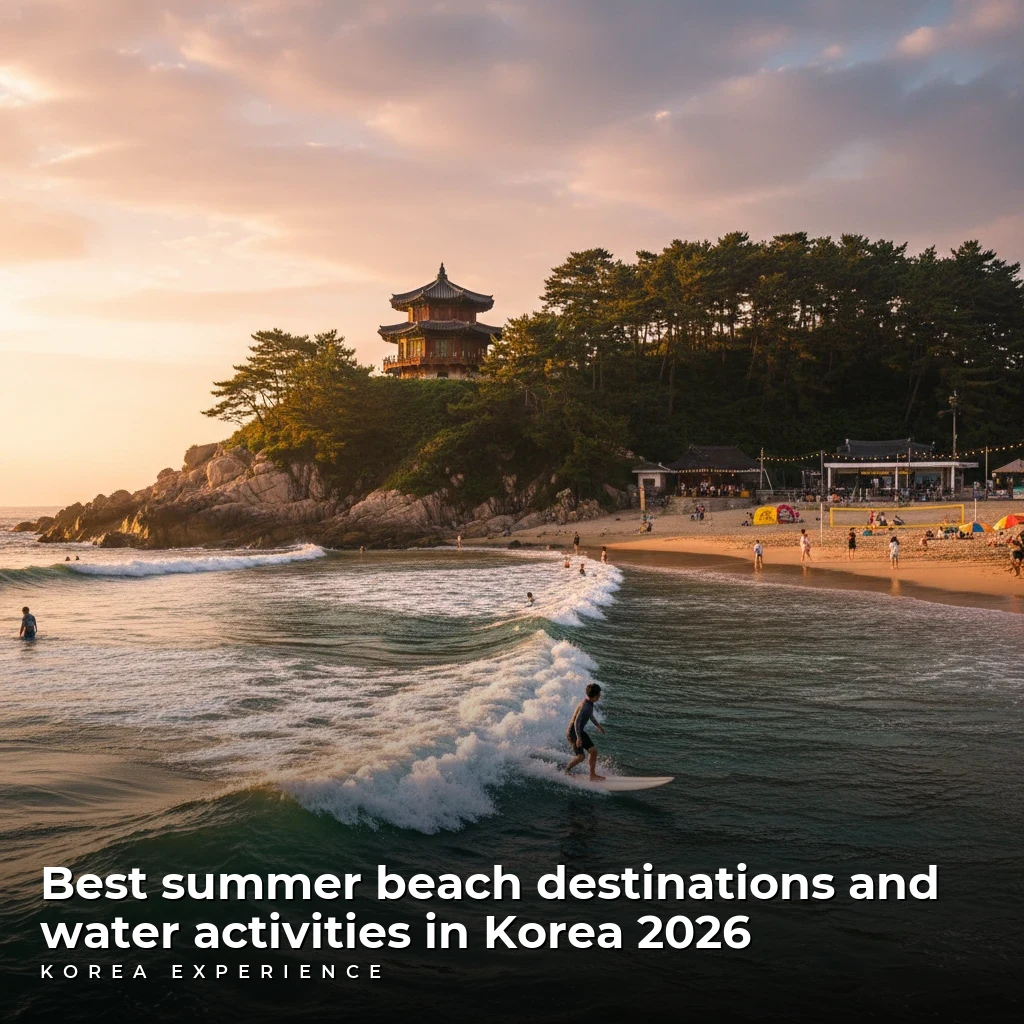
Finding the perfect summer beach destination in South Korea can be surprising for international travelers who primarily associate the country with mountainous terrain and bustling megacities. However, as a peninsula surrounded by water on three sides, Korea boasts a diverse coastline ranging from the deep, clear waters of the East Sea to the mud-rich tidal flats of the West Coast and the subtropical paradise of Jeju Island. Whether you are looking for high-energy surfing communities, family-friendly resorts, or secluded snorkeling spots, the Korean summer (typically spanning late June to early September) offers specific destinations tailored to every type of water enthusiast.
The short answer: The East Coast (Gangwon-do) is best for surfing and clear water, Busan offers the ultimate city-beach nightlife, Jeju Island provides exotic snorkeling and turquoise waters, while the West Coast is famous for its nutrient-rich mud festivals and sunsets.
Key Takeaways
- 1Surfing is centered in Yangyang, where lessons cost approx ₩50,000-80,000
- 2Official swimming season runs strictly from July 1 to August 31 at most beaches
- 3Wearing rash guards is more common than bikinis due to sun protection culture
The East Coast: Surfing and Crystal Clear Waters
The East Coast, particularly Gangwon-do Province, is arguably the most popular summer getaway for Seoulites. The water here is deeper, colder, and significantly clearer than the West Coast. Thanks to the KTX-Eum high-speed train, you can now reach this coastline in under two hours from Seoul Station.
Yangyang: The Surfing Capital of Korea
Once a quiet fishing county, Yangyang has transformed into the "Hawaii of Korea" over the last decade. It is the epicenter of the country's surfing culture, attracting a younger, hip crowd. The vibe here is distinctly different from the rest of conservative Korea; you will find beach bars, bean bags on the sand, and a festive atmosphere that lasts well into the night.
Surfyy Beach is the most famous private beach in this area. It is a designated surfing-only zone, meaning you cannot just swim in the water without a board in certain sections. This regulation keeps surfers safe from colliding with swimmers.
Surfyy Beach(서피비치)
If you are a beginner, this is the perfect place to start. A typical introductory lesson in 2026 costs between ₩60,000 and ₩80,000 (approximately $45-60 USD), which includes board rental, wetsuit, and a 2-hour group lesson. The waves in summer are generally mild (0.5 to 1 meter), ideal for longboarding, though typhoon season in late August can bring swells up to 2-3 meters.
Sokcho and Gangneung: Family Favorites
Just north of Yangyang lies Sokcho, famous for Sokcho Beach. It is distinctive because of the giant Ferris wheel, the "Sokcho Eye," which offers panoramic views of the ocean and Seoraksan Mountain. A ride costs approximately ₩15,000 for adults. The sand here is coarser, and the water gets deep quickly, so staying within the yellow buoy lines is mandatory.
South of Yangyang is Gangneung, home to Anmok Beach (famous for its Coffee Street) and Gyeongpo Beach. Gyeongpo is the largest beach on the East Coast, stretching 1.8 kilometers. It is backed by a pine forest, offering a reprieve from the sun.
📋 East Coast Transport Stats
For those interested in exploring beyond the beach, checking out the best time to visit Korea can help you plan around the heavy monsoon rains that often hit the East Coast in July.
Busan: The Maritime City Experience
Busan offers a completely different energy. Here, skyscrapers meet the sand. It is an urban beach experience similar to Miami or Barcelona. The water is warmer than the East Coast, averaging around 24°C to 26°C in August.
Haeundae Beach: The Iconic Summer Hub
Haeundae is Korea's most famous beach. In peak summer, it is famous for its "sea of parasols"—thousands of red, blue, and yellow umbrellas planted in perfect rows. While some travelers find it too crowded (attracting over 10 million visitors annually), the infrastructure is unbeatable.
Luxury hotels like the Signiel and Paradise Hotel line the shore. For budget travelers, there are plenty of guesthouses a few blocks back. The "Haeundae Blue Line Park," a beach train that runs along the coast, is a must-do activity, costing ₩12,000 for a single ride.
Gwangalli Beach: Night Views and Youth Vibes
If Haeundae is for families and luxury travelers, Gwangalli is for the youth. The beach features a spectacular view of the Gwangan Bridge (Diamond Bridge), which lights up at night. The beachfront is lined with cafes, pubs, and restaurants.
On Saturday nights, the Gwangalli M Drone Light Show takes place. Roughly 500 to 1,000 drones light up the sky in a synchronized performance. It is free to watch and typically starts at 20:00 or 21:00 depending on the month.
24 Hours in Busan: Beach Luxury vs. Local Vibe
The Dualism Concept: Experience the best of both worlds — premium luxury moments paired with authentic budget-friendly experiences in one route.
Yacht Tour (Haeundae)
Private sunset yacht tour with champagne.
Bridge Walk (Gwangalli)
Walk along the beach watching the drone show.
Start your day at Haeundae for activities and end at Gwangalli for the nightlife and bridge views.
Songjeong Beach: The Surfing Alternative
Located just east of Haeundae, Songjeong is Busan's surfing hub. The water is shallower and the sand is finer than Haeundae. It is also a popular spot for university students on MT (Membership Training) trips. Board rentals here are competitive, often starting at ₩25,000 for three hours.
If you are planning a trip down south, don't miss our guide to the Busan night markets to fuel up after a day of swimming.
Jeju Island: Korea's Subtropical Paradise
Jeju Island is the only place in Korea with true emerald and turquoise waters. It feels distinct from the mainland, with palm trees and volcanic rock formations. A flight from Seoul Gimpo Airport takes about 60 minutes and costs between ₩50,000 and ₩150,000 roundtrip depending on the day.
Hyeopjae and Hamdeok: The Crown Jewels
Hyeopjae Beach on the west side of Jeju is famous for its shallow, crystal-clear water and the view of Biyangdo Island in the distance. The water remains waist-deep for nearly 50 meters out, making it safe for weak swimmers.
Hamdeok Beach, located east of Jeju City, is known for its sandbar that appears at low tide. It has excellent amenities, including a large grassy park perfect for picnics (chimaek—chicken and beer) after swimming.
Snorkeling and Diving Spots
Unlike the sandy beaches mentioned above, the rocky coves of Jeju offer the best snorkeling.
- Panpo Port: This is not a beach but a calm port area that has become a snorkeling hotspot. The water is incredibly clear, and because it is enclosed by breakwaters, there are no waves. Snorkel gear rentals nearby cost about ₩20,000.
- Hwanguji Coast: A natural pool formed by volcanic rocks near Seogwipo. It requires a short hike down a cliff, but the enclosed pools are teeming with small fish.
Jellyfish Warning
In recent summers (2024-2025), there has been an increase in jellyfish sightings around Jeju and the South Coast due to rising ocean temperatures. Always carry vinegar or saline solution, and check the local "Jellyfish Alert" flags at the beach entrance.
For a unique cultural experience on Jeju, consider visiting Udo Island, accessible by a 15-minute ferry. The peanut ice cream there is a local specialty you must try.
The West Coast: Mud Festivals and Sunset Views
The West Coast (Yellow Sea) is characterized by extreme tides. When the tide goes out, the water can recede for kilometers, revealing vast mudflats. While not ideal for traditional swimming, it offers unique activities like clam digging and mud festivals.
Boryeong Mud Festival
Held every July in Daecheon Beach, this is Korea's most famous international festival. The mud here is rich in minerals and germanium, beneficial for the skin. The festival involves mud wrestling, mud slides, and a "mud prison."
- Dates: Typically mid-July to early August.
- Cost: General admission is approximately ₩14,000 for adults on weekends.
- Transport: Train from Yongsan Station to Daecheon Station takes about 2.5 hours.
📊 Boryeong Mud Festival Stats
Water Activities Beyond the Ocean
You don't have to leave the Seoul metropolitan area to enjoy water activities. The Han River and nearby Gapyeong offer excellent alternatives.
Han River Water Sports
The Han River bisects Seoul and offers surprisingly diverse water activities.
- Kayaking/Paddleboarding: Available at Ttukseom Resort. Sunset kayaking tours are particularly popular, costing around ₩30,000 to ₩50,000 per person for 2 hours.
- Tubester: These are round, motor-powered boats that seat up to 6 people. You can bring your own food and drinks (alcohol allowed) and float on the river. Located at Sevit Islets (Banpo), it costs ₩35,000 for 30 minutes or ₩55,000 for 60 minutes per boat.
For those planning a full day in the capital, combining river sports with our 24-hour Seoul itinerary is a great strategy.
Water Parks: Caribbean Bay and Ocean World
Koreans love water parks. These massive complexes offer wave pools, lazy rivers, and extreme slides.
- Caribbean Bay: Located next to Everland in Yongin (approx. 60 mins from Gangnam). It boasts the "Mega Storm" slide.
- Ocean World: Located in Vivaldi Park, Gangwon-do. Free shuttle buses are often available from Seoul for ticket holders.
💵 Water Park vs. Beach Cost Comparison
Includes all-day access to slides and pools.
Parasol rental (₩10k) + Shower coin (₩3k).
Practical Guide to Korean Beach Culture
Understanding the local etiquette and systems will make your trip much smoother. The beach experience in Korea is highly organized and regulated.
The "Rash Guard" Phenomenon
If you visit a Korean beach, you will notice that 80-90% of locals wear long-sleeved "rash guards" and board shorts, rather than bikinis or speedos. This is not strictly about modesty; it is primarily about sun protection. Koreans take skincare very seriously.
Don't feel pressured to buy a rash guard if you prefer a bikini, but be prepared to stand out. If you plan to rent an inner tube or go on water slides, a rash guard prevents "slide burn" and is much more practical. You can buy decent ones at Emart or Coupang for under ₩30,000.
Renting Equipment
Korean beaches are lined with rental booths managed by local village cooperatives.
- Parasols: Usually ₩10,000 to ₩20,000 per day. You pay cash or card, get a tag, and hang it on the umbrella.
- Inner Tubes: Very popular. Rentals are ₩5,000 to ₩10,000.
- Showers: Most beaches have paid shower booths (separate for men/women) costing ₩2,000 to ₩4,000 (coin or card). Bring your own towel and toiletries; they are rarely provided.
📖 How to Rent a Parasol at a Korean Beach
Step 1: Find the Ticket Booth
Look for a container or tent marked 'Ticket' or '매표소'. Do not just sit under an empty umbrella.
Step 2: Receive Your Tag
You will get a plastic tag or a receipt ribbon. Go to the parasol zone.
Step 3: Select and Tag
Choose an empty parasol and attach your tag clearly. Staff patrol frequently to check tags.
Food Delivery on the Sand
One of the unique joys of Korean beaches is delivery culture. You can order fried chicken (chimaek) or jjajangmyeon (black bean noodles) directly to your parasol.
- Look for flyers handed out by older ladies walking the beach.
- Call the number (or have a Korean speaker help).
- Give them the number printed on your parasol.
- Pay the delivery driver upon arrival (usually mobile card readers are available).
For more on food culture, check our guide to 50 must-try Korean foods.
Seasonal Considerations and Safety
When to Go
The official beach season is short. Most beaches open officially around July 1st and close August 31st.
- In-Season: Lifeguards are present, showers are open, and parasols are set up. Swimming is allowed.
- Off-Season: You can walk on the beach, but swimming is often technically prohibited (no lifeguards). Police may whistle at you if you go too deep.
Safety Flags and Whistles
Korean lifeguards are strict.
- Yellow Buoys: You must stay behind these lines.
- Life Vests: At water parks and some rougher beaches (like parts of Ocean World or valley streams), wearing a life vest is mandatory.
- Weather: During typhoon season (late August/September), beaches close instantly if warnings are issued.
Adventure beyond the Sand: Valley Trekking
If the salt water isn't your preference, consider "Gyegok" (valley) trekking. Koreans flock to mountain valleys in summer to sit in freezing cold stream water and eat Baeksuk (boiled chicken soup). Popular spots include the valleys near Bukhansan in Seoul or Jirisan in the south.
Beach vs. Valley (Gyegok)
- ✓Valleys are significantly cooler (water temp ~15°C)
- ✓Natural shade from trees
- ✓Unique food culture (Baeksuk)
- ✗Rocks can be slippery and dangerous
- ✗Often crowded with limited parking
- ✗Fewer amenities (toilets/showers)
Conclusion
Whether you choose the surfer vibes of Yangyang, the urban energy of Busan, or the volcanic beauty of Jeju, Korea offers a summer water experience that is clean, safe, and incredibly convenient. The infrastructure—from high-speed trains to beachside delivery—makes it easy for international travelers to enjoy the coast just like a local.
Remember to pack your sunscreen, consider picking up a rash guard to blend in, and always check the jellyfish warnings. The Korean summer is hot and humid, but the ocean provides the perfect escape.
❓ Frequently Asked Questions
Have more questions?Contact us →
About the Author
Korea Experience Team
Written by the Korea Experience editorial team - experts in Korean medical tourism, travel, and culture with years of research and firsthand experience.
Explore more in Travel & Tourism
From Seoul's neon-lit streets to Jeju's volcanic landscapes — discover the best of Korea with insider travel tips, itineraries, and seasonal guides.
Browse All Travel & Tourism ArticlesContinue Reading
Explore more articles you might find interesting
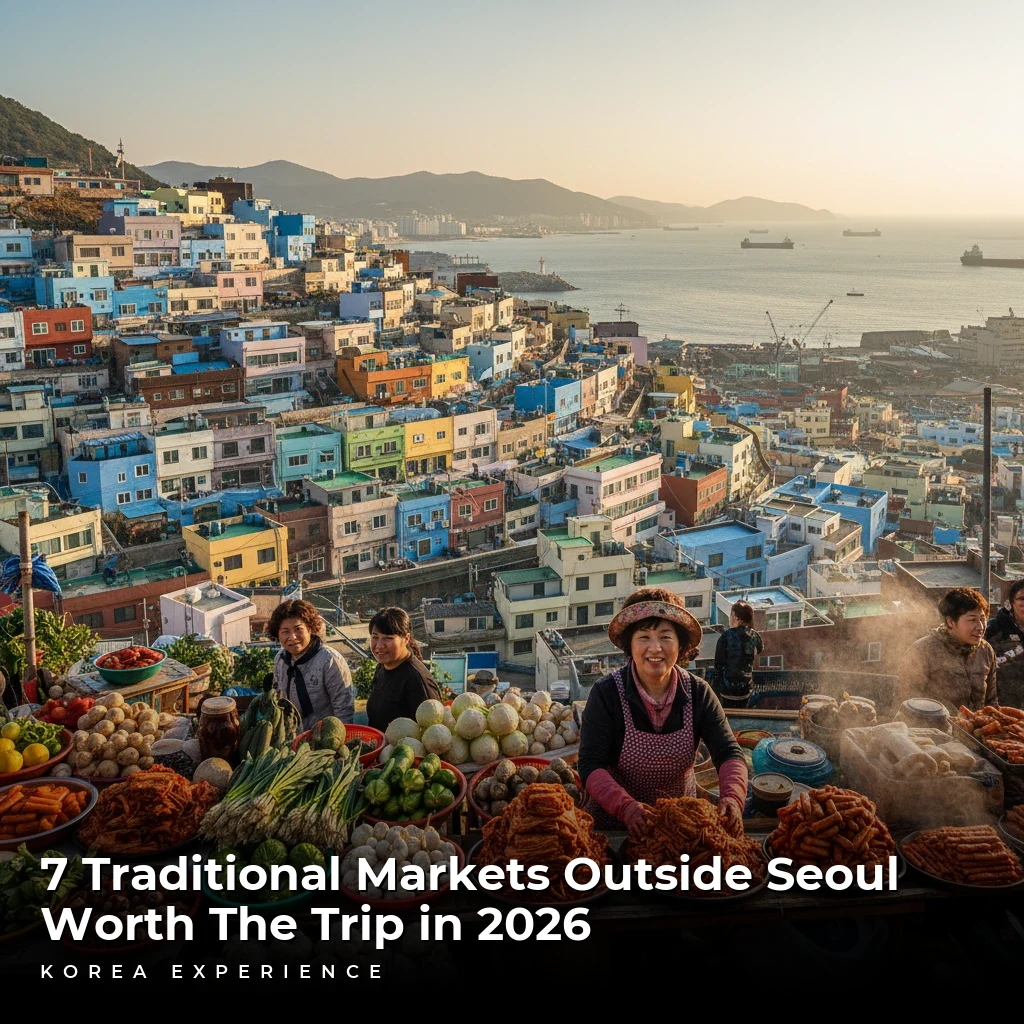
Discover Korea's best markets beyond Seoul. Explore Busan, Jeju, and Daegu with specific food prices, transport tips, and 2026 travel data.
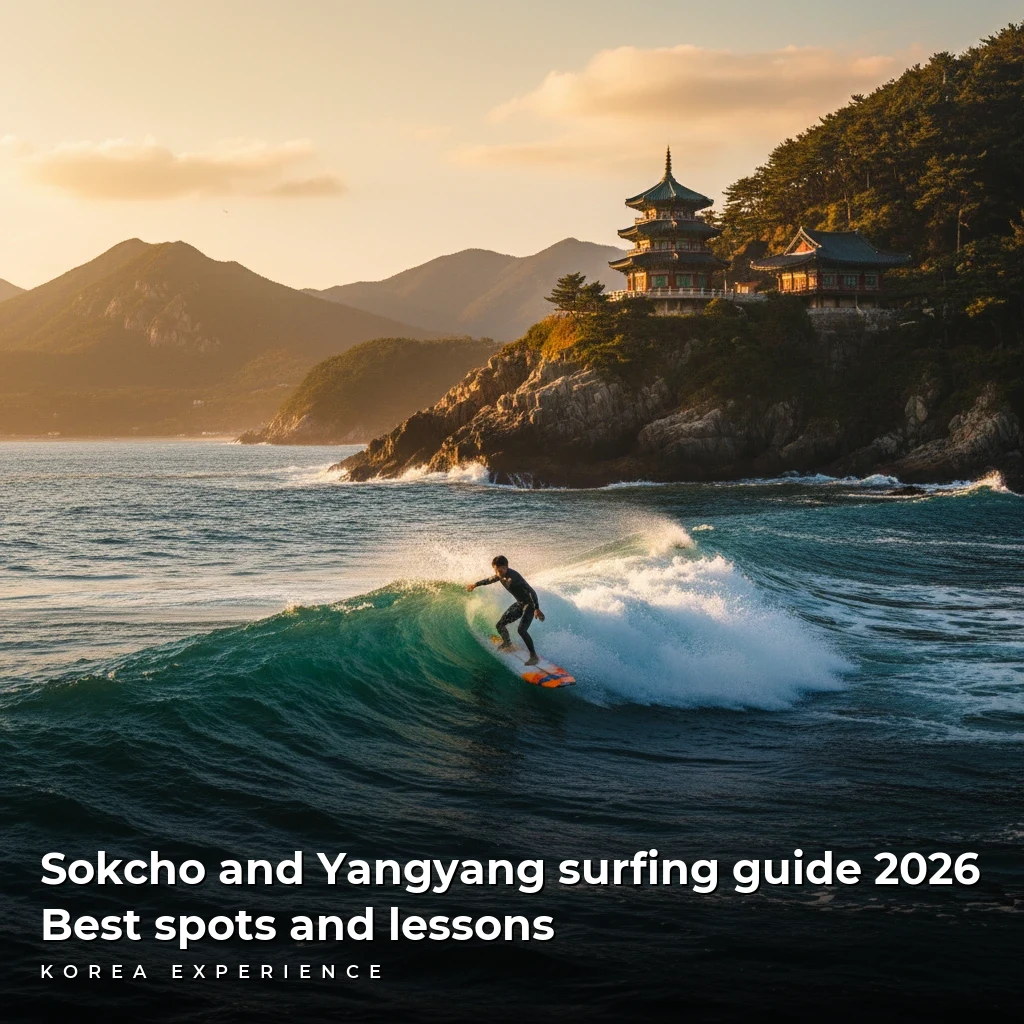
Discover Korea's surfing capital with our 2026 guide to Yangyang and Sokcho. Find rental costs (₩30,000+), transport tips, and best seasons for waves.
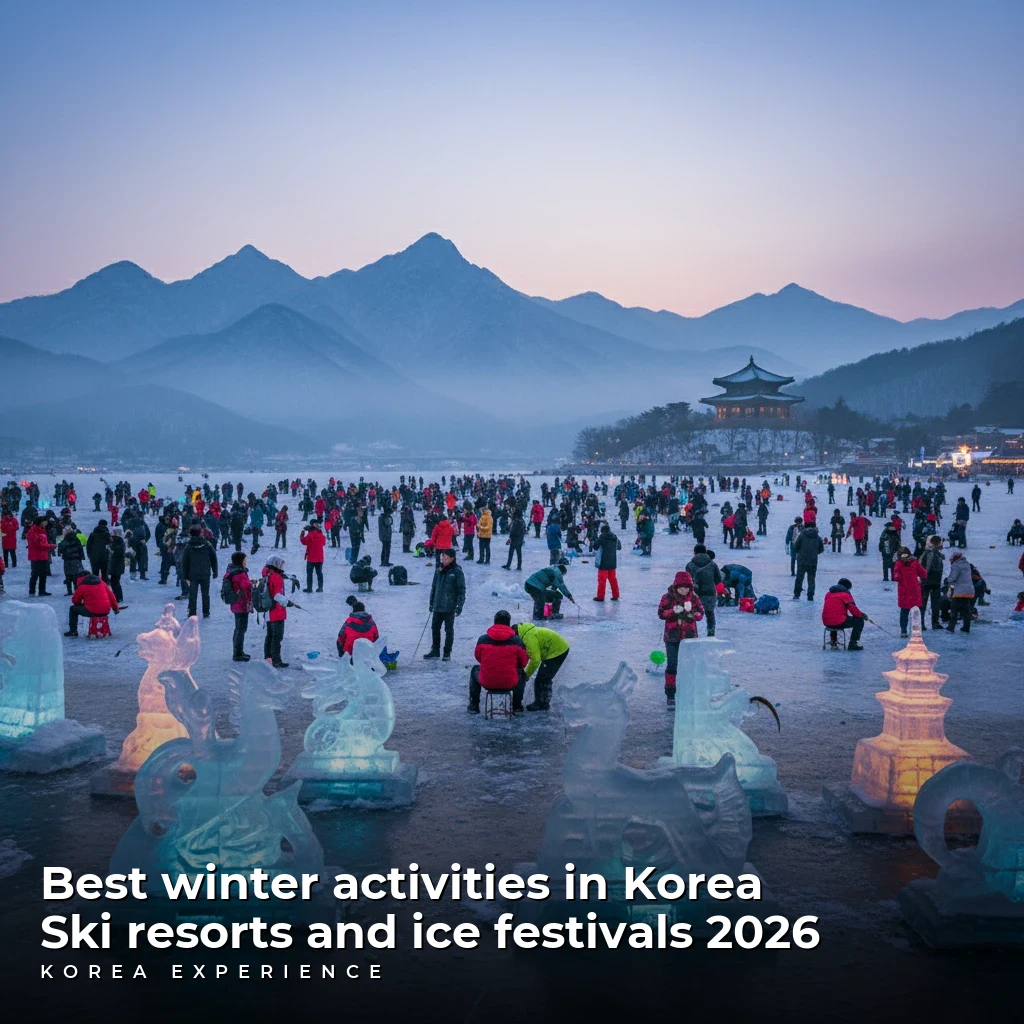
Discover top Korean ski resorts and ice festivals for 2026. From High1 to Hwacheon, find prices, transport tips, and gear rentals in our complete guide.
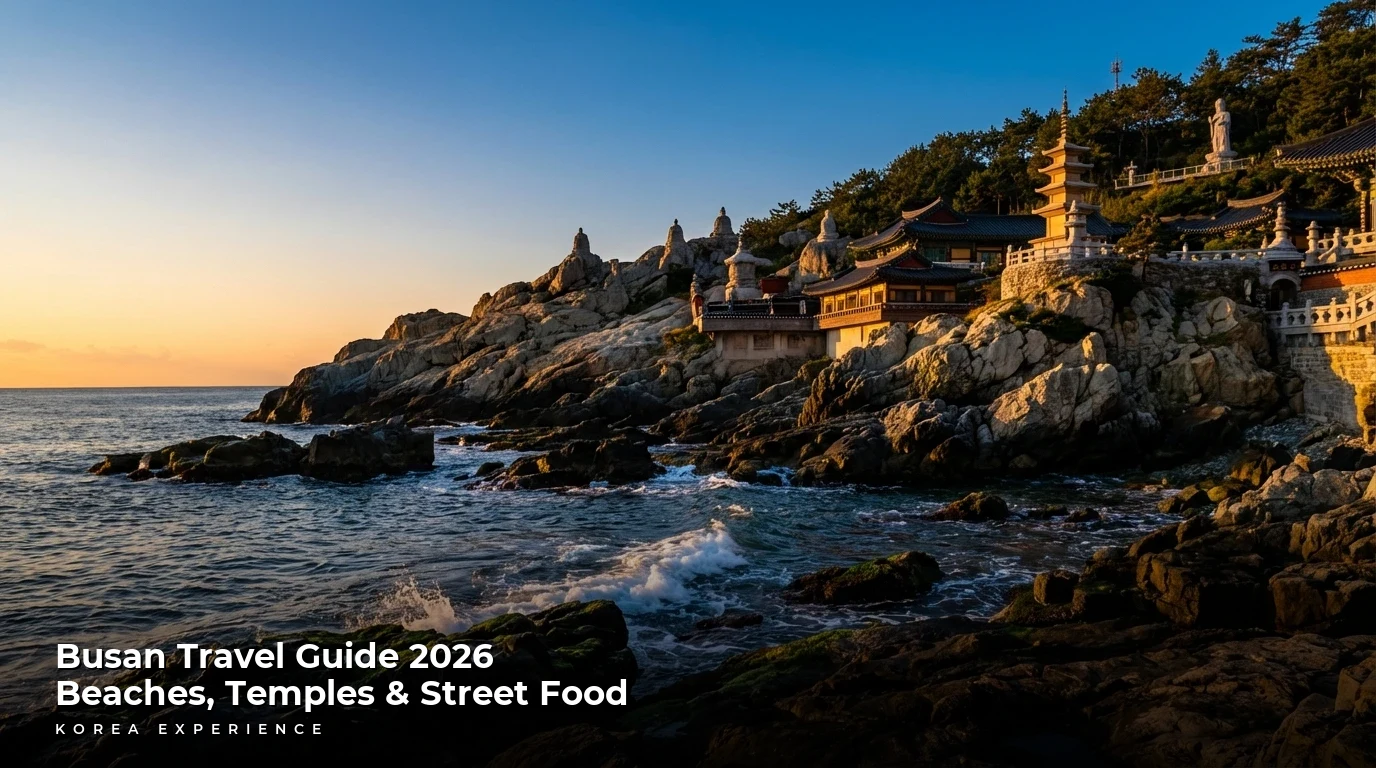
Discover the best of Busan in 2026. From Haeundae Beach to Haedong Yonggungsa Temple, explore top spots, costs, and itineraries for your trip.
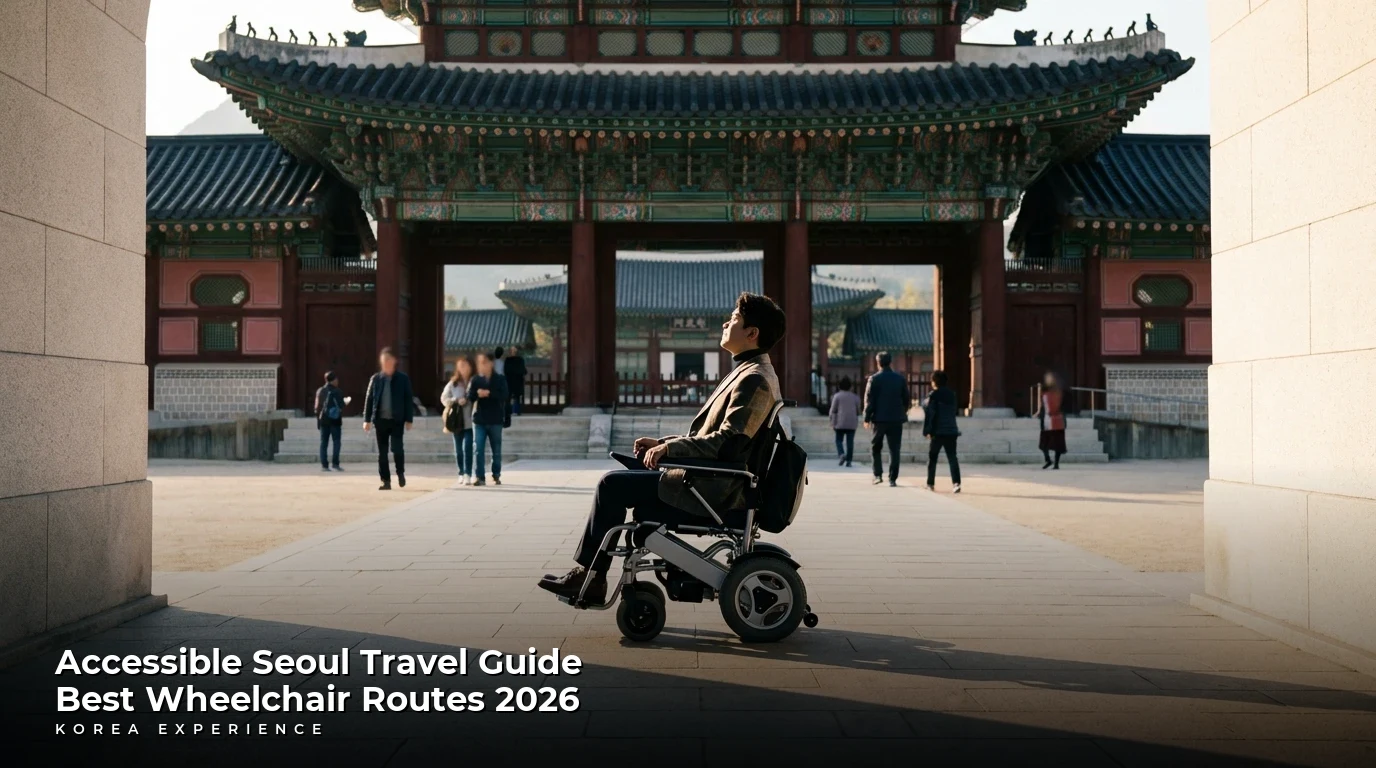
Discover top wheelchair-accessible routes in Seoul for 2026. Includes elevator maps, transport costs, barrier-free hotels, and specialized taxi services.
Discover the 3000 year history of kimchi, from ancient preservation to modern superfood. Includes 2026 travel tips, museum guides, and cooking class costs.