Seoul Summer Night Markets and Outdoor Concerts Guide 2026
The ultimate guide to Korea's 2026 summer nightlife. Discover the Hangang Moonlight Market, Waterbomb Festival prices, and food truck costs averaging ₩8,000.
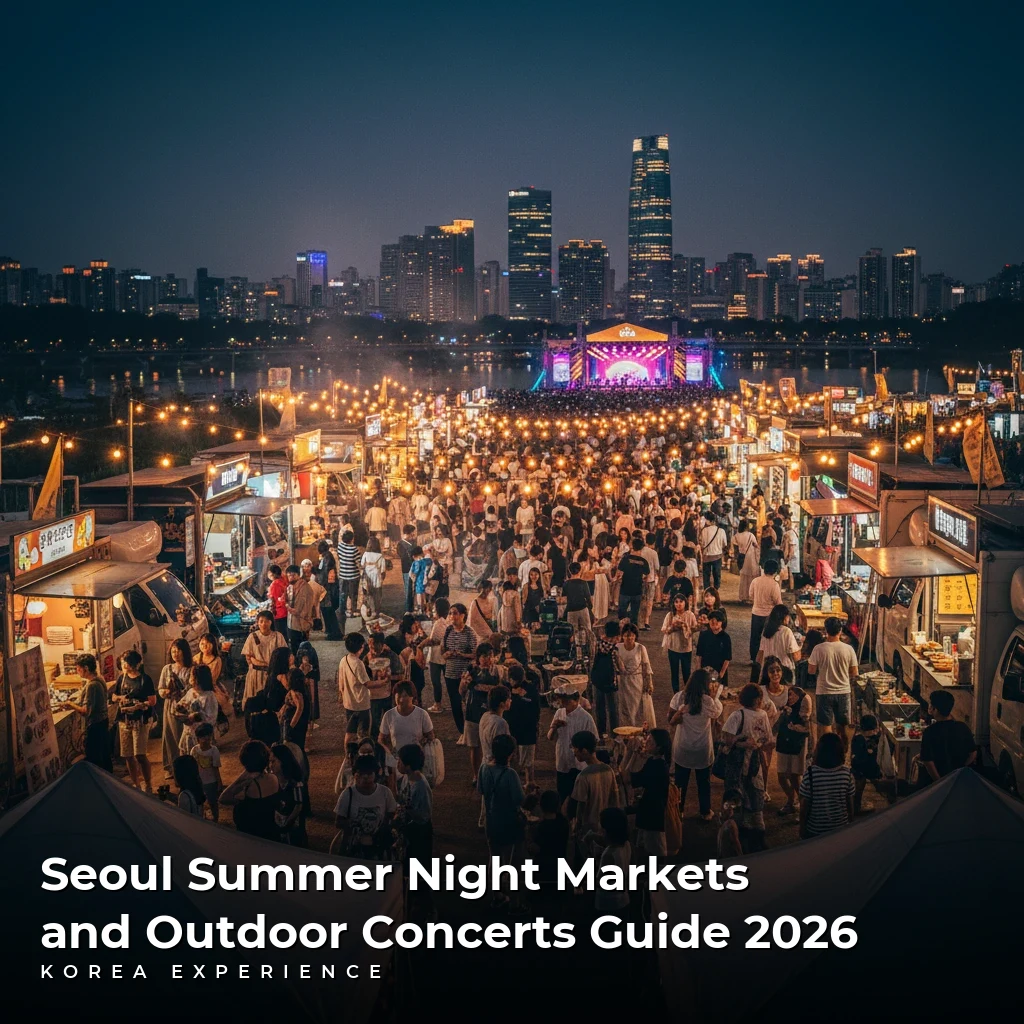
The quintessential Korean summer experience isn't found in air-conditioned malls or midday tours; it comes alive when the sun goes down. The short answer: The best summer night markets in 2026 are the Hangang Moonlight Market (Banpo) and Seoul Bamnokkae (DDP), while top outdoor concerts include the Waterbomb Festival and free performances at Yeouido Floating Stage.
For travelers visiting between June and September, the humidity can be intense during the day, with temperatures often exceeding 30°C (86°F). However, the nights offer a reprieve where the city transforms into a vibrant playground of illuminated tents, sizzling food trucks, and live music echoing off the Han River. This guide covers everything you need to know to navigate Korea's electric summer nights.
Key Takeaways
- 1Hangang Moonlight Market operates Sundays in 2026, with food prices averaging ₩6,000-₩12,000 per dish.
- 2Waterbomb Festival tickets start at ₩154,000 and require booking 2-3 months in advance.
- 3Most night markets accept credit cards, but carrying ₩50,000 in cash is recommended for speed.
The Culture of 'Yajeong' (Night Sentiments)
Korea has a unique word, Yajeong, which loosely refers to the atmosphere or sentiment of the night. In summer, this culture is driven by necessity. With high humidity averaging 70-85% in July and August, locals retreat indoors during the day and emerge after 7:00 PM. This shift creates a nocturnal economy that is surprisingly family-friendly and incredibly safe.
Unlike night markets in Southeast Asia which often focus on chaotic bargaining and cheap souvenirs, Korean summer night markets (often called Bamdokkaebi or "Night Goblin" markets in the past) are highly organized, curated events. They feature food trucks vetted for hygiene, handmade artisan goods, and organized performance schedules.
📊 Summer Night Economy 2026
Hangang Moonlight Night Market: The Crown Jewel
The Hangang Moonlight Night Market is arguably the most famous summer event in Seoul. Located primarily at Banpo Hangang Park, it offers a stunning backdrop of the Banpo Bridge Rainbow Fountain. In 2026, the market schedule has stabilized after several years of flux.
Schedule and Location
- Location: Banpo Hangang Park (Simin Gwanjang)
- Dates: Every Sunday (May to June, September to October). Note: The market usually takes a break during the heavy monsoon season (July-August) due to flooding risks, but pop-up versions occur at DDP during these wet months.
- Time: 16:00 – 21:00
- Access: Sinbanpo Station (Line 9), Exit 1, or Express Bus Terminal Station (Line 3, 7, 9), Exit 8-1. It is a 15-minute walk from the station to the riverbank.
The Food Truck Experience
Competition to get a spot here is fierce, meaning only the best vendors make the cut. You will find approximately 40 to 50 food trucks lined up.
- Cube Steak: The perennial favorite. Juicy beef cubes torched on sight. Price: ₩11,000 - ₩13,000.
- Fire Sushi: Aburi-style sushi torched before your eyes. Price: ₩9,000 for 6 pieces.
- Shrimp Box: Garlic butter shrimp over rice. Price: ₩10,000.
- Beverages: Blue lemonade or Mojitos (non-alcoholic usually available) in glowing LED pouches. Price: ₩5,000 - ₩7,000.
Pro Tip: The Delivery Zone Alternative
If the lines for food trucks are exceeding 40 minutes (common between 19:00-20:00), head to the designated "Delivery Zone" in the park. You can order fried chicken or pizza via apps like Coupang Eats or Baemin, or grab instant noodles from the convenience store. For the best ramyeon experience, check our guide on must-try convenience store items.
The Atmosphere
The vibe is communal. Thousands of people spread silver mats (available for rent for ₩2,000 or purchase for ₩5,000) on the grass. Buskers perform acoustic sets every 30 minutes. The highlight is the Rainbow Fountain show, which runs for 20 minutes every half hour starting at 19:30.
Banpo Hangang Park(반포한강공원)
Seoul Bamnokkae: The City Center Option
While the Han River market relies on good weather, the Seoul Bamnokkae (Night Goblin) markets in the city center offer a more urban feel and are slightly more weather-resistant.
Cheonggyecheon Stream Plaza
Located right at the start of the Cheonggyecheon Stream near Gwanghwamun, this market is smaller but incredibly atmospheric. The lights from the skyscrapers reflect off the stream, creating a cyberpunk-meets-traditional vibe.
- Best for: Couples and photographers.
- Food Focus: Traditional Korean snacks with a twist, like Kimchi Bacon Rolls (₩6,000) and Hotteok (sweet pancakes, ₩2,000).
- Distance: 200 meters from Gwanghwamun Station (Line 5).
Dongdaemun Design Plaza (DDP)
The DDP market is the futuristic cousin of the river market. Set against Zaha Hadid's architectural marvel, this market often runs later into the year and focuses heavily on handmade design goods alongside food.
- Best for: Shoppers looking for unique jewelry, leather goods, and accessories.
- Food Focus: Fusion global cuisine (Tacos, Churros, Kebabs).
- Convenience: It is paved (no grass/bugs) and has immediate access to restrooms inside the DDP mall.
Hangang vs. DDP Market
| Feature | Hangang (Banpo) | DDP (Dongdaemun) |
|---|---|---|
| Primary Vibe | Picnic & Nature | Urban & Shopping |
| Crowd Density | Very High (Grass sitting) | Medium (Walking) |
| Weather Risk | High (Cancelled if rain) | Low (Paved/Shelter nearby) |
| Avg. Food Price | ₩9,000 | ₩8,000 |
Regional Heavyweights: Busan and Daegu
If your travels take you outside Seoul, the night market culture is just as strong, often with better prices and regional specialties. For a deeper dive into the southern port city, read our dedicated Busan Night Markets Guide.
Busan: Bupyeong Kkangtong Night Market
Unlike the pop-up nature of Seoul's markets, Kkangtong is a permanent fixture. It is the first permanent night market in Korea, opening daily from 19:30 to 23:30.
- The Vibe: Narrow, bustling alleyways filled with steam and shouting vendors.
- Must-Eats:
- Scotch Eggs: A market staple, spicy and savory. Price: ₩4,000.
- Busan Fish Cakes (Eomuk): Skewers in hot broth. Price: ₩1,500.
- Pane Soup: Soup served in a bread bowl. Price: ₩5,000.
Daegu: Seomun Night Market
Daegu is known as the hottest city in Korea (often called "Daefrica" by locals), so the night market is essential for survival. Seomun Market is massive, boasting an 80-stall night section.
- Scale: One of the largest in the country, stretching over 350 meters.
- Specialty: Makchang (grilled intestines) cup rice. Daegu is famous for intestines, and here you can get a sampler portion for ₩8,000.
📋 Regional Market Stats
Summer Outdoor Concerts and Festivals 2026
Korean summer festivals are high-energy, often involving water fights to combat the heat.
Waterbomb Festival 2026
Waterbomb has become a cultural phenomenon. It combines K-Pop/K-Hip-hop performances with a massive water gun fight. The tour hits major cities: Seoul, Busan, Daegu, Incheon, and Daejeon.
- Dates: Usually mid-July to mid-August.
- Concept: You are assigned a team color (Green or Yellow). Artists are also assigned teams. Everyone sprays everyone with water guns.
- ** lineup:** Top tier idols (e.g., Kwon Eunbi, Jay Park, aespa) frequent the lineup.
- Warning: You will get absolutely soaked. Waterproof phone cases and goggles are mandatory.
- Cost: Tickets operate on a tier system. Early bird starts at ₩110,000, rising to ₩154,000 closer to the date.
Seoul Park Music Festival
Held at Olympic Park in June, this is a more chilled-out "picnic style" festival.
- Vibe: Jazz, Indie, and Acoustic Pop.
- Setup: Bring your own mats and low chairs.
- Cost: 1-day passes typically cost around ₩99,000.
Daegu Chimac Festival
"Chimac" stands for Chicken and Maekju (Beer). Held in July at Duryu Park, Daegu.
- Experience: Hundreds of chicken vendors, major beer brands, and EDM parties.
- Cost: Entry is often free or very low cost (checking ID for age verification is strict), but you pay for the food and beer. A chicken box costs ₩20,000 - ₩25,000.
💵 2026 Festival Price Comparison
High energy, top idols, water fight
Relaxed, local vibes, bring your own food
Free Outdoor Entertainment: Busking and Light Shows
You don't need a ticket to enjoy live music in Korea. The street performance culture is robust and heavily regulated to ensure quality.
Hongdae Busking Street
The pedestrian streets of Hongdae (Hongik University Station, Exit 9) are the epicenter of K-Pop dance covers and indie vocalists.
- Zones: There are designated painted rectangles on the pavement. Performers must book these slots.
- Schedule: Daily, but peaks Friday-Saturday from 17:00 to 22:00.
- Etiquette: It is free, but clapping and cheering are expected. Do not stand in the middle of the "stage" area.
Yeouido Floating Stage
Located at Yeouido Hangang Park, the "Floating Stage" features free concerts ranging from Jazz to Orchestral performances during the "Hangang Summer Festival" (Hangang Mongddang).
- Showtimes: Usually Friday and Saturday evenings at 19:00 or 20:00.
- Seating: First come, first served on the fan-shaped steps facing the river.
Drone Light Shows
Following the massive success of the Gwangalli drone shows in Busan, Seoul now hosts the "Hangang Drone Light Show" at Ttukseom Hangang Park.
- 2026 Schedule: Typically Friday nights in May/June and September/October.
- Scale: 1,000+ drones creating images in the sky.
- Price: Free.
📖 How to Enjoy a Hangang Park Concert
Step 1: Prep Supplies
Buy a picnic mat (mat-eu) and wet wipes at Daiso. Renting on-site costs ₩2,000-₩5,000.
Step 2: Order Food
Go to the 'Delivery Zone' (Baedal Zone). Order fried chicken. The delivery driver will meet you there.
Step 3: Secure Spot
Arrive 1 hour before sunset (approx 18:30 in summer) to get a riverside view.
Step 4: Clean Up
Separate trash into recyclables and general waste at the large designated bins.
Practical Guide: Surviving the Korean Summer Night
While the events are spectacular, the environment can be challenging for those not used to East Asian summers.
Weather and Wardrobe
- Humidity: Expect 80-90% humidity. Even at night, it feels sticky. Wear linen or moisture-wicking fabrics.
- Mosquitoes: They are fierce near the river. Buying a bottle of mosquito repellent spray (Mogi-yak) at a convenience store for ₩5,000 is a non-negotiable investment.
- Rain: The "Changma" (monsoon) season runs late June to late July. Outdoor markets are cancelled if it rains. Check the official Instagram accounts of the markets (@hangangmoonlightmarket) before heading out. For more weather details, see our guide on the best time to visit Korea.
Payment Methods
- Cash: While 90% of food trucks accept cards, having cash is faster and sometimes necessary if card machines overheat or lose signal. Carry ₩50,000 in small bills (₩1,000 and ₩5,000 notes).
- Cards: International cards (Visa/Mastercard) are widely accepted. WOWPASS and T-Money can be used at convenience stores but rarely at independent food trucks.
Transportation Late at Night
Seoul is a city that never sleeps, but its subway does.
- Subway: Generally stops running between 00:00 and 01:00.
- Taxis: Hailing a taxi physically after 23:00 in Gangnam or Hongdae is nearly impossible.
- Kakao T / Uber: You must use an app.
- Surcharges: A 20% night surcharge applies from 22:00-23:00 and 02:00-04:00. A 40% surcharge applies during peak night hours (23:00-02:00).
- For a detailed breakdown of getting around, read our 24-hour Seoul transport guide.
"Many tourists try to catch a taxi right in front of Banpo Park after the market closes. It's impossible. Walk 15 minutes to the Express Bus Terminal main road or take the night bus (N-Bus). The N-Bus lines like N6000 run all night and cost ₩2,150."
Suggested Itineraries
To help you plan, we've structured a route that balances cost and comfort.
One Summer Night in Seoul: River vs. Roof
The Dualism Concept: Experience the best of both worlds — premium luxury moments paired with authentic budget-friendly experiences in one route.
Private Yacht Tour
Sunset cruise on the Han River with champagne.
Convenience Store Ramyeon
Cooking instant noodles at the Hangang machine.
Hotel Rooftop Bar
Cocktails at Conrad Vvertigo.
Yeouido Park Busking
Live acoustic music on the grass.
Start with the budget option for an authentic local dinner, then move to a rooftop for drinks to cool down.
Solo Travelers
If you are traveling alone, night markets are actually great. The "Steak in a Cup" or "Chicken Cup" portions are designed for walking and eating, removing the awkwardness of sitting alone in a BBQ restaurant. For more solo dining ideas, check our article on Hon-bap (solo dining) spots.
Why 2026 is Special for Night Events
In 2026, the Seoul Metropolitan Government has launched the "Nocturnal Seoul" initiative, increasing the number of late-night cultural heritage tours. Palaces like Gyeongbokgung and Changdeokgung have expanded their night viewing hours (typically 19:00-21:30, entry ₩3,000). While not "markets," these offer a serene counterpoint to the high energy of the food truck zones.
Summer Night Markets: Worth the Hype?
- ✓Incredible atmosphere and views
- ✓Safe and well-organized
- ✓Food hygiene is strictly regulated
- ✓Great way to meet locals
- ✗Extremely crowded on weekends
- ✗Lines for food can be 30+ mins
- ✗Humidity can be draining
- ✗Limited seating (sitting on grass)
Frequently Asked Questions
❓ Summer Night Market FAQs
Have more questions?Contact us →
Final Thoughts
Korea's summer nights are a sensory overload in the best possible way. Whether you are blasting water guns at strangers at Waterbomb, sharing a tray of garlic butter shrimp under the Banpo Bridge, or simply listening to a student sing ballads in Hongdae, the energy is infectious. The heat of the day melts away into a cool, communal joy that defines the Korean summer experience.
Just remember: bring cash, bring a fan, and bring your appetite. See you by the river.
About the Author
Korea Experience Team
Written by the Korea Experience editorial team - experts in Korean medical tourism, travel, and culture with years of research and firsthand experience.
Explore more in Travel & Tourism
From Seoul's neon-lit streets to Jeju's volcanic landscapes — discover the best of Korea with insider travel tips, itineraries, and seasonal guides.
Browse All Travel & Tourism ArticlesContinue Reading
Explore more articles you might find interesting
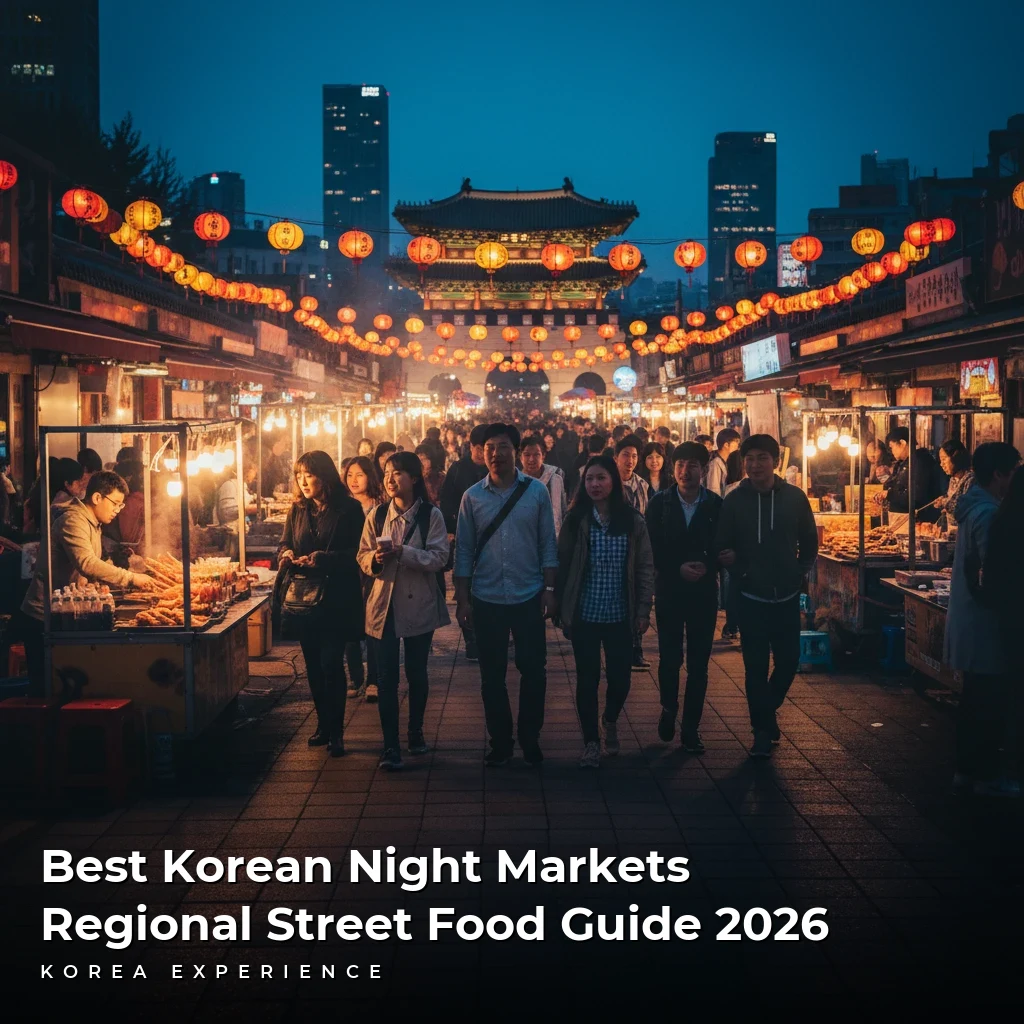
Discover top night markets in Seoul, Busan, and Jeonju. We compare food prices (₩3,000-15,000), opening hours, and must-try dishes for your 2026 trip.
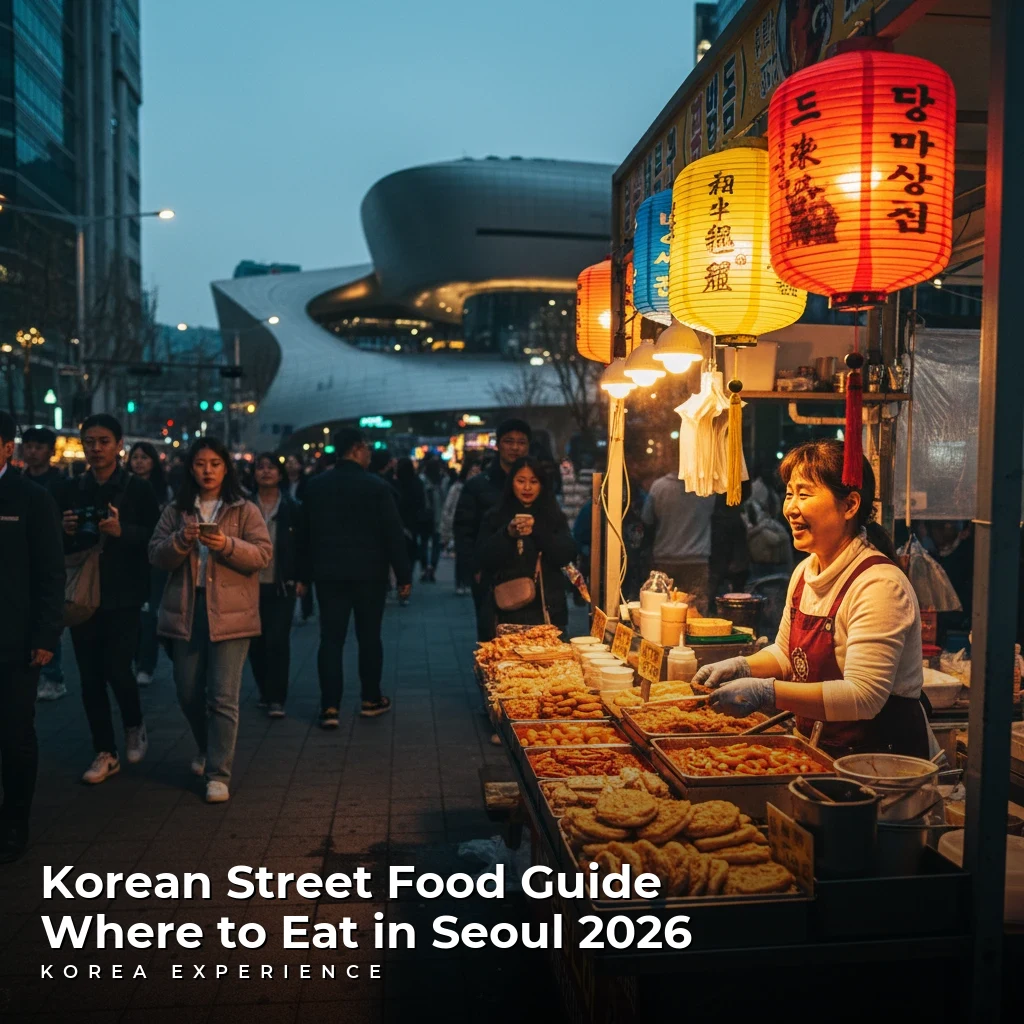
The ultimate guide to street food in Seoul for 2026. Discover prices, best markets like Gwangjang, and must-eat snacks from hotteok to tteokbokki.
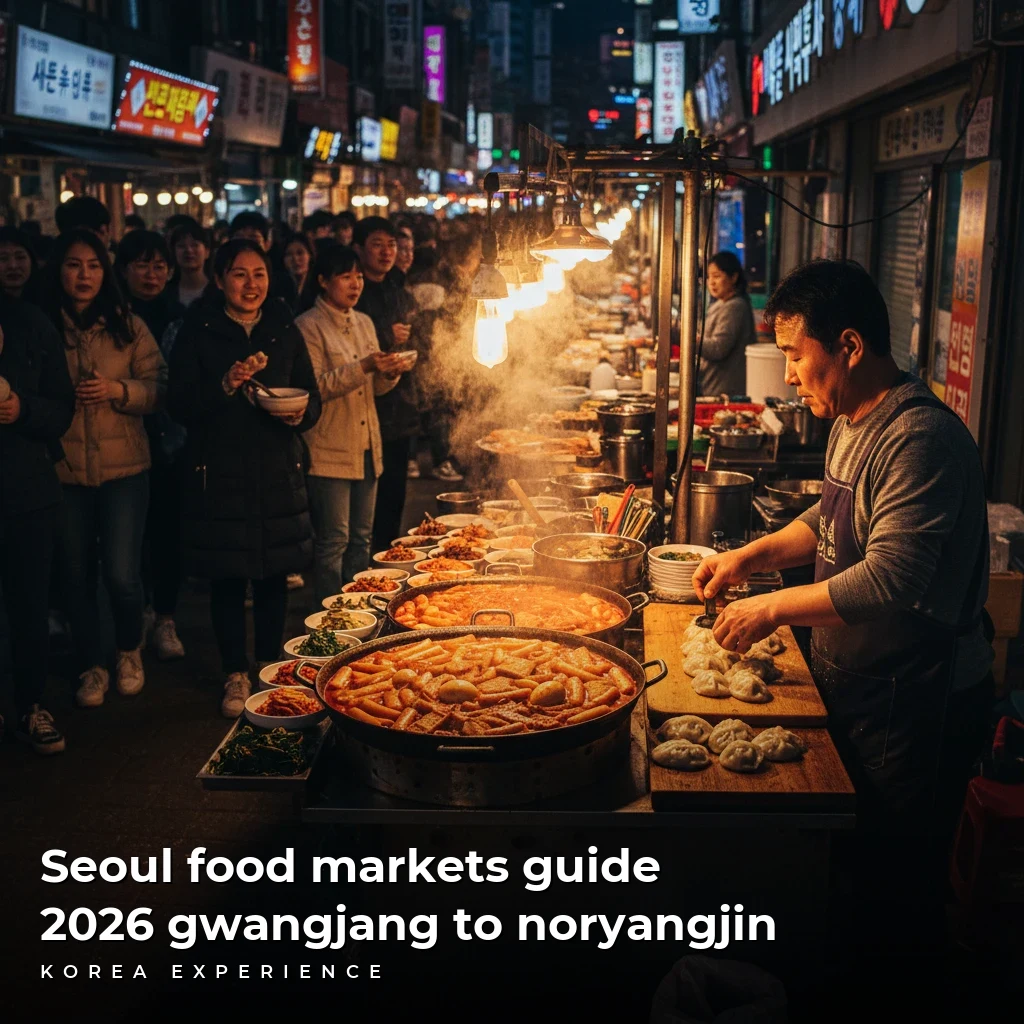
The ultimate 2026 guide to Seoul traditional markets. Discover prices, hidden stalls, and expert tips for Gwangjang, Noryangjin, and local favorites.
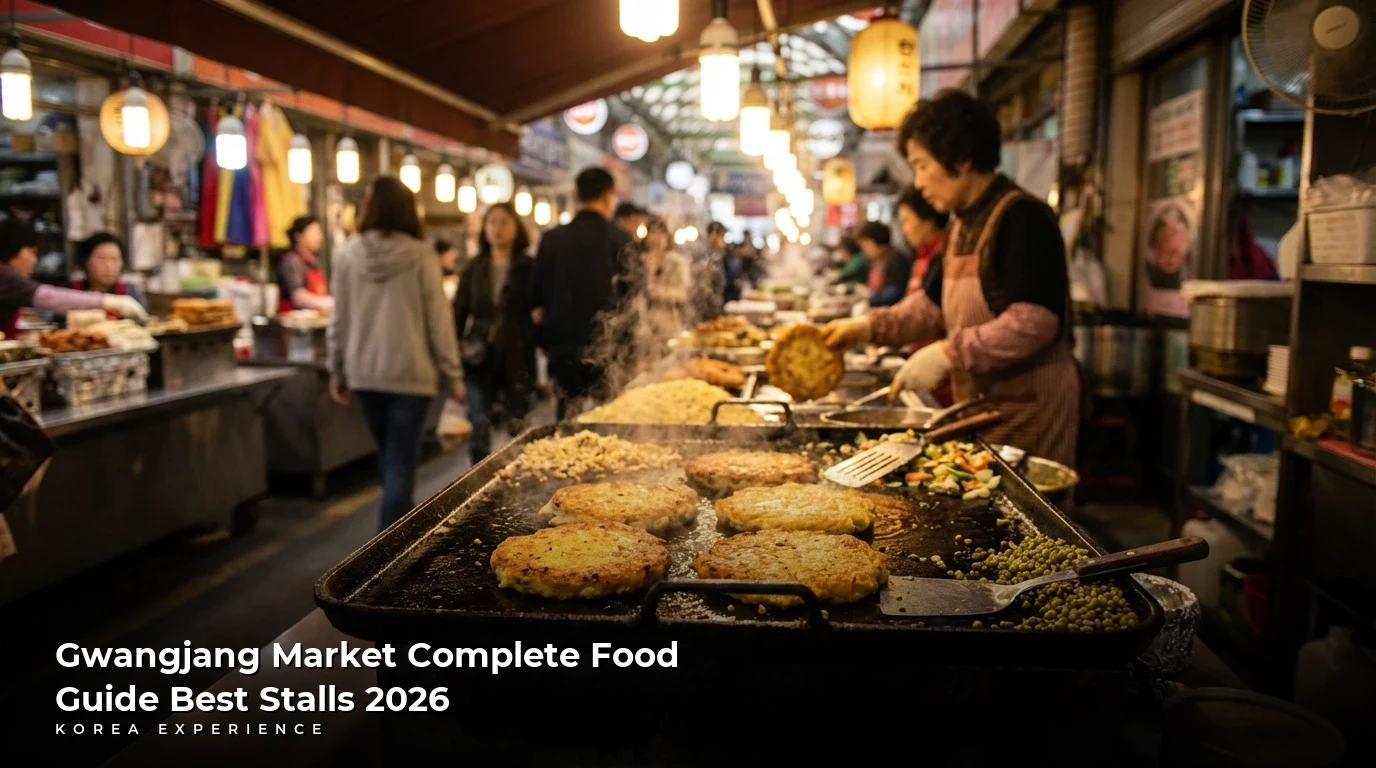
Discover the ultimate Gwangjang Market food guide featuring top stalls, prices, operating hours, and local tips for Seoul's oldest traditional market.
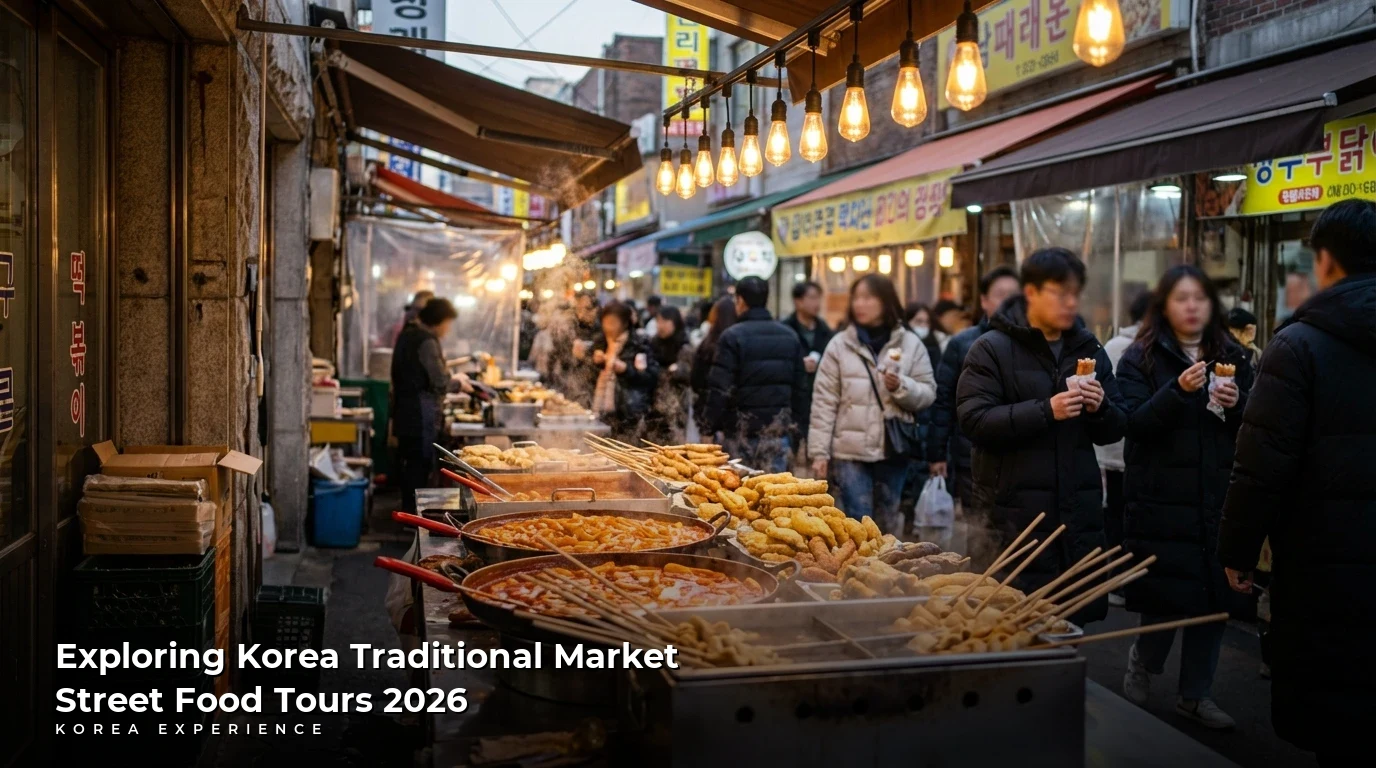
The ultimate guide to Korean street food markets in 2026. Discover prices, best tours, hidden stalls, and essential etiquette for travelers.
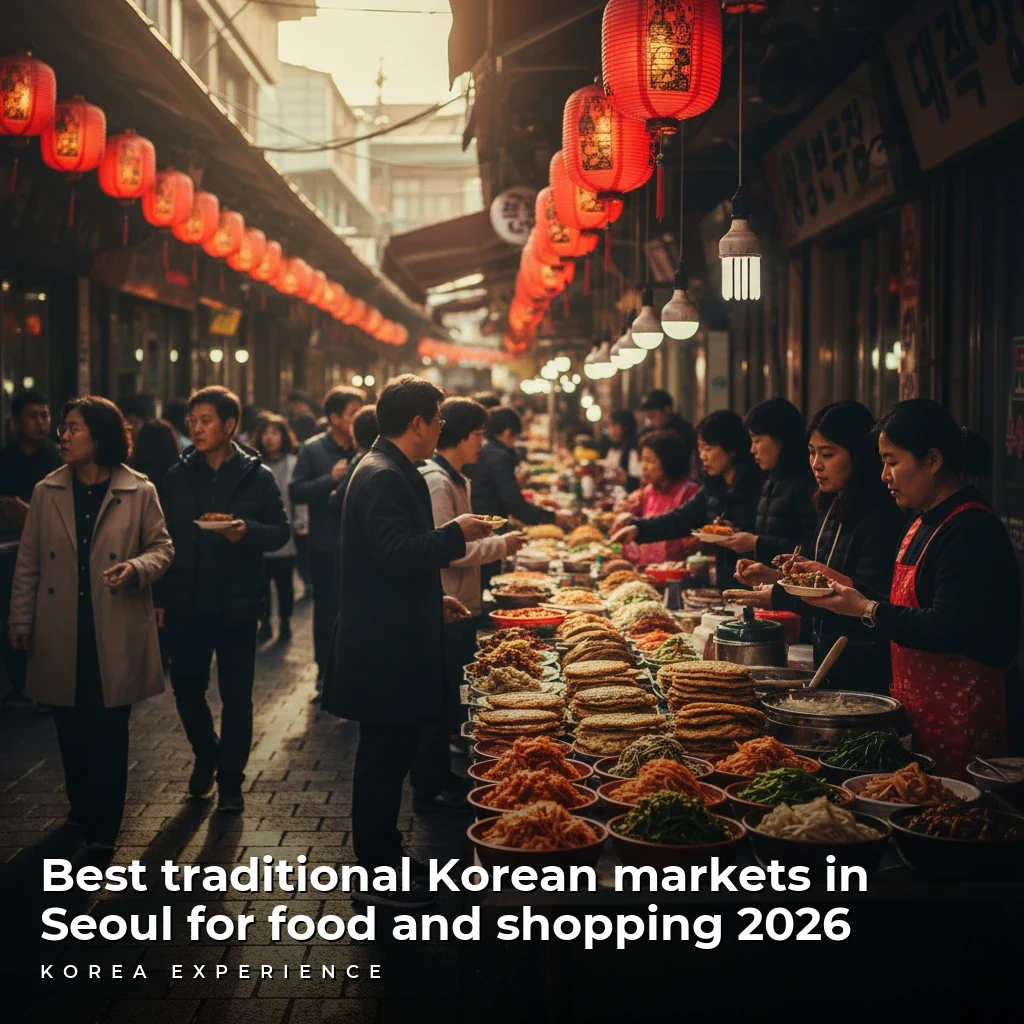
Discover Seoul's top 8 traditional markets. From Gwangjang's ₩5,000 noodles to Namdaemun's 10,000+ shops, get the ultimate 2026 shopping guide.