Best traditional Korean markets in Seoul for food and shopping 2026
Discover Seoul's top 8 traditional markets. From Gwangjang's ₩5,000 noodles to Namdaemun's 10,000+ shops, get the ultimate 2026 shopping guide.
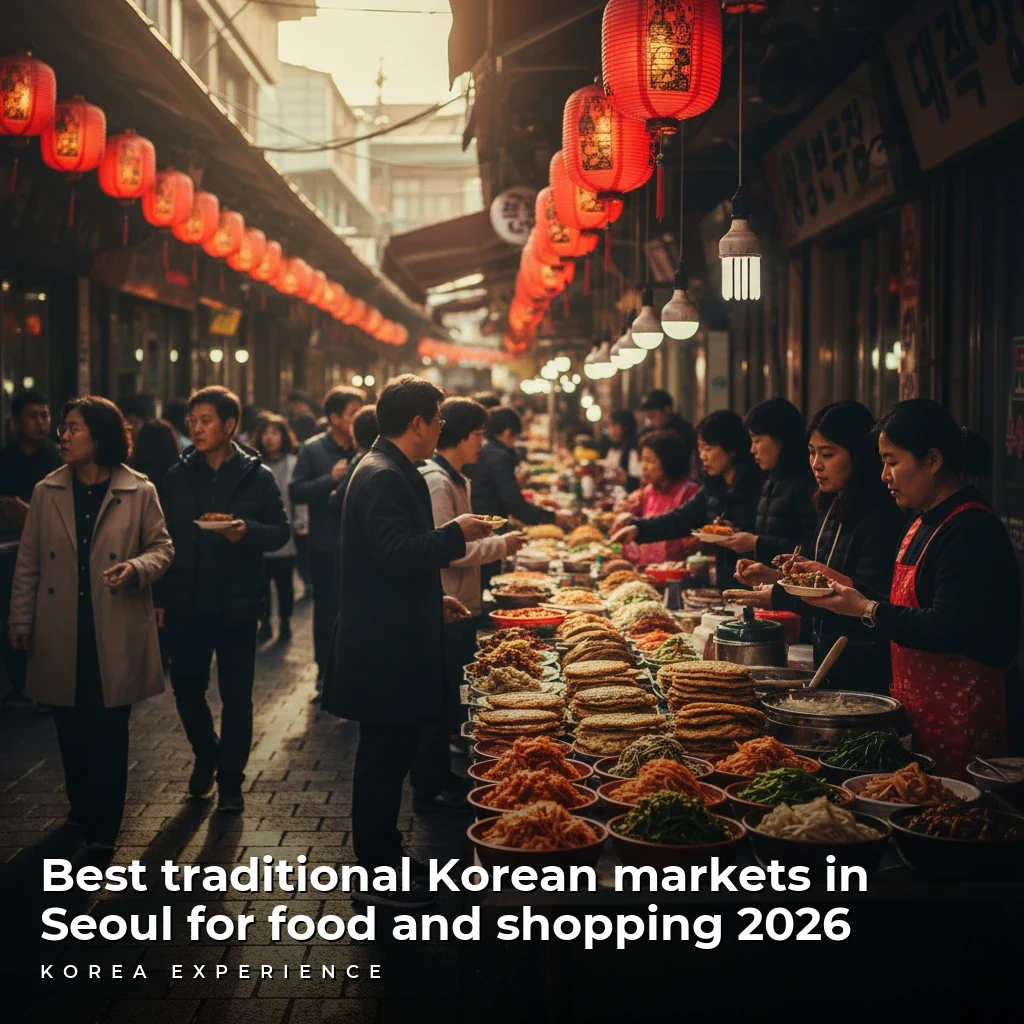
Seoul’s traditional markets are the beating heart of the city, offering an unfiltered glimpse into Korean life that you simply cannot find in the polished corridors of department stores like The Hyundai Seoul or Lotte World Mall. Whether you are looking for vintage clothing, medicinal herbs, fresh sashimi, or the world-famous Korean street food, the city's markets provide the most authentic experiences. In 2026, these markets have evolved to become even more accessible to international visitors, yet they retain the gritty, energetic charm that makes them unique.
The short answer: For street food and vintage clothes, visit Gwangjang Market. For general shopping, souvenirs, and cameras, go to Namdaemun Market. For fresh seafood, Noryangjin Fish Market is unrivaled, and for a hipster atmosphere with great cafe food, head to Mangwon Market.
Key Takeaways
- 1Cash is still king in smaller stalls; bring ₩50,000 in small bills for street food.
- 2Most markets open around 9:00 AM but food alleys peak between 12:00 PM and 2:00 PM.
- 3Sunday is the official closing day for many wholesale sections, though food stalls often remain open.
Why Visit Traditional Markets in 2026?
In an era of rapid digitization, Seoul's traditional markets have surprisingly managed to keep pace while preserving their heritage. As of 2026, over 85% of market stalls in major tourist districts now accept credit cards or digital payments like T-Money and Apple Pay, a significant increase from just 60% in 2023.
However, the allure goes beyond convenience. It is about the sensory overload: the steam rising from pots of kal-guksu (knife-cut noodles), the shouting of merchants auctioning fish, and the vibrant colors of silk hanbok fabrics. These markets are also incredibly budget-friendly. You can enjoy a full, hearty meal for under ₩10,000 (approx. $7.50 USD), whereas a similar meal in a Gangnam restaurant might cost you ₩25,000 or more.
If you are planning your trip, you might want to check our guide on accommodation near traditional markets to stay close to the action.
📊 Market Economy 2026
1. Namdaemun Market: The King of General Goods
Namdaemun Market is the largest traditional market in Korea, boasting over 10,000 stores. Dating back to 1414, this market has survived wars and fires to become a massive wholesale and retail complex. If it exists in Korea, you can probably find it here.
What to Buy
- Children's Clothing: The Burdeng Children's Wear Shopping Center within the market offers high-quality kids' clothes at wholesale prices (often 30-50% cheaper than department stores).
- Eyeglasses: Namdaemun is the optical capital of Korea. You can get a vision test, choose frames, and have prescription lenses made in 20-40 minutes. A high-index lens with a decent frame averages ₩50,000 to ₩100,000.
- Camera Gear: The camera street near Gate 1 is legendary for new and used photography equipment.
The Food Alley
While shopping is the main draw, the Kalguksu Alley is a must-visit. For roughly ₩8,000, you get a set menu usually including knife-cut noodles, bibim-naengmyeon (spicy cold noodles), and barley rice.
Namdaemun Market(남대문시장)
Pro Tip: The Early Bird
If you are looking for imported goods or wholesale flowers, arrive before 10:00 AM. For general shopping, 11:00 AM to 3:00 PM is the sweet spot.
2. Gwangjang Market: The Culinary Heavyweight
If Namdaemun is for shoppers, Gwangjang Market is for eaters. Made globally famous by Netflix's Street Food: Asia, this market is over 100 years old and remains the epicenter of Seoul's street food culture.
Must-Eat Foods
- Bindaetteok (Mung Bean Pancake): The sound of these grinding millstones is iconic. A thick, crispy pancake made of ground mung beans, pork, and vegetables costs about ₩5,000.
- Mayak Gimbap: Literally "Narcotic Rice Rolls" because they are addictive. These small rolls served with a mustard dipping sauce cost about ₩3,000-4,000 per serving.
- Yukhoe (Raw Beef): There is an entire alley dedicated to raw beef. A plate of high-quality seasoned raw beef with pear and egg yolk costs around ₩19,000-25,000.
The Vintage Attic
Many tourists miss this, but the second floor of Gwangjang Market is a treasure trove of vintage clothing. From distinct American workwear to unique Japanese retro pieces, it is a fashion digger's paradise.
The vintage market on the 2nd floor opens later than the food stalls, usually around 11 AM. Bring cash and be prepared to haggle. You can often find genuine branded trench coats for under ₩40,000 if you look hard enough.
For more on navigating the fashion scene, read our guide to hanbok rental styles and pricing which is a popular activity near Gwangjang.
3. Noryangjin Fish Market: The Seafood Spectacle
Noryangjin is one of Korea's largest seafood markets. It was modernized in recent years, moving from an old open-air structure to a clean, multi-story building. However, the energy remains chaotic and authentic.
How It Works
The system at Noryangjin is unique:
- Buy downstairs: Browse the tanks on the first floor.
- Eat upstairs: Take your purchase to a "restaurant" on the 2nd floor. They will charge a "table setting fee" (sang-charim bi) of roughly ₩4,000 to ₩6,000 per person, plus cooking fees if you want items grilled or boiled.
📖 How to Order at Noryangjin
Step 1: Select Your Seafood
Walk the 1st floor. Ask for prices (per kg). A standard flatfish (Gwang-eo) costs about ₩30,000-40,000/kg depending on the season.
Step 2: Negotiate Service
Ask for 'service' (freebies). Vendors often throw in shellfish or sea squirts.
Step 3: Follow the Runner
A runner will guide you to a partnered restaurant upstairs.
Watch Your Wallet
While the new building is regulated, prices can fluctuate. Always confirm the price per kilogram before they take the fish out of the water. If a vendor is too pushy, simply walk away.
4. Mangwon Market: The Hipster's Choice
Located near the Han River and the trendy Hongdae area, Mangwon Market has seen a surge in popularity among young Koreans in their 20s and 30s. It is cleaner, smaller, and more manageable than Gwangjang or Namdaemun.
The Picnic Vibe
Because it is only a 10-minute walk to the Mangwon Hangang Park, many visitors buy food here to take for a picnic.
Top Eats at Mangwon:
- Kyodong Dakgangjeong: Sweet and spicy crispy chicken bites. Prices start at ₩4,000 for a small cup to ₩15,000 for a box.
- Deep-fried Peppers: Large peppers stuffed with minced meat.
- Goroke (Croquettes): Fried bread filled with vegetables, curry, or meat (approx. ₩1,000-1,500 each).
Mangwon Afternoon: Market vs. Cafe
The Dualism Concept: Experience the best of both worlds — premium luxury moments paired with authentic budget-friendly experiences in one route.
Mangwon Market Run
Buy Dakgangjeong and beer for a Han River picnic
Mangwon-dong Cafe Hopping
Visit 'Petrol Place' or 'Zapangi' for premium coffee and aesthetics
Combine both! Grab market snacks for lunch, then hit the famous 'Mangnidan-gil' cafe street for dessert.
5. Tongin Market: The Dosirak Cafe
Located west of Gyeongbokgung Palace, Tongin Market is famous for its "Dosirak" (Lunchbox) Café. This interactive experience is perfect for families and solo travelers alike.
The Coin System
You purchase a set of brass coins (yeopjeon) at the entrance.
- Cost: ₩10,000 gets you a tray and 20 coins.
- Process: Walk through the market. Participating stalls accept coins in exchange for small portions of food.
- Signature Dish: Gireum Tteokbokki (Oil Rice Cakes). Unlike the usual spicy broth version, these are stir-fried in oil with chili flakes or soy sauce.
This is a fantastic way to try 10 different Korean dishes without committing to full portions. It is essentially a DIY tasting menu.
6. Majang Meat Market: The Beef Capital
For carnivores, Majang Meat Market is a pilgrimage site. It handles nearly 60% of the beef consumed in Seoul. This is where you go for Hanwoo (premium Korean native cattle), which rivals Wagyu in quality and price.
Why Go Here?
Eating Hanwoo beef in Gangnam can easily cost ₩150,000 per person. At Majang, you buy the meat directly from the butcher and pay a small fee to roast it at a restaurant upstairs. You can expect to save 30-40% compared to standard restaurants.
💵 Hanwoo Beef Price Comparison (Per 100g)
Full service restaurant
Purchased at butcher stall
For a deeper dive into Korean BBQ culture, check out our article on the best Korean BBQ restaurants in Seoul 2026.
7. Gyeongdong Market & Seoul Yaknyeong Market: The Retro Revival
Located in Jegi-dong, this massive complex is the center of Korea's oriental medicine trade. As you approach the station, the air grows thick with the scent of ginseng, licorice, and drying herbs.
Starbucks 1960
In a brilliant example of urban regeneration, a derelict theater inside Gyeongdong Market was transformed into Starbucks 1960. It features high ceilings, theater-style seating, and retains the old projection room. It has brought a flood of young people to a market that was previously frequented only by the elderly.
What to buy:
- Ginseng: Fresh, dried, or extract form.
- Traditional Teas: Omija (five-flavor berry) and Jujube tea ingredients.
8. Dongmyo Flea Market: The Vintage Heaven
While Gwangjang has a vintage attic, Dongmyo is an entire neighborhood devoted to second-hand goods. G-Dragon, the K-Pop icon, famously shopped here, cementing its status as a "hip" spot.
You can find everything from 1980s film cameras and typewriters to piles of clothes selling for ₩2,000 a piece. It is dusty, crowded, and requires patience, but the gems are real.
📋 Dongmyo Shopping Facts
Practical Guide: Surviving Seoul's Markets
Navigating these markets can be intimidating for first-timers. Here is the essential survival guide for 2026.
Payment Methods
- Cash: Essential for street food carts and small purchases (under ₩5,000).
- Credit Cards: Accepted at almost all proper storefronts inside markets.
- Bank Transfers: You will see signs with account numbers. Locals transfer money instantly, but this is hard for tourists without a Korean bank account. Stick to cash.
The Art of Haggling
Haggling is not as common in Korea as in Southeast Asia.
- Fixed Price: If a price is written down, it is fixed.
- Negotiable: If you are buying bulk (e.g., 5 pairs of socks or 3 bags of ginseng), you can ask, "Kkakka-juseyo?" (Please give me a discount).
- Service: Instead of a discount, vendors often prefer giving "Service" (free extra items).
Facilities
- Toilets: Market toilets can be hit-or-miss. The subway station toilets connected to the markets are usually cleaner and safer.
- WiFi: Seoul's public WiFi is excellent, even in markets. Look for "Public WiFi Seoul".
Traditional Markets vs. Department Stores
- ✓Significantly cheaper prices
- ✓Authentic cultural experience
- ✓Fresher ingredients (food markets)
- ✓Human connection with vendors
- ✗Can be crowded and chaotic
- ✗Limited fitting rooms for clothes
- ✗Return policies are strict/non-existent
- ✗Language barrier can be higher
Sample Itineraries
Route 1: The Historical Foodie (Central Seoul)
- 10:00 AM: Visit Gyeongbokgung Palace.
- 12:00 PM: Lunch at Tongin Market (Dosirak Cafe).
- 02:00 PM: Walk through Seochon Village.
- 05:00 PM: Dinner/Snacks at Gwangjang Market.
Route 2: The Shopping Marathon (Namdaemun & Myeongdong)
- 09:00 AM: Start at Namdaemun Market for souvenirs and glasses.
- 12:00 PM: Kalguksu Alley for lunch.
- 02:00 PM: Walk over to Myeongdong (10 mins away) for cosmetics.
- 06:00 PM: Street food dinner in Myeongdong.
If you are looking to shop for beauty specifically, combine your market trip with our recommendations in best Korean skin clinics in Gangnam 2026 for a full makeover day.
Hygiene and Safety Tips
A common concern for travelers is hygiene. In 2026, food safety standards in Seoul are rigorous.
- Water: Tap water is safe, but market stalls usually serve purified water.
- Cooked Food: High turnover rates at popular stalls mean food is cooked fresh constantly.
- Raw Seafood: At Noryangjin or Gwangjang (Yukhoe), stick to busy stalls. High traffic equals fresh inventory.
Safe Eating
Look for the "Good Restaurant" or hygiene rating stickers often displayed at stalls. Also, follow the locals—if a line is long, the food is likely fresh and safe.
Seasonal Considerations
- Summer (July-August): Markets can be incredibly hot and humid. Gwangjang is covered but not air-conditioned. Go early in the morning or late evening.
- Winter (December-February): Benches at food stalls are often heated (ondol style) or have plastic vinyl coverings to block the wind. It is actually a cozy time to eat hot soup.
Conclusion
Seoul's traditional markets offer a duality that defines the city: the clash of the old and the new. Whether you are eating a ₩1,000 croquette in Mangwon or buying a ₩100,000 camera lens in Namdaemun, you are participating in a commercial tradition that has sustained this city for centuries. In 2026, these markets are more vibrant than ever, welcoming the world while staying true to their roots.
Don't just observe—participate. Sit on the bench, share a table with a local, and eat until you're full. That is the real Seoul experience.
❓ Frequently Asked Questions
Have more questions?Contact us →
About the Author
Korea Experience Team
Written by the Korea Experience editorial team - experts in Korean medical tourism, travel, and culture with years of research and firsthand experience.
Explore more in Travel & Tourism
From Seoul's neon-lit streets to Jeju's volcanic landscapes — discover the best of Korea with insider travel tips, itineraries, and seasonal guides.
Browse All Travel & Tourism ArticlesContinue Reading
Explore more articles you might find interesting
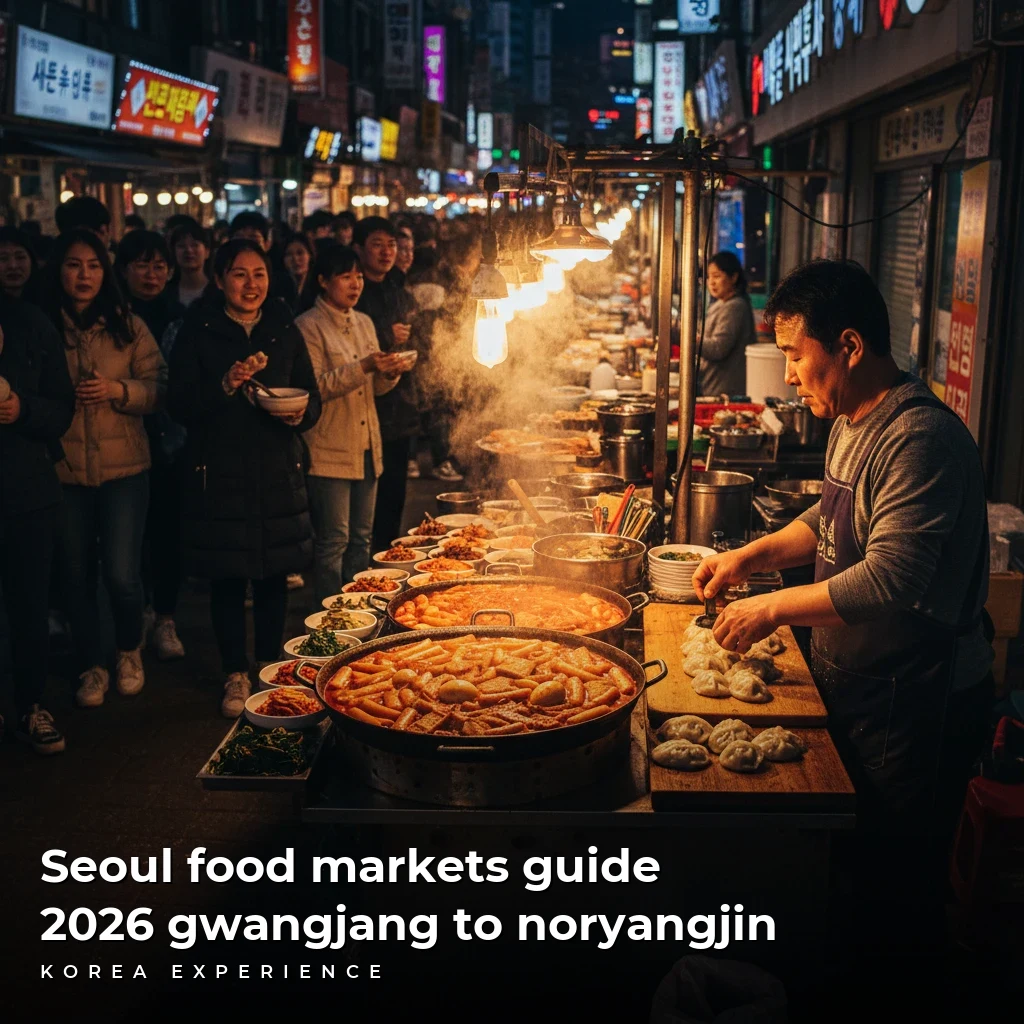
The ultimate 2026 guide to Seoul traditional markets. Discover prices, hidden stalls, and expert tips for Gwangjang, Noryangjin, and local favorites.
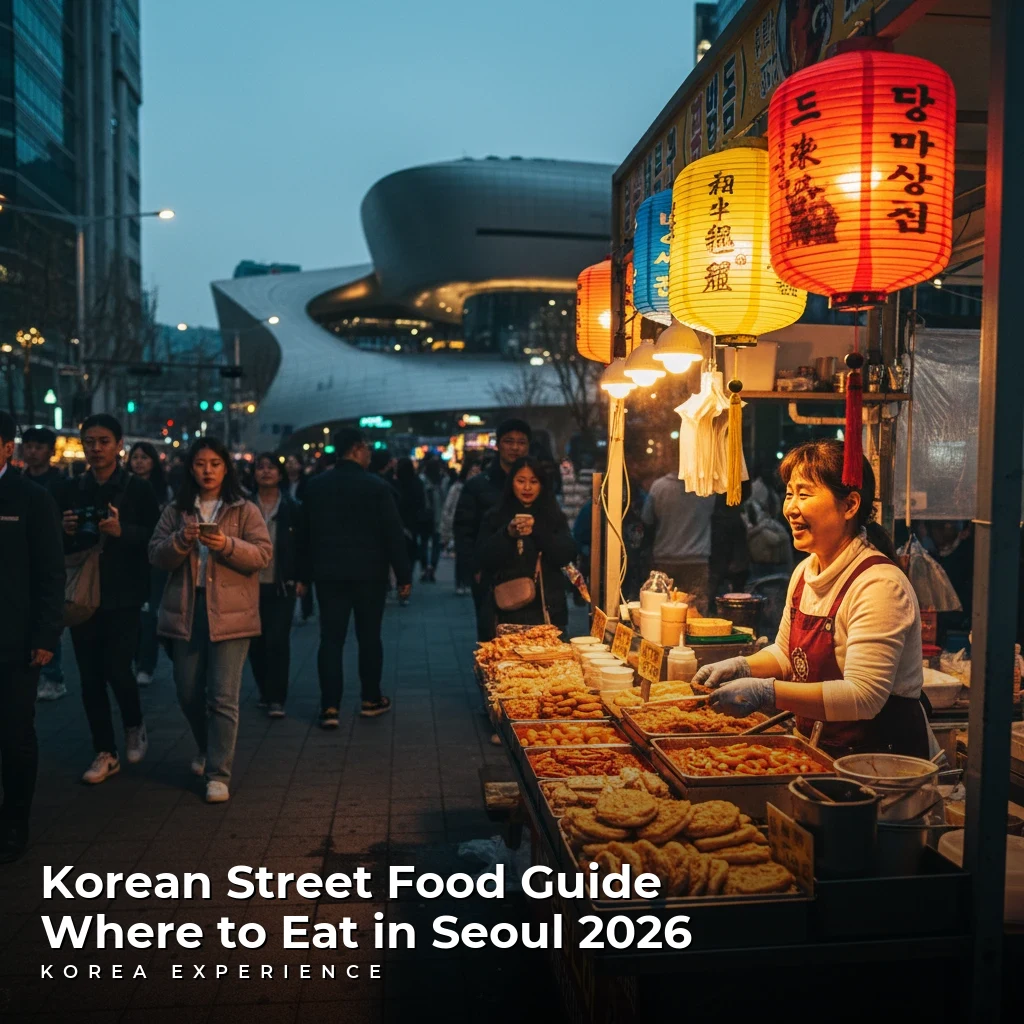
The ultimate guide to street food in Seoul for 2026. Discover prices, best markets like Gwangjang, and must-eat snacks from hotteok to tteokbokki.
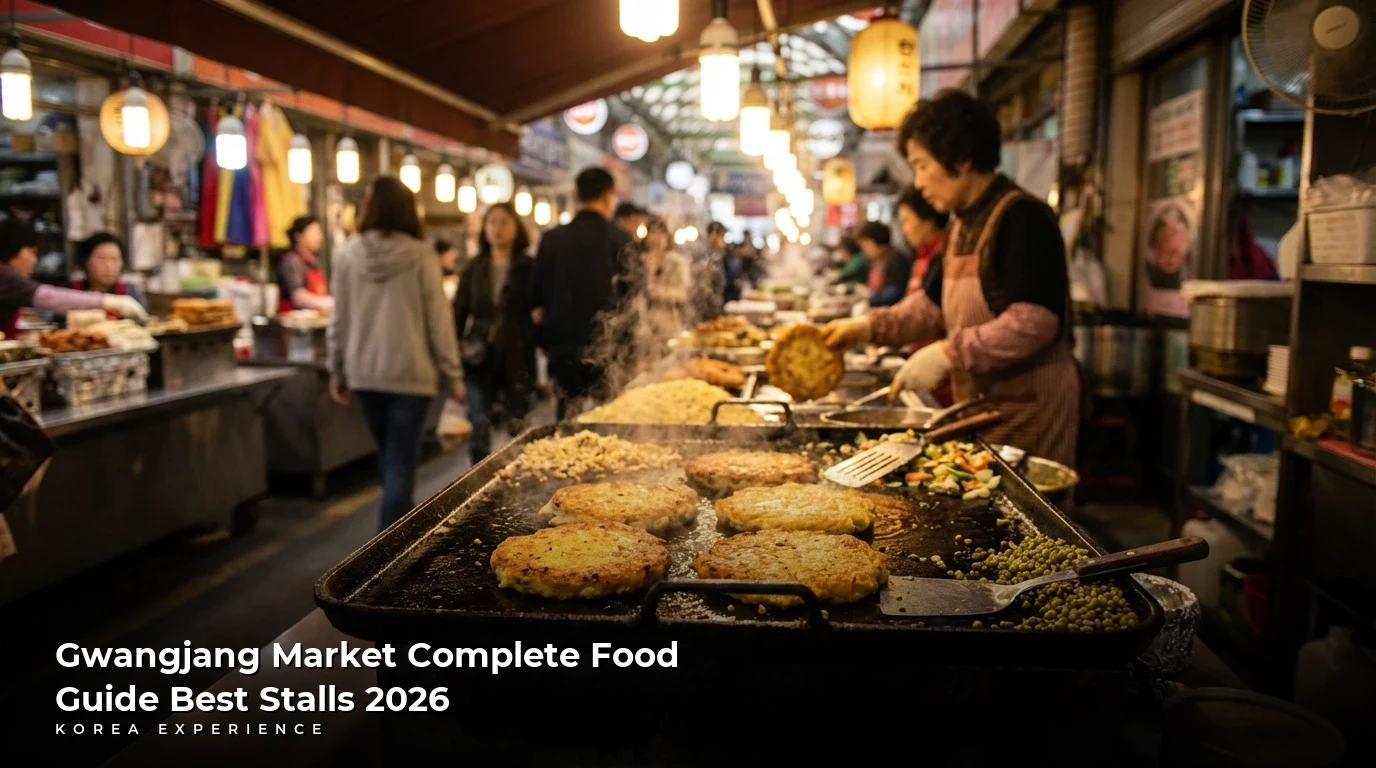
Discover the ultimate Gwangjang Market food guide featuring top stalls, prices, operating hours, and local tips for Seoul's oldest traditional market.
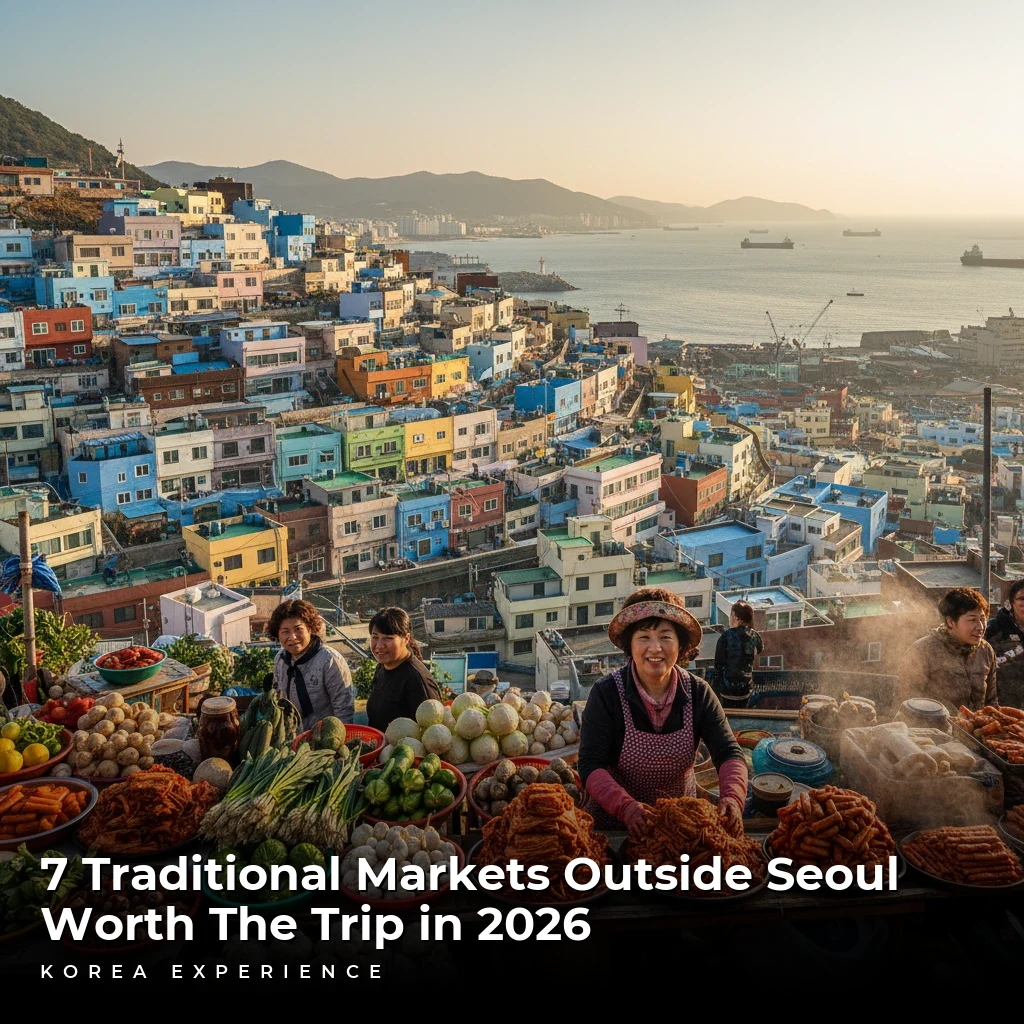
Discover Korea's best markets beyond Seoul. Explore Busan, Jeju, and Daegu with specific food prices, transport tips, and 2026 travel data.
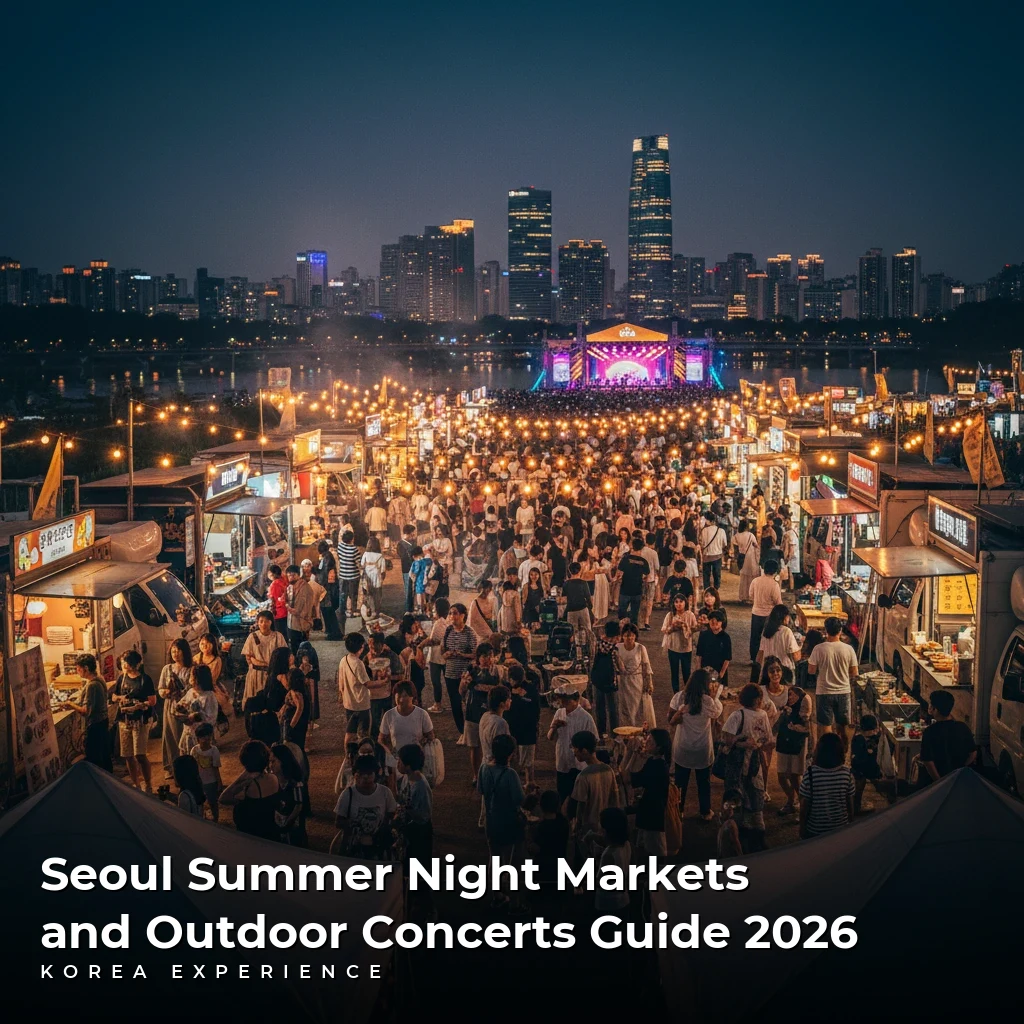
The ultimate guide to Korea's 2026 summer nightlife. Discover the Hangang Moonlight Market, Waterbomb Festival prices, and food truck costs averaging ₩8,000.

Navigate Gwangjang and Namdaemun safely with this 2026 guide. Discover why 99% of red sauces contain wheat and find safe eats from $2.20.