Travel & Tourism

Korean Temple Stay Programs for English Speakers

Discover peace and culture with English-friendly Korean Temple Stay programs. Immerse yourself in ancient traditions and find inner serenity.

Introduction: Unlock a Deeper Korea with English Temple Stay Programs

Are you an international traveler or expat in Korea yearning for an authentic cultural experience that transcends the usual tourist spots? Do you seek a deeper connection to the country's rich heritage, a respite from the urban hustle, and an opportunity for profound self-reflection? While bustling cities and vibrant pop culture often take center stage, Korea also offers ancient traditions steeped in tranquility and wisdom. Many visitors, however, assume that such deep cultural immersion might be inaccessible without fluency in the Korean language.

This is where Temple Stay programs for English speakers come in, offering a unique bridge to understanding Korean Buddhist culture and monastic life. These specially curated programs provide a welcoming environment where language barriers melt away, allowing participants from around the globe to engage fully with time-honored practices.

In this comprehensive guide, we will embark on a journey through the serene world of Korean Temple Stay programs. You'll learn about their history and philosophy, discover the myriad benefits of participating, explore different program types, and identify the most welcoming temples for English speakers. We'll also cover essential preparation tips, what to expect during your stay, and practical information on costs and booking. Prepare to uncover a side of Korea that promises not just a trip, but a transformative experience.

1. Discover the Serenity: What is a Korean Temple Stay?

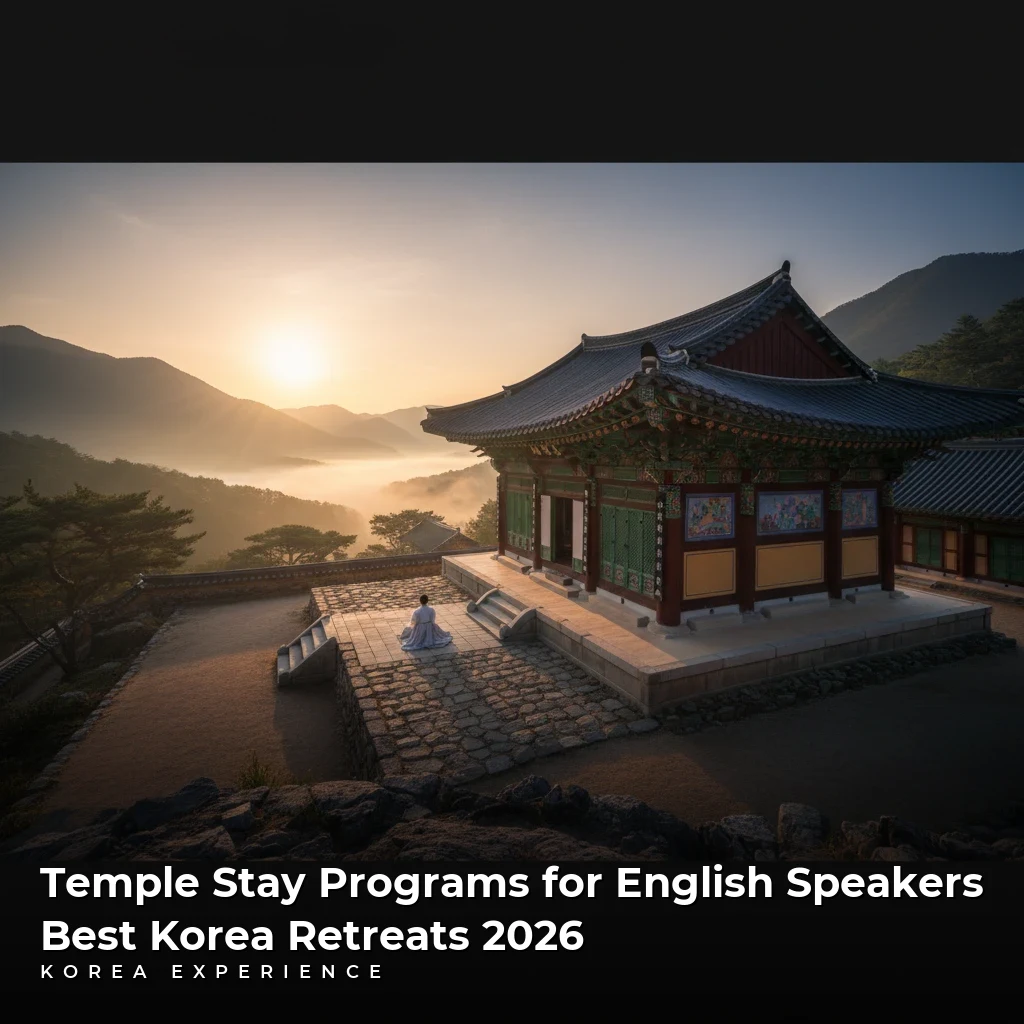
At its core, a Korean Temple Stay is a unique cultural and spiritual program that allows participants to experience the daily life of Buddhist practitioners in a traditional Korean temple. It's an opportunity to momentarily step away from the fast pace of modern life and immerse oneself in an environment of peace, mindfulness, and ancient traditions.

History and Philosophy: A Glimpse into Buddhist Roots

The concept of Temple Stay originated in 2002, initially designed to showcase Korean Buddhist culture during the FIFA World Cup. Its immense popularity led to its continuation and expansion, becoming a beloved program for both locals and international visitors. The philosophy underpinning Temple Stay is deeply rooted in Korean Buddhism, which emphasizes Seon (Zen) meditation, self-reflection, and living in harmony with nature. Participants are invited to engage with practices that have been cultivated for over 1,700 years on the Korean peninsula, fostering inner peace and a deeper understanding of themselves and the world.

The Essence of Temple Stay: Experiencing Monastic Life

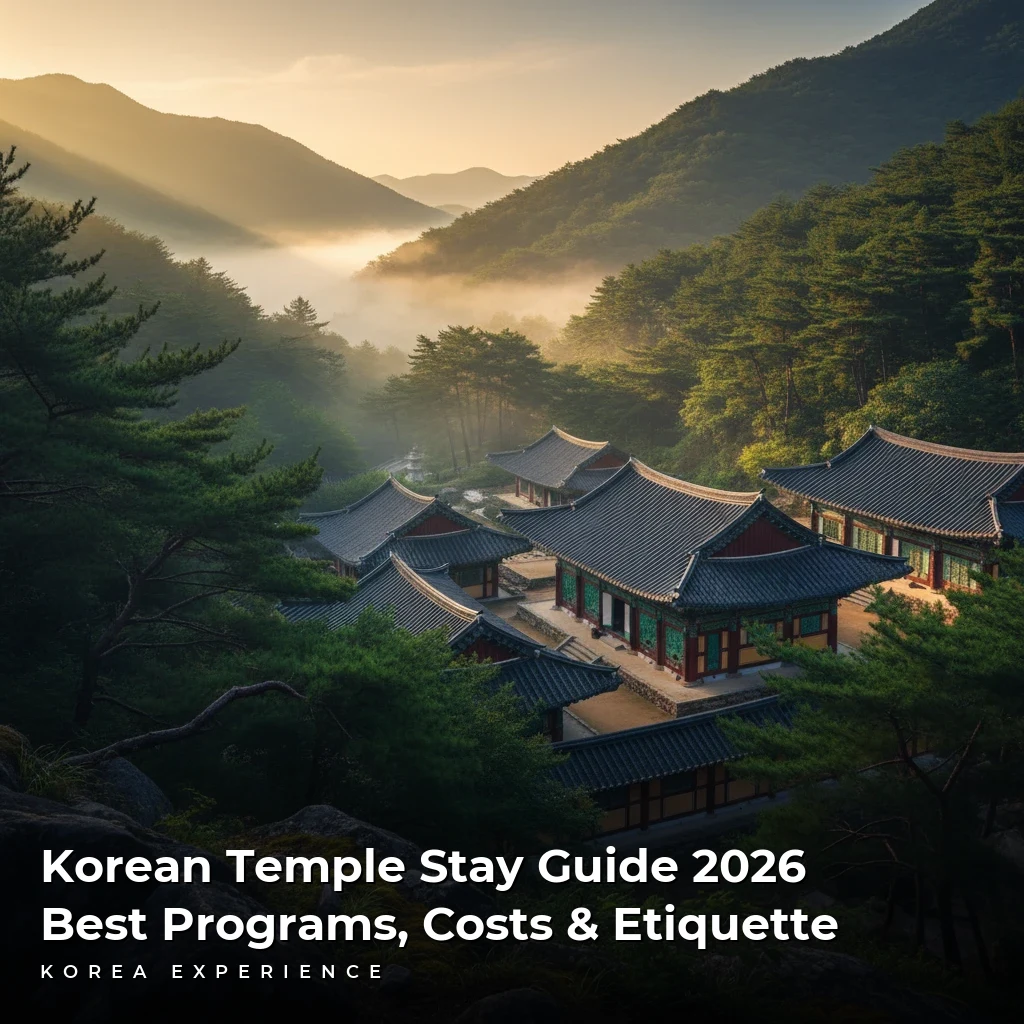
A Temple Stay is not merely a visit; it's an active participation in the monastic lifestyle, even if for a short period. This includes waking early, engaging in meditation, partaking in ceremonial meals, and contributing to the temple community through simple tasks. It's about disconnecting from digital distractions and reconnecting with oneself through mindful presence. The temples, often nestled in stunning mountainous landscapes, provide a natural backdrop that enhances the sense of tranquility and spiritual awakening.

Benefits for Travelers: More Than Just a Retreat

For international travelers and expats, Temple Stay offers a multitude of benefits:

  • Profound Cultural Immersion: Go beyond superficial observation to genuinely experience a cornerstone of Korean identity.
  • Spiritual Rejuvenation: Find peace and mental clarity through meditation and mindful practices.
  • Escape from Urban Bustle: Recharge in nature's embrace, far from the noise and stress of city life.
  • Unique Perspective: Gain insights into Buddhist philosophy and its application to daily living.
  • Personal Growth: Opportunities for self-reflection can lead to new perspectives and personal breakthroughs.

2. Why Choose English Temple Stay Programs in Korea?

While any Temple Stay offers a rich experience, programs specifically tailored for English speakers provide crucial advantages, ensuring that linguistic barriers do not impede understanding or enjoyment.

Overcoming Language Barriers: Seamless Communication

One of the primary benefits of English Temple Stay programs is the assurance of clear communication. These temples often have dedicated English-speaking monks or volunteers who can explain the intricacies of Buddhist practices, translate chanting, guide meditation sessions, and answer questions. This direct communication allows for a much deeper engagement and understanding, making the experience accessible and truly meaningful for non-Korean speakers. Instead of feeling lost or confused, you can fully participate and absorb the teachings.

Deep Cultural Immersion: Active Participation, Not Passive Observation

With English guidance, you're not just an observer but an active participant. You'll understand the significance behind each ritual, from bowing during prayer (called "Jangsam") to the mindful eating of a ceremonial meal (known as "Barugongyang"). This level of participation transforms the experience from a simple tourist activity into a genuine cultural exchange, where you can ask questions, share insights, and connect more authentically with the monastic community.

Mindfulness and Well-being: Guided Paths to Inner Peace

Many international participants seek Temple Stay for its emphasis on mindfulness and stress reduction. English-speaking guides can provide clear instructions during meditation sessions, explain breathing techniques, and elaborate on the principles of Seon (Zen) Buddhism. This guidance is invaluable for those new to meditation or seeking to deepen their practice, helping them cultivate mental clarity, reduce anxiety, and find a sense of inner calm amidst their travels.

Unique Travel Experience: Beyond the Ordinary Itinerary

Choosing an English Temple Stay sets your trip apart from conventional tourism. It offers a rare opportunity to live, even briefly, within a spiritual community, gaining perspectives that simply cannot be found in guidebooks or typical sightseeing tours. It's an adventure for the soul, a chance to step outside your comfort zone and embrace a truly authentic slice of Korean life, fostering memories and insights that last far beyond your return home.

3. Types of Temple Stay Programs for Diverse Needs

Korean Temple Stay programs are not one-size-fits-all. They are thoughtfully designed to cater to different interests, time commitments, and desired levels of engagement. Understanding these variations will help you choose the perfect program for your personal journey.

Experiential Programs: Short, Activity-Rich Immersion

Most popular among international visitors, experiential programs typically last one to two nights and are packed with a variety of activities. These programs are ideal for those who want a comprehensive taste of monastic life without a long commitment. Activities often include:

  • Chanting (Yebul): Participation in morning and evening Buddhist ceremonies.
  • Seon (Zen) Meditation: Guided sessions focusing on breath and mindfulness.
  • Tea Ceremony: A serene practice of preparing and drinking traditional tea, fostering calm.
  • Formal Meal (Barugongyang): Eating a vegetarian meal in silence, practicing mindfulness and leaving no trace.
  • Making Prayer Beads: A hands-on activity, often accompanied by explanations of Buddhist symbolism.
  • Conversation with a Monk (Dahdam): An invaluable opportunity to ask questions and gain insights into Buddhist philosophy and life.
  • Work Practice (Ulyeok): Simple tasks like sweeping or gardening, emphasizing communal contribution.

These programs offer a vibrant introduction to temple life and are excellent for those seeking cultural engagement and new experiences.

Resting Programs: Longer, Relaxing, and Reflective

For those seeking a deeper retreat and more personal time, resting programs provide a less structured experience. These can range from a few days to several weeks and focus on self-reflection, quiet contemplation, and extended periods of meditation. While participants are still welcome to join daily rituals, there's more flexibility for personal schedules. Resting programs are perfect for:

  • Extended Meditation Practice: Opportunities for longer, self-directed meditation.
  • Mindful Walking: Exploring the temple grounds and surrounding nature at one's own pace.
  • Reading and Contemplation: Ample time for personal reflection and study.
  • Digital Detox: A chance to truly disconnect and find inner calm.

These programs are particularly appealing to those looking for a digital detox, a period of intense self-reflection, or a prolonged escape from the stresses of daily life.

Specialized Retreats: Niche Experiences and Deeper Practices

Beyond the general experiential and resting programs, some temples offer specialized retreats. These can include:

  • Sunmudo (Martial Arts): Temples like Golgulsa are famous for incorporating this unique Korean Buddhist martial art into their programs, combining physical discipline with meditation.
  • Temple Food Programs: Some temples focus on the preparation and philosophy of temple food, a highly refined vegetarian cuisine.
  • Intensive Meditation Retreats: Longer, silent retreats for experienced practitioners.

These specialized options cater to specific interests, offering a more focused and unique immersion into a particular aspect of Korean Buddhist culture.

To help you decide, here's a quick comparison of the two main types of programs:

FeatureExperiential ProgramResting Program
Duration1-2 nights (most common)2+ nights, up to several weeks
StructureHighly structured, packed with activitiesLoosely structured, more free time
FocusCultural immersion, introduction to practicesDeep self-reflection, extended meditation, relaxation
Ideal ForFirst-timers, cultural explorers, short breaksSeeking deep quiet, digital detox, longer retreats
Activity LevelModerate, hands-on, interactiveLow to moderate, self-paced
Language SupportGenerally strong for English-speaking templesGenerally strong for English-speaking temples

Korea is home to thousands of beautiful Buddhist temples, many of which offer Temple Stay programs. However, for English speakers, certain temples are particularly well-equipped with English-speaking staff and translated materials, ensuring a smooth and enriching experience. Here are some highly recommended locations:

Near Seoul: Accessible Serenity

For those with limited time or who prefer to stay close to the capital, these temples offer convenient access without compromising on spiritual depth.

Jinkwansa Temple (Seoul)

Nestled at the foot of Bukhansan Mountain in northern Seoul, Jinkwansa is one of the few remaining temples dedicated to nuns. It offers a beautiful natural setting just a short distance from the city. Jinkwansa is particularly famous for its temple food programs and has a welcoming atmosphere for international guests, often having English-speaking volunteers or monastics. Their programs provide a balanced mix of traditional practices and cultural activities.

Hwagyesa Temple (Seoul)

Located in the serene surroundings of Mt. Bukhansan, Hwagyesa is renowned as the International Seon Center, making it a prime destination for English speakers interested in meditation. It actively promotes Seon Buddhism globally and has excellent facilities and staff dedicated to international participants. The temple offers regular English-language meditation guidance and extensive explanations of Buddhist philosophy.

Bongeunsa Temple (Seoul)

An urban oasis in the heart of Gangnam, Bongeunsa offers a unique Temple Stay experience where ancient tradition meets modern city life. Its accessibility makes it a popular choice for busy travelers and expats. While perhaps less secluded than mountain temples, Bongeunsa provides well-organized programs with English interpretation, perfect for those who want a taste of Temple Stay without venturing far from Seoul's conveniences.

Beyond Seoul: Rural Charm and Deeper Retreats

For those willing to travel a bit further, these temples offer more secluded and immersive experiences amidst Korea's stunning natural landscapes.

Golgulsa Temple (Gyeongju)

A truly unique destination, Golgulsa is an ancient temple nestled in the mountains near Gyeongju, famous for its Sunmudo (Korean Buddhist martial arts) program. Participants can learn basic Sunmudo techniques, meditate, and enjoy the temple's vibrant atmosphere. Golgulsa is highly internationalized, with extensive English support, making it an excellent choice for those seeking an active and distinct Temple Stay experience. It's an active, dynamic program, contrasting with purely meditative retreats.

Magoksa Temple (Gongju)

A UNESCO World Heritage site, Magoksa Temple in Gongju is one of Korea's most beautiful temples, known for its tranquil setting along the Taehwa River. It offers a deeply peaceful retreat surrounded by lush nature. Magoksa provides well-structured programs for international visitors, emphasizing mindfulness, meditation, and appreciation for the natural environment. Its historical significance and stunning scenery add another layer of depth to the experience.

Geumsansa Temple (Gimje)

Another magnificent UNESCO World Heritage site, Geumsansa Temple is located in Jirisan National Park, one of Korea's largest and most famous mountains. This temple boasts a rich history and impressive architecture, including a unique three-story temple hall. Geumsansa offers engaging Temple Stay programs that allow participants to connect with ancient traditions amidst breathtaking natural beauty. English support is available, making it a viable option for international guests seeking a profound spiritual journey.

Baegyangsa Temple (Jangseong)

Situated in Naejangsan National Park, Baegyangsa is particularly renowned for its beautiful autumn foliage and, notably, its focus on temple food. It is the home of the famous Buddhist nun and chef, Jeong Kwan, who has popularized Korean temple cuisine globally. While not every program involves direct cooking with her, the temple's emphasis on mindful eating and connection to nature through food is pervasive. They offer experiential programs that are welcoming to English speakers.

Here's a comparison of some popular temples and their key features for English speakers:

Temple NameLocationKey Features for English SpeakersTypical Program Focus
JinkwansaSeoulAccessible, nun's temple, known for temple foodBalanced cultural activities, mindfulness, food culture
HwagyesaSeoulInternational Seon Center, strong English meditationIntensive Seon meditation, Buddhist philosophy
BongeunsaSeoul (Gangnam)Urban, highly accessible, cultural experienceShort cultural immersion, urban temple life
GolgulsaGyeongjuUnique Sunmudo (martial arts), highly internationalizedActive, physical, cultural, meditation
MagoksaGongju (UNESCO)Scenic, tranquil, historical, deep meditationPeaceful retreat, nature, history, mindfulness
GeumsansaGimje (UNESCO)Historical, mountain setting, grand architectureTraditional practices, nature, cultural exploration
BaegyangsaJangseongBeautiful nature (autumn), renowned for temple foodNature connection, mindful eating, culinary philosophy

5. Preparing for Your Korean Temple Stay Adventure

A little preparation can go a long way in ensuring you have a comfortable and fulfilling Temple Stay experience.

Booking Your Program: The Official Gateway

The primary and most reliable way to book a Temple Stay program is through the official Temple Stay website (eng.templestay.com). This comprehensive portal allows you to search for temples by region, program type, and availability. Most temples listed on this site have established programs for international visitors. You can check specific temple schedules, program details, and make reservations directly through the platform. Alternatively, once you've identified a specific temple, you might also be able to book directly via their individual website or by contacting them via email, though the official portal is usually the most straightforward for English speakers. It's advisable to book well in advance, especially for popular temples or during peak travel seasons.

What to Pack: Comfort and Modesty are Key

Your packing list should prioritize comfort, modesty, and practicality:

  • Comfortable, Loose-Fitting Clothing: Most temples provide a simple uniform or clothes for rituals, but you'll need your own comfortable, modest attire for general wear. Avoid revealing clothing, sleeveless tops, or shorts. Long pants, t-shirts (not too tight), and sweaters are ideal.
  • Warm Layers: Even indoors, temples can be cool, especially in the mornings and evenings.
  • Comfortable Shoes/Sandals: You'll be taking your shoes on and off frequently. Slip-on shoes are convenient. Expect to walk barefoot or in provided slippers indoors.
  • Personal Toiletries: Toothbrush, toothpaste, shampoo, soap. Temples typically provide basic amenities, but bringing your own is always a good idea.
  • Towel: Some temples provide small towels, but a larger one for showering might be preferred.
  • Medications: Any prescription medications you need.
  • Small Backpack: For daily essentials.
  • Water Bottle: To stay hydrated.
  • Open Mind and Positive Attitude: The most important items!

Basic Temple Etiquette: Showing Respect

Adhering to temple etiquette demonstrates respect for the monastic community and their way of life:

  • Bowing (Jangsam): When entering a hall, addressing a monk, or during rituals, a respectful bow is customary. Observe and follow the lead of others.
  • Silence: Maintain silence or speak softly, especially in meditation halls, shrines, and during meals.
  • Dress Modestly: As mentioned, avoid revealing clothing.
  • Respect Sacred Spaces: Remove shoes before entering temple halls. Do not point your feet towards Buddha statues or monks.
  • Photography: Ask permission before taking photos, especially of monks or during ceremonies. In some areas, photography may be prohibited.
  • Technology Use: Limit phone and digital device use. Turn them off or keep them on silent, and avoid using them during activities. Temple Stay is an opportunity to disconnect.
  • Mindful Eating (Barugongyang): Eat everything served, don't leave food on your plate, and participate in the cleaning ritual.
  • Punctuality: Be on time for all scheduled activities.

Arrival and Orientation: Settling In

Upon arrival, you'll typically check in at the temple office. An English-speaking guide or staff member will provide an orientation, explaining the temple layout, the program schedule, and specific rules. You'll be shown your accommodation, which is often a simple room (often a traditional "ondol" heated floor room) shared with other participants, with bedding provided. Use this time to ask any questions you may have before the program officially begins.

6. A Day in the Life: What to Expect During Your Stay

The rhythm of temple life is vastly different from the modern world. It is structured around ancient practices, discipline, and mindfulness. While specific schedules vary by temple and program, a general outline provides a good idea of what to expect during an English Temple Stay.

Morning Rituals: A Dawn Awakening

The day often begins remarkably early, well before sunrise.

  • Pre-dawn Awakening (around 3:00-4:00 AM): A gentle bell or drum often signals the start of the day. This early start might be a challenge at first, but it allows for a unique connection with the quietest hours of the day.
  • Morning Chanting (Yebul): Participants gather in the main Buddha hall for the morning ceremony, which involves chanting, bowing, and drumming. English speakers will often be provided with translated texts or explanations by a monk.
  • Seon (Zen) Meditation: Following the chanting, there's usually a guided meditation session. Monks will provide clear instructions on posture, breathing, and focusing the mind, specifically tailored for English speakers. This is a profound opportunity to quiet the mind and cultivate inner peace.

Temple Food (Barugongyang): Mindful Eating

Breakfast, lunch, and dinner are significant parts of the Temple Stay experience.

  • Barugongyang: This is the traditional ceremonial meal. Served in silence, it emphasizes mindful eating, gratitude, and consuming only what is needed. Meals are strictly vegetarian, made with fresh, seasonal ingredients, often harvested from the temple gardens. Participants use a special set of bowls (the "baru" set) and are expected to eat everything without waste, cleaning their bowls with water afterwards. This practice teaches self-discipline and environmental consciousness. The taste is often simple, yet deeply satisfying and healthy. For more on this unique cuisine, consider exploring our content on [Korean Temple Food].

Scheduled Activities: Engaging with Tradition

Throughout the day, a variety of activities are organized to immerse participants in Buddhist culture.

  • Tea Ceremony (Dahdam): A serene ritual involving the preparation and serving of traditional Korean tea. It's a chance to practice mindfulness, observe silence, and appreciate the simple beauty of the moment, often with a monk leading the ceremony and explaining its philosophical underpinnings in English.
  • Conversation with a Monk (Dahdam): One of the most cherished experiences, this informal Q&A session allows participants to ask questions about Buddhism, monastic life, personal struggles, or anything else that comes to mind. Monks offer profound insights and guidance, often with humor and wisdom, all in English.
  • Making Prayer Beads: A hands-on activity where participants learn to string prayer beads (often 108 beads, symbolizing the 108 defilements in Buddhism), creating a tangible memento of their stay.
  • Walking Meditation (Sanpo): A mindful walk around the temple grounds or nearby nature trails, focusing on each step and the surrounding environment.
  • Work Practice (Ulyeok): Simple chores like sweeping the courtyard, tending to gardens, or preparing food. These tasks are performed as a form of meditation and contribution to the community, fostering a sense of shared purpose.

Free Time and Reflection: Personal Space

While structured, most programs also allocate periods for free time. This is your opportunity for:

  • Personal Reflection: Journaling, quiet contemplation, or simply sitting in silence.
  • Exploring Temple Grounds: Discovering hidden corners, admiring the architecture, or enjoying the natural surroundings.
  • Reading: Bringing a book can be a good way to use free time.

Evening Program: Winding Down

The day typically concludes with evening rituals.

  • Evening Chanting (Yebul): Similar to the morning ceremony, this provides another opportunity for communal prayer and reflection.
  • Evening Meditation: Often a final guided meditation session before bedtime.
  • Lights Out (around 9:00 PM): An early night is customary, allowing for rest before the next day's early start.

Here is a sample daily schedule for an experiential Temple Stay program:

TimeActivityNotes
03:00 - 04:00Wake Up / PreparationGentle awakening, personal hygiene
04:00 - 05:00Morning Chanting (Yebul)Main Buddha Hall, guided in English
05:00 - 06:00Seon (Zen) MeditationGuided by a monk, English instruction
06:00 - 07:00Breakfast (Barugongyang)Mindful eating, vegetarian, silent
07:00 - 08:00Work Practice (Ulyeok)Simple tasks like sweeping, gardening
08:00 - 09:30Free Time / Personal ReflectionJournaling, walking, quiet contemplation
09:30 - 11:00Tea Ceremony / Conversation with a MonkDahdam, Q&A session, cultural insights
11:00 - 12:00Making Prayer Beads / Cultural ActivityHands-on craft, symbolism explained
12:00 - 13:00Lunch (Barugongyang)Mindful eating, vegetarian, silent
13:00 - 14:00Free Time / NappingRest or explore temple grounds
14:00 - 15:30Walking Meditation (Sanpo) / Exploring GroundsGuided walk, connection with nature
15:30 - 17:00Reflection / JournalingPersonal time for processing the experience
17:00 - 18:00Dinner (Barugongyang)Mindful eating, vegetarian, silent
18:00 - 19:00Evening Chanting (Yebul)Main Buddha Hall, guided in English
19:00 - 20:00Evening MeditationFinal guided session for the day
20:00 - 21:00Preparation for BedShower, prepare for the next day
21:00Lights OutEarly rest for an early start

7. Costs, Booking, and Making the Most of Your Temple Stay

Embarking on a Temple Stay is an investment in yourself and your cultural understanding. Here's what you need to know about the practicalities.

Estimated Program Costs: An Affordable Retreat

The cost of Temple Stay programs is generally very reasonable, especially considering that it includes accommodation, all meals, and guided activities. Prices vary depending on the temple, the length of the program, and the specific activities offered.

  • One-night, two-day experiential programs: Typically range from 50,000 to 80,000 Korean Won (KRW) per person (approximately 40-65 USD, subject to exchange rates).
  • Two-night, three-day programs: Usually around 100,000 to 150,000 KRW (approximately 80-120 USD).
  • Longer resting programs: Costs per night tend to decrease slightly for extended stays, or are calculated on a weekly/monthly basis.

These prices offer exceptional value for a unique cultural immersion and spiritual retreat. Most temples prefer payment in KRW, either in cash upon arrival or via online payment during the booking process on the official website.

How to Book: Your Gateway to Tranquility

As mentioned, the most reliable and user-friendly platform for booking Temple Stay programs for English speakers is the official Temple Stay website: eng.templestay.com.

The website offers:

  • A comprehensive list of participating temples.
  • Detailed information about each temple's programs, schedules, and facilities.
  • An easy-to-use search function to filter by region, program type (experiential, resting, special), and language support.
  • Online reservation system with clear instructions.

Booking Process Tips:

  1. Browse and Select: Explore temples that fit your location preference, program interest, and available dates. Look for descriptions specifically mentioning "English programs" or "foreigners welcome."
  2. Check Availability: Select your desired dates to see program availability.
  3. Review Program Details: Read the itinerary, included activities, and what to bring.
  4. Register/Login: You may need to create a simple account on the Temple Stay website.
  5. Make Payment: Complete the payment process online.
  6. Confirmation: You will receive a confirmation email with all necessary details. Print this or have it accessible on your phone for check-in.

For specific questions about a temple or program, the Temple Stay website usually provides contact information (email or phone) for direct inquiries.

Tips for a Fulfilling Experience: Embrace the Journey

To maximize the benefits of your Temple Stay, consider these insider tips:

  • Embrace the Silence: One of the most profound aspects is the quiet. Use it for introspection rather than feeling compelled to fill it with conversation or noise.
  • Ask Questions (During Appropriate Times): Monks are often open to sharing their wisdom. Use the "Conversation with a Monk" session as an opportunity to deepen your understanding.
  • Be Present: Disconnect from your phone and social media. The true value lies in being fully immersed in the moment and the environment.
  • Be Open-Minded and Flexible: Temple life operates on its own rhythm. While schedules are provided, small adjustments may occur. Embrace the unexpected.
  • Participate Wholeheartedly: The more you engage in activities like meditation, chanting, and work practice, the richer your experience will be.
  • Dress Respectfully: Always maintain modest attire.
  • Respect the Rules: Abide by the temple's guidelines, especially regarding silence and photography.
  • Stay Hydrated: Carry a water bottle, especially during warm weather or activities.
  • Don't Be Afraid to Ask for Help: If you feel unwell or have a question, approach an English-speaking monk or volunteer.

For more information on navigating transportation to these beautiful, often remote temples, you might find our guide on [Public Transportation in Korea] helpful. Many temples are accessible by bus from major cities, followed by a short taxi ride or walk.

Frequently Asked Questions about Temple Stay Programs for English Speakers

Q1: Do I need to be Buddhist to participate in a Temple Stay?

A1: Absolutely not. Temple Stay programs are open to everyone, regardless of their religious background or beliefs. They are designed as cultural experiences and opportunities for spiritual reflection, not religious conversion.

Q2: What should I wear during my Temple Stay?

A2: You should wear comfortable, loose-fitting, and modest clothing. This means long pants or skirts, t-shirts or long-sleeved shirts (avoiding sleeveless tops). Some temples provide a simple uniform or clothes for ceremonial activities. Remember to bring layers, as temperatures can vary, especially early mornings and evenings.

Q3: Can I use my phone or camera during the Temple Stay?

A3: While taking photos of the beautiful temple grounds is often permitted during free time, the use of phones and cameras during ceremonies, meditation sessions, and formal meals is generally restricted or prohibited. The emphasis is on mindfulness and disconnecting. It's best to keep your phone on silent and use it minimally, especially in communal areas or during activities. Always ask for permission before photographing monks or other participants.

Q4: What if I don't speak Korean? Will I understand anything?

A4: Yes, you will! The Temple Stay programs specifically highlighted for English speakers are well-equipped with English-speaking monks or volunteers. They provide explanations, guidance, and sometimes even translated materials for chants and rituals. The official Temple Stay website (eng.templestay.com) allows you to filter programs based on language support.

Q5: Are children allowed to participate in Temple Stay programs?

A5: Many temples welcome children, often offering family-friendly programs or special considerations. However, it's crucial to check the specific temple's policy and program details when booking. Some programs might be too strenuous or require too much quiet for very young children. Always confirm with the temple directly if you plan to bring children.

Conclusion: Your Journey to Serenity Awaits

Temple Stay programs for English speakers in Korea offer an unparalleled opportunity to transcend the ordinary and dive deep into the heart of Korean culture and spirituality. It's an invitation to pause, reflect, and rejuvenate, far from the clamor of everyday life. From the meditative stillness of Seon practice to the mindful ritual of Barugongyang, each moment is crafted to foster inner peace and a profound connection to a timeless tradition.

Whether you're a seasoned traveler seeking an authentic cultural experience, an expat yearning for a deeper understanding of your host country, or simply someone in search of tranquility and personal growth, a Korean Temple Stay provides an accessible and enriching pathway. With dedicated English support, stunning locations, and programs tailored to diverse needs, this ancient tradition is more welcoming than ever to international guests.

Don't let the opportunity to experience this unique blend of cultural immersion and spiritual retreat pass you by. It's more than just a trip; it's a journey of discovery that promises to leave you with lasting memories, renewed clarity, and a deeper appreciation for the beauty and wisdom of Korea.

Book your English Temple Stay today and embark on a transformative adventure that will soothe your soul and open your mind. Your path to serenity and cultural discovery awaits.

About the Author

Korea Experience Team

Written by the Korea Experience editorial team - experts in Korean medical tourism, travel, and culture with years of research and firsthand experience.

⚠️ Medical Disclaimer

The information provided on this website is for general informational purposes only and does not constitute medical advice. Always consult with qualified healthcare professionals before making any medical decisions.

Continue Reading

Explore more articles you might find interesting