Hidden Gems In Seoul: 10 Secret Spots Locals Love 2026
Discover Seoul's best-kept secrets beyond Myeongdong. From art hubs in Mullae (₩5,000 coffee) to sunset views in Huam-dong, explore the city like a local.
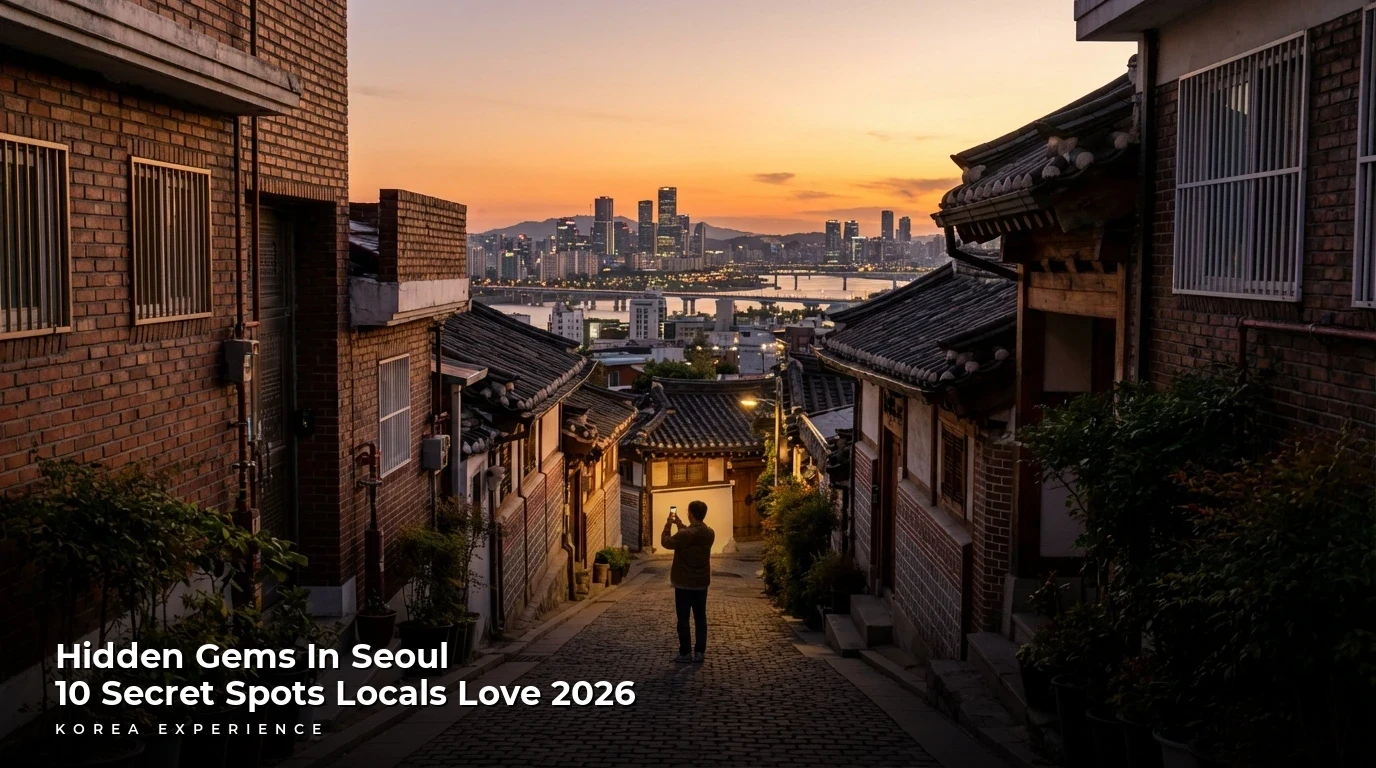
For travelers seeking the authentic pulse of the city in 2026, the best hidden gems in Seoul are found in the neighborhoods of Mullae-dong, Buam-dong, and the winding alleys of Huam-dong. While areas like Gangnam and Hongdae dominate the guidebooks, these "secret" districts offer a blend of industrial history, tranquil nature, and retro culture that creates a distinctively local atmosphere. You can expect significantly fewer crowds, lower prices (often 20-30% cheaper than tourist hubs), and experiences that feel genuinely undiscovered.
The short answer: To escape the tourist crowds in 2026, head to Mullae-dong for industrial art cafes, Buam-dong for mountain tranquility, and Huam-dong for the best sunset views of N Seoul Tower.
Key Takeaways
- 1Mullae-dong transforms old steel factories into trendy cafes and art spaces, located just 10 minutes from Hongdae.
- 2Buam-dong offers a peaceful mountain retreat with galleries and famous fried chicken, accessible via a 15-minute bus ride from Gyeongbokgung.
- 3Mangwon Market provides a cheaper, more authentic street food experience than the overcrowded Gwangjang Market.
Seoul is a metropolis of 9.7 million people that moves at a breakneck speed, yet it hides pockets of silence and history that many visitors miss. In 2026, the trend among locals has shifted towards "Golmok-gil" (alleyway) exploration—finding value and beauty in the overlooked spaces between skyscrapers. This guide moves beyond the standard itinerary to reveal the spots where Seoulites actually spend their weekends.
1. Mullae-dong: The Brooklyn of Seoul
Once a gritty district known solely for its steel foundries and ironworks, Mullae-dong has solidified its status in 2026 as the capital's creative heart. What makes this area unique is the coexistence of active factories and high-end aesthetic spaces. You will hear the sound of welding and grinding metal right next to a jazz bar or a bakery selling pastries for ₩4,500.
Unlike the polished streets of Gangnam, Mullae retains a raw, industrial edge. The "Mullae Art Village" is a labyrinth of narrow alleys adorned with murals and metal sculptures. It is best visited in the late afternoon, around 4:00 PM, when the sunlight hits the rusted metal roofs, creating a photographer's paradise.
Rust Bakery(러스트 베이커리)
Photography Etiquette
While Mullae-dong is photogenic, many ironworks are active businesses. Do not photograph workers without permission, and be careful of heavy machinery moving through the alleys.
The area is also home to "Old Mullae," a cafe by day and pub by night that perfectly encapsulates the neighborhood's spirit. Housed in a renovated warehouse, it features vintage tools as decor. A craft beer here costs approximately ₩8,000 to ₩10,000. It is a stark contrast to the commercialized vibes of Itaewon.
For those interested in the café culture of Korea, Mullae offers a grittier alternative to the polished venues found elsewhere. You can read more about the city's coffee scene in our guide to the best coffee shops in Seoul.
2. Buam-dong: A Mountain Retreat in the City
Located just north of the Blue House (Cheong Wa Dae), Buam-dong feels like a countryside village despite being only 15 minutes away from the bustle of Gwanghwamun. In 2026, as travelers seek "wellness" and "slow travel," Buam-dong has emerged as a top destination for quiet reflection.
The neighborhood sits at the foot of Mt. Bugaksan and offers stunning views of the Seoul Fortress Wall. There is no subway station directly in Buam-dong; you must take a bus (Green bus 7022, 1020, or 7212) from Gyeongbokgung Station (Exit 3). This slight inconvenience keeps the massive tour buses away, preserving the area's charm.
📖 How to Enjoy a Perfect Afternoon in Buam-dong
Step 1: Arrival
Take a taxi (approx. ₩7,000) or bus from Gyeongbokgung Station to the 'Buam-dong Community Service Center' stop.
Step 2: Lunch
Visit Jaha Son Mandu for Michelin-recognized dumplings (₩20,000) or Gyeyeolsa for legendary fried chicken (₩25,000).
Step 3: Culture
Walk to the Whanki Museum to see abstract Korean art.
Step 4: Nature
Hike along the Seoul City Wall towards Changuimun Gate.
One of the highlights here is the "Sanmotoonge" cafe, famous for being a filming location for the drama Coffee Prince. Although the drama is old, the view remains timeless, offering a panorama of the mountains that envelop Seoul. Coffee prices here are higher than average, around ₩8,000 for an Americano, paying for the view as much as the drink.
If you enjoy visiting filming locations, Buam-dong is a treasure trove. For more on this topic, check out our article on historic Kdrama sets and folk villages.
3. Huam-dong: The Sunset Capital
While everyone heads to N Seoul Tower for views, the locals head to Huam-dong to look at the tower. Located on the slopes of Namsan, this neighborhood is characterized by steep stairs, rooftop cafes, and a nostalgic 1980s atmosphere.
In 2026, the "108 Stairs" of Huam-dong have become a minor viral sensation, not just for the workout but for the funicular elevator that was installed, making the ascent accessible. The neighborhood is dotted with "Sinheung Market," which has been revitalized from a dying market into a cluster of arcade game bars, photo studios, and bistro pubs.
📋 Huam-dong Essentials
The views here are unparalleled. You can see the entire Yongsan district spread out below you. Cafes like "The Royal Food and Drink" offer window seats that frame the city like a painting. Expect to spend about ₩15,000 to ₩18,000 for a brunch plate here.
Walking from Huam-dong up to Namsan Library is a beautiful route in autumn. It takes about 20 minutes uphill, but the gingko trees are spectacular. Avoid weekends if you want a quiet walk.
4. Mangwon-dong: The Authentic Foodie Paradise
Move over, Gwangjang Market. While Gwangjang is famous for its mung bean pancakes, it has become incredibly crowded and commercialized by 2026. Mangwon-dong, located near the Han River in Mapo-gu, offers a more residential and authentic market experience.
Mangwon Market is where locals actually buy their groceries, but it's also a street food heaven. The "Mangwon Hangang Park" is just a 10-minute walk away, making it popular for young couples to buy food at the market and have a picnic by the river.
💵 Street Food Price Comparison
Crispy, spicy vegetable filling
Sweet and spicy fried chicken
The vibe in Mangwon is youthful and hip, often called "Mangnidan-gil" for its row of small, owner-operated shops selling vintage glass, stationery, and fusion cuisine. It is a fantastic area for solo travelers because many restaurants here are small and cater to solo diners ("Hon-bap").
If you are traveling alone and worried about dining, our guide to best spots for solo dining in busy districts offers more great recommendations.
5. Seochon: The "West Village" of Arts
Bukchon Hanok Village is beautiful, but it suffers from over-tourism. Seochon, located to the west of Gyeongbokgung Palace, offers a similar historical vibe but with a more lived-in, artistic atmosphere. It is one of the oldest neighborhoods in Seoul and was historically home to artists and writers during the Joseon Dynasty.
In 2026, Seochon is defined by its mix of traditional Hanoks, small independent bookstores, and the famous Tongin Market. Unlike the grand mansions of Bukchon, the Hanoks here are smaller and humbler.
Seochon Day Trip: History Meets Modernity
The Dualism Concept: Experience the best of both worlds — premium luxury moments paired with authentic budget-friendly experiences in one route.
Boan Inn (Art Stay)
Historic inn turned gallery/stay
Tongin Market Dosirak
Build your own lunch box with brass coins
Start with the market lunch, then spend the afternoon exploring the small galleries scattered near Suseong-dong Valley.
A hidden gem within Seochon is the Suseong-dong Valley at the end of the village. It was restored to look exactly as it did in 18th-century paintings. It’s a quiet park with a flowing stream, perfect for cooling off in the summer.
6. Euljiro 3-ga & 4-ga: The "Hipjiro" Evolution
Euljiro has been "up-and-coming" for a few years, but in 2026, the action has moved deeper into the alleys of Euljiro 3-ga and 4-ga. This area is the definition of "hidden" because many of the best bars and cafes do not have obvious signage. You often have to walk up steep, dark staircases in buildings that look like abandoned warehouses to find vibrant wine bars and electronic music venues.
This area is famous for "Nogari Alley," where plastic tables spill out onto the street at night, and locals drink cheap beer (₩4,500 for 500ml) with dried pollack (nogari). However, the real gems are the hidden speakeasies.
Finding the Hidden Entrance
In Euljiro, if you see a small A4 paper taped to a heavy steel door with a faint logo, open it. It is likely a cafe or bar. Do not be intimidated by the rough exterior of the buildings.
Prices in the hidden bars of Euljiro can be surprisingly high compared to the street food outside, with cocktails averaging ₩18,000. The contrast between the grit of the street and the sophistication of the interiors is what defines the "Newtro" (New + Retro) trend sweeping Korea.
7. Seoul Herbal Medicine Market (Yangnyeongsi)
For a sensory experience unlike any other, the Seoul Yangnyeongsi Market in Jegi-dong is a must-visit. As soon as you step out of the subway (Jegi-dong Station, Line 1), the air is thick with the scent of ginseng, licorice, and dried roots. This is where 70% of Korea's herbal medicine is traded.
Inside the market stands the Seoul K-Medi Center, a hidden cultural gem. It features a museum, foot baths infused with herbs, and opportunities to try traditional medical teas.
📊 Market Scale
The foot bath experience at the K-Medi Center is incredibly affordable, costing around ₩5,000 for 20 minutes. It is an excellent way to rest your feet after days of walking around Seoul.
8. Eunpyeong Hanok Village: The Modern Traditional
While Bukchon and Jeonju are famous for their Hanok villages, Eunpyeong Hanok Village offers a different appeal. Constructed relatively recently, it is a planned community of modern Hanoks at the foot of Bukhansan Mountain.
Because it is newer and further from the city center (about 45 minutes by bus/subway), it is spacious and serene. The streets are wide, and the architecture blends traditional aesthetics with modern insulation and design.
Hanok Village Showdown
| Feature | Bukchon | Eunpyeong |
|---|---|---|
| Crowd Level | Very High | Low to Moderate |
| Photography | Difficult (Crowds) | Excellent (Open spaces) |
| Atmosphere | Historic/Busy | Modern/Relaxed |
| Access | Easy (Central) | Moderate (Bus required) |
A highlight here is the "1 In 1 Jan" cafe, which offers floor-to-ceiling windows looking out over the tiled roofs and the mountain peaks. It is arguably one of the most Instagrammable spots in Korea in 2026.
9. Seongsu-dong (The Northern End)
Seongsu-dong is known as the "Brooklyn of Seoul," but the main cafe street has become saturated. The real locals have migrated to the northern end, closer to Seongsu Station Exit 1 and 2, and towards the edges of Seoul Forest.
Here, old red-brick factories are being converted into complex cultural spaces. "LCDC Seoul" is a prime example—a multi-story complex housing boutiques, a cafe, and a rooftop bar. The vibe is sophisticated and fashion-forward.
If you are on a budget, this area can be pricey. A latte often costs ₩6,000 to ₩7,000. However, the window shopping and people-watching are free. This is the epicenter of Korean street fashion.
For those trying to manage their expenses while enjoying these trendy spots, our guide on how to see Seoul for $50 a day provides excellent strategies.
10. Yongsan Park (Former US Base)
A relatively new addition to Seoul's map is the partial opening of Yongsan Park, formerly the US military garrison. The red brick buildings, English street signs, and spacious lawns create a surreal atmosphere that feels like an American suburb dropped into the middle of Seoul.
In 2026, more sections have opened to the public. It has become a prime spot for couples taking snapshots because of its exotic, non-Korean aesthetic.
Yongsan Park Experience
- ✓Unique 'American' architecture
- ✓Spacious and green
- ✓Free admission
- ✗Can have long queues for photo spots
- ✗Limited shade in summer
- ✗Not all areas are open yet
The park is located near Ichon Station or Noksapyeong Station. Bring water and walking shoes, as the distances between buildings are significant.
Practical Tips for Finding Your Own Gems
Finding hidden spots in Korea requires a bit of digital know-how. Google Maps is often outdated or lacks detail for small businesses in Korea.
- Use Naver Map or KakaoMap: These are essential. They have the most up-to-date info, reviews, and transit data.
- Look for "Ganpan" (Signage): In older neighborhoods, look up. Many great spots are on the 2nd or 3rd floors.
- Time it Right: Seoul is a late-night city. Many "hidden" cafes and bars don't open until 11:00 AM or even 5:00 PM.
❓ Frequently Asked Questions
Have more questions?Contact us →
By stepping off the beaten path and exploring these neighborhoods, you will discover the depth and duality of Seoul—a city where the futuristic and the nostalgic dance together in the back alleys. Whether you are sipping coffee in a converted steel mill or watching the sunset from a hillside village, these hidden gems offer a travel experience that goes far beyond the souvenir shops of Myeongdong.
About the Author
Korea Experience Team
Written by the Korea Experience editorial team - experts in Korean medical tourism, travel, and culture with years of research and firsthand experience.
Explore more in Travel & Tourism
From Seoul's neon-lit streets to Jeju's volcanic landscapes — discover the best of Korea with insider travel tips, itineraries, and seasonal guides.
Browse All Travel & Tourism ArticlesContinue Reading
Explore more articles you might find interesting
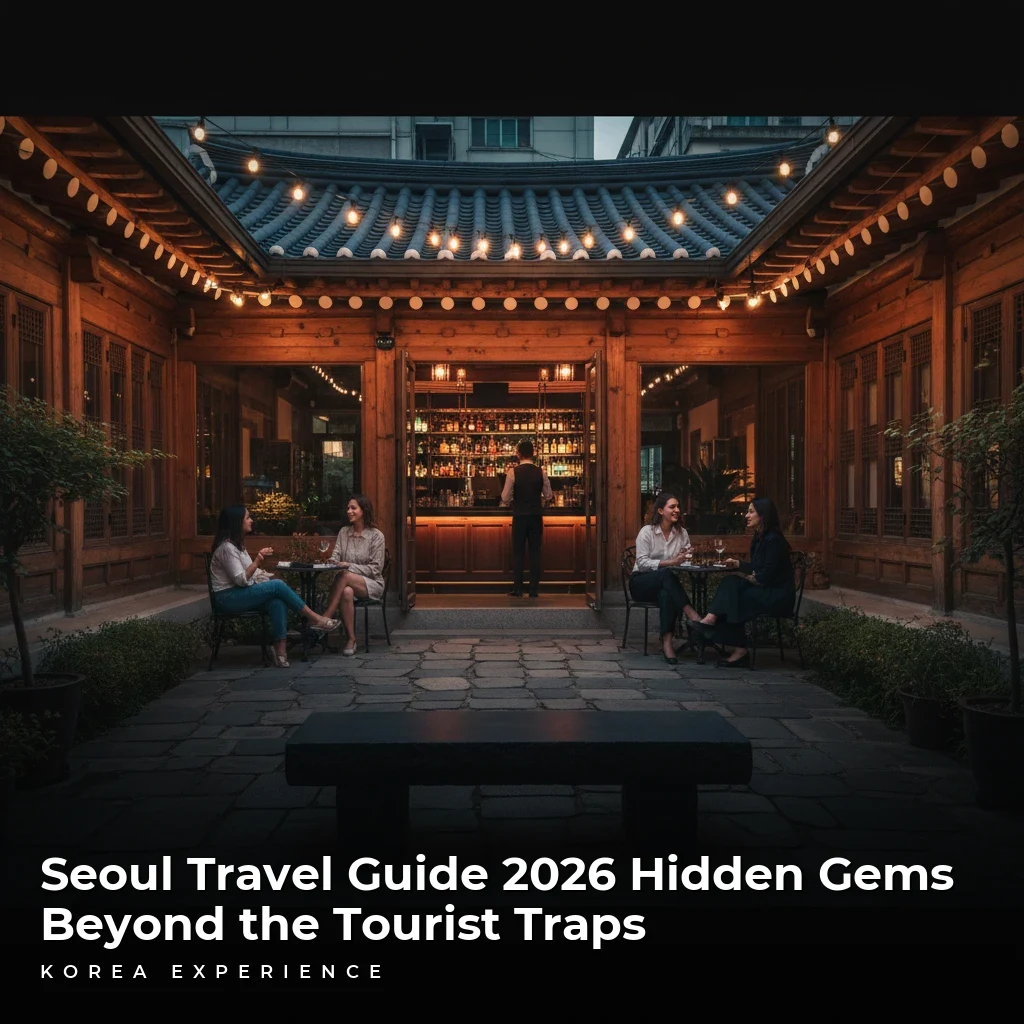
Discover Seoul's best kept secrets for 2026. From Sindang-dong cocktail bars to Mullae art alleys, explore the city like a local. Prices and maps included.
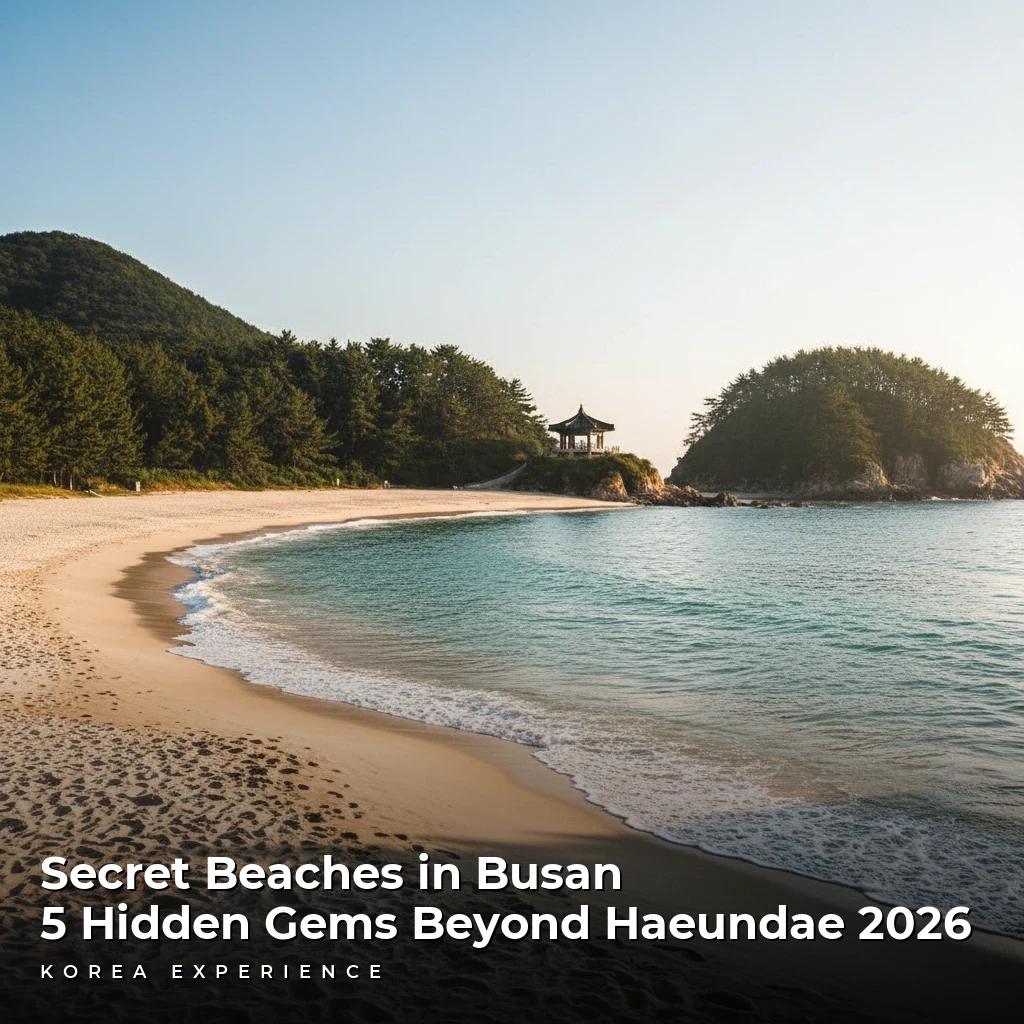
Discover 5 secret beaches in Busan beyond Haeundae. From surfing at Songjeong to Dadaepo's ₩0 fountain shows, explore Korea's coast like a local.
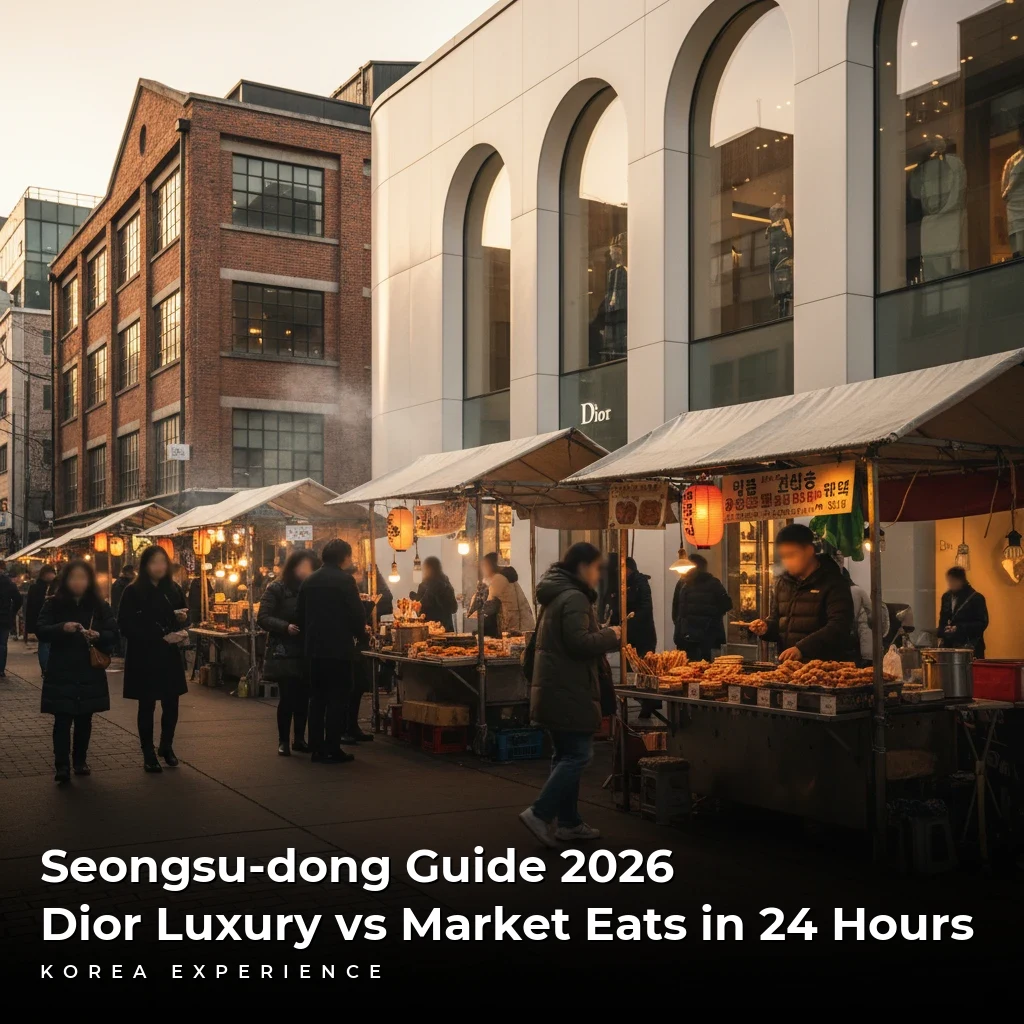
Explore Seoul's trendiest district with our 24-hour itinerary. Compare the ₩200,000 luxury Dior experience against ₩15,000 local market gems in Seongsu.
Discover Seoul's stunning libraries in 2026. From the 13m shelves of Starfield to hidden Hanok gems. Free entry details and photo spots included.
Discover the top rooftop bars in Seoul for 2026. From Gangnam luxury to Hongdae vibes, find prices, dress codes, and the best sunset spots starting at ₩15,000.
Capture stunning sunsets in Seoul with our 2026 guide. Discover top locations like Namsan and Banpo Bridge, plus timing tips for the perfect shot.